

Table of Contents
- Introduction: The Critical Nexus of Japan Agriculture Industry
- Sector Overview: Tradition and Technology Intersect
- Arable Land, Climate Zones & Production Landscapes
- Key Products: Crops, Horticulture & Forestry
- Rigorous Quality Assurance & Traceability
- Smart Farming in Japan: Technology, AI & Robotics
- Farmonaut’s Role in Modern Farming
- Comparative Technology Adoption Table
- Global Trade: US Japan Agriculture Trade & Beyond
- Challenges, Sustainability & The Future
- Frequently Asked Questions (FAQs)
- Conclusion
“Japan uses over 2,000 agricultural robots, making it a global leader in smart farming technology adoption.”
“Japanese farmers achieve rice yields of up to 6.8 tons per hectare, among the highest worldwide.”
Japan Agriculture Industry: Smart Farming & Key Products
The Japan agriculture industry stands as a remarkable testament to the harmonious fusion of time-honored tradition and cutting-edge innovation. At the critical nexus where rural livelihoods, intelligent resource management, and global trade intersect, Japan’s agriculture sector is a finely tuned system that both preserves cultural values and leads the world in technology-driven farming advancements. In this comprehensive review, we’ll explore how smart farming in Japan not only sustains local communities but also delivers exceptional agricultural products in Japan—including apples, rice, tea, and specialty exports—renowned for their quality and safety in markets worldwide.
- 🍚 Rice is Japan’s most culturally and economically significant crop.
- 🤖 Japan is at the forefront of robotic farming—from autonomous tractors to AI-powered pest control.
- 🌱 Stringent quality and traceability standards drive both domestic and export success.
- 🌏 The us japan agriculture trade corridor enables robust two-way exchange, benefiting both nations.
- 🌳 Forestry and rural landscapes are managed to deliver both timber and ecological services.
Japan’s adoption of AI, IoT sensors, and robotics in farming not only tackles labor shortages but also raises the global standard for crop quality, safety, and sustainable production.
Sector Overview: Tradition and Technology Intersect in Japan Agriculture Industry
The Japan agriculture industry sits at a crossroads of tradition and rapid technological evolution. While rural communities honor practices passed down over centuries, Japan today is a stronghold for innovation, integrating smart farming systems to boost productivity, precision, and crop quality. The conversation around Japanese agriculture highlights several critical elements:
- Rigorous standards for food safety, taste, and traceability
- Technology-driven operations to manage aging labor forces and scarce arable land
- Export-oriented strategies for premium products (apples, pears, green tea, processed soy)
- Regional identity via specialty crops—wasabi, mushrooms, citrus, and strawberries
- Government-supported stability programs to stabilize prices and protect farmers from market volatility
At the heart of Japan’s approach is a unique blend: local know-how meeting global demand, supported by robust governmental and cooperative frameworks, all while emphasizing sustainability and ecosystem health within rural landscapes.
Comparative Technology Adoption Table: Smart Farming in Japan
| Smart Farming Technology | Main Application | Estimated Adoption Rate (%) | Key Crops/Products | Estimated Impact (Yield/Quality) |
|---|---|---|---|---|
| AI-Based Crop Monitoring | Automated disease & pest detection, input optimization | 55% | Rice, apples, strawberries, vegetables | 10-20% higher yields, significant reduction in chemical use |
| IoT Sensor Networks | Real-time soil moisture, nutrient & microclimate data | 48% | Tomatoes, leafy greens, rice, orchards | Improved input precision, up to 30% water savings |
| Robotic Harvesters | Automated fruit & vegetable picking | 30% | Strawberries, apples, citrus, tomatoes | Reduces labor costs, timely harvest ensures quality |
| Drones & UAVs | Aerial mapping, crop spraying, surveillance | 38% | Rice, orchards, vegetables | Quicker field analysis, precision input delivery, better coverage |
| Automated Greenhouses | Climate, irrigation, and nutrient automation for year-round production | 34% | Tomatoes, cucumbers, leafy greens | Consistent supply quality, up to 50% increase in yield per square meter |



Leverage real-time AI advisory and satellite-based monitoring tools to optimize crop inputs and manage resources more efficiently. Check out Farmonaut’s carbon footprinting solution to track and reduce greenhouse gas emissions on modern farms and agri-businesses.
Arable Land, Climate Zones & Production Landscapes: The Mosaic of Japanese Farming
Japan’s unique geography profoundly shapes its agriculture. The archipelago’s arable land represents less than 12% of total area, often distributed across a mosaic of climate zones, from snowy Hokkaido down to subtropical Kyushu. Terraced hillsides—especially in central and southern areas—allow for farming in topographically complex regions, while alluvial plains near rivers yield intensive field agriculture.
- ✔ Large-Scale Rice Paddies: Central plains like Niigata and Tohoku
- ✔ Terraced Farming: Steep slopes in Shikoku, Wakayama, and parts of Honshu
- ✔ Horticulture Zones: Apples in Aomori; citrus in Ehime & Wakayama
- ✔ Subtropical Edges: Sugarcane & tropical fruits in Okinawa
Stringent water management systems, automated irrigation networks, and smart sensor deployment enable Japanese farmers to maximize productivity within these diverse landscapes, making the most of limited fertile land amidst mountains, forests, and urban growth.

Key Products in the Japan Agriculture Industry: Crops, Horticulture & Forestry
Japan is globally celebrated for a diverse array of agricultural products, each meeting exceedingly stringent standards for taste, appearance, and food safety. Let’s examine the primary and specialty crops, their regional identities, and their impact on domestic and export markets:
Staple Crops & Major Exports
- Rice (Oryza sativa): The cornerstone of Japanese food culture, rice remains both culturally central and an economically significant crop. Leading producers include Niigata, Akita, and Hokkaido. Yields exceed 6.5 tons/ha with the support of government programs to stabilize prices and protect farmers from market volatility.
- Apples: Aomori Prefecture dominates Japan’s apple production, focusing on Fuji and Tsugaru varieties known for crisp texture, bright appearance, and high taste standards. Apples are both consumed domestically and exported widely within Asia.
- Citrus: Ehime’s mikan (satsuma mandarins) and Shizuoka’s lemons and oranges have established strong regional brand identities and are valued in both domestic and international markets.
- Strawberries: Fukuoka, Tochigi, and Shizuoka drive innovation in varietal development, meeting consumer demand for premium flavor and year-round supply thanks to greenhouse technology.
- Vegetables: Tomatoes, cucumbers, spinach, carrots, and a broad range of leafy greens, much of it grown in automated greenhouses and under smart management for traceability.
- Specialty Crops: Japanese tea (Uji, Shizuoka), wasabi (Nagano, Shizuoka), and mushrooms (shiitake, enoki from Kyushu, Nagano) contribute both nutritionally and to Japan’s regional terroirs.
- Processed Soy Products: Edamame, tofu, natto, miso, and soy sauce are tightly bound to Japan’s food culture and increasingly recognized in global niche markets due to reduced-pesticide, organic, and traceability certifications.
Assuming all Japanese agriculture is small-scale. While Japan has many small family farms, it leads in large-scale automation, data-driven management, and smart farming systems, especially for premium crops and export production.
Forestry & Ecosystem Management
- Forests cover over 66% of Japan’s land—vital for biodiversity, timber, flood protection, and cultural landscapes.
- Timber Products: Sugi (Japanese cedar) and hinoki (cypress) are managed for both supply and environmental services within rural communities.
- Sustainable models: Increasing reliance on satellite-based resource management, forest health monitoring, and pest/disease forecasting.
- 📦 Diverse product range— staples, specialties, and processed foods
- 📊 Robust supply chain— branded regional products, strict packaging standards
- ⚡ High-value exports— apples, pears, green tea, nori, processed soybean goods
- 🔒 Traceability assurance— blockchain integration for premium market access
- 🔬 Continuous innovation— crop breeding, AI-driven input management, and disease forecasting

Rigorous Quality Assurance and Traceability in Japanese Agriculture
Japanese agricultural products are recognized globally for their quality assurance, traceability, and food safety standards. Key mechanisms driving industry leadership include:
- Certification schemes for organic, pesticide-reduced, and pesticide-free crops
- Blockchain-based tracking of produce from field to consumer, ensuring transparency and minimizing fraud
- Cooperative marketing and logistics that enable small producers to compete globally
- Stringent labeling & provenance requirements, fostering trust in domestic and international markets
In response to demographic shifts, these systems increasingly emphasize value-added, processed, and ready-to-cook items, catering to time-pressed consumers seeking convenience alongside regional identity.
Japan’s smart agriculture sector—from robotics to blockchain-based traceability and satellite monitoring—is attracting increased FDI and venture capital, underlining its position as an export-driven innovation hub.
To further enhance traceability, we offer blockchain-based product traceability tools that empower supply chain actors with secure, real-time verification. This is vital in a system where stringent standards and buyer trust are non-negotiable.
Smart Farming in Japan: Technology, AI & Robotics Elevating Agriculture
Smart farming in Japan describes the transformational use of Internet of Things (IoT) devices, artificial intelligence (AI), robotics, autonomous vehicles, and blockchain systems to revolutionize crop production, livestock care, and supply chain management. Here are core facets of Japanese smart agriculture:
- 🔍 AI-driven disease and pest forecasting minimizes chemical input while maximizing yields and reducing crop losses.
- 📡 Sensor networks and IoT provide real-time soil, moisture, weather, and microclimate insights, boosting input efficiency.
- 🤖 Robotics and automation (e.g., robotic harvesters, autonomous tractors) address labor shortages efficiently.
- 🛰️ Satellite imagery enables macro-level production monitoring and resource allocation—crucial given regional variability in climate and terrain.
- 🌱 Urban and peri-urban farming—vertical farms and hydroponic systems expand the definition of arable land and stabilize urban supply chains.
- 🔄 Data integration and traceability across the supply chain strengthens food safety and market confidence.
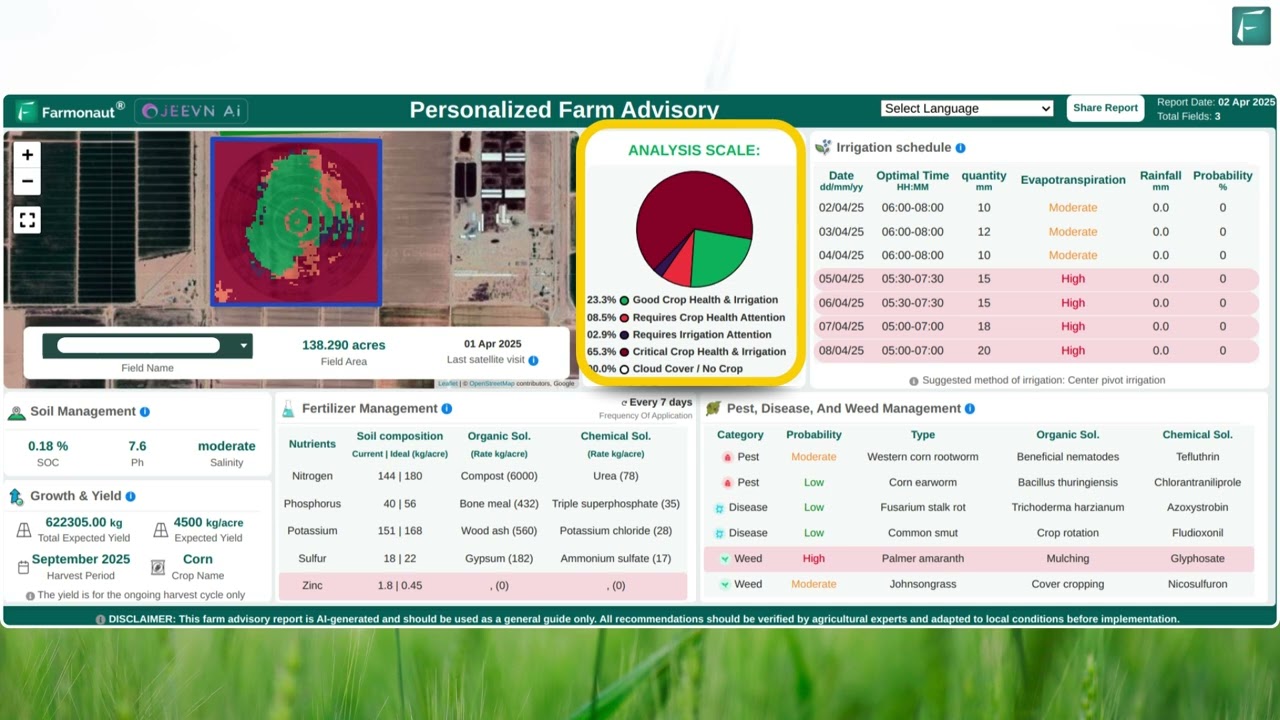
- 🚜 Labor Shortages Solved: Robots & automated tractors support aging rural communities
- 🌾 Yields & Quality Boosted: AI-based advisories result in higher crop yields and improved resilience
- 📈 Market Integration: Smart data enables on-demand targeting of domestic and export markets
- 🔄 Supply Chain Optimization: Integrated platforms foster traceability and meet premium buyer standards
Over 55% of leading rice and vegetable farms in Japan use IoT-based irrigation or AI analytics, helping push national yield averages to global highs while minimizing labor and environmental inputs.

How We at Farmonaut Support Smart Farming in Japan and Worldwide
At Farmonaut, we make advanced satellite-based monitoring, AI advisory, blockchain traceability, and resource management tools accessible for everyone—whether individual farmers, businesses, or governments worldwide. Our platform delivers key benefits that align with the needs of Japan’s agriculture industry:
- 🌍 Remote satellite crop monitoring: Real-time NDVI, moisture, and soil health information supports precise decision-making and timely interventions.
- 🤖 AI-driven advisories (Jeevn AI): Customized alerts and strategies for disease, irrigation, and weather risks.
- 🔗 Blockchain-based traceability: Secure end-to-end tracking—vital for stringent Japanese and export market standards.
- 🔄 Fleet and resource management: Advanced logistics tools (see Fleet Solution) for field machinery/vehicle optimization and safety.
- 🌱 Carbon footprinting analytics: Actionable insights to help agriculture sustainably balance productivity and environmental stewardship.
Our subscription-based platform is easily accessible via web, Android, iOS apps, and developer-friendly APIs. Integrate our satellite and AI-powered weather/farm data APIs here to automate your workflow.
Satellite-based crop loan and insurance verification is also available—accelerating agricultural financing and reducing fraud risks across the sector.
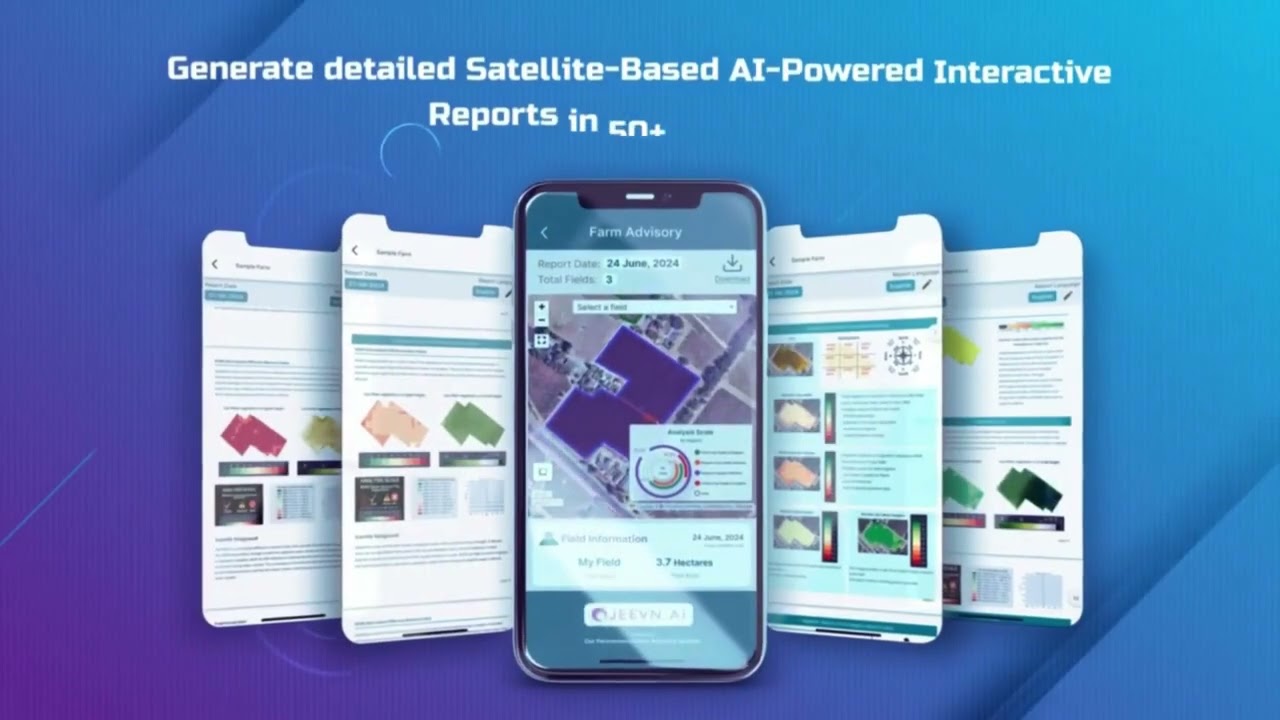
Explore the Farmonaut API or refer to our API developer docs to seamlessly integrate satellite-driven insights into your agribusiness or supply chain application.
Interested in large-scale farm management, supply chain traceability, or AI-driven crop advisory for your region? Discover our Large Scale Farm Management suite here and modernize your agricultural operations with next-gen analytics and resource planning.
“Japanese farmers achieve rice yields of up to 6.8 tons per hectare, among the highest worldwide.”

Global Trade: US Japan Agriculture Trade and Japan’s Export Strategies
The us japan agriculture trade relationship is central to the global food economy, marked by a finely tuned system of standards alignment and high-value product flows in both directions. Here are core facets of international operations and market access:
- ⭐ Japanese Exports: Apples, pears, green tea, nori, processed soy, and premium fruits command premium prices in Asian, US, and European markets.
- ⭐ US Exports to Japan: Beef, pork, dairy, soybeans, fruit, wine, and processed foods drive exports into Japan’s discerning retail and foodservice sectors.
- ⭐ Safety standards alignment ensures mutual acceptance of high-quality imports/exports, supporting both Japanese consumer trust and US producer opportunity.
- ⭐ Trade agreements between Japan and the US shape tariff schedules, market access, agricultural R&D, and regulatory cooperation.
Both parties benefit from collaborative technology transfer, sustainable farming practice exchange (water, soil health, risk forecasting), and connectivity of supply chains using blockchain-based traceability systems.

Export success in Japan depends on offering consistent quality, detailed labeling in Japanese, and verifiable traceability—made easier with tools like our blockchain solution.
Challenges, Sustainability & the Future of Japan Agriculture Industry
Despite its global leadership, the Japan agriculture industry faces ongoing challenges that shape the next generation of smart farming and market resilience:
- 👵👴 Aging rural population: Average farmer age is over 67, intensifying the need for robotics, automation, and adapting to labor shortages.
- 🏔️ Limited arable land: Competing urbanization and topographical barriers challenge productivity growth.
- 🌦️ Climate volatility: Typhoons, shifting weather, and increased disease/pest activity threaten yield stability.
- 🌱 Demand for sustainability: Climate-smart, low-carbon operations and forest conservation are now essential for future-proofing agricultural exports.
Solutions in Progress:
- Precision data management—satellite, AI, and sensor data drive actionable decisions at every level, from seeding to supply chain.
- Urban & peri-urban farming expand sustainable food supply, especially for high-density metropolitan regions.
- Resource tracking tools (Farmonaut Carbon Footprinting) ensure compliance and support ESG strategies.
- Blockchain-based traceability strengthens supply chains in domestic and export markets.
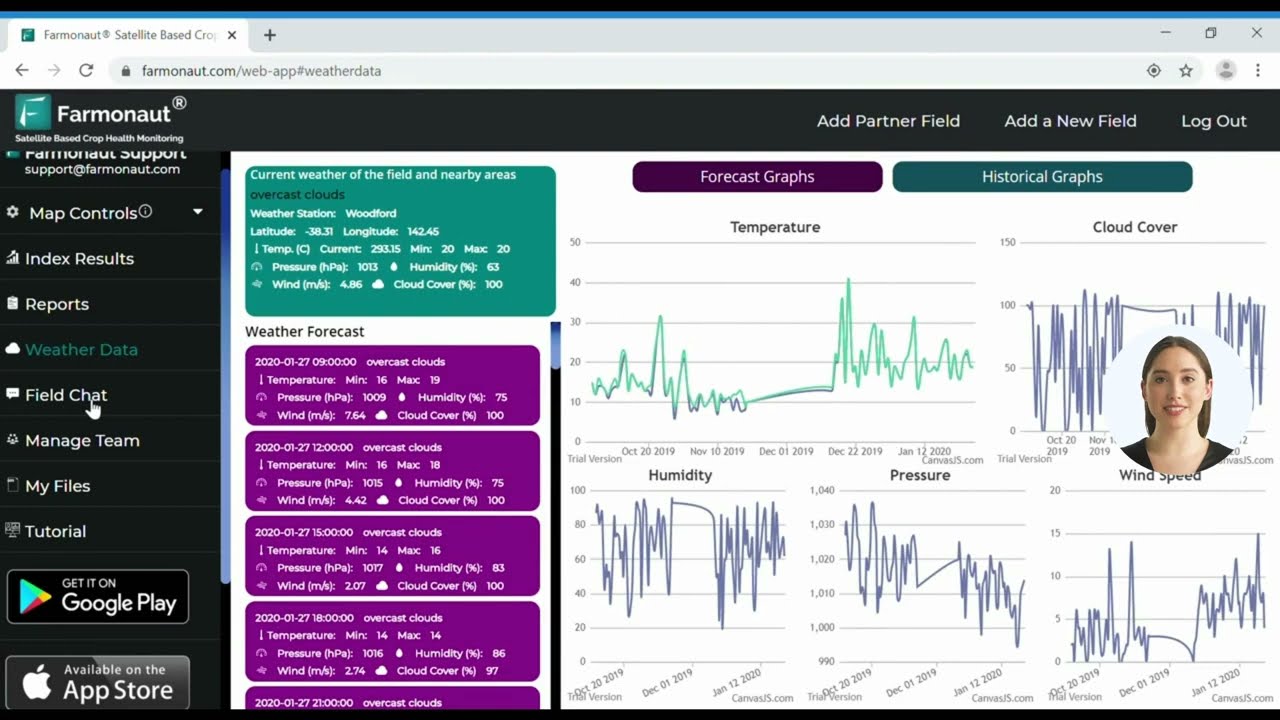
Japan’s agriculture sector’s unique blend of tradition and advanced technology offers a compelling blueprint for future global food systems—championing safety, sustainability, and technological leadership.
Frequently Asked Questions (FAQs)
What are the most important crops and products in Japanese agriculture?
Key products include rice (central to diet and culture), apples, citrus (mikan, oranges), strawberries, a range of high-quality vegetables, tea, wasabi, mushrooms, and processed soy foods (tofu, natto, edamame, miso).
Why is smart farming so crucial for Japan?
Smart farming in Japan mitigates labor shortages, maximizes productivity on limited land, reduces environmental impact, and meets demanding quality and traceability standards required in both domestic and global markets. The hardware behind that shift is covered in Japan’s farm robots and sensors, with examples from working farms.
How do Japanese food exports ensure their reputation for safety and quality?
Japanese exports employ rigorous traceability systems, frequent audits, and keep to strict safety certifications (e.g., pesticide-reduced, organic). Blockchain and AI technologies further enhance supply chain transparency.
How does Farmonaut support smart agriculture worldwide?
We provide affordable satellite-based monitoring, AI advisories, blockchain-enabled traceability, and resource analytics apps and APIs—helping stakeholders optimize yields, track environmental impacts, and ensure authenticity from farm to buyer.
Where can I learn more or try a demo of these technologies?
Visit our web app or download the app for Android and iOS. Developers can explore the Farmonaut API and developer documentation.
Conclusion
The Japan agriculture industry offers an unparalleled example of how tradition and advanced technology can coexist and drive a sector to global excellence. Through smart farming—including AI, robotics, IoT sensors, blockchain, and satellite monitoring—Japan ensures outstanding crop quality, strict safety standards, and leadership in sustainable food production.
As demographic pressures increase and international trade grows more complex, the Japanese model’s emphasis on traceability, producer certification, data-driven efficiency, and market integration will only increase in relevance for global food systems. We at Farmonaut remain dedicated to supporting agricultural innovation with accessible satellite insights, AI-powered tools, and transparent supply chain management—helping farmers, businesses, and governments alike thrive in this evolving landscape.
Whether you are a producer, trader, regulator, or technology enthusiast, there’s much to learn from the finely tuned blend of tradition and smart innovation defining Japanese agriculture and the growing demand for data-driven, sustainable food systems worldwide.

 Aamoksh One Eighty
 Patrick America
 Red Dog Management
 Liquify Digital
 CU Foods
 BeyondTech Global
 Rouge VC
 AgroGreen Dynamics
 AgroRisk
 Oath Inc
 Reddane Farming
 Esri North East Africa
 Cresol
 MDCV UK
 Zerella Group
 Etech Consulting Madagascar
 Vestlandsforsking
 Delicio
 WB Dev
 Sama Premium
 Prochecker
