

Jackson Crossroads Amethyst Mine: Mining for Amethyst Crystals
Introduction: The Enduring Allure of Jackson Crossroads Amethyst
Nestled in the heart of Georgia, the Jackson Crossroads Amethyst Mine, in Wilkes County near Tignall, is known for some of the finest amethyst found in the United States. Discovered in 1988, according to the Mineralogical Record, this site stands as a testament to the enduring significance of mining for amethyst crystals—not just as a regional economic engine, but as a case study in sustainable and responsible resource extraction.
In 2025 and beyond, as the world continues to seek a balance between development and the conservation of natural resources, the mine’s approach to responsible mining, local economic impact, ongoing scientific research, and deep-rooted community ties keeps it in the spotlight. From hobbyist gem enthusiasts and professional mineralogists to environmentalists and policy-makers, the site draws interest across many sectors—spotlighting its enduring relevance and influence.
As we explore the facets of Jacksons Crossroads Amethyst Mine—from its geological context and the unique characteristics of its crystals, through its history, current practices, and regional economic impact—we also dive into how sustainable mining operations can maintain their legacy, achieve environmental responsibility, and flourish in the complex sectoral landscape of 2026 and beyond.
Jackson’s Crossroads Amethyst Mine: Key Facts
| Location | Near Jacksons Crossroads, northwestern Wilkes County, Georgia, west-northwest of Tignall |
| Discovered | 1988, on a tract that had just been logged |
| Deposit type | Amethyst in quartz veins, part of the Appalachian Piedmont amethyst belt |
| Known for | Deep purple colour, bright lustre, large crystals and attractive clusters |
| Mining style | Hand digging in surface pits |
The deposit was described in the Mineralogical Record, which says it has produced some of the finest amethyst ever found in the United States. Specimens are sold under the JXR label in the mineral trade.
Amethyst is not new to the county. The Georgia Piedmont has many small amethyst vein occurrences. What sets Jackson’s Crossroads apart is the depth of colour and the size of the best crystals.
If you plan a visit, confirm dates, fees and age rules with the owners before you drive out. Public digs have been scheduled rather than daily, and some third-party trip operators have stopped running trips. Bring gloves, boots, a hat and water; pits can be muddy after rain.
Amethyst: The Violet Treasure
Amethyst, a violet variety of quartz, has been a long-prized gemstone famed for its vibrant color, purity, and impressive crystal clarity. History reveals its popularity “among collectors, jewelers, and metaphysical practitioners,” but its appeal today remains robust, driving steady demand in both traditional and alternative sectors.
The Properties That Make Amethyst Unique
- Color: Ranging from pale lilac to deep, rich purple, with the most valuable stones exhibiting a saturated yet translucent hue.
- Clarity: The best amethysts are virtually inclusion-free, enhancing their appeal for jewelry and healing uses.
- Hardness: With a Mohs hardness of 7, amethyst is relatively durable, making it practical for daily wear.
- Metaphysical Value: Many consider amethyst as a stone of spiritual protection, mental clarity, and healing—benefits that fuel global demand.
The jackson crossroads amethyst is particularly notable because it frequently displays an exceptional depth of color and near-flawless clarity—characteristics that make it competitive with the finest international sources from Brazil and Uruguay.
Geological Context: Why Jacksons Crossroads Amethyst Is Special
Amethyst is quartz coloured purple by traces of iron and natural irradiation. At Jackson’s Crossroads it occurs in quartz veins, one of many Appalachian amethyst occurrences in the Piedmont, per the Mineralogical Record. Jacksons Crossroads Amethyst Mine is located in a geological corridor particularly favorable for large, gem-grade amethyst formation within the southeastern United States.
Formation Processes of Amethyst at Jackson Crossroads
- Host Rocks: Volcanic and metamorphic rocks provide an environment rich in silica and iron, crucial for vibrant violet and purple colors in amethyst quartz.
- Crystal Structure: The conditions within these rocks—controlled temperature and pressure with periodic mineral influx—allow for the slow growth of large, transparent crystals.
- Unique Growth Patterns: Amethysts from Jackson Crossroads often form in geode cavities, with some crystals exhibiting rare scepter or phantom features.

The History and Legacy of Jacksons Crossroads Amethyst Mine
The Jackson’s Crossroads deposit was discovered in 1988, per the Mineralogical Record, after the tract was logged. It has since produced some of the finest amethyst found in the United States. Over the decades, as interest in colored gemstones grew, operations evolved into a more organized and impactful enterprise.
Major Historical Milestones
- Early Exploration: Settlers and local prospectors discovered amethyst outcrops, collecting for personal and trade use.
- Formal Mining (Mid–Late 20th Century): Structured mining efforts began, focusing on surface collection and shallow pits.
- Modern Era (21st Century): Embraced more systematic and environmentally responsible mining, as part of a broader trend across the sector.
- Current Position (2025–2026): The mine stands as a model for sustainable small-scale extraction, supporting both local artisans and international gem traders.

Sustainable Mining for Amethyst Crystals: Techniques and Technologies
In 2026, sustainability and a commitment to responsible resource extraction have become central to the operational ethos at Jackson Crossroads. Unlike large-scale industrial ventures, this mine employs tailored techniques designed to be both efficient and environmentally sensitive—a vital model for future mining across the United States and worldwide.
Extraction Methods at Jackson Crossroads Amethyst Mine
- Surface Collecting: Carefully searching the site’s surface for exposed crystals to minimize soil disruption.
- Shallow Underground Mining: Digging shallow pits and trenches, targeting known geode and vein zones.
- Manual Digging: Most extraction is done by hand tools—hammers, picks, and chisels preserve the integrity of fragile crystal clusters.
- Mechanized Assistance: Small, lightweight mechanized tools are sometimes used, combining human expertise and technology to reduce waste and avoid unnecessary disturbance.
This blending of tradition with modern innovation allows for the careful extraction of high-value amethysts without excessive damage to surrounding soil structures—a crucial factor in maintaining the site’s ecological balance.

Ensuring Environmental and Community Health
- Minimal Chemical Use: Jackson Crossroads refrains from using large-scale chemical processing, preventing leaching and groundwater contamination.
- Waste Reduction: Precise mapping of crystal veins curbs excessive digging and limits land disturbance.
- Progressive Rehabilitation: Reclamation of excavated plots, topsoil restoration, and native plant reintroduction are standard practices.
- Local Engagement: Ongoing dialogue with local community members, landowners, and regional authorities provides valuable feedback for adaptive management.
Environmental Care & Economic Impact at the Mine
Maintaining an environmental balance while contributing to the regional economy is at the heart of Jackson Crossroads Amethyst Mine’s operation. The site stands as a model for:
- Low-Impact Resource Extraction: Mining strategies prioritize the preservation of onsite biodiversity, fragile geological formations, and water resources.
- Localized Economic Contribution: Dig fees and specimen sales bring visitors and some income to rural Wilkes County.
- Scientific Advancement: By opening the site to educational outreach and geological research, Jackson Crossroads continues contributing valuable data to mineralogists and ecologists.
As environmental regulations become more stringent globally, the Jackson Crossroads Amethyst Mine is proactively addressing potential disruptions, adopting best practices seen across the mining sector and continuously updating its protocols as new environmental guidelines emerge.

Economic Ripple Effects: Regional Development and Beyond
- The demand for ethically sourced amethyst is rising in both jewelry craftsmanship and metaphysical product markets.
- Jackson Crossroads’ ongoing supply supports small-scale miners, local merchants, and artisans—deepening community ties and economic resilience.
Characteristics Making Jackson Crossroads Amethyst World-Renowned
Not all amethyst is created equal. Jacksons Crossroads Amethyst Mine is celebrated for consistent production of crystals with the following distinguishing traits:
- Rich Purple Hue: The deep coloration is the result of iron impurities and geological conditions unique to this Georgia region.
- Excellent Clarity: Crystals are often remarkably free from inclusions or fractures, making them sought after for high-end jewelry and collections.
- Large Specimens: It is not uncommon for well-formed crystals over several inches in length to be extracted, contributing to the mine’s reputation.
- Unique Growth Features: Some finds exhibit rare “phantoms” or scepter formations prized among collectors and researchers.
- Consistent Supply: The reliability of the site as a regional source further cements its significance in the international gemstone supply chain.
With these characteristics, Jackson Crossroads Amethyst remains competitive, even on the international stage, drawing praise and interest from markets historically dominated by Brazil and Uruguay.
Crystals for All: Visitor Experiences and Outreach
The Jacksons Crossroads Amethyst Mine is more than just a production site—it is a celebrated destination for educational tourism and community outreach. Supported by a blend of ongoing mining and public access initiatives, the mine regularly hosts “dig-your-own” experiences and geological workshops.
Why Tourists and Enthusiasts Continue to Visit
- Hands-on Mining: On scheduled public dig days, visitors dig in the pits themselves.
- Educational Programs: Mineralogists and educators host field days focused on crystal formation, sustainable extraction, and local geology.
- Community Events: Regional fairs highlight the history and economic contributions of the mine, bringing locals and tourists together.
- Eco-Education: Programs emphasizing conservation, ecological balance, and responsible tourism.
Such activities not only support mine viability, but also foster a lasting appreciation for natural resources, the science behind crystal formation, and the value of local land stewardship.
Regional and Global Impact — From Georgia to the World
The influence of the Jacksons Crossroads Amethyst Mine extends well beyond the boundaries of Georgia. It provides economic resilience for the immediate region and contributes to scientific knowledge and sustainable product supply chains worldwide.
Key Contributions:
- Economic Development: The site stands as a pillar of local enterprise in the southeastern United States, supporting jobs, tourism, and small business growth.
- Scientific Research: By opening the property to geological studies, the mine contributes to ongoing academic inquiries on quartz crystal genesis, mineral distribution, and soil-ecosystem interactions.
- Eco-Friendly Supply Chain: Amethyst sourced here is increasingly favored by eco-conscious jewelers, artisans, and global retailers for its traceable, sustainable production practices.

Modern Tech in Responsible Mining: A Look Into 2025 & Beyond
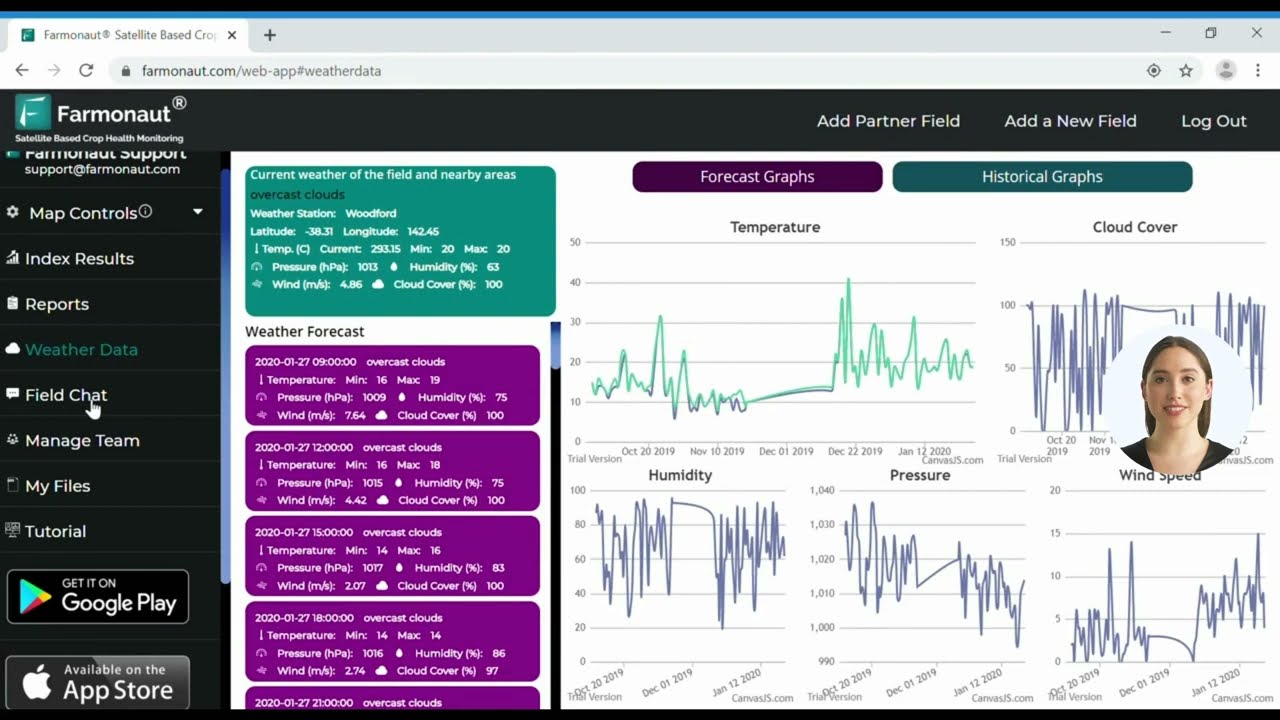
The intersection of mining, technology, and sustainability continues to transform the resource extraction sector both in Georgia and globally. By integrating satellite-driven data, real-time monitoring, and AI-based advisory tools, mining operations in 2026 are better equipped to follow best practices and make informed, environmentally sound decisions.
For advanced environmental monitoring, carbon footprint analysis, and digital traceability in mining, discover the benefits of Farmonaut’s Carbon Footprinting and Traceability Solutions.
- Satellite-Based Site Assessment: Remote sensing enables up-to-date mapping of crystal-bearing zones, vegetation impact, and rehabilitation progress.
- Fleet and Resource Management Tools: For those managing equipment, logistics, or subcontractors on mining sites, Farmonaut’s Fleet Management tools optimize vehicle usage and safety compliance.
- Real-time Advisory Systems: AI-powered analytics advise on weather impacts, resource planning, and environmental hazards—critical for minimizing waste and maximizing crystal yield.



For API integrations and custom analytic dashboards for mining resource management:
Farmonaut Mining API |
Farmonaut API Developer Documentation

Amethyst Mining Sustainability and Impact Overview
Frequently Asked Questions
Its combination of rich purple color, excellent clarity, and sustainable mining practices—plus ongoing scientific research and strong community engagement—make it an outstanding model for responsible resource extraction in the United States.
How is mining for amethyst crystals conducted sustainably at Jackson Crossroads?
The mine incorporates manual and minimally mechanized excavation to protect crystal integrity and surrounding soils, followed by progressive land reclamation and native plant restoration. Environmental impact is regularly monitored and minimized.
How does the mine impact the local community and economy?
The site supports direct employment, visitor tourism, and the supply chain for eco-friendly jewelry. Its educational programs and community events also enhance regional identity and pride.
Can visitors participate in mining activities?
Public digs have run on scheduled dates, but some organised trips have been discontinued. Check the mine’s own channels for current dates before travelling.
Where can I learn more about responsible mining innovation and digital monitoring?
Take a closer look at Farmonaut’s suite of advanced satellite-based solutions for mining, resource management, traceability, and environmental tracking. Start by exploring our Carbon Footprinting or Traceability for mining product verification.
What research is ongoing at Jacksons Crossroads Amethyst Mine as of 2025-2026?
The deposit was described in the Mineralogical Record. Most material goes to the specimen and collector market.
What is the main source of amethyst at Jackson Crossroads?
Quartz veins in Piedmont metamorphic rock. The deposit was only found in 1988.
How does the mine support eco-friendly jewelry markets?
By following traceable, low-impact extraction methods and supplying raw crystals to local artisans, eco-jewelers, and global traders emphasizing ethical sourcing.
Farmonaut: Enabling Responsible Mining and Resource Management
As a satellite technology leader, Farmonaut empowers the mining sector with advanced, affordable solutions for environmental monitoring, resource management, and supply chain traceability. From carbon footprint tracking and blockchain-based product validation to AI-driven fleet/resource management and mining advisory, we provide both strategic insight and regulatory compliance for mining operators, government agencies, and financial institutions worldwide.
- Carbon Footprinting: Accurately monitor and report site emissions, ensuring sustainability and legal compliance for mining operations.
- Product Traceability: Blockchain-backed tracking to verify mineral origins and boost stakeholder confidence; essential for eco-friendly jewelry and crystal markets.
- Fleet Management: Optimize logistical workflows and equipment safety for mine operators and regional projects.
- Large-Scale Mining Operations: Scalable, user-friendly management solutions and real-time dashboard access for decision-makers.
Conclusion: The Enduring Significance of Jackson Crossroads Amethyst Mine (2026 and Beyond)
As the world presses ahead with sustainable development goals, the Jackson Crossroads Amethyst Mine stands as a spectacular example of how mining for amethyst crystals can thrive by blending environmental stewardship, economic benefit, scientific research, and ongoing community engagement. The site’s enduring significance rests in its capacity to adapt—maintaining tradition while integrating modern technology, responsible techniques, and transparent supply chains.
As we look to the future, the lessons learned from Jacksons Crossroads will shape not just the fate of a historic Georgia site, but also set benchmarks for sustainable and successful small-scale resource extraction worldwide.

 Berks Gold Limited
 Mwerezi Minerals Company Limited
 Congo Mining Solutions
 Mining SARL
 SenGold Invest SAS
 Sania Corporation
 Sean Mining Limited
 NTS Group (Pty) Ltd
 Mine4Africa
 Lithspo Minerals Limited
 Tintina Mining Group
 Dalgety Minerals Pty Ltd
 Vortex Minerals Pty Ltd
 Faith At Work (Pty) Ltd
 Geotech Mining Solutions plc
 Vulcan International Limited
 Kidepo Associates
