

Main Copper Ore & Producers 2026: Key Global Trends Unveiled
Copper remains one of the most critical metals globally due to its extensive use in electrical wiring, construction, and machinery. As we progress through 2025 and look ahead to 2026, understanding the main copper ore types, the main copper producers, new mining techniques, and evolving market trends is essential for stakeholders and professionals in mining, manufacturing, and associated industries. This detailed overview explores the characteristics of the ore of copper, global production, and the innovations shaping the future of the copper industry.
Meta Description: Explore the main copper ore types, global copper producers, and advanced mining trends driving copper demand and production in 2025–2026.
“In 2026, Chile is forecasted to produce over 5.8 million metric tons of copper, the world’s largest share.”
Copper Ores: Types and Characteristics
Copper in Earth’s crust rarely occurs in its pure metallic form. Instead, it is mainly found as minerals within ore deposits, which must be mined and processed to extract the valuable metal. Understanding the characteristics and extraction methods of the main copper ore types is a cornerstone for those involved in the industry, especially as demand expands in 2025 and beyond. Below we explore the two primary categories of copper ores:
1. Sulfide Ores: The Powerhouse of Copper Mining
- Sulfide ores include minerals like chalcopyrite (CuFeS₂), bornite (Cu₅FeS₄), and chalcocite (Cu₂S).
- Chalcopyrite is by far the most abundant and economically important copper ore, accounting for approximately 70% of global copper production.
- These ores are generally processed using flotation techniques for concentration, followed by smelting and refining to produce pure copper metal.
- Sulfide ores are dominant in deposits worldwide, especially in mines in Chile, Peru, China, the USA, and the DRC.

2. Oxide Ores: A Crucial Source in Certain Regions
- Oxide copper minerals include malachite (Cu₂(CO₃)(OH)₂), azurite (Cu₃(CO₃)₂(OH)₂), and cuprite (Cu₂O).
- Although less abundant than sulfides, oxide ores remain important in certain regions and are often favored when environmental regulations require lower-impact extraction.
- These ores are typically processed using hydrometallurgical techniques such as heap leaching, solvent extraction, and electrowinning. These processes are considered more environmentally benign compared to traditional smelting.
- Major oxide copper deposits are found in regions like Congo (DRC) and the southwestern USA.

Key Characteristics of Main Copper Ores
- Chalcopyrite (CuFeS₂): Yellow-brass mineral, main ore of copper, found worldwide, especially Chile and Peru.
- Bornite (Cu₅FeS₄): “Peacock ore” with iridescent tarnish, less common, high copper content, rapidly processed.
- Chalcocite (Cu₂S): Rich in copper, black to steel-gray, sought after for high-grade extraction.
- Malachite (Cu₂(CO₃)(OH)₂): Bright green, occurs in oxidized zones, often associated with azurite.
- Azurite (Cu₃(CO₃)₂(OH)₂): Distinctive blue mineral, often found with malachite, secondary phase in weathered deposits.
- Cuprite (Cu₂O): Red oxide, less common yet exploited in oxide-rich regions.

“Over 70% of global mined copper in 2025 will come from sulfide ores, driving advanced extraction technique adoption.”
Main Copper Producers in 2026: Key Global Mining Countries
Copper production is dominated by a few countries possessing the most abundant and highest quality ore deposits. As we approach 2026, the following regions are set to continue their role as main copper producers, utilizing both sulfide and oxide ores in advancing extraction technologies:
Chile: The World’s Largest Copper Producer
- Chile continues to lead as the world’s largest producer, responsible for nearly 28% of total copper output globally.
- Key mines: Escondida, Chuquicamata, Collahuasi—primarily exploiting chalcopyrite and other sulfide ores.
- Mines in Chile are recognized for their integrated, advanced technology, which supports increased efficiency and reduced environmental footprint.
- The nation’s forward-looking strategies focus on sustainable mining and reducing mining’s environmental impact.
Peru: The Fast-Rising Copper Powerhouse
- Peru ranks second among main copper producers, with significant operations in mines such as Cerro Verde and Antamina.
- Peruvian mining companies are increasingly incorporating sustainable practices, due to stricter global regulations and societal demands for ethical mining.
- Peru’s output relies heavily on sulfide ores and supports substantial global supply.
China: The Industrial Giant
- China boasts extensive domestic mining regions (Jiangxi, Yunnan), although it is heavily reliant on imports due to immense manufacturing demand.
- The country’s refining capacity is unmatched, making it one of the most important global copper players and ensuring a stable copper supply for its infrastructure and energy needs.
Congo (DRC): Africa’s Copper Frontier
- Congo (Democratic Republic of the Congo; DRC) is rapidly increasing its copper output from rich sulfide and oxide deposits, mainly in the renowned Copperbelt region.
- With growing investment in mining technology and sustainable production, Congo is poised to rank higher among main copper producers in 2026.
United States: Leader in Technological Integration
- The US maintains its position with major mines in Arizona, Utah, and New Mexico, featuring operations like Morenci (AZ) and Bingham Canyon (UT).
- Production is primarily from sulfide ores, and US operations are known for advanced automation, remote sensing, and high environmental standards.
Other Notable Producers
- Australia, Russia, and Zambia also contribute significantly to global copper output, focusing on both sulfide and oxide ores.

Unlock actionable insights for mining, resource management, and infrastructure with Farmonaut’s real-time satellite-based solutions. Monitor mines, track environmental impact, and transform your operations with affordable, scalable technology.



Access Farmonaut’s API — Integrate satellite monitoring in your mining, crop, or infrastructure solutions.
View our Developer Docs
Copper Ore Types and Top Global Producers (Estimated Data, 2026)
| Ore Type Main Copper Ore & Mineral |
Major Producer Countries (2026 Estimate) |
Estimated 2026 Production (Million Metric Tons) |
Average Ore Grade (%) |
|---|---|---|---|
| Chalcopyrite (CuFeS₂) | Chile, Peru, China, USA, DRC | 16.8 | 0.8 – 1.2 |
| Bornite (Cu₅FeS₄) | Chile, Australia, USA | 2.2 | 1.2 – 2.0 |
| Chalcocite (Cu₂S) | Peru, USA, Chile | 1.9 | 1.4 – 2.5 |
| Malachite (Cu₂(CO₃)(OH)₂) | Congo (DRC), Zambia, Australia | 1.1 | 0.7 – 1.5 |
| Azurite (Cu₃(CO₃)₂(OH)₂) | Congo (DRC), China | 0.3 | 0.6 – 1.0 |
| Cuprite (Cu₂O) | USA, Chile, China | 0.1 | 1.0 – 2.5 |
Source: Industry projections, global mining reports, 2026. Actual grades and output may vary by region and deposit.

Copper Mining, Extraction & Refining Techniques: 2026 Innovations
The diversity of ore types and deposit locations drives the variety of techniques employed in mining and processing copper. With the growing demand for copper in energy, electrical, and construction sectors, mining companies are integrating advanced technologies to ensure efficiency, safety, and sustainability in 2025 and 2026.
1. Flotation, Smelting, and Refining of Sulfide Ores
- Flotation separates chalcopyrite, bornite, and chalcocite from waste minerals (gangue).
- The concentrated ore is then smelted to produce a copper-rich matte, followed by electrolytic refining to produce pure copper.
- This method is highly effective for large, low-grade sulfide deposits, dominating mining operations in Chile, Peru, and the US.
2. Hydrometallurgical Methods: Environmentally Benign Solutions
- Heap leaching, solvent extraction, and electrowinning (SX-EW) are used mainly for oxide ores (malachite, azurite, cuprite).
- Mined ore is piled and irrigated with acidic solutions which dissolve copper minerals. The solution is then processed and copper metal is plated via electrowinning.
- SX-EW is especially attractive due to lower energy consumption and minimal air emissions compared to smelting.
- Increasingly critical in regions enforcing strict environmental controls (Congo, USA, Australia).
3. AI, Remote Sensing, and Advanced Exploration
- Modern mining increasingly relies on AI-driven geospatial analysis, satellite data, and machine learning algorithms for exploration and resource estimation.
- Technologies like hyperspectral imaging assist in identifying subtle mineral signatures, accelerating discovery and reducing exploratory drilling.
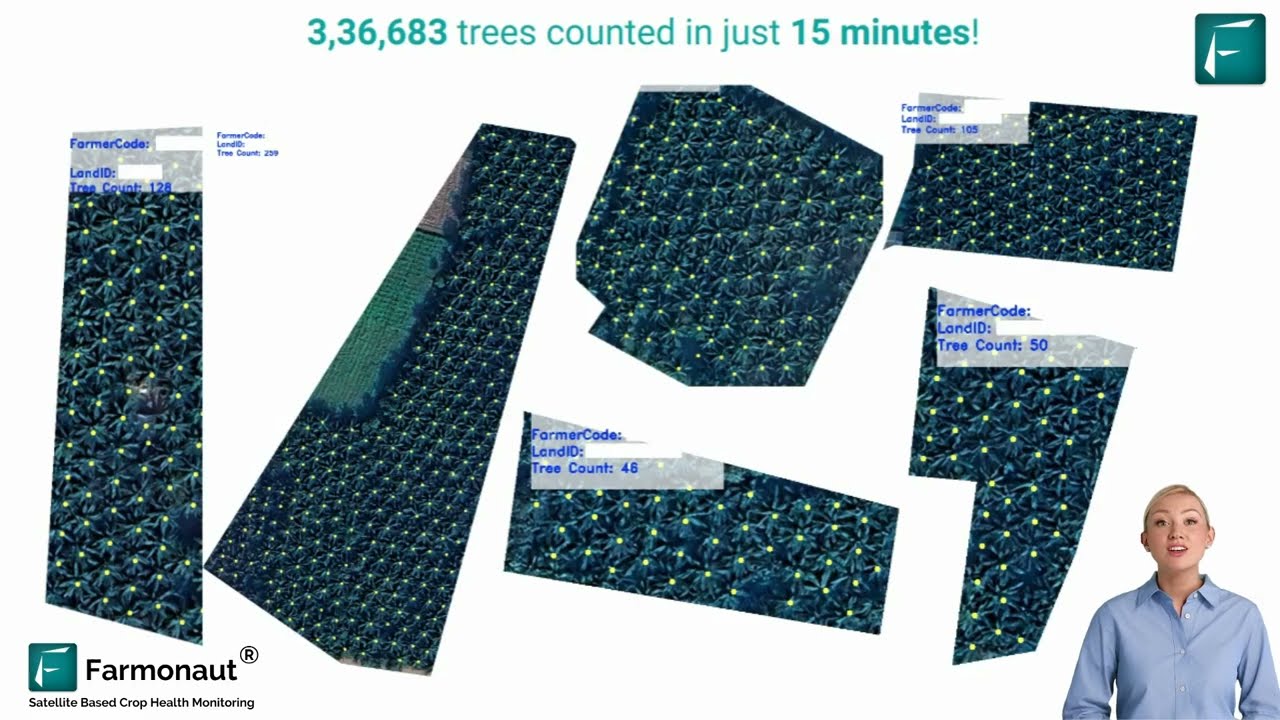
- Farmonaut provides real-time, multispectral satellite monitoring and AI advisory for mining operations. Our system supports resource optimization, environmental compliance, and sustainable site management—key values impacting copper mining in 2026.

Key Environmental Solutions in Mining
- Real-time carbon footprinting: Farmonaut’s carbon footprinting platform enables mining operators to monitor emissions and resource consumption—an indispensable tool as ESG standards increase globally.
- Blockchain-enabled traceability: Farmonaut’s traceability solutions integrate blockchain for transparent, tamper-proof supply chains, building trust in copper from mine to market.
- Fleet and resource management: Modern copper mines can benefit from Farmonaut’s fleet management tools, optimizing vehicle/labor usage, lowering operational costs, and enhancing safety across key infrastructure assets, all supported through satellite data.
Example: Digitalizing Copper Mining Operations
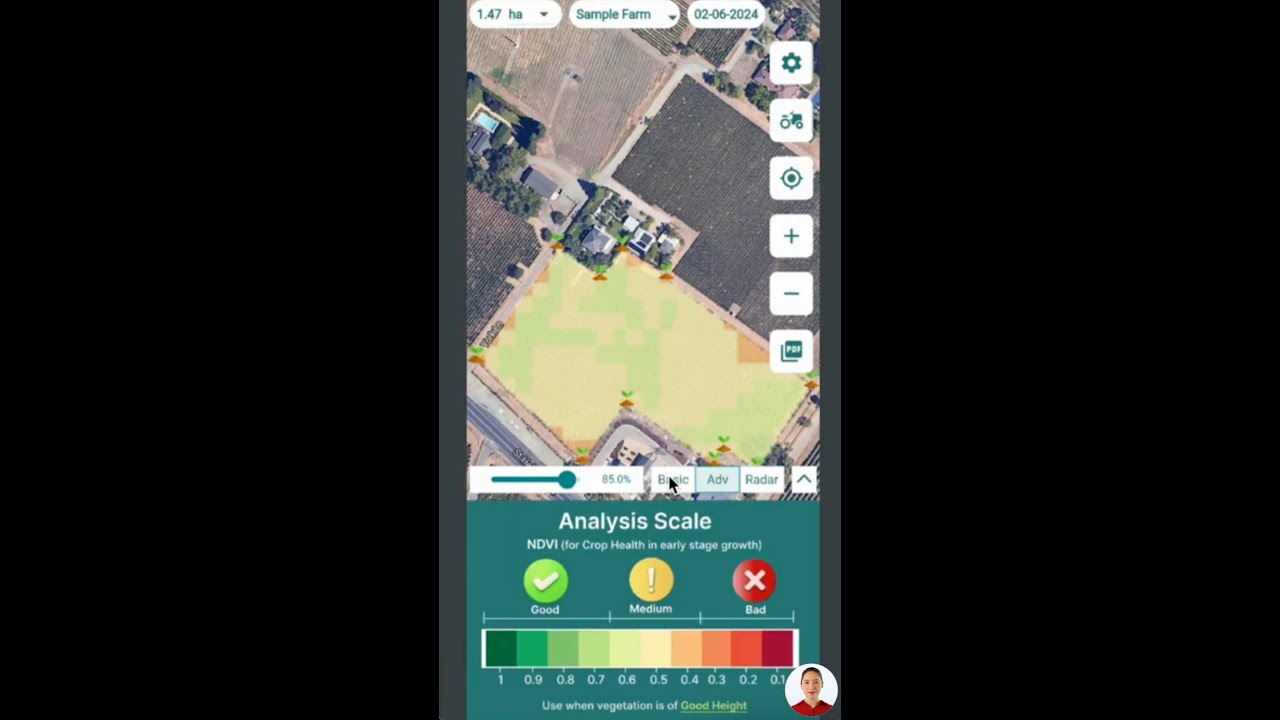
- Multispectral satellites monitor vegetation, tailings, and ground stability at mine sites.
- Jeevn AI analyzes operational efficiency and provides alerts, while blockchain tracks copper from extraction to market.
2025–2026 Copper Market Trends & Demand Drivers
The copper industry is transforming as new technologies and trends impact supply and demand. Let’s analyze the key market drivers and how countries, mining methods, and resource management systems are evolving to address future challenges:
Driving Forces of Copper Demand in 2025 and 2026
- Renewable energy & the green transition: Growth in solar, wind, EVs, and battery technology is accelerating global copper consumption, as copper’s conductivity remains indispensable for electrical wiring, motors, and energy infrastructure.
- Expanding electrification: Investments in infrastructure projects require massive quantities of copper, boosting mining output and driving exploration for new deposits.
- Urbanization: Evolving urban infrastructure, especially in Asia (China, India) and Africa, demands consistent copper supply for construction and electronics.
Copper Production Challenges and Supply-Side Trends
- Ore grade decline: Average copper content in mined ores is decreasing, prompting global producers to adopt advanced extraction and refining techniques—often facilitated through AI and satellite monitoring.
- Scarcity of new rich deposits: With the main copper ore deposits (especially high-grade sulfides) being depleted, mining increasingly targets lower-grade and complex ores, necessitating innovative and sustainable solutions.
- Environmental regulation: ESG compliance, carbon reporting (see our carbon footprinting solution), and community engagement shape industry strategies in top producing countries.
The Role of Technology & Data-Driven Insights in Meeting Demand
- AI-driven analytics improve ore detection, route planning, and safety—advancing the efficiency of main copper producers globally.
- Satellite imaging (e.g., Farmonaut) supports resource optimization and environmental transparency in real time.
- Blockchain ensures the authenticity of copper through entire value chains, a growing demand from electronics and renewable energy sectors.
- Resource management tools are essential for large-scale and small-scale operators alike. For those seeking scalable solutions, our large scale farm management platform enables robust oversight of mining resources and project sites.
How Farmonaut Supports Mining and Copper Producers with Satellite Technology
As the ore of copper becomes increasingly difficult and costly to extract, digital transformation in the mining sector is no longer optional—it’s essential for remaining competitive. At Farmonaut, we empower copper mining professionals, investors, and governments by providing:
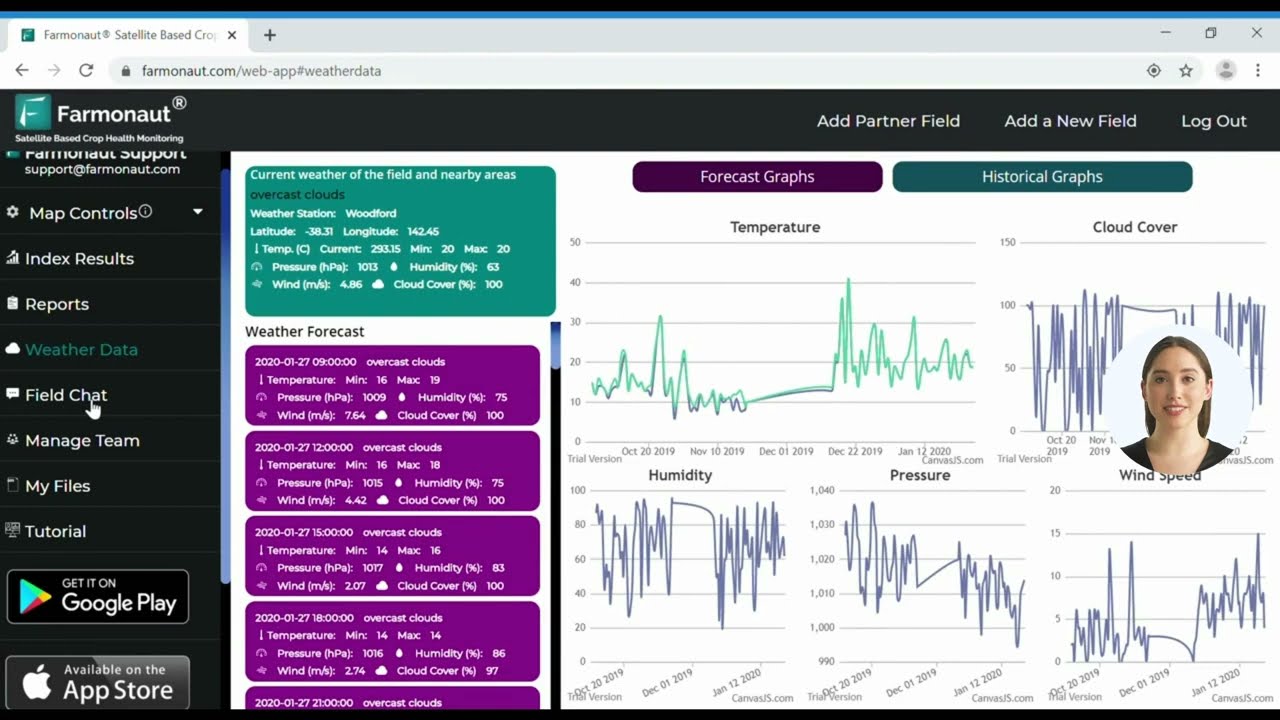
- Satellite-based monitoring: Access real-time NDVI, soil, and surface data for mining benches, dump sites, and operational infrastructure.
- AI-based advisory: Receive AI-driven optimization for mining schedules, fleet usage, and environmental preservation, helping you achieve maximum output with minimum waste.
- Blockchain traceability: Securely track every phase of your supply chain, ensuring transparency for regulatory compliance and customer trust (see Farmonaut’s Traceability).
- Carbon reporting and green solutions: Meet environmental regulations with actionable carbon data and sustainability benchmarks (details at Farmonaut Carbon Footprinting).
- Mobile and web app integration: Manage operations anywhere — download our Android App or iOS App. Instant access, always secure.
We are committed to democratizing access to cutting-edge technology, making the mining and resource sectors not just more profitable, but more sustainable for the future.
Make smarter decisions with Farmonaut’s scalable, data-driven platform.
FAQ: Copper Ores, Production, and Mining
What is the main copper ore used globally?
Chalcopyrite (CuFeS₂) is the main copper ore worldwide, accounting for roughly 70% of global mined copper in 2025 and anticipated to maintain dominance in 2026. Other important copper ore minerals include bornite, chalcocite, malachite, and azurite.
Who are the main global copper producers in 2026?
The top copper producers are forecasted to be Chile, Peru, China, Congo (DRC), and the United States.
What techniques are used to extract copper from ores?
Sulfide ores like chalcopyrite are concentrated by flotation, then smelted and electrolytically refined. Oxide ores (malachite, azurite, cuprite) are typically processed by hydrometallurgical methods including heap leaching, solvent extraction, and electrowinning.
Why is copper considered essential for the future?
Copper’s superior electrical conductivity and corrosion resistance make it essential for infrastructure, renewable energy grids, electric vehicles, and advanced electronics—all critical sectors in the ongoing green transition.
How does Farmonaut benefit mining and copper producers?
We offer satellite-based monitoring, AI advisories, blockchain traceability, and carbon footprinting for efficient, transparent, and sustainable mining operations. Farmonaut’s tools are accessible via web and mobile apps, APIs, and customized packages for businesses and governments.
Conclusion: Shaping the Future of the Copper Industry
The main copper ore—with chalcopyrite (CuFeS₂) at its core—remains the foundation of global copper production as the world undergoes rapid electrification and transitions to a green economy. As we approach 2026, key producers such as Chile, Peru, China, Congo, and the United States set industry benchmarks through large-scale mining, innovative technology, and a growing focus on sustainability and data-driven solutions.
The increasing demand for copper is driving investment in automation, AI, satellite monitoring, and environmentally friendly extraction and refining techniques. Stakeholders in mining and associated industries must focus on efficient resource management, carbon monitoring, and transparent supply chains to thrive in this growing industry.
By leveraging the latest technology, such as Farmonaut’s satellite-based platforms, mining operators, infrastructure leaders, and government agencies are empowered to optimize processes, improve compliance, and meet the future challenges of copper supply head-on—preserving copper’s place as one of the world’s most critical metals for decades to come.

 GKY Mining
 Alkimy SARL
 Double A Trading
 GemSprout Metals Limited
 Qader Group
 Ileys General Trading
 SG Gold Mining LLC
 VRV Global Pte Ltd
 Omsri International FZE
 G.I.T.T.
 Jaunita Erss Ltd
 Almosi SARL
 SRK Consulting
 Berks Gold Limited
 Mwerezi Minerals Company Limited
 Mining SARL
 SenGold Invest SAS
 Sean Mining Limited
 NTS Group (Pty) Ltd
