

Mica a Mineral: Key Mica Mineral Uses & Trends 2026
“Global mica market expected to reach $789.2 million by 2026, driven by electronics and sustainable industrial innovations.”
- Mica Mineral: Its Significance and Applications in Industry (2025–2026 Perspective)
- Mica a Mineral: Structure, Properties, and Classification
- Geological & Mining Aspects of Mica
- Sustainable Mining Practices for Mica (2025 and Beyond)
- Key Industrial and Technological Applications of Mica Mineral
- Mica Mineral in Electrical and Electronic Industries
- Mica Mineral Uses in Other Industrial Sectors
- Role of Mica Mineral in Green Energy and Future Technologies
- Industry Challenges & Future Trends
- Mica Mineral Market Trends 2025–2026: The Comparative Table
- Satellite Technology in Mica Extraction and Resource Management
- Farmonaut Solutions for Mining & Sustainable Resource Management
- Frequently Asked Questions (FAQ) on Mica Mineral
Mica Mineral: Its Significance and Applications in Industry (2025–2026 Perspective)
Mica a mineral—a group of sheet silicate minerals—remains a critical resource in the global mining and industrial sectors as of 2025 and moving into 2026. With its unique layered, crystalline structure, mineral mica is widely valued for excellent thermal stability, high dielectric strength, resistance to chemical corrosion, and its ability to be split into thin, flexible sheets. These intrinsic qualities render mica indispensable for multiple applications across electrical, electronic, and industrial domains—especially as global industries innovate and transition toward sustainability.
“Over 70% of mica produced in 2025 will be used in electrical and electronic applications worldwide.”
Mica a Mineral: Structure, Properties, and Classification
Mica a mineral belongs to the sheet silicate group, known for its exceptional physical and chemical characteristics. Characterized by its layered crystalline structure, mica is formed primarily within metamorphic and igneous rocks. The most notable properties that make mica mineral extremely sought after in 2025 include:
- Thermal Resistance & Stability: Mica sheets can withstand high temperatures, making them vital in heat-intensive applications.
- Electrical Insulation: With high dielectric strength, mica remains essential for insulating electrical and electronic components.
- Chemical Inertness: Mica’s resistance to chemical corrosion allows its usage in hostile industrial environments.
- Mechanical Flexibility & Split Ability: Mica can be split into thin, robust, flexible sheets, beneficial for miniaturized electronic devices.
- Optical & Reflective Qualities: Its natural luster and transparency make mica indispensable in cosmetic and coating industries.
The main commercially valuable types include muscovite, phlogopite, biotite, and lepidolite. Their physical and chemical variances allow mica to serve a diverse range of industrial applications.
Classification of Mica Minerals
- Muscovite: Light colored, high transparency, most used in electronics and paints.
- Phlogopite: Brown amber color, superior thermal stability (often used in high-heat applications).
- Biotite: Dark mica, with iron and magnesium; less used industrially but relevant for geological studies.
- Lepidolite: Lithium-rich, essential in lithium extraction and battery technologies growing in 2025 and beyond.
Geological & Mining Aspects of Mica
The geological significance of mica lies in its deposits primarily found in metamorphic and igneous rocks. The key countries with significant reserves include India, Brazil, Russia, and China. The mining of mica mineral involves either open-pit or underground methods, dictated by the nature of the deposit and local geographies. Both approaches require balancing efficient extraction with responsible environmental stewardship.
Recent years have seen advances in mining technology focused on reducing environmental footprint, minimizing waste, and ensuring rehabilitation of mined areas. Such measures ensure sustainable exploitation of high-grade mica resources for the global industry.
- Open-pit mining: Suitable for shallow deposits; involves removal of overlying strata.
- Underground mining: Deploys tunnels; preferred for deeper, more valuable deposits.
- Mechanized extraction: Increasingly adopted to minimize human labor risks and maximize productivity.
Global attention on responsible sourcing and traceability has led to stringent ethical mining practices, with initiatives emphasizing fair labor standards, reducing illicit operations, and improving community welfare.

Major Mica Mining Regions – Focused Insights (2025-2026)
- India: Houses the world’s largest mica reserves in Jharkhand and Bihar, with governmental policies pushing for sustainable and illicit-free mining.
- Brazil: Expanding production with a focus on green technologies and restoration projects in mined areas.
- Russia & China: High-grade reserves supporting both local consumption and exports for emerging tech industries.
Sustainable Mining Practices for Mica (2025 and Beyond)
Sustainability in mica mineral extraction now lies at the heart of industry transformation. Environmental concerns, such as habitat disruption, water contamination, and dust generation, persist. However, stricter regulations and rapid technology adoption are bringing the global industry closer to net-zero targets and community-centered mining.
- Water Management Systems: Mining operations are investing in advanced water recycling and reclamation plants to prevent local water depletion and contamination.
- Dust Suppression Technologies: Automated misting systems and enclosure of crushing units help reduce airborne dust.
- Rehabilitation & Bio-Reclamation: Progressive restoration of mined land using native flora, promoting ecosystem recovery.
- Traceability with Blockchain: Blockchain-enhanced traceability systems (see Farmonaut’s solutions) create transparent records of the mica supply chain—addressing ethical, labor, and provenance concerns.
- AI-Driven Environmental Monitoring: Satellite and AI technologies, like those provided by us at Farmonaut, enable real-time compliance with sustainability and rehabilitation goals.
The demand for ethically sourced mica is intensifying, with socially responsible companies and consumers driving supply chain reforms. By 2026 and beyond, investing in best mining practices is not just a regulatory requirement—it’s an industry imperative that directly impacts global competitiveness, brand value, and market share.

Key Industrial and Technological Applications of Mica Mineral
The industrial applications of mica mineral in 2025 and 2026 span electrical, electronic, green energy, automotive, cosmetics, and construction sectors. Its unique properties—thermal resistance, excellent insulation, and flexibility—render it an indispensable component in advanced products and systems.
Top Mica Mineral Applications in 2026
- Electrical Insulation: Used in capacitors, transformers, power cables for high dielectric strength and breakdown resistance.
- Electronic Devices: Integral in the manufacturing of mobile phones, sensors, chips, and microelectronics due to thinness and stability.
- Green Energy Solutions: Insulates battery and panel components in solar PV, wind turbines, and EVs (electric vehicles), vital for energy transition.
- Cosmetics & Coatings: Provides “glitter” and shimmer in makeup, nail polish, auto coatings, exploiting silica-rich optical properties.
- High-Performance Plastics: Reinforces polymers in the automotive and aerospace sectors for heat and fire resistance.
- Rubber & Construction: Improves elasticity, weatherproofing, and thermal endurance for autos, buildings, and consumer durables.

Mica Mineral in Electrical and Electronic Industries
In 2026, over 70% of mineral mica output is used in the electrical and electronic sectors. The push for miniaturization, durability, and enhanced device safety is only increasing mica’s value.
Critical Electrical and Electronic Applications
-
Capacitors and Transformers:
- Mica’s high dielectric strength prevents electrical breakdown, allowing compact yet powerful electronic designs.
- Used in high-voltage transformers and specialty capacitors for consistent performance in industrial systems.
-
Wires, Cables, and Switchgear:
- Mica tape and sheets wrap wires, delivering heat-resistant insulation.
- Mica-based materials in switchgear increase system reliability in substations, power grids, and renewables.
-
Modern Electronics:
- Mobile phones, smart sensors, and IoT devices depend on thin mica sheets for space-efficient insulation.
- Ensures thermal management in compact device architectures.
The role of mica mineral in powering the next generation of electrification and digitalization—from AI-driven devices to renewable energy storage—is fundamental for modern industry expansion.

Mica Mineral Uses in Other Industrial Sectors
Beyond electronics, mica mineral is indispensable to automotive, aviation, cosmetics, and building industries. By 2026, demand in these sectors is shaped by a focus on safety, efficiency, and environmental responsibility.
- Automotive & Aerospace: Mica improves heat tolerance and fire resistance in advanced brake linings, clutch plates, dashboards, and under-hood components.
- Paints & Surface Coatings: Mica’s layered structure provides anticorrosive protection in marine, industrial, and automotive paints.
- Plastics & Rubber: Enhances flexibility, strength, and durability for industrial-grade plastics and rubber products.
- Construction: Mica is added to joint compounds, drywall, and lightweight concrete for improved workability and fire resistance.
- Personal Care & Cosmetics: Powdered mica’s reflective qualities are valued for creating shimmer and glow in high-end makeup and skin care products.
As regulations tighten and consumer preference shifts to ethical sourcing, mica’s traceability and environmental credentials are becoming just as important as its technical performance.

Role of Mica Mineral in Green Energy and Future Technologies
As industries move toward sustainability and electrification by 2026, mica is a linchpin in enabling innovative, green technologies. Below are major areas where mica is powering eco-friendly advancement:
- Solar Panels: High-grade mica sheets insulate module connections, preventing thermal degradation, and extending the lifespan of solar panels.
- Wind Turbines: Mica-based insulation safeguards control systems, pitch motors, and transformer units in turbine nacelles.
- Electric Vehicles (EVs): Battery separators and thermal barriers rely on mica for safety, stability, and energy efficiency.
- Hydrogen Generation & Storage: As hydrogen fuels advance, mica preserves structural integrity in electrolysis and storage modules.
- Recycling Technologies: Mica-containing scrap and E-Waste are being recycled for material recovery and circular economy initiatives, lessening environmental impact.
By maintaining safe, long-lasting insulation in the heart of green technology devices, mica is driving the transition to low-carbon, high-tech economies worldwide.
For organizations aiming to monitor or certify their environmental impact, satellite-enabled carbon footprinting solutions support sustainability initiatives by providing verifiable emissions data—critical for compliance and green finance.

Industry Challenges & Future Trends
Environmental and Supply Chain Challenges
Despite progress, environmental concerns—water management, habitat disruption, and dust generation—persist in mica mining. Modern operations are investing in recycling systems and reforestation to offset their footprint. Another key challenge is supply chain transparency. Manual, unregulated operations have led to issues like forced labor and untraced mica origination, especially in parts of India and Africa.
Blockchain-enabled traceability and satellite monitoring, such as those available via Farmonaut’s traceability platform, provide real-time, immutable records for origin, extraction, and labor compliance—addressing growing consumer and regulatory demands for ethical sourcing.
Future Trends (2026 and Beyond)
- Synthetic and Recycled Mica: The production of synthetic mica and recycling from E-Waste are anticipated to reach commercial scale, helping offset environmental burdens and stabilizing costs.
- Technological Integration: Expansion of AI, IoT, and satellite-based monitoring will accelerate efficiency, traceability, and environmental management across the value chain.
- Stricter Global Regulation: International standards and regulatory frameworks targeting responsible mineral sourcing, labor rights, and provenance will continue to evolve.
- Green Manufacturing: Companies are adopting lifecycle analysis and circular economy models, reducing waste and maximizing recovery of mica and related minerals.
These shifts pave the way for a sustainable, high-value mica mining industry that supports the needs of future technologies and responsible consumers.

Mica Mineral Market Trends 2025–2026: The Comparative Table
Understanding the strategic position of mica a mineral demands comparing its role across industries. The following table provides a concise overview of main sectors utilizing mica, market values, growth projections, and sustainability implications—all vital for business leaders, policymakers, and technology adopters in 2026.
| Key Aspects | Electrical/Electronic | Industrial Applications | Sustainable Mining | Green Energy | Cosmetics/Personal Care |
|---|---|---|---|---|---|
| Main Uses | Insulation (capacitors, transformers, cables, microchips, IoT) | Plastics, paints, polymers, construction, auto brake pads | Environmental monitoring, traceability systems, resource mgmt. | Solar panels, wind turbines, EV batteries | Pigments in makeup, sunscreen, haircare, nail polish |
| 2025 Market Value (US$ millions) | ~410 | ~196 | ~89 | ~56 | ~38 |
| Growth Trend 2026 (estimated CAGR %) | 6.4% | 5.1% | 8.2% | 7.7% | 4.4% |
| Sustainability Impact | Reduces power loss, enables eco-friendly electronics | Improves lifecycle & energy efficiency of durable goods | Promotes responsible labor, lowers emissions, restores habitats | Crucial for renewable transition, battery circularity | Drives ethical sourcing, clean beauty/cosmetic trends |
Satellite Technology in Mica Extraction and Resource Management
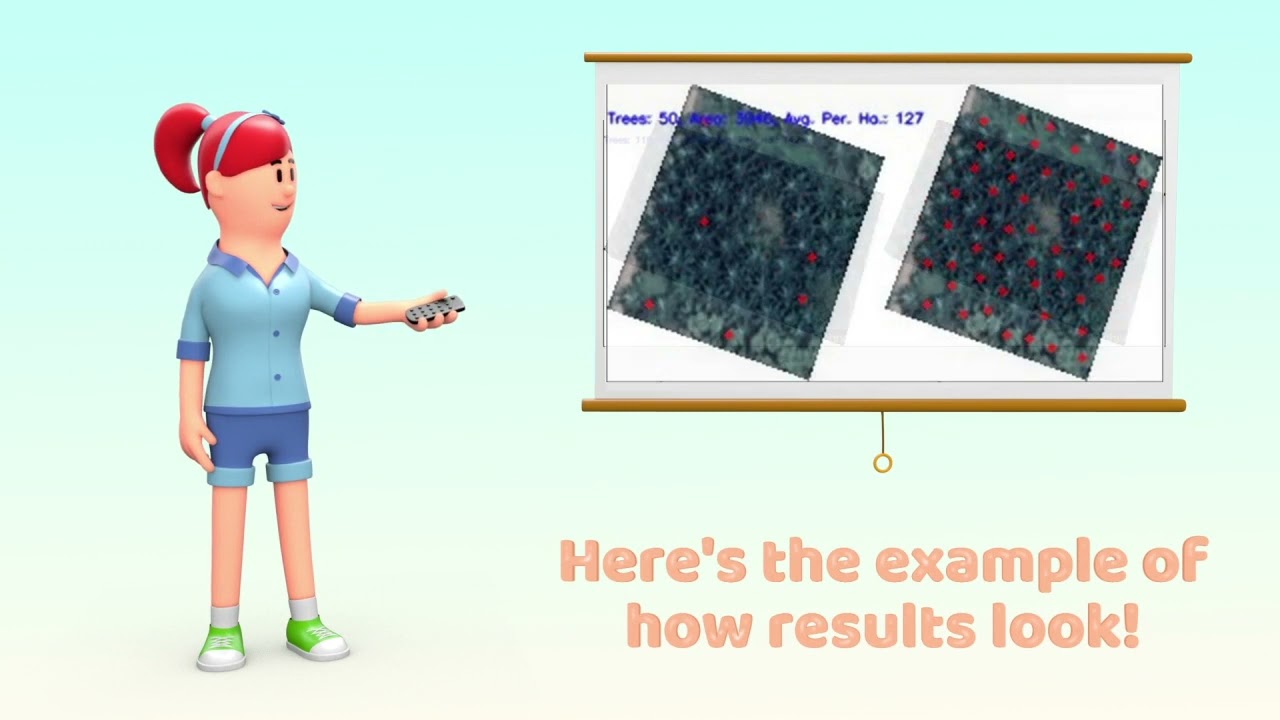
Modern mica mining operations are rapidly integrating satellite and geospatial innovations. Satellite-driven approaches offer a non-invasive, accurate, and scalable method for deposit mapping, site monitoring, environmental surveillance, and supply chain tracking.
Benefits of Satellite Technology in 2026 Mica Mining
- Deposit Mapping: Advanced multispectral and hyperspectral imaging reveals hidden mineral mica deposits and guides efficient drilling or extraction.
- Real-Time Monitoring: Satellites provide live updates on deforestation, water course changes, and land degradation, ensuring environmental compliance.
- Rehabilitation Assessment: AI-enabled satellite analytics measure regrowth in reclaimed mining areas—proving sustainability claims and certifications.
- Supply Chain Integrity: Blockchain and satellite tech create immutable chain-of-custody records—crucial for ethical sourcing and fair labor assurance in 2026.
Organizations, regulatory agencies, and investors now demand transparent, digital-first reporting for all critical minerals—mica included—underlining the necessity of satellite-enabled intelligence solutions.
Explore how these insights can enhance operations, compliance, and value with Farmonaut’s mining monitoring and traceability solutions.
Farmonaut Solutions for Mining & Sustainable Resource Management
As mining technology progresses toward 2026, Farmonaut is at the forefront, delivering advanced satellite-based solutions for mica mineral extraction, environmental impact tracking, and supply chain management.
- Satellite-Based Monitoring: Our platform uses multispectral imaging to detect and monitor changes at mica mining sites, including vegetative cover loss, soil shifts, and post-extraction recovery.
- AI-Driven Advisory (Jeevn AI): Mines and firms utilize our AI advisory system for tailored recommendations—be it optimal extraction windows, rehabilitation strategies, or environmental alerts.
- Blockchain-Enabled Traceability: Supply chains are secured with blockchain for verifiable provenance, ethical compliance, and fraud reduction—essential for modern mica mining and processing sectors.
- Fleet and Resource Management: By tracking equipment, personnel, and vehicles in real time, our systems help reduce waste, fuel costs, and safety risks across expansive mining operations.
- Environmental Impact Monitoring: We deliver actionable data on carbon footprinting and emissions, supporting both ESG goals and regulatory reporting.
Explore our mining-related APIs at Farmonaut Satellite API. API developer documentation is available here.



Businesses managing large mining or agro-industrial estates can benefit from large-scale resource management tools—optimizing everything from extraction planning to post-mining rehabilitation monitoring.
Frequently Asked Questions (FAQ) on Mica Mineral
Q1: What is mica a mineral, and why is it important in 2026?
Mica is a group of sheet silicate minerals, known for significant physical and chemical properties including high thermal and electrical resistance, flexibility, and stability. It is essential for modern industry due to these properties, especially as the world shifts to electrification, green energy, and advanced manufacturing.
Q2: Which sectors use mineral mica the most?
Electrical and electronic industries account for over 70% of mica demand, followed by industrial applications (plastics, paints, construction), sustainable mining and green energy sectors, and, to a lesser extent, cosmetics.
Q3: What makes mica mineral critical for green technologies?
Mica’s exceptional thermal and electrical insulating properties are crucial for solar panels, wind turbines, and electric vehicle batteries, supporting efficiency and safety in renewable energy systems.
Q4: How does mica mining impact the environment, and what innovations help reduce it?
Unregulated mica extraction can disrupt habitats and contaminate water. Modern practices use water recycling, dust suppression, land rehabilitation, and satellite monitoring to significantly lower environmental impact.
Q5: How is traceability achieved for ethical mica sourcing by 2026?
Blockchain and satellite technology are increasingly adopted for transparent records of extraction, labor practices, and shipping, helping ensure mica is mined and processed responsibly.
Q6: What role does Farmonaut play in mining and mica resource management?
As a satellite technology provider, Farmonaut delivers satellite imagery, AI insights, blockchain traceability, and resource management tools for responsible, efficient, and traceable mining and industrial resource exploitation, including mica and other minerals.
Conclusion: The Continuing Significance of Mica a Mineral Into 2026
As we approach 2026, mica a mineral remains at the intersection of high-tech innovation and sustainable mining. Its vital role in electrical, electronic, and green energy sectors is solidified by its unique physical and chemical properties and supported by modern practices focused on environmental responsibility and traceable supply chains. Advances in synthetic alternatives, recycling, and satellite monitoring further complement traditional mining, positioning mica as an indispensable resource for a responsible and technologically advanced global industry.
Users, businesses, and regulators are recognizing the strategic and ethical importance of mica mineral, adopting smart solutions like satellite-based monitoring, blockchain traceability, and AI advisories. As the world moves deeper into the era of electrification, connectivity, and sustainability, the significance of mica is bound to persist—bridging traditional mineral extraction with the demands of tomorrow’s high-performance, eco-conscious world.
Discussion
Questions, corrections or field experience? Share them below. First-time comments are reviewed before they appear, and your email is never published.
No comments yet. Be the first to add a question or your experience.

 Double A Trading
 GemSprout Metals Limited
 Qader Group
 Ileys General Trading
 SG Gold Mining LLC
 VRV Global Pte Ltd
 Omsri International FZE
 G.I.T.T.
 Jaunita Erss Ltd
 Almosi SARL
 SRK Consulting
 Berks Gold Limited
 Mwerezi Minerals Company Limited
 Mining SARL
 SenGold Invest SAS
 Sean Mining Limited
 NTS Group (Pty) Ltd
 Mine4Africa
