

Placer Deposit, Placer Gold Deposit: 2026 Trends – Unlocking Wealth from Nature’s Surface Treasures
Table of Contents
- Placer Deposits: Fast Facts & 2026 Perspective
- Formation & Identification of Placer Deposits
- Economic & Strategic Importance of Placer Deposits
- Modern Mining Methods, Technology & Trends for 2025–2026
- Satellite-Powered Mineral Intelligence: Farmonaut’s Advantage
- Environmental Stewardship & Sustainable Mining Practices
- Comparative Table: Placer Gold Deposit Mining Methods 2025–2026
- Placer Deposit Exploration: Global Trends & Video Insights
- Investment, Risk & Future Opportunities in Placer Deposits
- Frequently Asked Questions (FAQ)
- Conclusion: The 2026 Outlook on Placer Deposits
Placer deposits are back in the global spotlight in 2026, driven by soaring mineral demand, technological leaps, and the strategic urgency for sustainable critical mineral supply chains!
Placer Deposits: Fast Facts & 2026 Perspective
Placer deposits are naturally occurring concentrations of valuable minerals—most commonly placer gold deposits—that have become focal points in mining, mineral exploration, and strategic resource development worldwide. Formed by the mechanical process of sedimentation, these deposits collect on the surface in environments like river beds, beaches, and alluvial sediments. As we enter 2026, the importance of these deposits has only intensified, particularly for critical elements such as tin, platinum, and strategic rare earth minerals.
- Type: Primary resource for gold (placer gold deposit), tin, gemstones, and more
- Formation: Weathering and erosion release heavy minerals, which quickly settle in high-density zones
- Accessibility: Frequently located near the surface, making them easier to mine compared to deep ore bodies
- Value: Central to global economic development—boosting exports, local economies, and strategic supply
- Modern Relevance: Essential for supplying critical minerals as global demand intensifies in sectors like electronics, green tech, and defense

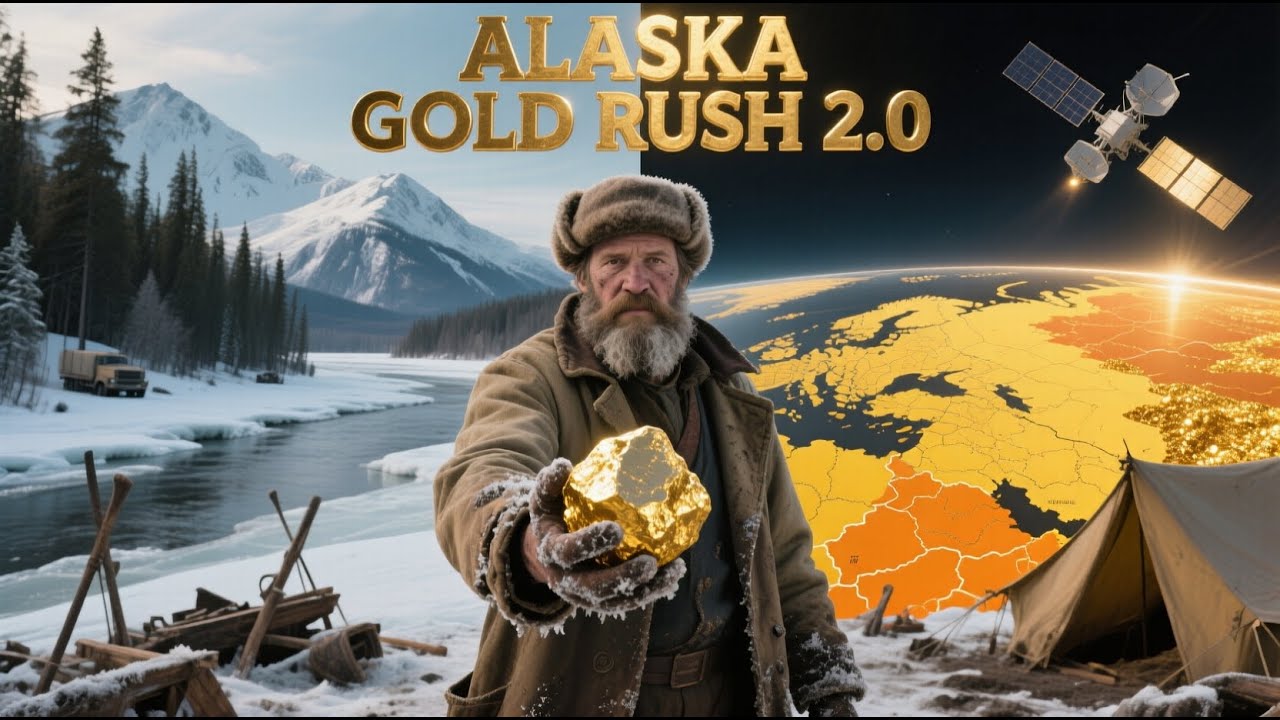
Placer mining has long played a pivotal role in shaping mining operations and remains a focal point because of its rich history and immense economic returns. Gold rushes from Alaska to Ghana and the revival of artisanal mining in many developing regions highlight the continuing importance of these deposits for 2025 and 2026.
Locating a high-yield placer gold deposit is increasingly about integrating advanced remote sensing, real-time geophysical surveys, and AI-powered satellite data to minimize guesswork and boost ROI for both small-scale and industrial-scale exploration.
Formation & Identification of Placer Deposits
Placer deposits are formed through a fascinating interplay of nature’s forces, making them among the most accessible and valuable mineral sources available on Earth’s surface. This process involves the breakdown of primary mineral sources or rocks via weathering and erosion, followed by the transportation of particles by water (rivers, floods), wind (in arid zones), or coastal processes (beaches), and finally, deposition where hydraulic forces weaken.
- ✔ Weathering & Erosion: Breakdown of mineral-containing rocks releases dense minerals (gold, platinum, tin, gemstones, etc.)
- 📊 Transportation: Heavy particles are transported by natural processes into rivers, streams, or along beach fronts
- ⚠ Deposition & Accumulation: As sediment load decreases (at river bends, behind boulders, in cracks of bedrock), dense minerals quickly settle (placer gold deposits are often found here)
- ✔ Ancient Channels: Some of the richest placer deposits occur in ancient or buried stream channels (relict placers)
- ✔ Modern Identification: Uses sediment sampling, geophysical surveys, and remote sensing data for mapping and validation

Investors in placer gold deposit exploration should consider integrating satellite-driven mapping and rapid AI analysis to maximize early-stage discovery efficiency—these technologies reduce risk and have already transformed ROI for major projects.
Placer Formation: Environments & Examples
- Riverine Placer Deposits: Accumulate in bends of rivers, point bars, behind obstructions, and in cracks of exposed bedrock.
- Alluvial Fan & Floodplain Placers: Created when rivers spread out, deposits settle in broad areas—often rich in gold and tin.
- Beach Placers: Formed along coastal areas by wave and tidal action, concentrating heavy minerals like platinum, ilmenite, and zircon.
- Paleoplacers/Ancient Channels: Buried or fossilized deposits (ancient stream beds)—often highly lucrative but require technology for mapping.

5 Critical Factors Driving Placer Gold Accumulation
- High Mineral Density: Gold, platinum, and similar elements quickly settle where water flow slows.
- Rugged River Geology: Bends, boulders, and bedrock traps capture mineral fragments.
- Proper Source Rocks: Weathering releases primary valuable particles upstream.
- Dynamic Sedimentation: Flood events and stream migration expose new sediments.
- Ancient Channels: These paleoplacers can hold immense hidden wealth, best detected via modern remote sensing.
Relying solely on visible surface sediments—many valuable placer deposits actually lie beneath recent alluvium or in abandoned river beds.
Economic & Strategic Importance of Placer Deposits
The economic value of placer gold deposit mining cannot be overstated. With global demand for critical minerals—such as tin, tungsten, and rare earth elements—surging, placer deposits remain not only an accessible resource but also a vital lifeline for emerging and established economies. In some of the world’s top gold-producing regions (Ghana, Nigeria, South Africa, Peru, etc.), artisanal and small-scale mining of placer deposits supports millions of livelihoods.
- Precious Metals: Gold and platinum dominate global production and continue as primary targets in placer mining worldwide.
- Critical Minerals: Demand for tin, tungsten, rare earth elements, and battery minerals is accelerating, and placer deposits are a key supplement to hard-rock supplies.
- Gemstones: Diamonds, garnets, sapphires, and other gemstones from alluvial deposits remain highly lucrative in Africa, Asia, and South America.
- Supply Chain Stability: As nations race to secure critical resources, placer mining and exploration reduce dependency on uncertain imports.
- Low Entry Barrier: Surface concentration makes placer operations accessible—even in remote regions where industrial infrastructure is limited.

Placer gold deposits contribute a considerable portion of all newly-mined gold annually, especially in Africa, South America, and certain US states—fueling exports and foreign currency reserves.
Modern Mining Methods, Technology & Trends for 2025–2026
Extracting placer gold deposit wealth has evolved significantly in the 21st century. Modern methods blend traditional approaches with cutting-edge technology, such as remote sensing, AI-augmented mapping, and satellite-based mineral detection. These innovations not only boost gold yield and economic value, but also improve environmental outcomes.
- ✔ Dredging: Mechanical recovery from rivers and stream beds
- ✔ Hydraulic Mining: High-pressure water jets excavate and concentrate placer sediments
- ✔ Sluicing & Panning: Gravity separation of dense gold particles from lighter sediments—still essential for artisanal miners
- ✔ Modern Drone-Aided Mapping: Precision geological mapping of ancient channels and buried deposits
- ✔ Satellite-Based Exploration: Rapid large-area target assessment using advanced tools like those provided by Farmonaut’s Satellite-Based Mineral Detection

New Technology Drives Gold Boom
- Satellite AI Analytics: Detects subtle sedimentation and alteration patterns invisible to the naked eye
- Real-Time Environmental Sensors: Track turbidity, sediment load, and ecological impact in water bodies
- Autonomous Dredges & Robotics: Reduce labor, increase yield, and allow safer recovery from hazardous sites
- Advanced Gravity Concentration: Minimizes chemical usage and maximizes gold recovery rates
- Machine Learning Targeting: Predicts high-value zones for efficient exploration and targeted drilling
Platforms like Farmonaut’s enable mining companies to scan vast potential zones from space, identifying placer deposits within days, not months. Reduce capital risk and environmental footprint—explore now with Farmonaut’s satellite-based detection tools!
Satellite-Powered Mineral Intelligence: Farmonaut’s Advantage
Unlocking placer deposit wealth in 2025–2026 isn’t just about digging smarter—it’s about seeing further, faster, and with less risk. We at Farmonaut are at the forefront of the new wave of satellite-based mineral detection. By harnessing Earth observation, geospatial AI, and remote sensing science, we empower the mining sector to leapfrog traditional barriers in surface exploration for placer gold deposit and other valuable resources.
- Laser-Target Your Search: Pinpoint placer deposits and ancient channels using spectral signatures instead of guesswork
- Massive Area Coverage: Screen up to thousands of hectares—across Africa, Asia, South America, and beyond—before fieldwork begins
- Multi-Mineral Targeting: Detect not just gold and tin but also rare earths, industrial minerals, and gemstones in one workflow
- Objective Prospectivity Maps: Integrate geology, alteration, lineament, and sedimentation patterns for rapid executive decisions
- Non-Invasive Early Stages: Cut environmental disturbance by avoiding unnecessary trenches and sampling—sustainably align with ESG goals
For a complete overview of our advanced solutions, visit:
Satellite-Based Mineral Detection Platform
Need advanced 3D subsurface visualization of placer gold deposits? We also provide Satellite-Driven 3D Mineral Prospectivity Mapping—which compresses years of geological field effort into a matter of days.
Download a Sample 3D Mapping Report

Farmonaut’s technology produces no ground disturbance, drastically shrinks fieldwork carbon emissions, and directly supports responsible mining evolution in 2026.

Environmental Stewardship & Sustainable Placer Mining Practices
Environmental impact is an ever-present concern for placer mining operations. Water-intensive methods, sediment disruption, and habitat destruction can threaten delicate ecosystems—especially in places where river beds and alluvial terraces overlap with farming or conservation zones.
- ✔ Gravity-Only Concentration: Modern sluices and centrifuges limit mercury/cyanide use—raising environmental standards
- ✔ Water Recycling: New sedimentation and closed-loop water systems drop total freshwater use
- ✔ Remote & Satellite Early Screening: Eliminate unnecessary trenches or mechanical disturbance—critical for biodiversity
- ✔ Real-Time Sediment Monitoring: Use sensor arrays to adapt and regulate operations as environmental loads change
- ✔ Community Integration: Heightened role for social impact studies, local hiring, and long-term site rehabilitation plans
2026 brings aggressive environmental compliance rules. Using space-based pre-exploration solutions like Farmonaut helps you stay ahead, minimizing risk and supporting responsible ESG outcomes. Contact Us early via Farmonaut’s Contact Page.
Comparative Table: Placer Gold Deposit Mining Methods 2025–2026
| Mining Method | Technology Used | Formation Type | Estimated Gold Yield (oz/ton) | Operational Cost (USD/ton) | Economic Value (USD/year) | 2026 Trend |
|---|---|---|---|---|---|---|
| Manual Panning & Sluicing | Traditional Gravity, Hand Tools | River, Alluvial | 0.01 – 0.1 | $6–$18 | $50k – $2M (artisanal scale) | → (Stable, localized) |
| Mechanical Dredging | Bucket-Line, Cutter Suction | River, Channel, Floodplain | 0.05 – 0.5 | $18–$50 | $1M – $10M | ↑ (High in tech-enabled regions) |
| Hydraulic Mining | High-Pressure Water Jets | Ancient Channels, Hillsides | 0.02 – 0.3 | $20–$45 | $2M – $15M | → (Declining in some regions) |
| Gravity Concentration with Closed Water Loop | Shaking Tables, Spiral Concentrators | Alluvial, Floodplain | 0.03 – 0.5 | $15–$35 | $900k – $8M | ↑ (Eco-friendly trend) |
| Drone Mapping & AI Exploration | Drones, Satellite, AI Analysis | All Types (Inc. hidden paleochannels) | Variable (optimizes yield by targeting richest zones first) | $2–$10 (exploratory phase, prior to mining) | Indirect: Up to $30M+ due to increased hit rates, reduced wasted drilling | ↑ (Fastest-growing, 2026+) |
Drone- and satellite-driven prospecting is projected to outpace traditional exploration by 2026, especially for placer gold deposit targeting in previously unrecognized paleochannel environments.
Placer Deposit Exploration: Global Trends & Video Insights
- ✔ Global Production Booms in placer gold deposit regions have created new opportunities for both major and junior companies.
- ✔ AI and Satellite Tech define the most significant competitive advantages for mineral exploration in 2025–2026, unlocking new areas in Africa, the US, Australia, and South America.
- ✔ Responsible Mining Standards: Environmental compliance and digital permitting systems now shape the future of placer mining projects worldwide.
- ✔ Critical Minerals Push: Placer deposits aren’t just about gold. Tin, tantalum, and rare earths are central to the global demand for sustainable new tech.
- ✔ Community Uplift: Responsible placer mining underpins livelihood improvements in rural Africa, South America, India, and more.
Get a Custom Exploration Quote from Farmonaut Now →
Investment, Risk & Future Opportunities in Placer Deposits
- Growth Sectors: Placer gold, tin, critical minerals for EVs, electronics, green tech
- Emerging Markets: Africa, Latin America, and Southeast Asia lead artisanal production and high-quality discoveries
- Risk Reduction: Satellite mapping and AI-driven analysis dramatically lower dry-hole rates
- Regulation: Stricter ESG and environmental requirements can increase compliance burden
- Capital Efficiency: New remote exploration platforms eliminate wasted fieldwork and streamline early-stage budgets
Some of the world’s largest gold nugget finds, including the legendary Welcome Stranger, originated in ancient placer gold deposits—uncovered by prospectors and now, increasingly, by satellite mineral detection!
Frequently Asked Questions (FAQ)
What is a placer deposit, and how is it different from hard-rock deposits?
A placer deposit is a naturally occurring concentration of heavy, valuable minerals (like gold, tin, platinum, gemstones) in loose, unconsolidated sediments—typically alluvial (rivers, floodplains), beach, or ancient stream channels. Hard-rock deposits, by contrast, are found embedded in solid bedrock and usually require blasting and extensive underground mining to recover.
Why are placer gold deposits considered economically valuable in 2026?
Placer gold deposits are easier and less costly to mine due to their proximity to the surface, high concentration of gold, and suitability for both small-scale and industrial mining. Innovations like satellite-based mineral detection now maximize the yield and minimize exploration risk.
What technologies are transforming placer mining in 2025–2026?
The biggest shifts are driven by satellite remote sensing, AI-powered geological mapping, precision drones, and real-time environmental monitoring. Platforms like Farmonaut provide non-invasive discovery capabilities, drastically reducing costs and environmental impact in exploration.
What environmental concerns are associated with placer mining?
Placer mining can cause water sedimentation, habitat loss, and pollution, particularly if using mercury or damaging stream banks. Trendsetting operators are now switching to gravity-only methods, water recycling, and space-based exploration to minimize these impacts.
How can I get a custom placer deposit detection project started?
To launch your next placer exploration campaign—anywhere in the world—visit Farmonaut’s Mining Quote Form and send your area coordinates, mineral type, or simply contact us for a free assessment.
Conclusion: The 2026 Outlook on Placer Deposit & Placer Gold Deposit Wealth
Placer deposits remain a cornerstone of the global mining and mineral exploration landscape. As global demand for critical minerals and precious metals (especially placer gold deposits) soars into 2025 and beyond, the fusion of nature’s surface treasures with modern innovation (AI, satellite mapping, environmental intelligence) is unlocking previously hidden wealth—responsibly and efficiently.
- The Future is Satellite-Driven: Modern satellite detection condenses months/years of exploration into weeks, reduces costs, and eliminates early-stage ecological disruption.
- Economic Powerhouse: Placer deposits ensure resource supply, community livelihood, and export revenues for dozens of nations, driving forward local and strategic economic development.
- Sustainability at the Core: Closed-loop methods, real-time data, and non-invasive tech are now the new global gold standard for 2026.
- Continued Growth: Artisanal and high-tech placer mining will continue to play a vital role—particularly as demand for gold, tin, and rare earths intensifies.
- Strategic Supply Cushion: Placer gold deposit exploration offers security from supply shocks and geopolitical uncertainty, ensuring nations can compete in the next chapter of global mineral development.
Unlock nature’s treasures. Lead the mining revolution—responsibly, profitably, and sustainably—by embracing the new era in placer deposit discovery.
Request a Custom Mining Quote with Farmonaut → |
Contact Us for Free Consultation
Discussion
Questions, corrections or field experience? Share them below. First-time comments are reviewed before they appear, and your email is never published.
No comments yet. Be the first to add a question or your experience.

 Dalgety Minerals Pty Ltd
 Vortex Minerals Pty Ltd
 Faith At Work (Pty) Ltd
 Geotech Mining Solutions plc
 Vulcan International Limited
 Kidepo Associates
 GKY Mining
 Alkimy SARL
 Double A Trading
 GemSprout Metals Limited
 Qader Group
 Ileys General Trading
 SG Gold Mining LLC
 VRV Global Pte Ltd
 Omsri International FZE
 G.I.T.T.
 Jaunita Erss Ltd
 Almosi SARL
 SRK Consulting
 Berks Gold Limited
 Mwerezi Minerals Company Limited
 Mining SARL
 SenGold Invest SAS
