

Roskill Rare Earths, USGS Rare Earths 2021: Top 2026 Trends
“Global rare earth element demand is projected to surpass 200,000 metric tons by 2025, fueling tech and clean energy industries.”
Rare earth elements (REEs) have rapidly evolved into the unsung heroes powering the 21st-century technology, infrastructure, and sustainable development revolution. As global economies pivot towards greener, smarter, and more connected futures, these critical materials have become firmly embedded within every facet of advanced industry—from renewable energy systems and electric vehicles to defence capabilities, precision agriculture, and next-generation electronics.
But are we prepared for the challenges that the next few years hold? Drawing on the latest analyses from authoritative bodies such as Roskill and the US Geological Survey (USGS) Rare Earths 2021 Summary, this comprehensive article explores the evolving landscape of rare earths as we approach 2025 and look towards 2026. We focus on their indispensable role in mining and infrastructure and the strategic developments and supply chain trends shaping the industry’s near future.



What Are Rare Earth Elements? Defining the Backbone of Modern Industry
Rare earth elements (REES) are a group of 17 metallic elements, consisting of scandium, yttrium, and the 15 lanthanides. Despite the “rare” in their name, these elements are relatively abundant in the Earth’s crust; however, their extraction and economic concentrations are limited due to their unusual geological occurrence. As a result, mining and processing them effectively demands advanced technology and careful environmental management.
Each element, alongside the ores it comes from, is listed in the full list of rare earth elements.
- Critical Role: REEs are vital for manufacturing permanent magnets (used extensively in motors, wind turbines, EVs, and more), catalysts (industrial and automotive), batteries, phosphors (lighting, displays), and advanced electronic components.
- Their importance spans across multiple sectors including mining, infrastructure development, renewable energy, defence, electronics, and even precision agriculture.
- Owing to their unique atomic structures, rare earths cannot be fully substituted in most applications, rendering them indispensable to modern technology and industry.

Roskill Rare Earths, USGS Rare Earths 2021: Supply Chain, Production, and 2025 Outlook
Supply chain resilience for rare earths has risen to the forefront of strategic global development, as analyses from the roskill rare earths and usgs rare earths 2021 reports repeatedly highlight. As of 2021, China remains the titan, accounting for approximately 60–70% of global REE production. This dominance is expected to continue through 2025, though diversification efforts are accelerating in regions such as Australia, the United States, and parts of Africa.
Key Recent Trends:
- Regions like Australia: With the Mount Weld deposit leading the charge and integrating green technologies.
- United States: Reinvestment and modernization of the Mountain Pass mine in California as a strategic supply anchor. Fleet management and remote site logistics further increase supply chain stability.
- Africa: New mining projects and exploration fueled by global demand and resource security policies.
According to the usgs rare earths 2021 summary, annual global supply is outpaced by soaring demand projections from the electronics, renewable energy, defence, and automotive sectors—a challenge compounded by intense geopolitical dynamics.
Companies worldwide are investing in traceability solutions for supply chain transparency, and leveraging AI-powered monitoring tools (like those offered by us at Farmonaut) to optimize resource allocation, track production efficiency, and forecast supply volatility.

Sectoral Demand and Application: Mining, Infrastructure, Technology, and Defence
Mining Sector: Securing the Gateway to Supplies
Mining remains the primary gateway for securing rare earth supplies and is at the heart of the 2025–2026 market. The roskill rare earths report underscores how new technological interventions—in both extraction and mineral processing—are revolutionizing operational efficiency and validation across global mining hotspots.
The challenge of efficiently extracting elements like neodymium, dysprosium, praseodymium, and terbium—all critical for high-performance magnets—is matched by the growing importance of responsibly managing waste and by-products. Enhanced practices include:
- Deployment of AI and satellite systems for exploration and predictive modeling
- Use of blockchain for real-time site transparency and resource authentication
- Adoption of integrated green technologies to minimize waste and process by-product reuse
At Farmonaut, we empower mining companies and operators to manage fleets and logistics, track environmental impact, and leverage our satellite data API (Farmonaut Satellite API) for enhanced monitoring and planning.

Infrastructure Sector: Foundation for Sustainable Development
The role of rare earths in infrastructure has intensified dramatically. As urban centers expand and climate action drives upgrades, REEs enable green and energy-efficient developments:
- Electric Vehicles (EVs): Reliant on permanent magnets crafted from neodymium and dysprosium, essential for efficient motors and drivetrains.
- Wind Turbines: Advanced materials from rare earths boost performance and reduce downtime.
- Smart Power Grids: Innovations in magnet-based transformers and generators drive electrification and automation of urban and rural infrastructure.
- Agriculture Infrastructure: Precision machinery and sensor systems using rare earth-dependent electronics support smarter, more sustainable farming at scale.
2025 will see continued global investment into REE-dependent infrastructure, with significant government initiatives and large-scale monitoring solutions (such as those available through the Farmonaut platform) optimizing resource deployment for infrastructure managers and policy makers.

Defence Sector: Strategic Importance and Security
Defence and national security capabilities across the United States, Australia, and allied nations are deeply dependent on a secure rare earths supply. The usgs rare earths 2021 report analyses highlight extensive use in:
- Precision-guided munitions — neodymium magnets provide reliable miniaturized actuators.
- Radar, sonar, and imaging systems—key REEs enhance detection efficacy and resilience.
- Stealth technology, communications, lasers, and guidance electronics—where unique magnetic and photonic properties are irreplaceable.
Strategic stockpiling, advanced recycling, and domestic extraction projects remain high priorities, especially as 2026 approaches and geopolitical risk persists. Enhanced, AI-driven monitoring platforms enable both government and commercial defence programs to map vulnerabilities, assess real-time production, and integrate sustainable traceability solutions.

Electronics & Green Energy: The Consumer-Facing Frontier
Electronics (smartphones, displays, batteries) and green energy (solar panels, EVs, wind energy) are forecast to represent a majority share of rare earth end-use demand by 2025. The fast-growing segment drives sectoral innovation, recycling initiatives (traceability and satellite-based verification for loans and insurance), and policy development for circular economy compliance.
“By 2026, over 70% of rare earths supply is expected from just three countries, underscoring strategic resource concentration.”
Rare Earths to 2026: Sustainability, Innovative Solutions, and Market Trends
The drive for sustainable development is at the heart of the rare earth industry’s evolution. The Roskill and USGS reports both assert that environmental, economic, and geopolitical challenges shape the future outlook for REE mining, processing, and usage:
Key Sustainability Challenges
- Environmental Risks: The extraction and processing of REEs produce significant waste, including radioactive by-products.
- Processing Inefficiencies: Traditional techniques are energy-intensive and chemically demanding, amplifying the environmental footprint.
- Geopolitical Risks: Concentrated supply threatens global chain resilience, with countries like China maintaining export controls and market leverage.
- Market Volatility: Supply-demand mismatches and speculative bubbles impact advanced industries and undermine sustainable development trajectories.
Innovative Responses & Market Trends
- Green Mining and Processing: Enhanced mineral processing and AI-driven monitoring (like applications from Farmonaut’s API or large-scale management platform) drive resource efficiency and enable rapid sustainability reporting.
- Sustainable Product Traceability: Blockchain-based traceability tools make every step of the REE supply chain visible, reducing fraud and promoting recycling via circular supply incentives.
- Recycling & Circular Economy: Emphasis on end-of-life collection and recycling of rare earth magnets, electronics, and batteries helps mitigate raw material dependence and supports global green economy agendas.
- Regulatory Innovation: Governments worldwide are enforcing stricter environmental compliance for mining and waste management. This includes carbon footprint tracking tools to align with ESG mandates.
As 2026 approaches, emerging trends—like the integration of AI, remote sensing, advanced blockchain verification, and sustainable mining practices—will reshape both global supply chains and the landscape of infrastructure, agriculture, and defence sectors.

Capitalizing on Rare Earths Insights: Satellite Tech, Digital Tools & Farmonaut
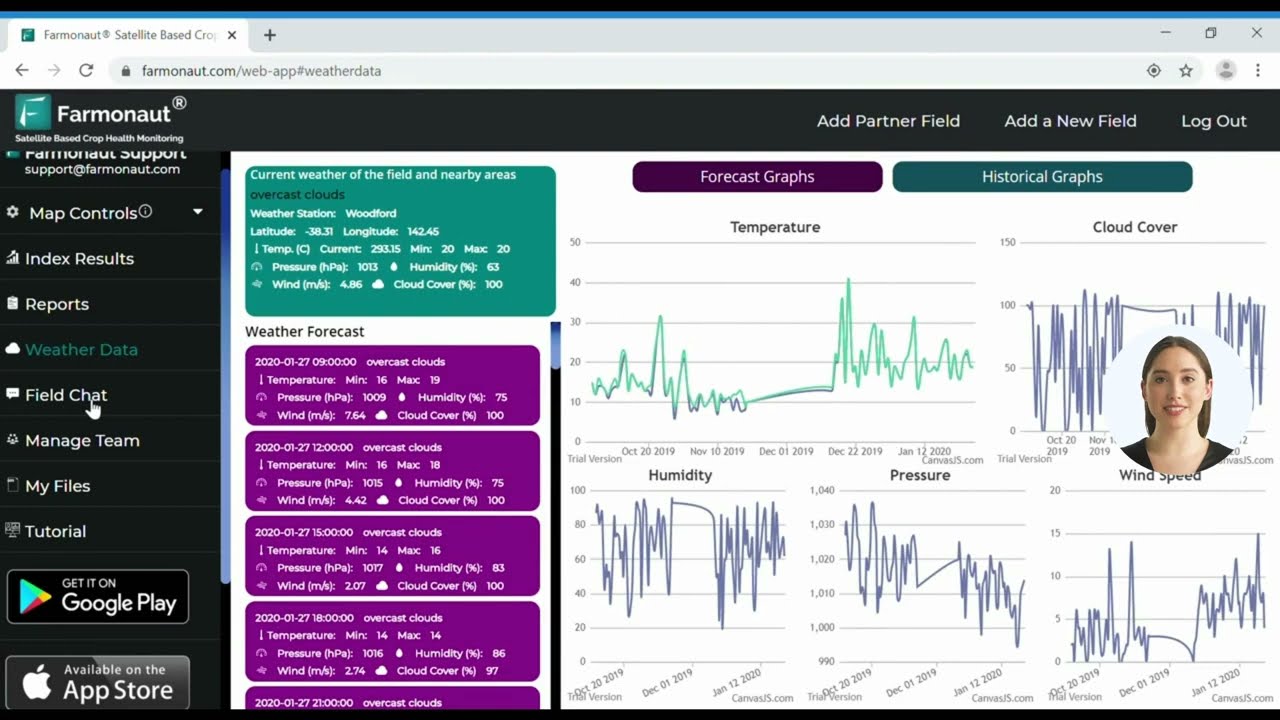
The strategic significance of rare earths goes beyond just extraction; it involves real-time intelligence, predictive analytics, process optimization, and risk management across entire value chains. This is where digital platforms and satellite technology, such as those we offer at Farmonaut, become transformative for industries, businesses, and government stakeholders:
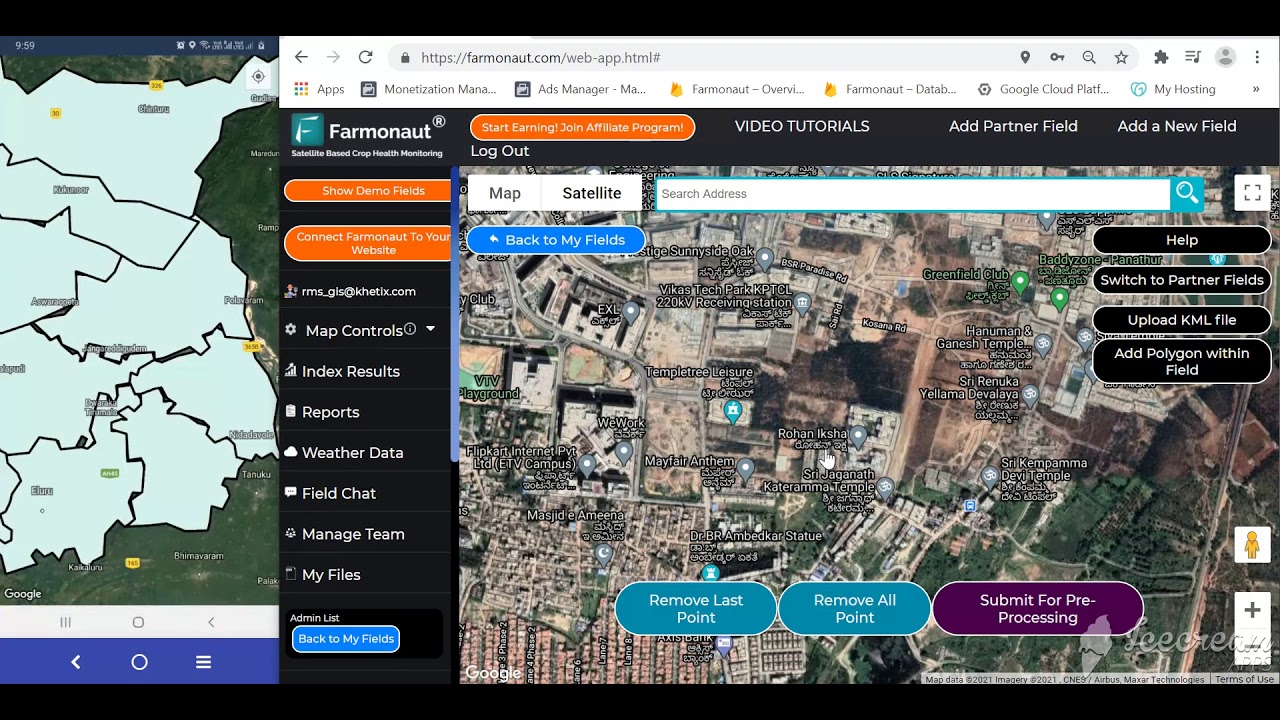
- Satellite Monitoring: Multispectral imaging of mining sites, forests, and infrastructure projects delivers actionable data for resource management, environmental monitoring, and compliance.
- AI Advisory Systems: Our Jeevn AI analyzes satellite, soil, and weather data to guide mining and agriculture decision-making, boosting productivity and efficiency in resource-constrained settings.
- Blockchain Traceability: Full lifecycle auditability for rare earth components across supply chains increases trust and enables ESG compliance for critical minerals. Explore our traceability solutions here.
- Fleet and Resource Management: Optimize logistics—monitor fleets, minimize downtime, and reduce resource wastage with our fleet management suite.
- Environmental Impact Monitoring: Track emissions, resource use, and carbon footprint for mining, infrastructure, and agriculture through real-time dashboards. Details on carbon footprinting here.
With Farmonaut’s flexible APIs (API Developer Docs), businesses can rapidly integrate edge computing, real-time alerting, and sustainability analytics into their workflows—unlocking value in an increasingly digital resource economy.
Rare Earths Supply, Demand, and Trend Projection Table (2021–2026)
| Rare Earth Element | 2021 Estimated Global Supply (mt) | 2025 Estimated Demand by Sector (%) | Projected 2026 CAGR (%) | Notable Sustainability Challenges |
|---|---|---|---|---|
| Neodymium (Nd) | 50,000 |
Mining: 29% Infrastructure/Green Energy: 38% Electronics: 20% Defence: 9% Others: 4% |
8.6 | High energy usage; toxic/hazardous waste; supply concentration risk. |
| Dysprosium (Dy) | 2,200 |
Mining: 20% Infrastructure/Green Energy: 44% Electronics: 15% Defence: 17% Others: 4% |
10.4 | Scarce, with environmental/radioactive waste issues. |
| Praseodymium (Pr) | 9,900 |
Mining: 21% Infrastructure/Green Energy: 41% Electronics: 19% Defence: 13% Others: 6% |
7.3 | Processing inefficiency, ecosystem impact. |
| Terbium (Tb) | 820 |
Mining: 15% Infrastructure/Green Energy: 57% Electronics: 15% Defence: 10% Others: 3% |
11.2 | High cost, toxic/chemical exposure, growth outpaces new mine openings. |
| TOTAL (Estimated All REEs) | 233,000 | 100% (Sectoral split varies by element) | ~8.9 | Supply chain, recycling, environmental impact, traceability, geopolitical risk |
*All figures are estimated, based on public Roskill and USGS reports; sector share projections reflect the trend as of 2024, with updates expected after 2025.
Frequently Asked Questions: Rare Earths, Roskill Rare Earths & USGS Rare Earths 2021
What are rare earth elements (REEs) and why are they critical?
Rare earth elements are a group of 17 metallic elements essential for the manufacturing of high-tech devices, green energy solutions, automotive components, catalysts, and defence technologies. Their unique chemical and physical properties make them irreplaceable in most advanced manufacturing processes, adding strategic importance to their continued supply.
Why are reports like the Roskill rare earths and USGS rare earths 2021 summary so important?
These authoritative analyses provide comprehensive data on production, supply chains, market trends, sustainability, and geopolitical risks associated with rare earth elements. Informed decisions in policy, investment, and ESG strategies rely heavily on such insights.
Which countries dominate rare earth supply, and what are the associated risks?
China dominates, with around 60–70% market share, followed by emerging growth in Australia, the United States, and some African regions. Supply concentration poses risks of trade instability and geopolitical leverage, making diversification a global strategic goal for the coming years.
What are the main sustainability challenges for rare earth mining?
Key issues include environmental contamination from toxic waste, difficulty in recycling complex REE-containing products, and high energy consumption. Environmental impact monitoring and adoption of green processing technologies are central responses.
How does Farmonaut support rare earth and mining industries?
We deliver satellite-based monitoring, AI advisory, traceability, and environmental impact tracking to support sustainable extraction, compliance, resource management, and strategic planning—bridging industry needs with advanced digital technology. See our large scale management tools or access our robust API for custom integration.
What trends will shape rare earth development towards 2026?
Sustainability mandates, recycling innovations, diversified mining investment, integration of remote sensing and AI, and policy-driven supply chain transparency will dominate the coming years. Global demand growth (especially for green and defence sectors) will reinforce the importance of advanced digital and sustainability solutions.
Conclusion: Securing the Future of Rare Earths for a Sustainable, High-Tech World
The world stands at a pivotal crossroads: rare earth elements are not just industrial commodities, but the foundational enablers of a sustainable, interconnected, and technologically advanced global economy. As evidenced in the Roskill rare earths and USGS rare earths 2021 reports, their importance is only set to increase through 2025 and beyond, with geopolitical dynamics, supply chain innovations, sustainability mandates, and the relentless march of technology all demanding unprecedented industry adaptation.
Securing resilient, transparent, and environmentally responsible supply chains for rare earths will be one of the defining challenges—and opportunities—of the next decade. Through integrating advanced monitoring, AI advisories, and blockchain-based traceability solutions, organizations and governments can not only safeguard critical capabilities but also enable a world where innovation and sustainability march hand in hand.
At Farmonaut, we are committed to making satellite-driven insights accessible and actionable for mining, infrastructure, agriculture, and defence, ensuring our users are at the forefront of this ongoing transformation.
Unlock the full potential of rare earths with actionable intelligence. Start your journey into the future of mining, infrastructure, and sustainability today.

 Lithspo Minerals Limited
 Tintina Mining Group
 Dalgety Minerals Pty Ltd
 Vortex Minerals Pty Ltd
 Faith At Work (Pty) Ltd
 Geotech Mining Solutions plc
 Vulcan International Limited
 Kidepo Associates
 GKY Mining
 Alkimy SARL
 Double A Trading
 GemSprout Metals Limited
 Qader Group
 Ileys General Trading
 SG Gold Mining LLC
 VRV Global Pte Ltd
 Omsri International FZE
 G.I.T.T.
 Jaunita Erss Ltd
 Almosi SARL
 SRK Consulting
 Berks Gold Limited
 Mwerezi Minerals Company Limited
