

Top 3 Gold Producing Countries in the World: Shaping Mining, Agriculture, Forestry, and Sustainable Development
“China, Australia, and Russia together produced over 1,000 metric tons of gold in 2023, leading global sustainable mining efforts.”
“Top gold producers manage over 10 million hectares of land, integrating mining with agriculture and forestry for rural sustainability.”
Introduction: Gold’s Vital Role Across Industries
Gold is renowned for its historic value as a currency and its enduring allure in jewelry. However, its significance extends far beyond the financial and luxury sectors. Today, gold producing countries play pivotal roles in weaving gold into the fabric of mining, agriculture, forestry, infrastructure, and rural development. By understanding the activities of the top 3 gold producing countries, we can illuminate the intersection of sustainable practices, land use, rural economies, and environmental stewardship across continents.
In this comprehensive guide, we reveal how the world’s top gold producers—China, Australia, and Russia—collectively influence economic growth, agricultural development, forestry management, regional planning, and ecological balance. We will also explore innovative tools transforming modern mineral exploration, the dynamic relationship between mining and agriculture, and the imperative of responsible land management for communities, farmers, and regional investors.
The top 3 gold producing countries—China, Australia, and Russia—not only lead global output, but also set examples in sustainable mining, agro-forestry integration, and rural development.
Global Gold Production Landscape: Who Leads & Why?
The international gold market is shaped by a small group of powerhouse producers. These top 3 gold producing countries (China, Australia, Russia) collectively contribute a substantial share of annual output, directing global supply chains, labor markets, and export dynamics. Each country’s approach impacts not only mining, but also land management, agricultural productivity, forestry stewardship, and community health.
- ✔ Leadership: China, Australia, and Russia consistently top the charts among gold producing countries in the world.
- 📊 Collective Output: These three countries produce over 32% of global gold, securing vital supply for multiple sectors.
- ⚠ Sustainability Challenge: Extensive mining requires thoughtful balance with agriculture and environmental management.
- 🌏 Strategic Significance: Their roles extend beyond mining— influencing rural infrastructure, community programs, and regional development.
- 🌱 Land Use: Over 10 million hectares are managed for gold extraction, agriculture, and forestry stewardship.
Why Focus on the Top Gold Producing Countries?
The top 3 gold producing countries provide blueprints for responsible mining, integration with agricultural and forestry interests, and creative rural development models. Their landscapes vividly illustrate the global challenges and opportunities in harmonizing resource extraction with land stewardship and community benefit.

Impact Comparison Table: Top 3 Gold Producing Countries and Their Sustainable Practices
| Country | Estimated Annual Gold Production (metric tons) | % of Global Output | Main Mining Regions | Sustainable Practices Implemented | Impact on Agriculture/Forestry | Notable Environmental Initiatives |
|---|---|---|---|---|---|---|
| China | 370+ | ~11% | Shandong, Henan, Inner Mongolia, Yunnan | Reclamation, water recycling, pollution control, local employment programs | Funds rural infrastructure, competes for water & land, reforestation efforts |
Tailings remediation, watershed protection, green mine certifications |
| Australia | 315+ | ~9% | Western Australia, New South Wales, Queensland | Mine site rehabilitation, biodiversity offsets, advanced water management | Collaborates with farmers on buffer zones, boosts local agri-economy |
Land revegetation, carbon reduction plans, Aboriginal heritage conservation |
| Russia | 310+ | ~8.5% | Krasnoyarsk, Irkutsk, Magadan, Sakha | Forest management, stricter permitting, modernized mining methods | Impacts pasture but supports rural infrastructure expansion | Reforestation, protected areas, stricter emission standards |
Global investors monitor sustainable programs and community impact initiatives in these top gold producing countries to gauge long-term asset stability and social license to operate.
China: The World’s Gold Production Titan
Strategic Significance and National Ambitions
China has maintained its status as the largest gold producing country for over a decade. The scale of mining activities in Shandong, Henan, Inner Mongolia, and Yunnan provinces ensures a steady supply of gold to the global markets, strengthening China’s influence on export dynamics and commodity prices.
- 📊 Output: Over 370 metric tons annually, about 11% of global gold production.
- 🏞️ Regions: Shandong is the undisputed leader (hosts one of the world’s largest gold mines—Zhaoyuan).
- 🌱 Innovation: China invests in comprehensive ecological impact assessments and watershed management for its large-scale mines.
Chinese mining models integrate environmental controls—including tailings management and emission reductions—while deploying advanced remote sensing for land management planning. National policies encourage companies to rehabilitate land, fund rural irrigation projects, and strengthen connections with regional agricultural cooperatives.
- 🌾 Impact: Mining provides capital for rural roads, schools, and agricultural equipment, but can also compete with farming for water and land.
- 🌳 Environmental Stewardship: State incentives promote reclamation, reforestation, watershed protection, and green mine certifications.
- 🤝 Collaboration: Community and sectoral programs are designed to align mining growth with stability in local food production and forest conservation.

Australia: Sustainable Gold Mining and Rural Integration
Mining in Harmony with Land and Agriculture
Australia stands as the second-largest gold producer globally, consistently contributing over 9% of total output. The country’s major mining regions—including Western Australia, New South Wales, and Queensland—are renowned for large, efficiently run industrial mines supported by robust infrastructure and strong service industry linkages.
Australian gold mining is notable for its emphasis on sustainable practices. Mine operators implement:
- 🌱 Land rehabilitation and revegetation
- 💧 Water management systems (including recycling and stormwater capture)
- 🌏 Biodiversity offsets and indigenous land management programs
- 🌳 Buffer zones with native vegetation to protect both agricultural and forestry productivity
Collaboration between miners and local farmers is especially strong in Australia. Mining communities often benefit from irrigation upgrades, better roads, and technological investments that support crop diversification and livestock productivity.
- 🐑 Livelihoods: Mining boosts regional employment (both direct and indirect), spurring population stability in remote rural communities.
- 💡 Innovation: Australian mines utilize advanced sensing, drone mapping, and satellite-based mineral detection for efficient exploration and land management.
- 🌲 Forestry: Plantation buffers and habitat restoration initiatives help reduce erosion, stabilize slopes, and boost agricultural resilience.

Australia – Visual Checklist of Sustainability Advantages
- 🌿 Biodiversity offsets alongside mining corridors
- 🚜 Direct investments in irrigation and farm roads
- 🌧️ Seasonal water recycling for both mines and adjacent croplands
- 🔬 Innovative soil health monitoring to mitigate adverse impacts
- 🤝 Agroforestry and partnership programs for rural economic stability
Russia: Strategic Resource Management and Environmental Focus
Balancing Extraction with Conservation
Russia forms the third vertex in the top 3 gold producing countries network. Its prolific gold production centers are found in Krasnoyarsk, Irkutsk, Magadan, and Sakha, regions also noted for harsh climates and ecologically sensitive landscapes.
- 💡 Modernization: New Russian mines utilize digital monitoring and satellite-based prospectivity mapping (see our solution: Satellite Driven 3D Mineral Prospectivity Mapping).
- 🌳 Forest Management: National policies demand re-vegetation of disturbed forest land and protection of buffer zones.
- 💼 Ecosystem Impact Assessments: Stringent environmental assessment systems precede new mining permits, analyzing adverse effects on soil, watersheds, and local agriculture.
Rural communities benefit from mining-driven infrastructure projects—new roads, energy grids, and facilities—which often reduce input costs for farmers and open up new agricultural value chains. However, the risk of sedimentation, pasture health decline, or water contamination is acknowledged and managed via coordinated national action plans.
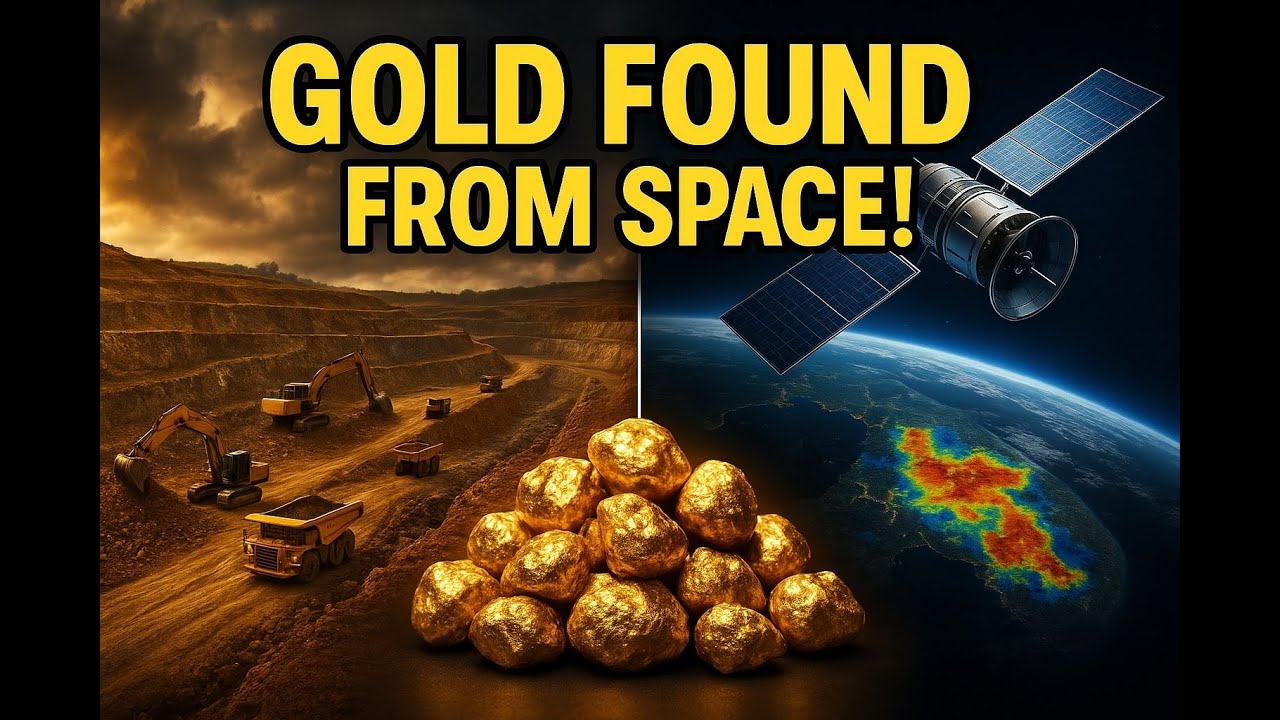
Modern satellite-driven mineral detection in Russia and worldwide enables non-invasive early-stage exploration, reducing footprint and improving land stewardship from the start. Learn more at Farmonaut’s Mineral Detection.
Farmonaut & Modern Mineral Exploration: Non-Invasive Satellite Intelligence
As mineral exploration becomes increasingly technologically advanced, satellite-based intelligence is revolutionizing early-stage mining worldwide. At Farmonaut, we specialize in using Earth observation, remote sensing, and AI to offer environmentally responsible, highly precise mineral detection for gold and a host of strategic minerals.
Traditional exploration techniques are often invasive, expensive, and environmentally risky. Our solutions—including multispectral/hyperspectral analysis and AI-driven geological modeling—allow prospectors and mining companies to:
- 🌍 Cover large regional areas rapidly
- ⏳ Reduce exploration timelines from months to days
- 💰 Save up to 80–85% in exploration costs
- 🌱 Deliver zero environmental disturbance in the early phase
- 🎯 Pinpoint mineralization zones, faults, and alteration patterns long before field activity commences
This advanced intelligence aids in sustainable site planning, resource allocation, and minimizes land use conflict—directly benefitting farmers, foresters, and rural communities. If you’re seeking to minimize exploration risk and map your mining site with the latest technology, use our dedicated portal: Map Your Mining Site Here.

Overlooking non-invasive exploration technologies can increase project costs, exploration time, and environmental footprint—especially in sensitive agricultural or forested regions.
How Farmonaut’s Satellite Mineral Detection Works – Visual Guide
- 🛰️ Step 1: Receive area of interest & mineral target
- 🌐 Step 2: Acquire suitable satellite data (multi/hyperspectral)
- 🧠 Step 3: Run AI-based algorithm to analyze geophysical signatures
- 📈 Step 4: Deliver high-resolution prospectivity maps, PDF reports, GIS files
- 🎯 Step 5: Optional: Provide 3D drilling intelligence for optimal site selection
Mining and Agriculture Coexistence in Gold-Rich Regions
Regions rich in gold are often also strongholds of agriculture, creating a landscape where mining and farming intersect. This coexistence presents abundant opportunities—and occasionally, challenges—for rural development and ecological stability.
- 🌉 Capital Flows: Revenue from mining kickstarts rural infrastructure, irrigation, and farm equipment investments.
- 🤝 Collaborative Models: Mining firms and agricultural cooperatives sometimes pool resources to promote crop diversification, soil conservation, and value-added production.
- 💧 Resource Sharing: Water is a vital thread—shared (and occasionally competed for) between mining and irrigation needs.
- 🍃 Risk Mitigation: Responsible tailings management, slope contouring, and erosion reduction programs are critical for safeguarding soil health and pasture yields.

Responsible mining approaches in gold producing countries employ buffer zones, watershed restoration, and tailings control to protect both farmland and local food security.
Forestry, Water and Land Management in Gold Mining Regions
Forested regions, buffer zones, and watershed management are pivotal to sustaining the productivity of both the timber sector and adjacent farmland. Large-scale gold mining must carefully balance extraction with these vital environmental threads.
Key Considerations:
- 🌳 Buffer Zones: Established buffer strips minimize sedimentation and shield neighboring fields and forests.
- 💧 Water Resources: Proper water handling—reusing, treating, or redirecting key flows—can reduce adverse downstream effects.
- 🪵 Timber and Habitat: Post-mining land is often transitioned into restored woodland with native tree plantings, stabilizing slopes and rewilding the ecosystem.
- 🧑🌾 Community Involvement: Engaging local stakeholders and farmers ensures new land use aligns with livelihoods and rural goals.
- ✔️ Certification Schemes: Best-practice guidelines and environmental certifications drive responsible mining that harmonizes with agricultural and forestry sectors.

Infrastructure and Community Development Impacts
Mining investment is a critical driver for infrastructure development in many rural gold districts. Roads, logistics hubs, power lines, and new processing plants help lower farming and timber input costs. These improvements:
- 📦 Enhance farmer access to seeds, fertilizers, and markets
- ⏱️ Reduce farm-to-market time and post-harvest loss
- 🏥 Bring new health centers, schools, and vocational facilities to the community
- 📝 Support rural workforce education and upskilling
- 💡 Enable electrification and improved cold chain logistics for perishables
However, these benefits come with cautionary tales. In areas with weak governance, informal mining, land grabs, or regulatory lapses can undermine regional progress—making strong revenue sharing, community benefit agreements, and transparent licensing absolutely essential.

Economic, Policy & Environmental Implications
The top gold producing countries shape not only domestic economies but also global trade and currency stability. National governments focus policy on balancing stable mining regimes, environmental safeguards, and local-content requirements in order to achieve long-term prosperity and resilience.
Key Economic Takeaways:
- 💱 Currency Reserves: Gold’s role in national budget and forex balances is critical for the leading producers.
- 🔥 Inflation Hedge: Stable gold output can shield economies from commodity price swings.
- 🌱 Development Funding: Royalties and resource taxes fund key rural and conservation projects, including new irrigation, roads, and protected forest areas.
- 🤝 Public-Private Partnerships: Governments increasingly link mining sector gains to direct community programs, strengthening food security and ecosystem management.
- ✔️ Transparency: Transparent licensing and benefit sharing minimize corruption and revenue leakage.
For Farmonaut, offering advanced, satellite-driven mineral intelligence aligns perfectly with this new paradigm of sustainable, responsible, and transparent mining exploration—benefitting not only investors but also local communities, farmers, and the broader world.
If you’re ready to modernize mineral exploration and make a responsible investment in the future of gold, request a custom satellite-based assessment via Get Quote or reach out at Contact Us.
Frequently Asked Questions (FAQ): Gold Producing Countries & Sustainable Mining
Q1: Which country is the largest gold producer in the world?
A: China leads among all gold producing countries, producing over 370 metric tons per year.
Q2: How do gold producing countries manage environmental concerns?
A: The top 3 gold producing countries use a mix of land reclamation, water management, environmental certifications, and stakeholder engagement to minimize impact and promote sustainability.
Q3: What role does gold mining play in rural development?
A: Gold mining can provide significant revenue for rural infrastructure development, healthcare, education, and improved farm supply chains, but requires responsible management to avoid adverse environmental effects.
Q4: How does Farmonaut support sustainable mining?
We use satellite-based mineral intelligence to pinpoint promising exploration zones, reducing the need for invasive groundwork and ensuring responsible land stewardship from the earliest stages.
Q5: Where can I map my mining area using modern technology?
Our Map Your Mining Site Here portal provides fast, accurate mineral prospectivity mapping using satellite data and AI—user-friendly for both technical and non-technical stakeholders.
Conclusion: Gold—A Vital Thread in Global Agriculture, Forestry, and Infrastructure Contexts
As seen throughout this guide, gold’s role extends well beyond finance, jewelry, or traditional economic measures. For the leading gold producing countries in the world, gold is a vital thread intricately woven with agriculture, forestry, land and water management, and rural community growth. The top 3 gold producing countries—China, Australia, and Russia—collectively demonstrate that responsible, sustainable mining can create long-term benefits for farmers, foresters, and local economies, while safeguarding ecological health and building modern infrastructure.
The integration of advanced, non-invasive technologies like satellite-based mineral detection further supports this transformative agenda, minimizing disturbance and maximizing local and global benefit. Linking mining revenues and infrastructure investments with soil conservation, water protection, forest stewardship, and community welfare is the blueprint for unlocking the full sustainable potential of gold-rich regions.
By drawing lessons from the world’s frontrunners and utilizing best-available tools, all stakeholders—from governments and mining companies to farmers and investors—can ensure gold continues to fuel prosperity, balance, and sustainable development across continents for the generations to come.
- 👉 Leverage AI-powered satellite mineral intelligence—Learn how here
- 👉 Explore 3D prospectivity mapping for risk minimization—Download a sample
- 👉 Map Your Mining Site Instantly: mining.farmonaut.com
- 👉 Get a quote for project-tailored mineral assessment: Get Quote
- 👉 Contact Farmonaut experts: Contact Us
Discussion
Questions, corrections or field experience? Share them below. First-time comments are reviewed before they appear, and your email is never published.
No comments yet. Be the first to add a question or your experience.

 Geoticgy
 GemSprout Metals Limited
 Qader Group
 Ileys General Trading
 SG Gold Mining LLC
 VRV Global Pte Ltd
 Omsri International FZE
 G.I.T.T.
 Jaunita Erss Ltd
 Almosi SARL
 SRK Consulting
 Berks Gold Limited
 Mwerezi Minerals Company Limited
 Mining SARL
 SenGold Invest SAS
 Sean Mining Limited
 NTS Group (Pty) Ltd
 Mine4Africa
 Lithspo Minerals Limited










