

Top Lithium Producers in the World 2025: Global Leaders
Explore the landscape of top lithium producers in the world as we approach 2025 and how their output is fundamentally reshaping agriculture, infrastructure, and sustainable innovation worldwide. This blog post provides a comprehensive, up-to-date guide with actionable insights for industry stakeholders, policymakers, and technology adopters seeking to understand, plan, and benefit from the lithium revolution.
“In 2025, global lithium production is projected to surpass 170,000 metric tons, led by Australia and Chile.”
Global Landscape: Top Lithium Producers in the World 2025
In the era of energy transition, the top lithium producers in the world play a vital and strategic role in steering global economic development. Lithium, as a critical mineral, remains at the center of this transformation, fueling the battery revolution that underpins electric vehicles (EVs), renewable energy storage, precision agriculture, and smart infrastructure.
Australia leads the global landscape in 2025, contributing around 60% of total global lithium output—primarily from hard-rock spodumene mines such as the renowned Greenbushes site in Western Australia. The “Lithium Triangle”—Chile, Argentina, and Bolivia—remains formidable, controlling vast reserves and utilizing unique brine extraction techniques in salt flats, notably the Salar de Atacama in Chile and widespread Argentine salars.
China not only mines lithium domestically but also dominates lithium processing, battery production, and consumption—controlling a substantial share of the value chain. Emerging players such as Canada and Portugal are ramping up production, aiming to diversify global supply and mitigate risks from geopolitical uncertainties.

Key Extraction Techniques and Their Regional Distribution
- Hard-Rock Mining (Spodumene): Chiefly in Australia (Greenbushes, Pilgangoora)
- Brine Extraction: Dominant in the Lithium Triangle (Chilean Atacama Desert, Argentine salt flats)
- Clay and Other Lithologies: Being explored in Nevada (USA), Portugal, and Serbia for future supply
Each region blends unique extraction techniques, market roles, and environmental considerations, making it essential to understand the nuances shaping production in 2025 and beyond.
“Lithium demand for agricultural technology is expected to grow over 25% by 2025, accelerating precision farming innovations worldwide.”
Top Global Lithium Producers 2025: Country-wise Comparison
| Country | Estimated 2025 Lithium Production (Metric Tons) | Global Market Share (%) | Major Lithium-Producing Companies | Primary Application Sectors | Recent Technological Innovations | Projected Growth Rate to 2030 (%) |
|---|---|---|---|---|---|---|
| Australia | ~100,000 | 60% | Talison, Pilbara Minerals, Mineral Resources | Batteries, Energy Storage, Infrastructure | Greenbushes automation, AI-grade sorting, water recycling | 6–8% |
| Chile | ~30,000 | 18% | SQM, Albemarle | Batteries, Agrochemicals, Energy | Direct Lithium Extraction (DLE), solar evaporation advances | 4–6% |
| China | ~15,000 | 9% | Ganfeng, Tianqi Lithium, BYD | Batteries, Processing, Electric Mobility | Integrated battery supply chain, hydrometallurgical innovations | 7–9% |
| Argentina | ~12,000 | 7% | Livent, Orocobre | Batteries, Agrochemicals, Exports | Low-carbon brine extraction, remote monitoring | 9–12% |
| Canada | ~7,000 | 4% | Nemaska Lithium, Critical Elements | Batteries, Industrial, Clean Tech | AI exploration (satellite data), reduced emissions mining | 10–14% |
| Portugal | ~2,000 | 1% | Lithium Iberia, Lusorecursos | Batteries, European Industry | Eco-friendly mining, mineral traceability | 7–10% |
| Bolivia | ~1,500 | 0.5% | YLB (state-run) | R&D, Exports | Pilot DLE plants, improved evaporation ponds | 15–18%* |
*Bolivia’s high growth rate is projected but actual ramp-up is subject to technology, investment, and stability.

Technological Innovations in Lithium Mining and Processing
The competitive edge among lithium producers in the world is now driven by technological innovation. The goal is to reduce environmental impact, optimize extraction, and ensure sustainable growth for diverse sectors, from electric vehicles to agriculture and infrastructure.
Major Innovation Areas:
- Direct Lithium Extraction (DLE): New DLE techniques, used in Chile and being piloted in Argentina and Bolivia, use advanced absorption materials and selective membranes to extract lithium from brines with drastically lower water consumption.
- Greenbushes Automation: Australia’s producers incorporate robotics, AI-based ore sorting, and water recycling at the fleet management level for both productivity and reduced energy costs.
- AI and Satellite Monitoring: Canada leads in applying satellite data and AI (see video below) for mineral discovery, environmental compliance, and planning in both mining and agriculture. Carbon footprint monitoring helps mining operators track and reduce emissions across the production cycle.
- Hydrometallurgical Processing: China advances the supply chain with improved recovery rates using hydrometallurgical processes and circular economy principles, integrating recycled battery feedstock.
- Blockchain Traceability: Major producers and partners in Canada, Portugal, and EU implement blockchain-based traceability for minerals, allowing downstream buyers to verify sustainability and resource origin.

Global Lithium Demand, Supply, and Market Dynamics
2025 will be a record-breaking year for lithium demand, as the world accelerates the transition to clean energy, e-mobility and sustainable agriculture. The global lithium supply chain faces intense pressure to match this surge, with top lithium producers ramping up production and seeking new reserves, especially in the wake of rising electric vehicle adoption, massive grid-scale battery storage projects, and digital agriculture expansion.
Key Market Drivers
- EV market expansion: Global automakers are increasing battery production, requiring secure lithium supply.
- Renewable energy storage: Solar/wind installations paired with lithium-ion batteries are critical for grid balancing.
- Smart agricultural equipment: Lithium-ion batteries are now standard in autonomous farming equipment, including tractors, drones, and irrigation systems.
- Pressure on environmental compliance: Governments and global buyers are prioritizing low-impact and traceable supply.
Despite strong expansion, supply remains concentrated: Australia and the Lithium Triangle countries account for more than 85% of new lithium coming online. Geopolitical diversification—with Canada, Portugal, and Africa playing larger roles—is vital for stability, especially as trade tensions and supply chain bottlenecks intensify.

Lithium’s Growing Role in Agriculture: From Batteries to Crop Health
Though lithium is often associated with electric vehicles and energy storage, its expanding role in agriculture is both nuanced and transformative. Precision farming and rural sector modernization are increasingly driven by lithium-powered innovations, unleashing new possibilities for sustainable development.
How Lithium-Powered Technologies Are Transforming Agriculture:
- Electric Drones & Robots: Delivered advances in disease detection, crop health monitoring, and data-driven fertilizer application—thanks to improved battery density and rapid charging powered by lithium.
- Tractors & Irrigation: Lithium-powered ag machinery enables emission-free operation and improved reliability for 24/7 farming, critical to rural infrastructure resilience.
- Digital Crop Monitoring Platforms: Integration with satellite-powered services—such as Farmonaut’s large-scale farm management solution—delivers insights on crop growth, health, and water usage.
- Plant Growth Regulators: Ongoing studies reveal that lithium compounds, when used correctly, may influence plant metabolism, offering new potential for boosting crop yields in challenging climates.
However, environmental concerns such as water consumption and saline impacts from brine extraction continue to affect agricultural regions in Chile and Argentina. Responsible water and resource management is paramount for balancing lithium gains with protection of rural livelihoods and food security.




Driving Infrastructure Development: Lithium and Sustainable Growth
Lithium is a linchpin of next-gen infrastructure—from battery gigafactories and EV charging corridors to rural grid reliability, data centers, and beyond.
Lithium’s Integration into Infrastructure:
- Battery-Backed Renewable Grids: Lithium-ion batteries store solar and wind power, providing critical grid stability for rural and urban development projects. This is transforming energy access and reliability well beyond metropolitan centers.
- Roads & Logistics Networks: The need to transport lithium from mines to ports spurs investments in highways, transcontinental rail, and smart fleet management (see Farmonaut’s solutions for real-time fleet and operations optimization).
- Smart Cities and Sustainable Construction: Lithium-powered batteries play a crucial role in energy storage for buildings, traffic systems, and urban resilience planning, making them essential for sustainable cities of tomorrow.
- Water Infrastructure: The intersection of mining and agriculture in lithium-rich regions creates complex water allocation scenarios, necessitating technology-driven management and environmental monitoring.

Environmental & Geopolitical Challenges for Lithium Producers in World
As lithium producers in the world ramp up mining and extraction, a new set of challenges shapes the global landscape in 2025:
Environmental Concerns and Water Scarcity
- Water resources are limited in salt flat regions (Atacama, Argentine Salinas Grandes), where lithium brine extraction can deplete aquifers critical to local agriculture.
- Salinization and Habitat Loss threaten fragile ecosystems, impacting both farming communities and biodiversity.
- Airborne Dust & Emissions from hard-rock mines increasingly require mitigation through sustainable practices and technology innovation.
Supply Chain, Transparency, and Geopolitics
- Geopolitical tensions—notably between China, the US, and EU—drive efforts to diversify global supply and establish traceable, conflict-free sources.
- Illegal Mining Risks in emerging producer regions can undermine environmental and labor standards, making blockchain-based traceability (see Farmonaut’s traceability solutions) essential.
- Investment Uncertainty as technology, policy, and resource nationalism evolve, influencing the pace of growth in South American and African lithium production.
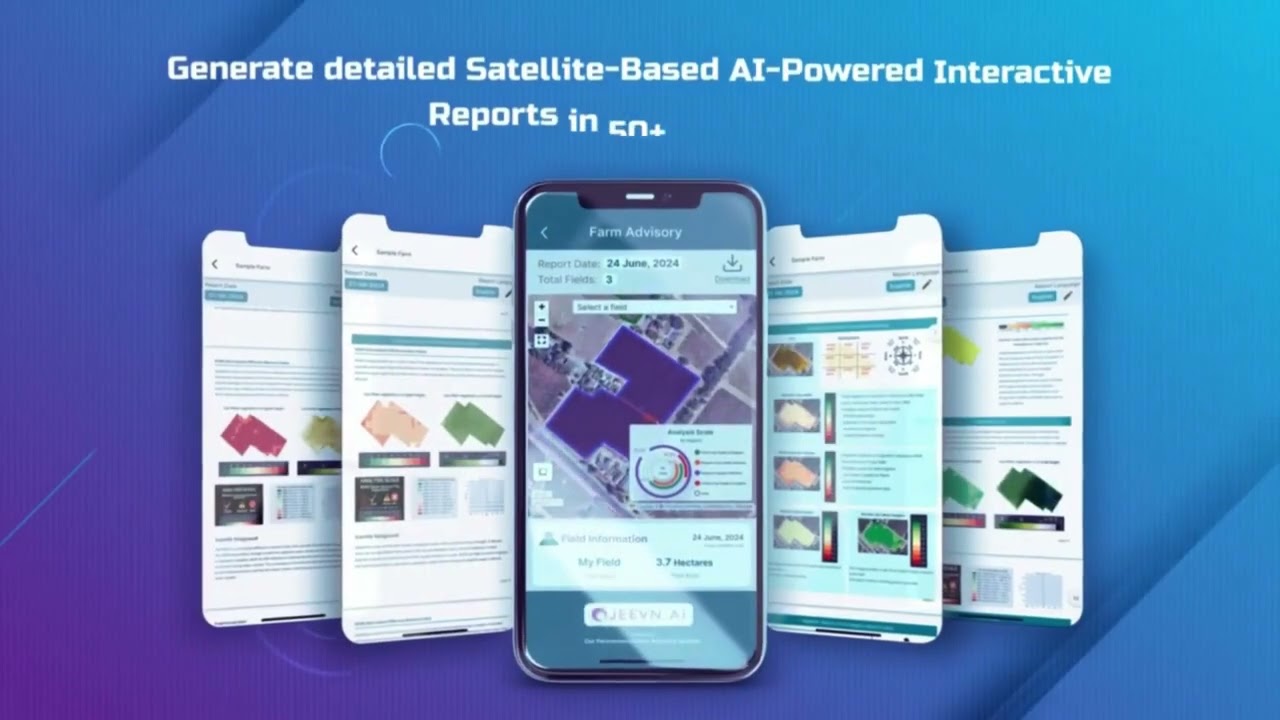
How Farmonaut Empowers Lithium and Agricultural Sectors
Modern satellite and AI technologies support lithium producers, farmers, and infrastructure managers in making smarter, data-driven decisions for resource optimization, operational efficiency, and sustainability.
Key Farmonaut Technologies and Solutions:
- Satellite-Based Monitoring: Real-time multispectral images for mining sites, salt flats, crop areas, and infrastructure projects help capture vegetation, soil, and extraction impact at scale, essential for lithium and agricultural sectors.
- AI Advisory System (Jeevn AI): Delivers tailored, predictive analytics for mining, farming, and infrastructure development based on on-the-ground and satellite data streams.
- Blockchain Traceability: Strengthens transparency and authenticity in supply chains, helping producers and buyers verify sustainable mining practices and resource origin.
- Fleet and Resource Management: Optimizes the movement of vehicles and equipment across both mining operations and agricultural logistics chains using centralized dashboards—enhancing efficiency and reducing costs.
- Environmental Impact Tracking: Provides mining and agricultural businesses with tools to monitor carbon emissions, water use, and ecological footprint in real time (~carbon footprinting solutions).
To explore Farmonaut’s full satellite solutions and integrate them with your workflow, check our API or read the developer documentation here.
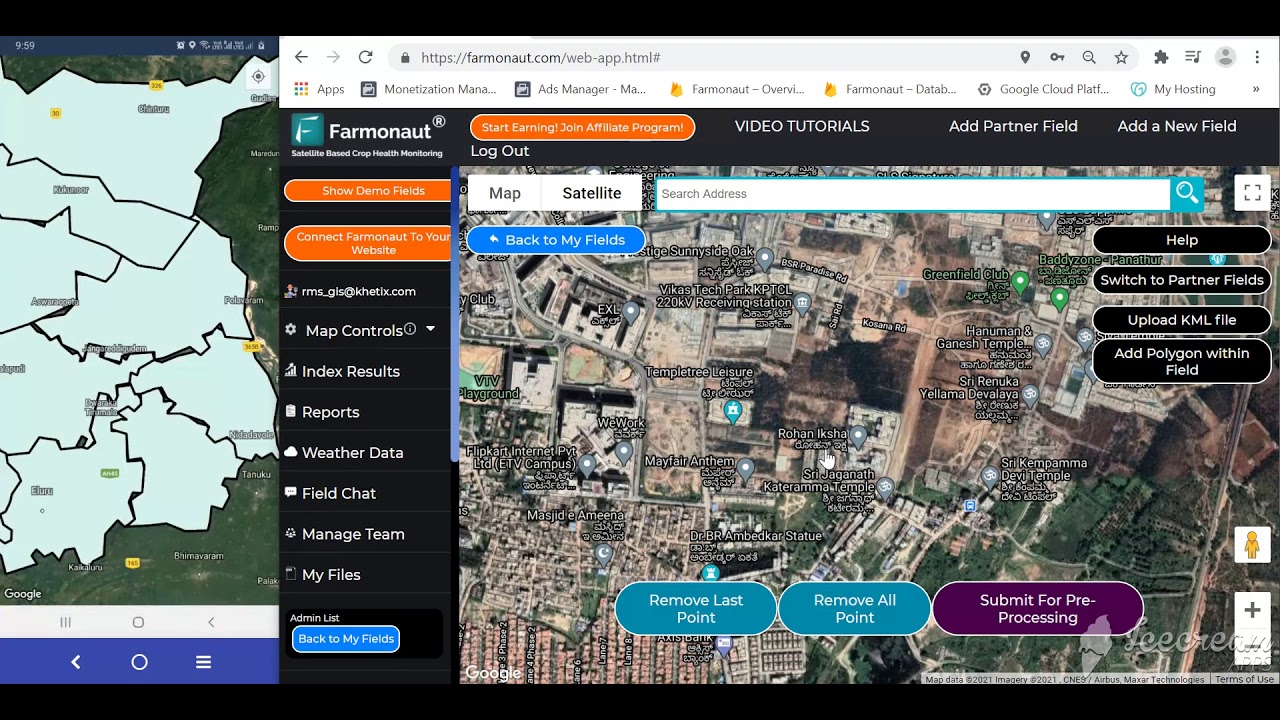
Key Country Profiles: Dominant and Emerging Lithium Players
Australia: The World’s Largest Lithium Producer
- Mining Operations: Hard-rock mines in Western Australia (Greenbushes, Mount Marion, Pilgangoora) drive nearly 60% of global output.
- Technological Edge: Automation, ore sorting, and water recycling maintain competitiveness.
- Main Application: Battery supply for electric vehicles, energy storage, and growing integration in infrastructure and agriculture.
Chile: Leading Brine-Based Extraction, the Atacama Advantage
- Salar de Atacama: Home to vast brine pools, responsible for nearly 20% of global lithium production.
- Innovation: Shifts to DLE methods to reduce water use and environmental impact.
- Sector Impact: Supplies both batteries and specialty chemicals, with broad implications for mobility and agricultural technology.
Argentina: Expanding Investment, Rising Star in the Lithium Triangle
- Salta, Jujuy, Catamarca: Brine resource-rich provinces, major appeal for international investment and next-gen extraction pilots.
- Technological Focus: Remote monitoring, carbon reduction strategies, sustainable water use.
- Main Application: EV batteries, chemicals, with growing agricultural tech integration.
China: Integrated Producer, Processor, and Consumer
- Role: Controls much of the global lithium supply and dominates battery processing, driving rapid advancements including solid-state battery R&D.
- Key Regions: Sichuan, Qinghai, and overseas investments in South America, Africa, Australia.
- Primary Use Cases: Domestic battery production, export-heavy supply chains, advancing rural electrification and transportation infrastructure.
Emerging Producers: Canada, Portugal, Bolivia
- Canada: Hard-rock projects in Quebec, Ontario, British Columbia, leveraging satellite data and AI to discover new reserves, reduce environmental impacts, and increase traceability.
- Portugal: Focused on eco-friendly extraction for European battery factories, prioritizing sustainability and transparency for industrial and energy applications.
- Bolivia: Despite slow commercialization, the Uyuni salt flats position Bolivia as a high-growth potential player in the coming decade.
Looking Ahead: Strategic Outlook for 2025 and Beyond
As the world transitions to clean energy and sustainability-driven growth, the importance of lithium producers in the world will only increase. By 2025 and through the next decade, several key trends will shape the global, regional, and local landscapes for development:
- Supply Diversification & Geopolitics: Governments and industries will seek to mitigate risk by broadening lithium sourcing and investing in responsible mining operations.
- Environmental Technology Upgrades: Technologies like DLE, real-time remote monitoring, AI-powered analytics (see Farmonaut), and traceability will help reduce water use, emissions, and ecological footprints.
- Integration Into Precision Agriculture: With lithium demand in agricultural technology projected to rise over 25% by 2025, we will see a wave of new batteries, sensors, and farm equipment enhancing yields and sustainability.
- Infrastructure Advancements: Continued investment in roads, rail, water infrastructure, and energy storage across lithium-rich and consuming regions will ripple throughout rural and urban economies.
- Sustainable Stakeholder Practices: Producers, buyers, and users will increasingly demand transparency and accountability, from supply chain traceability to carbon monitoring and responsible water management.
The world’s top lithium producers are more than just suppliers for the EV revolution. Their output, practices, and innovations will underpin the sustainable future of agriculture, infrastructure, and responsible development worldwide.
Frequently Asked Questions: Lithium Producers and Global Impacts in 2025
1. Who are the top lithium producers in the world in 2025?
Australia leads global production, closely followed by Chile, China, and Argentina. Emerging players like Canada, Portugal, and Bolivia are bolstering output to diversify the world’s supply chain.
2. How does lithium production impact agriculture and infrastructure?
Lithium-powered equipment modernizes farming, improves rural electrification, and drives the development of new infrastructure. However, brine extraction can strain water resources in agricultural regions, requiring sustainable management practices.
3. What extraction techniques are used for lithium?
Main methods include hard-rock mining (spodumene) in Australia and Canada, and brine extraction from salt flats in the Lithium Triangle (Chile, Argentina, Bolivia). Direct Lithium Extraction (DLE) is an innovative, lower-water method now being piloted in several regions.
4. What are the main environmental challenges for lithium extraction?
Water consumption, aquifer depletion, salinization, habitat loss, and carbon emissions are significant concerns. Advanced traceability and satellite-based environmental monitoring (like those provided by Farmonaut) are essential for mitigating impacts.
5. How is Farmonaut relevant to the lithium industry?
Farmonaut offers real-time satellite monitoring, AI-powered analytics, blockchain traceability, and environmental impact tracking for mining, agriculture, and infrastructure, supporting lithium-producing operations and stakeholders in sustainable, transparent growth.
6. What is the outlook for lithium demand after 2025?
With electric and digital technologies accelerating, global lithium demand is expected to remain strong for the coming decade, especially for batteries, grid storage, and agricultural applications. Producers will need to scale output while innovating for sustainability and transparency.
Stay ahead of the curve: monitor your agricultural, mining, or infrastructure operations globally with Farmonaut’s real-time satellite solutions.

 Berks Gold Limited
 Mwerezi Minerals Company Limited
 Congo Mining Solutions
 Mining SARL
 SenGold Invest SAS
 Sania Corporation
 Sean Mining Limited
 NTS Group (Pty) Ltd
 Mine4Africa
 Lithspo Minerals Limited
 Tintina Mining Group
 Dalgety Minerals Pty Ltd
 Vortex Minerals Pty Ltd
 Faith At Work (Pty) Ltd
 Geotech Mining Solutions plc
 Vulcan International Limited
 Kidepo Associates
 GKY Mining
 Alkimy SARL
 Double A Trading
 GemSprout Metals Limited
 Qader Group
 Ileys General Trading
 SG Gold Mining LLC
 VRV Global Pte Ltd
 Omsri International FZE
 G.I.T.T.
 Jaunita Erss Ltd
