

Wind Energy for Mining Operations: 5 Cost-Cutting Ways
Powering the Future of Sustainable Extraction
Table of Contents
- The Energy Challenge in Mining
- Why Wind Energy for Mining Operations?
- 5 Cost-Cutting Ways to Integrate Wind Energy for Mining Operations
- Operational & Environmental Benefits
- Cost Savings and Environmental Impact Table
- Challenges & Solutions
- How Farmonaut Supports Sustainable Mining
- Frequently Asked Questions (FAQ)
Introduction: Wind Energy for Mining Operations – A Transformative Solution for 2025 and Beyond
As the global demand for minerals and metals continues to escalate, mining operations face mounting pressure to balance productivity with environmental responsibility. In 2025, wind energy for mining operations has emerged as a transformative solution, empowering mining companies to reduce their carbon footprint, optimize operational costs, and comply with increasingly stringent environmental regulations.
Wind offers a renewable alternative to fossil fuels that is both economically viable and operationally resilient. Harnessing wind energy for mining operations isn’t only a move towards sustainability; it’s an economic imperative, future-proofing extraction activities against fuel price volatility, regulatory penalties, and climate impacts.

The Energy Challenge in Mining
Mining is one of the world’s most energy-intensive industries. Power consumption is a significant portion of mining operational expenses, with electricity needed for:
- Drilling and Blasting: Requiring high power loads for rotary drills and explosives management.
- Crushing and Grinding: Running crushers, mills, and conveyors.
- Ventilation and Climate Control: Underground mines need substantial airflow and cooling.
- Transport and Haulage: Operating trucks, conveyors, and processing equipment.
Continuous, reliable energy supply is critical. However, many mines are situated in remote locations or regions with minimal grid access. This often leads to dependency on diesel generators, which:
- Require costly fuel transport and logistics
- Are subject to diesel price volatility
- Substantially contribute to greenhouse gas emissions
- Drive up operational costs and complicate compliance with environmental regulations
The challenge is clear: mining companies need reliable, affordable, and cleaner energy solutions to power operations in a future where “business as usual” is unsustainable.
Why Wind Energy for Mining Operations?
Wind energy offers mining operations a clean, renewable alternative to diesel and coal-fired power. It’s ideally suited to industrial sites, especially those in regions with strong wind resources. Let’s explore why wind is rapidly rising in the mining industry:
- 24/7 Power Generation: Unlike solar, which is subject to daylight variability, wind can generate electricity both day and night, offering a more stable base load in many regions. Proper site selection results in high efficiency and reliable annual output.
- Rapid Technology Advances: Modern wind turbines are more efficient, quieter, and more reliable than ever before. Advanced controls and digital monitoring optimize generation to match site-specific conditions.
- Cost Competitiveness: As technology scales, the levelized cost of energy (LCOE) of wind power continues to drop, making it increasingly affordable versus fossil fuels—especially when factoring in regulatory incentives.
- Emissions Reduction: Wind is zero-emission at the point of generation. It reduces carbon emissions, aiding compliance with environmental regulations and boosting corporate sustainability branding.
- Energy Security: Mines can capture and control their energy supply, decreasing reliance on the central grid or on volatile fuel supply chains, and increasing resilience to outages or price spikes.

Fact: “Over 30% of new mining projects globally now integrate wind power for cleaner, more reliable energy supply.”
Wind Energy for Mining Operations: 5 Cost-Cutting Ways
Based on experience and research in 2025, we detail the five most effective ways wind energy is integrated into mining operations to drastically cut costs and drive sustainability.
1. Hybrid Microgrid Systems: Wind + Solar + Storage
Hybrid microgrids integrate wind with solar arrays and advanced storage (primarily battery) systems. Together, these form a self-sufficient power solution, particularly ideal for remote mining locations where grid extensions are prohibitive.
- Offsetting Variability: Wind energy and solar complement each other—wind often blows strongest when solar declines (evenings or cloudy weather). Storage ensures a steady supply, handling demand peaks or short-term dips in renewable generation.
- Reduce Reliance on Fossil Fuel: A robust hybrid system drastically cuts fuel consumption of backup diesel generators, reducing operational expenses and greenhouse gas emissions.
- Technology Used: Hybrid energy management systems (HEMS) optimize switching among wind, solar, batteries, and backup generators based on cost, forecast, and energy needs.
- Result: Many mines now achieve >60% renewable contribution, with improved resilience and sustainable energy supply.




2. On-Site Wind Farms: Tailored Energy Autonomy
Developing on-site wind farms gives mining operations significant control over their energy supply—freeing them from costly grid extensions or unreliable external sources, especially in remote regions. Advantages include:
- Customized Capacity: Wind energy generation is matched closely to operational needs, maximizing self-sufficiency and ensuring continuous, reliable supply.
- Reduced Transport and Infrastructure Logistics: By producing electricity on-site, companies reduce the need for diesel fuel transport (often across challenging terrain) and lower infrastructure risk.
- Direct Cost Control: Once installed, operational costs for wind farms are significantly lower than fossil fuel alternatives and are largely fixed—no exposure to volatile fuel prices.
- Environmental and Community Stewardship: Local generation with minimal emissions can help mining companies improve community relations.
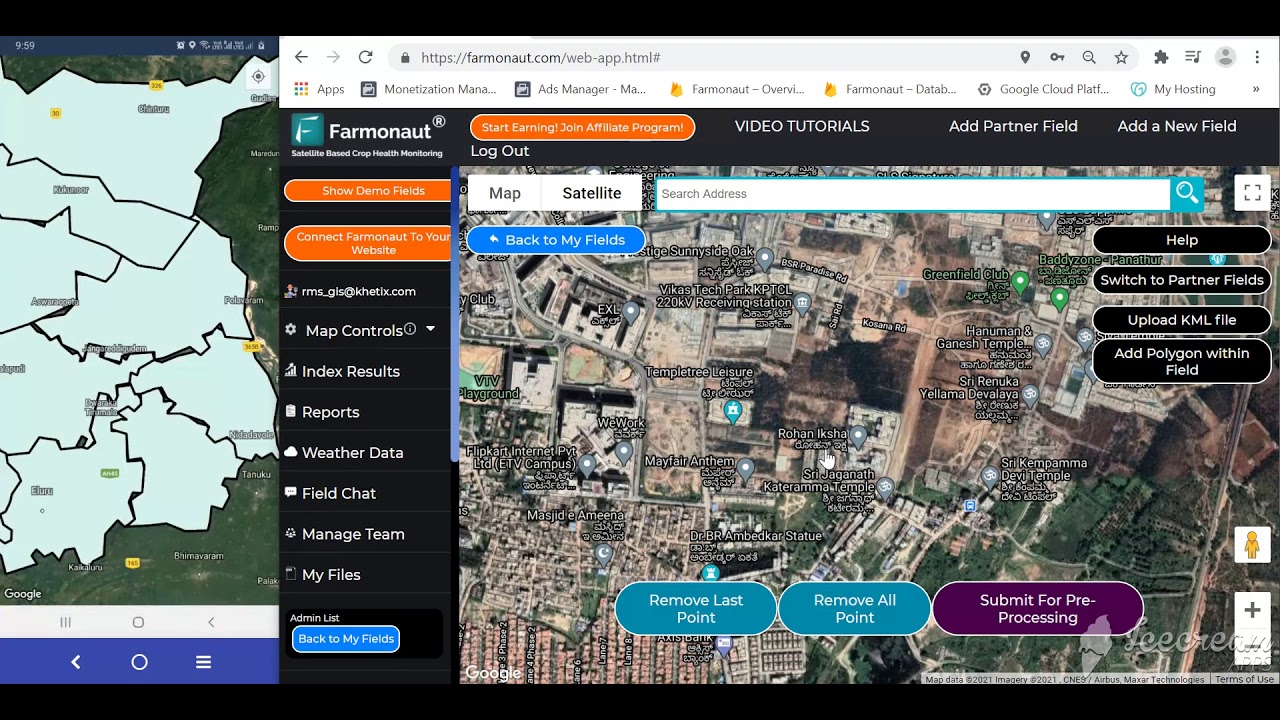
3. Power Purchase Agreements (PPAs): Stable and Affordable Wind Energy Procurement
Not every mining operation has the capital or land to build and operate their own wind assets. Instead, many turn to Power Purchase Agreements (PPAs) with wind developers or utilities. Benefits:
- Predictable Operating Expenses: Secure long-term, fixed-price green energy contracts. This reduces exposure to fossil fuel price shocks and operational budget unpredictability.
- Regulatory and Brand Benefits: Sourcing wind via PPAs helps companies comply with sustainability mandates and demonstrates a visible commitment to environmental responsibility.
- No On-Site Infrastructure Required: Wind power is “wheeled in” over the grid (where available). Operations free up land, avoid maintenance, and focus investment elsewhere.
- Scalability: As extraction increases, agreements can scale with new needs, supporting business growth.
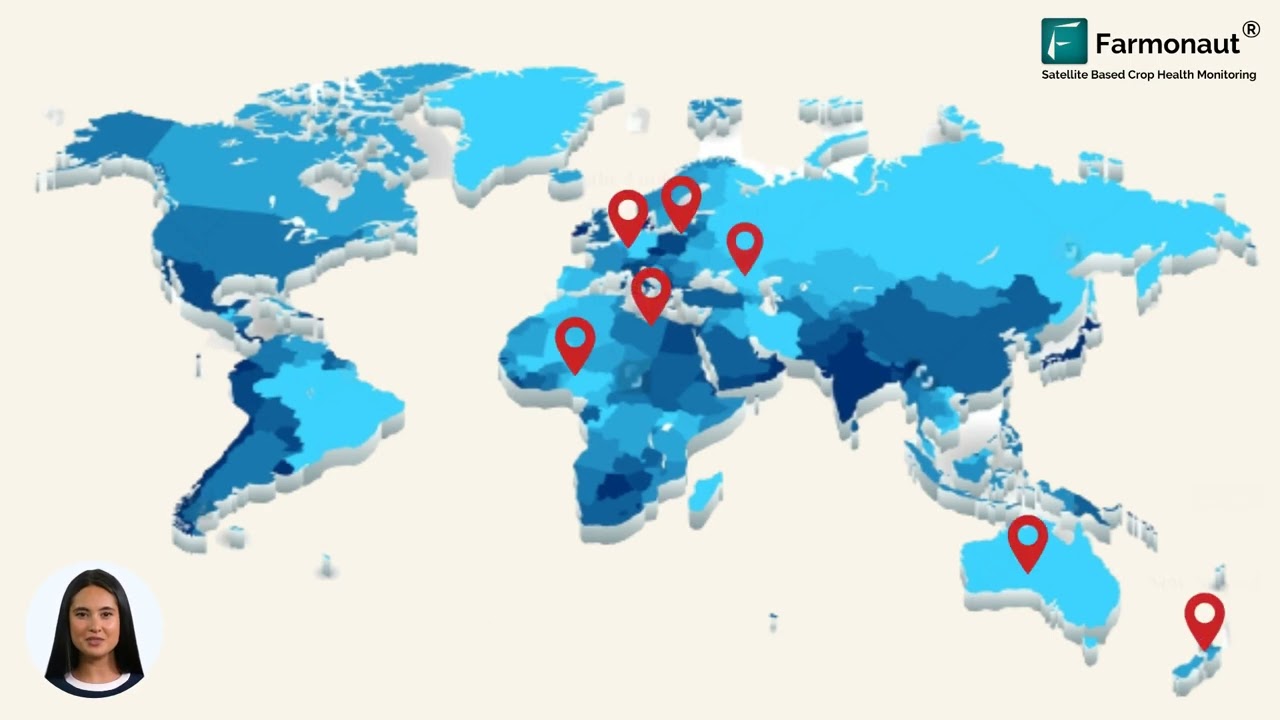
Transparent supply chains and environmental accountability are critical for modern mining operations. Explore Farmonaut’s Product Traceability solution—a blockchain-based platform ensuring legitimacy and traceability from resource extraction to shipment. Enhance transparency, reduce fraud, and build stakeholder trust.
4. Wind Plus Storage: Optimizing for 24/7 Power & Peak Shaving
Advanced energy storage systems (ESS)—mainly lithium-ion, flow batteries, or even green hydrogen pilots—make it possible to store excess wind generation and release it as needed. This offers:
- Guaranteed Reliability: Address wind variability and intermittency. Ensure a stable base load during low-wind periods, night shifts, or system maintenance.
- Peak Load Shaving: During short periods of heavy demand (e.g., simultaneous drilling, crushing, and transport), stored wind energy can supplement supply, minimizing the use of fossil fuel generators and reducing demand charges.
- System Longevity: Reduce generator runtime and maintenance, cut start/stop cycles, and extend operational asset lifetime.
- Grid Services: For mines connected to the wider grid, storage enables participation in demand response or grid balancing, sometimes generating extra income.

To align with carbon regulations and track true environmental impact, Farmonaut offers a Carbon Footprinting platform. Our service provides real-time satellite monitoring and quantification of emissions for your mining operations—vital for reporting, compliance, and sustainability certification.
5. Smart Remote Site Deployment and Logistics
More than in any other sector, mining often operates in remote areas where conventional energy logistics are complex. Here’s how wind energy can save costs and complexity:
- Pre-Fabricated Modular Wind Solutions: Advances mean turbines and system components can be rapidly assembled even in harsh or isolated regions, reducing on-site labor and transport bills.
- Fleet and Resource Management Integration: Using digital platforms, mines can coordinate turbine maintenance, fuel backup, and transport schedules, minimizing downtime and reducing fleet expenses.
- Hybrid Off-Grid Flexibility: Many systems can be scaled seasonally or by phase, matching changing extraction levels and providing investment flexibility.
- AI-Driven Optimization: Sophisticated digital tools, such as those Fleet Management platforms, bring logistics, predictive maintenance, and operational insights together—lowering personnel, fuel, and risk costs.

How Wind Energy for Mining Operations Cuts Costs and Drives Sustainability
Embracing wind energy delivers a multi-layered strategic advantage for mining companies striving for sustainability and profitability in 2025:
- Cost Reduction: Upfront capital is balanced by very low long-term operational expenses. Mines benefit from cost-predictable energy and rapid payback as technology advances.
- Drastic Emissions Reduction: Swapping out fossil fuels for wind leads to dramatic carbon and greenhouse gas footprint reductions.
- Energy Security and Operational Resilience: Diversification means continuous extraction capability—even during grid failures or diesel shortages.
- Enhanced Reputation, Compliance, and Access to Incentives: Regulatory bodies worldwide increasingly reward green mining with credits, grants, and tax savings, while penalizing high emissions.
- Future-Proofing Extraction: Sustainable operations are more attractive to investors, local governments, and communities who demand greener industry practices.

Cost Savings and Environmental Impact Table: Top Five Wind Energy Strategies in Mining
The following table compares key wind energy strategies and their estimated impact on mining operations in terms of cost savings, emissions reduction, reliability, and payback period. (Values based on 2025 industry averages; actual project data may vary.)
| Renewable Solution | Estimated Initial Investment ($/MW) | Annual Operational Cost Savings (%) | CO₂ Emissions Reduction (%) | Potential Payback Period (Years) | Reliability Improvement (1-5 Scale) |
|---|---|---|---|---|---|
| Hybrid Microgrid (Wind+Solar+Storage) | 2.5M – 3.2M | 30 – 45% | 65 – 85% | 4 – 7 | 5 |
| On-site Wind Farms | 1.7M – 2.4M | 25 – 38% | 48 – 70% | 5 – 8 | 4 |
| PPAs (Wind Power Purchase) | ~0 (Off-balance sheet) | 20 – 34% | 42 – 60% | N/A (No Capex) | 4 |
| Wind Plus Storage Optimization | 2.2M – 3.1M | 28 – 40% | 53 – 80% | 5 – 8 | 5 |
| Smart Remote Site Deployment | 2.0M – 3.0M | 22 – 35% | 40 – 66% | 6 – 9 | 4 |
Key Challenges and Considerations When Implementing Wind Energy in Mining Operations
Despite the compelling benefits, integrating wind energy for mining operations presents real-world challenges—each requiring thoughtful solutions:
-
Infrastructure & Construction Logistics
- Difficult terrain, tough climates, and remote access complicate delivery and assembly of wind turbines and ancillary systems.
- Solution: Modular/pre-assembled turbines, improved road & transport strategies, and advanced fleet management help dramatically.
-
Variability, Intermittency & Energy Storage
- Wind’s natural fluctuations mean mines must size storage and hybrid components carefully to avoid production disruptions.
- Solution: Digital forecasting tools and energy management platforms balance supply/demand, keeping systems reliable.
-
Initial Capex and Financing Models
- Large up-front costs can be a hurdle for smaller operators—even with expected payback in under a decade.
- Solution: PPAs, green financing, leasing, and robust government incentives (such as grants or green bonds) are increasingly available.
-
Compliance, Permitting, and Social License
- New wind farms in sensitive regions require environmental and social assessments to minimize impacts on ecology and local communities.
- Solution: Engage stakeholders early, conduct robust impact studies, and commit to transparent reporting—with support from digital carbon monitoring and audit tools.
-
Rapid Technology Evolution
- Staying on top of new turbine designs, ESS tech, and asset management platforms requires planning and openness to innovation.
Did you know? Our API and Developer Docs let mining companies directly integrate up-to-date satellite intelligence into their energy, logistics, and environmental management for ultimate efficiency and compliance.
How Farmonaut Supports Sustainable, Wind-Powered Mining Operations
At Farmonaut, we’re dedicated to making advanced, satellite-driven insights affordable and accessible for all sectors—including mining. Our capabilities directly reinforce wind energy for mining operations by:
Satellite-Based Monitoring
- Track land use, site development, and environmental compliance in real time—ensuring regulatory targets and operational transparency.
- Monitor wind farm siting, ecological sensitivities, and infrastructure buildout via accurate, frequent multispectral imagery.
AI and Fleet Management
- Jeevn AI delivers tailored advice for optimizing energy usage, reducing downtime, and scheduling predictive maintenance.
- Our fleet management tools give you visibility and control over all transport and logistics resources for both wind and conventional assets.
Carbon Footprint & Traceability
- Our carbon monitoring platform empowers your operation to report and optimize emissions reductions.
- Via product traceability solutions, mining companies can verify clean, responsible extraction—essential for future-facing compliance and ESG mandates.
Whitelabel and Scalability
- All solutions are available as whitelabel platforms, meaning you can tailor dashboards or integrate via API for internal and customer-facing reporting.
- Scale from individual mines to whole regional operations—Farmonaut is built to grow with your energy and sustainability ambitions.
Ready to modernize your mining operations with satellite-powered sustainability, compliance, and energy cost savings? Explore our mobile and web platform for full operational support—maps, monitoring, carbon tracking, logistics management, and much more!
Frequently Asked Questions (FAQ): Wind Energy for Mining Operations
What are the main cost savings for wind energy in mining operations?
Wind energy can reduce ongoing operational costs by 20–45% depending on project size, fuel displacement, and local resources. Significant savings come from reduced diesel/gas transport/logistics, lower maintenance, and protection from fossil fuel price volatility.
How do hybrid systems (wind + solar + storage) benefit remote mines?
Hybrid systems maximize renewable generation by offsetting wind and sunlight variability. Storage ensures a smooth, 24/7 power supply for critical operations. This setup drastically reduces dependence on expensive fuel and grid instability.
What is a Power Purchase Agreement (PPA) and why is it important?
A Power Purchase Agreement is a contract where a mining company purchases electricity from a wind energy provider at a pre-agreed price over a long period. This provides cost stability, avoids upfront investment, and meets renewable sourcing mandates.
Can wind energy help with environmental compliance and carbon targets?
Absolutely. Wind energy reduces direct CO2 and greenhouse gas emissions, helping mines hit regulations and sustainability benchmarks. Using Farmonaut’s carbon footprinting tools, companies can monitor, optimize, and report emissions accurately.
How do mining operations manage turbine maintenance and logistics?
Advanced fleet management platforms—such as those offered by Farmonaut—enable proactive scheduling, optimize routes, and reduce downtime, supporting both wind farm maintenance and overall mining fleet efficiency.
What incentives are available to support mining wind adoption in 2025?
Many governments provide tax credits, upfront grants, green energy incentives, or operational rebates to boost adoption of renewables in mining. Incentive value and eligibility requirements are at an all-time high as regulators push for low-carbon extraction.
Conclusion: The Future of Extraction is Wind-Powered, Sustainable, and Profitable
By embracing wind energy for mining operations, companies position themselves at the forefront of sustainable, efficient, and resilient extraction in 2025 and beyond. With hybrid microgrids, on-site wind farms, PPAs, advanced storage, and smart logistics, the modern mine dramatically reduces costs, meets or exceeds environmental targets, and builds a robust foundation for the green steel, battery, and tech supply chains of the future.
As technology and policy continue to advance, wind-powered mining is not just a trend—it’s the new standard. For those ready to lead, the winds of change are blowing strong.

 African Venture Partners Holding
 Congo Mining Solutions
 Mining SARL
 SenGold Invest SAS
 Sania Corporation
 Sean Mining Limited
 NTS Group (Pty) Ltd
 Mine4Africa
 Lithspo Minerals Limited
 Tintina Mining Group
 Dalgety Minerals Pty Ltd
 Vortex Minerals Pty Ltd
 Faith At Work (Pty) Ltd
 Geotech Mining Solutions plc
 Vulcan International Limited
 Kidepo Associates
 GKY Mining
 Alkimy SARL
 Double A Trading
 GemSprout Metals Limited
