

Witwatersrand Gold: Legacy of Witwatersrand Mine 2026
Table of Contents
- 1. Witwatersrand Gold: A Legacy Forged in Gold
- 2. Trivia: Largest Gold Deposit in the World
- 3. Geological & Historical Significance of Witwatersrand Goldfields
- 4. Timeline Comparison Table: Witwatersrand Mining Evolution
- 5. Witwatersrand Gold Mine Operations and Techniques in 2026
- 6. Economic and Social Impact: backbone of South Africa’s Mining Industry
- 7. Environmental Challenges & the Shift Towards Sustainability
- 8. Innovation & The Future: Technological Frontiers and Exploration
- 9. How Farmonaut Satellite Technology Empowers Mining and Sustainable Practices
- 10. Trivia: Witwatersrand’s Share of Gold Output in 2026
- 11. Frequently Asked Questions
- 12. Conclusion: The Enduring Legacy of Witwatersrand Gold
Witwatersrand Gold: A Legacy Forged in Gold
The witwatersrand goldfields, nestled within the Gauteng Province of South Africa, have for over a century stood as the cornerstone and lifeblood of the nation’s mining sector. Often simply referred to as the witwatersrand, this vast geological formation is not only renowned for containing the world’s largest known deposit of gold, but also for shaping the socio-economic landscape of South Africa through its continuous gold mining operations. As we approach 2026, the witwatersrand mine continues to hold a pivotal role in the country’s mining landscape, symbolizing the rich history, enduring legacy, current challenges, and future innovations of South Africa’s mineral wealth.
This comprehensive guide explores the geological significance, illustrious history, ongoing operations, economic impact, social challenges, and the sustainable future of witwatersrand gold mining. Leveraging modern tools such as satellite technologies, innovative extraction techniques, and a commitment to responsible mining, the witwatersrand goldfields remains at the forefront of global mining discourse.
“Witwatersrand mines have produced over 1.5 billion ounces of gold since 1886, making it the world’s largest gold deposit.”
Geological & Historical Significance of Witwatersrand Goldfields
Witwatersrand Gold: The World’s Largest Known Gold Deposit
The witwatersrand basin stretches over 400 kilometers, occupying a strategic position in the northeastern region of South Africa’s Gauteng province. This unique geological formation is famed for its wealth of gold-bearing conglomerate reefs. Discovered in the late 19th century—triggering the monumental witwatersrand gold rush—the basin quickly transformed South Africa into a global hub for gold production.
This geological system is characterized by complex, multi-layered conglomerate reefs which are especially rich in ore. These reefs—primarily the Main Reef and the Carbon Leader Reef—have enabled consistent extraction of tens of thousands of tons of gold for over 130 years. By conservative estimates, the witwatersrand mine has produced more than 50,000 tons of gold, accounting for nearly 40% of all the gold ever mined globally.
- Location: Gauteng Province, South Africa
- Basin Length: Over 400 kilometers
- Geology: Complex conglomerate reef system, rich in gold-bearing ore
- Historical Output: Over 1.5 billion ounces of gold since 1886
- Percentage of global gold mined: ~40%
- Industry Impact: Transformed the nation’s economic trajectory and labor systems
Historical Impact: Backbone of South Africa’s Economic Growth
The witwatersrand gold mine is intricately woven into the history and development of modern South Africa. The witwatersrand gold rush of the 1880s attracted prospectors, laborers, and industrialists from around the world. This influx not only established Johannesburg—the largest city in the country—as the beating heart of gold mining, but also led to significant social and political changes that continue to reverberate across the nation in 2026 and beyond.
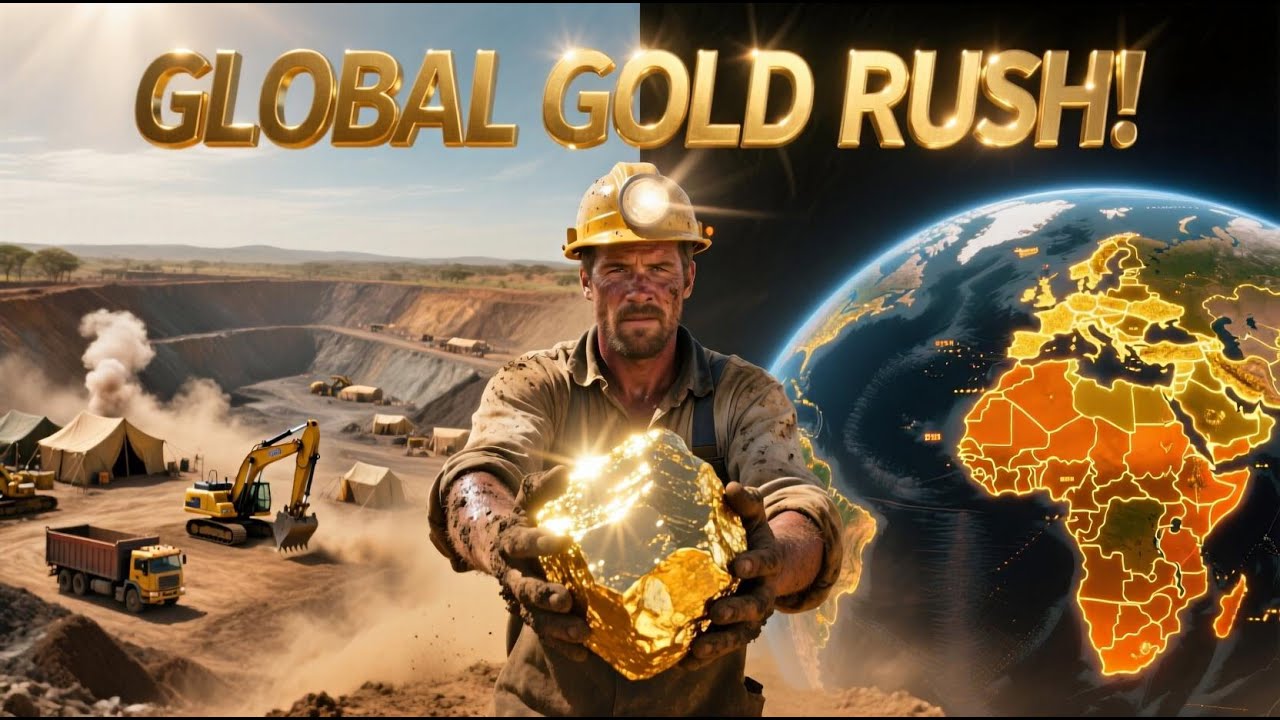
From being simply referred to as a gold mining region, the witwatersrand quickly evolved into South Africa’s major source of mineral wealth—symbolizing prosperity, opportunity, and technological prowess. As we approach the era of cleaner, smarter, and more sustainable mining practices, the legacy of witwatersrand remains central to the global narrative of resource extraction.
Timeline Comparison Table: Evolution of Witwatersrand Gold Mining
The following table summarizes the distinct eras of witwatersrand mining, highlighting estimated production volumes, employment trends, challenges, and key technological milestones from the early discovery through to the modern era’s innovations and future outlook 2026.
| Period | Estimated Gold Production (tons) | Employment (estimated numbers) | Major Challenges | Key Innovations / Technologies |
|---|---|---|---|---|
| Early Discovery (1886–1910) | ~2,500 | 30,000–50,000 | Initial extraction methods, migrant labor, rapid urbanization | Basic tunneling, hand-driven mining; Introduction of dynamite |
| Peak Era (1930s–1970s) | ~30,000 | Up to 400,000+ | Deep-level mining risks, labor unrest, increasing operational costs | Drill-and-blast techniques, improved ventilation, mechanization, enhanced safety protocols |
| Modern Challenges (1990s–2025) | ~18,000 | 120,000–180,000 | Resource depletion, declining ore grades, regulatory compliance, environmental degradation | Deep mining (below 3,500 meters), real-time safety systems, automation, environmental monitoring |
| Future Outlook (2026+) | Ongoing—estimated 400–700 annually | ~60,000–90,000 | Sustaining economic viability, climate change, stricter environmental policies | AI-driven monitoring, remote sensing, blockchain traceability, real-time emission tracking, green extraction technologies |
Witwatersrand Gold Mine Operations and Techniques in 2026
Mining Operations: A Technological Evolution
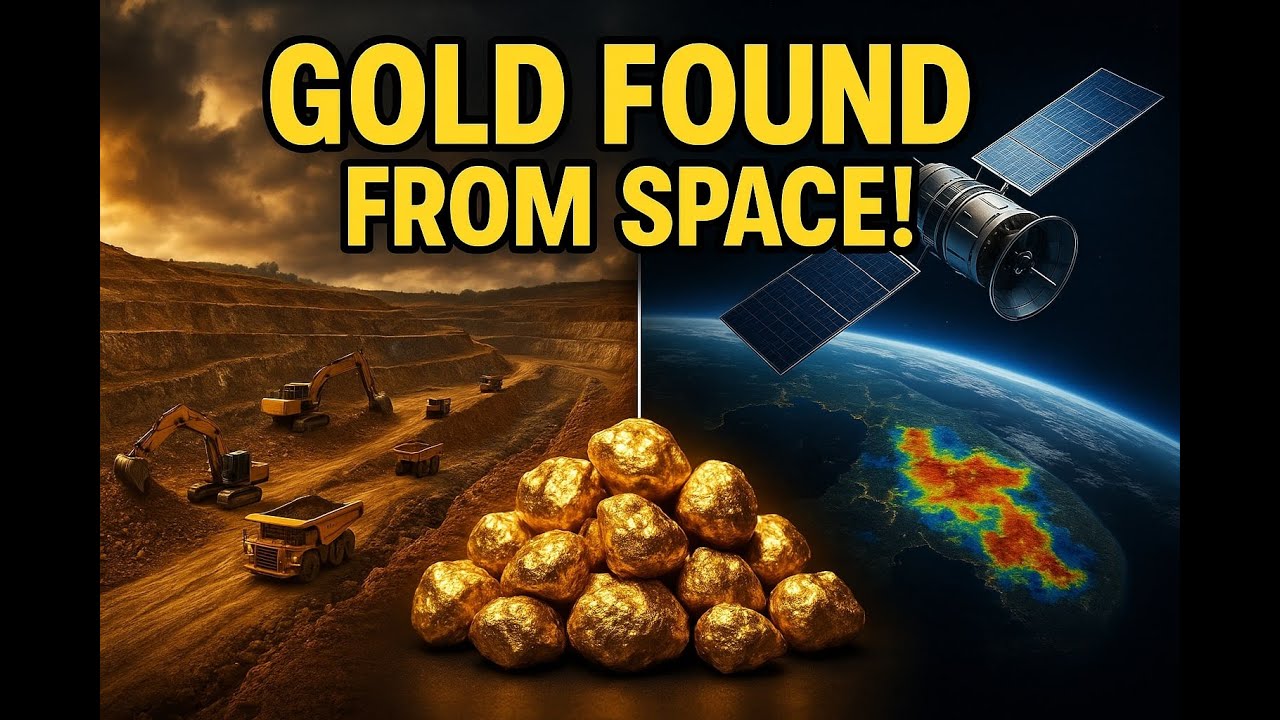
By 2026, witwatersrand gold mine operations are defined by an extraordinary blend of tradition, innovation, and necessity. With reefs at depths often exceeding 3,500 meters, the region represents one of the world’s most challenging underground mining environments. Extraction techniques have evolved significantly—from basic hand-mining to highly mechanized, sensor-driven systems designed to minimize risks and enhance safety.
Underground Mining Techniques
- Deep-Level Mining: Witwatersrand’s reef systems require advanced tunneling, ore hoisting, and ventilation systems to ensure operational continuity and worker safety.
- Mechanization & Automation: The adoption of remote-controlled drilling, AI-based equipment dispatch, and environmental monitoring supports more efficient and precise extraction.
- Ore Processing: Gold is separated from host rock using a combination of crushing, milling, flotation, and chemical leaching (e.g., cyanidation).
- Real-Time Monitoring: Digital sensors and satellite data track environmental parameters, equipment health, and structural integrity in real time.

Key Industry Trends in 2026
- Resource Management: Companies are adapting to declining ore grades by integrating sophisticated resource modeling and automation.
- Safety Systems: Emphasis on real-time risk mitigation—from worker tracking to seismic activity alerts—has reduced workplace accidents.
- Waste Management: There is ongoing innovation in tailings recycling and advanced water treatment to minimize the environmental footprint.
- Exploration for New Extensions: With high-grade ores in decline, exploration increasingly targets deeper reefs and overlooked zones within the basin using AI-driven interpretation of geological and satellite data.

Supply Chain, Automation, and Digital Transformation
The witwatersrand gold mine operators are leveraging blockchain-based traceability for greater transparency (see Farmonaut’s traceability solutions), and fleet management tools for efficient movement of people and materials (Fleet Management benefits include route optimization, cost savings, and safety monitoring).
For end-to-end verification of gold extraction and shipment processes, these digital innovations provide assurance against fraud and support sustainability, aligning with the mandates of governments, businesses, and financial institutions.
Economic and Social Impact: Backbone of South African Mining
Witwatersrand Goldfields as a Cornerstone of the National Economy
The witwatersrand gold industry has consistently been a major source of revenue, taxation, and employment. As South Africa’s global leadership in gold production waned (due to new mining frontiers elsewhere), the basin’s historic and ongoing contribution to GDP, export earnings, and local economies remain significant.
- Export Revenues: Witwatersrand goldfields contribute billions of USD annually in gold exports, supporting a vast ecosystem of mining services and suppliers.
- Job Creation: Even after decades of consolidation, the witwatersrand mines directly employ tens of thousands of workers (estimated 60,000–90,000 in 2026) and support hundreds of thousands indirectly.
- Urban Growth: The mining industry sparked the rapid development of Johannesburg and the Gauteng province, shaping demographics, infrastructure, and technology.
Social Impact: Labor Systems and Legacy Issues
The social impact of witwatersrand mining is complex:
- Migrant Labor: The historical reliance on laborers drawn from across South and Southern Africa led to long-standing social and political challenges, influencing urbanization and family structures.
- Health & Safety: Innovations in safety protocols, together with stricter oversight, are aimed at minimizing health hazards historically associated with underground mining.
- Community Development: As demands for sustainable mining practices increase, companies are expected to rehabilitate land and invest in education, healthcare, and skills development for mine-impacted communities.

Environmental Challenges & the Shift Towards Sustainability
Environmental Impact of Gold Mining on the Witwatersrand
Decades of extraction have posed environmental challenges, making sustainable mining a priority:
- Land Degradation: Waste dumps (tailings), land subsidence, and surface water contamination remain pressing issues.
- Water Management: Mining activities have led to groundwater contamination (particularly acid mine drainage), impacting agriculture and urban water supplies.
- Air Quality and Emissions: Dust and emissions from processing facilities further affect living conditions near mine sites.
Sustainable Mining Practices in 2026
- Compliance: South African law in 2026 mandates stricter environmental oversight and regular reporting on land rehabilitation and waste disposal.
- Green Technologies: Mines are investing in carbon footprinting solutions and real-time environmental impact tracking tools.
For example, with Farmonaut’s Carbon Footprinting (see benefits & tools), mining operations can now quantify, monitor, and report their carbon emissions and environmental performance, fostering transparency and regulatory compliance.

Land Rehabilitation and Community Initiatives
- Mine Closure Management: Allocating resources for land rehabilitation—from re-vegetation to safe disposal of tailings—is integral to post-mining sustainability.
- Stakeholder Engagement: Community participation is increasingly central to environmental and economic management.
- Remote Sensing and Monitoring: Advanced satellite-based solutions track land use changes and pollution zones efficiently, optimizing response and remediation strategies.
Innovation & The Future: Technological Frontiers and New Exploration
The Next Era of Mining: Data, AI, and Deep Exploration
As high-grade ores dwindle and operational costs rise, success for the witwatersrand gold mine increasingly depends on the latest technological advancements.
- Remote Sensing: The use of satellite imagery and advanced sensors enables the mapping of deep geological structures, identifying previously overlooked or untouched reef extensions.
- AI and Machine Learning: Leveraging AI models allows for rapid data analysis, more precise resource estimation, early detection of hazards, and tailored mining strategies.
- Blockchain Traceability: Integration with end-to-end supply chain monitoring ensures the authenticity and compliance of every ounce of mined gold.
- Environmental Impact Monitoring: Real-time tracking (see Carbon Footprinting) enables mines to adjust operations to minimize environmental harm and comply with strict emissions standards.


Digital Transformation & Industry 4.0
In 2026 and beyond, the mining industry in South Africa is entering a new era—Industry 4.0. This shift is powered by:
- Scalable SaaS tools (see Farmonaut Apps) for real-time decision support in resource management, crop and forest advisory, and infrastructure oversight.
- Blockchain-integrated supply chains for enhanced gold provenance, quality assurance, and consumer trust.
- A focus on sustainability, with every operational chain—from extraction through to post-mining rehabilitation—monitored, optimized, and reported using digital solutions.
How Farmonaut Satellite Technology Empowers Mining and Sustainable Practices
At Farmonaut, our vision is to empower businesses, users, and governments with affordable, real-time satellite-driven insights for the mining industry—especially in historically significant regions like the witwatersrand goldfields. The goal: to bridge the gap between operational needs, environmental stewardship, and transparent resource management.
Key Farmonaut Services for the Mining Sector
- Satellite-Based Monitoring: We provide large-scale monitoring solutions for gold mine operators—enabling real-time surveillance of environmental variables, infrastructure health, and land use changes.
- AI-Powered Advisory: Our Jeevn AI system delivers tailored operational insights, optimizing site safety and resource allocation.
- Blockchain Traceability: Traceability tools ensure authenticity and compliance, addressing global standards for ethical sourcing.
- Fleet and Resource Management: Fleet Management reduces costs, improves usage, and enhances safety in logistics for gold mining supply chains.
- Environmental Impact Monitoring: Our carbon footprinting solutions support companies in meeting green compliance requirements.
Farmonaut’s platform is designed to adapt to the mining industry’s dynamic scale—whether supporting a mid-tier witwatersrand mine in resource modeling or providing scalable, blockchain-driven verification for gold traceability.
Thanks to our modular, subscription-based solutions, we help mines of all sizes embrace sustainable growth, regulatory compliance, and operational efficiency—empowering South Africa’s gold sector for 2026 and beyond.
“In 2026, Witwatersrand Goldfields account for nearly 40% of South Africa’s total annual gold output.”
Frequently Asked Questions: Witwatersrand Gold Mine & Industry Innovations
1. What is the Witwatersrand and why is it significant?
The Witwatersrand, located in South Africa’s Gauteng province, is the world’s largest known deposit of gold. It has produced more than 50,000 tons of gold since its discovery in 1886, making it one of the most important mineral discoveries in modern history.
2. What mining techniques are currently used at Witwatersrand?
Mining operations primarily utilize deep-level underground mining, advanced mechanized drilling, real-time probability modeling, and AI-driven automation for efficient, safe, and environmentally compliant gold extraction.
3. How does the Witwatersrand gold mine impact South Africa’s economy?
Witwatersrand goldfields are a major source of employment, export revenue, and industrial development, significantly contributing to the country’s GDP and the emergence of Johannesburg as a global city.
4. What are the key environmental concerns associated with Witwatersrand gold mining?
Main challenges include land degradation from tailings, groundwater contamination (acid mine drainage), air emissions, and the necessity for effective land rehabilitation post-mining.
5. What innovations are shaping the future of Witwatersrand mining?
Key trends include the integration of satellite and AI technologies for monitoring and exploration, blockchain traceability for ethical sourcing, carbon footprinting for sustainability, and real-time environmental tracking.
6. How does Farmonaut’s technology support mining operations?
Farmonaut offers advanced satellite monitoring, fleet and resource management, AI-based advisory for safety and productivity, blockchain traceability for gold, and carbon footprint reporting—making sustainable, transparent, and efficient mining accessible to all.
7. Which Farmonaut features are most beneficial for mining companies?
Key benefits include real-time satellite monitoring, environmental impact tracking (carbon footprinting), blockchain supply chain management (traceability), fleet management, and API integrations for operational intelligence.
8. How do mines ensure responsible closure and rehabilitation?
By adopting strict compliance with environmental legislation, using digital mapping to guide re-vegetation and cleanup, and integrating community engagement for sustainable land use post-mining.
Conclusion: The Enduring Legacy of Witwatersrand Gold
The witwatersrand gold mine is more than a collection of mining operations; it is the living heart of South Africa’s mineral legacy and an essential pillar for future economic prosperity. As we advance into 2026 and beyond, the region stands at a remarkable crossroads—balancing the ongoing drive for production and wealth with a profound responsibility for environmental stewardship and social progress.
Despite the growing challenges—from resource depletion and stricter sustainability requirements to increased operational complexity—the witwatersrand continues to hold the world’s attention as an unrivaled example of innovation, resilience, and adaptation. With emerging technologies, transparent practices, and a focus on responsible resource management, the Witwatersrand is destined to remain an icon of global mining for decades to come.
At Farmonaut, we believe in using technology to illuminate pathways toward sustainable, economically viable, and environmentally resilient mining—today and tomorrow. Discover how our real-time satellite-driven mining solutions can power your operation for the future.



Empower your mining future with satellite-driven insights. Experience Farmonaut today.
Discussion
Questions, corrections or field experience? Share them below. First-time comments are reviewed before they appear, and your email is never published.
No comments yet. Be the first to add a question or your experience.

 Swati Minerals
 Faith At Work (Pty) Ltd
 Geotech Mining Solutions plc
 Vulcan International Limited
 Kidepo Associates
 GKY Mining
 Alkimy SARL
 Double A Trading
 GemSprout Metals Limited
 Qader Group
 Ileys General Trading
 SG Gold Mining LLC
 VRV Global Pte Ltd
 Omsri International FZE
 G.I.T.T.
 Jaunita Erss Ltd
 Almosi SARL
 SRK Consulting
 Berks Gold Limited
 Mwerezi Minerals Company Limited
 Mining SARL
 SenGold Invest SAS
