

World Cobalt Production 2026: Key Global Trends
Introduction: Cobalt – An Indispensable Global Mineral
Cobalt production is at the heart of modern industry in 2025 and beyond. As technological progress rapidly expands, the global cobalt production landscape remains both complex and essential to critical sectors such as agriculture, mining, infrastructure, and emerging advanced technologies. By 2026, the world’s hunger for cobalt—driven by explosive growth in batteries, electronics, and specialty alloys—shows no sign of slowing. Understanding the nuances of world cobalt production, from geological deposits to supply chain ethics and future sustainability, is no longer optional for industries and governments; it’s a strategic imperative.
“Global cobalt production is projected to reach over 230,000 metric tons by 2026, driven by rising demand in batteries and tech industries.”
“By 2025, over 70% of the world’s cobalt supply will originate from the Democratic Republic of Congo, raising supply chain concerns.”
World Cobalt Production Landscape (2025-2026): Current Status and Outlook
The world cobalt production landscape is dominated by a handful of countries, notably the Democratic Republic of Congo (DRC), which continues to be at the forefront—accounting for approximately 70% of global cobalt production by volume. This ongoing dominance is primarily due to the DRC’s rich copper-cobalt deposits in regions like the Katanga Copperbelt.
In contrast, nations such as Russia, Canada, Australia, and Cuba are also notable contributors. Each country brings its unique mix of geology, production methods, regulatory practices, and sectoral development, highlighting both strengths and challenges.
From primary extraction in underground and open-pit mines, to the advanced processing of concentrates, the nuances of the global cobalt production sector are vast and rapidly evolving. Let’s dive deeper into the key regions shaping the future of this indispensable mineral.

Key Countries Driving Global Cobalt Production (2025-2026)
Democratic Republic of Congo: The World’s Linchpin
The DRC’s production sector remains dominated by expansive, rich ore deposits particularly centered on the Katanga Copperbelt. Cobalt is mostly extracted here as a by-product of copper mining. Despite ongoing political and social challenges—including unstable labor conditions and ethical sourcing concerns—this region remains pivotal for meeting international demand.
Russia: Nickel-Cobalt Mining Powerhouse
Russia’s output stems from the refining of nickel-cobalt ores, with large-scale operations like Norilsk Nickel playing a significant role. Geopolitical implications continue to influence supply chain reliability as well as the adoption of new production techniques.
Canada & Australia: Diversification and Newer Projects
Canada and Australia continue to develop newer projects designed to diversify global cobalt production. Both countries utilize highly controlled, advanced mining techniques—with a focus on environmental stewardship and lower impact extraction. Their combined efforts are gaining traction, ensuring a more stable supply outside the DRC.
Cuba: Strategic but Smaller Output
While Cuba contributes a smaller portion of the world’s cobalt, it remains strategically significant due to its large nickel-cobalt resources and regional influence in the Caribbean.

Mining Methods and Production Techniques in Cobalt Industry
Cobalt is predominantly extracted as a by-product of copper and nickel mining. Across global cobalt production, the methods used can be grouped into two major categories:
- Traditional Open-Pit and Underground Mining: The backbone of cobalt mining, particularly in the DRC, where underground mining and artisanal operations account for a significant portion of output. Artisanal mining, albeit important for local economies, raises substantial concerns over environmental standards and labor conditions.
- Modern, Large-Scale Operations: Countries like Canada and Australia utilize both open-pit and underground methods, complemented by advanced ore processing techniques to maximize yield and minimize environmental impact.
Processing is a critical step after extraction. The primary approaches to recover metals from ore or concentrates include:
- Hydrometallurgical Techniques: Increasingly popular, these processes use aqueous chemistry to separate and recover cobalt from ores, resulting in lower environmental footprints compared to conventional pyrometallurgical processes (which use high heat and are more polluting).
- Enhanced Recycling Efforts: Modern recycling technologies help reduce pressure on primary mining by extracting cobalt from used batteries and electronics. These techniques are especially critical in urban areas, where “urban mining” of e-waste is gaining importance for a sustainable cobalt supply chain.

Critical Supply Chains, Demand, and Geopolitical Implications
Global Supply Trends in Cobalt Production
The global cobalt production sector is characterized by:
- Concentration of Supply: With more than 70% of world cobalt production centralized in the DRC by 2025, supply chains are extremely vulnerable to geopolitical disruptions and social risks.
- Rising Demand: Demand is being driven primarily by the lithium-ion battery market, electric vehicles, renewable energy storage, and the advanced electronics industry.
- Pressure for Diversification: International stakeholders are investing in newer mining projects in Canada, Australia, and beyond, as well as vigorously pursuing innovations in cobalt recycling and supply chain ethics.
Geopolitical and Social Implications
The heavy reliance on the DRC’s mineral deposits brings formidable challenges:
- Geopolitical Concerns: Instability in the DRC, including conflict, policy uncertainty, and foreign investment competition, can quickly disrupt global cobalt supply.
- Labor and Human Rights Issues: Artisanal mining—a significant contributor to DRC’s output—often operates outside formal regulation, creating problems with child labor, low safety standards, and environmental degradation.
- Supply Chain Ethics: There is increasing pressure for the mining sector to implement blockchain-based traceability and transparency measures, addressing both regulatory and consumer concerns.

Cobalt’s Role and Key Applications in Agriculture and Infrastructure
Agricultural Applications of Cobalt
While widely recognized for its use in batteries and electronics, cobalt is also essential in agriculture:
- Micronutrient for Crops: Cobalt plays a critical role in nitrogen fixation in legumes, enabling healthy plant growth and high productivity.
- Livestock Health: As a necessary dietary supplement, cobalt-enriched feeds prevent vitamin B12 deficiency, supporting animal productivity in dairy, meat, and wool sectors.
- Enriched Fertilizers: Cobalt-based agro-inputs are increasingly used to ensure soil health and increasing agricultural yields globally.
Infrastructure and Advanced Industry Applications
- Alloying Agent in Superalloys: Cobalt’s unique properties—including resistance to heat, corrosion, and wear—make it indispensable in manufacturing turbines, jet engines, heavy-duty mining equipment, and power infrastructure components.
- Battery Technologies: Lithium-ion batteries, a mainstay of electric vehicles, grid storage, and portable electronics, require a stable supply of cobalt, reinforcing its importance in future infrastructure projects.
- Specialized Electronics: From smartphones to power tools and aerospace systems, cobalt is a fundamental catalyst for miniaturization and advanced performance in next-gen electronics.
- Defense & Aerospace: The defense sector relies on cobalt-based alloys for high-performance weaponry, strategic communications technology, and propulsion systems.
Mining Challenges, Environmental Concerns, and Sustainable Solutions
The sector faces significant challenges in balancing rising demand with responsible production and environmental stewardship:
- Environmental Impact: Mining operations often lead to deforestation, water contamination, and ecosystem disturbance. There’s a growing emphasis on monitoring carbon footprints and adopting digital solutions like carbon-footprinting tools to meet regulatory standards and industry best practices.
- Ethical Sourcing & Labor: Sustainable and ethical mining is now a business necessity. Human rights compliance, improved labor standards, and traceability measures (including blockchain-based traceability) are moving from “nice-to-have” to “essential.”
- Social and Economic Pressures: Community displacement, revenue management, and equitable sharing of mineral wealth are persistent issues in high-output regions.
- Ore Grade Decline: As easily accessible ores are depleted, mines are required to implement more efficient extraction methods to maximize yield from lower grade ores using advanced hydrometallurgical and AI-driven solutions.
- Cobalt Recycling: Recycling efforts—particularly for batteries—are gaining momentum. They help reduce pressure on primary resources and foster circular economy models.
“By 2025, over 70% of the world’s cobalt supply will originate from the Democratic Republic of Congo, raising supply chain concerns.”

Innovation, Sustainability & the Future Outlook of Cobalt Production to 2026
Key Trends Shaping the Future
- Cobalt-Free Battery Innovation: Pressure on the cobalt supply chain is driving R&D into battery chemistries that use little or no cobalt, though adoption is still nascent for high-performance and high-reliability applications.
- Deep-Sea and Oceanic Mining: Exploration of cobalt-rich seafloor deposits is underway, but environmental concerns and technological barriers remain to be addressed.
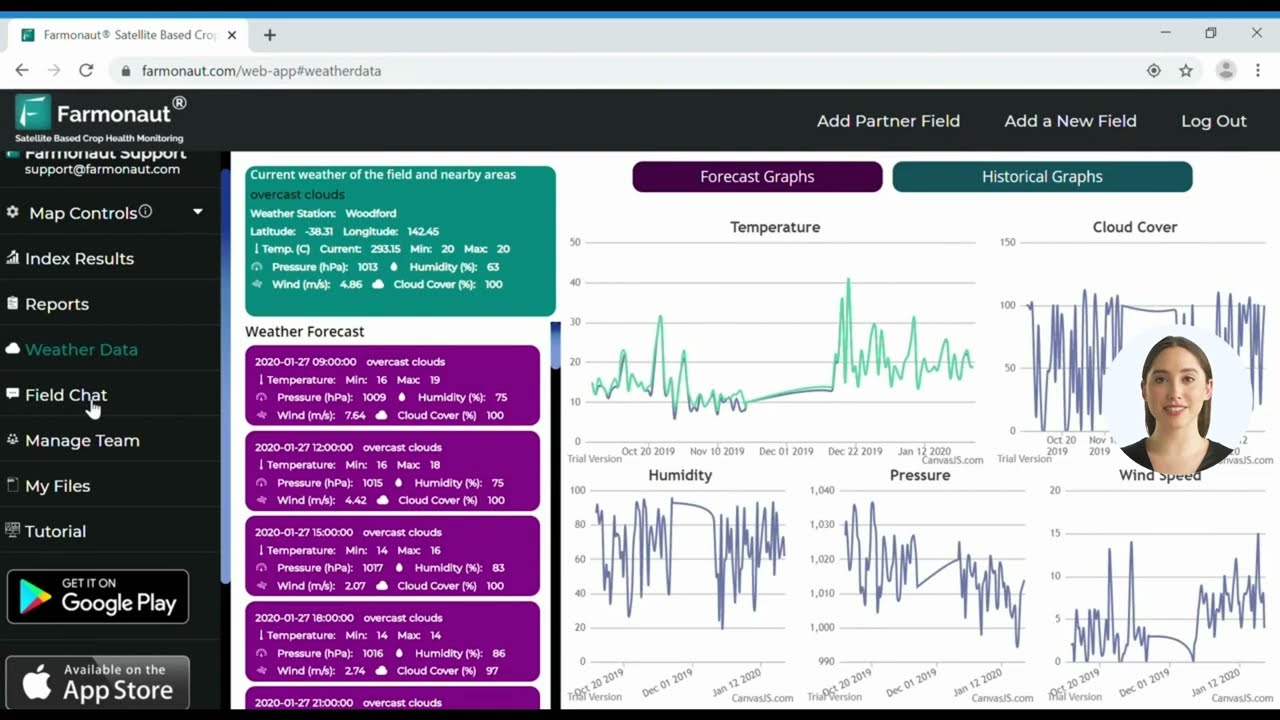
- Advanced Processing with AI and Satellites: Cutting-edge technologies in data analytics, AI, and satellite monitoring (such as those provided by Farmonaut) are redefining productivity, yield optimization, and environmental monitoring for mining operators worldwide. Farmonaut’s large-scale management tools empower efficient oversight of mining and agricultural projects using multispectral satellite data and AI analysis.
- Sustainable and Circular Supply Chains: Accelerated recycling programs for used batteries and electronics are helping close the loop, alongside digital solutions tracking carbon emissions and supply chain integrity for greater transparency.
Environmental and Agricultural Resilience
- As producers face increasing climate risks, remote sensing and environmental monitoring platforms (including Farmonaut’s carbon footprint monitoring) will be critical in ensuring resource sustainability and regulatory compliance in both mining and agriculture.
- Traceability systems powered by blockchain tech are becoming “the new standard” across the global cobalt production scene, enabling trust for international buyers and responsible investors.

Estimated Cobalt Production by Country (2025-2026) and Key Trends
| Country | Estimated Production 2025 (metric tons) | Estimated Production 2026 (metric tons) | Year-on-Year Change (%) | Major Producers/Regions | Key Mining Challenges | Projected Agricultural/Infrastructure Impact |
|---|---|---|---|---|---|---|
| Democratic Republic of Congo (DRC) | 164,000 | 172,000 | +4.9% | Katanga Copperbelt (Kolwezi, Likasi), Artisanal Mines | Political instability, Labor/child labor, Environmental standards | Enables agricultural inputs, backbone for global battery & EV infrastructure |
| Russia | 8,500 | 9,000 | +5.9% | Norilsk (Kola, Siberia) | Geopolitical sanctions, Challenging climate, Nickel price volatility | Critical for global electronics and advanced alloy supply, supports mining equipment durability |
| Australia | 8,400 | 9,000 | +7.1% | Western Australia, Queensland | Water scarcity, Environmental regulations, Market access | Supports agri-tech advances, mining infrastructure, resilient supply chains |
| Canada | 6,800 | 7,100 | +4.4% | Ontario, Newfoundland & Labrador | Ore grade decline, High operational costs, ESG requirements | Enriches battery ecosystem, advanced infrastructure technologies, climate-resilient farming |
| Cuba | 5,300 | 5,500 | +3.8% | Moa region | Limited investment, Environmental control, Global demand fluctuations | Key regional input for agriculture & emerging South American infrastructure |
| Rest of World | 28,000 | 29,500 | +5.4% | Sub-Saharan Africa (Zambia), Asia (Philippines, Indonesia) | Emerging regulatory frameworks, Supply chain traceability, Technology transfer | Variable, supporting local agricultural innovation and infrastructure gaps |
Farmonaut: Enabling Smarter, Greener Cobalt-Driven Sectors
As cobalt production and world cobalt production supply chains become ever more essential to global development, satellite intelligence is transforming both oversight and sustainability. At Farmonaut, we deliver advanced satellite-based solutions for agriculture, mining, and infrastructure, making it possible for industries, businesses, and governments to monitor crops, mines, and resource assets in real time—unlocking productivity, enhancing resource conservation, and supporting ambitious climate and traceability goals:
- Satellite-Based Monitoring: Our large scale farm and mining management platform allows users to track vegetation health (NDVI, NDWI), soil sustainability, mining operations, and infrastructure development using multispectral satellite data—empowering better planning and resource use.
- AI and Blockchain Integration: Farmonaut’s blockchain-based traceability delivers transparency across hyper-complex supply chains, while our satellite-driven verification supports risk-free access to crop loans and insurance in agriculture and mining.
- Environmental Impact Monitoring: Our carbon footprinting solution allows companies to track, report, and reduce emissions from cobalt mining or agricultural operations, ensuring ESG and regulatory compliance.
- Resource Optimization: Application of Fleet & Resource Management tools ensures operational efficiency and safe, cost-effective logistics management—critical for large-scale cobalt infrastructure projects.



Developers can tap Farmonaut API for seamless integration of real-time satellite insights into proprietary workflow systems; see developer docs here for robust implementation support in agriculture, mining, and infrastructure domains.
Frequently Asked Questions (FAQ) on World Cobalt Production
What is driving global cobalt production growth in 2026?
Demand for cobalt is being primarily driven by the battery sector (especially electric vehicles and renewable energy storage), rapid expansion in electronics, and cobalt’s critical role in superalloy production for infrastructure and defense. The quest for sustainable energy, advanced agriculture, and smart infrastructure is reinforcing its relevance across industries.
Why does the Democratic Republic of Congo dominate world cobalt production?
The DRC’s Katanga Copperbelt contains some of the richest copper-cobalt ore deposits in the world. This naturally endows the country with dominant production capacity, despite ongoing social, environmental, and political challenges that pose risks to global supply.
How are ethical and environmental challenges being addressed in cobalt mining?
Ethical solutions include global pressure for transparency (blockchain-based traceability), improved labor standards, and formalization of artisanal mining. Environmental efforts include stricter regulations, adoption of green extraction methods (hydrometallurgical), carbon footprint monitoring, and expansion of cobalt recycling to reduce reliance on primary mining.
What role does cobalt play in agriculture and infrastructure?
In agriculture, cobalt is an essential micronutrient for legumes and livestock. In infrastructure, cobalt’s strong superalloys are vital for modern energy, mining, and transportation systems, including turbines, engines, and defense technology.
How is Farmonaut supporting the transition to sustainable cobalt supply chains?
Farmonaut empowers mining, agriculture, and infrastructure sectors with real-time satellite-based monitoring, AI-driven advisory, blockchain traceability, carbon footprinting, and logistic optimization—enabling better decision-making, compliance, and productivity on a global scale.
Conclusion: Cobalt’s Global Future
Cobalt production in 2026 stands at the intersection of soaring global demand, supply chain risk, and the imperative for sustainable, ethical mining practices. The Democratic Republic of Congo will likely remain the powerhouse of world cobalt production, but we are witnessing the emergence of diversified production hubs in Canada, Australia, Russia, and Cuba.
Mining innovations, recycling efforts, environmental stewardship, and digital transformation are key to ensuring that the world’s supply of this critical mineral keeps pace with the ongoing revolution in batteries, electronics, agriculture, and infrastructure. As we move towards 2026 and beyond, the sectors reliant on cobalt must double down on optimizing productivity, upholding ethical standards, and minimizing environmental impact to ensure a resilient, responsible supply chain.
For all stakeholders—mining operators, governments, tech companies, and the global agriculture and infrastructure ecosystem—the future will continue to be shaped by technological adoption, regulatory rigor, and transparency across every link of the cobalt value chain. Solutions like Farmonaut’s satellite intelligence suite are setting new benchmarks for operational oversight, environmental responsibility, and digital traceability—helping industries, businesses, and governments thrive in a data-driven world while ensuring a sustainable future for cobalt and all who depend on it.
Discussion
Questions, corrections or field experience? Share them below. First-time comments are reviewed before they appear, and your email is never published.
No comments yet. Be the first to add a question or your experience.

 SRK Consulting
 Berks Gold Limited
 Mwerezi Minerals Company Limited
 Mining SARL
 SenGold Invest SAS
 Sania Corporation
 Sean Mining Limited
 NTS Group (Pty) Ltd
 Mine4Africa
 Lithspo Minerals Limited
 Tintina Mining Group
 Dalgety Minerals Pty Ltd
 Vortex Minerals Pty Ltd
 Faith At Work (Pty) Ltd
 Geotech Mining Solutions plc
 Vulcan International Limited
