

Best Farm Tractor 2026: Powering Smart, Sustainable Farms
“Over 65% of new farm tractors in 2025 will feature AI-driven precision farming technology.”
Introduction: Tractors at the Heart of Sustainable Farms
In 2025 and heading into 2026, the farm tractor stands as the backbone of modern agriculture—powering farms of every scale through a combination of muscle and advanced technologies. As society confronts global food security challenges and pressures to adopt sustainable farming practices, the role of the tractor remains central not only in driving efficiency and productivity, but also in representing a synergy between traditional farming wisdom and innovation.
We witness a significant transformation: the farm with tractor is no longer just a symbol of mechanization. Today, each farmer with tractor operates as a skilled machine operator, making informed decisions with data analytics, GPS-guided systems, and smart attachments, thereby adapting to the ever-intensifying agricultural demands placed upon the sector. This blog explores how the best farm tractors—especially the iconic red farm tractors—are making a massive difference in 2026 by enhancing sustainability, streamlining operations, and ensuring robust food production worldwide.
Before we delve into the details, let’s quickly remind ourselves of the power of innovation in agriculture. Here’s a video on Regenerative Agriculture, Carbon Farming, Soil Health, & Climate-Smart Solutions (watch on YouTube):

The Evolution of the Farm Tractor: From Mechanization to Smart Farming
The history of the farm and tractor relationship traces back to the first gasoline-powered tractors in the early 20th century. Through the decades, tractors have evolved from simple, mechanical workhorses to highly sophisticated machines that are core to farm management. In 2025 and beyond, the journey is marked by the integration of advanced technologies, eco-friendly engines, and data-driven platforms.
Key Stages of Tractor Evolution:
- Early Mechanization (1900s–1950s): Tractors replace draft animals, revolutionizing plowing and seeders operations.
- Hydraulic and Diesel Advances (1960s–1980s): Engines become more powerful and durable, increasing efficiency and reducing manual labor.
- Precision Era (1990s–2010s): Introduction of GPS guidance, onboard diagnostics, and telematics transform agricultural logistics and resource management.
- Smart Automation (2020–2026): The tractors of 2026 feature AI, remote control, autonomous capabilities, and IoT integration, making smart decisions that once required a team of experts.
The continuous evolution of the farm tractor is vital, as it allows the industry to meet global food demands, optimize operations across farms large and small, and greatly benefit farmers worldwide.
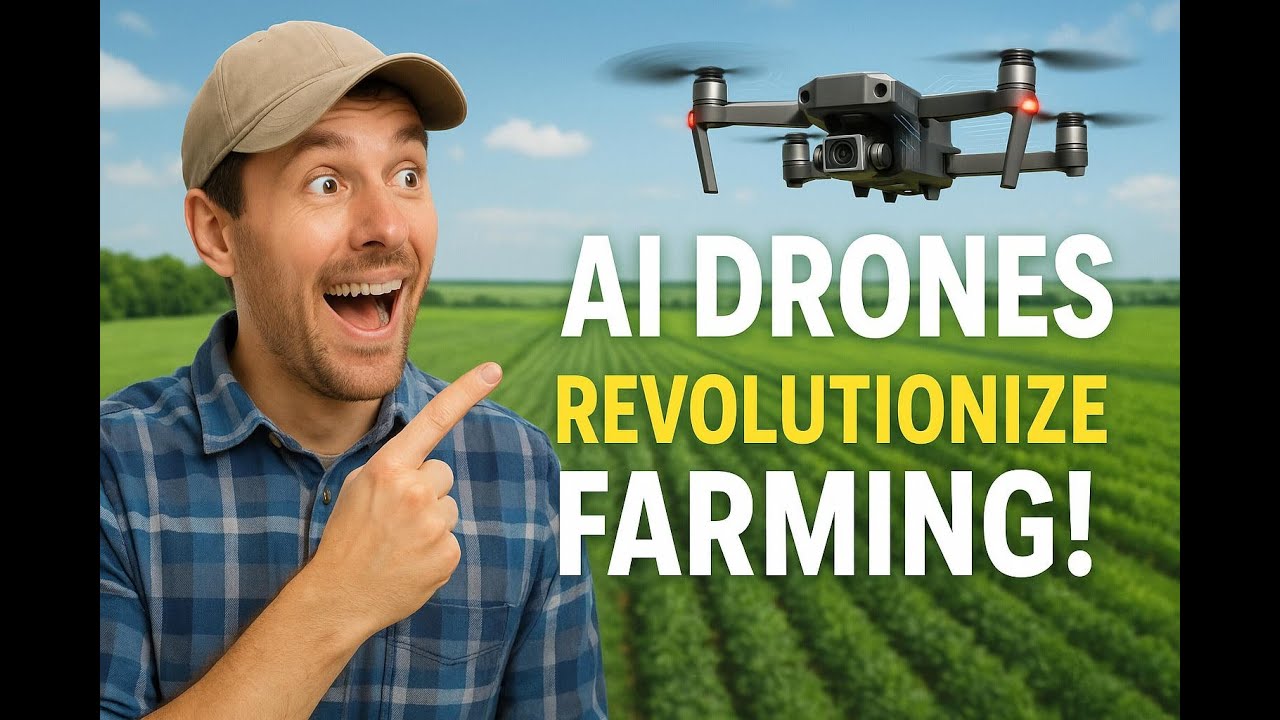
Here’s a look at how smart farming and AI-driven machinery are transforming agriculture in 2026:
What Makes the Best Farm Tractor in 2026?
Defining the best farm tractor in 2026 is more nuanced than ever before. It’s not only about engine horsepower but about the integration of technologies that expand the boundaries of what’s possible for sustainable farms. Let’s explore the critical factors that make a tractor stand out in 2026.
Key Features of the Best Tractor Models:
- Smart Farming Technologies: Best farm tractors are equipped with GPS-guided steering, AI-based analytics, and IoT-compatible sensors for precision farming. This allows exactness in planting, irrigation, fertilizing, and harvesting schedules, thereby reducing waste and increasing yield.
- Eco-Friendly Engines: Compliant with stringent emissions regulations, new tractor engines are hybrid or electric, reducing fuel costs and emissions for better environmental management.
- Automation: Semi-autonomous and fully autonomous machines allow 24/7 operations, increased productivity, and ease of addressing labor shortages.
- Reliability and Versatility: Robust construction, easy maintenance, and the ability to perform multiple functions—hauling, mowing, feed delivery, manure management—make tractors indispensable across farm types.
- Connectivity and Data Integration: Tractor systems link with farm management platforms, supporting real-time decision-making and fleet monitoring.
The best farm tractors are those that continue evolving by fusing technology with practicality, making them a truly preferred choice for large and small-scale farms.
“Red smart tractors can increase field productivity by up to 30% with innovative automation systems.”
The Iconic Red Farm Tractor: Symbol of Reliability and Innovation
Among numerous advancements, the red farm tractor remains iconic—emblematic of enduring quality, innovation, and reliability in the farming sector. These tractors maintain a significant mark on small family farms and sprawling commercial enterprises alike.
- Enduring Quality: For decades, red tractors have been historically associated with robust construction, multiple functions, and easy maintenance.
- Recognizable Models: Many farmers worldwide trust red tractor brands for efficiency, low downtime, and cost-effectiveness—qualities vital for the central roles that these machines play on a farm with tractor.
- Leading the Sustainability Shift: In 2026, red farm tractors come equipped with eco-friendly engines, improved fuel efficiency, and technologies that ensure compliance with emissions regulations, supporting both economic and environmental sustainability.
Their evolution continues to address not only agricultural demands but also environmental concerns—making them a true industry standard as we move towards a technology-driven, sustainable future.
Discover more about Smart Farming, AI Telematics, and Equipment Innovations in this insightful video:

Smart Farming and Tractor Technology in 2026
Smart farming is transforming the operation of modern tractors on every type of farm. In 2026, these machines are not merely powerful engines pulling plows or seeders. They’re fully integrated into the broader digital farm ecosystem, greatly benefitting farmers and agriculture at large.
Smart Tractor Features Revolutionizing Farming:
- GPS Guidance & Auto-Steering: Automated route planning and field mapping enable pinpoint accuracy for planting, fertilizing, and harvesting schedules, thereby reducing waste and increasing output.
- AI-Driven Analytics: Modern tractors integrate AI algorithms to process real-time data for soil health, crop conditions, and yield mapping.
- Connectivity: Tractors communicate with other on-farm machinery and platforms, forming a cohesive digital network that maximizes resource efficiency.
- Sensor Integration: Soil sensors, weather stations, and crop monitors help the farmer with tractor to optimize operations and make decisions that impact the entire farm ecosystem.
- Telematics & Fleet Management: Smart fleet monitoring ensures tractors and implements are utilized efficiently, reducing fuel costs and enabling predictive maintenance across large or distributed farms.
By incorporating these advanced tractor technologies on a farm with cows, grain crops, or horticultural produce, farmers find it easier to maintain enviable productivity with reduced manual input.
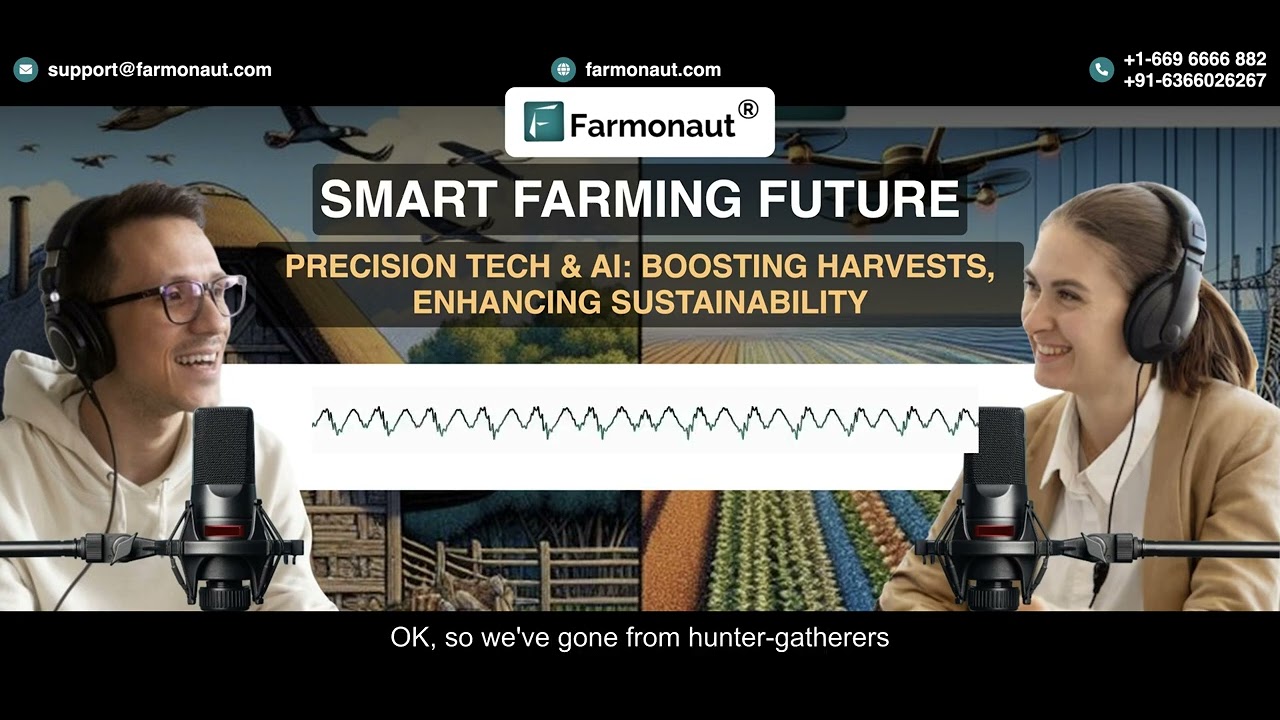
Watch this video to see how precision tech and AI are boosting harvests and enhancing sustainability:
From Manual Laborer to Data-Driven Operator:
The modern farmer with tractor is increasingly a technician and data analyst—not just a manual laborer. By using data from tractor-mounted devices and large-scale farm management applications, farmers can:
- Monitor soil health and crop vigor in real time
- Schedule actionable inputs with pinpoint accuracy
- Predict machinery maintenance needs
- Analyze productivity metrics per field, crop, and operational cycle
Get a quick overview of Farmonaut Web System for crop satellite & AI monitoring (which can be integrated with smart farm machinery):

Farm Tractors and Sustainability: Practices for Soil Health and Reduced Emissions
Ensuring sustainability across agriculture is a major challenge, especially as demands intensify due to global food security. The farm tractor of 2026 addresses these with innovative designs and soil-preserving practices.
Key Sustainable Practices Supported by Modern Tractors:
- Controlled Traffic Farming (CTF): Utilizing GPS-guided tractors for specific traffic lanes, reducing soil compaction and enhancing soil structure.
- No-Till and Reduced-Till Methods: Tractors equipped for conservation tillage minimize soil disturbance, which increases soil health and carbon retention.
- Lower Fuel Usage and Emissions: Hybrid and electric tractors comply with stringent emission regulations, reducing carbon footprint while being cost-effective for farmers.
- Efficient Application of Inputs: Precision placement of fertilizers and crop protection products, reducing waste and runoff into the environment.
For tracking and managing your farm’s environmental impact, our carbon footprinting tool can help you monitor, analyze and improve your sustainability metrics. Read more about Farmonaut’s Carbon Footprinting Solutions for Agriculture.
Electric & Hybrid Tractors: The Next Leap in Eco-Friendly Farming
By 2026, we expect the share of electric and hybrid models to climb steadily as manufacturers innovate and farms target zero emissions ambitions. These tractors reduce reliance on fossil fuels, comply with global regulations, and lower running costs.
Learn more about resource efficiency and smart machinery in this video on the 2025 boom:
Tractors in Livestock Operations: Beyond Plows and Seeders
On a farm with cows or other livestock, the role of the farm tractor is even more multifaceted. Here, the tractor moves beyond just plowing fields:
- Feeding: Tractors transport feed and supplement to livestock, ensuring regular and even distribution across large barns or grazing areas.
- Manure Management: Automated attachments help collect, transport, and distribute manure, turning waste into valuable fertilizer—streamlining labor-intensive tasks and maintaining soil fertility.
- Livestock Health Monitoring: Smart tractor-mounted sensors track animal movement and health indicators, enabling associated farm management platforms to notify farmers of health concerns instantly.
- Transport: For farms with cows or mixed operations, transporting supplies and livestock is simplified with the use of multi-purpose tractor attachments.
This holistic approach enhances both productivity and animal welfare, optimizing the entire farm ecosystem.
Get familiar with satellite and AI-driven farm monitoring tools that empower effective farm management (including livestock operations):
Comparison Table of Top Smart Farm Tractors 2026
To help farmers compare the best farm tractor models of 2026, here is a side-by-side comparison of leading red tractors and their smart features:
| Tractor Model | Engine Power (hp, est.) |
Smart Farming Features | Fuel Efficiency (L/ha, est.) |
Emission Standard Compliance | Automation Level | Estimated Price (USD) |
|---|---|---|---|---|---|---|
| Massey Ferguson 9S (Red) | 240 | Advanced GPS, AI analytics, IoT platform | 7.2 | Stage V/Euro 6 | Semi-autonomous | $210,000 |
| Case IH Magnum Hybrid 2026 (Red) | 320 | Auto-Steer, Variable Rate, Sensor Suite | 6.8 | Tier 5 / Stage V | Fully autonomous | $280,000 |
| Mahindra X-Elite EV (Red) | 180 (electric) | Connected dashboard, Wireless comm, Fleet management | 3.1 (equiv.) | Zero emissions (electric) | Semi-autonomous | $185,000 |
| International Harvester ProX (Red) | 270 | Satellite telemetry, Automated legacy attachments | 7.9 | Stage V | Semi-autonomous | $225,000 |
| Valtra S MaxGen (Red option) | 310 | Telematics, Mobile control app, Smart implement control | 7.0 | Stage V/Euro 6 | Semi-autonomous | $235,000 |
*All specifications are estimated for 2026 and subject to manufacturers’ updates.
Farmonaut’s Role in the Future of Smart, Sustainable Farming
At Farmonaut, we are committed to integrating advanced satellite and AI technology with the realities faced by farmers and agricultural enterprises worldwide. While Farmonaut is not a tractor manufacturer, our services are crucial for those looking to get the most out of their farm with tractor and other machinery assets.
- Satellite-Based Monitoring: Our satellite monitoring platform enables farmers to access real-time data on crop health, soil moisture, and field variability. These insights help optimize how tractors and equipment are used for planting, fertilizing, watering, and harvesting.
-
AI Advisory Systems: The Jeevn AI platform delivers customized strategies and weather forecasts—guidance that translates into more efficient tractor use and better farm outcomes.

- Blockchain-Based Traceability: Our Solutions for Agricultural Product Traceability provide supply chain transparency from field to fork. This enhances accountability for not just harvested crops but also for resources managed with tractors, such as input applications and livestock management.
- Fleet and Resource Management: Farmers running large or distributed operations can utilize our fleet management tools to optimize tractor routes, monitor usage, and implement predictive maintenance—thereby improving operational efficiency and sustainability.
- Environmental Impact Monitoring: We empower users to monitor their carbon footprints with respect to machinery usage, including tractors, allowing compliance with industry regulations and aiding in sustainable certification initiatives.
Our platform is accessible via Android, iOS, web, and dedicated APIs—helping any modern farm with tractor streamline operations and meet advanced sustainability requirements.
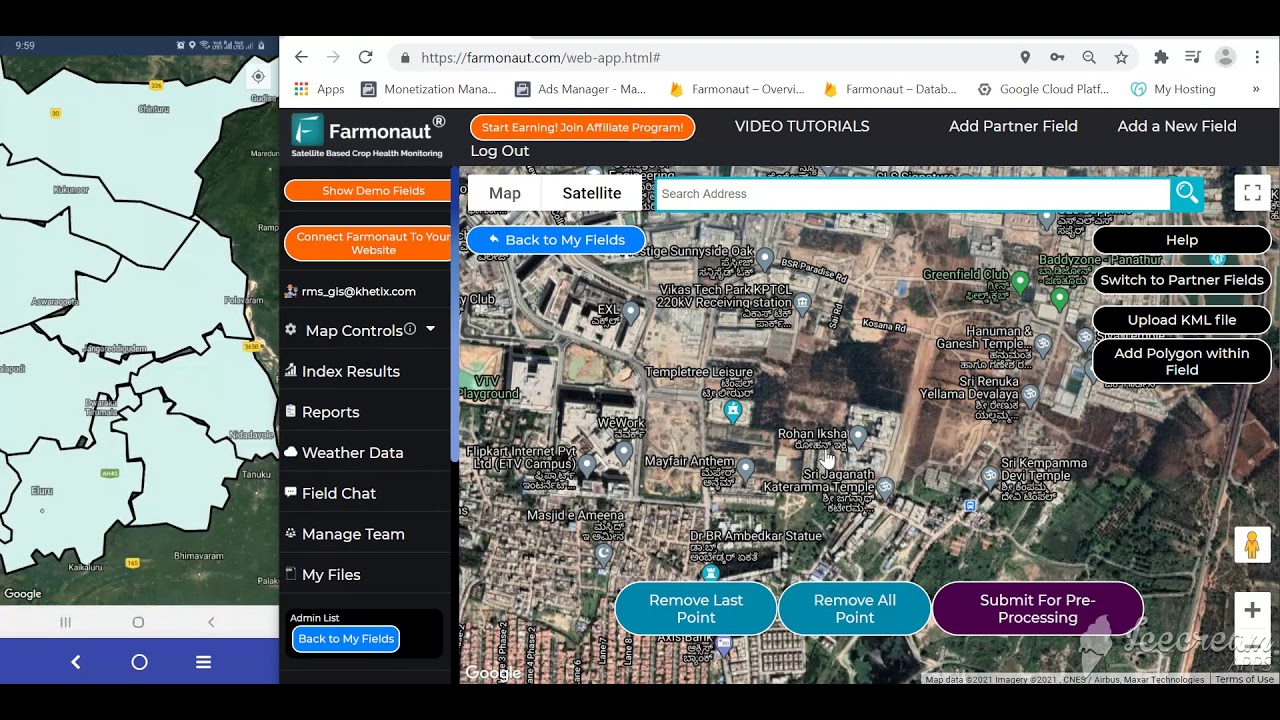
Explore more about large-scale field mapping and satellite monitoring via this tutorial:
Farmonaut Products & Useful Links
To maximize your farm’s efficiency and sustainability alongside smart tractor operations, explore some of Farmonaut’s featured products and integrations:
- AI-Driven Environmental Monitoring: Carbon Footprinting—Track emissions from your entire machinery fleet, including tractors, for environmental audits and improvements.
- Product Traceability Tools: Traceability Solutions—Ensure supply chain authenticity for all products handled by your farm and tractor fleet.
- Financial Access: Satellite-Based Crop Loan & Insurance Verification—Improve eligibility for farm loans based on accurate, satellite-driven records of tractor fieldwork.
- Comprehensive Farm Oversight: Large Scale Farm Management App—Centralizes all data on crop, livestock, and machine performance, tailored to work perfectly with tractor technologies.
- Fleet Optimization: Fleet Management Platform—Monitor, allocate, and maintain tractors and implement across multiple farm locations with ease.
- Farmonaut Satellite & Weather API: Developers and technology-forward farms can leverage our API or review the Developer Docs to build custom integrations for automatic machinery scheduling, soil mapping, and more.



FAQs – Best Farm Tractor, Smart Farming, and More
1. What is the best farm tractor for 2026?
The best farm tractor for 2026 will feature smart farming capabilities such as AI analytics, GPS guidance, automation, and eco-friendly engines. Models from leading red tractor brands such as Massey Ferguson, Case IH, and Mahindra are setting the standard in productivity, sustainability, and reliability. The ideal choice will depend on your specific farm operations and scale.
2. How do smart tractors help with sustainable farming?
Smart tractors boost sustainability by enabling precision farming, optimizing the application of inputs, minimizing soil disturbance through controlled traffic and no-till methods, and reducing fuel and emission footprints thanks to hybrid and electric engines.
3. Why are red tractors so popular and what do they symbolize?
Red tractors are historically recognized for their enduring quality, reliability, and robust construction. They symbolize the fusion of traditional craftsmanship and modern innovation, often being the industry standard for both small and large farms.
4. Can tractors be fully autonomous?
Yes. In 2026, leading models are equipped with full or semi-autonomous capabilities, including auto-steering, automated implement management, and remote operation. This helps farms address labor shortages and maximize time efficiency.
5. How can satellite technology make tractors and farms more efficient?
Satellite imagery and AI analytics (as provided by Farmonaut) provide up-to-the-minute data on crop health, soil conditions, and environmental variables. This enables farmers to make more accurate decisions on machinery deployment, input application, and scheduling, maximizing the productivity and sustainability of their farms.
Conclusion: Tractors Remain Central to Productive, Sustainable Farms
As we look into 2026 and beyond, the farm tractor continues to stand at the central axis of modern agriculture. Its journey from the symbol of mechanization to an emblem of technology-driven sustainability is ongoing. The best farm tractors, notably the red farm tractor models, represent a synergy of traditional wisdom and advanced innovation—empowering farmers, increasing efficiency, and safeguarding future food production.
Whether it’s large sprawling enterprises or small family farms with cows, the tractor remains at the heart of streamlined operations, supporting both crop and livestock management. The integration of AI, precision analytics, GPS, and automation into tractors makes a measurable impact across the entire ecosystem of farms worldwide.
With further integration of satellite monitoring, environmental impact tracking, and data-driven advisory—like those offered by Farmonaut—farmers are well equipped to continue meeting the growing challenges of 2026 and beyond: increasing productivity, ensuring sustainability, and securing the food supply for generations to come. Embrace the power of data and innovation; the best farm tractor is your partner in building a resilient, thriving farm.

 Godrej Agrovet
 Hayleys Agriculture
 Linx Agritech
 Adinet
 Save Your Soils
 GalaxEye Space
 Grandstream Algérie
 XOS Realty
 Geospatial Lab Africa
 Agro La Gándara
 HIPSAC
 ZOL Zimbabwe
 Juligerm
 AdBio
AdBio MISE Maroc
 NWNS
NWNS Red August Group
 Farm Inc
 WeMe Global
 Agrotoken
 Blue BearX
 Insignito
 DnCubed
 Indosistim Teknologi
 Liquify Digital
 CU Foods
 BeyondTech Global
 Rouge VC
 AgroRisk
 Oath Inc
 Esri North East Africa
 MDCV UK
 Etech Consulting Madagascar
 Vestlandsforsking
 WB Dev
 Sama Premium
 Tres Valles
 Blickwinkel
 Agricultural Credit Policy Council
 eKGIS
eKGIS Mostas Tech
 Andex
Andex Deluxe Conseil
 WICO
WICO Chimera Innovation
 SkyHarvest
 Teledarbas
 Exurbia Geospatial
 FieldZero
