

1 Acre Paddy Income 2026: Top Profit Strategies
Maximizing Income from 1 Acre of Paddy Cultivation in 2025: Strategies and Trends
Paddy cultivation remains a cornerstone of agricultural economies across Asia and many other parts of the world. As the global population grows and food demand intensifies, optimizing 1 acre paddy income in 2026 has become crucial for farmers, agricultural stakeholders, and agribusiness groups. This article explores how improved yields, precision agriculture, cost management, and sustainable farming innovations are impacting the future of income per acre for paddy growers. Join us as we break down the key factors influencing paddy profitability, actionable strategies, technical advancements, and emerging trends—so you can make smarter farming decisions for 2026 and beyond.
“Precision farming can boost 1 acre paddy yields by up to 22%, directly increasing net income for progressive farmers.”
Key Factors Influencing 1 Acre Paddy Income in 2026
1 acre paddy income is shaped by a complex interplay of factors that span genetics, climate, technology, market forces, and management practices. Here are the most significant influencers going into 2026:
- 🌱 Seed Varieties: New high-yielding, disease-resistant rice varieties are transforming the yield potential per acre.
- 📊 Precision Agriculture: Field monitoring, predictive analytics, and data-driven input management (like irrigation, fertilization) boost productivity and slash waste.
- 💡 Cost Management: Input and labor costs continue to rise, but smart mechanization and optimized fertilization are helping reduce the per-acre cost burden.
- 🌏 Climate Resilience: Drought-resistant and flood-tolerant paddy varieties are increasingly critical due to erratic weather and global warming.
- 📈 Market Linkages: Direct-to-market channels and digital pricing platforms are raising profit margins by eliminating middlemen.
Varietal Improvements: The Foundation of Higher Yield
The foundation of 1 acre paddy income begins with the variety of rice planted. By 2026, agricultural biotechnology and traditional breeding have expanded the range of varieties available to farmers in Asia and beyond. These advances have been pivotal in boosting yields from traditional averages of 3.5-4 tons per acre to 6-7 tons per acre or higher under optimal conditions.
- Gene-Edited Rice Varieties: Deploying CRISPR and gene editing shrinks losses from pest and disease outbreaks, enhances stress tolerance, and increases grain size per plant.
- Hybrid & Specialty Rices: Hybrids and basmati/ aromatic types not only offer higher yields but access to niche markets with premium prices.
- Resilience Against Stresses: New varieties planted in 2026 are engineered for drought, flood, salinity, and heat resistance—critical as climate dynamics intensify.

“Gene-edited paddy varieties in 2025 may lift profits per acre by 15%, reducing losses from disease and pests.”
Precision Agriculture & Smart Farming – The Digital Revolution in Paddy
The integration of precision agriculture and smart farming tools has transformed the economics of paddy cultivation per acre worldwide, especially across Asia’s rice bowl regions. Technological advancements for 2026 include satellite imagery, drone surveillance, Internet of Things (IoT) sensors, and AI-driven analytics.
Key Precision Farming Technologies for 1 Acre Paddy Income
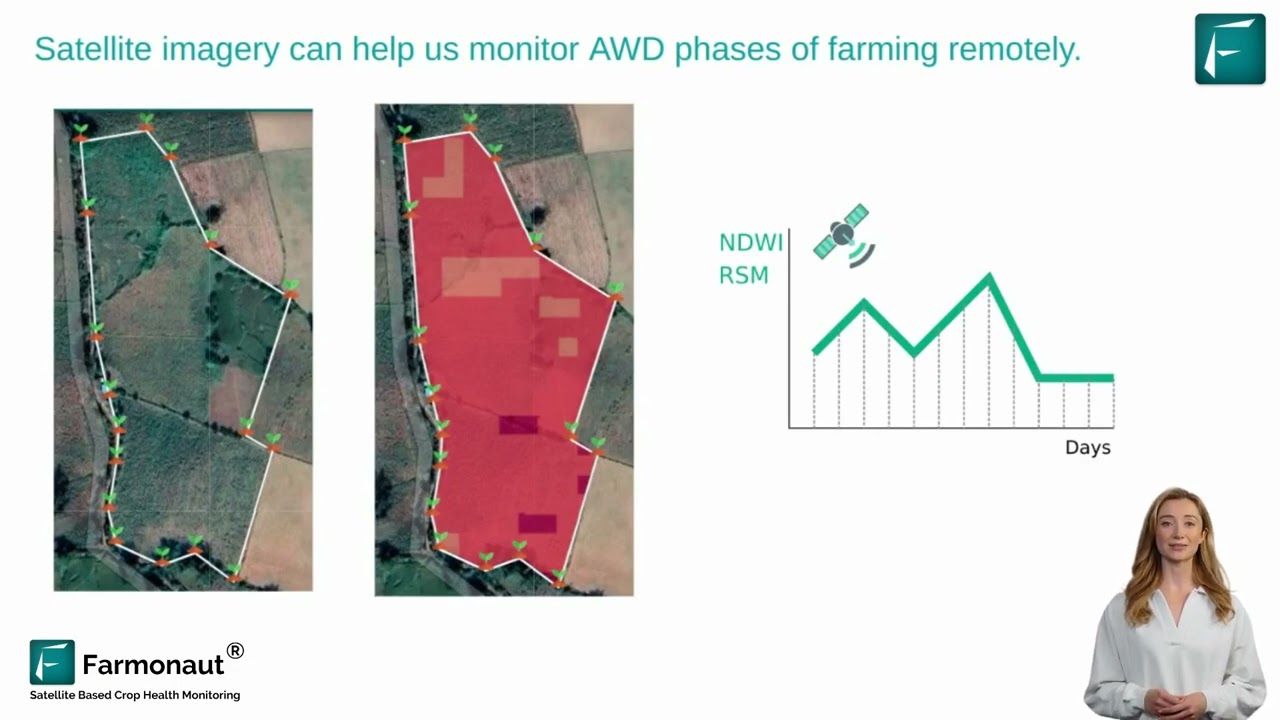
- 🛰 Satellite Imagery: Enables paddy farmers to monitor crop growth, soil health, water stress, and pest pressure on-demand, identifying problems early to reduce losses.
- 🚁 Drones & Remote Sensing: Provide real-time crop scouting, rapid nutrient mapping, and targeted pest/disease management—directly improving per-acre productivity.
- 💧 Automated Water Management: Soil moisture sensors support the switch to Alternate Wetting and Drying (AWD) irrigation, slashing water use while protecting yields.

Try Farmonaut Web App to visualize water stress, NDVI, and crop health at field level for better income per acre. - 🧑💻 AI-Based Decision Support: AI systems analyze sensor and imagery data, offering precision input application plans that maximize output per rupee spent.

Cost Structure: Inputs, Labor, and Mechanization
Costs per acre are a critical driver in net 1 acre paddy income. Traditional input costs—seed, fertilizers, agrochemicals, irrigation, and especially labor—fluctuate due to both regional and global market dynamics. In 2026:
- 🧑🌾 Rising Labor Costs: Rapid urban migration is pushing up the price per day for field hands. Mechanization is quickly filling the gap with direct-seeding machines, robotic weeders, and automatic harvesters.
- ⚗️ Inputs & Fertilizers: Adoption of organic amendments like farmyard manure alongside judicious synthetic fertilizer use is reducing input expenses, supported by government subsidies in many regions.
- 🚜 Mechanization Investment: While upfront cost is sizable, reduction in labor requirements along with improved timeliness of operations increases yield per acre and profit margins long-term.
- 🕑 Shorter Crop Cycles: Machine-driven processes can reduce crop cycle durations by 10-15%, allowing for more efficient multiple cropping on the same land.
- 📉 Bulk Purchase Benefits: Collaboratives and farmer producer organizations can procure seed and agrochemicals at lower per-unit costs, boosting net income per acre.


Download Farmonaut’s Android & iOS Apps for smarter farm management and lower costs.

- ✔ Precision Fertilizer Management – Data-driven nutrient plans cut fertilizer overuse, reducing unnecessary expense.
- ✔ Flexible Labor Scheduling – Mechanized tasks mean fewer workers per acre per season.
- ✔ Bulk-Input Procurement – Lower input costs for seed, fertilizers, and pesticides by collaborating with cooperatives.
- ✔ Integrated Pest Management – Reduce chemical spend via smart, targeted IPM regimes.
- ✔ Smart Irrigation Scheduling – Optimize water use and electricity cost per acre via soil sensors.
Market Access, Linkages and Price Realization
Optimizing 1 acre paddy income doesn’t stop at the farm gate. In 2026, smart marketing and robust supply chain management are vital. A direct pathway to higher net returns is through improved market linkages and digital pricing:
- 💻 Digital Trading Platforms: Real-time commodity platforms help farmers discover fair prices and sell to the highest bidder.
Farmonaut Traceability Solutions enable blockchain-secured authentication for specialty rice, unlocking premium price segments and consumer trust. - 🤝 Contract Farming: Agreements with processors and export houses secure minimum support prices, providing income certainty.
- 🏭 Post-Harvest Processing: Access to on-farm or community-level drying, storage, and milling units improves grain quality and price realization per ton—minimizing spoilage and losses.
- 🚚 Aggregators & Farmer Producer Organizations: Pooling paddy output allows smallholders to negotiate better bulk-contracts, access institutional markets, and lower logistics costs.

Sustainability, Climate Resilience & Organic Practices for 1 Acre Paddy Income
Sustainability and climate resilience are no longer optional—they are central to maximizing 1 acre paddy income in 2026 and ensuring long-term farm viability. Globally, demand for sustainably produced, low-carbon-footprint rice is rising, driven by consumer awareness and government policy shifts.
Sustainable Practices Shaping Paddy Income:
- 🌳 Agroforestry & Biodiversity: Integrating trees with paddy supports soil conservation, water retention, and provides alternate revenue streams (e.g., fruit, timber) alongside rice.
- 🦠 Organic Soil Amendments: Use of compost, biofertilizers, and green manures can improve soil health while lowering per-acre input costs in the long run.
- 🦟 Integrated Pest Management (IPM): Reduces the need for costly chemicals and minimizes ecological damage—qualifying product for organic and export markets at premium pricing.
- 🌾 Climate-Smart Alternate Cropping: Diversifying with resilient crops during off-seasons protects income against climate volatility and price shocks.
- 🌱 Carbon Footprinting: Tracking and reducing per-acre greenhouse emissions with digital tools
Farmonaut Carbon Footprinting helps paddy farmers access emerging sustainability-linked markets and meet compliance for financial incentives.

Technological Advancements Driving 1 Acre Paddy Profitability
2026 is the era of data-driven, high-output paddy cultivation. Here are leading innovations that are directly raising per-acre income for farmers:
Visual List: Top Technological Enhancements
- 📲 Satellite Crop Monitoring – Pinpoints field variation, enabling targeted management.
- 🤖 Automated Field Robotics – Handles repetitive labor (planting, spraying, weeding) to reduce human cost.
- 💻 AI-Powered Decision Systems – Provide actionable input recommendations, reducing waste and maximizing net output.
- 🔗 Blockchain Traceability – Secures product authenticity for export and organic markets, unlocking premium income per acre.
- 🚜 Large-Scale Farm Management Tools – Digital dashboards streamline multi-field operations for commercial growers.
Farmonaut Large-Scale Farm Management App lets agribusinesses coordinate satellite, input, and labor data across large holdings for even better profitability.

- ⚠ Risk of Tech Misapplication: Poor setup of sensors or AI advisory can lead to bad decision-making and lost revenue.
- ⚠ Upfront Capital Barrier: Mechanization and digital system costs must be weighed against multi-season ROI projections.
- ⚠ Market Volatility: Global rice prices can fluctuate rapidly—diversification and contractual sales help cushion profitability swings.
Read the API Developer Docs
Income & Cost-Benefit Analysis Table: 1 Acre Paddy Income 2026
Compare the quantitative impact of major profit strategies and innovations on 1 acre paddy income below.
(Figures are estimates based on 2026 trends and exchange rates. Actual field values may vary by location, technology adoption, and market dynamics.)
| Strategy/Innovation | Estimated Yield per Acre (kg) | Estimated Cost per Acre (INR) | Estimated Gross Income per Acre (INR) | Estimated Net Profit per Acre (INR) |
|---|---|---|---|---|
| Traditional (No Precision/Old Varieties) | 3500 | 28,000 | 52,500 | 24,500 |
| Precision Agriculture (Sensors + AI) | 4200 | 30,000 | 63,000 | 33,000 |
| Gene-Edited Varieties | 4600 | 31,500 | 69,000 | 37,500 |
| Sustainable/Organic Practices | 4000 | 26,000 | 72,000 | 46,000 (organic premium) |
| Full Integration: Precision + Premium Varieties + Market + Sustainability | 5200 | 32,000 | 83,200 | 51,200 |
Strategies for Maximizing 1 Acre Paddy Income in 2026 and Beyond
For those looking to future-proof their farms and maximize income per acre, here’s a summary checklist of actionable steps:
- ✔ Adopt Proven High-Yield, Resilient Varieties for optimal average grain output per acre.
- ✔ Implement Satellite & AI-Driven Field Monitoring to guide input, irrigation, and management decisions.
- ✔ Invest in Mechanization to overcome labor shortages and raise efficiency per land unit.
- ✔ Pursue Organic and Climate-Smart Certification to qualify for market premiums and sustainability-linked loans.
- ✔ Establish Strong Market Linkages—digital selling, FPOs, blockchain traceability—for superior price realization and transparent payments.

Farmonaut Satellite Technology: Fueling Profitable Paddy Cultivation
As we look toward 2026, satellite technology is a gamechanger for per-acre paddy profitability. At Farmonaut, we’re dedicated to making satellite and AI-driven insights affordable and accessible for every farmer. Our platform provides:
- 📡 Multispectral Satellite Monitoring to visualize vegetation health (NDVI), catch nutrient issues, and track soil moisture.
- 🤖 Jeevn AI Advisory for real-time recommendations on irrigation, fertilization, and pest control per field parcel—driving optimal input use and net income.
- 🔐 Blockchain Traceability Features so paddy can be authenticated back to source, opening premium and export markets.
- 🌱 Environmental Impact Tracking (e.g., carbon footprints) to help qualify for green certifications and respond to emerging climate-linked regulations.
- 🛠 Resource & Fleet Management Tools for monitoring machinery, scheduling, and cost allocation per acre.
Explore Farmonaut Fleet Management – cut machinery operational costs in large-scale rice farms.
Our modular, subscription-based web and mobile app packages are available for individual farmers, agribusinesses, and government agencies. APIs allow seamless satellite and weather integrations into your own systems for smart per-acre management.
Farmonaut Apps & API: Next-Gen Tools for Smart Paddy Income Management
Web App
Android App
iOS App
- ✔ Cross-Platform Access: Manage fields using web or mobile apps, anytime and anywhere.
- ✔ Automated Crop Health Alerts: Receive real-time notifications on paddy NDVI, pest/disease risk, and water stress for in-season corrections.
- ✔ API Integration: Plug Farmonaut’s satellite data and field analytics directly into your agribusiness intelligence stack for optimal big-acre management.
- ✔ Flexible Subscriptions: Pay only for the data/systems you need.
- ✔ End-to-End Traceability: Blockchain unlocks new market opportunities and compliance advantages.
Frequently Asked Questions (FAQ): 1 Acre Paddy Income in 2026
Q1: What is the projected average income for 1 acre paddy by 2026?
A: With modern varieties and precision agriculture, net profit per acre in paddy is expected to range from INR 33,000 to INR 51,200, depending on technology integration and market premiums. This far outpaces traditional, low-input farming returns.
Q2: How much can gene-edited and specialty varieties improve my per-acre returns?
A: Gene-edited paddy varieties can lift yields and profits by 10-15% over regular hybrids, particularly by reducing climate and pest-related losses. Specialty varieties (basmati, organic aromatic) can fetch per-ton premiums up to 20% above market prices.
Q3: Are sustainable practices more profitable than conventional methods?
A: Yes—while sustainable or organic practices may initially see a slight yield drop, cost savings, traceability, and price premiums (for verified organic/low-carbon rice) statistically drive higher net income per acre over a 2-3 season period.
Q4: How do digital platforms and traceability impact income realization?
A: Digital trader platforms and blockchain traceability provide transparent market price discovery, eliminate expensive middlemen, and unlock niches with higher willingness to pay for authenticated, quality rice—substantially improving income realization per acre.
Q5: How can Farmonaut help maximize my paddy profitability?
A: By offering satellite-based monitoring, AI advisories, blockchain traceability, and carbon tracking tools via app and API, we enable you to track inputs, yields, and environmental impact for every acre—raising output, lowering costs, and opening profitable new markets.
Conclusion: 1 Acre Paddy Income in 2026 – The Path to Profitable & Resilient Farming
Maximizing 1 acre paddy income in 2026 is a multidimensional challenge—but one full of opportunity. By embracing improved varieties, precision agriculture, mechanization, smart cost management, sustainability, and robust market linkages, farmers across Asia (and globally) can expect far better per-acre income than ever before. As technology and consumer demand continue to evolve, profitability will increasingly depend on data-driven, climate-smart, and transparent practices.
At Farmonaut, we believe in making these advanced solutions accessible to every stakeholder through innovative, affordable satellite-driven tools. Let’s lead the next era of profitable, sustainable paddy cultivation—one acre at a time.
Discussion
Questions, corrections or field experience? Share them below. First-time comments are reviewed before they appear, and your email is never published.
No comments yet. Be the first to add a question or your experience.

 Nale Network
 Exurbia Geospatial
 FieldZero
 Indico Company
 Kubota
 FFBS
FFBS Jontra
 Kalustyan
 Tucor
Tucor Geno
Geno Hayleys Agriculture
 Linx Agritech
 Adinet
 Save Your Soils
