

7 Interactive Agriculture Displays to Boost Field Decisions
Summary: Interactive agriculture displays are transforming field decisions with real-time visualization, empowering land managers to optimize productivity and sustainability.
“Over 60% of modern farms now use interactive displays for real-time crop monitoring and decision-making.”
Table of Contents
- Introduction to Interactive Agriculture Displays
- What Are Interactive Agriculture Displays?
- The Value of Real-Time Interactive Agriculture Displays
- Comparison Table of Interactive Agriculture Displays
- 7 Interactive Agriculture Displays to Boost Field Decisions
- Enabling Sustainable Resource Management
- How Farmonaut Is Transforming Land Management
- Frequently Asked Questions (FAQ)
- Conclusion
Introduction to Interactive Agriculture Displays
Modern farming is entering an era of data-driven decision-making, where advanced technologies are becoming essential tools for field management and sustainable outcomes. Interactive agriculture displays are at the forefront, blending satellite imagery, drone scouting, and sensor data into intuitive, actionable interfaces. Land managers, growers, foresters, and mining concession holders increasingly rely on these systems to illuminate vast landscapes and optimize every aspect of field management.
With interactive agriculture displays, stakeholders transcend traditional limitations. Growers can spot irrigation gaps, track crop health, and forecast yield improvements at the click of a button. Forestry professionals utilize layered maps to monitor tree regeneration and stand density, ensuring wood fiber supply while protecting vital biodiversity. In mining-affected locales, reclamation planners track real-time vegetation recovery and design rehabilitation with spatial precision.

Access powerful satellite-driven displays and decision tools for agriculture, forestry, and mining. Empower your field management today.
✔ Key Advantages of Interactive Agriculture Displays:
- Intuitive interfaces – Layered maps, simple dashboards, and dynamic overlays.
- Real-time data – Synced from satellite, drone, and sensor sources.
- Actionable insights – Highlights in-field hotspots, risk zones, and trends.
- Resource efficiency – Enables precision irrigation & fertilizer management.
- Sustainability support – Tracks carbon impact, biodiversity, and rehabilitation outcomes.
What Are Interactive Agriculture Displays?
Interactive agriculture displays are digital, visual tools designed to synthesize complex data streams—from satellite imagery to weather sensors—into easy-to-understand, layered dashboards. These versatile displays equip decision-makers to assess crop health, track soil moisture, monitor forest regeneration, and simulate field scenarios in real time. Far beyond static maps, these systems deliver a living, breathing view of the field, updating as new inputs arrive.
The core value of these displays lies in translating complex environmental and agricultural data into readily interpretable, actionable insights at the scale of a field, farm, or entire landscape. Land managers can toggle between crop health, pest risk, soil nutrient status, and even carbon sequestration—all in a few clicks.

Key Insight
Interactive agriculture displays reduce guesswork for growers and land managers. Presenting live, geospatial data in context, these displays enable more confident and precise decision-making for irrigation, feeding, and intervention strategies.
The Value of Real-Time Interactive Agriculture Displays
In practice, interactive agriculture displays allow managers to see a living map of their landscapes. Color-coded overlays highlight soil moisture, nutrient availability, and potential stress areas. Need to track vegetation recovery in a post-mining site, or monitor deforestation alerts at a forest edge? An interactive display puts all the essential data on a single screen, reducing field time and ensuring no issue goes unnoticed.
By blending data sources—satellite, drone, weather, sensors—into one system, these tools offer precision and efficiency never before possible. Users can compare variables across fields, forestry stands, or mining sites over time and immediately spot changes or emerging risks. And for environmentally sensitive zones, the ability to simulate management scenarios is invaluable—forecasting water use, carbon outcomes, or yield responses under different intervention plans.

Common Mistake
Relying solely on ground observations misses the big picture. Without interactive displays, it’s easy to overlook subtle, widespread trends that satellite data and advanced visualization can quickly reveal—such as gradual soil compaction or broad nutrient deficiencies.
“Deforestation interactive maps can analyze changes across 1,000+ hectares in under 10 minutes using satellite data.”
Comparison Table of Interactive Agriculture Displays
| Name of Display | Core Functionality | Real-Time Data Provided | User Interactivity Level | Estimated Decision-Making Improvement (%) | Sustainability Impact | Application Example |
|---|---|---|---|---|---|---|
| Crop Health & Variability Dashboard | Monitors NDVI, crop vigor, yield hotspots | Crop health, biomass | High | 35% | High | Targeted fertilizer application |
| Soil Moisture & Nutrient Display | Visualizes soil moisture and nutrients across zones | Soil moisture/probe data, NPK status | Medium | 30% | High | Irrigation scheduling |
| Pest & Disease Risk Map | Identifies pest/disease outbreak risk areas | Pest hotspot index, weather risk, scouting | High | 28% | Medium | Reduced pesticide use |
| Deforestation Interactive Map | Tracks forest loss/regeneration events spatially | Tree cover, deforestation alerts, regrowth | High | 32% | High | Forest-edge protection |
| Aftermarket Farming Display | Retrofits tractors/machines for guidance | Automated steering, workflow logs | Medium | 20% | Medium | Reduced overlap, resource savings |
| Reclamation & Rehabilitation Tracking | Monitors post-mining land recovery | Vegetation cover, erosion risk | High | 26% | High | Compliance reporting |
| Weather & Forecast Planning Dashboard | Integrates weather, field microclimate data | Rainfall, temperature, wind, frost | Medium | 22% | Medium | Harvest scheduling |
Investor Note
The use of interactive agriculture displays can increase the speed and confidence of investment decision-making in agriculture, forestry, and mining. Real-time visualization reduces uncertainty, de-risks projects, and streamlines due diligence and compliance.
7 Interactive Agriculture Displays to Boost Field Decisions
1. Crop Health & Variability Dashboard
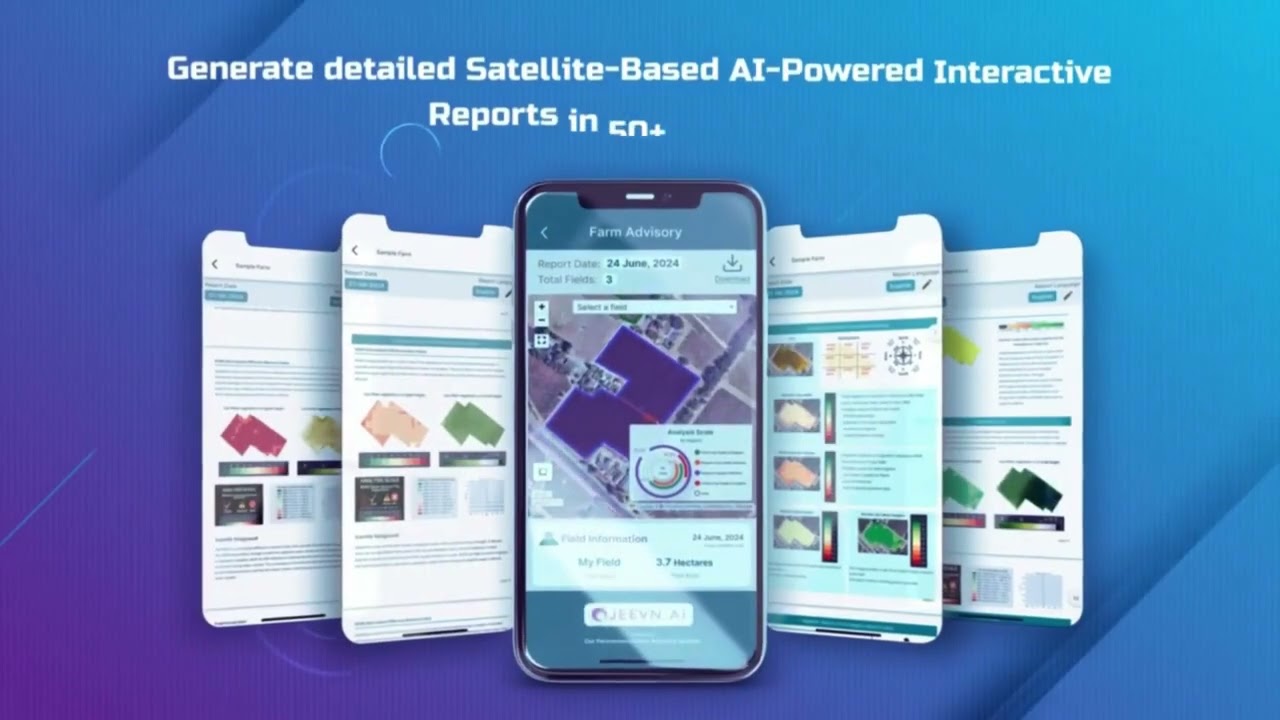
The backbone of site-specific agriculture is the Crop Health Dashboard. Using advanced satellite imagery (like NDVI), this display reveals the spatial distribution of plant vigor, stress, and biomass across a field. Managers can immediately spot yield gaps and unhealthy zones requiring targeted attention.
- Data insight: Identifies crop stress weeks before it’s visible to the naked eye.
- Enables: Precision fertilizer and irrigation application, reducing input costs and environmental footprint.
2. Soil Moisture & Nutrient Display
This display overlays soil probe data and remote satellite soil moisture measurements, showing current moisture status and important nutrient gradients. Farmers can fine-tune irrigation schedules and spot areas where soil may be dry, waterlogged, or nutrient-limited.
- Key benefit: Reduces irrigation water waste by up to 30%.
- Supports: Conservation in water-scarce regions and environmentally sensitive zones.

Pro Tip
Toggling between soil moisture and crop health overlays can reveal patterns—such as compaction or drainage issues—otherwise missed by analyzing each dataset in isolation.
3. Pest & Disease Risk Map
Advanced displays now integrate pest monitoring via satellite, drone and ground-based scouting, overlaying risk maps that show where outbreaks are likely or already emerging. This empowers instant, precise intervention, minimizing both crop loss risk and unnecessary pesticide use.
- Risk reduction: Cuts pesticide spending and environmental impact by focusing applications at true hotspots.
- Benefit: Promotes biodiversity and meets certification standards for responsible farming.

4. Deforestation Interactive Map
Especially essential in forestry, deforestation interactive maps use satellite data to provide a near real-time view of tree cover changes, stand density, and regeneration trends. These maps help land managers maintain compliance with regulations and certification bodies, while ensuring the sustainability of forest landscapes and buffer zones such as display homes forest edge.
- Data insight: Immediate alerts highlight new clearings or fires, empowering rapid response.
- Supports: Carbon footprint optimization and biodiversity corridors.

Key Insight
Deforestation interactive maps are indispensable for display homes forest edge developments, supporting responsible urban expansion while protecting forest ecosystems and regulatory compliance.
5. Aftermarket Farming Display
Not every farm comes with the latest digital tools installed. Aftermarket farming displays can be retrofitted onto older tractors or field equipment, providing basic GPS-driven guidance, input tracking, and task management. This extends the benefits of precision agriculture to a broader range of operations, optimizing resource usage and decreasing field overlap.
- Efficiency: Reduces wasted seed/fertilizer from overlaps and misses.
- Scalable: Benefits large and small-scale farms as a cost-effective tech upgrade.


6. Reclamation & Rehabilitation Tracking Display
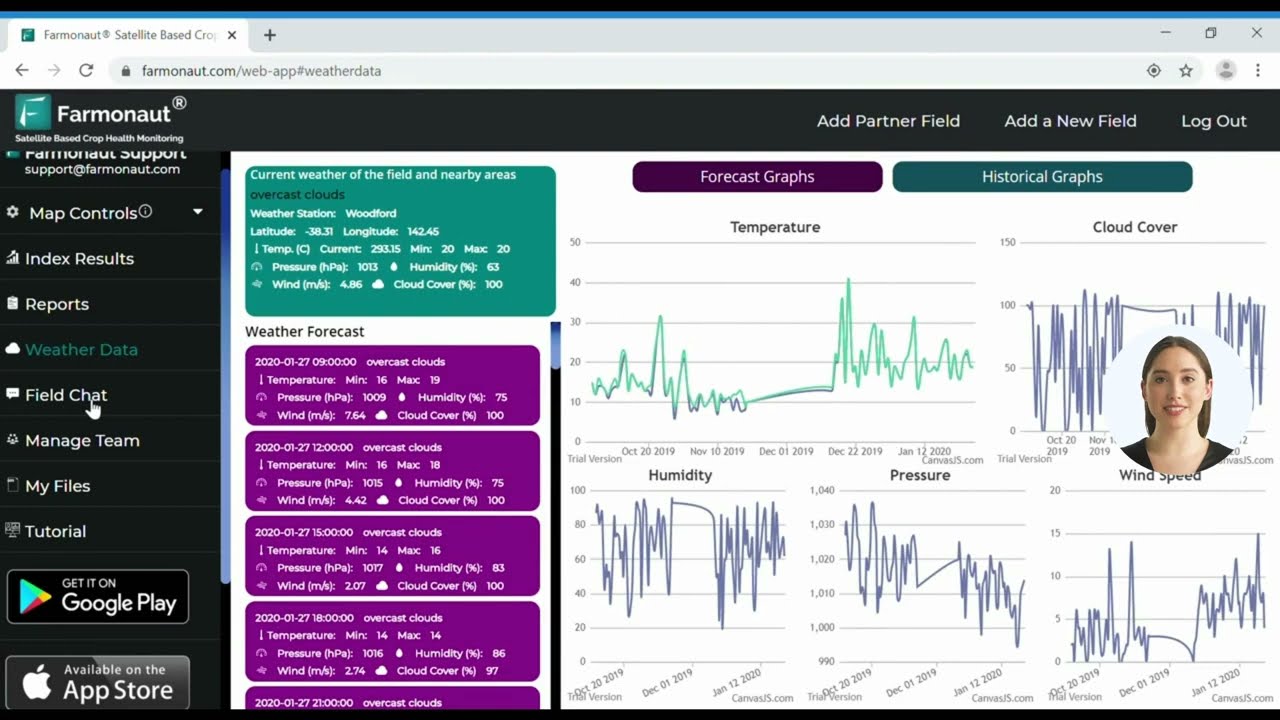
In mining and post-extraction landscapes, rehabilitation tracking displays utilize drone and satellite vegetation data to follow recovery trajectories, detect erosion trends, and document species recolonization. These digital interfaces streamline planning and regulatory reporting, ensuring progressive closure and honest communication with affected communities.
- Compliance: Generates time-stamped progress maps for audits.
- Impact: Supports carbon sequestration accountability and biodiversity monitoring.
7. Weather & Forecast Planning Dashboard
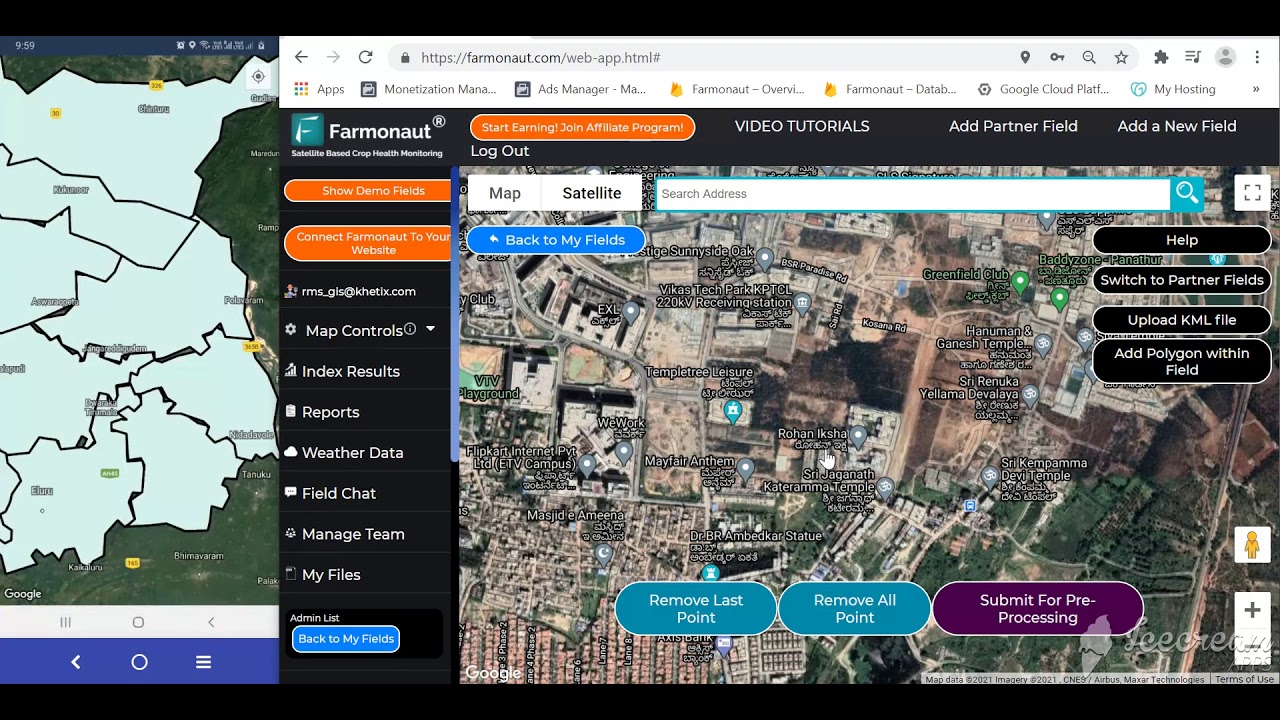
No decision in agriculture is independent of the weather. These displays pull in microclimate data from local sensors and regional weather forecasts to inform field operations, harvest windows, and risk mitigation plans. For large farms or concession operators, such displays are invaluable during volatile seasons.
- Precision: Allows dynamic schedule adjustment of irrigation and harvest based on real data.
- Risk mitigation: Helps avoid loss by predicting frost, wind events, or droughts before they strike.
Sustainability Tip
Use regular overlays of carbon footprint data (see Farmonaut’s Carbon Footprinting Module) within your weather dashboard to track the environmental benefits of adjusted field practices.
Reasons to Embrace Interactive Agriculture Displays
- 🌱 Boost yields and optimize input use across every hectare
- 📊 Visualize complex trends effortlessly using intuitive maps
- ⚠ Mitigate risks—pests, drought, compliance—faster than ever before
- 💧 Reduce waste with precision irrigation/fertilization
- 🌍 Champion sustainability and improve stakeholder transparency
How Farmonaut Is Transforming Land Management
At Farmonaut, we are committed to making satellite-driven displays affordable and accessible for agriculture, mining, infrastructure, and environmental management worldwide. Our technology blends satellite imagery, AI-powered analytics, and blockchain traceability to deliver reliable, actionable insights tailored for our users’ needs. Whether you’re a smallholder optimizing a single field or a large commercial operation managing vast concessions, our modular system empowers smarter management.
Our Web, Android, and iOS Apps bring the power of interactive agriculture displays to your fingertips—no special hardware required. With real-time data on crop health, vegetation status, soil moisture, and weather trends, users achieve more accurate planning and better field interventions.
- Satellite-Based Monitoring: Multispectral imagery tracks crop, mining, and infrastructure health to support real-time and historical benchmarking.
- AI Advisory (Jeevn AI): Personalized guidance for irrigation schedules, fertilizer recommendations, and disease management.
- Blockchain Traceability: Ensures full transparency and supply chain authenticity for agriculture and mining products.
- Fleet Management Tools: Optimize machinery, workflow, and project oversight for agricultural and mining fleets.
- Large-Scale Farm Management: Our admin platforms enable managers to supervise multiple fields or entire portfolios from a single, unified dashboard.
Enabling Sustainable Resource Management with Interactive Agriculture Displays
Interactive displays do more than drive efficiency—they create a foundation for sustainable stewardship. By tracking resource use, soil health, carbon footprint, and biodiversity outcomes on a single platform, land managers can align operations with environmental standards and community needs.
Features supporting sustainability:
- 🌱 Frequent vegetation cover updates in reclamation and post-mining landscapes.
- 🌍 Carbon impact data for continuous improvement and reporting.
- 🦋 Biodiversity monitoring layers for forestry and forest-edge communities.
- 💧 Water use tracking to comply with local and international standards.
- 🔗 Supply chain traceability for farm, forestry, and mining outputs.
Data Pro Tip
Integrate your workflow with our Farmonaut Satellite API for real-time data feeds. Have a development team? Start with our API Developer Documentation to seamlessly embed actionable maps and analytics into your existing systems!
Common Use Scenarios for Interactive Displays:
- Field-level decisions: When and where to irrigate, fertilize, or harvest
- Regulatory compliance: Easy, auditable records for environmental certification
- Fleet scheduling: Optimize equipment efficiency and reduce emissions
- Landscape planning: Assess forest edge and buffer zone integrity
- Community engagement: Share transparent land stewardship progress
Common Mistake
Ignoring interoperability leads to siloed data: Always ensure new interactive displays integrate with existing farm management systems and procurement platforms for maximum value.
Outcome
Land managers embracing these essential tools report decision-making improvements of 20–35%, with resource savings and measurable progress on sustainability goals.
Investor Note
When evaluating agriculture, forestry, or mining projects, insist on regular reports generated by interactive displays. These visual dashboards provide transparent, defensible data and accelerate regulatory and financial decision cycles.
Frequently Asked Questions (FAQ) – Interactive Agriculture Displays
What is an interactive agriculture display?
An interactive agriculture display is a real-time digital interface that visually presents key field data—such as crop health, soil moisture, weather, and pest risk—on layered maps, empowering users to make informed decisions and interventions at the farm, landscape, or concession scale.
How does a deforestation interactive map help forest management?
A deforestation interactive map tracks tree cover change, alerts to illegal logging or fire, and monitors reforestation progress—all via satellite. It enables sustainable forestry, supports compliance, and increases transparency for communities and regulators.
What are the key benefits of using these displays?
The core benefits are resource efficiency (less water and fertilizer waste), risk reduction (earlier detection of stress, pests, or environmental violations), and improved sustainability through auditable data on carbon footprint and biodiversity.
Can smallholders and large operations both use these tools?
Absolutely. Whether farming a few hectares or managing vast timber or mining lands, displays can be scaled via web or mobile apps to suit your operation’s needs—including large-scale farm management.
How do I start with Farmonaut interactive displays?
Get started via our web app, Android, or iOS platforms. Our pricing is scalable and transparent; see above for subscription options. API access available for enterprise integration.
Conclusion: The Future of Decision-Making Is Interactive
Interactive agriculture displays are more than a technological upgrade—they represent a paradigm shift for farming, forestry, and mining. By fusing geospatial visualization with real-time analytics and actionable scenario planning, these systems turn every hectare into a manageable, optimized, and sustainable asset.
As stakeholders in food, fiber, and environmental security, now is the time to adopt displays that convert data streams into field-ready insights. Whether you seek higher yields, better conservation, or transparent compliance reporting, these displays are the essential tools guiding the next era of land stewardship.
Need Assistance?
Our team at Farmonaut is ready to enable your digital transformation. Explore our live app demo or API documentation to get started today!

 Godrej Agrovet
 Hayleys Agriculture
 Linx Agritech
 Adinet
 Save Your Soils
 GalaxEye Space
 Grandstream Algérie
 XOS Realty
 Geospatial Lab Africa
 Agro La Gándara
 HIPSAC
 ZOL Zimbabwe
 Juligerm
 AdBio
AdBio MISE Maroc
 NWNS
NWNS Red August Group
 Farm Inc
 WeMe Global
 Agrotoken
 Blue BearX
 Insignito
 DnCubed
 Indosistim Teknologi
 Liquify Digital
 CU Foods
 BeyondTech Global
 Rouge VC
 AgroRisk
 Oath Inc
 Esri North East Africa
 MDCV UK
 Etech Consulting Madagascar
 Vestlandsforsking
 WB Dev
 Sama Premium
 Tres Valles
 Blickwinkel
 Agricultural Credit Policy Council
 eKGIS
eKGIS Mostas Tech
 Andex
Andex Deluxe Conseil
 WICO
WICO Chimera Innovation
 SkyHarvest
 Teledarbas
 Exurbia Geospatial
 FieldZero
