

Agri Spray Drones: 7 Ag Spray & Ag Spraying Advances Revolutionizing Farming by 2025
“By 2025, over 30% of global precision spraying operations are projected to involve agri spray drones.”
Introduction to Agri Spray Drones
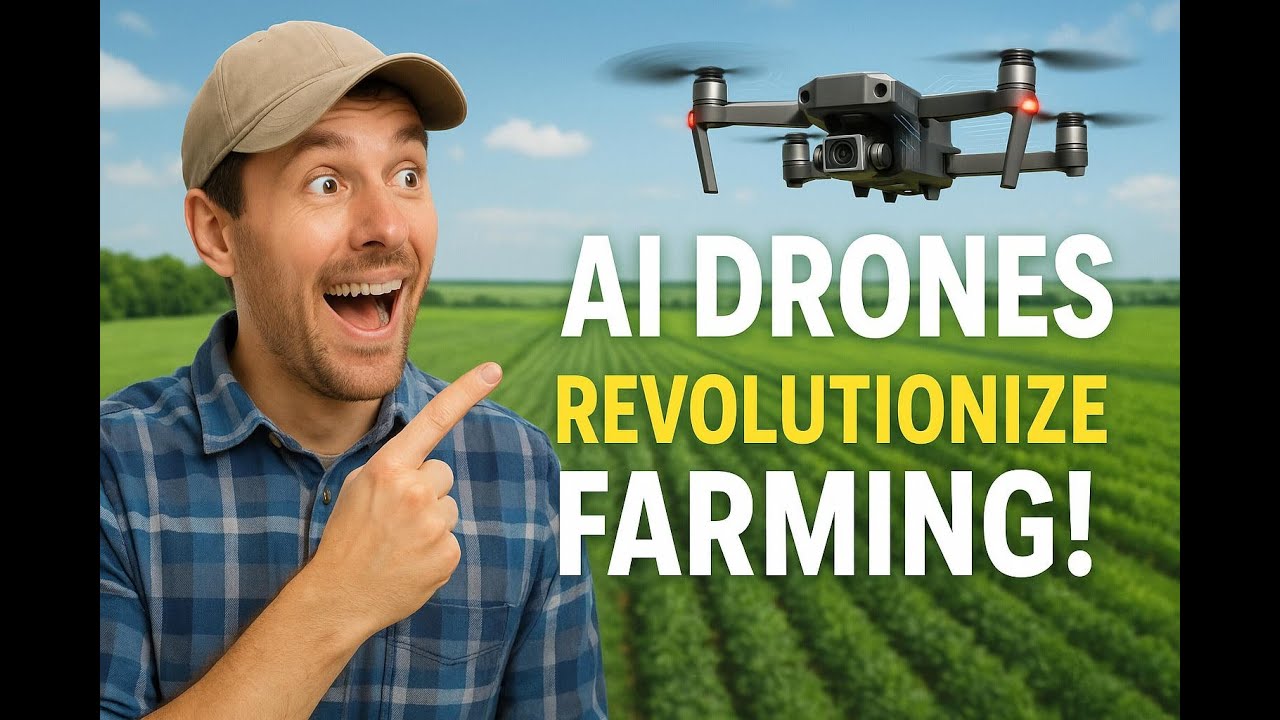
The world of agriculture has witnessed a transformative evolution in recent years, with pioneering technologies redefining the landscape of farming operations worldwide. One of the most pivotal innovations on this front is the emergence and widespread adoption of agri spray drones. As we look toward 2025 and beyond, these unmanned aerial vehicles (UAVs) are set to revolutionize ag spraying and crop management, enhancing precision, efficiency, and sustainability in every corner of the globe.
Agri spray drones, sometimes simply referred to as ag spray drones or agri sprayers, are specially designed aerial drones for crop spraying. These specifically designed UAVs apply pesticides, herbicides, fertilizers, and other agricultural inputs with a level of accuracy and efficiency that traditional methods cannot match. With the capability to cover large areas quickly, reach difficult, hilly, waterlogged or uneven fields, and operate autonomously, agri spray drones have swiftly become indispensable to modern agriculture.

The Transformative Evolution of Agricultural Spraying
Traditional agricultural spray methods have relied on tractor-mounted or handheld sprayers, with labor-intensive routines that expose workers to chemicals and lead to inconsistent application, inefficiencies, and excess chemical runoff. In contrast, emerging agri spray drones harness advanced GPS, sensors, and AI to deliver targeted, optimized spraying. Their ability to map fields in detail, adjust spray patterns based on real-time data, and apply chemicals only where needed promotes sustainable farming practices and minimizes environmental impact.
Perhaps the most exciting aspect is how ag spray drones simultaneously monitor crop health using multispectral and thermal imaging, enabling early detection of pest infestations, nutrient deficiencies, and water stress. This integration of monitoring and application in a single pass supports data-driven decisions, bolsters productivity, and improves yields—critical as we look to feeding a growing global population sustainably by 2026 and beyond.
“Seven key technological advances in agri spray drones are reshaping crop management practices worldwide.”

Comparison Table of Agri Spray Drone Advances (2020 vs 2025 Estimates)
| Advancement Area | 2020 Value/Status | 2025 Estimated Value/Projection | Key Benefits |
|---|---|---|---|
| Spray Precision (meters) | 3–5 meters | <1 meter | Reduces chemical usage; increases crop safety |
| Coverage Area per Hour (hectares) | 8–12 ha/hr | 30+ ha/hr | Quickly covers large farms; saves time |
| Pesticide Savings (%) | 15–25% | 35–50% | Lower input costs; less environmental runoff |
| Labor Reduction (%) | 20–40% | 70–80% | Less manual labor and increased safety |
| Environmental Impact Reduction (%) | 10–15% | 40–60% | Supports sustainability and regulatory compliance |

7 Ag Spray & Ag Spraying Advances for 2025 and Beyond
Let’s explore the seven key technological advances that are driving agri spray drones to the forefront of crop management worldwide:
1. Precision Spraying & GPS Mapping
Precision spraying is the cornerstone of modern agri spray drones. Using advanced GPS and sophisticated sensor arrays, these UAVs accurately map fields in detail. This sensor-based mapping enables variable-rate spraying—adjusting application rates and spray patterns in real time based on crop health data. The result? Chemicals and vital inputs are applied only where needed, reducing unnecessary application, saving money, and minimizing environmental impact.
- This approach maximizes resource efficiency and helps farmers comply with evolving environmental regulations.
- It reduces chemical runoff and supports soil and water conservation, critical for sustainability in 2026 and beyond.

Try precision AI-based crop monitoring with the Farmonaut App
2. Advanced Sensors & Imaging Integration
Agri spray drones now routinely incorporate multispectral and thermal imaging cameras alongside traditional spraying mechanisms. This synergy allows simultaneous monitoring and application—the drone can detect pest infestations, nutrient deficiencies, or water stress in crops and apply the right treatment promptly.
- Farmers can use drone-captured imagery to make data-driven decisions for targeted spraying.
- This integration improves crop health, yields, and optimizes input use, marking a new era in farm management.

Monitor crops via Farmonaut’s satellite & AI-based technology

3. AI-Driven Autonomous Operations
Artificial intelligence is at the heart of next-generation ag spraying. The latest drones plan, navigate, and execute missions automatically—identifying field borders, obstacles, and optimal spraying routes using machine learning.
- This autonomy minimizes human error, reduces labor requirements, and increases safety by limiting exposure to chemicals.
- With the ability to work in challenging conditions (such as bad weather or short spraying windows), these drones ensure that critical treatments are applied on time.
Operational efficiency and cost-effectiveness are multiplied, particularly on large or irregularly shaped farms where conventional equipment struggles.
Integrate drone and satellite data into your farm management system with the Farmonaut API.

4. Expanded Payload Capacity & Flight Endurance
One major advancement for agri spray drones between 2020 and 2025 is the rapid increase in payload capacities and longer flight times. Modern drones can carry larger volumes of pesticides, herbicides, or fertilizers and even recharge or swap batteries autonomously.
- This leap means hundreds of acres can be covered in a single operational cycle, with minimal downtime.
- Large-scale farms, orchards, and plantations now reap benefits previously only imaginable for small plots.
For forestry nurseries and specialized crops, expanded payloads and endurance empower targeted application over hilly or remote terrains.
5. Environmental Sustainability & Safety
Environmental sustainability has become central to farming operations worldwide. Agri spray drones help minimize chemical runoff, reduce resource wastage, and support regenerative agriculture by applying only what is needed, when and where it is needed.
- Reduced chemical exposure enhances safety for both farm workers and the surrounding ecosystem.
- Precision spray supports sustainable practices and helps farmers comply with environmental mandates and certifications.
Farmonaut’s Carbon Footprinting tool—learn more here—empowers users to monitor environmental impact in near-real time and make better, greener decisions.

6. Flexible Applications Across Crop Types and Terrains
Ag spray drones excel not just on row crops like wheat, maize, and soybeans, but are increasingly used for specialty agriculture—orchards, vineyards, and forest nurseries.
- Their ability to maneuver vertically and horizontally allows for precise canopy spraying in fruit trees and grapevines, where traditional equipment is hindered by uneven or muddy ground.
- Foresters utilize drones for targeted herbicide/fertilizer application to young saplings, supporting healthy forest regeneration.
- This versatility further cements drones as critical to modern sustainable agriculture.
Get insights for forest and plantation management with Farmonaut’s plantation and forest advisory.

7. Big Data Integration & Smart Farm Synergy
With the rise of the Internet of Things (IoT), big data analytics, and machine learning, agri spray drones now play pivotal roles in sophisticated farm management systems:
- Linking weather forecasts and pest population models to predictive spraying schedules.
- Allowing real-time integration with satellite-based farm management tools, like those provided by Farmonaut.
- Making farm operations more efficient, resilient, and sustainable—even as climate and market patterns shift toward 2026 and beyond.
Farmonaut’s Traceability platform—find details here—provides added trust and transparency with blockchain-backed traceability for agricultural supply chains.
Agri Spray Drone Adoption: A Worldwide Perspective
Governments, research organizations, and the agri-tech industry are investing heavily to support the adoption of agri spray drones:
- Regulatory frameworks are evolving to ensure safe drone operations and address risks like off-target spraying and secure airspace management.
- Financial incentives and training programs are driving uptake in both developed and emerging markets worldwide.
- Manufacturers continue to push innovation—developing models with higher payloads, longer life cycles, AI-driven automation, and robust environmental monitoring capabilities.
In regions with labor shortages or rapid farm consolidation, agri spray drones are quickly becoming indispensable to crop management.
Explore Farmonaut’s API for seamless integration of drone, satellite, and sensor data.
Farmonaut: Enabling Data-Driven Agriculture & Ag Spraying Innovation
At Farmonaut, we are dedicated to empowering the future of agriculture through satellite-driven, AI-augmented, and blockchain-supported solutions for both individual users and enterprises worldwide. Our platform makes it possible to monitor
crop health using NDVI, soil condition, moisture, and multispectral satellite imagery, enabling data-driven spraying schedules for farms of any size.
- Our technology supports seamless integration of drone data, weather forecasts, and farm management workflows for smarter, more precise, and sustainable operations.
- With our Jeevn AI Advisory System, farmers and businesses receive real-time insights to optimize both crop yields and resource use.
- Satellite-based verification via Farmonaut helps financial institutions assess and approve loans and insurance for agricultural and mining operations quickly and efficiently.
- Fleet management features allow for accurate tracking and optimization of farm vehicles and machinery, maximizing uptime and safety.
- Our blockchain-based tools guarantee supply chain transparency and traceability for authentic crops and products.
Developers: Integrate Farmonaut’s Satellite and Weather API for real-time agricultural intelligence.
Frequently Asked Questions: Agri Spray Drones & Smart Spraying Technology
-
Q: What are agri spray drones?
Agri spray drones are unmanned aerial vehicles (UAVs) specifically designed to apply pesticides, herbicides, fertilizers, and other agricultural inputs across a variety of crops using advanced GPS, sensor technologies, and automated, precision spraying protocols.
-
Q: How do agri spray drones improve efficiency and sustainability?
By using real-time satellite and multispectral sensor data, agri spray drones deliver targeted application—using less chemical, reducing labor, and minimizing environmental impact. Their ability to operate in diverse terrains and cover large areas quickly also boosts operational productivity.
-
Q: What crops can benefit from drone spraying?
Agri spray drones are highly flexible—suited for row crops (e.g., wheat, maize), orchards, vineyards, and even forest plantations. Drones are especially useful where traditional sprayers face limitations due to hilly, waterlogged, or irregularly shaped fields.
-
Q: Are there safety or regulatory concerns with ag spray drones?
Most countries are developing frameworks for safe drone use, focusing on controlled airspace, off-target spray mitigation, and operator certification. Drones actually reduce human exposure to chemicals and can improve compliance with environmental standards.
-
Q: How does Farmonaut support agri spray drone operations?
Farmonaut offers advanced satellite-based crop health monitoring, AI-driven advisory systems, and blockchain traceability tools that can seamlessly integrate with drone data—helping both individual farmers and businesses make smarter, data-driven decisions.
Conclusion: Looking Toward 2026 and Beyond in Agri Spraying Technology
The mass adoption of agri spray drones signals a true paradigm shift in global crop management. As these UAVs become central to farm operations worldwide, they promise not only heightened precision, efficiency, and sustainability, but also greater adaptability to environmental challenges facing agriculture in 2026 and beyond.
By blending targeted spraying, advanced AI and IoT integration, and real-time data-driven intelligence, agri spray drones will empower farmers to improve yields while protecting natural resources. Satellites, sensors, weather models, and blockchain-powered traceability will anchor a more resilient, transparent, and innovative agri-food ecosystem.
We at Farmonaut remain steadfast in our mission to make satellite-driven insights affordable and accessible worldwide. Our platform—with real-time monitoring, AI-based advisory systems, and resource management tools—is here to help you navigate the next era of smart, sustainable farming with confidence.
Ready to join the smart farming revolution? Unlock the world’s best satellite, AI, and drone-powered solutions for your agricultural operations worldwide—powered by precision, efficiency, and sustainability.

 CGIAR
CGIAR Hayleys Agriculture
 Linx Agritech
 Adinet
 Save Your Soils
 GalaxEye Space
 Grandstream Algérie
 XOS Realty
 Geospatial Lab Africa
 Agro La Gándara
 HIPSAC
 ZOL Zimbabwe
 Juligerm
 AdBio
AdBio MISE Maroc
 NWNS
NWNS Red August Group
 Farm Inc
 WeMe Global
