

Table of Contents
- Introduction: The Rise of Agriculture Autonomous Vehicles in India
- Trivia: Fun Facts about Indian Autonomous Farming (2026)
- Key Technologies Powering Indian Agriculture Autonomous Vehicles
- Field Applications: Transforming Indian Agriculture Operations
- Ecosystem Dynamics: Adoption, Service & Ownership in India
- 7 Innovations: Indian Agriculture Autonomous Vehicles for 2026
- Comparison Table of 7 Indian Agriculture Autonomous Vehicles (2026)
- Farmonaut: Enabling Data-Driven Autonomous Agriculture
- Impact, Benefits & Considerations
- Challenges and Roadmap for 2026 and Beyond
- The Future of Autonomous Farming in India: Outlook for 2026+
- FAQ: Agriculture Autonomous Vehicles in Indian Farming
- Explore Farmonaut’s Subscription Plans
Agriculture Autonomous Vehicles: 7 Indian Innovations 2026
Autonomous vehicles in agriculture are redefining India’s farming future as we advance towards 2025 and beyond, integrating precision, sustainability, and efficiency into every operation from sowing to harvest.
Today, the agricultural sector is increasingly embracing advanced agriculture autonomous vehicles (AVs) to tackle labor shortages, reduce input costs, and improve yields using world-class precision farming technology.
In India, where smallholder farms intersect with larger commercial holdings, these innovations are swiftly moving from novelty to pure necessity. In this blog, we explore 7 transformative Indian innovations—covering robust autonomous tractors, robotic harvesters, and precision spraying platforms—set to revolutionize the way our fields are cultivated and harvested in 2026 and beyond.



Trivia: Indian Autonomous Farming Moves at Lightning Speed

Key Technologies Powering Indian Agriculture Autonomous Vehicles
Agriculture autonomous vehicles are driven by a powerful mix of guidance, sensing, and AI, all integrated for demanding Indian field conditions. Let’s break down the tech backbone:
1. Guidance & Sensing Systems for Reliable Field Automation
- ✔ GNSS/RTK Precision Positioning: Autonomous farm tractors use GNSS (Global Navigation Satellite Systems) and RTK corrections to pinpoint locations at centimeter-level accuracy, ensuring each seed, fertilizer, or chemical application aligns precisely in the field.
- ✔ LiDAR, Radar, Computer Vision: Modern vehicles deploy a blend of LiDAR (for 3D terrain mapping), radar (for object detection in adverse weather), and real-time computer vision powered by AI to navigate, avoid obstacles, and align rows.
- ✔ Smart Sensors: Sensors track soil moisture, crop growth, weed pressure, and variable field conditions—enabling row following, detection, and optimal input application.
2. AI-Driven Edge Decision-Making
- 📊 Edge AI: Combines real-time data (soil, crop, moisture, nutrient) with embedded intelligence to plan and optimize seeding rates, fertilizer, irrigation, and weeding operations.
- ✔ Reducing Chemical Use: AI models enable machines to target weeds, reduce chemical input, and minimize environmental contamination.
- ✔ Data-Driven Insights: In-field AI helps detect crop health issues instantly, supporting farmers in making timely management decisions.
3. Farm Integration and Connected Systems
- ✔ Fleet Coordination: Software platforms integrate autonomous tractors, sprayers, and harvesters into a coordinated fleet, allowing precision logistics (e.g., staggered planting, real-time harvest).
- ✔ Local Language Interfaces: User-friendly interfaces and mobile apps—crucial for diverse Indian users—simplify operation, diagnostics, and maintenance of vehicles in local languages.
- ✔ Offline Capabilities: Robust connectivity, including offline processing, ensures field performance even where networks are unreliable or non-existent.

Field Applications: Transforming Indian Agriculture Operations
How are autonomous vehicles in agriculture tackling the unique challenges and opportunities in India? Here’s how these technologies are shaping efficient, resilient, and sustainable operations across a country known for diverse fields and crop types:
A. Precision Farming & Variable Plot Management
- ✔ Precise Seed Placement: AVs plant each seed at the optimal location & depth, regardless of field variability.
- ✔ Targeted Fertilization: AI and sensors adjust fertilizer rates dynamically—ensuring healthy growth without waste or runoff.
- ✔ Smart Irrigation Systems: Pairing soil moisture data with automated irrigation, vehicles reduce water usage on plots by as much as 30%.
- ✔ Boost Yield: Precision tech increases outputs on both small and large holdings.
- ✔ Save Inputs: Input efficiency means lower costs and environmental risk.
- ✔ Reduce Labor Dependence: Automation tackles labor shortages especially in peak seasons.
- ✔ Improve Compliance: Scalable for residue-free and sustainable certification schemes.
- ✔ Integrate Easily: Modular vehicles and friendly interfaces allow both smallholders and agri-businesses to benefit.
Efficient, accurate row alignment and reduced operator fatigue.
Minimizes chemical drift, saves on pesticide spend, and improves output health.
Synchronizes seed application with real-time soil variability.
Cut water usage and energy cost via targeted, data-driven irrigation.
B. Weeding and Spraying: Reducing Inputs & Increasing Crop Health
Autonomous weeding robots and intelligent sprayers are transforming how Indian fields are managed—adopting non-chemical and precise strategies to contain costs and environmental impact.
- ✔ Intelligent Sprayers: Minimize drift and maximize every drop of chemical, improving field sustainability.
- ✔ Autonomous Weed Detection: Real-time weed targeting reduces chemical use up to 70% for certain vegetable and cereal crops.
- ✔ Compliance: These AVs help India comply with international minimum residue norms and certifications.
Regularly update AV software to harness the latest AI-driven weed identification and optimize input usage automatically!
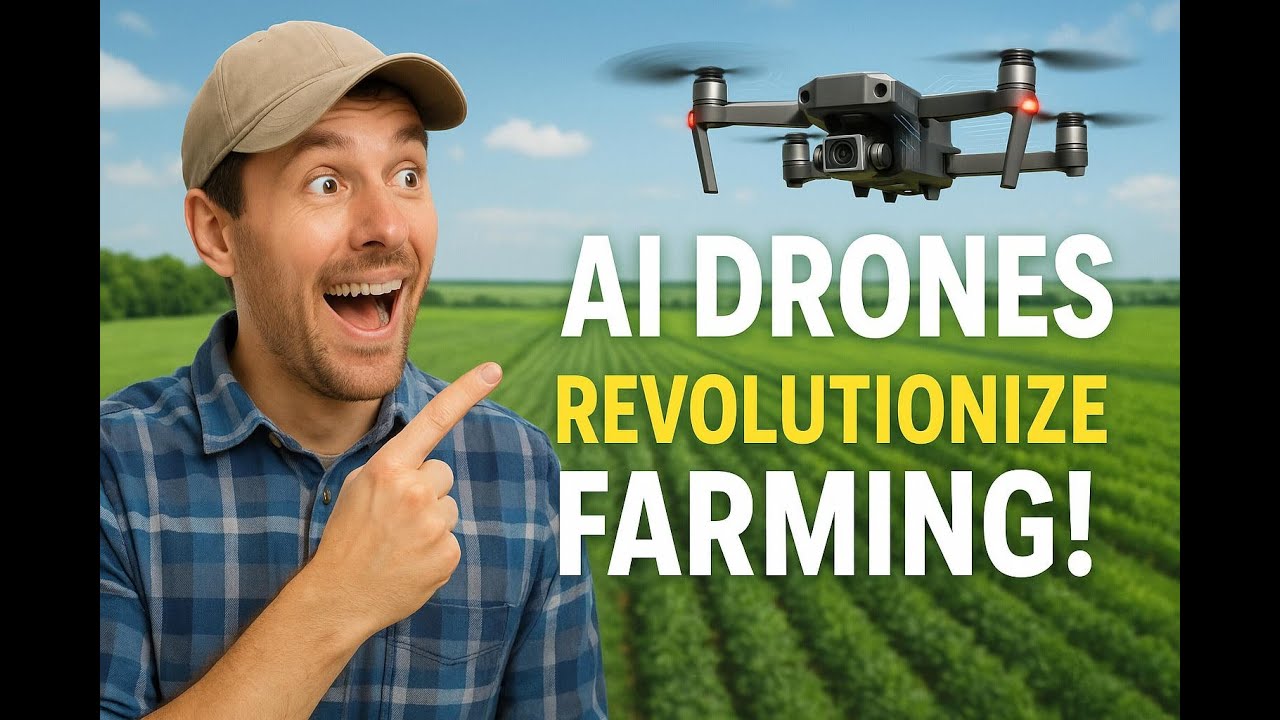
C. Harvest, Logistics, and Timely Operations
- ✔ Robotic Harvesters: Timely, unbiased collection supports both smallholder and large-scale harvest operations.
- ✔ Self-Driving Transport: AVs enable quick movement to storage, processing, or market hubs, linked with GPS and route-optimizing AI, critical for perishable goods in remote fields.
- ✔ Reduced Post-Harvest Loss: Synchronized operations and real-time status updates with apps help reduce spoilage and wastage.
D. Smallholder Enablement & Rural Technology Adoption
- ✔ Semi-autonomous Models: Affordable, easy-to-drive machines designed for plots below 2 acres—ideal for Indian smallholders.
- ✔ Local Language Interfaces: In-built guided maintenance and operational support in key Indian languages boost adoption and minimize downtime.
- ✔ Guided Maintenance: Apps support users with how-to guides, troubleshooting, and nearby technician networks.
Farmonaut’s Large Scale Farm Management platform provides a digital dashboard for land managers and enterprises, integrating remote sensing and data-driven intelligence for monitoring fields and machinery at scale.

Ecosystem Dynamics: Adoption, Service & Ownership in India
The robust adoption of agricultural autonomous vehicles in India is powered by a complex but opportunity-rich ecosystem—spanning innovative ownership, scalable support, and local technology adaptation.
OEMs, Startups & Service Networks
- ✔ OEM Innovation: Manufacturers are integrating autonomy, Cummins-powered platforms, and modular control systems for robust Indian field performance.
- ✔ Agri-Tech Startups: Local startups drive disruptive features—AI-based weeding robots, app-integrated diagnostics, and rental AV models.
- ✔ Service Centers: Regional technician networks assure maintenance support and user confidence, especially for Indian smallholders.
Affordable Ownership: Finance, Leasing, & Pay-per-Use
- ✔ Rental & Cooperative Models: Shared autonomous fleet ownership and AV rental services lower capital barriers for smallholders.
- ✔ Government Programs & Subsidies: Precision farming incentives (e.g., for energy-efficient tractors/sprayers) accelerate adoption and sustainability.
- ✔ Insurance & Financial Access: Satellite-driven verification for loans/insurance (Farmonaut Crop Loan & Insurance) streamlines asset ownership and risk management nationwide.
- ✔ Local Adaptation: Systems are field-tested for Indian soil, climate, and plot types.
- ⚠ Connectivity: AVs must reliably function in low/variable network conditions—offline-ready is essential.
- 🛡 Safety: All machines feature robust fail-safes, remote monitoring, and emergency manual override options.
- 💻 Data Governance: Clear protocols ensure data privacy, cloud integration, and transparency on field operations.
- 🔧 Upskilling: Field techs and operators are being trained in AV maintenance, data interpretation, and digital agriculture management.

7 Innovations: Indian Agriculture Autonomous Vehicles for 2026
Indian innovation in autonomous vehicles in agriculture is at the global forefront. Here are the seven most impactful AVs projected to shape Indian fields in 2026:
-
AgroBot-AI Tractor
Fully-autonomous tractor designed for row crops, horticulture and cereals, integrating GNSS, AI, and computer vision for reliable navigation on variable Indian fields. -
Prakriti SprayMaster
Autonomous, battery-electric field sprayer with targeted chemical application using AI-enabled weed and pest identification, drastically reducing input use. -
KisanMini Autonomous Weeder
Lightweight, semi-autonomous weed management robot, optimally sized for smallholder and fragmented plots with local-language interfaces. -
Harvex Robotic Harvester
Next-generation robotic harvester designed for cereals, oilseeds, and pulses; leverages real-time field sensing to optimize cutting, threshing, and grain collection in remote fields. -
KrishAI Seeder
AI-guided precision seeder with customizable modules for varied crops—mathematically engineered for maximal output with minimal resource waste. -
Drishti Cummins AV Platform
A modular, purpose-built platform powered by Cummins, the Drishti integrates seeding, spraying, and tillage via advanced GPS, sensors, and cloud connectivity for efficient large-scale farming in Indian conditions. -
Sahyadri FleetDrone Transporter
Self-driving grain and produce transporter for intra- and inter-farm movement, designed to ensure optimum logistics and reduce post-harvest loss even in remote or rugged terrain.
Comparison Table of 7 Indian Agriculture Autonomous Vehicles (2026)
| Vehicle Name | Manufacturer/Startup | Core Functionality | Technology Used | Estimated Cost (INR) | Field Efficiency (Acres/hr) | Sustainability Impact |
|---|---|---|---|---|---|---|
| AgroBot-AI Tractor | AgroMach India | Sowing, tillage, hauling | AI, GNSS/RTK, Computer Vision, Sensors | ₹14-18 Lakh | 3.0 | Up to 25% input reduction, 16% CO₂ savings |
| Prakriti SprayMaster | Prakriti Robotics | Precise spraying (fertilizer/pesticide) | AI, Cameras, Smart Spray Sensors | ₹8-11 Lakh | 2.5 | Up to 60% chemical reduction, 20% CO₂ drop |
| KisanMini Autonomous Weeder | Kisan Robotics | Autonomous weed management | AI, Smart Vision, Edge Sensors | ₹3-5 Lakh | 1.2 | 70% reduction in herbicide use |
| Harvex Robotic Harvester | HarvestX India | Robotic harvesting | AI, GPS/RTK, Multispectral Cameras | ₹20-30 Lakh | 4.5 | 10% improvement in harvest timeliness, 15% less spoilage |
| KrishAI Seeder | KrishAI Labs | Precision seeding/planting | AI, Smart Sensors, Variable Rate Tech | ₹6-9 Lakh | 2.0 | Up to 18% seed input savings |
| Drishti Cummins AV Platform | Drishti Technologies | Multi-purpose (seeding, spraying, tillage) | AI, Cummins engine, GPS, Integration APIs | ₹22-28 Lakh | 4.2 | 25% total input savings, significant CO₂ reduction |
| Sahyadri FleetDrone Transporter | Sahyadri AV | Produce transport, harvest logistics | AI, GPS, Route Optimizing Sensors | ₹5-8 Lakh | 3.5 | 10% reduction in post-harvest loss, lower fuel emissions |
Note: Estimated prices and performance/impact data are for illustration purposes and may vary by model, region, and feature package.
Farmonaut: Enabling Data-Driven Autonomous Agriculture
At Farmonaut, we are proud to empower the next generation of precision farming by delivering affordable, satellite and AI-driven data to all levels of Indian agriculture. Our platform seamlessly integrates with autonomous vehicle decision systems by providing:
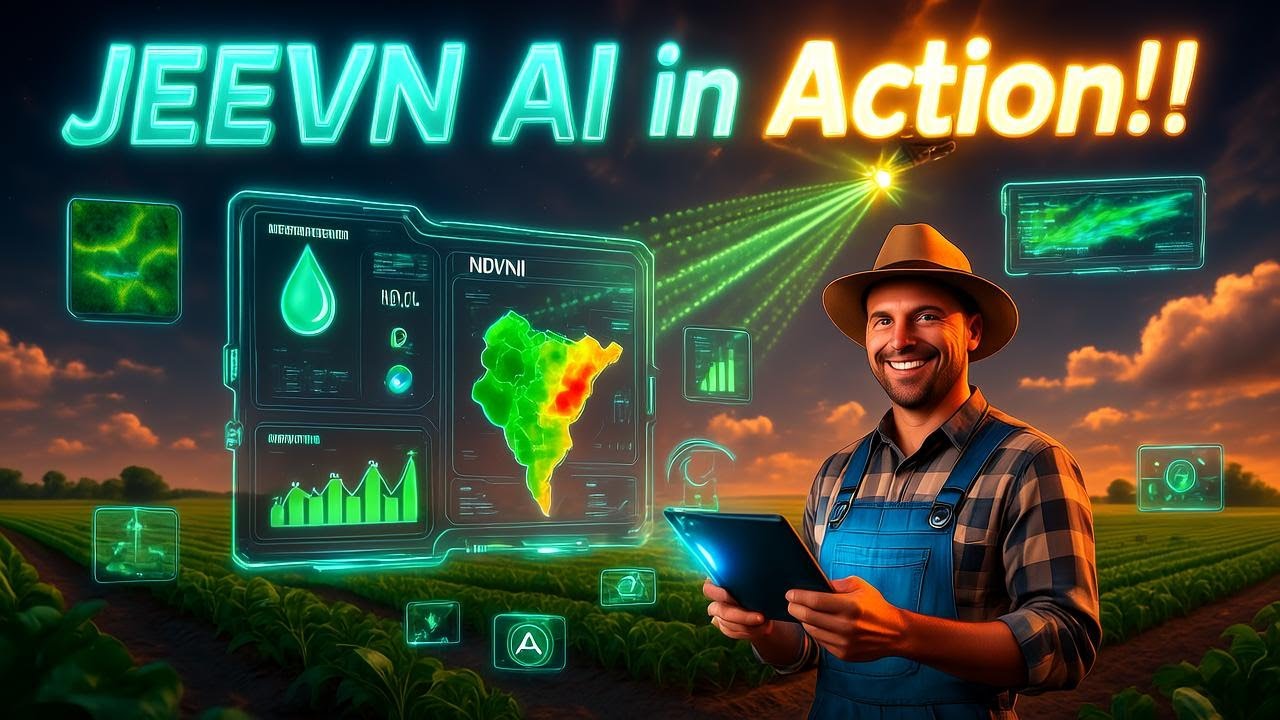
- ✔ Satellite Monitoring & Real-time Crop Data: Farmonaut delivers remote NDVI, crop health, and soil moisture mapping to inform autonomous field machines, optimize input use, and improve yields.
- ✔ AI-based Jeevn Advisory System: Live operational insights and predictive alerts assist AVs and farmers alike in timely, climate-adaptive decision-making.
- ✔ Blockchain Traceability: We offer transparent, tamper-proof tracking for crop origin and input compliance, supporting residue-free and export certification needs.
- ✔ Fleet & Resource Management: Our digital tools optimize both human and AV fleet usage, reducing costs and improving maintenance scheduling.
- ✔ Environmental & Carbon Impact Monitoring: Real-time monitoring supports compliance with evolving government regulations and market demands for sustainable farming operations.
Explore our Fleet Management tools – maximize field logistics, coordinate human and autonomous assets, and ensure safety and efficiency in every operation.
For developers, our API and Developer Docs enable seamless integration of satellite, weather, and crop data into any autonomous vehicle or agricultural management system.
Impact, Benefits & Considerations
A. Productivity Gains & Operational Efficiency
- ✔ More Effective Acreage: AVs operate extended hours; higher field coverage per day, maximizing yields during short seasonal windows.
- ✔ Fatigue-Free Operations: Automated driving and job sequencing reduce human labor pressure and operator fatigue.
- ✔ Timely Logistics: Synchronized tasks (planting, spraying, harvest) reduce delays and mitigate risk from unpredictable weather or market shifts.
Reduce Input Use
Up to 60% cut in chemicals for weeding & spraying.
Water Efficiency
Targeted irrigation to improve sustainability.
Minimize Soil Impact
Soil compaction reduced with lighter, precisely-controlled AVs.
Cut Post-Harvest Loss
Automated logistics ensure timely transport even from remote fields.
B. Input Efficiency & Environmental Sustainability
- ✔ Precision Spraying: Only weeds/pests receive chemicals, improving crop health and reducing residue risk.
- ✔ Optimized Nutrient Management: Data-driven fertilizer dosing improves soil health and cost efficiency.
- ✔ Reduced GHG Emissions: Efficient routing, battery electrification, and coordinated runs reduce fleet fuel use and enable robust carbon-footprinting for compliance and reporting.
Our Crop Plantation/Farm Advisory service empowers data-driven decisions for every crop season, optimized via satellite and AI analysis.
C. Safety, Uptime & Workforce Impact
- ✔ Minimized Injury Risks: Manual labor hazards (tractors, sprayers) are reduced, as AVs automate strenuous tasks.
- ✔ Remote Oversight: Real-time alerts allow quick intervention in case of errors or mechanical issues.
- ✔ Upskilling Workforce: Focus shifts from manual tasks to digital skills and maintenance, creating new rural jobs and careers.
Challenges and Roadmap for 2026 and Beyond
A. Costs, Financing & Accessibility
- ⚠ High Upfront Investment: Initial AV/robot purchase or fleet setup costs still remain out-of-reach for many, but are softening thanks to rental, pay-per-use, and cooperative ownership models.
- ⚠ Parts & Service Accessibility: Improving rural distribution and local technician networks is essential for scalable adoption.
- ✔ Flexible Credit: Satellite-based loan verification now improves financing access for underserved regions.
B. Connectivity & Data Privacy
- ✔ Offline-Ready Systems: AVs designed for rural India must offer robust decision-making even in low-connectivity fields.
- ⚠ Data Security: All data (yields, input use, operational logs) must be well-governed, transparently stored, and controlled by end users.
- ✔ Integration APIs: Farmonaut’s open APIs enable seamless linking of vehicle, satellite, and weather streams for dynamic farm management—even on basic networks.
C. Standards, Regulation & Local Adaptation
- ✔ Evolving AV Standards: India’s governments and FPOs are aligning AV safety, pesticide application, and environmental controls for local crops and farming systems.
- ✔ Customization: AV software/hardware is increasingly modular and interface-localized in Indian languages.
- ⚠ User Training: Farmer field schools and demo days are essential to build confidence, especially for smallholders and women farmers.

The Future of Autonomous Farming in India: Outlook for 2026+
By 2026, autonomous agricultural vehicles in India will no longer be just R&D pilots—they’ll be embedded in mainstream farm management, especially among large and semi-commercial operations but increasingly on smallholder fields.
- ✔ Reliable Cummins-powered platforms, robust sensor suites, and farmer-focused digital service ecosystems are enabling truly scalable, rugged AV deployment.
- ✔ Integration with satellite and AI-driven data platforms ensures precision in everything from planting to harvest, improving sustainability and resilience.
- ✔ Coordinated AV-Fleet Models are optimizing logistics, reducing operational costs, and minimizing environmental impacts across diverse Indian regions.
- ✔ Upskilled Labour: Labor roles will shift to digital technicians, data analysts, and fleet coordinators—fostering new career and entrepreneurship opportunities in India’s rural sector.
At Farmonaut, we continue to invest in platforms that bring affordable precision, transparency, and sustainability to every plot and field—small or large—across the nation.
FAQ: Agriculture Autonomous Vehicles in Indian Farming
Q1: What are agriculture autonomous vehicles?
Agriculture autonomous vehicles (AVs) are self-driving tractors, robots, and transporters equipped with AI, sensors, and GPS to automate farm operations—such as sowing, weeding, spraying, and harvest—in the field with minimal human intervention.
Q2: How are autonomous vehicles in agriculture beneficial for Indian farmers?
They improve productivity through timely field operations, reduce labor pressure, cut input (chemical, seed, water) usage via precision application, and minimize environmental impact—making farming more efficient and sustainable.
Q3: Are autonomous farm tractors and robots accessible to smallholders?
Yes. Indian innovation has led to affordable, semi-autonomous models (rentable or co-owned), with local-language interfaces and community-based service networks designed for small and fragmented plots.
Q4: What role does data play in AV-driven farming?
Data from satellites, sensors, and edge AI powers optimal seeding, spraying, and harvesting—enabling field-by-field and even row-by-row precision for variable Indian conditions.
Q5: How can I integrate satellite, weather, or crop data into my AV platform?
Developers and businesses can use Farmonaut’s API (developer docs) to easily add real-time satellite, weather, and advisory intelligence to their existing AV and agricultural systems.
Explore Farmonaut’s Subscription Plans
Unlock advanced satellite, AI, and blockchain tools for farm monitoring, crop management, traceability, and fleet logistics—with scalable, affordable subscription packages for individuals, businesses, and governments.
Ready to transform your own fields with the power of automation, AI, and data-driven decisions? Get started with Farmonaut’s web or mobile apps today:
Conclusion: The crossroads of innovation and tradition in Indian agriculture has never been more exciting. With agriculture autonomous vehicles and the advent of robust, intelligent systems, farmers can look forward to a future of higher productivity, lower inputs, and a sustainable path to rural prosperity—powered by data, technology, and Indian ingenuity.
Discussion
Questions, corrections or field experience? Share them below. First-time comments are reviewed before they appear, and your email is never published.
No comments yet. Be the first to add a question or your experience.

 Pistachio ST
 Field Capacity
 Abhishta Agri
 Indosistim Teknologi
 Liquify Digital
 CU Foods
 BeyondTech Global
 Rouge VC
 AgroGreen Dynamics
 AgroRisk
 Oath Inc
 Reddane Farming
 Esri North East Africa
 Cresol
 MDCV UK
 Etech Consulting Madagascar
 Vestlandsforsking
