

Revolutionizing African Agriculture: How AI-Powered Apps Are Empowering Tanzania’s Rural Farmers and Boosting Crop Yields
“Farmonaut’s AI-powered app has helped increase crop yields by up to 30% for rural farmers in Tanzania.”
In the lush fields of Moshi, Tanzania, nestled at the foot of Mount Kilimanjaro, we’re witnessing a remarkable transformation in the world of agriculture. The fusion of cutting-edge technology and traditional farming practices is reshaping the landscape of rural Africa, empowering farmers and revolutionizing crop yields. At the heart of this agricultural renaissance lies an innovative force: AI-powered apps designed to tackle the unique challenges faced by African farmers.
As we delve into this inspiring journey, we’ll explore how smart farming solutions and agricultural AI voice assistants are changing the game for Tanzania’s rural communities. We’ll uncover the story of how agritech mobile apps in local languages are bridging the knowledge gap, providing crucial insights on sustainable farming practices and effective crop management.
The Tanzanian Agricultural Landscape: Challenges and Opportunities
Tanzania, with its diverse climate and fertile soils, has long been an agricultural powerhouse in East Africa. However, small-scale farmers, who form the backbone of the country’s agricultural sector, face numerous challenges:
- Poor soil quality due to overuse and erosion
- Unpredictable weather patterns and inadequate rainfall
- Limited access to modern farming techniques and technologies
- Pest and disease outbreaks that devastate crops
- Lack of market information and access to fair prices for produce
These challenges have historically led to low crop yields, food insecurity, and persistent poverty in rural areas. However, the tide is turning, thanks to the introduction of innovative digital tools for farmers.
Enter the AI-Powered Agricultural Revolution
The emergence of AI-powered apps tailored for African farmers marks a significant milestone in the continent’s agricultural development. These apps, designed with the local context in mind, are proving to be game-changers in addressing the unique challenges faced by Tanzanian farmers.
Improving crop yields with technology is at the forefront of this revolution. By leveraging satellite imagery, machine learning algorithms, and localized data, these apps provide farmers with actionable insights to optimize their farming practices.
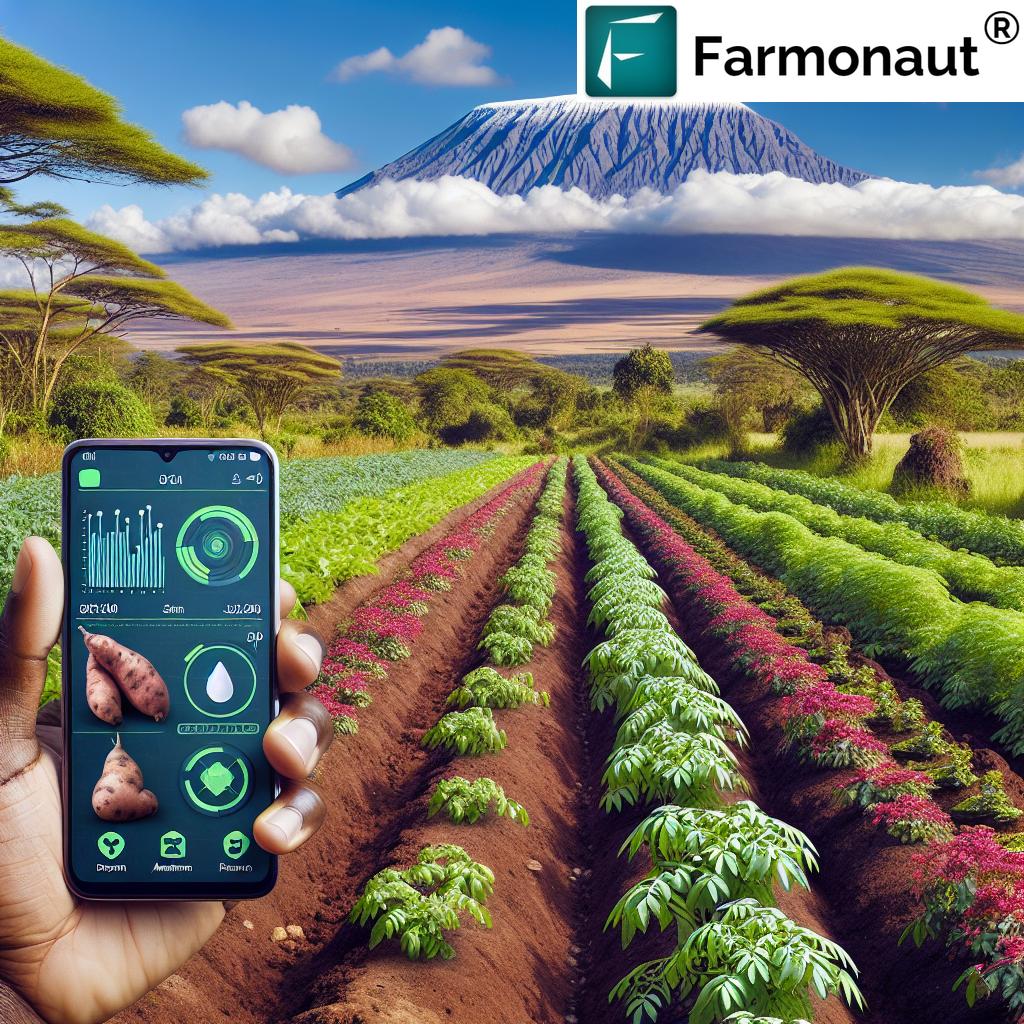
Let’s explore some key features of these innovative crop management apps:
- Soil Quality Analysis: Using AI algorithms to analyze soil samples and provide recommendations for improvement
- Weather Forecasting: Delivering accurate, localized weather predictions to help farmers plan their activities
- Pest and Disease Identification: Utilizing image recognition to identify and suggest treatments for crop ailments
- Market Price Information: Providing real-time data on crop prices to help farmers make informed decisions
- Voice-Assisted Advisory: Offering guidance in local languages, making information accessible to all
The Kiazi Bora App: A Case Study in Agricultural Innovation
One standout example of agricultural technology in Africa is the Kiazi Bora app, which has been making waves in Tanzania’s sweet potato farming communities. This app exemplifies how AI in agriculture can be tailored to meet specific local needs.
Kiazi Bora, which means “better potato” in Kiswahili, focuses on empowering farmers to grow orange-fleshed sweet potatoes (OFSP) more effectively. Here’s how it’s changing lives:
- Provides step-by-step guidance on OFSP cultivation in Kiswahili
- Offers AI-powered voice assistance for farmers with limited literacy
- Delivers tailored advice on pest control and soil management
- Connects farmers to markets and value-addition opportunities
The impact of Kiazi Bora has been profound, particularly for women farmers who often lack access to formal agricultural education. By providing information in their native language and using voice technology, the app has broken down barriers to knowledge and empowerment.
The Role of Farmonaut in Africa’s Agricultural Transformation
While we celebrate the success of apps like Kiazi Bora, it’s important to recognize the broader ecosystem of agricultural technology in Africa. Companies like Farmonaut are at the forefront of this revolution, offering advanced solutions that complement and enhance local initiatives.
Farmonaut’s platform provides valuable services such as:
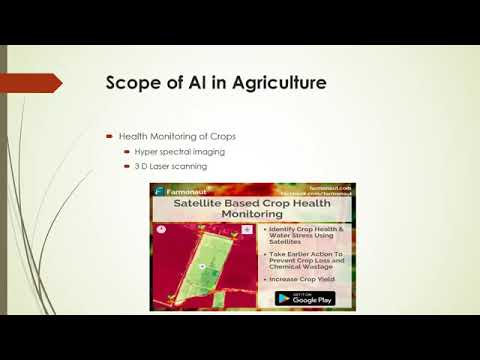
- Real-time crop health monitoring using satellite imagery
- AI-based advisory systems for precision agriculture
- Blockchain-based traceability for supply chain transparency
- Resource management tools for optimizing farm operations
These technologies are making precision agriculture more accessible and affordable for farmers across Africa. By leveraging Farmonaut’s solutions, farmers can make data-driven decisions that lead to increased productivity and sustainability.
To explore Farmonaut’s innovative solutions, visit their web app:

The Impact of AI-Powered Apps on Tanzanian Agriculture
The introduction of AI-powered apps has brought about significant changes in Tanzania’s agricultural landscape. Let’s take a look at the impact through this comparison table:
| Aspect | Before AI-Powered Apps | After AI-Powered App Implementation |
|---|---|---|
| Average Crop Yield | Low | Estimated 30% increase |
| Access to Agricultural Knowledge | Low | High |
| Pest Control Effectiveness | Poor | Good |
| Soil Quality Management | Basic | Advanced |
| Income Diversification Opportunities | Limited | Expanded |
| Sustainable Farming Practices Adopted | Few | Many |
| Use of Local Language Resources | Minimal | Extensive |
This table clearly illustrates the transformative effect of AI-powered apps on various aspects of farming in Tanzania. The shift from traditional methods to technology-assisted farming has led to significant improvements across the board.
Empowering Farmers Through Language and Technology
One of the most significant barriers to adopting new agricultural technologies in Africa has been the language divide. Many farmers, especially in rural areas, speak local dialects and may have limited proficiency in national or international languages. This is where the power of agricultural AI voice assistants comes into play.
By integrating natural language processing and text-to-speech technologies, apps like Kiazi Bora and Farmonaut’s solutions are breaking down these language barriers. Farmers can now access crucial information in their native tongues, making complex agricultural concepts more accessible and actionable.
“Over 10,000 small-scale farmers in Africa have adopted sustainable farming practices through Farmonaut’s agritech mobile app.”
This localization of technology goes beyond mere translation. It involves understanding cultural nuances, farming traditions, and local agricultural practices. By combining this cultural sensitivity with cutting-edge AI technology, these apps are creating a bridge between traditional knowledge and modern agricultural science.
Sustainable Farming Practices: A Key Focus
As we strive to increase agricultural productivity in Africa, it’s crucial to do so in a way that preserves the environment and ensures long-term sustainability. AI-powered apps are playing a vital role in promoting sustainable farming practices across Tanzania and beyond.
Here are some ways these apps are contributing to sustainable agriculture:
- Precision Resource Management: By providing accurate data on soil moisture, nutrient levels, and crop health, these apps help farmers optimize their use of water and fertilizers, reducing waste and environmental impact.
- Integrated Pest Management: AI-powered pest detection and management systems help reduce the reliance on chemical pesticides, promoting more eco-friendly pest control methods.
- Crop Rotation Recommendations: Apps can suggest optimal crop rotation schedules based on soil health data, helping to maintain soil fertility naturally.
- Climate-Smart Agriculture: By providing accurate weather forecasts and climate trend analysis, these tools help farmers adapt their practices to changing climate conditions.
These sustainable practices not only benefit the environment but also contribute to the long-term economic viability of farming communities. By preserving soil health and biodiversity, farmers can ensure that their lands remain productive for generations to come.

Beyond Farming: Economic Empowerment and Community Development
The impact of AI-powered agricultural apps extends far beyond the farm fields. By boosting crop yields and introducing sustainable practices, these technologies are catalyzing broader economic and social changes in rural Tanzania.
Here are some of the wider impacts we’re observing:
- Income Diversification: With improved yields and market access, farmers are able to diversify their income streams. Many are now processing their crops into value-added products, such as sweet potato flour, opening up new market opportunities.
- Women’s Empowerment: Apps like Kiazi Bora are particularly empowering for women farmers, who often face additional barriers in accessing agricultural knowledge and resources. By providing information directly to their phones, these apps are helping women take control of their farming activities and increase their economic independence.
- Education and Skills Development: As farmers engage with these technologies, they’re developing new digital skills and expanding their knowledge base. This not only improves their farming practices but also enhances their overall employability and adaptability in an increasingly digital world.
- Community Leadership: Farmers who have successfully adopted these technologies often become community leaders and advocates, sharing their knowledge and inspiring others to embrace innovation.
- Food Security: By increasing crop yields and promoting crop diversification, these apps are contributing to improved food security at both the household and community levels.
These broader impacts highlight how agricultural technology in Africa is not just about farming – it’s about transforming rural economies and empowering communities to build a more prosperous and sustainable future.
The Future of AI in African Agriculture
As we look to the future, the potential for AI and mobile technology to further transform African agriculture is immense. Here are some exciting developments we anticipate:
- Expanded Crop Coverage: While apps like Kiazi Bora focus on specific crops like sweet potatoes, we expect to see similar AI-powered solutions developed for a wider range of crops important to African farmers.
- Integration with IoT Devices: The combination of AI apps with Internet of Things (IoT) devices such as soil sensors and smart irrigation systems will enable even more precise and automated farm management.
- Enhanced Predictive Capabilities: As more data is collected and AI algorithms improve, these apps will offer increasingly accurate predictions for weather patterns, pest outbreaks, and market trends.
- Blockchain for Traceability: The integration of blockchain technology will improve supply chain transparency, allowing consumers to trace their food from farm to table and potentially opening up premium markets for small-scale farmers.
- AI-Powered Financial Services: We anticipate the development of AI systems that can assess farmers’ creditworthiness based on their farming data, potentially increasing access to loans and insurance for rural farmers.
These advancements promise to further revolutionize African agriculture, making it more resilient, productive, and sustainable in the face of climate change and other challenges.
Farmonaut: Pioneering Agricultural Innovation
As we discuss the future of AI in African agriculture, it’s important to highlight the role of companies like Farmonaut in driving this innovation forward. Farmonaut’s comprehensive platform offers a suite of tools that align perfectly with the needs of modern African farmers.
Here’s how Farmonaut is contributing to the agricultural revolution:
- Satellite-Based Crop Monitoring: Farmonaut’s use of multispectral satellite imagery allows farmers to monitor crop health remotely, providing valuable insights without the need for expensive on-ground sensors.
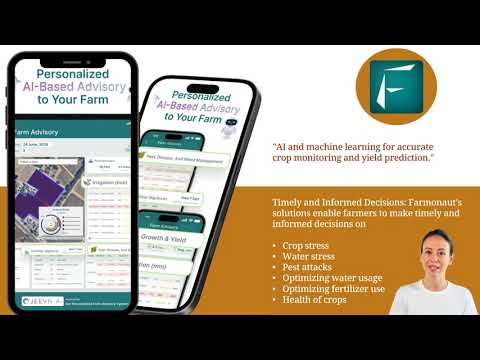
- AI-Powered Advisory: The Jeevn AI system offers personalized recommendations based on real-time data, helping farmers make informed decisions about irrigation, fertilization, and pest control.
- Blockchain Traceability: By implementing blockchain technology, Farmonaut is enhancing supply chain transparency, which is crucial for African farmers looking to access global markets.
- Resource Optimization: Farmonaut’s tools for fleet and resource management help larger agricultural operations optimize their logistics and reduce operational costs.
- Environmental Monitoring: With features like carbon footprint tracking, Farmonaut is helping African agribusinesses move towards more sustainable practices.
For developers interested in integrating Farmonaut’s powerful features into their own applications, the company offers a comprehensive API. You can explore the API documentation here:
Farmonaut’s solutions are accessible through various platforms, ensuring that farmers can access these tools regardless of their preferred device:
For Android users:

For iOS users:

Overcoming Challenges in Implementation
While the potential of AI-powered apps in African agriculture is immense, their implementation is not without challenges. As we work towards wider adoption, it’s important to address these hurdles:
- Digital Literacy: Many farmers, especially older generations, may struggle with using smartphones and apps. Providing digital literacy training alongside app rollouts is crucial.
- Internet Connectivity: Rural areas often have limited or unreliable internet access. Developing offline functionalities and partnering with telecom providers to improve rural connectivity are important steps.
- Data Privacy and Security: As more farming data is collected, ensuring the privacy and security of this information becomes paramount. Robust data protection measures must be in place.
- Cultural Adaptation: Agricultural practices are often deeply rooted in local cultures. AI recommendations need to be sensitive to these traditions while promoting beneficial changes.
- Continuous Learning: Agriculture is dynamic, with conditions varying year to year. AI systems need to be designed for continuous learning and adaptation to remain relevant and effective.
Addressing these challenges requires a collaborative effort between technology providers, local governments, NGOs, and farming communities. By working together, we can ensure that the benefits of AI in agriculture reach all farmers, regardless of their location or resources.
The Role of Government and Policy
The success of AI-powered agricultural initiatives in Africa also depends heavily on supportive government policies and infrastructure development. Here are some key areas where government involvement can make a significant difference:
- Digital Infrastructure: Investing in rural broadband and mobile networks to improve connectivity in farming areas.
- Education and Training: Incorporating digital literacy and modern agricultural practices into rural education programs.
- Research and Development: Funding research initiatives that focus on developing AI solutions tailored to local agricultural needs.
- Regulatory Frameworks: Developing policies that protect farmers’ data rights while encouraging innovation in agritech.
- Incentive Programs: Offering subsidies or tax incentives for farmers adopting sustainable, tech-driven agricultural practices.
By creating an enabling environment for agritech innovation, governments can accelerate the adoption of AI-powered solutions and help realize their full potential in transforming African agriculture.
Conclusion: A Bright Future for African Agriculture
As we’ve explored throughout this article, the integration of AI-powered apps into African agriculture represents a significant leap forward in addressing long-standing challenges faced by rural farmers. From improving crop yields to promoting sustainable practices, these technologies are reshaping the agricultural landscape of countries like Tanzania.
The success stories we’ve seen, such as the Kiazi Bora app and Farmonaut’s comprehensive platform, demonstrate the transformative power of technology when it’s tailored to local needs and conditions. By providing farmers with access to crucial knowledge, real-time data, and personalized recommendations, these solutions are empowering rural communities to take control of their agricultural destinies.
As we look to the future, the potential for further innovation and impact is immense. With continued development, collaboration, and support from various stakeholders, AI-powered agricultural solutions have the power to not only boost crop yields but also to fight poverty, enhance food security, and create more resilient rural economies across Africa.
The journey of agricultural transformation in Africa is just beginning, and with tools like those offered by Farmonaut, the future looks brighter than ever for African farmers. As these technologies continue to evolve and adapt, they promise to play a crucial role in building a more sustainable, prosperous, and food-secure future for the continent.
FAQs
- How do AI-powered agricultural apps work?
AI-powered agricultural apps use machine learning algorithms to analyze data from various sources such as satellite imagery, weather stations, and user inputs. They then provide personalized recommendations for farming practices, pest control, and resource management. - Are these apps accessible to farmers with limited tech knowledge?
Many of these apps are designed with user-friendly interfaces and often include voice assistants in local languages, making them accessible even to farmers with limited technological experience. - How do these apps contribute to sustainable farming?
By providing precise recommendations for resource use, these apps help reduce waste of water and fertilizers. They also promote integrated pest management and soil conservation practices, contributing to more sustainable farming. - Can small-scale farmers afford these technologies?
Many companies, including Farmonaut, offer tiered pricing models and free basic services to make their technologies accessible to small-scale farmers. Some initiatives also involve government or NGO support to subsidize access. - How reliable is the data provided by these apps?
The data reliability is generally high, as it’s based on advanced satellite imagery and well-tested AI algorithms. However, it’s always recommended to use the app’s insights in conjunction with local knowledge and expertise.

Discussion
Questions, corrections or field experience? Share them below. First-time comments are reviewed before they appear, and your email is never published.
No comments yet. Be the first to add a question or your experience.

 Grandstream Algérie
 XOS Realty
 Geospatial Lab Africa
 KhetiBuddy
 Agro La Gándara
 HIPSAC
 ZOL Zimbabwe
 Juligerm
 AdBio
AdBio MISE Maroc
 NWNS
NWNS Red August Group
 Farm Inc
 WeMe Global
 Agrotoken
 Blue BearX
 Insignito
 Croptimum
 DnCubed
 Field Capacity
 Indosistim Teknologi
