

Tomatoes · Crop nutrition guide
Calcium Deficiency in Tomatoes: Treatment in 5 Steps
Blossom end rot comes from too little calcium reaching the fruit, and the soil often holds plenty (UW-Madison). Five steps from US extension services: test and lime, water evenly, choose the right calcium source, balance N, K and Mg, and spray young fruit.
Key takeaways
- Blossom end rot is a calcium shortage in the fruit, not a disease; UW-Madison says the soil often holds enough calcium and uptake or transport is the problem.
- Even soil moisture is the first treatment: drought followed by heavy watering cuts the calcium flow to fruit (Penn State, Clemson).
- Lime to about pH 6.5 if the soil test calls for it; use gypsum (22% Ca) when pH is right but calcium is low, and calcium nitrate (15.5-0-0, 19% Ca) as a side-dress (Clemson, TFI).
- Avoid ammonium nitrogen, excess potash and Epsom salt, which compete with calcium (UW-Madison, Clemson).
- Calcium chloride sprays work best on young fruit: in a Queensland study fruit were susceptible 9 to 15 days after flowering, and leaves did not pass sprayed calcium on to fruit.
In this article
- Calcium deficiency in tomatoes treatment at a glance
- What blossom end rot is, and what it is not
- What calcium does in a tomato plant
- Why tomatoes run short of calcium
- Symptoms on fruit and leaves
- Step 1. Test the soil and set pH near 6.5
- Step 2. Keep soil moisture even
- Step 3. Choose the right calcium source
- Step 4. Balance nitrogen, potassium and magnesium
- Step 5. Spray calcium on young fruit at the right time
- Protect roots, mulch, and choose tolerant varieties
- What not to rely on
- Peppers, eggplant, watermelon and squash
- A season plan for preventing blossom end rot
Treatment for calcium deficiency in tomatoes starts with water, not with a bag of calcium. Blossom end rot, the sunken black patch on the bottom of the fruit, is caused by a lack of calcium in the fruit, yet the University of Wisconsin notes that more often there is plenty of calcium in the soil and the plant simply cannot move it to the fruit. Even watering, a soil pH near 6.5, nitrate instead of ammonium nitrogen and a soil test before you add calcium fix most cases.
This guide gives the five treatment steps in the order growers should apply them, with rates from US university extension services. It adds three charts built from published data and a calculator that tests whether a calcium nitrate side-dress pays for itself on your own field. Readers in Canada, the UK, Europe, Australia and New Zealand can use the same steps; check local product labels and rules.
Calcium deficiency in tomatoes treatment at a glance
The table sums up the five steps. Each one has its own section below with the source behind it.
| Step | What to do | Why it helps | Source |
|---|---|---|---|
| 1. Test soil, fix pH | Lime to about pH 6.5; use gypsum if pH is right but calcium is low | Calcium is easier for roots to take up near neutral pH | Clemson Extension |
| 2. Water evenly | Keep soil moist but not soggy; mulch | Calcium moves to fruit with the water stream | UW-Madison, Penn State |
| 3. Right calcium source | Side-dress calcium nitrate (15.5-0-0) if a test shows a need | Supplies calcium and nitrate nitrogen together | Clemson Extension, TFI |
| 4. Balance N, K and Mg | Avoid ammonium nitrogen, excess potash and Epsom salt | These ions compete with calcium for uptake | UW-Madison, Clemson Extension |
| 5. Spray young fruit | Calcium chloride sprays weekly, 3 or 4 times, when symptoms start | Fruit skin absorbs calcium; leaves do not pass it on | Virginia Tech, Queensland DPI |
Remove fruit that already shows the black patch. Damaged tissue does not recover, but fruit set after you fix the cause should develop normally.
What blossom end rot is, and what it is not
Blossom end rot (BER) is a physiological disorder, not an infection. No fungus or bacterium starts it, so fungicides do not cure it. The Clemson Home and Garden Information Center states that the cause of this disorder is a calcium deficiency in the developing fruit. Rot fungi and bacteria often move into the dead patch later, and that can fool growers into thinking the problem is a disease.
The “blossom end” is the bottom of the tomato, opposite the stem, where the flower was attached. Cells there are the last to receive calcium from the plant’s water stream. When supply falls short during rapid growth, those cells collapse first.
The same disorder hits peppers, eggplant, watermelon, squash, zucchini and cucumber. Calcium shortage also shows up in other crops under other names: tip burn in lettuce, black heart in celery and bitter pit in apples, according to the Fertilizer Institute’s calcium fact sheet.
How much does it cost? Losses range from negligible to severe depending on the weather, according to Virginia Tech Extension. A peer-reviewed glasshouse study by Sun and colleagues cites earlier work showing the disorder may cut marketable yield by up to 50%. Most seasons fall well below that, but a single dry spell during fruit set can damage a whole flush of fruit.
What calcium does in a tomato plant
Calcium is a secondary nutrient, but plants need it in fair amounts. The TFI fact sheet explains that calcium plays a key role in cell wall structure and membrane integrity. It also helps cells stretch as they grow, takes part in enzyme and hormone processes, and affects how roots take up other nutrients. Strong cell walls also resist attack by fungi and bacteria.
A tomato fruit grows fast in its first weeks. Each new cell needs calcium to build its wall. When supply drops behind growth at the blossom end, membranes leak, cells die and the tissue collapses into the familiar dark patch. That is why the timing of supply matters more than the season total.
Soil usually holds a large store of calcium. TFI notes that total calcium in non-calcareous temperate soils normally ranges from 0.7 to 1.5%, and calcareous soils may hold up to 25%. Yet it is common to have less than 100 lb of calcium per acre actually dissolved in the soil water at any time. Roots draw on that small soluble pool, which is why moisture swings matter so much. On calcareous soils, the challenge is usually high pH and nutrient balance rather than a calcium shortage.
A 40-ton-per-acre tomato crop takes up about 30 lb of calcium in the harvested portion, according to TFI. Compare that with alfalfa, at 175 lb for 8 tons. The fruit’s calcium demand is modest; getting calcium to the right place at the right time is the hard part.
Why tomatoes run short of calcium
Calcium is a slow mover. It travels in the xylem, the plant’s water pipes, and goes wherever water is pulled hardest. Leaves lose far more water than fruit, so leaves win. UW-Madison explains that calcium is not later redistributed from leaves to fruits. Once calcium is locked in a leaf, the fruit cannot borrow it back.
That is why BER can appear in soil that tests high in calcium. The factors below block uptake or steer calcium away from fruit:
- Uneven moisture. Drought, then heavy watering, interrupts the flow. Clemson lists extreme swings in moisture first among the risk factors.
- Waterlogged or cold soil. Roots that lack air or warmth take up less calcium.
- Root damage. Hoeing or cultivating close to plants cuts feeder roots. Nematodes and root rot have the same effect.
- Competing nutrients. High levels of ammonium, potassium and magnesium in soil reduce calcium uptake.
- Too much nitrogen. Lush leaves pull extra calcium into the canopy and away from fruit.
- Humidity extremes. Very humid air slows water movement through the plant. Low humidity with hot, windy weather can also limit transpiration and stop calcium reaching fruit, UW-Madison notes.
- Acid soil. Below about pH 5.5, aluminum and manganese rise and interfere with calcium uptake, Penn State Extension notes.
The first fruit of the season are hit hardest, because they often set while roots are still small and the weather swings between cool and hot.
The ion balance matters. In the glasshouse trial charted below, xylem sap carried more potassium than calcium under both watering methods. The authors also found that BER rose with the fruit’s potassium-to-calcium ratio. That is the reason extension services warn against heavy potash when BER is a problem.
Chart
Ions in tomato xylem sap under two watering methods
mol per cubic metre, glasshouse trial, same reduced water volume
Symptoms on fruit and leaves
On fruit, BER starts as a small, water-soaked spot that looks like a bruise. It grows, turns dark brown to black, and becomes sunken and leathery. Penn State Extension describes a sunken, brownish black spot 1⁄2 to 1 inch in diameter on the blossom end. Virginia Tech adds that in severe cases it covers one-third to one-half of the fruit surface, and notes that the disorder is seen most often on fruit that is one-half to two-thirds of full size.
Some fruit look sound outside but show brown, shrunken tissue inside when cut. This internal form is easy to miss until harvest. Affected fruit also tend to ripen early.
Leaf symptoms are less common in the field, because leaves are where calcium goes first. When a plant is short of calcium overall, the youngest leaves and growing tips suffer: new leaves may be small, distorted or scorched at the edges, and the growing point can die back. The TFI fact sheet lists abnormal growing points as a calcium deficiency sign. If you see these leaf signs, a soil test is urgent, because the shortage is in the soil and not just in the fruit.
Look-alikes to rule out
- Sunscald: a pale, papery patch on the side facing the sun, not on the bottom.
- Anthracnose: round, sunken spots with rings, anywhere on ripe fruit.
- Bacterial spot: small raised scabs, often with spots on leaves too.
- Growth cracks: splits around the shoulders after drought and then heavy rain or watering.
Step 1. Test the soil and set pH near 6.5
Do not add calcium blind. Clemson advises that the soil should be limed according to recommendations of a soil analysis report to bring pH to 6.5. Limestone works slowly, so Clemson suggests applying it 3 to 6 months before planting and tilling it in.
Lime raises pH and adds calcium. If pH is already right but calcium is low, use gypsum (calcium sulfate) instead, which adds calcium without changing pH. Clemson gives 1 to 2 pounds of gypsum per 100 square feet, tilled in before planting. The University of Maryland suggests 1/4 cup of gypsum in each planting hole where soil calcium is low.
Penn State Extension adds a useful point for field growers: calcium sulfate (gypsum) and magnesium sulfate (Epsom salts) are not liming materials. Gypsum will not fix acid soil. If your soil is acid and low in magnesium, dolomitic lime supplies both calcium and magnesium; if magnesium is already high, calcitic lime is the better pick.
Tomatoes remove less calcium in the harvested crop than many field crops, as the chart shows. The fruit’s problem is distribution inside the plant, not total demand. That is why a soil test showing adequate calcium should push you toward steps 2 and 4 instead of more fertilizer.
Chart
Calcium removed in the harvested crop
lb of calcium per acre at the stated yield level
Step 2. Keep soil moisture even
Water is the main treatment. Penn State says that a consistent and ample supply of moisture keeps calcium flowing from soil to fruit. Clemson’s pepper guide puts it simply: keep the soil uniformly moist but not saturated, and do not let it dry out between waterings.
Practical ways to do that:
- Use drip irrigation. The Kentucky commercial tomato guide recommends raised beds with plastic mulch and drip irrigation, and warns that moisture under the plastic must be kept relatively constant.
- Avoid dry-then-flood cycles. The same guide notes that letting soil dry and then applying large volumes of water leads to problems, including BER.
- Mulch. Straw, shredded leaves or plastic mulch slows evaporation and keeps soil temperature steady.
- Measure, do not guess. Tensiometers or soil moisture sensors show when the root zone is drying. In one UF/IFAS drip trial in Florida, tomatoes irrigated at -10 centibars of soil tension yielded more than those kept drier at -15 centibars.
- Plan for heat waves. Plants transpire faster in hot, windy weather, so water demand climbs quickly.
- Drain wet spots. Waterlogged roots take up less calcium, so raised beds help on heavy soil.
Even watering also cuts fruit cracking, which Penn State links to rapid fruit growth and wide swings in water supply.
Water deficits raise BER risk, but the way water is cut back matters. In the study by Sun and colleagues, tomatoes given the same reduced amount of water had less BER when the water went to one side of the roots at a time (partial root-zone drying) than when it was spread evenly (deficit irrigation). The authors credit higher plant water status and better calcium uptake. For most growers the lesson is simpler: avoid stress during fruit set.
Step 3. Choose the right calcium source
If a soil test shows a real calcium shortage, pick a source that fits your pH and timing. The Fertilizer Institute’s table of common calcium sources lists the calcium content of each, charted below.
Chart
Calcium content of common sources
% calcium by weight; chelated products shown at the top of their 2-5% range
- Calcitic limestone (32% Ca): raises pH; slow. Apply months before planting.
- Gypsum (22% Ca): no pH change; before planting or as a side-dress.
- Calcium nitrate (19% Ca): fast; soluble; supplies nitrate nitrogen. Use as a side-dress or through drip.
- Calcium chloride (36% Ca): soluble; used mainly as a fruit spray (step 5).
- Chelated calcium (2 to 5% Ca): low content; mainly foliar products.
For tomatoes in the ground, Clemson calls a calcium nitrate (15.5-0-0) side dress fertilizer the usual best choice, applied monthly at 2 pounds per 100 feet of row. Clemson also notes that if BER appears because no lime or gypsum went on before planting, gypsum at 1 to 2 pounds per 100 square feet as a side-dress has helped.
Calcium nitrate counts toward your nitrogen budget. Every 100 lb of product supplies about 15.5 lb of nitrogen, so cut other nitrogen to match. On commercial fields, rates per acre should come from your soil test lab or extension service; the calculator below shows the cost side and the value of fruit you might save.
Check the label and local rules before applying any fertilizer, and get advice from your extension office or a certified crop adviser for field rates.
Try the numbers for your own farm below.
Calculator
Does a calcium nitrate side-dress pay for itself?
Enter your own field size, rate, prices and BER losses.
- Calcium nitrate needed: 1,000 lb
- Bags of 50 lb: 20.0 bags
- Calcium supplied: 190 lb
- Nitrogen supplied per acre: 31.0 lb/acre
- Product cost: 600 US$
- Value of fruit saved: 600 US$
Example values only, set near break-even; they are not a benchmark or a forecast. Use your soil test lab’s or extension service’s rate, and today’s prices. Calcium nitrate (15.5-0-0) is about 19% calcium (TFI) and 15.5% nitrogen, so reduce other nitrogen to match. The ‘share of loss saved’ is your own judgement: calcium helps only when calcium is short, and water is the main fix. Check the product label and local rules.
Step 4. Balance nitrogen, potassium and magnesium
Many BER problems are fertilizer problems. UW-Madison advises growers to use nitrate rather than ammonium forms of nitrogen fertilizer and not to over-fertilize. Clemson lists ammonium sulfate, ammonium nitrate and complete fertilizers such as 10-10-10 as sources of ammonium nitrogen to avoid for side-dressing.
- Nitrogen: too much drives leafy growth that pulls calcium into the canopy. Penn State notes that BER is more serious after excess nitrogen.
- Potassium: high potash competes with calcium. Follow the soil test, not a fixed rate.
- Magnesium: Epsom salt is a magnesium source. Both Clemson and the University of Maryland say do not add it unless a soil test shows magnesium is low.
- Phosphorus: Virginia Tech suggests light applications of superphosphate can help. Very high phosphorus rates lowered yields on unlimed soil in one UF/IFAS trial, so stay with soil test rates.
Fertilizer timing matters too. Virginia Tech advises against overfertilizing during early fruiting, which is when the first trusses are most at risk.
Step 5. Spray calcium on young fruit at the right time
Sprays are a back-up, not a cure. Virginia Tech says that foliar applications of calcium can be used but they are not always effective. Its rate is 4 teaspoons of 96% calcium chloride per gallon of water, applied weekly until 3 or 4 sprays have been made. Repeated sprays can scorch leaf edges.
Why are results mixed? A Queensland Department of Primary Industries study using labelled calcium found that tomato leaves absorbed sprayed calcium quickly, but almost none moved from the leaves to the fruit. Fruit absorbed calcium through the skin, and young fruit absorbed the most. In that study, fruit developed BER only from 9 to 15 days after flowering, and a calcium chloride spray on fruit at that stage raised calcium at the blossom end by more than 30% within 48 hours.
So aim sprays at the fruit, not just the leaves, and time them for roughly the first 15 days after the flowers on each truss open. A spray on mature green fruit comes too late for that fruit. Adding a surfactant did not increase absorption in the Queensland work.
Read the product label before spraying, and test on a few plants first if you use a product for the first time.
Protect roots, mulch, and choose tolerant varieties
Healthy roots take up more calcium. A few habits help:
- Cultivate shallowly or not at all near plants, and control weeds with mulch.
- Do not plant into cold soil. Virginia Tech advises against setting plants out too early and against sudden, severe hardening before transplanting.
- Control root-knot nematodes, which damage the root system.
- Choose varieties with a record of BER tolerance. Clemson keeps a table of tomato cultivars with resistance, and UW-Madison advises growing varieties less likely to show the disorder.
What not to rely on
- Epsom salt: adds magnesium, which competes with calcium. Use only if a soil test shows low magnesium.
- Extra calcium on soil that already tests adequate: it will not solve a water or nitrogen problem.
- Fungicides: BER is not a disease, so they do not treat it.
- Leaf-only calcium sprays: calcium absorbed by leaves stays there.
- Gypsum to raise pH: gypsum does not change pH; use lime for acid soil.
Peppers, eggplant, watermelon and squash
The same causes and steps apply across fruiting vegetables. On peppers, the patch is often tan rather than black and can form on the side of the fruit near the blossom end, according to Virginia Tech; UW-Madison notes that pepper spots can look like sunscald. Clemson’s pepper guide recommends a side-dress of 5 pounds of calcium nitrate (15.5-0-0) per 1,000 square feet three to four weeks after planting, plus even watering.
Watermelon and squash show the same dark, sunken patch at the flower end. Our separate guide to blossom end rot on zucchini and tomato covers those crops (linked at the end).
A season plan for preventing blossom end rot
Treatment works best as a plan that starts before planting. The timeline below pulls the five steps into the order a grower meets them.
Three to six months before planting
Take a soil sample from each block and send it to a lab. Ask for pH, calcium, magnesium, potassium and cation exchange capacity (CEC). If pH is below the target, apply lime now so it has time to react; Clemson suggests 3 to 6 months. Record which blocks are sandy, which hold water and which drain slowly, because those zones will behave differently in a dry spell.
At bed making and planting
If pH is right but calcium is low, work in gypsum. Lay drip tape and mulch, and check that the system wets the whole bed evenly. Wait for warm soil before transplanting. Set stocky transplants, not stretched ones, and avoid harsh hardening that checks growth.
From first flower to first harvest
This is the danger window. Fruit on each truss are most at risk from about 9 to 15 days after their flowers open, based on the Queensland work. Keep soil moisture steady through this period, side-dress with a nitrate source if the soil test calls for it, and keep potash and nitrogen within the recommended rates. Check a few fruit on the first trusses every week; the first signs are small water-soaked spots at the bottom.
When symptoms appear
Remove affected fruit. Check irrigation records and soil moisture for the past two weeks: a dry spell or a pump fault often explains it. Fix the water first. If the soil test shows low calcium or you skipped one, start calcium nitrate side-dressing, and consider weekly calcium chloride sprays aimed at young fruit for three or four weeks.
After harvest
Map where BER was worst. Compare those spots with soil type, drainage and irrigation coverage. Next season, test those zones separately and fix drip uniformity before adding more fertilizer.
How to read a soil test for calcium
A soil report shows calcium as a quantity (often ppm or lb per acre) and sometimes as a share of the CEC. The TFI fact sheet explains that the calcium a plant can use depends on several factors: soil pH, the soil’s cation exchange capacity, and the presence of other cations. Soils with higher pH usually hold more available calcium.
Three things to look for:
- pH: Clemson, Virginia Tech and UW-Madison all point to about 6.5 for tomatoes. Penn State notes that liming beyond 7.0 ties up phosphorus with calcium or magnesium, so more lime is not better.
- Calcium against potassium and magnesium: if potassium or magnesium is very high, calcium uptake can suffer even when calcium itself reads adequate.
- CEC: sandy soils with a low CEC hold less calcium and dry out faster. They need more care with both water and fertilizer.
Ask the lab or your extension office to interpret the numbers for tomatoes in your region. Recommendations differ between labs and states.
Greenhouse, tunnel and container tomatoes
Protected crops face the same disorder with a few twists. Humidity is easier to swing in a closed house. UW-Madison notes that high humidity, or low humidity with hot, windy weather, can limit transpiration and stop calcium reaching fruit. Ventilation and shading that keep the climate steady help.
In soilless and hydroponic systems, the nutrient recipe matters. The Sun study notes that a higher potassium concentration in the nutrient solution often reduces calcium uptake in hydroponic tomatoes, raising BER risk. Keep electrical conductivity (EC) and the potassium-to-calcium balance within the ranges your supplier or adviser sets, and avoid sudden EC jumps.
Container plants dry out fast. A pot that wilts at midday and is flooded at night gives exactly the swing that causes BER. Use large containers, a mix that holds water, and drip or wicking systems where you can. The University of Maryland’s home garden guide adds gypsum to planting holes where soil calcium is low; the same logic applies to potting mixes that lack calcium.
A quick diagnosis checklist
Before you treat, confirm the cause. Work through these questions:
- Is the damage on the blossom end, opposite the stem? If it is on the sun-facing side, think sunscald.
- Is the patch dry, leathery and sunken rather than soft and spreading with rings or spores? A dry patch points to BER.
- Are the first trusses worse than later ones? That fits BER.
- Was there a dry spell, heat wave or irrigation fault two to three weeks earlier?
- Was nitrogen applied as ammonium, or were potash or Epsom salt added recently?
- Has the soil been tested for pH and calcium in the last year or two?
- Have roots been disturbed by cultivation, nematodes or waterlogging?
If most answers point to water and fertilizer, fix those before buying calcium products. If you are unsure, extension plant clinics such as the UW-Madison Plant Disease Diagnostics Clinic examine samples for a small fee.

▶ Verticillium wilt symptoms and control, a root and vascular problem to rule out when tomato plants decline. · 14:46
Monitoring a larger tomato field
BER is driven by water and growth stress, which often varies across a field. Dry sandy patches, high spots and poorly drained corners can show more damage than the rest. Walking the field after each heat wave or irrigation fault, and cutting open a sample of fruit from each zone, finds problems early.
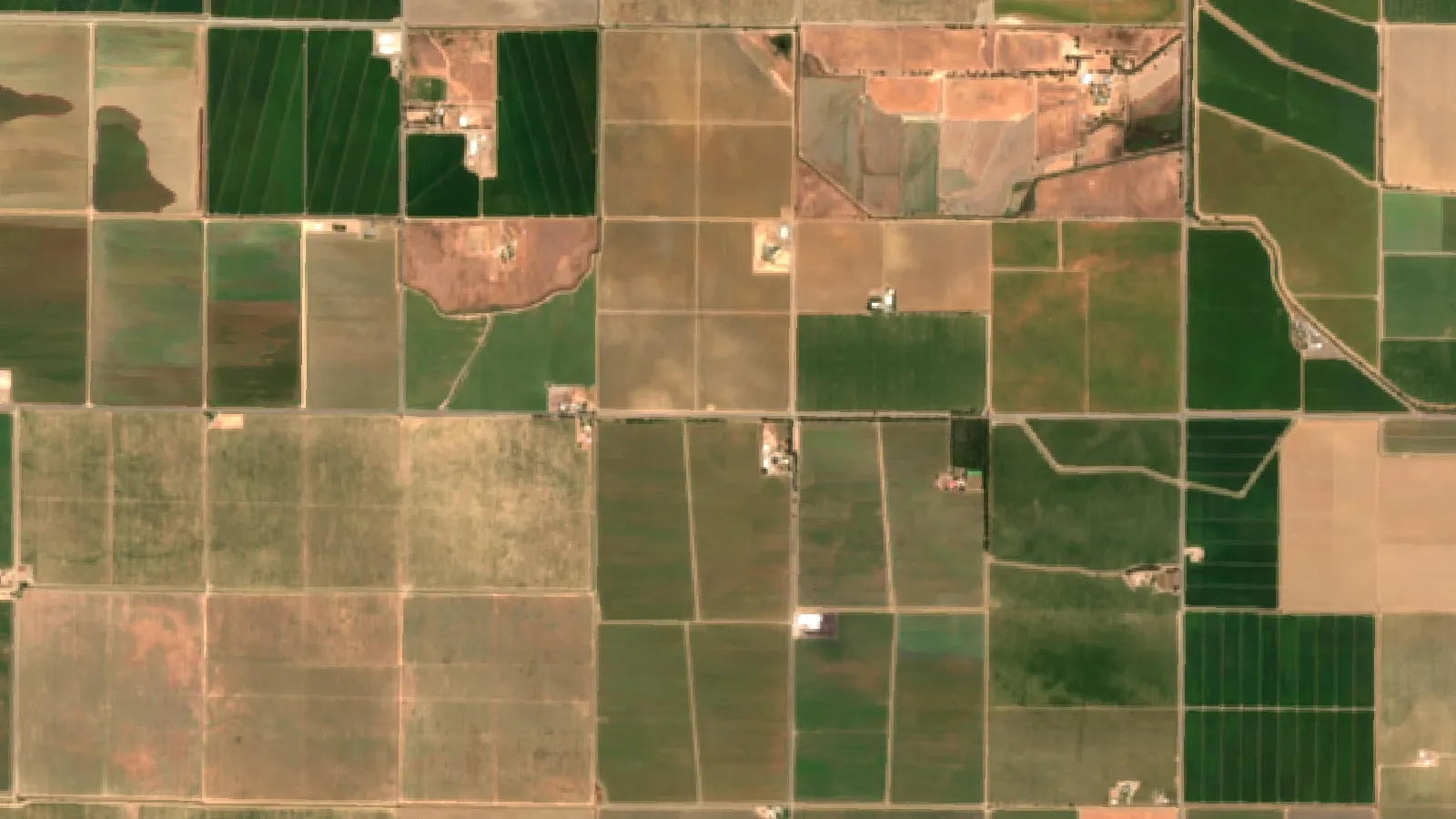
Satellite crop maps can help you decide where to walk first. Farmonaut Satellite + AI Farm Monitoring System shows vegetation and crop-water maps for fields you draw, through the season, on the web and mobile apps, and through an API and weather data API for developers. Satellites cannot see BER on individual fruit, so use the maps to target scouting and irrigation checks, not as a diagnosis.

▶ How to draw a field and read satellite crop health maps in the Farmonaut web app. · 8:43
How we checked the facts
Causes, symptoms and treatment rates come from US land-grant extension services (UW-Madison, Clemson, Penn State, Virginia Tech, University of Maryland, University of Kentucky and UF/IFAS). Fertilizer calcium contents and crop calcium removal come from the Fertilizer Institute. Spray absorption data come from a Queensland Department of Primary Industries study, and the irrigation comparison from a peer-reviewed glasshouse trial published on PubMed Central. Rates are examples for home and small-scale growers; field rates should follow your soil test.
Related pages on our site: blossom end rot on zucchini and tomato · soil and water management practices · managing calcareous soils
FAQ
What is the fastest treatment for calcium deficiency in tomatoes?
Correct the watering first, then remove damaged fruit. If a soil test shows low calcium, side-dress calcium nitrate. Calcium chloride sprays aimed at young fruit can help new fruit, but damaged fruit will not recover.
Can blossom end rot happen if my soil has enough calcium?
Yes. UW-Madison says soil often has plenty of calcium and the problem is uptake and transport. Uneven watering, root damage, too much nitrogen and excess potassium or magnesium are common reasons.
Are tomatoes with blossom end rot safe to eat?
The disorder itself is not an infection. You can cut away the damaged part if the rest of the fruit is firm and sound. Discard fruit where mold or soft rot has spread into the flesh.
Does Epsom salt help with blossom end rot?
No. Epsom salt is magnesium sulfate, and magnesium competes with calcium for uptake. Clemson and the University of Maryland advise using it only when a soil test shows low magnesium.
How often should I spray calcium chloride on tomatoes?
Virginia Tech gives 4 teaspoons of 96% calcium chloride per gallon, weekly, for 3 or 4 sprays once symptoms begin. Aim at fruit in roughly the first 15 days after flowering. Too many sprays can burn leaf edges; follow the label.
What do calcium-deficient tomato leaves look like?
The youngest leaves and growing tips are affected first: small, distorted or scorched new leaves and a dying growing point. These signs point to a soil calcium shortage, so test the soil.
Farmonaut crop monitoring
See which parts of your field are under stress
Draw your tomato fields once and Farmonaut shows satellite vegetation and crop-water maps through the season, on web, Android or iOS, so you know where to scout first.




Sources
- UW-Madison Plant Disease Diagnostics Clinic, Blossom end rot (UW Plant Disease Facts D0022, revised February 2024): hort.extension.wisc.edu
- Clemson Cooperative Extension HGIC, Tomato diseases and disorders: hgic.clemson.edu
- Clemson Cooperative Extension HGIC, Pepper: hgic.clemson.edu
- Penn State Extension, Tomato diseases and disorders in the home garden (updated September 2025): extension.psu.edu
- Penn State Extension, Soil acidity and aglime: extension.psu.edu
- Penn State Extension, Tomato production: extension.psu.edu
- Virginia Cooperative Extension, Blossom end rot of tomato (publication 450-703, 2009): vtechworks.lib.vt.edu
- Barke, R.E., Absorption and translocation of calcium foliar sprays in relation to the incidence of blossom-end rot in tomatoes, Queensland Journal of Agricultural and Animal Sciences 25 (1968): era.daf.qld.gov.au
- Sun, Feng and Liu, Comparative effect of partial root-zone drying and deficit irrigation on incidence of blossom-end rot in tomato under varied calcium rates (PubMed Central PMC3638833): pmc.ncbi.nlm.nih.gov
- The Fertilizer Institute, Calcium fact sheet (Nutrition Facts series): tfi.org
- University of Maryland Extension, Growing tomatoes in a home garden: extension.umd.edu
- University of Kentucky Cooperative Extension, Tomatoes (commercial production profile): publications.ca.uky.edu
- UF/IFAS, History of tomato production and fertilization research in Florida (CV236): edis.ifas.ufl.edu
Discussion
Questions, corrections or field experience? Share them below. First-time comments are reviewed before they appear, and your email is never published.
No comments yet. Be the first to add a question or your experience.

 Fair Climate Fund
 TVS Electronics
 BW Pipelines
 WICO
 Gen Chayat
 Chimera Innovation
 SkyHarvest
 Polaris Digitech
 Teledarbas
 Wild Oak Farm
 SFX
 BACF Africa
 Doodlakine
 Exurbia Geospatial
 FieldZero
 Indico Company

 Licence holder · Niger · Gold
 Client · Tanzania · Gold
 Client · Somalia · Gold
 Client & affiliate partner · Ghana · Gold










