

CO2, Calcium Deficiency in Chilli Plants: 7 Fixes for Sustainable Yield and Quality in 2025
“Up to 40% of chilli yield loss in 2025 is linked to CO2 and calcium deficiencies in plants.”
Table of Contents
- Summary: Calcium Deficiency in Chilli Plants—Challenges & Modern Management
- Understanding Calcium Deficiency in Chilli Plants
- CO2 Deficiency, Calcium Uptake, and Nutrient Dynamics
- Comparative Solution-Impact Table: 7 Best Fixes
- Detailed Guide: 7 Fixes for Calcium & CO2 Deficiency in Chilli Plants
- Expert Video Resources on Plant Nutrient Management
- Farmonaut & Digital Nutrient Monitoring
- Midpoint Trivia
- Nutrient Management—Future Trends 2025 and Beyond
- FAQs: CO2 & Calcium Deficiency in Chilli
- Conclusion: Sustainable Nutrient Measures
- Farmonaut Subscription Options
Summary: Calcium Deficiency in Chilli Plants—Challenges & Modern Management in Global Agriculture
Calcium deficiency in chilli plants represents one of the most prevalent issues impacting plant health, fruit yield, and quality worldwide. As agriculture faces increasing demands and sustainability imperatives in 2025, managing nutrient imbalances—particularly calcium deficiency in plant tissues—and addressing CO2 deficiency in controlled environments are crucial for robust chilli cultivation.
Calcium is a fundamental structural component of cell walls and membranes, acting as a crucial signaling molecule in various physiological processes. Deficiency contributes directly to physiological disorders, lowering yield, market quality, and disease resistance. Modern nutrient management practices and digital solutions like Farmonaut empower us to proactively address these challenges for sustainable chilli production in a changing climate and market.
This comprehensive guide explores the science of CO2 and calcium deficiency in chilli plants, seven effective sustainable fixes, nutrient monitoring with satellite data, and future outlook toward 2025 and beyond.
Understanding Calcium Deficiency in Chilli Plants: Causes, Symptoms, and Soil Health
A foundational understanding of calcium deficiency in chilli plants is key to effective intervention. Let’s break down the science, symptoms, and key environmental factors governing this issue.
Why Calcium Is Vital
- Structural Role: Calcium serves as a fundamental structural component of cell walls and membranes, enabling robust tissue growth and resilience.
- Signaling Molecule: It acts as a crucial intracellular signaling molecule, governing processes like cell division, fruit set, and stress response.
- Immobility & Uptake: Calcium is relatively immobile within plants, transported mainly via the xylem with the water flow, making irrigation and transpiration strategies pivotal for supply.
How Calcium Deficiency in Chilli Manifests
Calcium deficiency in plant tissues primarily manifests as:
- Blossom-End Rot: Small, water-soaked lesions at the fruit’s blossom end that later turn brown and necrotic.
- Leaf Tip Burn & Poor Fruit Development: Margins and tips of leaves develop brown, dry patches. Fruits may be small, deformed, and poorly developed.
- Reduced Marketability: Blotched or necrotic fruits significantly reduce commercial value and yield.
Factors Contributing to Calcium Deficiency
The following factors often exacerbate calcium deficiency in chilli plants:
- Low Soil Calciums & Poor Soil Health: Insufficient calcium content in soil due to depletion, improper pH, or continuous cropping without amendment.
- Imbalanced Fertilization: Excessive potassium or magnesium application reduces calcium uptake due to ionic competition at the root interface.
- Environmental Stress & Water Management Issues: Drought, inadequate or uneven irrigation, and rapid temperature fluctuations impair transpiration, which is closely associated with calcium transport in the xylem.
- High Atmospheric Humidity or Poor Airflow: Reduces transpiration and, subsequently, calcium supply to growing tissues.
- Disturbed Transpiration Rates: Elevated atmospheric CO2 levels or CO2 fluctuations impact transpiration and nutrient flow.
Visual Symptoms Checklist
- Small, water-soaked lesions that later become brown and necrotic at fruit’s blossom-end
- Dry, burnt leaf tips especially in new growth
- Poor fruit set and stunted, deformed fruits
- Overall decline in plant vigor and health despite apparent fertility
It is therefore crucial to monitor these symptoms, test your soil, pH levels, irrigation, and review your fertilization practices to determine the underlying cause.
CO2 Deficiency, Calcium Uptake, and Nutrient Dynamics
CO2 deficiency is uncommon in open air but can arise under certain circumstances in modern protected agriculture, greenhouses, or storage with poor ventilation. The issue? Plants require CO2 for photosynthesis. A lack of CO2 restricts this process, which in turn reduces the energy available for active nutrient transport (including calcium), protein synthesis, and growth rates.
- Low CO2, Lower Calcium Uptake: Reduced photosynthetic rates under CO2 deficiency mean the plant struggles to draw, mobilize, and transport nutrients—especially calcium, which is already relatively immobile within plants.
- CO2 Fluctuations & Transpiration: Sudden spikes or drops in atmospheric CO2 can disturb transpiration rates, which impacts plant’s calcium dynamics.
- Digital Monitoring and Correction: Tools that track atmospheric CO2 as part of holistic nutrient management will become increasingly critical in 2025 and beyond.
Thus, both CO2 management and calcium correction are intertwined, particularly in modern, controlled-environment agriculture or regions adapting to climate-driven atmospheric changes.
Comparative Solution-Impact Table: 7 Best Fixes for CO2 & Calcium Deficiency in Chilli Plants
| Fix/Intervention | Estimated Impact on Plant Health/Yield (2025) | Sustainability Score (1-5) | Environmental Benefit | Ease of Implementation |
|---|---|---|---|---|
| 1. Soil Testing & pH Correction with Lime | Up to 30% improved calcium uptake, 20% yield boost | 5 | Prevents over-fertilization, supports long-term soil health | Moderate |
| 2. Balanced Fertilization (Gypsum/Calcium Nitrate) | Reduces blossom-end rot by 40%, increases marketable fruits by 25% | 4 | Minimizes overuse of potassium/magnesium; optimizes nutrient cycling | Moderate |
| 3. Consistent Irrigation Management | Reduction in calcium-related disorders by 17%, higher fruit set | 5 | Saves water, avoids nutrient leaching | Easy (with drip systems) |
| 4. Foliar Calcium Sprays (Acute Deficiency) | Instant symptom reduction in 2-3 days, 7% yield increase | 3 | Quick but may need repeated applications | High |
| 5. Optimize CO2 Levels (Greenhouse/Storage) | Up to 15% better photosynthesis & nutrient use in controlled ag | 4 | Facilitates growth while balancing emissions | Moderate (controlled env.) |
| 6. Varietal Selection & Crop Rotation | Improves long-term soil fertility, +10% yield over 2+ years | 5 | Enhances biodiversity & natural nutrient cycling | Easy |
| 7. Organic Amendments & Cover Cropping | 15-25% increase in soil organic matter & calcium holding | 5 | Reduces dependency on inorganic fertilizers; improves resilience | Medium |
Detailed Guide: 7 Fixes for Calcium & CO2 Deficiency in Chilli Plants
Here’s how to implement each fix—backed by science and practical examples—to mitigate calcium deficiency in chilli plants and manage CO2 dynamics for optimal yield and quality in 2025.
1. Soil Testing and pH Management
- Why? Calcium availability is deeply influenced by soil pH and baseline content. Ensuring optimal pH (6.0–6.8 for most chilli varieties) enables better calcium solubility and uptake.
- How? Regularly conduct soil testing at key crop growth stages—pre-sowing and pre-flowering—using lab analysis or affordable DIY kits.
- Lime Application: Apply agricultural lime (calcium carbonate) to acidic soils to raise pH and directly supply bioavailable calcium. Follow recommendations based on actual test results to avoid imbalances.
For real-time soil health monitoring and actionable insights, explore Farmonaut’s Large Scale Farm Management tools: these help large and small growers monitor soil pH and nutrient status with satellite data and AI analysis.
2. Balanced Fertilization—Avoiding Excess Potassium or Magnesium
- Why? Overuse of certain fertilizers, especially potassium and magnesium, can inhibit calcium uptake due to cation competition at plant roots.
- How? Use fertilizers like gypsum (calcium sulfate) or calcium nitrate at key fruit development stages. Maintain ratios recommended for chilli crops; avoid blanket or “one-size-fits-all” fertilization.
- Application: Prefer split application (early vegetative and early fruiting phases) to match crop needs.
- Monitor Nutrient Antagonism: If symptoms recur despite supplementation, reassess for hidden deficiencies and imbalances.
Note: Modern smart AG systems can precisely guide fertilization based on satellite and field data. See how Farmonaut’s Fleet Management suite can synchronize application schedules and optimize field tasks.

3. Consistent Irrigation Management
- Why? Calcium is carried “with the flow” in the xylem, so steady, even water supply ensures consistent delivery to actively growing tissues, especially fruits.
- Best Practice: Deploy drip irrigation or timed sprinklers; avoid over-watering or drought cycles, which can create boom-and-bust nutrient uptake scenarios.
- Monitor Soil Moisture: Use soil sensors or satellite moisture indices to avoid under- or over-irrigation.
Tip: Digital tools from Farmonaut provide field maps and monitor water stress remotely—empowering proactive irrigation decisions at scale.

4. Foliar Application of Calcium (Sprays) for Rapid Response
- Why? Foliar sprays (like calcium chloride/nitrate) deliver calcium immediately to leaves and fruits, bypassing root mobility challenges. Effective for acute stages, especially to reduce blossom-end rot.
- How? Apply at recommended dilution (e.g., 0.3% CaCl2 solution) every 7–10 days during fruiting. Ensure thorough yet gentle coverage to avoid leaf burn.
- Usage Tip: Foliar sprays are a supplement, not a replacement for soil correction. Prefer during acute deficiency or stress events.
Did you know? Overuse of foliar applications can cause salt build-up or phytotoxicity. Smart monitoring, as available in Farmonaut’s AI-based crop health platform, helps prevent over-application by visualizing plant stress signals remotely.

5. Optimizing CO2 Levels and Airflow—Controlled Environments
- Why? CO2 deficiency in greenhouses or transport restricts photosynthesis and energy for nutrient uptake (especially calcium).
- How? Ensure adequate ventilation and, if possible, controlled CO2 enrichment (e.g., bottled CO2 or composting setups for greenhouses).
- Monitor Air Fluctuations: Use CO2 sensors to prevent dips below ambient (~400-450 ppm) in growing or storage spaces.
Our Carbon Footprinting and API tools are valuable for continuous CO2 and climate data tracking—supporting both farm-level sustainability and compliance.

6. Varietal Selection & Crop Rotation
- Why? Some chilli varieties display better calcium use efficiency and less susceptibility to physiological disorders.
- How? Rotate crops with legumes, marigold, or cover crops to naturally restore nutrient profiles and break pest cycles.
- Benefit: Crop rotation improves long-term soil health, reduces dependency on chemical inputs, and diversifies farm income.
Looking for digital records or AI insights on variety selection and rotation impacts? Farmonaut traceability enables historical data audit and decision support for optimizing planting schemes.

7. Organic Amendments & Cover Cropping
- Why? Compost, green manure, and well-chosen cover crops improve soil structure, boost organic matter, and gradually increase calcium holding capacity.
- How? Incorporate compost, bone meal, or biochar into annual soil prep. Rotate with calcium-friendly cover crops like clover or vetch.
- Environmental Edge: Organic amendments reduce nutrient leaching and environmental stress while supporting biodiverse, resilient agroecosystems.
Looking beyond 2025? Explore how Farmonaut’s Crop Plantation & Forest Advisory brings regenerative nutrient management into digital planning.


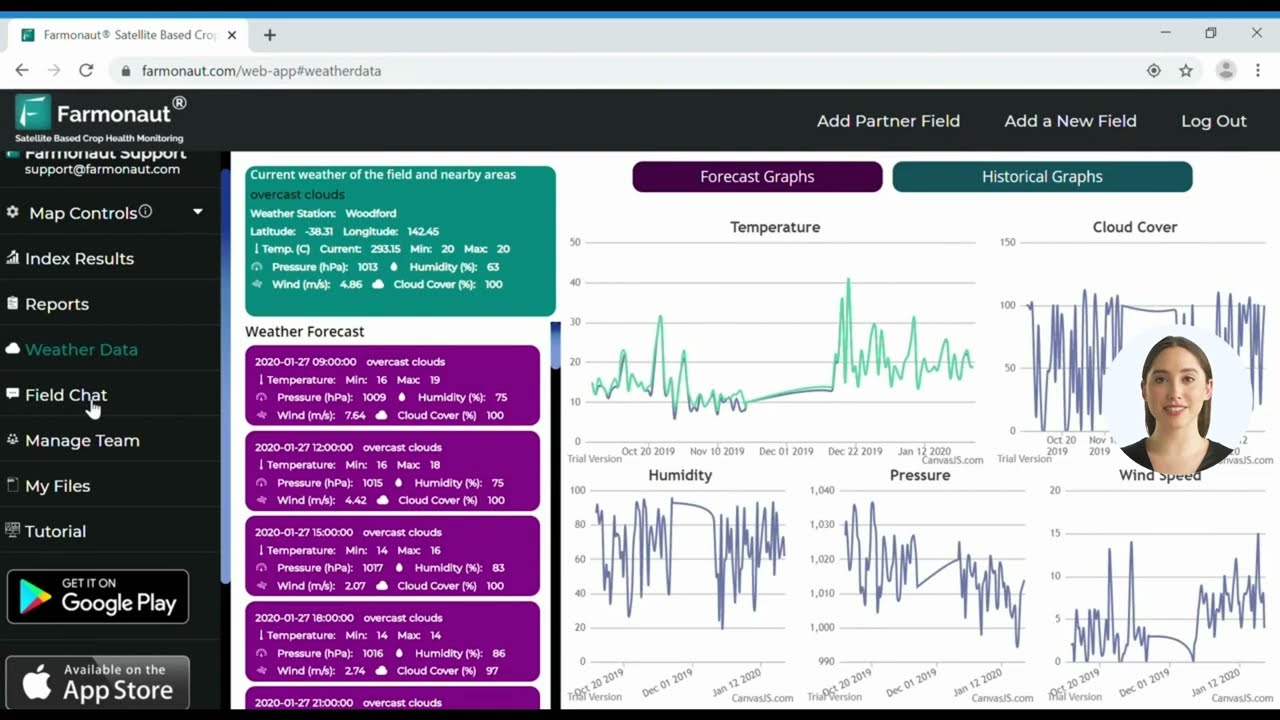



Farmonaut & Digital Nutrient Monitoring for Chilli Farming
Continuous nutrient supply and deficiency detection will be transformative for chilli and horticulture in 2025. Remote tools, like those developed by us at Farmonaut, empower growers, businesses, and governments with:
- Satellite-Based Soil & Crop Health Maps: With NDVI, chlorophyll, and moisture analytics, diagnose nutrient deficiencies (including calcium) before visible damage occurs.
- Real-Time Environmental Impact Monitoring: Quantify and track carbon footprint, implement climate-adaptive strategies, and ensure farm compliance with evolving sustainable agriculture requirements.
- AI-Based Advisory & Weather Prediction: Get actionable irrigation and fertilization guidance, reducing stress-driven calcium uptake issues.
- Blockchain Traceability: Guarantee fruit quality and origin—vital for markets demanding proof of “nutrient-efficient” and sustainable produce.
- Fleet & Resource Management: Coordinate timely application of calcium fertilizers, irrigation, and crop protection.
- Mobile, Web & API Access: Access all insights from anywhere—on Android, iOS, web, or integrate insights with your own digital ag tools via API (View API Docs).
“Proper nutrient management can reduce soil calcium depletion by 30%, boosting sustainable chilli production and quality.”
Nutrient Management—Future Trends 2025 and Beyond
The future of chilli agriculture is data-driven, resilient, and sustainable. Here’s what we can expect, and how addressing calcium and CO2 deficiency in plants sits at the epicenter of next-generation farming.
- Precision Agriculture: Integrated soil and crop-monitoring (using satellite data, drones, in-field sensors) will allow pinpoint nutrient application and real-time correction—cutting costs and losses.
- Genomics and Smart Breeding: Breeding for nutrient use efficiency—especially for calcium—will deliver varieties with stronger cell walls, better fruit set, and tolerance to fluctuating CO2 and water stress.
- Sustainable Inputs and Circular Systems: Use of compost, biofertilizers, organic amendments, and cover crops will regenerate depleted soils while minimizing external input dependency.
- Supply Chain Transparency: With traceability and blockchain, growers prove that fruits are produced using best management practices—unlocking premium, climate-smart markets in 2025.
- Continuous Digital Advisory: Digital platforms will provide context-specific, AI-based crop and field recommendations for every stage, from planting to harvest. For example, Farmonaut’s Jeevn AI delivers real-time assessment and actionable advice.
- Climate Resilience: Nutrient stress from more frequent droughts, flooding, and unpredictable CO2 fluctuations will require robust, integrated response—combining monitoring tools and adaptive practices.
Are you ready for the next era of nutrient management?
Explore Farmonaut’s Traceability Platform and Crop Loan & Insurance Solutions for a competitive edge in the marketplace.
FAQs: CO2 Deficiency, Calcium Deficiency in Chilli Plants & Sustainable Nutrient Management
-
Q: Why is calcium deficiency in plant tissues so common in chilli?
A: Chilli plants have high calcium demands during fruiting, but calcium is immobile in plants and relies on steady root uptake via the transpiration stream; inconsistent watering, imbalanced fertilization (excess potassium or magnesium), and soil pH issues often disrupt the supply. -
Q: What is the quickest fix for blossom-end rot in chillies?
A: Foliar sprays of calcium chloride or nitrate provide rapid relief, though long-term correction requires soil and irrigation adjustments. -
Q: Can CO2 deficiency really affect calcium deficiency in chilli plants?
A: Yes—especially in controlled environments. Low CO2 restricts photosynthesis and, as a result, active nutrient transport (including calcium uptake). -
Q: How can digital ag solutions help in 2025?
A: Tools like Farmonaut provide satellite monitoring, AI advisories, real-time data tracking, and blockchain traceability—making targeted, evidence-based nutrient management possible, even for smallholders. -
Q: Which fertilizer is best for correcting calcium deficiency in plant?
A: Calcium nitrate is ideal for quick uptake; gypsum supplies calcium and sulfur but is slower acting; lime adjusts pH and raises base calcium supply. -
Q: What role does irrigation play in calcium transport?
A: Calcium travels in the water stream; uneven or inadequate irrigation impairs its movement to fruits and growing tissues, triggering deficiency syndromes. -
Q: Why choose sustainable approaches?
A: Sustainable practices (cover cropping, organic amendments) build long-term soil health, reduce fertilizer dependency, and support resilient, high-quality chilli production under global climate challenges.
Conclusion: Sustainable Nutrient Management for Chilli Plants in 2025
Calcium deficiency in chilli plants and the subtle impacts of CO2 deficiency threaten both productivity and quality in modern agriculture. Addressing these challenges requires a holistic, integrated approach: soil testing, balanced fertilization (avoiding excessive potassium or magnesium), consistent irrigation, acute foliar applications, varietal selection, crop rotation, and organic matter enrichment are essential, particularly for aligning with market and environmental demands in 2025.
Incorporating real-time digital monitoring with Farmonaut and adopting climate-smart, traceable, and regenerative nutrient management strategies not only enhances yields but also builds resilience, transparency, and sustainability into the global chilli supply chain.
Let’s reimagine chilli cultivation for better plant health, empowered farmers, healthier ecosystems, and thriving markets—today and tomorrow.
Farmonaut Subscription Options for 2025
Whether you’re a small grower, agri-business, or government planner, explore flexible subscription plans for remote nutrient & crop monitoring:
Discussion
Questions, corrections or field experience? Share them below. First-time comments are reviewed before they appear, and your email is never published.
No comments yet. Be the first to add a question or your experience.

 Abhishta Agri
 SP Farms
 Indosistim Teknologi
 Liquify Digital
 CU Foods
 BeyondTech Global
 Rouge VC
 AgroGreen Dynamics
 AgroRisk
 Oath Inc
 Reddane Farming
 Esri North East Africa
 Cresol
 MDCV UK
 Zerella Group
 Etech Consulting Madagascar
 Vestlandsforsking
 Delicio
 Exploration consultancy · South Africa · Gold
 Licence holder · Niger · Gold










