

Innovation in Organic Farming: 7 Ways to Boost Yields
“Precision management can increase organic crop yields by up to 20% through targeted nutrient and water application.”
“Vertical farming uses up to 95% less water than traditional farming, revolutionizing sustainable food production.”
- Introduction: The Transformation of Organic Farming
- Why Focus on Innovation in Organic Farming?
- The 7 Game-Changing Innovations in Organic Farming
- 7 Key Innovations Comparison Table
- Precision Management
- Biological Inputs & Beneficial Microbes
- Vertical Farming Innovation
- Advanced Composting and Vermiculture
- Cover Cropping & Crop Rotation
- Remote Sensing & Digital Monitoring
- Biologicals & Integrated Pest Management (IPM)
- Intersecting Industries: Jobs & Investment
- How Farmonaut Empowers Innovation in Organic Farming
- Frequently Asked Questions (FAQ)
- Conclusion: Building a Sustainable Future with Innovation in Organic Farming
Introduction: The Transformation of Organic Farming
Organic farming has evolved from traditional, smallholder practices into a dynamic, data-driven sector shaping the sustainable future of agriculture. With rising consumer demand for chemical-free produce, the need to improve and boost yields while reducing environmental impact has never been greater. The path to high-yield, sustainable organic produce is increasingly defined by innovation in organic farming.
New tools still build on older foundations, which the core principles of organic farming lays out practice by practice.
Smart, field-tested advances are now central to scaling up organic operations for all farm sizes—from smallholder plots to large-scale farms. At the core of these innovations are sustainable soil health management, science-backed biological inputs, and cutting-edge precision management via digital tools and remote sensing. These approaches enable resilient, productive farming systems that preserve biodiversity while meeting the challenge of rising, health-conscious consumption.
Modern organic agriculture is no longer a return to the past—it’s a leap forward, combining centuries-old wisdom with next-generation technology to create resilient, climate-smart farm systems.
Why Focus on Innovation in Organic Farming?
- ✔ Boost Yields: Innovation in organic farming addresses historic yield gaps versus conventional farming by leveraging precision management and biological interventions.
- 📊 Environmental Impact: Implementing advanced composting, cover cropping, and water-use efficiency methods directly reduces chemical inputs and protects soil and water health.
- 🌱 Sustainability: Innovation creates farm systems that regenerate land, sequester carbon, and preserve biodiversity—cornerstones of a resilient planet.
- ⚡ Market Demand: Rising consumer awareness and regulatory standards increasingly reward certification and authentication, encouraging farms to produce at high quality and safety standards.
- 🤝 Scalability: From vertical farming innovation to real-time soil monitoring, today’s organic innovations are scalable and adaptable across diverse farm landscapes and business models.
What Is Driving Transformational Change?
- ✔ Spectral and sensor data for real-time soil moisture and crop health monitoring
- ✔ AI-powered advisory systems for tailored, timely interventions
- ✔ Blockchain-based traceability enabling secure, transparent supply chains
- ✔ Advanced biologicals—biopesticides, growth promoters, mycorrhizal inoculants
- ✔ Facilities and digital infrastructure supporting vertical and controlled-environment systems
- 📊 Data-driven irrigation planning and resource management
- ⚡ Automated composting and vermiculture technologies
- 🌱 Natural pest and disease suppression through IPM
- 🤝 Direct links between large farm management and real-time compliance tools, increasing certification success rates
The 7 Game-Changing Innovations in Organic Farming
Below we explore the seven most effective innovations that are redefining organic farming, supporting precision, efficiency, and sustainability:
- Precision Management
- Biological Inputs & Beneficial Microbes
- Vertical Farming Innovation
- Advanced Composting & Vermiculture
- Cover Cropping & Crop Rotation
- Remote Sensing & Digital Monitoring
- Biologicals & Integrated Pest Management (IPM)
“For optimal results, combine two or more innovations, like remote sensing with advanced composting, to maximize both yield and sustainability.”
7 Key Innovations in Organic Farming and Their Estimated Impact
| Innovation | Description | Sustainability Benefit | Estimated Yield Increase (%) | Environmental Impact | Scalability |
|---|---|---|---|---|---|
| Precision Management | Data-driven resource application via sensors, satellites, and smart advisory systems | Reduces input waste and improves water, compost, and nutrient use | 10–20% | Decreases water/fertilizer usage by 15–25% | Small, Medium, Large |
| Biological Inputs & Beneficial Microbes | Use of rhizobacteria, mycorrhizal fungi, and plant-growth promoters | Enhances nutrient cycling and resilience | 8–15% | Reduces reliance on synthetic fertilizers by 30% | Small, Medium, Large |
| Vertical Farming Innovation | Stacked, controlled-environment production using hydroponics, aeroponics, or organic techniques | Maximizes space, year-round production, minimal resource use | 15–25% | Up to 95% less water; near-zero chemical input | Medium, Large (urban/peri-urban) |
| Advanced Composting & Vermiculture | Rapid, efficient breakdown of organic matter for nutrient-rich amendments | Improves soil structure, carbon sequestration | 10–18% | Reduces need for chemical fertilizers by 25–40% | Small, Medium, Large |
| Cover Cropping & Crop Rotation | Diversified planting to build humus, fix nitrogen, and reduce diseases | Promotes soil health, suppresses pests/diseases | 5–12% | Enhances biodiversity, reduces pest pressure by 20% | Small, Medium, Large |
| Remote Sensing & Digital Monitoring | Satellite, sensor, and drone-based tracking of fields, crops, and soil | Enables precision intervention, water-saving | 10–17% | Prevents overuse of water/fertilizer; 15–20% reduction | Medium, Large |
| Biologicals & Integrated Pest Management (IPM) | Layered pest strategies using beneficial insects, traps, pheromones, biopesticides | Preserves beneficial insect communities, reduces residue on food | 6–13% | Decreases chemical pesticide use 30–60% | Small, Medium, Large |
“Invest in organic farming and sustainable ag-tech solutions for robust returns and direct contribution to food security, climate-resilience, and ecosystem regeneration in both rural and urban markets.”
Precision Management: The Digital Edge in Organic Systems
Precision management is transforming organic farming by harnessing sensor networks, satellite imagery, AI-driven decision support, and real-time dashboards. This approach underpins timely, site-specific interventions for water, nutrient, fertilizer, and pest management—all vital for meeting stringent organic certification standards and maximizing yield with limited synthetic inputs.
- 💧 Moisture sensors and satellite data enable exact scheduling of irrigation, reducing waste and ensuring only the necessary water is used.
- 📊 Digital dashboards translate complex field data into actionable tasks—showing where to allocate compost or organic mulch, and when to plant or harvest for optimal success.
- 🌍 Remote monitoring increases field coverage for large farms, lowering labor requirements and management risks.
- 🌾 Large-scale farmers use integrated mobile/web platforms for comprehensive farm management, optimizing logistics, fleet routing, and compliance monitoring.

Precision farming tools are leveling the playing field for organic growers, ensuring that farms of all sizes—including those in developing countries—maximize yield and operational efficiency.
“Ignoring field-level crop, water, and soil differences leads to suboptimal results. Use precision monitoring—not averages—to drive sustainable management on every hectare.”
Biological Inputs & Beneficial Microbes: Building a Living Soil Engine
Restoring soil health and cycling nutrients naturally are at the center of organic innovation. Modern biological inputs—including carefully selected rhizobacteria, mycorrhizal inoculants, and beneficial fungi—create a powerful partnership between plants and soil organisms. These living inputs support plant resilience against stress, disease, and fluctuating conditions.
- 🌱 Plant-growth-promoting rhizobacteria help crops access phosphorus and nitrogen, especially in organic systems lacking synthetic fertilizers.
- 🍄 Mycorrhizal inoculants extend the root system’s reach, boosting nutrient cycling and stress tolerance during drought or poor soil health.
- 🔬 Beneficial fungi and bacteria actively suppress soil-borne diseases and outcompete harmful pathogens.
- 🚫 Reduces Dependency: Biologicals help organic farms avoid chemical fertilizers and pesticides, meeting certification standards while boosting resilience.
- 🌏 Eco-Friendly: Supports biodiversity and pollinator populations for long-term ecosystem balance.
- 🟢 Adaptable: Effective for smallholder farms, large operations, and controlled-environment (vertical) systems alike.

Vertical Farming Innovation: Space-Efficient, Resource-Smart Production
Vertical farming innovation takes organic principles into controlled environments, often in urban or peri-urban settings. By stacking crops in layers and precisely controlling light, temperature, humidity, and nutrients, vertical farms maximize yields per square meter and make year-round production possible—while using dramatically less water and nearly zero chemical inputs.
- 🏙️ Modular design: Allows scaling from small urban farms to large commercial facilities.
- 💧 Water recirculation: Uses up to 95% less water compared to open fields.
- 🌦️ Calendar-proof: Delivers consistent, high-quality organic produce in any season.
- 🚚 Shortens supply chains: Grows food closer to end consumers, reducing losses and carbon footprint.
- 🧪 Research driven: Ongoing advances are aligning controlled-environment agriculture with organic certification via approved inputs and biological pest control methods.
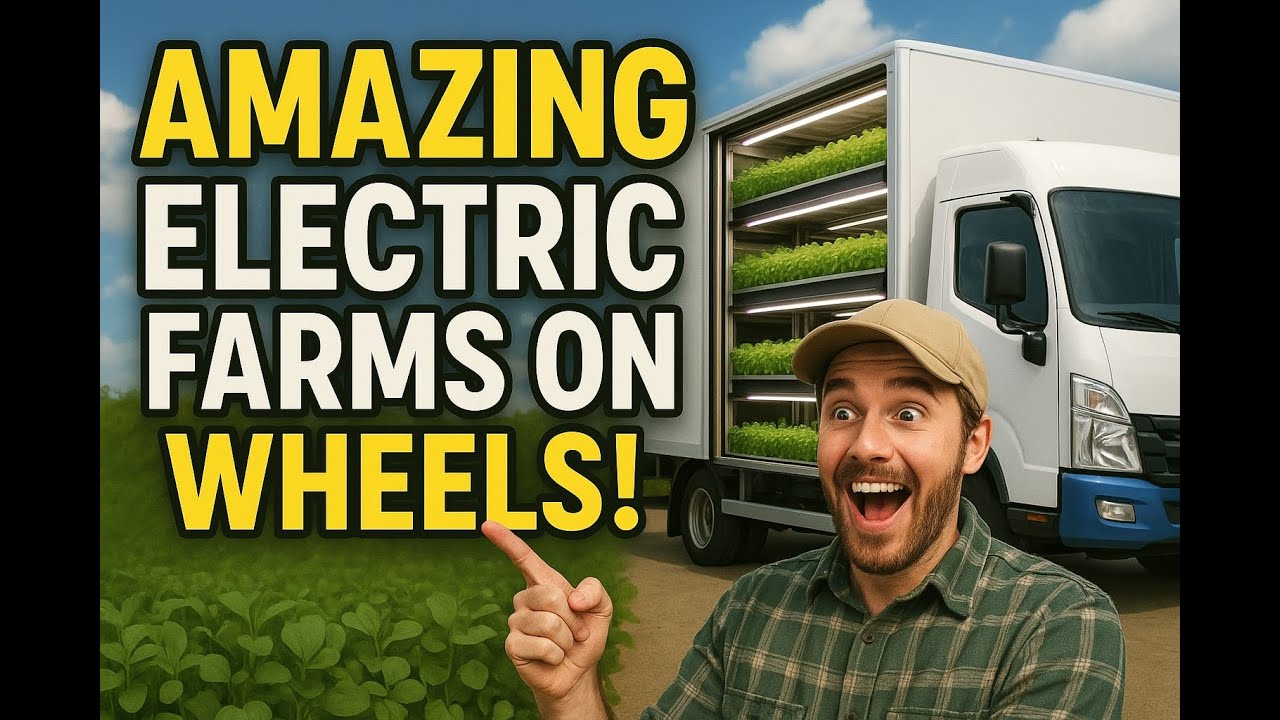
“Urban vertical farms are leading the way in clean, secure food for cities, cutting food miles and opening new jobs in organic farming—from system technicians to plant scientists.”
Advanced Composting and Vermiculture: Optimizing Natural Nutrient Release
At the heart of healthy, organic soil lies superior composting and worm-driven (vermiculture) processes. New composting technologies—ranging from aerated static piles to in-vessel composters and biochar applications—allow farmers to optimize the release of nutrients for their crops.
- ♻️ Biochar improves soil structure, fertility, and carbon sequestration, boosting resilience against drought and erosion.
- 🪱 Vermiculture systems break down organic waste efficiently, producing worm castings rich in nitrogen, phosphorus, and beneficial microbes.
- 🌿 Compost tea and extracts offer a fast-acting, microbial-rich nutrient solution.
- 🔄 Integrated on-farm composting units—including carbon footprint-tracking technology—help large operations manage sustainability metrics and compliance.

“Pair vermicomposting with cover cropping to increase organic matter inputs, further building soil humus and microbial activity.”
Cover Cropping & Crop Rotation: The Staples That Power Soil Biology
Cover cropping and crop rotation are time-tested yet highly effective for organic farming. The strategic use of diverse, locally-adapted crops—including green manures, legumes, and multi-species cover crops—builds humus, improves soil structure, and increases nutrient cycling.
- 🌱 Prevents soil erosion and retains valuable topsoil.
- 🐞 Breaks pest and disease cycles, reducing pressure on the next cash crop.
- 🪴 Fixes atmospheric nitrogen and feeds beneficial soil microbes for the next crop cycle.
- 🐝 Supports biodiversity by hosting pollinators and natural pest predators in rotations.

“Repetitive monoculture—even within organic farms—weakens soil structure and increases vulnerability to pests. Rotate intelligently and use multi-species covers to avoid costly setbacks.”
Remote Sensing and Digital Monitoring: Data-Driven Farming at Your Fingertips
Modern organic farming is leaping forward with remote sensing and digital monitoring technologies. Satellite imagery, UAV (drone) analytics, in-field sensors, and mobile apps unite to make precision management possible for farms of every size.
- 📡 Satellite analytics track NDVI (Normalized Difference Vegetation Index) to pinpoint areas needing intervention.
- 🤖 Drones and IoT networks scan vast fields for pests, disease outbreaks, or drought stress, supporting timely decisions.
- 🌐 Apps (like those from Farmonaut) bring real-time advisory systems, weather forecasts, and resource management into every farmer’s hand via web, iOS, and Android.
- 🔗 See what remote sensing can do:
Farmonaut Large-Scale Farm Management Suite and
API integration for developers.

When applied in organic farming systems, remote monitoring empowers farms to optimize irrigation, track soil health, and act fast— all while remaining easily auditable for certification and traceability.
- 🔊 Enables rapid data-driven interventions to boost yield and sustainability.
- 🌍 Scalable for smallholder plots and multi-thousand hectare operations.
- 📱 Accessible via API or app, supporting all levels of digital adoption.
“Combine satellite insights with on-the-ground scouting for the most reliable, actionable decision-making in your organic system.”
Biologicals & Integrated Pest Management (IPM): Keeping Ecosystems in Balance
The future of organic pest control lies in a layered, integrated approach that leverages beneficials, natural biopesticides, and pheromone-based monitoring—implemented with precision to protect crops, pollinators, and entire farm ecosystems.
- 🐞 Beneficial predators: Ladybugs, parasitic wasps, and lacewings target pests without harming pollinators or leaving residues.
- 🪰 Pheromone traps: Attract and monitor pest populations so interventions (like releasing predators or applying biopesticides) are timely and targeted.
- 🌼 Bio-pesticides derived from natural sources (e.g., neem, BT, fermented teas) for effective, low-toxicity control, maintaining organic standards.
- 🍅 Farmonaut Crop Advisory: Utilizing AI-based advisories to detect, diagnose, and treat pest threats quickly.

Visual List – Layered IPM in Practice
- 🟢 Monitor → 🧲 Trap → 🐞 Release (Predators) → 🌱 Spray (Bio-rational products)
- 🔄 Repeat at different crop stages and seasonal changes
By reducing reliance on synthetic chemicals, IPM innovations preserve beneficial insects and help farms comply with organic certification.
“Demand for traceable, residue-free foods is fueling rapid growth in biological inputs and IPM markets. Early-stage investment in organic farming infrastructure, supply chains, and digital traceability will be critical to capturing market share.”
Intersecting Industries: Jobs in Organic Farming & Why to Invest in Organic Farming
The push for innovation in organic farming is creating jobs and attracting new capital—from regenerative agronomy and data analysis roles to farm facility management and vertical farm technicians. Investing in these systems is an investment in the future of resilient agriculture, rural prosperity, and climate adaptation.
Key Job Roles Transformed by Innovation
- 💼 Agronomists, soil scientists, and data analysts—Optimizing farm systems with real-time, field-level information.
- 🛠️ Farm/vertical facility technicians—Running automated climate control, irrigation, and production equipment.
- 🤝 Extension workers and trainers—Helping farms meet certification standards and adopt the latest practices.
- 📈 Supply chain and traceability specialists—Auditing, verifying, and communicating organic status all the way to the consumer shelf.
Learn about blockchain-based traceability - 🌏 Climate change experts: Measuring and reporting carbon sequestration,
leveraging carbon footprint tools
5 Key Reasons to Invest in Organic Farming Innovation
- 📈 Strong, global demand for organic produce shows no sign of slowing down.
- 🌳 Proven carbon sequestration and climate adaptation benefits attract green and ESG investors.
- 💡 Digital transformation lowers risks and increases efficiency.
- 💼 Growth in skilled jobs: Secure, knowledge-based employment for rural, peri-urban, and urban communities.
- ➡️ Regulatory “push” and consumer “pull” favoring transparency, blockchain traceability, and eco-labels in food systems.
(Satellite-based crop loan & insurance solutions also foster secure investment.)
“Failing to upskill teams for jobs in organic farming. Modern systems need technical expertise as much as agronomy—train, hire, and certify your staff to stay ahead.”


“Vertical farming uses up to 95% less water than traditional farming, revolutionizing sustainable food production.”
How Farmonaut Empowers Innovation in Organic Farming
At Farmonaut, we believe that innovation in organic farming is essential for building sustainable, high-productivity farm systems that benefit growers, consumers, and the planet. Our satellite-based platform is uniquely positioned to serve all stakeholders in the organic space—from individual farmers to large agribusinesses and governments.
Our Solution Suite Includes:
- 🛰️ Multispectral Satellite Monitoring: Detects yield stress, drought, and crop disease early—empowering timely intervention for every field, without synthetic chemical dependence.
- 🤖 AI-based Advisory: Delivers real-time crop health, weather forecasts, and field-specific strategies to help farmers boost yield and efficiency—while protecting soil health and meeting organic certification requirements.
- 🔗 Blockchain-powered Traceability: Guarantees transparent, fraud-resistant supply chains—aligning with market, regulatory, and consumer demand for verified organic produce.
- 📦 Resource & Fleet Management Tools: Makes logistics and equipment usage seamless, supporting both intensive and vertically integrated farms.
- 🌍 Environmental Impact & Carbon Tracking: Quantifies improvements in chemical use reduction and carbon sequestration—key performance indicators in modern organic farming.

“With accurate, timely data, we support innovation from field to facility, closing the gap between traditional knowledge and modern, data-smart organic agriculture.”
Our platform is available on Web, Android, iOS, and via easy API access for integration into your own systems. Our solutions empower you to:
- 🌱 Boost yield and resource efficiency across crops and regions
- 🌏 Reduce environmental impact–from chemical inputs to water usage
- 💡 Achieve certification and win consumer trust with transparent, traceable operations
Subscription & Pricing
Explore affordable, scalable options for satellite-based innovation in your organic farm management, whether you are an individual grower or manage multi-thousand hectare projects.
Visual List: Where Innovation in Organic Farming Delivers the Biggest Impact
- 🌱 Soil Health—Enhanced fertility and humus
- 💦 Water Efficiency—Up to 95% usage reduction in vertical farming
- 🦠 Biodiversity—Resilient ecosystems with robust insect, fungi, and microbial life
- 📉 Chemical-Free Production—Zero residue on foods
- 🔎 Traceability—Transparent, fraud-proof supply chains
Frequently Asked Questions (FAQ)
A: The integration of remote sensing and digital monitoring tools provides smallholders precise guidance on irrigation, fertility, and pest management, allowing large yield gains using modest resources.
A: While vertical farming often uses hydroponics or aeroponics, ongoing research is focused on integrating organically-approved inputs and biological pest control, enabling alignment with established organic certification programs.
A: Advanced composting, cover cropping, IPM biologicals, and precision management dramatically reduce chemical inputs, improve soil and water quality, and enhance long-term sustainability.
A: Absolutely. Precision management, remote sensing, vertical farming innovation, and resource management platforms are already in use on thousands of hectares worldwide, making scaling sustainable and cost-effective.
A: Adopt new technology solutions for monitoring, management, and traceability. These will help you boost yields, secure certifications, and meet consumer and regulatory demands for proof of sustainability and food safety.
Conclusion: Building a Sustainable Future with Innovation in Organic Farming
Innovation in organic farming is more than just a technological movement; it’s a sustainable path for modern agriculture. By integrating soil biology, biologicals, precision management, and advanced vertical farming techniques, we can create resilient, scalable, and certified organic systems that support robust livelihoods, reduce environmental impact, and answer the world’s rising demand for transparent, high-quality food.
As smart agriculture platforms, like what we offer at Farmonaut, become standard, farms of every size and type—from the smallest rural plots to the largest peri-urban facilities—will unlock the full power of innovation in organic farming. This blend of digital intelligence and ecological wisdom will help feed communities and heal ecosystems for generations to come.
Ready to Transform Your Farm?
Discover how Farmonaut’s satellite insights and digital tools can enable innovation in organic farming for your next harvest. Boost yield, secure certification, and enjoy sustainable success—from soil to shelf.


 Tres Valles
 LACOS Geoinformation
 Pulsar Supernova
 Magrifly
 LatConnect 60
 Disease Free Life
 WebsEdge
 Blickwinkel
 Agricultural Credit Policy Council
 MCSOD
MCSOD Marei Nursery
 eKGIS
eKGIS Mostas Tech
 Andex
Andex FCF India
 Unifrutti Gulf
 Deluxe Conseil
 WICO
WICO
