

Sustainable Agriculture Brazil: 5 Top Practices for 2025
“By 2025, Brazil aims to restore 12 million hectares of degraded land through sustainable agriculture practices.”
Sustainable Agriculture in Brazil: Charting a Path for the Future
Sustainable agriculture in Brazil is charting a path for the future by integrating climate-smart practices that both boost productivity and protect the country’s environmental treasures like the Amazon rainforest, Cerrado, and Atlantic Forest. As we step into 2025, Brazil’s balancing act—meeting global food demands, ensuring economic growth, and preserving its unique natural ecosystems—has never been more crucial.
As one of the world’s undisputed agricultural powerhouses, Brazil leads as a major producer and exporter of soybeans, coffee, sugarcane, corn, beef, and others. The agricultural sector is a cornerstone of the Brazilian economy, contributing significantly to GDP and employment across rural and urban populations alike. However, traditional approaches—characterized by intensive monoculture, heavy reliance on agrochemicals, and large-scale deforestation—have brought forth challenges that threaten biodiversity, soil health, and climate stability.
In this in-depth guide, we explore sustainable agriculture practices in Brazil for 2025, examine their impact on environmental and socioeconomic development, review the technology landscape, and discuss how we—using satellite-driven solutions—are supporting the transformation of farming in Brazil for a more resilient and sustainable future.



Brazil’s Agricultural Landscape in 2025
Brazil stands at a critical juncture in 2025 as climate uncertainty, rising global food demands, and environmental challenges converge. The country’s vast territory is home to globally significant biomes:
- Amazon Rainforest: The world’s largest rainforest and a vital carbon sink
- Cerrado: The world’s most biodiverse savannah and a breadbasket for grain crops like soybeans and maize
- Atlantic Forest: Highly endangered but still ecologically valuable, supporting unique flora and fauna
Brazilian agribusinesses and family farms together form one of the most productive, export-oriented agricultural sectors on the planet. This progress, however, comes at environmental costs due to:
- Intensive monoculture (especially soybeans, sugarcane, corn)
- Deforestation for agricultural expansion
- Heavy application of pesticides and synthetic fertilizers
- Soil degradation and sometimes even desertification in key areas
Yet, the story is also positive: Brazilian farmers are increasingly embracing sustainable agriculture practices that aim to restore degraded soils, protect biodiversity, and increase agricultural output sustainably.

Top 5 Sustainable Agriculture Practices in Brazil for 2025
Let’s delve into the five most impactful sustainable agriculture practices in Brazil that are charting a sustainable path for farming in 2025 and beyond.
1. Agroforestry Systems: Integrating Trees, Crops, and Livestock
Agroforestry systems are gaining ground across Brazil, especially in regions where land degradation, drought, and biodiversity loss have posed serious challenges. By integrating trees with crops and livestock, these systems mimic natural ecosystems. This approach:
- Reduces soil erosion significantly by providing permanent root structure
- Improves microclimates, protecting crops from heat and wind
- Helps restore degraded lands and maintains soil moisture
- Enhances carbon sequestration, mitigating climate change
- Supports biodiversity by creating wildlife corridors and mixed habitats
For example, in the Cerrado region, integrating nitrogen-fixing trees alongside soybeans and maize helps replenish soil nutrients naturally, reducing reliance on synthetic fertilizers.
In environmental hotspots such as the Amazon and Atlantic Forest regions, agroforestry is essential not just for productivity but for preserving forest cover and protecting rainforest biodiversity—turning former threats into opportunities for sustainable development.

2. No-Till Farming: Protecting Soils, Saving Carbon
No-till farming (Plantio Direto) is a revolution in sustainable agriculture Brazil. By leaving previous crop residues in place and directly seeding the next crop into undisturbed soil, this technique:
- Minimizes soil disturbance, saving the natural structure and microbial life
- Significantly reduces soil erosion—essential in sloping areas and regions prone to heavy rains
- Conserves soil moisture and improves nutrient cycling
- Decreases fuel and labor costs by reducing tillage operations
- Reduces greenhouse gas emissions by lowering carbon release from soils
By 2025, no-till is employed on more than 80% of Brazil’s highly productive soybean farms. It is especially prevalent in the southern and central-western regions, contributing to global food security while supporting environmental preservation.

3. Crop Rotation and Diversification: Enhancing Soil and Economic Health
Moving away from intensive monoculture, crop rotation and diversification involve growing different crops in sequential seasons (e.g., rotating soybeans and maize, incorporating legumes), or intercropping multiple species in a single season.
- Breaks pest and disease cycles, reducing the need for chemical pesticides
- Improves soil fertility naturally—especially when legumes fix atmospheric nitrogen into the soil
- Reduces reliance on synthetic fertilizers and improves nutrient cycling
- Boosts farm resilience to climate and market shocks
- Supports greater biodiversity on farms—better pollination, ecosystem health, etc.
This is particularly important in the Cerrado, where rotating soybeans with maize and legumes is now standard for thousands of progressive Brazilian farmers. Such practices are also catching on in the Amazon frontier, blending restoration and productivity.

4. Integrated Pest Management (IPM): Smarter Pest Control
Traditional pest control is characterized by a heavy reliance on chemical pesticides. However, Integrated Pest Management (IPM) is now widely embraced as the sustainable path forward:
- Utilizes resistant crop varieties to minimize pesticide use
- Combines biological controls (like beneficial insects) to keep pests in check
- Employs cultural practices (timing of planting, sanitation) to disrupt pest lifecycles
- Reduces costs and health risks to humans and ecosystems
- Promotes healthier, more balanced farm ecosystems
By fostering ecological balance, IPM not only reduces chemical footprints across Brazil’s agricultural sector but also supports biodiversity, pollinator health, and long-term crop productivity.
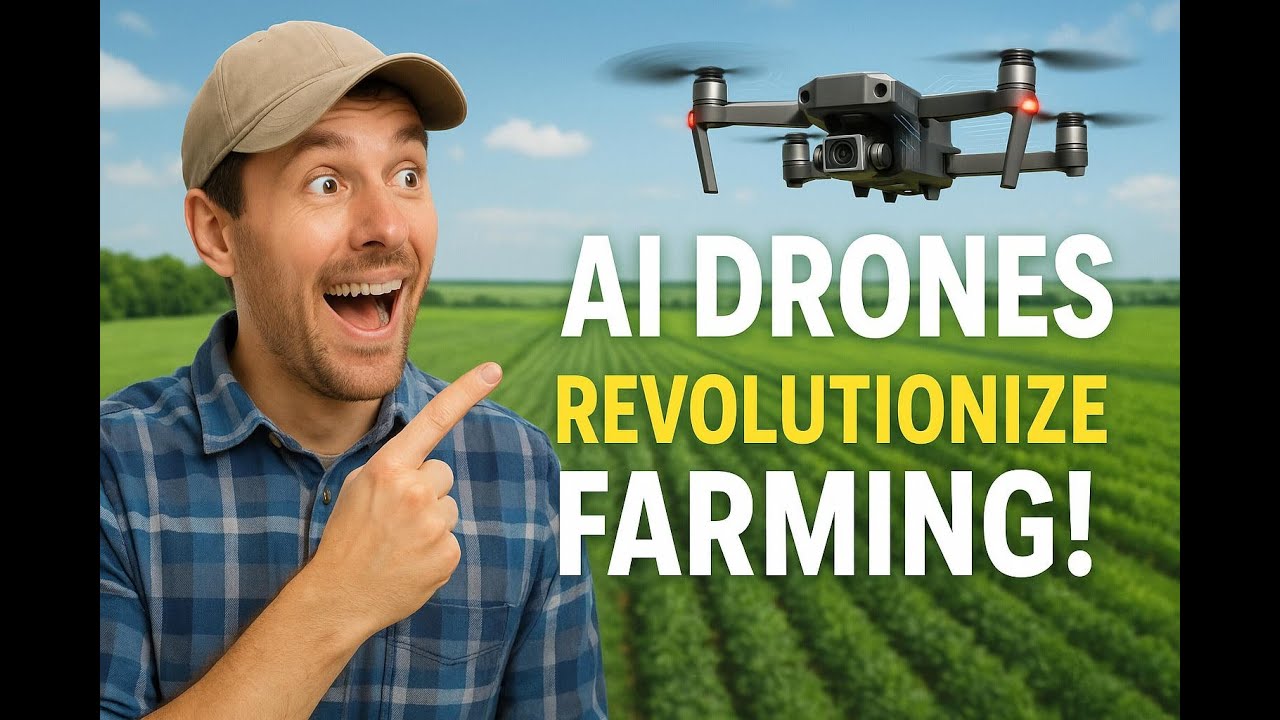
5. Precision Agriculture: Data and Technology Revolution
Precision agriculture marks a new era for sustainable agriculture Brazil. By leveraging satellite imagery, drones, soil sensors, and AI-powered analytics, precision farming enables Brazilian farmers to:
- Use water, fertilizers, and pesticides with pinpoint efficiency
- Reduce environmental contamination and input overuse
- Monitor and optimize crop health in real time
- Increase yields while minimizing resource waste
- Support restoration agriculture by mapping sensitive zones and avoiding critical habitats
Guide decisions—like irrigation scheduling or fertilizer application—to exactly where needed, boosting productivity and reducing operational costs.
Precision agriculture is rapidly expanding across Brazil, enhanced by digital tools accessible even to medium-scale farmers.
Our platform allows Brazilian farmers, agribusinesses, and governments to monitor vegetation health (NDVI), soil moisture, water stress, and environmental changes using advanced satellite data and AI. Discover how Farmonaut’s large-scale farm management solutions can empower precision farming initiatives, optimize yields, and foster a more sustainable approach to agriculture in Brazil.


Comparative Practices Impact Table: Top Sustainable Agriculture Practices in Brazil for 2025
| Practice Name | Estimated 2025 Adoption Rate (%) | Productivity Impact (+/-%) | Soil Health Benefit | Rainforest Protection Impact | Brief Description |
|---|---|---|---|---|---|
| No-Till Farming | 80+ | +8% on average | Reduces erosion, boosts organic matter | Indirect—reduces need for new agricultural land | Direct seeding into crop residues, minimizing soil disturbance for soybeans, corn, and others |
| Agroforestry | 30-35 | +10-12% long-term | Improves fertility, reduces degradation | Strong—preserves/recovers tree cover | Blends trees, crops, livestock to restore and diversify farms |
| Crop Rotation & Diversification | 65-70 | +7-10% (over monoculture) | Enhances nutrients, reduces pests | Moderate—lessens pressure on new land | Rotating soybeans, maize, and legumes to break pest cycles and improve soils |
| Integrated Pest Management (IPM) | 55-60 | +5-8% (healthier crops) | Preserves beneficials, reduces chemicals | Moderate—less chemical impact on forests | Combines biological, cultural, and chemical controls for environmental and crop benefit |
| Precision Agriculture | 25-30 (rapidly rising) | +15-20% (input optimization) | Prevents overuse, enhances monitoring | Indirect—more yield, less expansion | Satellite, drone, and sensor data to guide farm decisions and reduce environmental footprint |
Satellite Technology and Farmonaut’s Role in Brazil Sustainable Agriculture
The adoption and scaling of sustainable agriculture practices Brazil are increasingly linked to advanced digital and satellite technologies. Farmonaut, as a pioneering satellite technology company, is proud to contribute towards sustainable, productive, and climate-resilient farming in Brazil and globally.
What do we offer?
- Satellite-Based Monitoring and AI Advisory: Our real-time monitoring tools, fueled by satellite imagery and AI, provide visibility into crop health, soil conditions, and water stress from field to region. NDVI-based analytics help Brazilian farmers optimize sustainable decisions at every stage, whether for soybeans, coffee, sugarcane, corn, or pasture lands.
- Environmental Impact Tracking: We believe that tracking is the first step toward improvement. Our carbon footprint monitoring tools empower Brazilian farmers and agribusinesses to assess and manage their emissions, comply with climate standards, and bolster their sustainability credentials in global markets.
- Supply Chain and Product Traceability: Blockchain-based traceability solutions bring transparency to supply chains—crucial for sustainable coffee, beef, and soybeans. This not only verifies sustainability claims for exporters but also protects Brazil’s reputation as a responsible agricultural leader.
- Insurance and Credit Verification: Using satellite data for crop loan and insurance verification reduces credit fraud and makes vital finance accessible to smallholders committed to sustainable methods.
- Fleet and Resource Management: Our resource management systems for large-scale farms minimize fleet usage, lower costs, and improve efficiency across agricultural, mining, and infrastructure operations.
Our platform is accessible on web and mobile (iOS/Android) as well as via robust API endpoints and comes with developer documentation. This means scalable, affordable digital agriculture for operators of every size in Brazil—helping foster precision agriculture in the fight for sustainability.

Challenges and Opportunities in Sustainable Agriculture Brazil
While the move toward sustainable agriculture practices Brazil is robust, several persistent challenges still need to be addressed to secure ongoing gains:
- Illegal deforestation and land conflicts: Expansion without adequate controls leads to continued pressure on the Amazon, Cerrado, and forest reserves.
- Socio-economic inequality: Many smallholders lack resources and training to fully adopt sustainable practices.
- Access to technology: While precision agriculture is rising, not all farmers can access affordable digital tools, though this is rapidly changing via cloud-based and mobile solutions like ours.
- Market and policy volatility: Shifts in global commodity prices, weaker enforcement of environmental regulations, and political uncertainties can disincentivize sustainable farming, even when the long-term benefits are clear.
- Climate change risk: Erratic and extreme weather, more frequent droughts or storms, and new pests/ diseases threaten yields—requiring ever-more climate-adaptive solutions.
Yet, the opportunities are equally compelling:
- National incentives for conservation and sustainable intensification are increasingly available—with government and private credit for compliance and certification schemes like Rainforest Alliance or organic status.
- International demand surges for sustainable and traceable agricultural commodities—giving Brazil a competitive edge for exports if green standards are met.
- Public-private innovation is increasing access to new digital and biological solutions.
- Technology and data (from satellites, sensors, AI) are narrowing the gap between large agribusiness and family farms.
It’s clear that by fostering sustainable agriculture in Brazil and embracing solutions to pervasive challenges, the country can fulfill its climate commitments, ensure food security, and remain a world leader in ethical agricultural development.
“Over 80% of Brazil’s soy farms now use no-till farming, significantly reducing soil erosion and carbon emissions.”
Sustainable Agriculture in Brazil: The Path Forward
As we chart a path for the future, sustainable agriculture Brazil is at the center of global efforts to harmonize productivity with ecosystem preservation. To ensure successful progress, four core strategies must be accelerated:
- Scaling Up Climate-Smart and Agroecological Methods: This includes not just expanding no-till, crop rotation, and agroforestry, but also building on lessons from indigenous and smallholder agriculture.
- Accelerating Digital Adoption: New advances, from carbon monitoring and blockchain-based traceability to AI-powered irrigation scheduling, must become mainstream for all scales of Brazilian agriculture.
- Enabling Inclusive Policies and Financing: Credit, insurance, and investment must reach small and medium-sized farms. Solutions like our satellite-based verification and affordable management apps reduce barriers to accessing finance and technical assistance.
- Protecting Ecosystems While Enhancing Yields: Conservation agriculture, river buffer restoration, and the use of wildlife-friendly corridors protect Brazil’s unique rainforests, Cerrado, and Atlantic Forest—while securing future agricultural output.
Countries around the world are watching how sustainable agriculture practices in Brazil can deliver significant climate, productivity, and biodiversity benefits. By 2025 and beyond, the scaling of these best-in-class practices will shape not just the future of Brazilian farming, but the global future of food and environmental stewardship.
Interested in digital solutions that support your sustainable agriculture journey in Brazil? Explore our fast, affordable apps, robust APIs, and developer tools designed for scalable, precise, and climate-smart agriculture.
Frequently Asked Questions (FAQ) – Sustainable Agriculture Brazil 2025
-
Q: What is sustainable agriculture in Brazil?
Sustainable agriculture in Brazil refers to a set of practices that boost productivity while protecting soil, water, and biodiversity—balancing economic, environmental, and social goals across the country’s unique biomes. -
Q: Why is no-till farming important for Brazil?
No-till farming, widely adopted across Brazil (especially for soybeans), protects soil structure, reduces erosion, saves fuel, and minimizes greenhouse gas emissions—making it essential for climate-smart and sustainable agriculture. -
Q: How does agroforestry help preserve Brazil’s ecosystems?
Agroforestry mimics natural forests by integrating trees, crops, and livestock on the same land. This approach restores degraded land, promotes biodiversity, fixes soil and water cycles, and mitigates deforestation in sensitive regions like the Amazon and Atlantic Forest. -
Q: What is the role of satellite technology in sustainable agriculture in Brazil?
Satellite monitoring and AI-powered analytics allow for real-time crop, soil, and water tracking, optimizing inputs such as fertilizers and irrigation while supporting evidence-based decisions for sustainable farming in Brazil. -
Q: How can Farmonaut help with sustainable agriculture Brazil initiatives?
We provide affordable, real-time satellite data, AI advisories, blockchain traceability, and resource management tools to boost productivity and sustainability for Brazil’s farmers, agribusinesses, and government organizations. -
Q: What are the main challenges to scaling sustainable agriculture practices in Brazil?
Challenges include illegal deforestation, lack of access to technology for smaller farmers, land tenure conflicts, and the need for more inclusive financing and training opportunities. -
Q: Can precision agriculture reduce Brazil’s reliance on chemical inputs?
Yes. Precision technologies enable targeted application of fertilizers and pesticides, reducing overuse, cutting costs, and lowering environmental contamination. -
Q: Where can I access digital solutions for sustainable farm management in Brazil?
Check out our large-scale farm management app and mobile/web solutions for satellite-driven crop, soil, and environmental monitoring.
Sustainable agriculture Brazil is on the rise. By building on the lessons of 2025—integrating science, tradition, and technology—we are all working toward a future where Brazil remains both an agricultural giant and a guardian of the world’s most precious natural heritage.
Ready to embark on your digital farming journey? Download our app, access the Farmonaut API, or read our developer docs and join the movement to create a more sustainable, prosperous, and resilient agricultural Brazil.
Discussion
Questions, corrections or field experience? Share them below. First-time comments are reviewed before they appear, and your email is never published.
No comments yet. Be the first to add a question or your experience.

 Agricultural Credit Policy Council
 BayWa
BayWa Azure Clouds
 MCSOD
MCSOD Marei Nursery
 eKGIS
eKGIS Mostas Tech
 Native Seeds
 Andex
Andex FCF India
 Unifrutti Gulf
 Deluxe Conseil
 TVS Electronics
 WICO
WICO Chimera Innovation
 SkyHarvest
