

Investing in Farmland Stocks UK: Top Agriculture Picks 2025
Meta Description: Explore investing in farmland stocks and agriculture stocks in the UK for 2025. Discover sustainable strategies, top picks, risks, and growth opportunities in the evolving agricultural sector.
- Overview: Why Investing in Farmland Stocks is Hot in the UK
- 2025 Trends: The Evolving UK Agricultural Investment Landscape
- Why Invest in Agriculture Stocks: Drivers and Sector Potential
- Investing in Farmland UK: Strategies, Benefits, and Risks
- How to Invest in Agriculture and Farmland Stocks in the UK
- Comparative Performance Table of Top UK Farmland & Agriculture Stocks 2025
- Sustainable & Regenerative Agriculture Investment Strategies
- Agritech and Technological Innovation in UK Agriculture
- Risks and Rewards: Balancing Volatility & Long-Term Stability
- Farmonaut: Technology Empowering Sustainable Agricultural Investments
- Frequently Asked Questions (FAQ)
- Conclusion: The 2025 Perspective on Agricultural & Farmland Investment in the UK
“UK farmland stocks saw a 12% average annual return between 2018 and 2023, outperforming many traditional equities.”
Overview: Why Investing in Farmland Stocks is Hot in the UK
The dynamics of investing in farmland stocks and agriculture stocks in the UK have evolved rapidly, positioning the sector as a promising avenue for portfolio diversification and sustainable growth. As global population continues to grow and climate change impacts food security, the need for resilient food systems and sustainable resource management amplifies.
In 2025, agricultural stocks and farmland investments remain at the forefront for investors seeking robust returns and long-term stability. The UK, with its advanced markets, supportive regulatory environment, and innovation in farming practices, stands as a central player in this movement.
This blog post comprehensively explores the potential, strategies, risks, and growth opportunities for investing in agriculture stocks and farmland in the UK for 2025 and beyond. Discover the leading avenues, platforms, and technology—such as Farmonaut—that are reshaping the landscape of modern agricultural investment.

2025 Trends: The Evolving UK Agricultural Investment Landscape
The UK agriculture sector is undergoing dramatic changes in 2025, driven by regulatory reforms, sustainable investment flows, and innovation in agritech.
Modern investors are not just betting on traditional farming operations—they are increasingly focusing on companies that integrate technology, prioritize ESG (Environmental, Social, and Governance) criteria, and adapt to climate variability. Digital transformation, data-driven inputs, and real-time monitoring are the new engines of sector growth.
Major 2025 Trends in UK Agriculture Investment Include:
- Growing importance of sustainable and regenerative farming practices as part of both government policy and consumer demand.
- Increasing exposure to agritech, including precision farming, drone technology, and AI-driven crop monitoring.
- The rise of ESG-focused investment funds and REITs offering diversified access to agricultural assets.
- Greater market resilience amid commodity price volatility due to technological, operational, and climate-driven advances.
- Government subsidies, carbon credits, and evolving regulatory frameworks supporting **farmland management** and transition to net-zero emissions.
“In 2025, UK agriculture stocks are projected to grow by 8%, driven by sustainable investment strategies.”
Why Invest in Agriculture Stocks: Drivers and Sector Potential
Investing in agriculture stocks provides a promising avenue for those seeking to hedge against inflation and achieve consistent returns. Key sector drivers include
- Rising global food demand: As the population continues to grow, so does worldwide demand for staple foods and high-value crops.
- Climate resilience: Companies and farmlands able to withstand changing climatic conditions hold advantages over less adaptive counterparts.
- Technological innovation: Agritech, including AI-powered advisory systems, drone-based monitoring, and blockchain for traceability, is reshaping operations and creating competitive moats.
- Sustainability and ESG focus: ESG-compliant stocks are gaining investor attention due to their risk mitigation and alignment with environmental and social criteria.
- Government support: Subsidies, infrastructure investment, and research funding are driving long-term sector viability in the UK and globally.
Agriculture stocks to invest in often include companies involved in:
- Farming operations and large-scale land management
- Manufacturing of equipment, fertilizers, and chemicals
- Food processing and distribution
- Agritech innovations, precision farming technologies, and satellite-driven monitoring

Investing in Farmland UK: Strategies, Benefits, and Risks
In 2025, investing in farmland UK offers distinct advantages for investors aiming for both income generation and long-term value appreciation.
Benefits of Farmland as an Asset Class:
- Inflation-hedged returns: Unlike traditional equities, farmland values and lease payments tend to rise with inflation.
- Tangible stability: Farmland is a physical asset, providing stability in contrast to volatile digital assets or certain equities.
- Diversification: Farmland returns typically show low correlation with other asset classes, helping to mitigate risk.
- Income Generation: Yields are produced from either direct agricultural operations or lease arrangements with reliable tenants.
- Sustainable focus: UK farmland investments increasingly prioritize regenerative practices, carbon sequestration, and ESG integration, aligning with global sustainability targets and investor expectations.
Key Risks in Farmland Investment:
- Commodity price volatility: Crop prices and demand can fluctuate, affecting income and overall returns.
- Climate change impacts: Drought, flooding, and changing weather patterns can affect yields and land quality.
- Regulatory shifts: Evolving policies around environmental criteria, subsidies, and land use may impact profitability.
- Liquidity: Farmland is less liquid than listed equities or ETFs—exit strategies require careful planning.
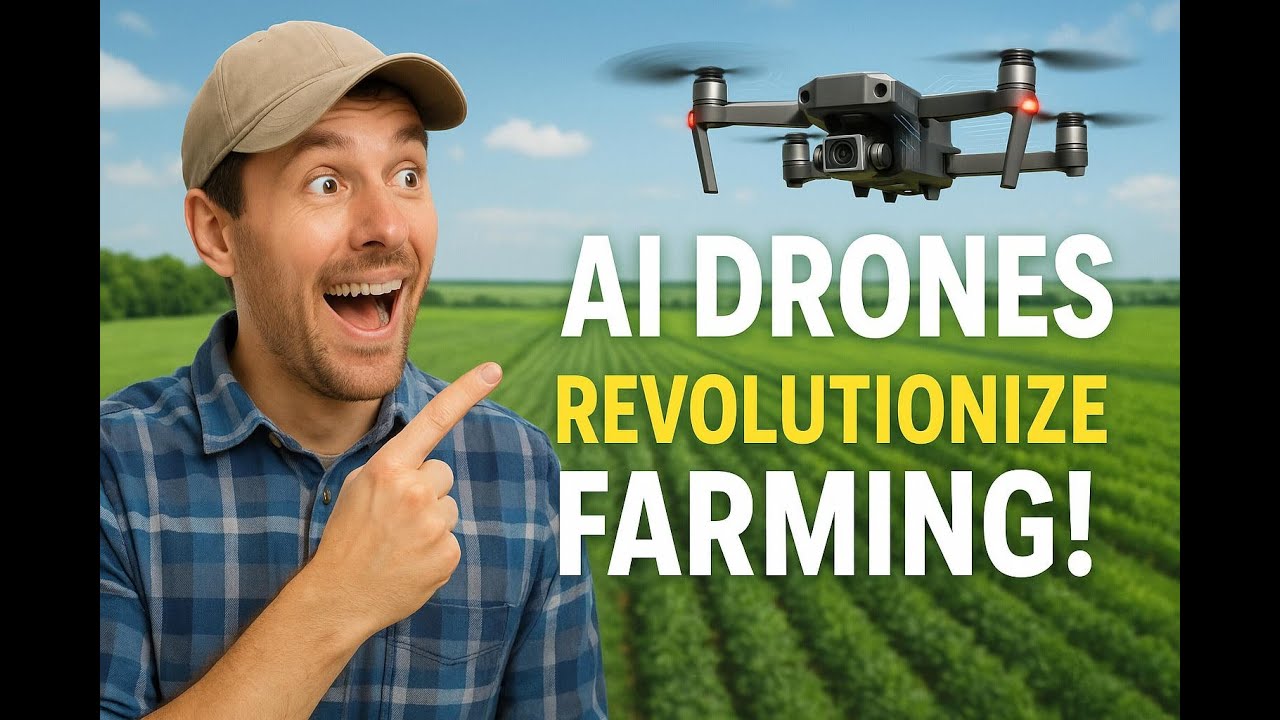
How to Invest in Agriculture and Farmland Stocks in the UK
How to invest in agriculture stocks and farmland in the UK involves several primary routes. Let’s break down each, including their suitability for various investors and platforms supporting these strategies.
1. Direct Stock Investments
Purchase shares in UK-listed companies involved in farming operations, equipment manufacturing, food processing, or agritech innovation. Research is crucial to understand the company’s revenue streams, ESG focus, and risk profile upfront.
2. Agriculture-Focused ETFs and Mutual Funds
Access a diversified basket of agriculture and farmland assets through Exchange Traded Funds (ETFs) and mutual funds. Some funds specialize in agritech or farmland REITs, providing broad exposure and simplified entry for retail investors.
3. Farmland REITs and Agricultural Funds
Invest via publicly traded Real Estate Investment Trusts (REITs) and private agricultural funds that own and operate farmland. This route offers income from rent and potential appreciation, without the management burden of direct farmland ownership.
4. Sustainable and Impact Investing Platforms
New platforms—increasingly digital—allow impact investors to back regenerative farming, carbon sequestration, and ESG-compliant assets. Farmonaut’s technology, for instance, offers monitoring and advisory tools (see our carbon footprinting solutions and blockchain-based traceability features), enabling better management of environmental risks and sustainable returns.

Comparative Performance Table of Top UK Farmland & Agriculture Stocks 2025
| Stock Name | Estimated Market Cap (2025) | Est. Dividend Yield (%) | Est. Annual Return (%) | ESG/ Sustainability Score | Recent 3-Year Growth Rate (%) | Key Risks |
|---|---|---|---|---|---|---|
| Tritax Big Box REIT Plc | £4.7B (est.) | 4.1% | 6.5% (est.) | A | 20% | Dependency on logistics demand, interest rate risks |
| Gladstone Land Corp (UK-adj. exposure) | £1.1B (est.) | 2.9% | 8.3% (est.) | A- | 15% | Commodity price volatility, climate impacts |
| Renew Holdings Plc | £520M (est.) | 2.1% | 7.5% (est.) | B+ | 30% | Infrastructure project cycles, regulatory shifts |
| Carr’s Group Plc | £125M (est.) | 3.7% | 5.2% (est.) | A | 8% | Fertilizer price swings, input costs |
| Agricultural Land Investment Plc | £880M (est.) | 2.5% | 7.9% (est.) | A+ | 10% | Land value risk, policy uncertainties |
| Camellia Plc | £435M (est.) | 1.9% | 6.1% (est.) | B+ | 6% | Global demand exposure, FX risk |
*All market capitalizations, yields, returns, ESG scores, and growth rates listed above are estimates based on latest 2024-2025 data and projections. Please conduct independent due diligence before any investment decision.

Sustainable & Regenerative Agriculture Investment Strategies
Sustainable agriculture is central to the future of investing in farmland stocks in the UK. Investment strategies now often require demonstrable environmental impact, with emphasis on:
- Regenerative farming: Focusing on soil health, carbon sequestration, and reduced chemical inputs. Investors may prioritize carbon footprinting platforms to measure impact.
- ESG Integration: Choosing companies and funds adhering to robust social, governance, and environmental criteria for resilience and positive brand reputation.
- Technological innovation: Utilizing AI, remote sensing, and smart equipment (see large-scale farm management via Farmonaut’s platform) to maximize efficiency and sustainability.
- Traceability and transparency: Implementing blockchain-enabled traceability for enhanced supply chain transparency, driving consumer trust and ESG compliance.
Leading platforms and digital solutions empower investors to track sustainability impact, evaluate carbon credits, and capture value from regenerative practice premiums.
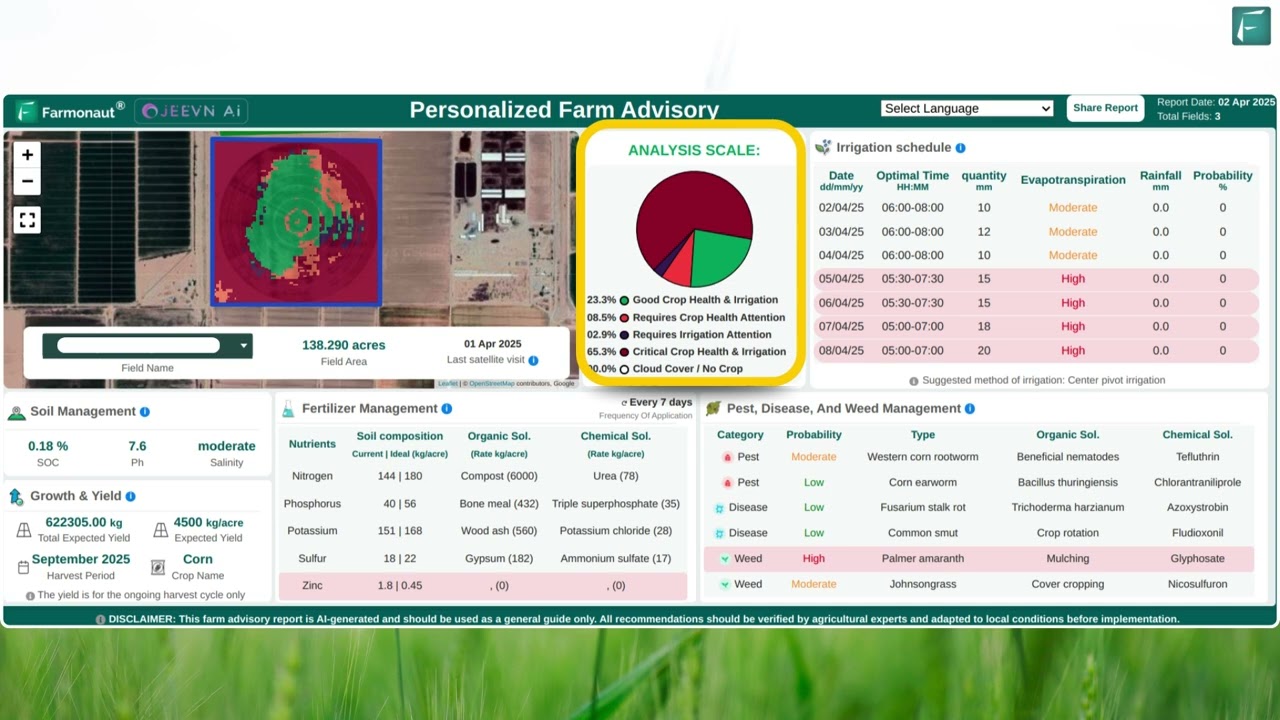
Agritech and Technological Innovation in UK Agriculture
The agritech revolution continues to transform UK agriculture, and consequently, the attractiveness of investing in agriculture stocks and farmland. Key areas of innovation and their investment implications:
- Precision Farming: Using sensor data, satellite imagery, and AI advisories (see Farmonaut’s crop and plantation advisory solutions) for real-time optimization of resource allocation and improved crop yields.
- Smart Equipment and Telematics: Connected machinery and telematics enhance output and monitor operational efficiency.
- Drones and Automation: Point-in-time field monitoring, yield estimation, and safe pesticide application reduce input costs while maximizing productivity and sustainability.
- Supply Chain Digitalization: Blockchain and traceability (see above) lower fraud and increase both consumer confidence and market access.
These technologies help companies and farmers reduce environmental footprints, survive changing climatic conditions, and meet evolving market demand.

Risks and Rewards: Balancing Volatility & Long-Term Stability
While agriculture and farmland investments are increasingly attractive for their income and appreciation potential, risk remains an essential consideration:
- Commodity price volatility: Fluctuations in global crop prices impact revenues. Diversified ETFs and funds help mitigate sector-specific risk.
- Climate change: Extreme weather events can affect yield stability and long-term land value, requiring enhanced resilience measures.
- Regulatory risk: Changes in subsidies, taxation, or ESG frameworks can alter profitability.
- Technological disruption: Newer platforms and solutions can make legacy practices obsolete; staying updated is essential.
However, UK farmland investments demonstrate robustness and a stable regulatory environment by global standards. This, combined with innovation in sustainability and agritech, continues to make them an avenue worth serious consideration.



Get Farmonaut: The smart platform for monitoring farmland, carbon tracking, and advanced agri insights.
Available on Web, Android, and iOS.

Farmonaut: Technology Empowering Sustainable Agricultural Investments
As a satellite technology leader, we at Farmonaut deliver precision-driven insights and tools for the agricultural sector—enabling investors, operators, and businesses to make smarter, data-backed decisions.
- Satellite-based Crop Monitoring: Access real-time, multispectral imagery for vegetation health, soil conditions, and resource management.
- AI-driven Advisory: Utilize our Jeevn AI for tailored advice—improve productivity, boost yields, and reduce environmental impacts (learn more on Farmonaut’s advisory platform).
- Blockchain-enabled Traceability: Track produce from field to market, ensuring transparency and reducing fraud. This boosts both consumer and investor confidence.
Read further: Farmonaut Traceability Solutions. - Environmental Impact Tracking: Monitor carbon footprints of agricultural operations for regulatory compliance and sustainability incentives. See carbon footprinting product.
- Resource and Fleet Management: Efficient logistics with satellite-enabled fleet tracking and asset management—minimize costs, optimize crop collection cycles.
More details: Fleet Management Tools. - Access for investors, lenders, and operators: Our satellite-based verification system (integrated into loan and insurance solutions) enables financial institutions to reduce fraud and provide better credit access in the agricultural sector.
Our business model is subscription-based, accessible for individual users, agribusinesses, and government institutions. You can quickly integrate our data & APIs via Farmonaut Satellite API (API developer documentation available).
We support clients in the UK and globally, empowering investments that are both lucrative and aligned to global sustainability benchmarks.
Frequently Asked Questions (FAQ)
Is investing in farmland stocks in the UK a good hedge against inflation?
Yes. Historically, farmland values and lease payments rise with inflation, making farmland stocks an effective hedge, especially in a stable market like the UK.
Are agriculture stocks to invest in in 2025 mostly technology-driven?
The sector is increasingly technology-driven. Leading agriculture stocks now integrate agritech, including satellite monitoring, AI, and sustainability tracking, to boost productivity and resilience.
How diversified is a farmland ETF compared to buying direct UK farmland?
Farmland ETFs or agricultural funds provide broader exposure across regions, crop types, and market conditions, helping to mitigate location-specific risks associated with direct land ownership.
What role do ESG and sustainability metrics play in UK farmland investing?
They are increasingly central—investors and regulators favor operations with robust ESG scores, sustainable practices, and transparent impact measurement.
How do climate change impacts influence farmland investment strategies?
Climate change influences crop yields, land values, and regulatory requirements. Agricultural investments emphasizing climate resilience (e.g., drought-tolerant crops, smart irrigation, carbon sequestration) are preferred for long-term returns.
How can technology like Farmonaut aid investors in the agricultural sector?
We at Farmonaut provide actionable insights through satellite and AI for crop health monitoring, risk management, compliance with sustainability goals, and improving loan/investment security—empowering smarter, more resilient agricultural investment.
Conclusion: The 2025 Perspective on Agricultural & Farmland Investment in the UK
The 2025 outlook for investing in farmland stocks and agriculture stocks in the UK is defined by sustainable growth, technological innovation, and a robust regulatory base.
Whether chosen for portfolio diversification, resilience against commodity volatility, or alignment with ESG and climate goals, UK agricultural investments offer compelling value for both institutional and retail investors.
As market demand for transparency, data-driven decision-making, and sustainable practice grows, embracing agritech platforms and leveraging tools like those by Farmonaut becomes vital.
Prioritize diversified investment routes, monitor risk diligently, and align your portfolios with environmental and regenerative practices—this is the route to both attractive returns and long-term sustainability in the evolving UK agricultural landscape.
Ready to get started? Discover advanced agri monitoring and sustainability tracking today—visit the Farmonaut App.
Invest smart, invest sustainably, and watch your portfolio grow along with the UK’s fields in 2025 and beyond.
Agricultural and farmland investments involve risks and require in-depth research. Always evaluate your financial objectives and conduct due diligence or consult a qualified advisor before investing. Estimates above are for informational purposes only.
Discussion
Questions, corrections or field experience? Share them below. First-time comments are reviewed before they appear, and your email is never published.
No comments yet. Be the first to add a question or your experience.

 Aamoksh One Eighty
 Patrick America
 Red Dog Management
 Liquify Digital
 CU Foods
 BeyondTech Global
 Rouge VC
 AgroGreen Dynamics
 AgroRisk
 Oath Inc
 Reddane Farming
 Esri North East Africa
 Cresol
 MDCV UK
 Zerella Group
 Etech Consulting Madagascar
 Vestlandsforsking
 Delicio
 WB Dev
 Sama Premium
 Prochecker
 Exploration consultancy · South Africa · Gold
 Licence holder · Niger · Gold










