

How Much Farmland Does China Own in the US? 5 Key Insights
“China owns about 384,000 acres of U.S. farmland, representing less than 1% of all foreign-held agricultural land.”
“Foreign entities control over 40 million acres of U.S. farmland, with China ranking far behind Canada and European countries.”
The question of how much farmland does China own in the US is at the heart of ongoing debates about foreign investment, agricultural control, and the resilience of America’s food system. The United States—home to a patchwork of land ownership, ranging from small family farms to vast holdings managed by agribusiness giants—has long attracted interest from foreign entities. While these investments bring much-needed capital, new technologies, and operational expertise, they also trigger important discussions about control, transparency, security, and environmental stewardship.
In this blog, we dig deep into the facts, figures, and context of how much us farmland does china own—unpacking regulatory frameworks, ownership structures, and the actual impact of Chinese investments on U.S. agriculture. We aim to provide industry news and trends to help policymakers, farmers, investors, and stakeholders make informed decisions about the future of U.S. farmland, supply chains, and food security.



Table of Contents
- Background: Understanding Farmland Ownership in the United States
- The Context: Foreign Involvement in U.S. Agriculture
- How Much Farmland Does China Own in the US? The Core Data
- 5 Key Insights on Chinese Farmland Ownership
- Regulatory Environment & Trends
- Impacts on Policy, Farmers, and Communities
- China U.S. Farmland Ownership Comparison Table
- Farmonaut Solutions for Farmland Management
- FAQ: How Much Farmland Does China Own in the US?
- Conclusion
Background: Understanding Farmland Ownership in the United States
Before we examine how much farmland does China own in the United States, it’s essential to understand the landscape of land ownership in America. The U.S. is characterized by a diverse array of private landownership, with parcels ranging from family farms of just a few acres to vast holdings managed by agribusiness giants. Foreign ownership is only a sliver of the overall pie, but it is growing—and monitoring this evolution requires a clear grasp of ownership structures, regulatory rules, and reporting requirements.
Foreign investors—including Chinese entities—hold significantly more farmland through indirect means (leases, subsidiaries, equity investments), making the true nature of their influence more complex than simple acreage numbers suggest.
- ✔ Farmland in the US is overwhelmingly privately held, with less than 3% under direct government ownership.
- 📊 Foreign ownership of farmland is monitored by the USDA due to concerns about food security, control, and transparency.
- ⚠ Regulatory oversight varies by state, with some enacting strict limits on foreign agricultural land ownership.
- ✔ Ownership structures include outright ownership, long-term leases, shares, and joint ventures, each offering varying degrees of control.
- 📊 Public debate is often fueled by fears of foreign influence in food production and supply chains.
The Context: Foreign Involvement in U.S. Agriculture and Farmland
Over recent decades, foreign involvement in U.S. agriculture has steadily increased. Investors from Canada, the Netherlands, Italy, China, and other countries have acquired or leased substantial tracts of farmland in the US. Their intentions range from securing reliable food supplies, investing in agricultural technology, ensuring resource access (like water or minerals), and optimizing processing and logistics infrastructure.
Track foreign land deals not just by acreage but by real control—leases, subsidiary holdings, and crop production contracts may transfer significant operational influence without a land title change.
- ✔ Foreign entities have purchased over 40 million acres of American farmland (less than 3% of all privately owned agricultural land).
- 📊 Canadian companies own the largest share, followed by European investors—Chinese acquisitions make up less than 1% of foreign-held US farmland.
- ⚠ Chinese interests often use complex corporate structures, joint ventures, and U.S.-based subsidiaries for agricultural investment.
- ✔ Technology transfer—such as advanced environmental monitoring tools or new irrigation methods—is a key attraction for international buyers.
- 📊 Concerns about minerals and resource-rich sites (for fertilizers or chemicals) further complicate discussions about foreign farmland ownership.
Canola Crisis 2025 | China 100% Tariffs, Price Volatility & AI Precision Ag Saving SK Farms
How Much Farmland Does China Own in the US? The Core Data
How much farmland does China own in the United States? According to the latest USDA reports, Chinese entities own approximately 384,000 acres of U.S. farmland. This number—though growing—remains a relatively small share of total foreign-owned agricultural land, and an even smaller proportion of all U.S. privately owned farmland.
- ✔ China’s farmland ownership is less than 1% of known foreign-held U.S. agricultural acreage.
- 📊 Canadian firms own nearly 15 million acres, dwarfing Chinese holdings.
- ⚠ Much of China’s presence comes through subsidiaries, leases, and minority stakes in U.S. agro-corporations, not outright land title.
- ✔ Regulatory trends at federal and state levels require disclosure of foreign agricultural land purchases and sometimes restrict new acquisitions.
- 📊 Influence and control can occur without direct ownership – processing facilities, water rights, and crop contracts all matter.
The value of foreign farmland investments is increasingly defined by data: real-time monitoring, resource management, and advanced analytics, like that provided via Farmonaut’s API and Fleet Management solutions.

Kentucky Corn & Soy 2025 🌧️ 7 Ways Floods + China Trade Hit Yields—Farmonaut Solutions Inside
Visual List: Practical Forms of Chinese Participation in US Farmland
- 🏷️ Outright Title: Direct ownership of land parcels via Chinese companies or individuals.
- 📝 Leases/Options: Long-term leases or development options granting operational control.
- 📊 Equity & Shares: Stakes in US agricultural firms, trusts, or investment vehicles.
- 🤝 Joint Ventures: Partnerships with American entities blending capital and expertise.
- 🏭 Processing Facilities: Ownership or operation of food processing, storage, or logistics infrastructure.
Visual List: Why Tracking Chinese Farmland Ownership Matters
- ✔ National Security: Proximity to military or infrastructure assets is a growing concern.
- ✔ Food Supply: Who controls critical supply chains and production patterns?
- ✔ Water Rights: Foreign access to water and irrigation resources impacts local communities.
- ✔ Transparency: Public oversight ensures tax, labor, and environmental compliance.
- ✔ Technology Flow: Technology transfer and adoption can both help and hinder U.S. producers.
China Tariffs 2025: 7 Shocking Impacts on Oakland Chinatown Markets & Restaurants
Assuming all Chinese investment is direct land purchase. In reality, most influence is exercised through leases, corporate shares, processing infrastructure, or vertically-integrated supply chains.
5 Key Insights on How Much Farmland Does China Own in the US
-
Direct Ownership Is Relatively Small
Chinese outright land ownership in the U.S. is a fraction of the total. While how much us farmland does China own figures spark headlines, actual control comes as much from leases, shares, and operational management as from title deeds. For example, of the estimated 384,000 acres, some is used for agriculture, while other parcels may serve commercial, storage, or research purposes.
-
Ownership Structures Obscure Real Influence
Many Chinese investors use subsidiaries, joint ventures, or indirect vehicles to invest in farmland. Regulatory filings capture foreign “beneficial ownership,” but complex corporate structures can make it difficult to assess the degree of control and production influence.
-
Strategic Focus on Supply Chains, Not Just Land
Chinese companies are often more interested in processing facilities, crop contracts, and supply chains—not just acreage. For example, acquiring a grain elevator, feedlot, or port facility offers substantial influence over agricultural production without a formal land title.
-
Regulatory Trends Shape the Landscape
Both federal (e.g. AFIDA) and state laws impose limits and reporting requirements on foreign ownership. Oversight is tightening in strategic locations or near military infrastructure. Regulatory developments are actively shaping patterns of foreign participation.
-
Public Debate Is About More Than Just Acreage
How much farmland does China own in the United States is the headline, but deeper debates center on food system resilience, technology transfer, supply chain sovereignty, and the impacts on local farmers and communities.

Farmonaut Web System Tutorial: Monitor Crops via Satellite & AI
Regulatory Environment & Trends for Foreign Land Ownership
The regulatory environment surrounding foreign ownership of US farmland is a patchwork of federal and state-level laws. The Agricultural Foreign Investment Disclosure Act (AFIDA) requires disclosure and public tracking of foreign-owned agricultural land. However, regulation varies significantly from state to state.
States like Iowa and Minnesota ban nearly all foreign agricultural land purchase, while others only require disclosures. In recent years, several states have introduced new bills specifically targeting Chinese, Russian, or Iranian buyers due to national security concerns.
- ✔ Federal law mandates annual disclosures; transactions must be reported to the USDA.
- 📊 Many state laws prohibit or restrict foreign ownership, especially near military bases or infrastructure sites.
- ⚠ Public concerns have led to increased scrutiny of all foreign investment in farmland and infrastructure, particularly relating to food security.
- 📊 Policy discussions often result in more transparency, but complex ownership structures can delay detection and enforcement.
- ✔ Environmental compliance & stewardship are regulated, but enforcement and best practices vary by state and locality.

Farmonaut® | Making Farming Better With Satellite Data
Impact: Foreign Farmland Ownership and US Agriculture
The rise in foreign (including Chinese) farmland ownership has ripple effects throughout U.S. agricultural policy, local communities, crop production, and technology adoption. Key impacts touch everything from rural economies and farm income to transparency, food system resilience, and environmental sustainability.
- ✔ Investment and Capital: Foreign buyers inject capital into rural areas, sometimes funding infrastructure upgrades, processing facilities, or advanced irrigation systems.
- 📊 Supply Chain Influence: Ownership of logistics, storage, or processing can alter crop choices and production patterns, sometimes prioritizing exports or proprietary contracts.
- ⚠ Regulatory and Community Tensions: Local resistance often emerges if foreign involvement appears to threaten jobs, water rights, or the traditional stewardship ethic of family farmers.
- ✔ Technological Transfer: International investment can drive adoption of innovations like satellite-based farm management, blockchains for traceability, and advanced soil monitoring.
- 📊 Environmental Oversight: Effective compliance is needed to balance increased production with sustainability and rural resource protection.
Farmonaut’s Carbon Footprinting and Traceability solutions help stakeholders navigate evolving regulations, providing empirical data to support sustainable agriculture, carbon emissions tracking, and transparent supply chains.

How Farmonaut’s Satellite Technology is Revolutionizing Land Use in Agriculture
China U.S. Farmland Ownership Comparison: By Country
| Country | Estimated Acres Owned | % of Total Foreign-Owned U.S. Farmland | Most Recent Reported Year | Notable Regulatory Actions |
|---|---|---|---|---|
| Canada | ~15,200,000 | 38% | 2022 | Regular reporting; generally unrestricted at federal level |
| Netherlands | ~4,900,000 | 12% | 2022 | Oversight increased for strategic assets |
| Italy | ~2,700,000 | 7% | 2022 | Similar disclosure requirements as Canada |
| China | ~384,000 | ~0.9% | 2022 | State-level bans/limitations (Iowa, Oklahoma, others); new federal review |
| United Kingdom | ~2,600,000 | 6.5% | 2022 | State-level disclosure in many states |
| Others (incl. Germany, France) | ~14,216,000 | 35.6% | 2022 | Varies by state |
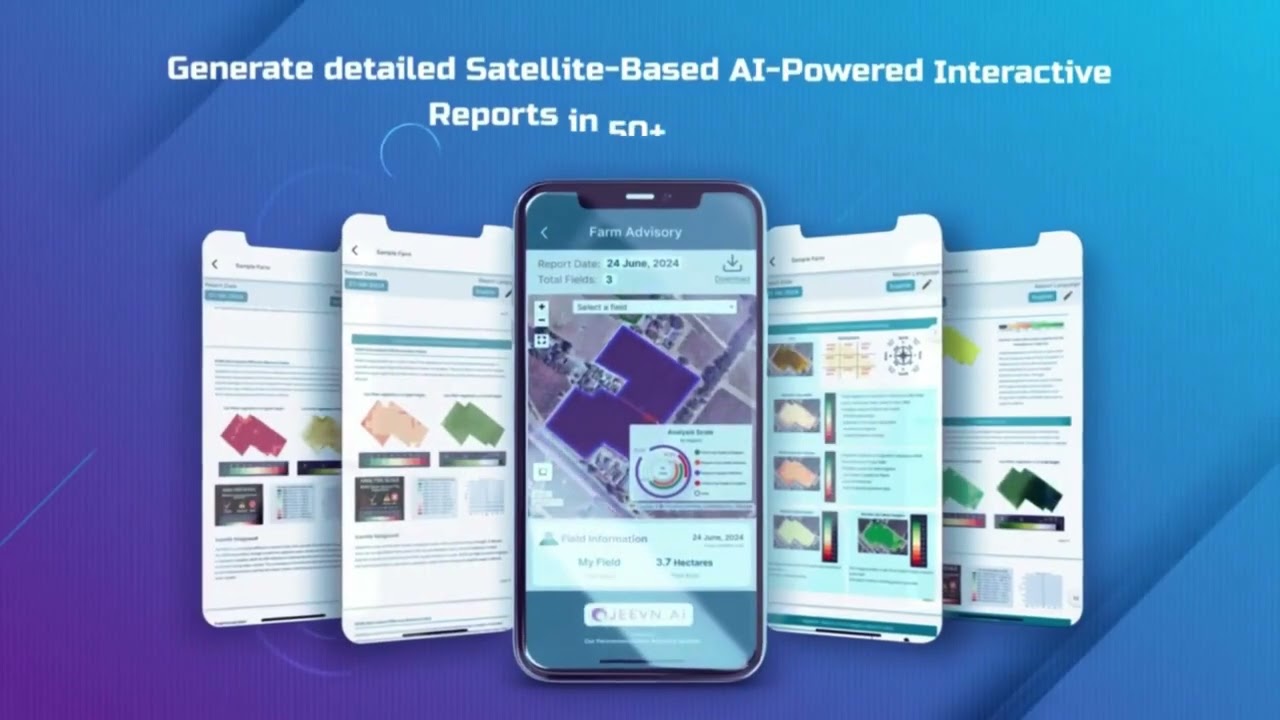
Farmonaut– Revolutionizing Farming with Satellite-Based Crop Health Monitoring
Farmonaut Solutions: Enhancing Transparency & Management for Farmland Ownership
As discussions about foreign investment in American farmland heat up, the need for greater transparency, efficiency, and sustainability intensifies. While Farmonaut is not a regulatory agency or farmland marketplace, our technology empowers users with advanced, affordable tools for:
- ✔ Satellite-based farmland and crop monitoring (NDVI, soil health, irrigation mapping)
- ✔ Blockchain-driven traceability — secure, trackable supply chains for agricultural output and resource verification
- ✔ Real-time AI advisory — the Jeevn AI system provides targeted, actionable insights for risk management and compliance
- ✔ Environmental footprint tracking — compliance tools, such as carbon monitoring for reporting and regulatory needs
- ✔ Fleet and resource management — optimize logistics and operational costs with our Fleet Management tools
- ✔ Large-scale farm operations management — monitor multiple land parcels, track inputs, optimize yield, and meet evolving U.S. regulatory standards via our Agro Admin platform.
Farmonaut App Access & Integration
Our app is available on Android, iOS, and the web—enabling farmers, agri-investors, and land managers to keep tabs on crop health, soil conditions, irrigation needs, and resource allocations, wherever they operate. For developers and businesses seeking to supercharge portfolio analytics or compliance tracking, Farmonaut API allows seamless integration of satellite-driven insights into your applications. See developer docs for details.
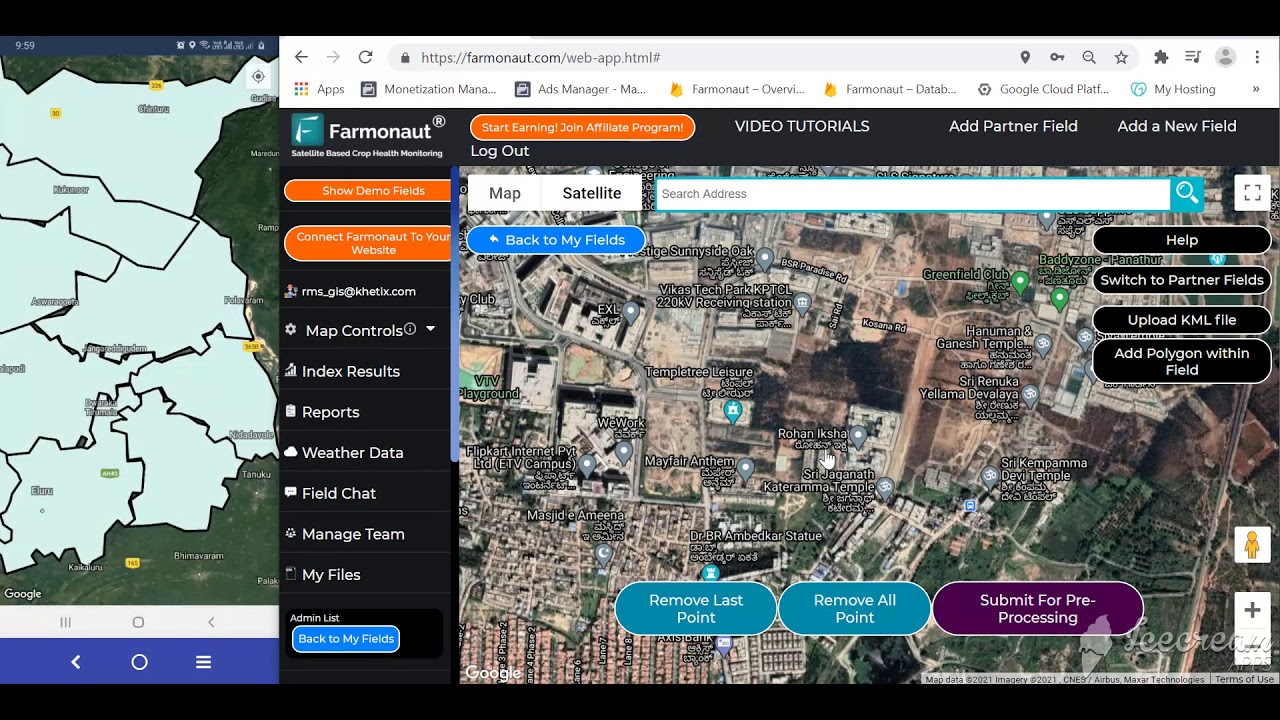
Farmonaut Large Scale Field Mapping & Satellite Based Farm Monitoring | How To Get Started
“China owns about 384,000 acres of U.S. farmland, representing less than 1% of all foreign-held agricultural land.”
“Foreign entities control over 40 million acres of U.S. farmland, with China ranking far behind Canada and European countries.”
FAQ: How Much Farmland Does China Own in the US?
Q1. How much farmland does China own in the United States as of the most recent data?
A1. Chinese entities hold approximately 384,000 acres of U.S. farmland, which is less than 1% of all foreign-owned agricultural land in the United States.
Q2. Why is Chinese farmland ownership a concern for U.S. policymakers?
A2. Concerns center on national security, food supply sovereignty, rural community impacts, water and resource access, and potential influence over critical infrastructure or supply chains.
Q3. How does Chinese investment differ from other foreign land investors?
A3. Chinese participation often appears as long-term leases, shares in agricultural entities, and control over processing facilities—sometimes making real influence larger than headline acreage numbers suggest.
Q4. Are there regulatory limits to Chinese agricultural land ownership?
A4. Yes—federal law mandates disclosure, while many states have additional bans or restrictions, especially near sensitive sites or in states with strong agricultural sectors (e.g. Iowa, Minnesota).
Q5. How can technology help monitor or manage foreign-held farmland?
A5. Satellite monitoring, AI-driven advisory, fleet and resource management tools—such as those provided by Farmonaut—improve transparency, regulatory compliance, and supply chain traceability for all farmland owners.
Conclusion: Farmland Ownership, Policy Implications & Future Trends
The conversation about how much farmland does China own in the US reflects complex realities: regulatory tension, transparent stewardship, agricultural technology transfer, and the critical balance of private investment versus national food system resilience. While Chinese ownership is a small slice of the U.S. farmland total, the true story is about influence, not just acreage. Lessees, investors, and operators may exert considerable control over production, processing, logistics, and crop choices.
The regulatory landscape is shifting, as state and federal policymakers move to close perceived loopholes and bolster reporting on foreign investment. At the same time, cutting-edge tools—such as Farmonaut’s satellite monitoring and AI-based advisory systems—are making it easier for all types of landowners to optimize operations, ensure compliance, and advance sustainable agriculture.
American farmland will remain a magnet for investment, debate, and policy evolution. The best way forward: transparency, rigorous oversight, and broad adoption of advanced data-driven technologies to benefit both farmers and communities—safeguarding our food, water, and soil for generations to come.
For advanced API integration with your agri, mining, or infrastructure monitoring solutions, explore the Farmonaut API and Developer Docs.
Discussion
Questions, corrections or field experience? Share them below. First-time comments are reviewed before they appear, and your email is never published.
No comments yet. Be the first to add a question or your experience.

 Deepak Fertilisers & Petrochemicals
 Sapoznick Farms
 Agrotoken
 Blue BearX
 Insignito
 Croptimum
 DnCubed
 Field Capacity
 Indosistim Teknologi
 Liquify Digital
 CU Foods
 BeyondTech Global
 Rouge VC
 AgroGreen Dynamics
 AgroRisk
 Oath Inc
 Reddane Farming
 Esri North East Africa
 Licence holder · Niger · Gold










