

What Is South Carolina’s Agriculture? Forestry Jobs & Facts [2024]
“South Carolina’s forests cover over 12 million acres, supporting more than 90,000 forestry-related jobs statewide.”
“Agriculture and forestry contribute nearly $46 billion annually to South Carolina’s economy, highlighting their vital role in sustainability.”



Overview: The Backbone of South Carolina’s Economy
What is South Carolina’s agriculture? At its core, it’s a diverse, adaptive sector central to the state’s economy, communities, and environmental health. From the sun-baked coastal plains to the lush piedmont and the uplands, South Carolina’s agricultural and forest landscapes form a dynamic backbone. These landscapes supply markets, shape local traditions, and provide precious habitat and ecosystem services. The connection runs deep—farming, forestry, related industries, and the jobs they create sustain lives across the Palmetto State.
Forestry jobs in South Carolina and roles across agriculture offer more than just employment. They foster stewardship, management, and innovation that are crucial as climate pressures and market demand evolve. A sustainable approach—rooted in science and tradition—allows South Carolina to balance strong production with conservation and responsible resource use.

South Carolina Agriculture: Diverse, Dynamic, and Sustainable
What is South Carolina’s Agriculture? The Core Crops & Livestock
South Carolina’s agriculture is characterized by its diversity, with core staples and emerging sectors thriving in the state’s varied soils and microclimates.
- ✔ Peaches: South Carolina is the nation’s second-largest peach producer. 🍑
“The Peach State” may be Georgia’s nickname, but South Carolina often outpaces its neighbor in peach output! - ✔ Soybeans, corn, and cotton: Foundational staple crops well-adapted to the coastal plains and piedmont. 🌱
- ✔ Vegetables: Leafy greens, tomatoes, and specialty crops, supporting a flourishing vegetable sector.
- • Leafy greens (collards, kale, lettuce)
- • Tomatoes & peppers
- • Specialty produce (watermelon, cantaloupe, berries)
- ✔ Livestock & Poultry: Beef cattle, hogs, poultry production underpin the farm economy.
- • Leading poultry products: Broilers, eggs, turkeys
- • Reliable beef and pork supply
The state’s agricultural output is deeply tied to a network of processors and distributors. These networks support regional, national, and international markets—from ports in Charleston to tables nationwide.
Sustainable Practices: Meeting Demand, Conserving Resources
Sustainability is at the heart of modern South Carolina agriculture. Farmers and advisors focus on:
- ✔ Irrigation efficiency—using sensor-driven systems to minimize water use and stress on aquifers
- ✔ Soil health—cover cropping, no-till, regenerative agriculture, and precision nutrient application
- ✔ Pest management—integrated pest management (IPM) strategies for crops like peaches and vegetables
- ✔ Rotation planning—rotating crops and pastures to reduce disease and boost biodiversity

Farmers adapt their practices to the region’s climate. Drought forecasting, pest and disease monitoring, precision agriculture, and crop selection as climate adaptability strategies are all growing in importance.
Additionally, through advanced digital tools, stakeholders can improve yields while conserving natural resources—putting South Carolina at the forefront of sustainable agriculture.

Agricultural Market Integration & Trade Strength
South Carolina’s diverse agricultural portfolio enables effective integration with national and international markets thanks to its strategic location, ports, and rail links. The agricultural sector forms a “dynamic backbone” that fuels regional trade and supply chains.
Processors convert raw farm output into value-added products; distributors ensure timely transport to markets, sustaining strong economic linkages.
This robust supply chain fosters adaptability to changing market demand, ensuring reliable flow of goods, supporting local and rural communities, and strengthening South Carolina’s economic base.
- ✔ Resilience against price shocks & climate risks
- ✔ Sustainable resource use (soil, water, biodiversity)
- ✔ Job creation across regions & market segments
- ✔ International trade integration
- ✔ Community support and rural livelihoods
Smart farming and AI-driven monitoring tools, such as those available from Farmonaut’s API, give growers powerful insights for real-time decisions—facilitating more sustainable resource management and compliance with environmental standards.
Developers can explore API Developer Docs for seamless integration and customized agri-tech solutions.

Forestry in South Carolina: Sustainable Forest Management & Jobs
Forestry Jobs in South Carolina: The Green Economic Engine
South Carolina’s forests are more than beautiful landscapes—they’re productive working lands forming the “cornerstone” of rural economies, supporting essential industries and thousands of jobs.
Forestry jobs in South Carolina include:
- 🌲 Loggers & sawmill operators (timber production, wood products)
- 🪵 Pulp and paper mill workers (fiber for manufacturing)
- 🌳 Foresters & forest management specialists (monitoring forest health, planning sustainable harvests)
- 🔥 Forest health specialists & fuelwood technicians (pest management, fire resilience)
- 🌏 Conservation & reforestation crews (restoring habitat, maintaining ecosystem services)
- 🐾 Wildlife managers & recreation planners (supporting hunting, ecotourism, biodiversity)

Forestry supports a vast array of products: from construction timber and furniture hardwoods to pulp for paper, fiberboard, and innovative wood-based materials. Sustainable forest management promotes stability, supports recreation, and is central to carbon storage and ecosystem services like water filtration and erosion control.
South Carolina’s Forest Management: Sustainable by Design
South Carolina leads in practices that maintain biodiversity, soil quality, and long-term timber yields. Key strategies include:
- ✔ Rotation planning—ensures forests have time to regenerate, maintaining productivity
- ✔ Selective harvesting—reduces impact on habitats and soil
- ✔ Certification programs—assure markets that products come from responsibly managed stands
- ✔ Reforestation programs—restore cut areas and convert marginal land back to working forests
Forests also support resilience: Healthy, diverse stands withstand drought, pests, climate pressures, and disease. They promote wildlife habitat, enrich hunting and ecotourism, and protect the state’s water resources and rural soil stability.
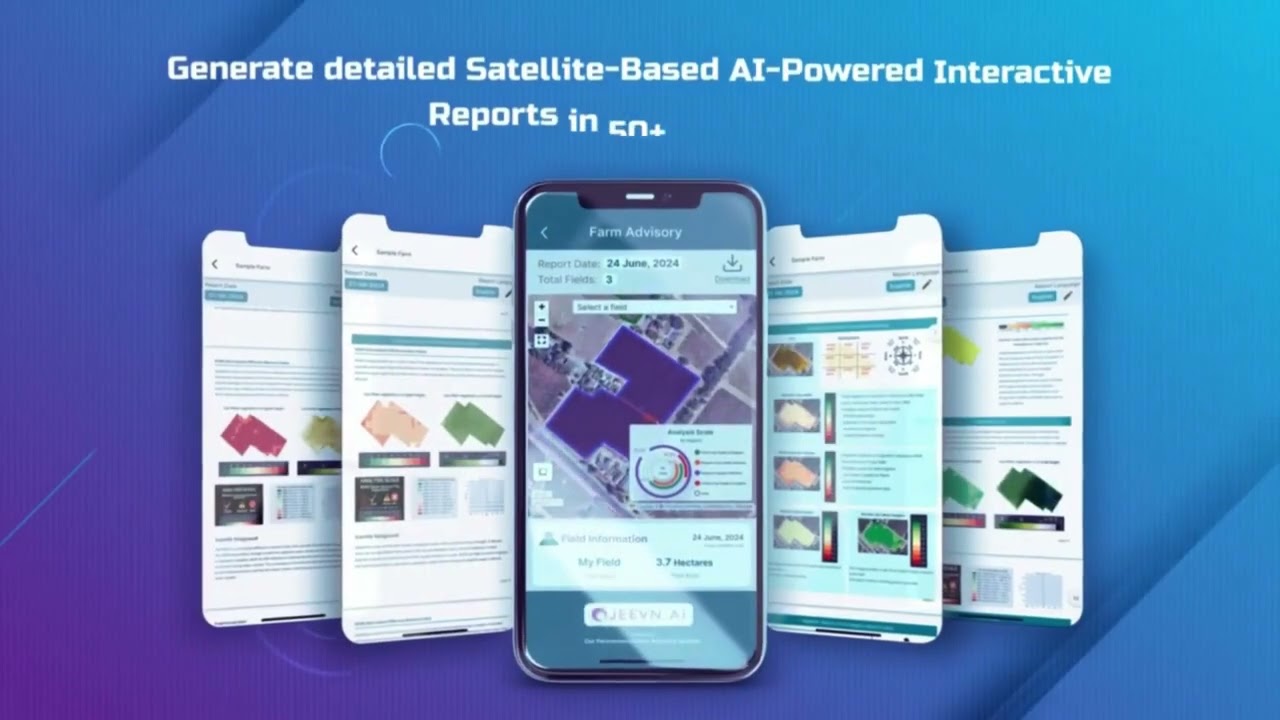
For sustainable forest crop advisory, reforestation analysis, and health monitoring, we recommend exploring Farmonaut’s Crop Plantation / Forest Advisory platform—supporting informed plantation decisions and program tracking with satellite technology.
- 🌳 Carbon storage for climate mitigation
- 💧 Water filtration for healthy watersheds
- 🦋 Biodiversity habitat (flora, fauna, pollinators)
- 🛤️ Soil stability—reducing erosion on slopes
- 🏞️ Recreation and ecotourism

Forestry Jobs South Carolina & Agricultural Careers: An In-Depth Look
The Career Spectrum: From Field to Facilities
With over 90,000 forestry jobs in South Carolina and countless more in agriculture, the sector offers a broad spectrum of careers:
- 🌾 Agronomists—advise on crop health, yield optimization & soil management
- 👩🌾 Crop scouts—monitor for pests, disease, and growth stages
- 🌱 Horticultural specialists—tailor practices to specialty produce and flowers
- 🚜 Field crews—planting, irrigating, harvesting, and post-harvest logistics
- 🏠 Processing & packaging workers—operating facilities and ensuring quality/control
- 🪓 Loggers and mill workers—harvesting and processing timber
- 🌳 Foresters and resource managers—long-term planning for forest health/resilience
Supporting sectors include machinery/maintenance, supply chain logistics, quality assurance, recreation management, and data analytics.

Key Skills & Demand:
- ✔ Analytical thinking & data literacy—especially in precision ag and resource management
- ✔ Biological, environmental, & soil science expertise
- ✔ Technology proficiency—satellite/remote sensing, irrigation automation, machinery control
- ✔ Practical know-how—from equipment operation to safety, to sustainability protocols
- ✔ Adaptability—as climate, pests, and markets rapidly change
Workforce development is essential—supported by apprenticeships, certification programs, college/university partnerships, and farmer-led extension networks.
Modern growers also rely on technology platforms for risk forecasting, resource optimization, and compliance reporting, such as Farmonaut’s carbon footprinting tools (learn more about carbon tracking here).
Deforestation in South Carolina: Sustainable Practices & Resilience
Historical Pressures & Current Solutions
Deforestation in South Carolina—caused historically by agricultural expansion, urbanization, and infrastructure—has sparked debate about land use, habitat loss, and timber harvesting. Thanks to sustainable forest management, the state maintains a high level of forest cover today, compared to many southern peers.
Key practices for maintaining healthy forest landscapes include:
- ✔ Certifications (e.g., Forest Stewardship Council, SFI)—guaranteeing sustainable sourcing and management
- ✔ Reforestation efforts—on cut lands, abandoned agriculture plots, or after storms/pest outbreaks
- ✔ Fragmentation prevention—incentives for large, connected forest ownerships
- ✔ Habitat protection—buffer zones, riparian corridors, and wetland conservation
- ✔ Climate resilience programs—restoring longleaf pine, diversified stands (oaks, hickories, pines)
Collaboration among landowners, industry, and agencies balances the state’s need for economic timber harvests with water, soil conservation, and wildlife habitat protection.
“South Carolina’s forests cover over 12 million acres, supporting more than 90,000 forestry-related jobs statewide.”
“Agriculture and forestry contribute nearly $46 billion annually to South Carolina’s economy, highlighting their vital role in sustainability.”
Climate, Disease, and the Need for Ongoing Innovation
The forest management community in South Carolina is increasingly focused on:
- ✔ Pest and disease monitoring (southern pine beetle, oak wilt, fungal outbreaks)
- ✔ Fire resilience and controlled burns
- ✔ Drought-adapted species and forest structure
- ✔ Data-driven resource management tools
These strategies help maintain forest cover, biodiversity, and productivity—directly countering deforestation in South Carolina by promoting healthy, multifunctional landscapes.
Regional Planning: Infrastructure, Mining, and Land-Use Integration
The interplay between agriculture, forestry, and related industries shapes South Carolina’s landscape:
- ✔ Infrastructure development—roads, storage, processing plants support supply from farm to market
- ✔ Mining and resource extraction—require environmental planning and land reclamation to promote compatibility with agriculture and forests
- ✔ Integrated land-use strategies—essential for rural economic stability, soil protection, and biodiversity
Smart land-use planning is vital. It reduces the risk of resource conflicts, soil erosion, and water pollution—while fostering both economic and environmental success.
Our Product Traceability Solution offers blockchain-integrated tracking for agricultural and mining supply chains—ensuring transparency and compliance with regulations while supporting responsible land management.
Future Outlook: Technology, Sustainability & Community Resilience
How Innovation, Data, and Agri-Tech Are Shaping the Sector
The next era for South Carolina’s agriculture and forestry will be defined by the integration of AI, satellite technology, and sustainability tools. Farmonaut’s suite of services—including advanced monitoring, advisory systems, and blockchain-based resource management—helps growers, landowners, and businesses adapt to evolving challenges.
- 📊 Data insight: Real-time mapping of crop vigor, irrigation status, forest canopy health, and even carbon footprinting with satellite data
- 🔗 Traceability: From seed to shelf, blockchain verifies sustainability and supports regulatory compliance (see traceability solution)
- 🧑🤝🧑 Workforce Upskilling: Mobile, web, and API-based technologies empower skilled trades and youth to thrive in agri/forestry sectors
- 🌱 Regeneration: Reforestation, habitat restoration, and climate adaptation programs are enabled by remote sensing platforms (learn about satellite-based crop insurance here)
- 🤖 AI Precision: Climate-pest forecasting and adaptive inputs optimize yields for every acre
Satellite-driven insights will remain essential for market analysis, inventory control, drought response, disaster recovery, and long-term strategic planning for agriculture, forestry, and mining.
The state’s path forward will rely on education, workforce development, and robust extension programs to ensure high standards in conservation, biodiversity, and economic opportunity.
South Carolina Agriculture & Forestry Sector Overview
| Sector | Estimated Jobs | Annual Economic Impact (USD) | Top Products/Species | Sustainable Practices |
|---|---|---|---|---|
| Crops | ~50,000 | $14 billion | Peaches, Soybeans, Corn, Cotton, Leafy Greens, Tomatoes | Minimum tillage, rotation, IPM, sensor-driven irrigation, precision nutrient management |
| Livestock | ~35,000 | $9 billion | Beef Cattle, Poultry, Hogs, Eggs, Dairy | Rotational grazing, waste management, biosecurity, animal welfare certification |
| Forestry | ~90,000 | $23 billion | Pine, Oak, Hardwood Timber, Pulpwood, Fiber, Wildlife Habitat | Rotation planning, selective harvest, reforestation, certification, prescribed burning |
Frequently Asked Questions
-
1. What is South Carolina’s agriculture known for?
South Carolina’s agriculture is known for its diverse crops—especially peaches, soybeans, corn, cotton, leafy greens, and vegetables—as well as robust livestock and poultry production supporting local and international markets.
-
2. What types of forestry jobs are available in South Carolina?
Forestry jobs South Carolina include loggers, foresters, sawmill and paper mill workers, conservation professionals, field technicians, and recreational land management—offering a spectrum from labor-intensive to highly skilled analytical roles.
-
3. How does South Carolina address deforestation?
The state implements sustainable forest management, reforestation programs, land conservation incentives, and certifies timber products to ensure forests are maintained for future generations. These efforts promote biodiversity, climate resilience, and economic stability.
-
4. How do agriculture and forestry support South Carolina’s economy?
Together, agriculture and forestry contribute nearly $46 billion annually, providing 170,000+ jobs, supporting rural communities, and fostering strong integrated markets from rural lands to international trade.
-
5. What technology solutions are available to support sustainable practices?
Tools like Farmonaut’s satellite monitoring platform offer real-time data, AI advisory, carbon footprint tracking, and traceability services that empower growers, businesses, and agencies to optimize operations and adopt sustainable farming and forest management techniques.
-
6. How can I access Farmonaut’s technology for agriculture and forestry?
You can access Farmonaut tools via the web or mobile applications, or integrate with custom software using the API. For step-by-step guidance, check our API Developer Docs.
- ✔ Forestry covers over 12 million acres, with the state among national timber leaders.
- ✔ Peach production rivals Georgia’s, making SC proud of its “peach state” status in some years.
- ✔ Diversified crops and efficient livestock operations help buffer market and climate risks.
- ✔ Sustainable land management protects over 30 major watersheds statewide.
- ✔ Modern technology and traceability tools position South Carolina as a sustainability leader in agriculture and forestry for the Southeast.
Conclusion
South Carolina’s agriculture and forestry sectors are more than economic engines—they are stewards for resilient landscapes, biodiversity, and rural livelihoods. From diversified crops and livestock to sustainable forest management, these industries thrive by blending tradition and innovation. They form a dynamic backbone, shaping communities and markets, while protecting soil, water, and habitat health across the spectrum.
As environmental and market demands evolve, we can continue to support sustainable growth and stewardship across South Carolina’s fields and forests—ensuring they remain vital for generations to come.
Explore, monitor, and optimize your agricultural and forestry operations with Farmonaut — Powering resilience, profit, and sustainability in South Carolina and beyond.

 Cazlv
Cazlv HIPSAC
 ZOL Zimbabwe
 Juligerm
 AdBio
AdBio MISE Maroc
 Drift-Sense
 NWNS
NWNS Red August Group
 Farm Inc
 WeMe Global
 Agrotoken
 Blue BearX
 Insignito
 Croptimum
 DnCubed
 Field Capacity
 Indosistim Teknologi
