

Crop Management for Sustainable Agriculture: 7 Key Strategies
Summary: Crop Management for Sustainable Agriculture: Integrating Land, Farm, Pest, and Forest Management for a Resilient Future. In an era marked by climate change, resource scarcity, and rising global food demand, sustainable crop management is more critical than ever. By integrating land, farm, pest, and forest management, we build resilient agricultural systems that are productive, ecologically balanced, and economically viable for generations to come.



Understanding Sustainable Agriculture and Crop Management
Sustainable agriculture has emerged as a critical paradigm in our quest to meet rising global food demand while preserving environmental integrity and promoting social equity. With the world confronting the challenges of climate change, soil degradation, water scarcity, biodiversity loss, and increasing pest pressures, crop management for sustainable agriculture is now more central than ever for the future of farming.
Sustainable crop management is a holistic approach that balances economic viability with ecological stewardship and social responsibility. It involves optimizing cultivation practices to enhance yield and crop quality without compromising soil health, water resources, or biodiversity. By integrating principles of land, farm, pest, and forest management, farmers can build resilient agroecosystems that adapt to changing climate and market dynamics.
Why Crop Management for Sustainable Agriculture is Critical in 2025
- Food Security: The global population continues to rise, and the FAO has estimated that food production must rise by about 70 percent by 2050 (FAO, How to Feed the World in 2050).
- Environmental Pressures: Conventional agriculture contributes to soil erosion, water pollution from excessive chemical inputs, and the loss of biodiversity.
- Climate Change: Extreme weather events and shifting precipitation patterns require resilient farming systems that can adapt to uncertainty.
- Resource Scarcity: Freshwater and fertile soil are finite, making resource-efficient farming essential.
- Socio-Economic Dynamics: Smallholder farmers face economic risks, demanding an integrated approach that supports income stability, fair access, and long-term viability.
The urgency for sustainable agriculture land management, sustainable farm management, sustainable agriculture & forest management, and sustainable agriculture pest management becomes clearer as we look toward the future.

Crop Management for Sustainable Agriculture: 7 Key Strategies
As the backbone of sustainable agriculture, effective crop management encompasses interventions at every level of the production system. Here are 7 essential strategies—each targeting a crucial facet of modern sustainability and farm productivity:
- Crop Rotation and Diversification
- Conservation Agriculture & Soil Health Management
- Precision Agriculture and Data-Driven Decision Support
- Integrated Pest Management (IPM)
- Agroforestry and Forest Integration
- Water Conservation and Efficient Irrigation
- Organic and Regenerative Farming Practices
1. Crop Rotation and Diversification
Crop rotation — the systematic planting of different crop species on the same plot in sequential seasons — is a pillar of crop management for sustainable agriculture.
- Main Practice: Rotate cereals with legumes, oilseeds, or cover crops. E.g., maize-soybean-wheat rotation.
- Benefits:
- Enhances soil fertility by naturally fixing nitrogen and breaking pest/disease cycles.
- Reduces soil degradation and erosion.
- Improves biodiversity within agroecosystems and enhances yield stability.
- Yield effect: often higher and more stable yields than continuous monoculture, varying by crop, soil and region.
Why it’s Critical in 2025: With global soil health under threat, rotation and diversification become essential for maintaining productivity without heavy dependence on synthetic inputs.
2. Conservation Agriculture & Soil Health Management
Conservation agriculture involves a set of practices that protect soil, maximize water retention, and reduce erosion:
- Main Practice: No-till or reduced tillage, maintaining soil cover with residues or cover crops, and crop rotation.
- Benefits:
- Soil structure is improved, fostering beneficial microbes and enhanced water infiltration.
- Soil carbon is sequestered, supporting carbon footprint reduction (see how monitoring tools contribute).
- Overall input requirements are reduced, lowering production costs and chemical pollution.
- Yield effect: gains are most likely on degraded soils; yields can dip in the first seasons after switching to no-till.
Tools for 2025: Digital mapping via satellite-based platforms and soil moisture monitoring helps farmers optimize practices while protecting soil quality.

3. Precision Agriculture and Data-Driven Decision Support
Precision agriculture redefines sustainable farm management by leveraging technology to optimize the application of water, fertilizers, and pesticides—directly improving efficiency and yield.
- Main Practice: Use of remote sensing, AI, farm management software, and on-farm sensors to guide everything from planting to irrigation and input application.
- Benefits:
- Reduces unnecessary input use and environmental contamination.
- Enhances productivity by providing zone-specific recommendations.
- Facilitates rapid response to changing crop and pest conditions in real time.
- Yield effect: savings come mainly from applying inputs only where and when they are needed.
-
Learn more:
Farmonaut’s Large Scale Farm Management platform enables centralized monitoring of vast operations with real-time crop and field data.
4. Integrated Pest Management (IPM)
IPM offers a sustainable agriculture pest management approach that blends biological, cultural, and minimal chemical strategies to control pests.
- Main Practice: Using natural predators, pest-resistant crop varieties, crop rotation, accurate monitoring, and eco-friendly pesticides only when necessary.
- Benefits:
- Cuts unnecessary pesticide applications by spraying only when monitoring shows pests have passed a threshold.
- Limits pest resistance over time while improving crop yield.
- Supports beneficial insect and pollinator biodiversity.
-
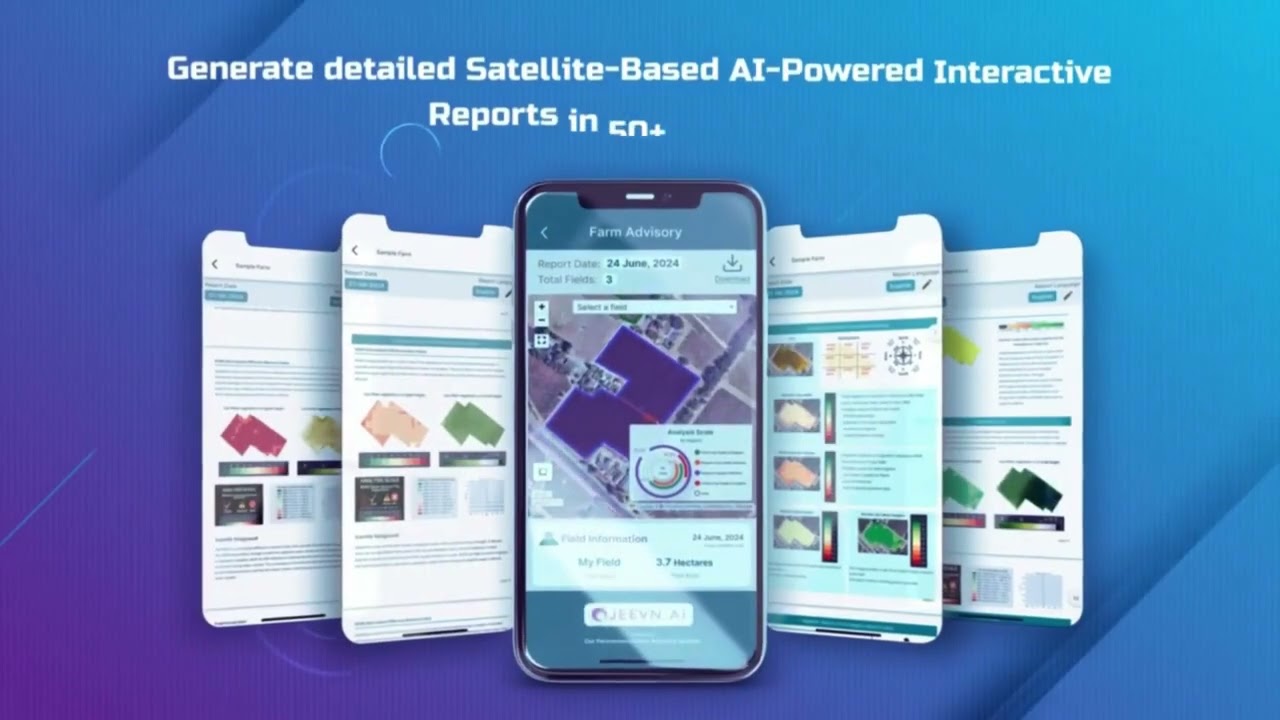
Need precision pest alerts and rapid response?
Our platform’s AI-powered advisory system helps users monitor fields, identify pest thresholds, and react to reports quickly.

5. Agroforestry and Forest Integration
Agroforestry is the practice of integrating trees and shrubs into croplands and pastures:
- Main Practice: Intercropping with tree species, forest buffer zones, and silvopasture (trees with livestock).
- Benefits:
- Reduces soil erosion and runoff.
- Stabilizes microclimates and improves water cycles on farms.
- Boosts carbon sequestration and enhances on-farm biodiversity.
- Diversifies farm income through timber, fruit, or other products.
-
Interested in carbon benefits of agroforestry?
Explore comprehensive Farmonaut carbon footprinting solutions for forest-integrated agricultural systems.

6. Water Conservation and Efficient Irrigation
Water scarcity is a growing challenge worldwide. Sustainable crop management relies on optimally using every drop:
- Main Practice: Drip irrigation, rainwater harvesting, mulching, and soil moisture sensors.
- Benefits:
- Uses less water than flood or furrow irrigation by delivering it to the root zone.
- Prevents overwatering and nutrient leaching.
- Supports healthy root development and better drought resilience.
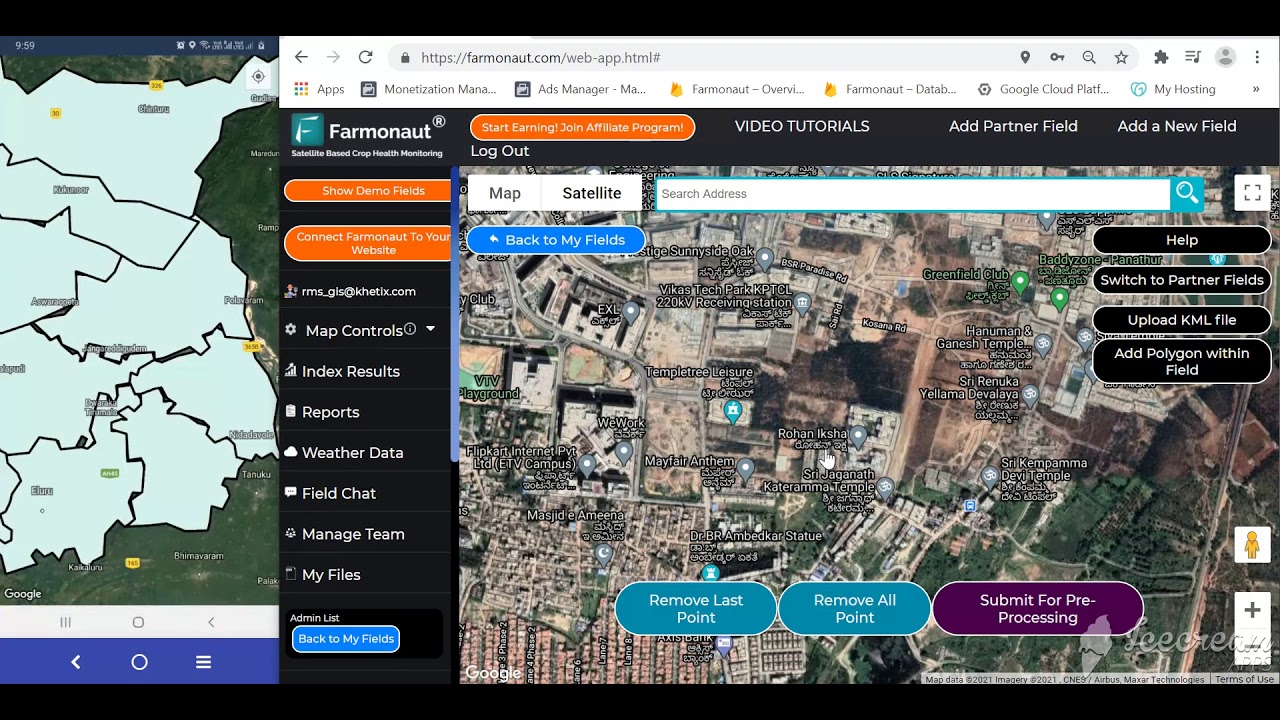
- Track soil moisture remotely: Use Farmonaut API and Field Mapping Tools for water use efficiency on large plots.
7. Organic and Regenerative Farming Practices
Organic and regenerative agriculture practices focus on minimizing or eliminating chemical inputs—they restore soil, improve on-farm ecosystems, and often attract premium markets.
- Main Practice: Use of compost, green manures, minimal synthetic inputs, and natural pest/weed management.
- Benefits:
- Enhances soil fertility and structure long-term.
- Boosts on-farm biodiversity and pollinator populations.
- Delivers eco-friendly products demanded by modern consumers.
- Yield effect: yields can be similar to or lower than conventional systems, offset in some markets by price premiums and lower input costs.
- Track your transition to organic: Our advisory and mapping solutions help measure and monitor the progress of fields adopting organic and regenerative approaches, ensuring traceable, verifiable compliance.
- Discover Blockchain-Based Traceability for food supply chain transparency.

Comparison Table of Sustainable Crop Management Strategies
Farmonaut: Empowering Precision Crop Management for Sustainable Agriculture
In 2025 and beyond, bringing these strategies to life requires access to real-time data, AI-powered insights, and accessible digital tools. This is where satellite-based precision solutions are revolutionizing crop management for sustainable agriculture.

We at Farmonaut leverage the power of satellite imagery, AI, blockchain, and machine learning to make precision crop management accessible and affordable to all types of farmers and agribusinesses worldwide.
- Crop Health Monitoring: Track NDVI, soil moisture, pest presence, and stress at field-scale—enabling timely interventions and optimized inputs to reduce loss and improve yield.
- AI-based Decision Support (Jeevn AI): Get actionable recommendations—like when to irrigate or spray—based on satellite data, crop type, and weather forecasts.
- Blockchain Traceability: For supply chain transparency, our traceability platform (see: Farmonaut Traceability) documents the entire product journey—enhancing trust and matching regulatory or market needs for organic, fair, and sustainable food.
- Fleet & Resource Management: Our fleet management tools help agribusinesses and cooperatives reduce operational waste, monitor machinery, and increase productivity across large landscapes.
-
Crop Loan & Insurance Support: Satellite-driven crop area estimates and verifications streamline financing/insurance for farmers, reducing fraud and improving market access.
Learn more about our crop loan and insurance verification solutions. - Carbon Footprint Tracking: Our tools help enterprises and individual operators monitor, manage, and report greenhouse gas data to ensure compliance with climate policies. See details at Farmonaut Carbon Footprinting.
- API & Developer Access: Integrate satellite and weather data to automate large-scale farm monitoring. See our API and developer documentation.
Through a subscription-based, highly scalable model, we are committed to helping every farmer and agribusiness transition to a sustainable future—without the prohibitive costs of traditional precision agriculture.
Challenges and the Future of Sustainable Crop Management
Despite rapid advancements, several challenges must be addressed for wider adoption of sustainable agriculture land management and other integrated techniques:
Major Ongoing Challenges:
- Access to Knowledge & Technology: Many smallholder farmers lack information, training, or tools for optimal decision-making. Digital literacy and extension services remain vital.
- Financial Constraints: Upfront costs for sustainable equipment, seeds, or technology can be a barrier—especially where credit markets or subsidies are limited.
- Policy Barriers: Outdated regulations, perverse subsidies, and a lack of sustainable input incentives can hinder change.
- Climate Uncertainty: Increasing frequency of droughts, floods, and shifting pest dynamics challenge even the most resilient systems.
- Market Gaps: Weak rural market infrastructure, lack of price premiums for sustainable products, and limited branding opportunities can dull economic motivation.
To overcome these, a multifaceted future strategy must include:
- Collaborative Efforts: Among scientists, policymakers, technologists, and the farming community to ensure tools and knowledge reach all stakeholders—for true environmental and social sustainability.
- Digital Transformation & Big Data: Scaling cloud-based satellite monitoring, AI decision support, and blockchain traceability makes data-driven crop management practical and affordable—especially with subscription apps accessible via web, Android, and iOS.
- Integration of Local Knowledge: Combining traditional ecological knowledge with modern technology ensures sustainability is inclusive, context-specific, and adaptive to on-the-ground realities.
- Policy Innovation: Evolving policies that provide fair rewards, insurance protection, and climate adaptation support to those adopting sustainable practices.
- Focus on Regenerative Systems: Beyond sustainability, regenerative farming actively rebuilds soil, ecosystems, and carbon storage for net-positive impacts on food systems, farm incomes, and the planet.
Watch regeneration at work:
The bottom line: Crop management for sustainable agriculture is not just a collection of farming techniques, but a holistic, responsive approach—tied to environmental health, economic prosperity, and the resilience of communities worldwide.
Sustainable Crop Management Practices in USDA Conservation Standards
Sustainable crop management is not a single method. It is a set of practices used together, so the soil, water and pest problems on a field are handled as one system. In the United States, the Natural Resources Conservation Service (NRCS) writes a numbered standard for each practice. Farmers use these codes when they apply for cost-share programmes, and advisers elsewhere often use them as a checklist.
| Practice | NRCS code | What it covers |
|---|---|---|
| Conservation Crop Rotation | 328 | Planned sequence of different crops on the same field |
| Residue and Tillage Management, No Till | 329 | Planting into crop residue with little or no soil disturbance |
| Cover Crop | 340 | Crops grown between cash crops to cover soil, suppress weeds and break pest cycles |
| Nutrient Management | 590 | Rate, source, timing and placement of fertiliser and manure |
| Irrigation Water Management | 449 | Scheduling water to match crop demand |
| Integrated Pest Management | 595 | Prevention, monitoring and targeted control of pests |
NRCS notes that the cover crop standard is commonly applied with crop rotation, no-till, nutrient management and integrated pest management. That is the practical point: a rotation without cover or reduced tillage still leaves soil exposed, and pest monitoring works best when the rotation already breaks pest cycles. Start with the practice that fixes your biggest field problem, then add the others.
Frequently Asked Questions (FAQ)
What is crop management for sustainable agriculture?
It’s the integrated application of practices and technologies that optimize crop yield and quality, while preserving soil health, enhancing biodiversity, conserving water, and minimizing negative environmental and social impacts.
How does crop rotation contribute to soil health?
Crop rotation interrupts pest and disease cycles, enhances nutrient cycling, reduces soil degradation, and naturally boosts fertility, increasing yield sustainably.
Is sustainable pest management compatible with high productivity?
Absolutely. Integrated pest management (IPM) relies on the careful balance of biological controls, cultural techniques, and minimal chemicals. This protects beneficial species, maintains yields, and sustains ecosystem health.
What makes precision agriculture important for the future?
By tailoring input and irrigation to real-time field conditions, precision agriculture reduces waste and improves efficiency and profitability—vital in a world of resource scarcity and climate uncertainty.
How do tools like Farmonaut support sustainable crop management?
Our technologies use satellite monitoring, AI decision support, and blockchain for real-time data gathering, resource optimization, supply chain transparency, and sustainability benchmarking—empowering farmers and businesses to make smarter, more sustainable choices.
Are there subscription options for scalable, precision agriculture tools?
Yes. We offer a range of affordable, scalable subscription packages and robust APIs for crop health monitoring, field mapping, and resource management. See pricing above and explore our large scale management solutions.
Conclusion
In 2025 and beyond, crop management for sustainable agriculture will remain at the heart of our collective efforts to secure healthy, productive, and resilient food systems. By bringing together innovations in sustainable land management, integrated pest and farm management, agroforestry, and technological platforms like those developed by Farmonaut, the agricultural sector can continue to thrive—while healing and conserving the planet we all share.
The journey to sustainable, regenerative food systems is collaborative, leveraging advanced technology, scientific research, and the wisdom of farmers across landscapes and cultures. Let us embrace the integrated, data-driven approach that not only lifts yield and profitability, but protects our soil, water, forests, and communities for the generations to come.
Ready to transform your farm, agribusiness, or organization for the sustainable future?
Explore our API and developer documentation to enable your own smart agricultural applications, or visit our web portal to begin your journey today.

 DnCubed
 Pistachio ST
 Field Capacity
 Abhishta Agri
 Indosistim Teknologi
 Liquify Digital
 CU Foods
 BeyondTech Global
 Rouge VC
 AgroGreen Dynamics
 AgroRisk
 Oath Inc
 Reddane Farming
 Esri North East Africa
 Cresol
 MDCV UK
 Etech Consulting Madagascar
 Vestlandsforsking
