

Best Managed Workforce Options for the Mining Sector: Flexible Models, Upskilling, Safety & DEI
Table of Contents
- Introduction: Workforce as the Backbone of Mining in 2025
- Trivia: 2025 Workforce Transformations
- Integrated Workforce Planning and Skills Development
- Best Managed Workforce Options: Employment Models Compared
- Hybrid Employment Models: Flexibility Meets Stability
- Emphasis on Safety, Health, and Well-being
- Leveraging Automation & Human-Machine Collaboration
- Diversity, Equity, and Inclusion (DEI) Initiatives
- Comparative Feature Matrix: Workforce Management Options 2025
- Satellite Technology & Workforce Management: Farmonaut’s Role
- FAQ: Managed Workforce Options Mining Sector 2025
- Conclusion: Shaping a Smarter, Safer, and More Inclusive Mining Workforce
Introduction: Workforce as the Backbone of Mining in 2025
In the rapidly evolving global economy of 2025, the mining sector remains a critical component, consistently supplying minerals and metals that underpin technological advancement, large-scale infrastructure projects, and the accelerating transition toward green energy. Yet, the ongoing sustainability and profitability of mining operations depend on how effectively companies manage their workforce.
As the sector faces greater challenges—from labor shortages to technological disruption, safety concerns, and tightening environmental regulations—adopting the best managed workforce options mining sector-wide becomes absolutely crucial for maintaining operational excellence and competitiveness.
This blog explores the most impactful workforce management options for mining companies in 2025, providing a deep dive into integrated planning, training programs, flexible employment models, relentless safety culture, strategic automation, and DEI initiatives that are shaping the 2025 mining landscape.

Integrated Workforce Planning and Skills Development: The Foundation of a Future-Ready Mining Sector
The most fundamental aspect of managing a workforce in the mining sector is integrated strategic planning that aligns human capital needs with business goals. In 2025, companies rely on data-driven forecasting to predict skill shortages, retirements, and manpower demands arising from individual project lifecycles.
- Proactive approach: Predicting vacancies and growth, helping firms design targeted recruitment drives and succession planning well in advance.
- Workforce analytics: Employers use advanced geospatial analytics to map labor demands against operational expansion, regulatory changes, and technology integration.
- Skills gap analysis: Strategic gap analysis ensures workforce development programs address shortages in tech, safety, and compliance roles.
Given the increasing complexity of automation, from autonomous haul trucks to next-generation satellite monitoring platforms, a focus on upskilling is essential:
- Continuous learning platforms: Mining firms heavily invest in learning programs—including partnerships with vocational institutes—to develop a pipeline of skilled operators, engineers, and technicians.
- Digitally enhanced training: In 2025, virtual and augmented reality simulations create authentic operational scenarios, giving workers practice on hazardous tasks without real-world risk, alongside classroom and on-site training.
- Blended upskilling: This model integrates on-site mentorship, digital courses, and micro-credentialing, giving employees real-time, adaptable skills across machinery, compliance, and safety protocols.
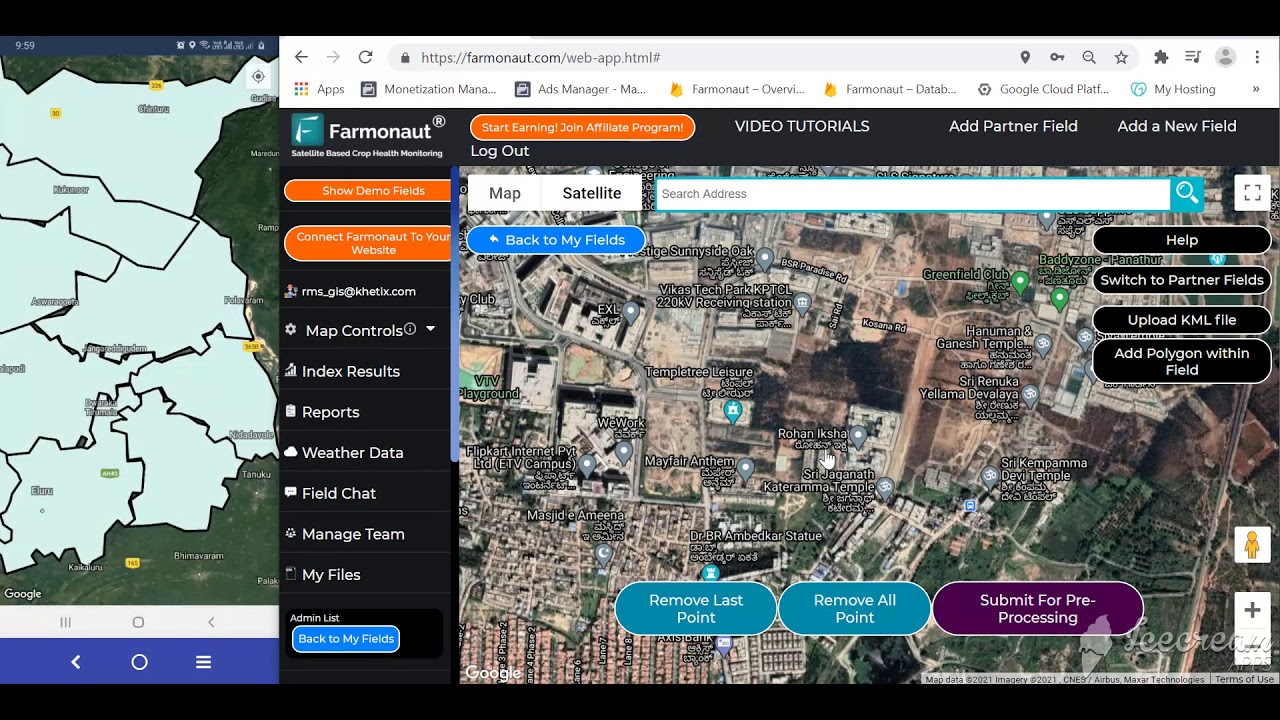
Farmonaut’s Large Scale Management Platform enables business users to monitor and optimize workforce distribution using satellite-based analytics—helping streamline resource allocation and performance review for mining companies.

What mining workforce management covers
Mining workforce management is the day-to-day work of getting the right number of qualified, rested people to the right part of the mine. It is harder than in most industries because sites are remote, shifts run around the clock, and a large share of the people on site work for contractors.
The work usually covers six areas:
- Rosters and travel. Shift patterns, fly-in fly-out or drive-in drive-out rotations, camp rooms and flights.
- Training and competency. Proof that each worker holds the training the law requires before starting a task. In the US, a new underground miner needs at least 40 hours of training before being assigned work (30 CFR 48.5), and a new surface miner under Part 48 at least 24 hours (30 CFR 48.25). At Part 46 sites such as sand, gravel and stone operations it is 24 hours, with at least 4 hours before work begins (30 CFR 46.5).
- Fatigue. Limits on hours and consecutive shifts, and checks at shift change.
- Contractor management. Pre-qualifying contractor firms and checking each contractor worker’s inductions.
- Time and attendance. Who is on site, for payroll and for emergency muster counts.
- Succession and hiring. Planning for retirements and hard-to-fill roles. In McKinsey’s 2022 survey of mining leaders, 71% said talent shortages were holding them back from production targets and strategic goals (McKinsey).
Best Managed Workforce Options: Employment Models Compared (2025 Perspective)
The best managed workforce options mining sector has evolved to reflect changing business demands, labor market shortages, and the importance of resilience in a disrupted world. Let’s examine the leading models for employment and their relative strengths for 2025:
-
In-House Permanent Employment:
- Roles: Core operations, compliance, institutional knowledge.
- Pros: High stability, deep loyalty, holistic safety culture.
- Cons: Less flexibility, higher fixed costs, slower to adapt to demand surges.
-
Outsourced Managed Services:
- Roles: Non-core and support tasks (e.g., facilities, security).
- Pros: Cost efficiency, scalability, access to external expertise.
- Cons: Potential for diluted safety/compliance culture; integration challenges.
-
Hybrid Models:
- Roles: Mix permanent for core, contract/gig for auxiliary or project-based needs.
- Pros: Balances stability with adaptability; can rapidly scale labor capacity up or down.
- Cons: Requires sophisticated workforce management and monitoring.
-
Gig/On-Demand Staffing:
- Roles: Peak demand, maintenance shutdowns, specialized expertise.
- Pros: Maximal flexibility, pay-per-use cost models, swift access to skills.
- Cons: Short-term focus, potential knowledge gaps, less embedded safety culture.




Hybrid Employment Models: Flexibility Meets Stability in Mining Workforce 2025
Hybrid employment models have emerged as the best managed workforce options for the mining sector in 2025 because they balance operational flexibility with stability—addressing both unpredictable demand cycles and the need for robust compliance.
- Integration of Staff Types: Permanent employees fill high-skill, safety-critical positions. Contractors and gig workers supplement during peak demands, bringing in new skills or meeting compliance deadlines.
- Real-Time Workforce Management: Advanced platforms, such as those with AI and satellite monitoring, enable managers to oversee distributed teams, optimizing monitoring, performance, and regulatory compliance across all workforce segments.
- Case for Miners: By using such models, companies can predict and allocate manpower more efficiently—meeting operational needs while reducing risks and operational expenses.
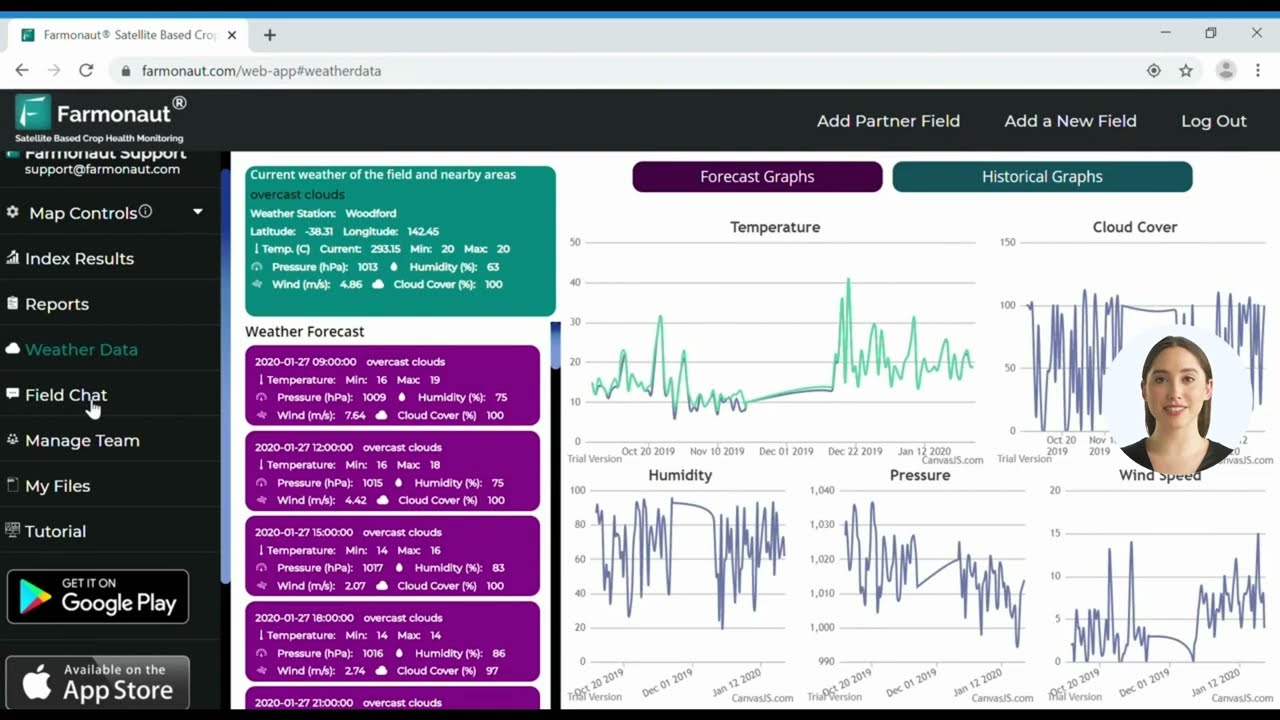
Our Fleet and Resource Management suite is designed to help mining operations direct both human and equipment resources. Real-time, satellite-powered insights ensure efficient labor allocation, safe vehicle operation, and support for environmental compliance across all types of employment models.
Workforce management services and software for a mining business: what to check
Whether you buy software, hire a labour-hire or managed-services firm, or both, test them against the jobs above rather than a feature list.
- Competency gating. Can the system block a worker from being rostered on a task or entering a site when a ticket or induction has lapsed?
- Contractor records in the same place. Contractor workers should sit in the same roster, training and muster records as employees, not in a separate spreadsheet.
- Roster rules. It should flag breaches of your fatigue rules, such as too many consecutive shifts or too little rest between them, before the roster is published.
- Offline use. Gatehouses and pits often lose connection, so check-in and muster must work offline and sync later.
- Regulator-ready reports. Training and incident records should export in the format your regulator asks for, such as MSHA training certificates in the US.
- Integration. Links to payroll, access control, camp booking and maintenance systems, so data is entered once.
For managed-services firms, also ask who carries safety and training responsibility for their workers, and how their induction records reach your system.
Emphasis on Safety, Health, and Well-being: Protecting People in Mining Operations
In mining, safety remains a dominant theme, given the hazardous environments and compliance expectations. The best managed workforce options mining sector emphasize building a proactive, empowered safety culture where every worker is both a participant and guardian of operational integrity.
- Wearable Technologies: Some operations issue PPE with embedded sensors that monitor health indicators (heart rate, fatigue) and ambient hazards (toxic gases, temperature), enabling instant alerts and emergency response.
- Predictive Analytics: Data from wearables, machinery, and environment is continuously assessed to identify emerging risks—minimizing downtime and serious incidents through early intervention.
- Mental Health Initiatives: Recognition of mental health’s impact on performance leads to new programs promoting psychological resilience, access to remote support, and work-life balancing schemes tailored for shift workers.
- Fatigue Management: AI-driven shift scheduling and environmental analysis help reduce fatigue-related errors and absenteeism.
Farmonaut supports compliance and environmental monitoring needs through Carbon Footprinting Solutions. This empowers companies to demonstrate regulatory adherence and operational responsibility, which are inseparable from a modern safety-focused workforce strategy.

Leveraging Automation & Human-Machine Collaboration for the Next-Generation Mining Workforce
In the 2025 mining landscape, automation is not a threat, but an opportunity to boost operational efficiency, manage shortages, and enhance safety—as long as workforce management options emphasize human-machine collaboration.
- Autonomous Vehicles and Robotics: Automated haul trucks, robotic inspection drones, and remotely operated drilling rigs have significantly reduced manual labor in hazardous locations—while generating new, higher-skill roles in programming, remote operations, and maintenance.
- Upskilling for Tech Integration: The best managed workforce options mining sector implement comprehensive training programs to reskill senior staff and attract digitally native talent.
- AI-Powered Predictive Analytics: Ongoing analytics platforms support operational planning and maintenance, making labor distribution more efficient and reducing downtime.
- Remote Supervision: Site networks, cap-lamp tags and vehicle telemetry let managers see where crews and equipment are across large sites; satellite imagery adds site-wide views of pits, dumps and haul roads.
We at Farmonaut offer a satellite-based API for organizations to integrate real-time site monitoring, resource usage, and automated alerting into their workforce management stacks, further supporting next-gen collaboration between humans and technology.
Diversity, Equity & Inclusion (DEI): Building the Mining Workforce of the Future
Mining companies have discovered that prioritizing Diversity, Equity, and Inclusion (DEI) policies is essential to maintaining competitive edge and a positive public profile in 2025. Diverse workforces not only boost innovation, but also foster community trust and support long-term sustainability.
- Targeted Recruitment: Initiatives to recruit more women, indigenous peoples, and other underrepresented groups to combat both labor shortages and social license risk.
- Mentorship & Career Progression: Companies establish internal mentorship networks, reverse mentoring, and leadership programs to support succession planning and professional development for diverse talent.
- Bias Training: Regularly scheduled training sessions to challenge unconscious bias and embed inclusion into all layers of the organization.
- Policy Integration: DEI is now tied to performance metrics, sustainability compliance, and project delivery effectiveness.
Modern mining management frameworks must champion DEI initiatives alongside automation and upskilling—a formula for resilience, excellence, and sustainable growth for the 2025 and beyond workforce.
Comparative Feature Matrix: Best Managed Workforce Options Mining Sector 2025
Farmonaut recommends a hybrid approach for mining companies that aim for both operational agility and compliance excellence in 2025. AI-powered platforms, satellite monitoring, and blockchain tools can be integrated to further boost productivity and risk management for any chosen employment model.

Satellite Technology & Workforce Management: How Farmonaut Supports Mining Sector Workforce
As the mining sector increasingly depends on data-driven, agile workforce options in 2025, satellite technology acts as a critical enabler. We at Farmonaut are committed to making advanced, accessible, and cost-effective insights available to businesses—whether you’re optimizing human resource allocation, managing operational performance, or supporting compliance and environmental stewardship.
- Real-time Monitoring: Satellite-based platforms provide up-to-date views of operational status, worker deployment, site safety, and environmental compliance.
- AI-Driven Advisory: Our Jeevn AI system delivers actionable insights for workforce planning, upskilling recommendations, and proactive risk alerts.
- Blockchain Traceability: Full transparency in labor, supply chain, and mined resource management. See Product Traceability for details on maintaining compliance and stakeholder trust.
- Environmental Impact Tracking: Real-time emissions and resource use analytics empower companies to balance productivity with sustainability goals.
- APIs & Integration: Versatile APIs enable seamless integration of satellite insights into your existing workforce and operational management platforms.
Our modular platforms, mobile and web apps enable every mining company, from global giants to local operators, to harness the full power of satellite intelligence—ensuring their workforce approaches are aligned with the best practices of 2025 and beyond.
FAQ: Managed Workforce Options Mining Sector 2025
What are the best managed workforce options for the mining sector in 2025?
The leading options in 2025 include hybrid employment models, in-house staff for core operations, outsourced managed services for non-core tasks, and gig/on-demand staffing for project-based needs. Hybrid models offer the best balance of flexibility, compliance, and skill availability.
Why is workforce upskilling critical in modern mining?
Upskilling ensures employees can operate advanced technology, comply with evolving safety and environmental regulations, and reduce risks associated with technological disruption and labor shortages.
How does Farmonaut support mining workforce management?
We at Farmonaut provide real-time satellite monitoring, AI-powered advisory systems, blockchain traceability, and APIs for seamless integration into workforce and resource management platforms. This enables mining companies to optimize labor allocation, monitor environmental compliance, and support safety culture.
What role do DEI initiatives play in mining workforce management?
DEI initiatives foster innovation, operational efficiency, compliance with sustainability goals, and community acceptance. They help address labor shortages by broadening the talent pool and contribute to worker retention and satisfaction.
How is technology changing workforce management in mining?
Data-driven solutions, automation, machine learning, and satellite monitoring are transforming how operations are managed. These technologies support predictive analytics, upskilling pathways, real-time compliance, and rapid response to operational risks, making the workforce more agile and prepared.
Can satellite technology improve environmental compliance in mining?
Absolutely. Satellite technology enables real-time tracking of emissions, land usage, and resource extraction—helping companies adhere to regulations, minimize environmental impact, and support transparent reporting.
Conclusion: Shaping a Smarter, Safer, and More Inclusive Mining Workforce
In 2025, the best managed workforce options mining sector blend strategic planning, technological integration, human-centric policies, and flexible models to overcome complex challenges and sustain operational excellence. Mining companies that invest in skills development, double down on safety culture, proactively champion Diversity, Equity, and Inclusion, and embrace automation-human collaboration are best positioned to prosper in a competitive, sustainable global mining landscape.
Adopting these best managed workforce options ensures not only continuity in operations and compliance with increasingly rigorous regulations but also help contribute to a thriving, resilient, and future-ready mining workforce.
This perspective underscores the importance of workforce innovation—from DEI policies and upskilling to hybrid models and satellite-enabled management—as the mining sector continues to underpin global advancement, infrastructure, and energy transitions beyond 2025.
Discussion
Questions, corrections or field experience? Share them below. First-time comments are reviewed before they appear, and your email is never published.
No comments yet. Be the first to add a question or your experience.

 Southbridge & Wess PDC Ltd
 Qader Group
 Ileys General Trading
 SG Gold Mining LLC
 VRV Global Pte Ltd
 Omsri International FZE
 G.I.T.T.
 Jaunita Erss Ltd
 Almosi SARL
 SRK Consulting
 Berks Gold Limited
 Mwerezi Minerals Company Limited
 Mining SARL
 SenGold Invest SAS
 Sean Mining Limited
 NTS Group (Pty) Ltd
 Mine4Africa
 Lithspo Minerals Limited
