

Plant Nurseries & Tree Nursery Near Me: 7 Key Roles for Sustainable Land & Agriculture in 2025 and Beyond
“By 2025, global plant nurseries are expected to supply up to 70% of saplings for sustainable land restoration projects.”
Introduction: Plant Nurseries & Tree Nursery Near Me in 2025
As we move into 2025 and beyond, plant nurseries and tree nursery operations are increasingly recognized as vital hubs in the propagation and distribution of healthy, resilient plants for agriculture, landscaping, forestry, and urban greening. These nurseries are indispensable in meeting the challenges posed by climate change, land degradation, and biodiversity loss, supplying foundational resources that ensure the success of tree plantation, agroforestry, city green projects, and sustainable farm management. For those searching for a tree nursery near me, the stakes have never been higher—localized supply underpins not only successful plant establishment but also adaptation to regional soil and climate conditions.
In this comprehensive guide, we delve deep into the seven most critical roles that plant and tree nurseries play in shaping the future of sustainable agriculture, forestry restoration, and resilient land management. We also spotlight tillage nurseries, bonsai nursery specialization, and nurse crops—innovative techniques that support both ecological and food security agendas for 2026 and well beyond.
Stay with us as we unlock how specialized nursery practices, integration of modern technology, and community-focused “tree nursery near me” solutions are driving better outcomes for farmers, foresters, urban planners, and land managers worldwide.
What Are Plant Nurseries? Types and Definitions
Plant nurseries are specialized facilities dedicated to the propagation, nurturing, and distribution of young plants, including trees, shrubs, crops, and ornamental species. Seedlings and saplings are grown under controlled soil, moisture, light, and pest management conditions to ensure optimal survival and growth vigor upon transplantation to fields, forests, or urban environments.
The core functions of any nursery—tree, tillage, or bonsai—are:
- Propagation: Initiate plant life cycles from seeds, cuttings, or tissue culture.
- Cultivation: Foster healthy root and shoot development by managing soil, irrigation, pest control, and nutrients.
- Selection & Adaptation: Choose species/varieties suited to local agro-climatic conditions, resilience demands, and intended land management goals.
- Distribution: Provide access to locally adapted, healthy planting stock for agricultural, forestry restoration, landscaping, and urban greening projects.
Among the various types of nurseries, tree, tillage, and bonsai nurseries each play specialized roles in broader sustainable systems.

7 Key Roles of Plant Nurseries & Tree Nurseries in Sustainable Agriculture
Let’s explore the seven critical ways plant nurseries and tree nursery facilities function as the backbone of resilient environments, sustainable land use, and climate adaptation:
| Role / Function | Description | Estimated Environmental Benefit (2025) | Example Practice |
|---|---|---|---|
| Biodiversity Enhancement | Nurseries propagate a diverse array of native and adaptive species, supporting wildlife and pollinators. | Estimated % increase in local biodiversity: 10–30% | Mixed native tree and shrub propagation for reforestation |
| Soil Health Improvement | Nursery-grown plants and nurse crops enhance soil texture, nutrient cycling and organic matter. | Up to 25% reduction in soil erosion, improved organic carbon by 5–12% | Using cover crops with young tree seedlings |
| Native Species Preservation | Nurseries safeguard at-risk genetic resources by producing local-adapted varieties. | 15–40% increase in nursery stocks of rare/endangered species | Seed collection and propagation of regional tree varieties |
| Climate Adaptation | Facilities propagate drought-resilient, disease-resistant varieties suitable for changing conditions. | Survival rate improvement by 30–50% under variable climates | Breeding/selecting seedlings for pest & drought tolerance |
| Agroforestry & Crop Productivity Support | Supply multipurpose trees/nurse crops for integrated agricultural systems, enhancing food security. | 25% boost in productivity in mixed cropping systems | Interplanting nurse crops and staple crops for shelter |
| Urban Greening & Landscaping | Nurseries supply trees and ornamental species for parks, streets, business, and homes. | Urban green cover increase: 5–25% in major cities by 2026 | Cultivating shade trees, bonsai, and decorative plants |
| Environmental Restoration | Foundation for reforestation, land reclamation, and degraded landscape rehabilitation. | 30–70% improvement in plant establishment on degraded soils | Mass propagation & planting of resilient native seedlings |
Each of these roles highlights why plant nurseries and tree nursery facilities continue to play an indispensable part in the global drive for sustainable agriculture, resilient land management, and ecological recovery.
Modern Technology in Nurseries: The 2026 Landscape
By 2026, modern nurseries are integrating automated systems, satellite data, and AI-driven insights to optimize propagation, irrigation, pest control, and climate adaptation—enabling smarter resource use, better survival rates, and improved environmental performance.
- Automation: Seed sowing, irrigation, and environmental controls reduce water/fertilizer waste and human error.
- Digital Monitoring: Sensors and mobile apps enable real-time tracking of soil moisture, nutrient levels, pest outbreaks, and plant health.
- Growth Prediction: AI analytics forecast seedling performance in different climate scenarios, enabling nurseries to adapt inventory and practices.
- Resilient Plant Breeding: Traditional techniques merge with biotech/AI to develop disease-resistant and drought-tolerant varieties vital for landscape restoration and food security.

Did you know?
“Including nurse crops in tree nurseries can boost soil biodiversity by as much as 35%, supporting resilient agriculture.”
Varieties of Plant and Tree Nurseries Explained
Tree Nurseries & “Tree Nursery Near Me”—Why Local Access Matters
A tree nursery is a facility dedicated to growing young trees (seedlings to saplings) under controlled conditions before these are transplanted to agricultural fields, forests, or urban landscapes. These nurseries optimize soil, moisture, pest and shading conditions to maximize tree survival rates and vigor.
When you search for a tree nursery near me, the biggest advantages are:
- Local adaptation: Trees are grown from seed provenances compatible with local soil, climate, and pest regimes.
- Reduced transportation costs & stress: Shorter distances mean fresher, less-stressed seedlings—boosting survival.
- Access to local expertise: Regional nurseries offer advice and tailored management tips for better establishment.
- Supports regional biodiversity: Planting with native/local species enhances ecosystem function and natural pest resistance.
Among the various types of nurseries, tree nurseries stand as foundational contributors to reforestation, agroforestry, and city greening projects—directly addressing global challenges of climate change, land degradation, forest loss, and the urgent need for resilient green cover.
Looking for advisory support in large-scale farm or tree plantation management? Explore Farmonaut’s Crop, Plantation & Forest Advisory platform. It delivers land monitoring, crop health analysis, and environmental compliance insights—all enabled by affordable satellite technology.
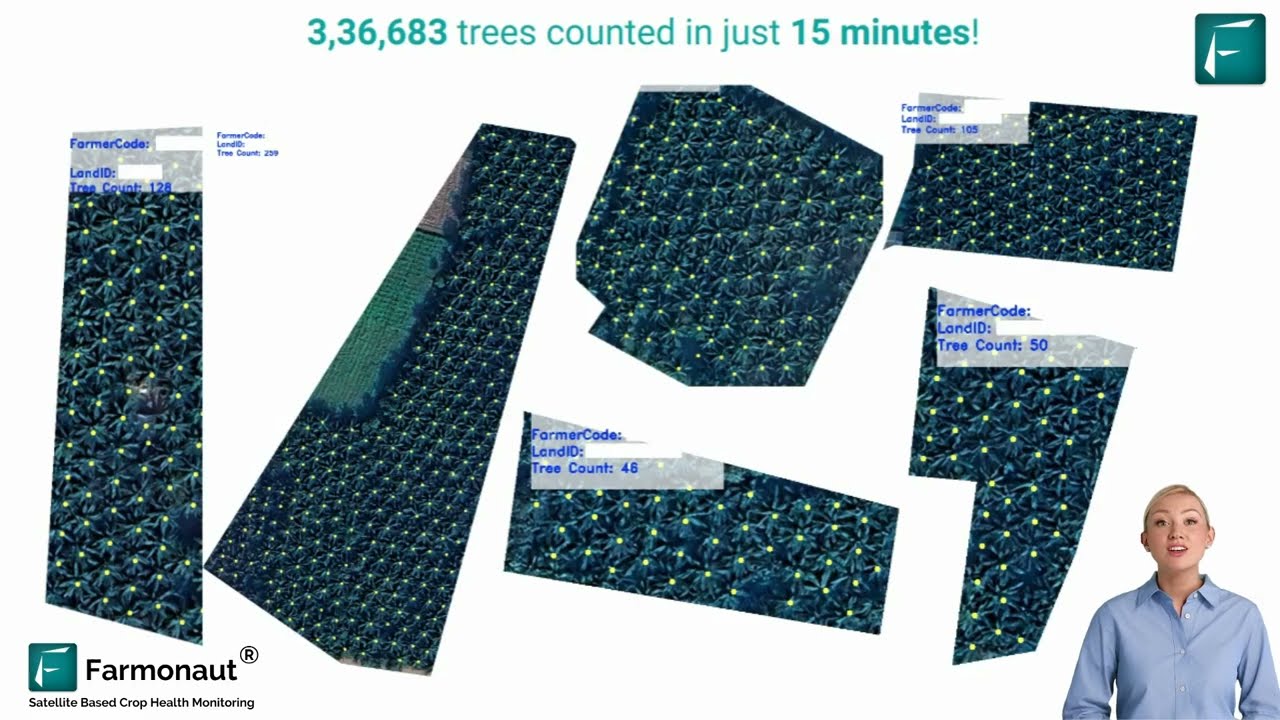
Explore advanced features to remotely track your trees, monitor establishment rates, and optimize plantation programs with Farmonaut’s Large Scale Farm Management solution.



Tillage Nursery: Boosting Crop Yields and Food Security in 2025–2026
A tillage nursery supports the preparation and early growth of young crop plants—especially cash crops and staple grains—in a protected, optimized seedbed environment before transplantation to fields.
- Soil Preparation: Carefully manages soil texture, structure, and nutrient levels for rapid, uniform germination.
- Moisture & Nutrient Optimization: Ensures ideal water conditions and mineral availability—crucial for early growth and crop vigor.
- Pest & Disease Control: Enables effective, early-stage management of weeds, insects, and pathogens before open-field exposure.
- Transplanting Success: Hardened young plants establish faster and with higher survival rates when transferred outdoors.
With the global food security agenda intensifying in 2026, tillage nurseries are indispensable for productivity optimization—especially as climate variability and resource constraints grow.
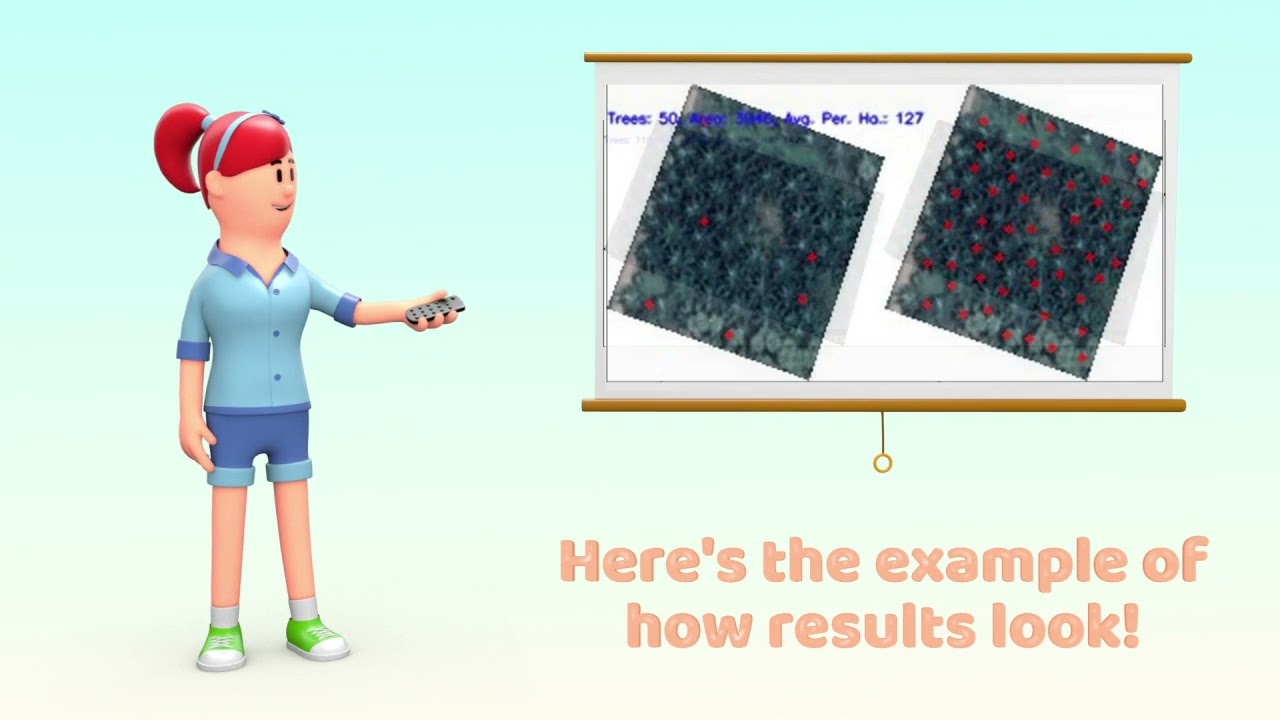
Want to optimize your tillage nursery or plantation inputs using data? Leverage Farmonaut API and Developer Docs for seamless integration of satellite-based soil, moisture, and growth analytics into your own crop management applications.
For cash crop producers and field managers, Farmonaut’s Satellite-verified Crop Loan & Insurance platform enables transparent, risk-adjusted credit and insurance services—reducing fraud and improving food security at scale.
Bonsai Nursery: Blending Aesthetics, Ecology & Urban Greening
The bonsai nursery represents a culturally significant niche within plant nurseries—focusing on the cultivation of miniature trees through careful pruning and root management. While smaller in scale, these facilities have a unique impact:
- Preserve horticultural traditions: Bonsai technique represents centuries of knowledge in plant health, resilience, and aesthetics.
- Foster biodiversity & conservation: Cultivation and collection of endemic and rare species help protect genetic diversity.
- Enhance urban green spaces: Compact bonsai specimens are ideal for urban homes, offices, or limited-space landscapes.
- Promote ecological awareness: Appreciation of bonsai encourages careful stewardship and patience in land management.
Bonsai nurseries, while catering to ornamental and cultural markets, also complement urban tree nurseries—expanding green cover options for city dwellers and contributing to the global push for biodiversity, environmental restoration, and resilient landscapes.

Nurse Crops: Sustainable Support Systems in Modern Nurseries
Nurse crops are short-lived, fast-growing species sown with the primary intention of protecting and nurturing slower-growing, often more delicate plants (such as trees or perennials). Their role is central to regenerative agriculture, tree nursery, tillage nursery, and resilient land systems:
- Soil improvement: Nurse crops act as living mulch, covering the ground, adding organic matter, and enhancing moisture retention.
- Weed suppression: Thick nurse crop planting reduces weed competition for light, water, and nutrients.
- Erosion control: Their fast cover protects soil on slopes or degraded lands, reducing runoff and preventing nutrient loss.
- Microclimate stabilization: By shading young seedlings, they reduce heat, wind, and evaporative stress.
- Biodiversity boost: Diverse nurse crop mixtures foster soil microbes, pollinators, and beneficial insects—building overall ecosystem resilience.
Nurseries that supply nurse crop seedlings are increasingly important partners in sustainable land management. Their use supports the 2026 agenda for regenerative food systems and restoration of degraded land.
Satellite Technology & Farmonaut for Smarter Nursery Land Management
As we look ahead to 2026 and beyond, integrating advanced technology into nursery management is key to scaling climate adaptation, sustainable agriculture, forestry, and resilient land management. That’s where leveraging satellite-driven insights comes in.
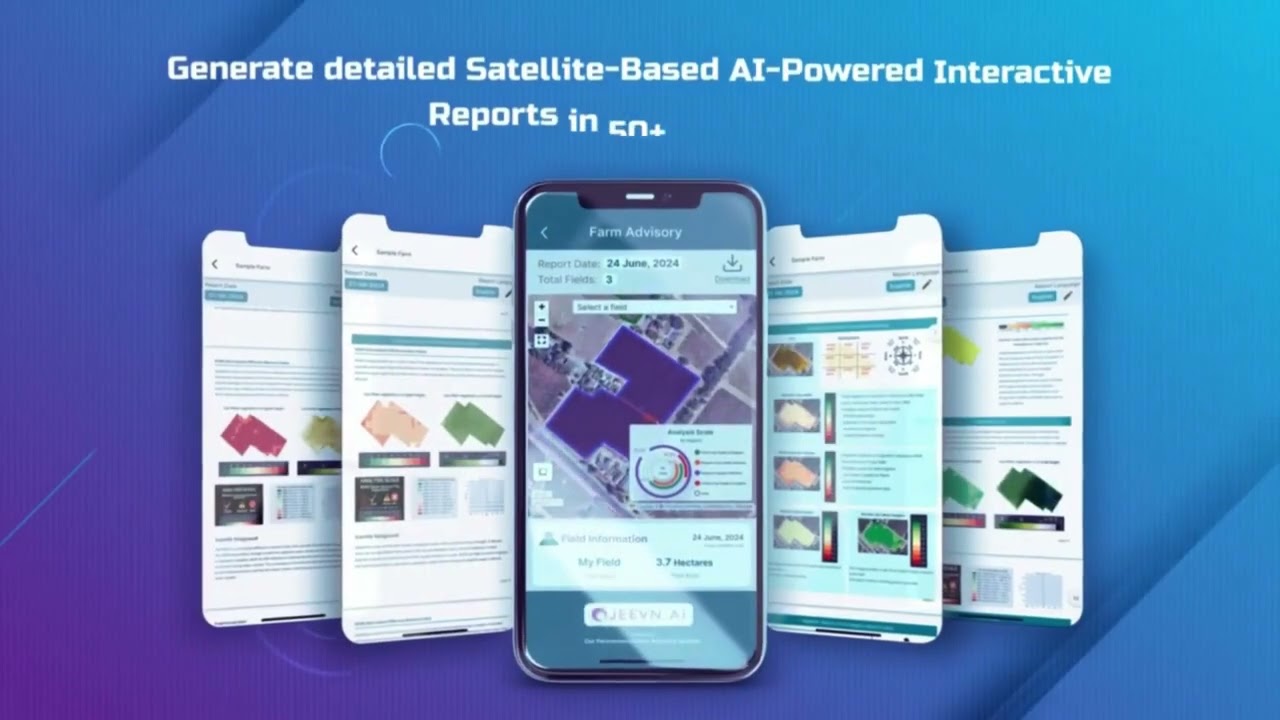
At Farmonaut, we offer an affordable, modular platform harnessing satellite imagery, AI-powered analytics, and resource management tools to transform how nurseries, plantations, and larger agroforestry systems operate:
- Vegetation Health Monitoring: Check real-time NDVI-based crop and tree health for early detection of stress, pests, or drought.
- Soil Condition Analysis: Satellites monitor moisture levels, texture, nutrient availability, supporting smart decisions for both tillage and tree nurseries.
- Environmental Impact Tracking: Measure carbon footprint for reforestation, city greening, or agricultural projects.
- Operational Efficiency: Use fleet management tools to optimize nursery logistics, deliveries, and resource allocation.
- Blockchain Traceability: Integrate traceability tools to document and verify the provenance and health of every seedling supplied.
- API & Integration: Access deep analytics directly via Farmonaut API for customized applications.

Our approach helps plant nurseries and tree nurseries not only optimize their growing and distribution systems but also deliver reliable, measurable impacts for farmers, foresters, and urban planners across the globe.
Ready for next-level efficiency and sustainability? Try Farmonaut’s advisory, land monitoring, and crop management tools.
How to Find the Best Plant Nursery or Tree Nursery Near Me
To maximize the benefits of local adaptation, lower transportation costs, and expert support, consider these steps when seeking a plant or tree nursery near me:
- Define your objectives: Are you planning a reforestation site, an urban park, a farmland windbreak, or a backyard garden? Choose a nursery specialized for your intended use: tree nursery, tillage nursery, or bonsai nursery.
- Assess stock quality: Healthy, disease-free seedlings with robust roots are most likely to thrive. Inquire about source, propagation techniques, and adaptation to your soil and climate conditions.
- Ask about sustainable practices: Leading nurseries will use peat-free substrates, minimal chemical inputs, diverse nurse crops, and organic pest control methods.
- Seek expert advice: Local nurseries usually provide critical support on plant selection, planting techniques, irrigation, and first-year care.
- Emphasize native and adaptive species: Whenever possible, choose regionally appropriate plants to ensure long-term survival, wildlife support, and low maintenance.
- Consider technology-enabled options: Using services like Farmonaut’s satellite monitoring for plant health and soil conditions, you can track progress and address issues proactively.
Choosing the right plant nursery or tree nursery near me lays the foundation for resilient, sustainable landscapes and food systems well into 2026 and beyond.
FAQ: Plant Nurseries, Tree Nurseries & Sustainable Systems
What is a plant nursery and how does it support sustainable agriculture?
A plant nursery is a controlled environment where young plants, including trees, shrubs, crops, and ornamentals, are propagated and nurtured until they’re ready for field or landscape transplantation. By supplying healthy, locally adapted plant material, nurseries increase survival rates, boost biodiversity, improve soil conditions, and reduce resource waste. This supports the pillars of sustainable agriculture, environmental restoration, and climate change adaptation.
Why is searching for a “tree nursery near me” recommended for reforestation and landscaping projects?
Local tree nurseries offer seedlings adapted to your region’s soil, moisture, and climate conditions, resulting in better establishment, lower transport stress, and reduced emissions. They’re also best positioned to provide expert advice on planting, disease prevention, and native species selection—crucial for reforestation, landscaping, and agroforestry projects.
How do tillage nurseries impact crop productivity?
Tillage nurseries offer optimized, protected environments for the early growth of staple grains and cash crops. By ensuring optimal soil texture, nutrient levels, and moisture, they enable stronger germination, healthier root development, and higher transplant survival—all boosting final yields and supporting key global food security goals.
What role do nurse crops play in modern nursery and farm systems?
Nurse crops act as “biological bodyguards” for primary seedlings and saplings by providing shade, reducing weed competition, holding moisture, preventing erosion, and increasing living soil biodiversity. Their use improves young tree survival, enriches soils, and supports regenerative, climate-resilient agriculture.
Can technology and satellite data optimize plant nursery operations?
Absolutely. Satellite imagery, AI, and real-time monitoring—such as the technology available from Farmonaut—enable nursery managers to track plant health, moisture, soil conditions, fleet logistics, and environmental impacts remotely. This increases efficiency, reduces input waste, and supports better adaptation and resilience outcomes.
Is there an advantage to buying plants and trees from nurseries focusing on native species?
Yes. Nurseries prioritizing native species help preserve biodiversity, reduce long-term maintenance, improve survival rates, and promote ecological restoration. Their stock is generally best suited for local conditions and is instrumental in supporting wildlife and natural cycles.
Where can I access real-time crop, tree, or landscape monitoring tools?
You can access affordable, advanced tools via the Farmonaut Mobile and Web App. This platform offers satellite imagery, AI-driven advisory, environmental compliance, and resource management for agriculture, nurseries, forestry, mining, or infrastructure monitoring.
Conclusion: The Future of Plant & Tree Nurseries—Environmental Restoration, Food Systems & Climate Adaptation
In 2025 and beyond, plant nurseries, tree nurseries, tillage nurseries, bonsai nurseries, and nurse crop suppliers will continue to play an indispensable role as vital hubs for propagation and distribution of healthy, resilient plants. Whether for land restoration, food security, city greening, or cultural preservation, nurseries underpin the transition to sustainable, climate-adaptive systems.
With the integration of digital technologies, satellite-driven insights, and advanced plant management techniques, the future of nursery operations will be marked by greater precision, transparency, and positive environmental impact. By sourcing from a tree nursery near me or optimizing operations with modern tools, we all contribute to a greener, more resilient world.
Looking forward, embracing the roles outlined in this guide—and leveraging evolving platforms like Farmonaut for real-time monitoring, advisory, and environmental stewardship—ensures that plant and tree nurseries will remain at the heart of sustainable agriculture, forestry, and urban land management through 2026 and beyond.
Ready to transform your nursery, farm, or land restoration project? Explore satellite-driven monitoring and advisory for the next era of sustainable agriculture and land stewardship.

 Pulsar Supernova
 Magrifly
 LatConnect 60
 Disease Free Life
 WebsEdge
 Blickwinkel
 Agricultural Credit Policy Council
 BayWa
BayWa MCSOD
MCSOD Marei Nursery
 eKGIS
eKGIS Mostas Tech
 Andex
Andex FCF India
 Unifrutti Gulf
 Deluxe Conseil
 WICO
WICO Chimera Innovation
