

Aleppo Pine: 7 Ways It Boosts Mediterranean Sustainability
“Long-term measurements at the Yatir Aleppo pine forest in Israel put net carbon uptake at about 1.7 t of carbon (about 6 t CO₂) per hectare per year (Biogeosciences, 2020).”
Introduction
The Mediterranean basin stands at the crossroads of opportunity and environmental challenge in 2026. This globally significant region—home to countries like Spain, Italy, Greece, Turkey, and extending into parts of North Africa and the Middle East—faces severe ecological threats due to climate change, land degradation, and increasingly erratic weather patterns.
Among the vital species that bridge the gap between sustainability and resilience, the aleppo pine (Pinus halepensis) stands out as a cornerstone tree contributing to Mediterranean sustainability. Recognized for its adaptability, unique ecological value, and growing economic importance, this coniferous tree is taking center stage in efforts to promote sustainable forestry, enhance soil health, combat climate change, and invigorate rural economies.
What is Aleppo Pine (Pinus halepensis)?
The aleppo pine is a versatile, fast-growing coniferous tree, native to the Mediterranean basin. Characterized by slender needles and a strong, deeply entrenched root system, this species thrives even in poor, rocky soils where most other trees struggle to survive. With an extensive natural range that includes Spain, Italy, Greece, and Turkey, the aleppo pine also extends into adjacent regions of North Africa and the Middle East. Its remarkable ability to withstand drought, tolerate saline conditions, and adapt to climates suffering from aridity has made it invaluable for many environmental restoration projects.
Why Aleppo Pine is Crucial for Mediterranean Sustainability
The Mediterranean, a region facing growing concern due to aridity and degradation, needs robust species for combating desertification, restoring degraded lands, and driving ecological transformation. The aleppo pine is uniquely suited for these challenges, offering:
- Ecological resilience in poor soils and harsh climates
- Sustainable forestry and land management applications
- Carbon sequestration for climate mitigation
- Promotion of biodiversity and soil improvement
- Valuable timber and non-timber products
- Windbreaks and soil erosion control for agricultural and rural lands
As we enter 2026 and beyond, the role of aleppo pine in forest management, climate mitigation, and economic development is only expected to expand, underpinned by research, technological innovation, and sustainable practices.
Aleppo Pine: 7 Pillars of Sustainability
Let’s explore the seven key ways in which aleppo pine boosts Mediterranean sustainability:
- Soil Erosion Control
- Carbon Sequestration
- Biodiversity Support
- Drought Resistance & Adaptation
- Air Quality Improvement
- Economic Value for Rural Communities
- Resilience Against Climate Change & Wildfire

Comparison Table: Environmental Benefits of Aleppo Pine
Aleppo Pine in Forestry and Climate Mitigation
The aleppo pine is at the forefront of sustainable forestry practices in the Mediterranean. It is widely used in reforestation projects that aim to restore degraded lands, reduce erosion, and promote carbon sequestration.
- Reforestation: Countries such as Spain, Italy, and Turkey have adopted aleppo pine as a primary species to reclaim and revitalize lands threatened by degradation.
- Climate Mitigation: As a fast-growing tree, aleppo pine absorbs and stores large quantities of carbon dioxide—making it a powerful tool in ongoing climate mitigation efforts for 2026 and beyond. The ongoing carbon footprinting solutions offered by Farmonaut empower organizations to measure the carbon sequestration benefits of afforestation and reforestation, supporting evidence-based decision-making in forestry projects.
- Forest Resilience: The aleppo pine also supports forest structure and integrity, enhancing the overall health and resilience of Mediterranean forests against pest outbreaks and climate variability.

Aleppo Pine’s Carbon Sequestration: A Climate Change Solution
Measured uptake at Israel’s Yatir forest averages about 1.7 t of carbon (about 6 t CO₂) per hectare per year (Biogeosciences, 2020), and aleppo pine plantations have become focal points for governmental and private investment in large-scale afforestation. These initiatives do not simply lock away atmospheric carbon—they also enhance local microclimate regulation and soil water retention, important for curbing the adverse impacts of climate change.
How much carbon does an Aleppo pine forest take up per hectare per year?
The best long-term measurements come from Yatir, a planted Pinus halepensis forest on the edge of Israel’s Negev desert that gets about 287 mm of rain a year. Flux-tower data from 2003 to 2016 put its net ecosystem productivity at 167 g of carbon per square metre per year, or about 1.7 tonnes of carbon (roughly 6 tonnes of CO₂) per hectare per year, with much of it stored in the soil (Qubaja et al., Biogeosciences, 2020).
| Site and measure | Result | Source |
|---|---|---|
| Yatir, Israel: net ecosystem productivity, 2003–2016 | 167 g C/m²/yr (≈1.7 t C, ≈6.1 t CO₂ per ha per yr) | Biogeosciences, 2020 |
| Yatir, rainfed plot: organic carbon sequestration | ~550 g CO₂/m²/yr (≈5.5 t CO₂ per ha per yr), 60% in soil | Plants, 2026 |
| Yatir, irrigated plot (about 10 years of irrigation) | ~1,814 g CO₂/m²/yr (≈18 t CO₂ per ha per yr) | Plants, 2026 |
| Southern Spain plantations: carbon stock (not an annual rate) | 19.93 t C/ha in biomass; 37.32 t C/ha in soil to 40 cm | Geosciences, 2019 |
To convert, one tonne of carbon equals about 3.67 tonnes of CO₂. Rates vary with rainfall, stand age, density and fire history, so a dry, young or recently burned stand will store far less than these figures.
Soil Resilience and Land Restoration
Soil degradation is a persistent problem throughout the Mediterranean, accelerated by unsustainable agricultural practices, urbanization, and increasing aridity due to climate change. The aleppo pine plays a transformative role in restoring and enhancing soil health by:
- Stabilizing Poor Soils: The deep, robust root system of aleppo pine binds soil effectively, reducing runoff and minimizing erosion.
- Increasing Organic Content: Needle litter from aleppo pine decomposes over time, adding organic matter that improves the organic content of the soil and enhances water retention capacity.
- Fostering a Microenvironment: Decaying needles and shaded forest floor create a microclimate conducive to the establishment of other native plant species, supporting further biodiversity and secondary succession.
- Windbreaks for Agriculture: When used as windbreaks, aleppo pine trees shield agricultural fields from harsh Mediterranean winds, helping in maintaining soil integrity and improving crop yields.

For environmental managers and planners, leveraging satellite-based insights, such as those offered by Farmonaut, facilitates the effective design and monitoring of large-scale restoration projects. Real-time data on vegetation health and soil conditions can significantly improve resource allocation and restoration outcomes.



Biodiversity Support
The structure of aleppo pine forests makes them key to supporting native biodiversity in the Mediterranean region. How?
- Habitat Creation: The complex canopy and ground cover formed by aleppo pines provide essential habitats for birds, mammals, reptiles, and understory plants. This can support a wider range of species as the stand matures.
- Facilitation of Succession: The needle litter and soil enrichment foster a conducive microenvironment, allowing the establishment of other Mediterranean species over time. This transition ultimately leads to richer, more resilient forest communities.
- Pollinator Support: Pine forests create safe zones for pollinators critical to adjacent agricultural landscapes, furthering ecosystem services across rural economies.
Satellite and AI-based tree detection technologies, such as those offered on the large-scale farm management and forest advisory platform by Farmonaut, aid researchers and land managers in precisely monitoring biodiversity changes, mapping expansion, and evaluating ecosystem health.
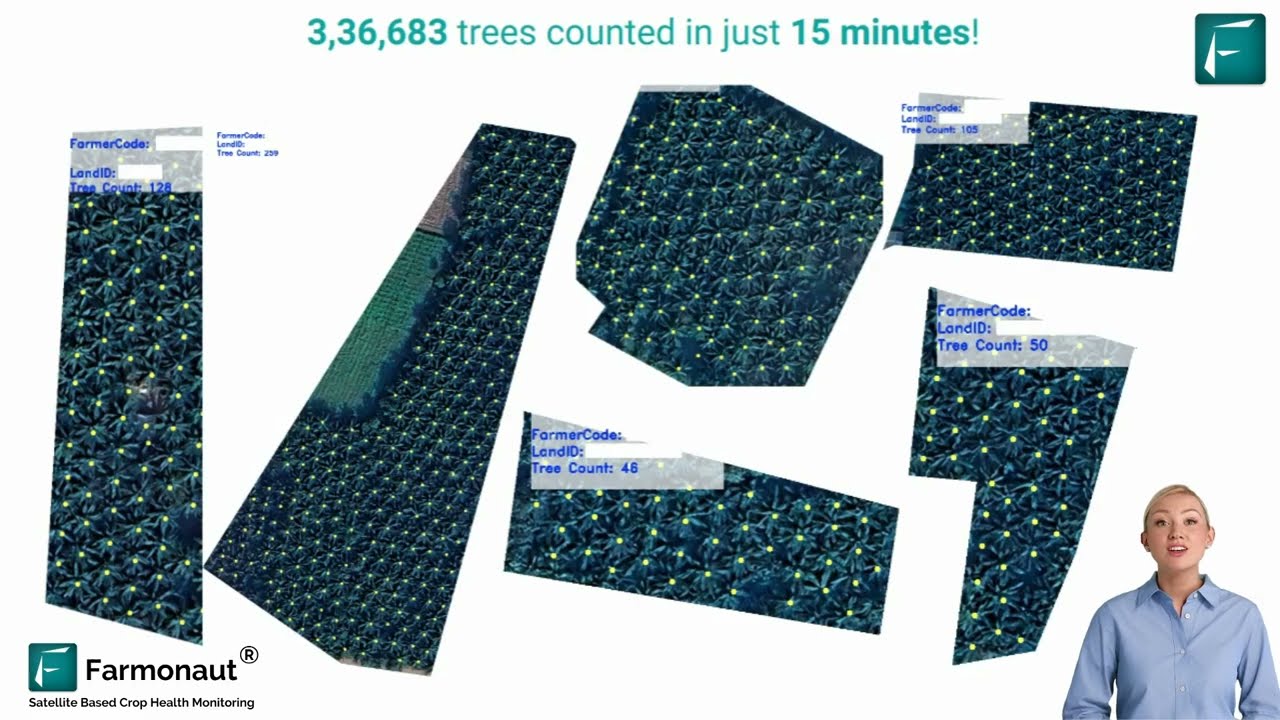
The presence of aleppo pine is not only a boon for flora and fauna but serves as a cost-effective way for governments to fulfill biodiversity targets and obligations under international environmental agreements.
The monitoring and assessment capabilities of Farmonaut’s platform are pivotal for anyone involved in biodiversity conservation at scale. For more details, see our Crop Plantation and Forest Advisory product page.
Economic Value of Aleppo Pine in the Mediterranean
The aleppo pine is not just an environmental champion—it also provides significant economic and livelihood benefits to rural communities:
- Timber & Non-Timber Products: Although its wood is relatively soft compared to other pines, it is commonly utilized in furniture, construction, and paper making. The resin is valuable for products such as turpentine and rosin (used in adhesives, varnishes, and pharmaceuticals).
- Agroforestry Integration: Aleppo pine plantations provide opportunities for integrating crop and livestock systems, diversifying rural incomes and improving farm resilience.
- Rural Development & Employment: The expansion of sustainable pine management supports rural employment, forest maintenance, and the supply of local products to domestic and export markets.
- Resource Traceability: Farmonaut’s blockchain-based traceability solutions ensure the authenticity and responsible sourcing of Aleppo pine products, fostering trust in supply chains and compliance with regional and EU environmental standards.
How Farmonaut Empowers Sustainable Pine Forestry
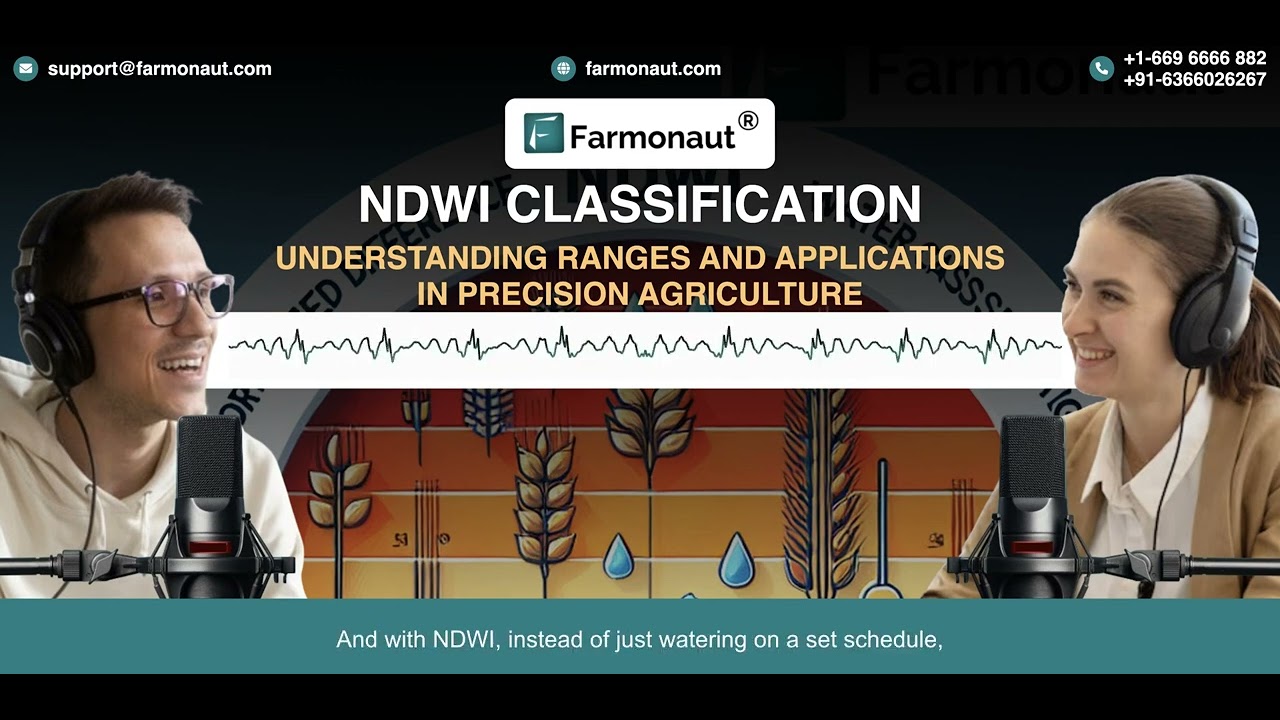
Through real-time satellite crop and forest monitoring, AI advisory, and blockchain-enabled traceability, we at Farmonaut provide foresters, land managers, and cooperatives with:
- Reliable crop and pine health data for informed management
- Environmental impact tracking to document and improve sustainable practices
- Transparency in timber and resin product flows, reducing fraud and ensuring fair economic value
Drought and Wildfire Resilience
The Mediterranean is prone to seasonal drought, heatwaves, and an increasing frequency of wildfires—making tree species selection for forestry and land management a major challenge.
- Drought Tolerance: The aleppo pine demonstrates exceptional resilience due to its evolutionary adaptations. Its deep root system and efficient water usage allow survival and growth in arid, saline, and rocky soils—nearly wherever other species would struggle to survive.
- Wildfire Regeneration: The pine’s ability to rapidly regenerate after fire disturbance, from seed stored in serotinous cones, makes it a common choice for landscape restoration and wildfire risk reduction efforts.
- Wind and Salinity Resistance: Its tolerance to harsh coastal winds and saline spray makes it invaluable for forestation in coastal and semi-arid belts, as seen in North Africa and Turkey.
The deployment of fleet management and environmental monitoring tools helps in resource allocation, real-time response to wildfire events, and the assessment of post-fire regeneration success—key factors in long-term Mediterranean sustainability.

Governmental Incentives & 2026 Policy Directions
Afforestation and post-fire restoration programmes in Mediterranean countries have long used Aleppo pine, and forest owners should check national and EU rural development schemes for current support. Digital oversight and compliance tools, including satellite-based monitoring and traceability, offer cost-effective ways to track progress and enforce compliance with environmental legislation.
Research, Technology, and The Role of Farmonaut
The future of aleppo pine forestry—in line with sustainability, resilience, and economic goals—depends on integrating advanced research and technology:
- Selective Breeding: Current programs focus on breeding for pest and disease resistance (notably against the pine processionary moth), as well as improved drought and fire tolerance.
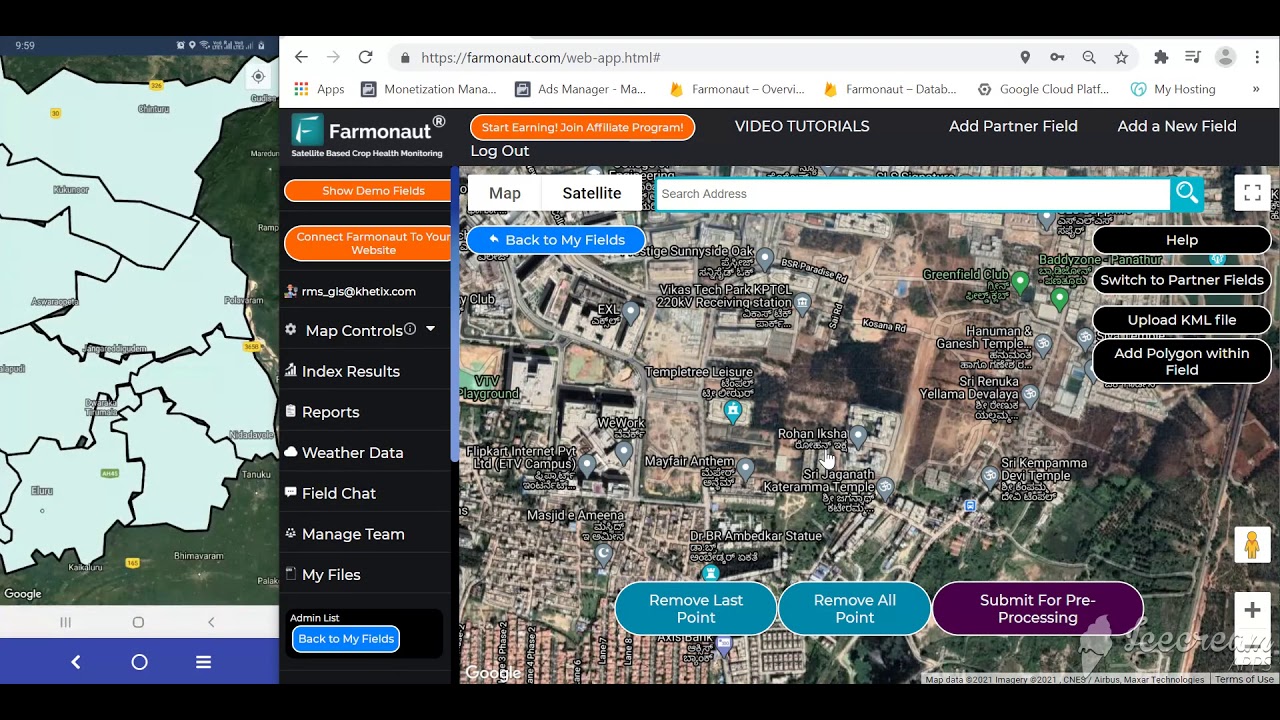
- Precision Forestry: Remote sensing and GIS allow for better assessment of forest health, yield optimization, and detection of early stress indicators—facilitating more sustainable management of plantations and natural forests.
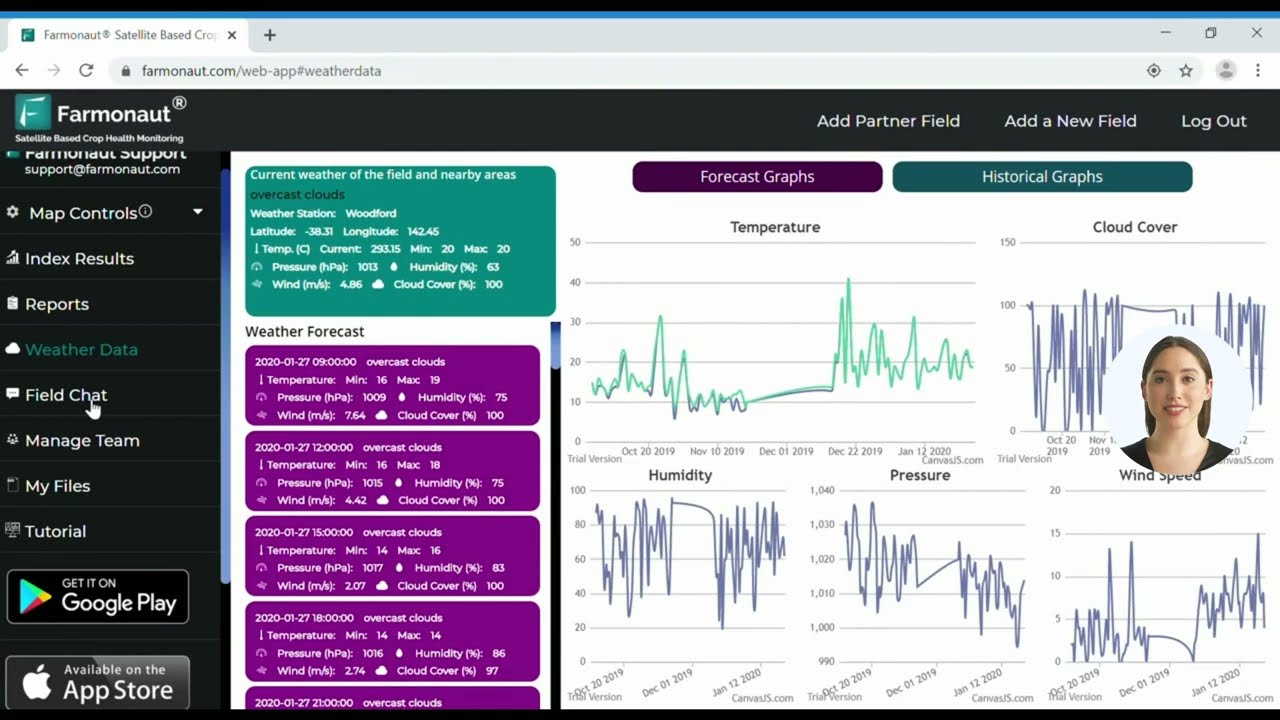
- Real-Time Monitoring: We at Farmonaut provide real-time satellite data and AI-based advisory systems through our digital platform and apps, usable on API, Android, iOS, and web, ensuring that information about pine health, soil conditions, and risk factors reaches users instantly.
- Blockchain Traceability: Authenticity and transparency in forest products, bolstered by blockchain, are key for international trade and compliance with ecological certification requirements. Our Traceability solutions enable robust documentation from plantation to product, supporting rural livelihoods and environmental goals.
Farmonaut Subscription Plans
We offer scalable subscription options for individuals, businesses, and government users who want to monitor, manage, and optimize their pine forests and plantations. Flexible plans are available via our secure platform:
For large-scale or enterprise deployments, users can freely adapt and scale their satellite and AI-based monitoring with dedicated support.
FAQ: Aleppo Pine & Mediterranean Sustainability
1. What makes Aleppo pine so resilient in the Mediterranean?
Aleppo pine’s evolutionary adaptations—deep roots, effective water retention, tolerance to saline and rocky soils, and efficient nutrient cycling—make it highly resilient in the semi-arid, variable Mediterranean climate.
2. How does Aleppo pine help in combatting climate change?
It stores carbon in wood, roots and soil. At Israel’s Yatir forest, measured uptake averages about 6 t of CO₂ per hectare per year, with much of it held in the soil (Biogeosciences, 2020). Drier, younger or burned stands store less.
3. Is Aleppo pine only useful for timber?
No. Beyond timber (mainly for construction and furniture), Aleppo pine provides high-value resin for industrial uses (such as turpentine and rosin), plays a key role in soil and landscape stabilization, supports biodiversity, and aids rural economies.
4. What is Farmonaut’s role in Aleppo pine management?
We at Farmonaut offer advanced satellite-driven solutions and advisory tools for monitoring forest health, soil dynamics, and plantation progress—equipping users with real-time insights, traceability, and environmental compliance support.
5. Are Aleppo pine forests fire-prone?
Yes. Aleppo pine is highly flammable and is usually killed by fire, but it re-establishes from seed released by its serotinous cones after a fire (PLOS ONE, 2016). Dense young regrowth can itself carry the next fire, so stands need thinning.
6. How can I access real-time forest and plantation data?
Download the Farmonaut app for Android or iOS, or use our web application for direct access to satellite data and analytics for forests, crops, and environmental monitoring.
7. Is Aleppo pine management profitable for rural communities?
Yes. Sustainable pine management offers employment, local source of timber and resin, opportunities for value-added products, and direct payments for ecosystem services (such as carbon credits) in 2026 and onwards.
Conclusion: Looking to 2026 and Beyond
The aleppo pine remains a highly significant species in Mediterranean sustainability, balancing ecological, economic, and social values across nations such as Spain, Italy, Greece, Turkey, and the wider Mediterranean basin. Its adaptability to poor soils, resilience in arid conditions, multifunctional ecological roles, and direct economic potential make it central to combating desertification, restoring degraded lands, and meeting climate change challenges.
As research and technology continue to advance, we can anticipate that Aleppo pine’s value will grow, driven by smart forestry management, AI and satellite monitoring, and proactive policy frameworks. Tools and platforms—such as those provided by Farmonaut—will be essential for ensuring that Mediterranean forestry practices remain sustainable, transparent, and responsive to evolving environmental demands for 2026 and decades to come.
- Farmonaut Carbon Footprinting: Quantify and manage your carbon sequestration projects.
- Farmonaut Fleet Management: Optimize resources in large-scale forestry and plantation operations.
- Farmonaut Crop Plantation and Forest Advisory: Advanced insights for sustainable forestry and agroforestry.
- Farmonaut API: Seamlessly integrate satellite forestry insights into your own systems.
Discussion
Questions, corrections or field experience? Share them below. First-time comments are reviewed before they appear, and your email is never published.
No comments yet. Be the first to add a question or your experience.

 WebsEdge
 IRE Soil
 Blickwinkel
 Agricultural Credit Policy Council
 BayWa
 MCSOD
 Marei Nursery
 eKGIS
 Mostas Tech
 Native Seeds
 Andex
 FCF India
 Unifrutti Gulf
 Deluxe Conseil
 TVS Electronics
 WICO
 Chimera Innovation

 Licence holder · Niger · Gold
 Licence holder · Nigeria · Gold + lithium










