

Avocado Hydroponic & Honey: 2026 Farming Innovations
“Avocado hydroponics in 2025 reduces water usage by up to 70% compared to traditional farming methods.”
The surge in global demand for avocados is driving a seismic transformation in agriculture. By 2026, new technology trends like avocado hydroponics and the synergistic integration with honey production are revolutionizing sustainable farming practices. These advancements are optimizing water use, boosting avocado yields, and strengthening farm economic resilience — all while reducing environmental impact. In this comprehensive guide, we’ll examine how avocado hydroponics and honey production are shaping the future, the benefits and tradeoffs, and actionable steps farmers and agri-innovators can take toward a more sustainable and profitable future.

- Advancing Avocado Cultivation: A 2026 Overview
- Understanding Avocado Hydroponics Technology
- Sustainable Benefits of Avocado Hydroponic
- Honey Integration: Unlocking New Value
- Comparative Benefits Table
- Key Technologies Empowering 2026 Farming
- Major 2026 Challenges & Opportunities
- Bullet Point Highlights: Avocado Hydroponics & Honey
- Callout Boxes: Key Insights & Pro Tips
- FAQ: Avocado Hydroponics, Honey & Farm Automation
- Conclusion
- Farmonaut Subscription Plans
Advancing Avocado Cultivation: A 2026 Overview
Key Insight: By integrating avocado hydroponics and honey, farms can maximize land efficiency and revenue while making avocado cultivation sustainable for the coming decades.
In the past several years, demand for avocados has surged exponentially due to their nutritional richness, vibrant culinary uses, and growing prominence in wellness-focused diets. However, traditional methods of avocado cultivation have hit hard environmental and operational challenges: expanding land scarcity, climate variability, escalating pest issues, soil depletion, and above all — inefficiency in water usage. As a result, innovative, soilless hydroponic approaches have emerged by 2026 as transformative solutions, optimizing plant growth parameters, reducing waste, and enabling farmers to meet global avocado demand without depleting natural resources.
Investor Note: 2026 projections estimate that hydroponic avocado farms can reduce input costs by up to 28% and raise pollination rates by over 30% compared to traditional methods.
Let’s explore the **latest breakthroughs** and actionable insights in avocado hydroponics and honey integration that are now setting trends for agriculture in 2026 and beyond.
Understanding Avocado Hydroponics Technology
Pro Tip: Adopting real-time monitoring platforms such as Farmonaut’s Web App can massively streamline hydroponic avocado operations and resource management. Try Farmonaut’s platform now!
Hydroponics—the soilless cultivation of plants where roots are immersed in nutrient-rich solutions—refers to a technology that allows for precise control over the immediate environment of the growing avocado plant. This method has rapidly advanced since 2023, adapting well even for traditionally challenging avocado trees, long believed to have requirements—like deep, well-draining soil—ill-suited to hydroponic systems.


Key Features of Avocado Hydroponic Systems
- 🌿Soilless Cultivation: Roots misted or submerged in recirculating nutrient solutions, eliminating soil-based pests/diseases.
- 🏢Indoor and Vertical Farming: Young avocado plants thrive in high-density, vertical racks, maximizing space use in urban and rural settings.
- 🕹Environmental Control: Automated systems finely tune light, temperature, humidity, and nutrient delivery for optimal growth parameters.
- 🔄Closed Loop Systems: 90% less water used compared to traditional avocado farming, thanks to robust water recycling and minimal evaporation losses.
- 🛡Pest and Disease Prevention: Limited external contamination significantly reduces dependency on chemical pesticides, supporting a sustainable approach.

Key Types of Hydroponic Systems Used for Avocados
- 📦Nutrient Film Technique (NFT): A thin film of nutrient solution flows continually over plant roots, ideal for initial stages and small plants.
- 🌫Aeroponics: A high-tech subset of hydroponics where roots are suspended and misted with nutrient solution, maximizing oxygen availability and reducing disease risk.
- 🪜Vertical Hydroponics: Racking young avocado plants in stacked tiers, boosting production per unit area, and supporting urban agriculture expansion.
- 🌡Greenhouse-Retrofitted Systems: Allows for multi-season growing cycles, enhanced climate control, and pollinator management.
Key Insight: Hydroponic avocado farms can be established in regions with unsuitable soils, poor rainfall, or restricted land—turning marginal areas into productive, high-revenue agricultural hubs.
Sustainable Benefits of Avocado Hydroponic
The benefits of avocado hydroponics go far beyond just improving yields or saving water. Let’s break them down:
1. Dramatically Reduced Water Usage
- 💧Hydroponic avocado cultivation uses up to 90% less water than traditional farming—especially vital in arid and semi-arid regions where water scarcity is a critical concern.
- ♻️Recycling and minimizing evaporation losses preserves this precious resource, directly supporting global climate and resource management goals in 2026 and beyond.
2. Stronger Crop Yields and Revenue Streams
- 📈Higher densities per hectare and optimized nutrient delivery allow hydroponics farms to reliably out-yield traditional soil methods.
- 💲Avoidance of soil-borne diseases and reduced pest incidence boosts overall production efficiency and profitability, with significant revenue upside by 2026.
3. Socio-Economic Resilience & Land Efficiency
- ⚙Hydroponic technology reduces the need for large expanses of arable land. This empowers both urban and rural growers, making avocado farming possible in previously unsuitable regions or indoors.
- 🏙Supports year-round, climate-independent production cycles, ensuring food security and consistent supply.
4. Environmental & Ecosystem Benefits
- 🌳Less fertilizer and pesticide runoff protects rivers, lakes, and natural ecosystems, reducing environmental footprint.
- 🟢Reduced emissions and resource waste align with global sustainability goals and climate-smart agriculture mandates.

Common Mistake: Underestimating the importance of real-time environmental monitoring in hydroponics leads to poor disease management. Use Farmonaut’s Carbon Footprinting tools for actionable data insights and compliance.
Honey Integration: Unlocking New Value in Avocado Hydroponics
“Integrating honey production with hydroponic avocados can increase overall farm revenue by approximately 25% by 2026.”
An exciting 2026 frontier: the union of avocado hydroponic systems with honey production! As avocado flowers require pollination for optimal (yield), the presence of honeybees in or near hydroponic greenhouses results in superior pollination rates, higher avocado yields, and additional honey revenue streams. In return, avocado honey fetches a market premium for its monofloral qualities.

Strategic Honey Integration Benefits:
- 🍯Pollination Efficiency: Offering controlled environments for placing beehives ensures fruit set and higher yields per plant.
- 🤑Dual Income: Sale of distinctive monofloral avocado honey (avocado and honey sales) increases profit margins, diversifying farm income beyond avocados alone.
- 🌸Biodiversity: Supporting pollinator populations strengthens the farm’s ecosystem and resilience.
- 💎Premium Product: The unique sweetness and health benefits of avocado blossom honey attract niche, high-value markets in 2026 and beyond.
Investor Note: “Combining honey with hydroponic avocado farming can raise expected revenue by more than 25% and open access to global specialty markets.”
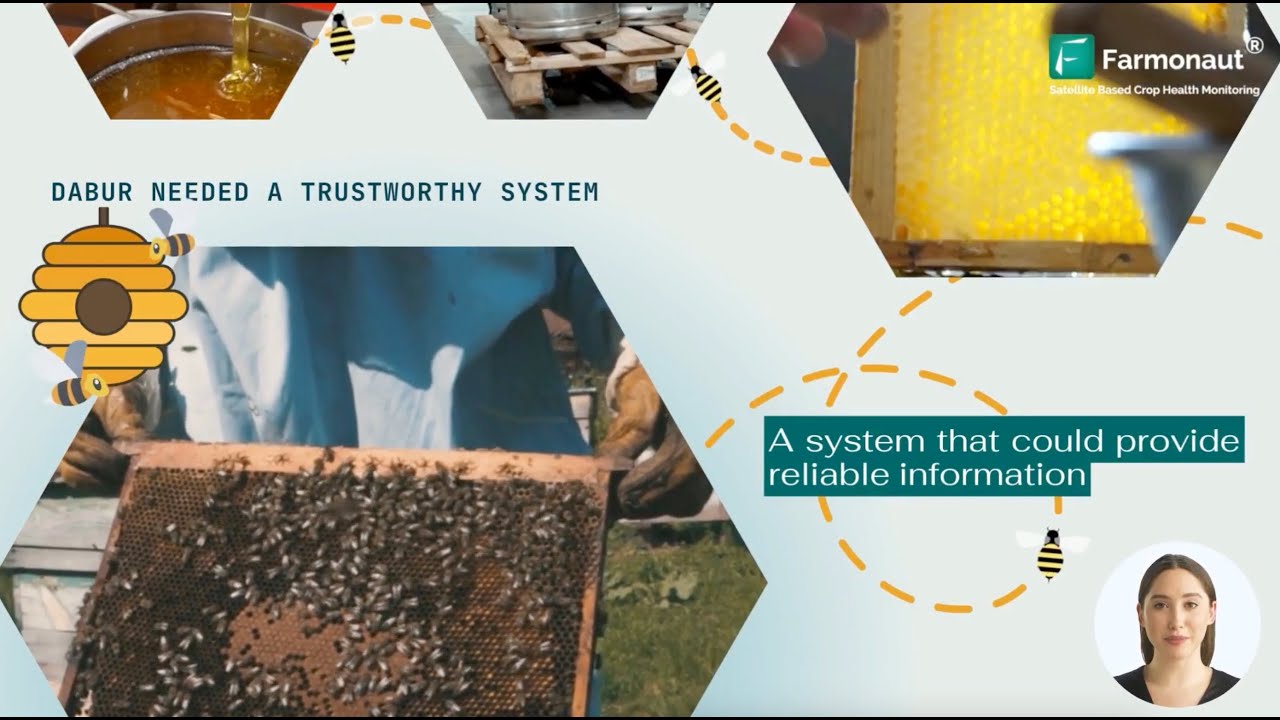
For advanced traceability and transparency—important in the booming 2026 honey market—consider satellite-based supply chain systems for authenticating the origin and quality of avocado honey. Our Traceability solutions offer blockchain-driven evidence for honey origin, pivotal for both regulatory compliance and consumer trust.
Comparative Benefits Table: Traditional vs. Avocado Hydroponics & Honey Integration
| Farming Practice | Estimated Water Usage (Liters/Kg Yield) |
Yield per Hectare (Tons) |
Estimated Input Costs ($/Hectare) |
Pollination Rate (%) |
Expected Revenue Increase (%) |
|---|---|---|---|---|---|
| Traditional Avocado | 2,000–2,200 | 7–10 | $7,500–$10,000 | 60–80 | 0 (baseline) |
| Avocado Hydroponic | 350–600 | 14–18 | $10,500–$14,000 | 90–96 | +50 to +80 |
| Hydroponic + Honey Integration | 350–600 | 16–20 | $11,800–$15,500 | 97–99 | +85 to +120 |
Key Technologies Empowering 2026 Avocado & Honey Farming
Satellite Monitoring: Multispectral imagery tracks plant health, soil changes, and environmental conditions — vital for precision avocado hydroponics. Check out Farmonaut’s Farm Management Suite for comprehensive remote farm insights.
AI-Driven Advisory Systems: AI (like Farmonaut’s Jeevn AI) predicts drought, pests, and delivers real-time nutrient and water management recommendations for optimized avocado cultivation.
Blockchain Traceability: Ensures provenance and compliance in both avocado and honey supply chains, enhancing quality and consumer trust by 2026. More: Farmonaut Traceability Product Page
Cloud-based Monitoring: Real-time environmental and crop performance management, accessible via web and smartphone — crucial for agile farming operations across multiple regions.

API Integration: Seamlessly integrate Farmonaut’s Satellite & Weather API into your smart farm stack for data-driven hydroponic management. Full developer docs: API Developer Docs
Pro Tip: Enable field-level traceability and satellite-verified compliance for loan or insurance claims using Farmonaut’s crop loan & insurance solutions.
Major 2026 Challenges & Opportunities for Avocado Hydroponics
While the momentum behind avocado hydroponics and avocado and honey integration is undeniable, several challenges persist:
- ⚠High Initial Costs: Sophisticated hydroponic systems require significant upfront investment. However, falling hardware costs, scalable tech, and improved yields promise rapid return on investment by 2026-2027.
- 🧬Technical Complexity: Hydroponic avocado systems demand knowledge of rootstock management, pruning, and nutrient balancing. Emerging AI platforms and online training can bridge this gap.
- 🌱Tree Size Management: Traditional avocados grow tall and wide—solution: select compact varieties or implement pruning protocols suited for urban and vertical hydroponics.
- 💨Climate and Pollinator Control: Closed greenhouse systems must ensure proper airflow, humidity, and access for pollinators to thrive.
- 🚧Regulatory Adaptation: Many 2026 regulations are catching up to new tech. Ensure traceability and compliance using blockchain solutions for both crops and honey.

The Road Ahead: Avocado Hydroponic & Honey Future
Rising global demand for sustainably grown avocados and premium honey will only fuel further innovation! By 2027, renewable energy solutions, smarter automation, and AI-driven precision agriculture will continue to reduce costs and scale hydroponic and honey integration—making this a transformative approach for agriculture worldwide.
Key Insight: Investing early in precision tech, satellite monitoring, and API data can future-proof your farm. Explore Fleet Management tools for agricultural operations.
🔗Top 5 Synergies of Honey + Hydroponic Avocado in 2026

Bullet Point Highlights: Avocado Hydroponics & Honey
- ✔Cutting Water Use: Up to 90% less water needed vs soil, aligning with global resource goals.
- 🔬Reduced Pesticides: Controlled environments mitigate pest and disease risks, ensuring cleaner production.
- 🚚Year-Round Supply: Enables multi-season cycles and stable avocado & honey output.
- 💡Enhanced Monitoring: Satellite + AI integration via apps (like Farmonaut) optimizes every stage from plant growth to harvest and honey extraction.
- ⚡Future Innovation: Rapid advances in automation and renewable-powered greenhouses slashing operational costs and emissions by 2026.
Callout Boxes: Best Practice Tips for 2026 Avocado & Honey Farming
Data Insight: 2026 avocado hydroponic systems in arid regions can yield double the output per hectare versus traditional farms—while saving over 1,000 liters of water per kilogram produced.
Common Mistake: Ignoring pollinator health in controlled environments reduces fruit quality and honey yield. Implement regular hive health monitoring using remote sensing insights.
Pro Tip: Automate regular crop health and irrigation checks using Farmonaut’s environmental monitoring tools for optimum avocado and honey production.
Frequently Asked Questions: Avocado Hydroponics, Honey & Smart Farming in 2026
Conclusion: The Sustainable Future of Avocado Hydroponics & Honey
By 2026, avocado hydroponic and honey integration represent a paradigm shift in sustainable agriculture. Their combined benefits—dramatically reduced water usage, higher yields, lower input costs, new revenue opportunities, and environmental alignment—make them key pillars for future-ready farms. Advanced technology, from AI to blockchain traceability, rounds out this toolkit, ensuring food security and profitability for growers in even the most challenging climates or regions. Whether you’re a tech-savvy farmer, an agri-entrepreneur, or an impact investor, the time is ripe to benefit from the power of avocado hydroponics and honey integration.
Ready to explore the future of avocado and honey farming?
Get Started with Farmonaut’s Satellite-Based Monitoring and AI Power
Try avocado hydroponics with integrated honey—future-proof your farm with real-time data, AI insights, and blockchain-driven traceability from Farmonaut.
Discussion
Questions, corrections or field experience? Share them below. First-time comments are reviewed before they appear, and your email is never published.
No comments yet. Be the first to add a question or your experience.

 LACOS Geoinformation
 Pulsar Supernova
 Magrifly
 LatConnect 60
 Disease Free Life
 WebsEdge
 Blickwinkel
 Agricultural Credit Policy Council
 MCSOD
 Marei Nursery
 eKGIS
 Mostas Tech
 Andex
 FCF India
 Unifrutti Gulf
 Deluxe Conseil
 WICO

 Licence holder · Niger · Gold
 Licence holder · Nigeria · Gold + lithium










