

Hydroponic Greenhouse: 7 Innovations for 2026
“By 2025, hydroponic greenhouses can cut water use by up to 90% compared to traditional soil farming systems.”
“New hydroponic greenhouse kits boost vegetable yields by over 40% per square meter versus conventional methods in 2025.”
Contents
- Introduction: The Rise of Hydroponic Greenhouse Farming
- How Hydroponic Greenhouse Farming Works
- Top Benefits of Hydroponic Greenhouses
- 7 Innovations Transforming Hydroponic Greenhouse Farming for 2026
- Comparative Innovations Impact Table
- Hydroponic Greenhouse Kits: Turnkey Solutions for All
- Beyond Agriculture: Hydroponic Greenhouses in Forestry & Mining
- Smart Greenhouse: The Future of Sustainable, Data-Driven Agriculture
- How Farmonaut Empowers Hydroponic Greenhouse Innovation
- FAQ: Hydroponic Greenhouse Innovations
- Conclusion: Paving the Way for Sustainable Food and Land Management
Introduction: The Rise of Hydroponic Greenhouse Farming
In 2025, the marriage of hydroponic systems and greenhouse farming emerged as a truly revolutionary approach to sustainable agriculture. As the global population rises and arable land becomes increasingly scarce, the agriculture sector is under immense pressure to secure future food supplies while conserving environmental resources. Enter the hydroponic greenhouse: a sophisticated, controlled-environment technology designed to maximize yields, reduce wastage, and open up food production on previously unsuitable terrains.
Unlike traditional methods, which rely on healthy soil for crop cultivation, hydroponic farming greenhouse systems grow plants soillessly, harnessing nutrient-rich water solutions. These systems allow for precise control over environmental parameters—granting unparalleled productivity, resilience, and resource efficiency.

How Hydroponic Greenhouse Farming Works
A hydroponic greenhouse system integrates the concept of soilless cultivation within a controlled microclimate. Here, plants’ roots are suspended in an aqueous solution enriched with essential nutrients. Instead of depending on naturally occurring soil minerals, farmers use scientifically formulated solutions—making all nutrients available right at the plant’s roots, in perfect ratios and with timely delivery.
The greenhouse structure itself is key: it protects crops from extreme weather, pests, and diseases, ensuring consistent conditions year-round. Modulating temperature, humidity, and light spectrum (often via advanced LED lighting) enables optimal growth—regardless of what’s happening outside the greenhouse walls.
- Water-efficient systems recycle water and nutrients, minimizing losses.
- Automated irrigation and nutrient delivery boost consistency and save labor.
- Precision climate control maintains plant-ideal conditions.
- Sensors and real-time monitoring for health, growth, and environmental parameters.
- Modular expansion – scaling up as needed; ideal for both commercial and urban farming.
Hydroponic Greenhouse vs. Traditional Farming
- ✔ Uses up to 90% less water
- ✔ Grows more in less space
- ✔ Yields fresher, nutrient-rich produce
- ✔ Enables urban & peri-urban food production
- ✔ Reduces pesticide need
Top Benefits of Hydroponic Greenhouses
- 🌱 Resource Efficiency: Massive water savings (up to 90%), minimal nutrient leaching, and drastic pesticide reductions.
- 📊 Yield Maximization: Multiple, rapid harvests yearly (some hydroponic greens mature in 20–40% less time).
- 🌍 Reduced Environmental Impact: Less runoff and erosion; sustainable food production even on marginal land.
- 🌆 Enables Urban Farming: Hydroponic greenhouse kits (modular & compact) thrive in cities and non-arable regions.
- ✅ Consistency & Reliability: Minimal risk of weather‑related losses; predictable, premium output for growers and supply chains.

7 Innovations Transforming Hydroponic Greenhouse Farming for 2026
The year 2026 is set to accelerate the global transition towards greenhouse hydroponic farming. Let’s dive into seven key innovations—each propelling the industry forward by maximizing yields, optimizing resource usage, and embedding true sustainability at scale.
1. AI-Powered Climate and Nutrient Automation
Using sensors, machine learning, and AI-driven control systems, greenhouses now dynamically adjust temperature, humidity, water, and nutrient delivery to match the growing needs of every plant batch. AI platforms, such as Jeevn AI Advisory System by Farmonaut, offer growers actionable intelligence for resource optimization (learn more about Jeevn’s role here).
- 📈 Improves yield consistency by 18–27%
- 🔬 Micro-adjustments slash resource wastage
- 📲 Enables remote, hands-off greenhouse management

2. Energy-Efficient LED Lighting Systems
Next-gen LED grow lights combine advanced optics, variable-spectrum output, and IoT-automated control. These lights deliver tailored wavelengths for every growth stage, maximizing photosynthetic efficiency while reducing electricity costs.
- 🔥 Up to 50% lower power use than old HPS lights
- 💡 Dynamic tuning reduces plant stress and boosts yields
- 📉 Enables 24/7 crop cycles—no downtime
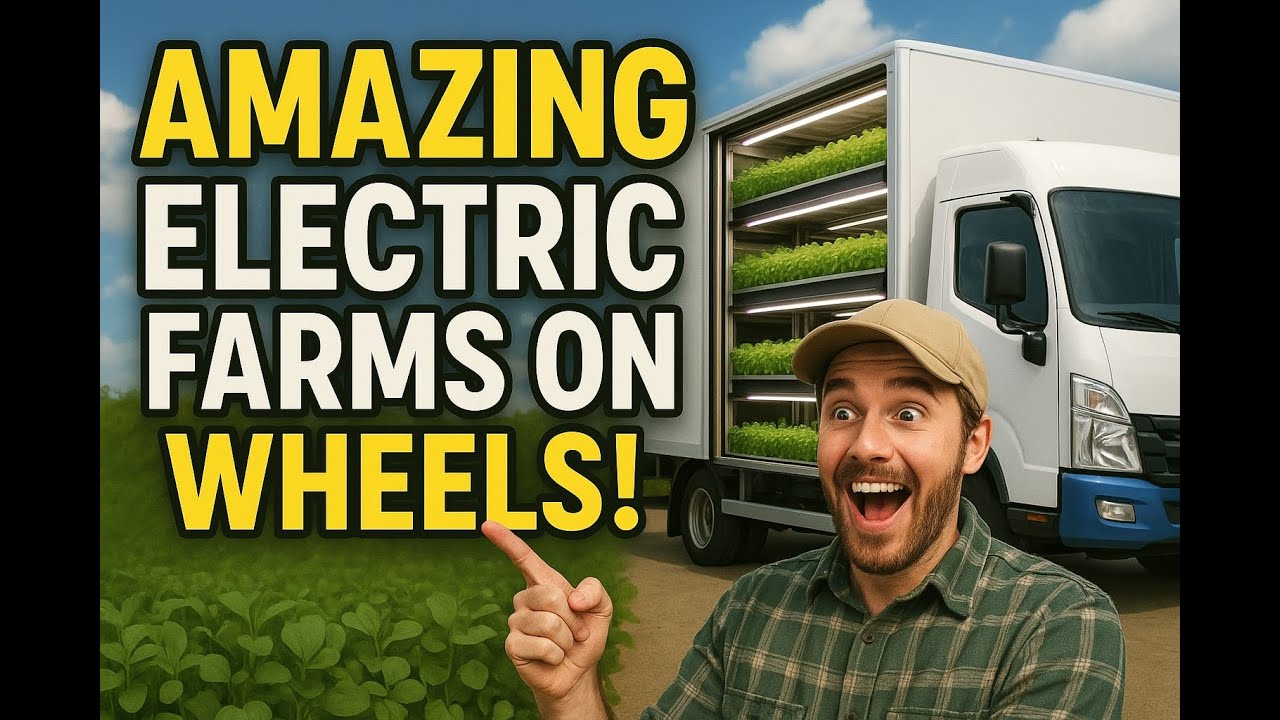
3. Decentralized Hydroponic Greenhouse Kits & Modular Systems
Hydroponic greenhouse kits are now widely available, offering turnkey, plug‑and‑play solutions for every scale—from home gardeners to large commercial growers. Modular structures enable expansion as demand grows, while integrated systems make setup and operation accessible even for beginners.
- 📦 No need for large tracts of land
- 🔌 Just connect water/electricity, and grow
- 🌱 Ideal for urban, peri-urban, and climate-challenged areas
4. Blockchain-Based Crop Traceability Platforms
Blockchain technology is taking hydroponic greenhouse produce traceability to the next level. As seen in Farmonaut’s Traceability solution, every stage from seeding to harvest to delivery is securely logged in an immutable ledger. This ensures:
- 🔗 Full transparency across the farm-to-table journey
- 🛡 Fraud & contamination risk minimized
- 📄 Easier compliance for export and organic certification
5. IoT Sensors and Real-Time Data Visualization
A modern greenhouse hydroponic system incorporates a dense network of IoT sensors: monitoring light, CO₂, PH, EC, temperature, humidity, and plant vital signs. Cloud dashboards display this data intuitively, enabling instant decision-making and predictive analytics.
- 👀 Early warning against crop diseases or stressors
- ⚡ Informed interventions reduce losses and boost ROI
- 💻 Easy expansion to multi-site, decentralized farms

6. Sustainable Energy Integration: Solar and Battery Storage
To truly minimize environmental impact, solar panels and modern battery storage systems are integrated directly into new hydroponic greenhouses. Energy from renewables powers lights, pumps, sensors, and automation, shrinking carbon footprints and lowering operational costs.
- ☀ Greenhouses increasingly energy-neutral
- ⏳ Continued food production during off-grid or blackout conditions
- 📉 10–20% savings in long-term operational expense
7. Automated Harvesting and Farm Management Systems
Advanced robotics and AI software streamline everything from seeding to harvesting. Smart farm management platforms allow one-click control over entire greenhouse operations: workflows can be programmed, logged, and improved in real-time via apps or web dashboards.
- 🤖 Labor costs drop; productivity soars
- 📱 Remote access from any device
- 🔗 Easy integration with satellite-based farm management tools, such as Farmonaut’s large scale farm management platform
Comparative Innovations Impact Table
“By 2025, hydroponic greenhouses can cut water use by up to 90% compared to traditional soil farming systems.”
“New hydroponic greenhouse kits boost vegetable yields by over 40% per square meter versus conventional methods in 2025.”
Hydroponic Greenhouse Kits: Turnkey Solutions for All
With the rise of modular, easy-to-install hydroponic greenhouse kits, more farmers, growers, and urban dwellers than ever can enter sustainable food production—no matter their location or experience. Greenhouse hydroponic kits are now available in tailored packages:
- 🏠 For home use: balconies, rooftops, and backyards
- 🏭 For commercial production: customizable systems scaling to hectares
- 🏢 For educational/CSR projects: compact, low-maintenance units
Modern kits feature integrated automation, real-time sensors, and remote control—making high-tech farming accessible even for first-time users. They are a powerful tool for urban food security, fresh produce production in resource-scarce areas, and fast scaling to meet demand surges.
Types of Hydroponic Greenhouse Kits
- 🌿 Nutrient Film Technique (NFT) Kits: Continuous thin nutrient flow across the root zone
- 💧 Deep Water Culture (DWC) Kits: Roots suspended directly in oxygenated nutrient solution
- ⛲ Ebb & Flow (Flood & Drain) Kits: Cyclical watering for stress resilience and rapid growth
- 🪴 Vertical Hydroponic Towers: High-density, space-efficient, modular columns
- ☀ Integrated Solar-Powered Units: Off-grid, renewable-powered greenhouses for remote regions

Beyond Agriculture: Hydroponic Greenhouses in Forestry & Mining
The innovative hydroponic greenhouse model now extends beyond food into land restoration, mining, and forestry. When combined with land reclamation technologies, hydroponic systems can accelerate native plant growth on degraded mining sites and drive sustainable forestry in previously unusable zones.
- 🌲 Forestry: Propagate saplings and native species for quick reforestation
- ⛏ Mining: Restore biodiversity and ecosystem functions faster on post-mining wastelands
- 💧 Water-scarce Regions: Initiate green cover with hydroponically established seedlings
Benefits for Land Restoration
- 🌱 Reduces soil erosion and runoff
- 🪨 Establishes vegetation on rocky or saline land
- 💚 Accelerates carbon sequestration for climate goals
- 🧑🌾 Engages local communities in sustainable livelihoods
- 📊 Provides measurable progress via satellite analytics

Smart Greenhouse: The Future of Sustainable, Data-Driven Agriculture
Tomorrow’s smart farms merge hydroponic greenhouse systems with AI, blockchain, IoT, and renewables for holistic, resilient food production. With remote management, real-time diagnostics, and predictive analytics, these farms offer food security and robust supply chains—especially in climate-vulnerable or urbanizing regions.
- 📲 Remote Monitoring: Control every variable from your phone or desktop
- 📶 IoT Sensors: Seamless, real-time tracking of all farm parameters
- 🔐 Blockchain: Secure, transparent records for every crop batch
- 🌞 Renewables: Cut emissions with integrated solar/battery power
- ⚙ Automation: Lower labor costs, higher consistency, scalable operations

How Farmonaut Empowers Hydroponic Greenhouse Innovation
As a pioneering satellite technology company, we at Farmonaut are dedicated to making satellite-driven, AI-powered solutions affordable and accessible to global agriculture, mining, and forestry users. While we do not manufacture hydroponic greenhouse systems or kits, our platform unlocks vital insights and operational efficiencies for modern controlled-environment agriculture.
Farmonaut’s Core Technologies for Hydroponic Greenhouses:
- 🌍 Satellite Imaging: Track site-level crop health, NDVI, and environmental changes—directly via our web, Android, or iOS apps.
- ⛅ Real-Time Environment Monitoring: Link external weather, temperature, and light trends to optimize greenhouse control.
- 🧠 AI-Based Advisory (Jeevn): Actionable, customized advice on satellite-driven management of nutrients, water, and pest risks for hydroponically grown crops.
- 🔗 Blockchain Traceability: Validate your hydroponic greens with transparent, tamper-proof supply chain documentation. Explore Product Traceability.
- ⚡ Environmental Impact Tracking: Assess and reduce carbon footprints using our carbon footprint monitoring suite. See our Carbon Footprinting tools.
- 📦 Fleet & Farm Management: Track resources, schedule maintenance, and optimize logistics for large or distributed greenhouse operations. Learn about Fleet Management and Large Scale Farm Management.
- 💡 API Integration: Developers and agri-tech platforms can connect seamlessly via our API and Developer Documentation.



Get started with our platform—real-time greenhouse hydroponic insights, at your fingertips!
FAQ: Hydroponic Greenhouse Innovations
Q1. What is a hydroponic greenhouse?
A hydroponic greenhouse is a controlled-environment agricultural structure where plants are grown without soil, using nutrient-rich water solutions instead. Environmental factors like temperature, humidity, and light are tightly regulated for maximum plant productivity.
Q2. How do hydroponic greenhouse kits help beginners?
Hydroponic greenhouse kits are turnkey systems that come with pre-packaged modules, automated controls, and instructions. They remove the guesswork, making soilless farming accessible to non-experts—even in small spaces, and with minimal ongoing effort.
Q3. What crops are best for hydroponic greenhouse farming?
Most fast-growing, high-value crops thrive: leafy greens, herbs, tomatoes, cucumbers, peppers, strawberries, and specialty vegetables. Systems can be adapted for tubers, ornamentals, and even some tree saplings for forestry.
Q4. Is hydroponic greenhouse farming sustainable?
Yes. Hydroponic greenhouse farming minimizes resource use (water, land, fertilizers), dramatically reduces chemical pesticide needs, and enables food production close to consumers—lowering transportation emissions.
Q5. How does Farmonaut improve hydroponic greenhouse operations?
We at Farmonaut deliver essential satellite and AI-powered data—NDVI imagery, climate analytics, and blockchain traceability—for monitoring, optimizing, and validating modern greenhouse hydroponic farms.
Conclusion: Paving the Way for Sustainable Food and Land Management
The rapid rise of the hydroponic greenhouse by 2026 signals an indispensable shift in agriculture. As global challenges intensify—population growth, land scarcity, resource depletion, and climate volatility—the world turns to technological innovation for solutions.
With hydroponic greenhouse kits, renewable integration, and smart management systems, food production becomes accessible, efficient, and resilient. The implications reach beyond farming—from city food security to land reclamation in mining and forestry ecosystems. Real-time data, AI, blockchain, and modular hardware converge to create a new agricultural paradigm.
- ✔ Year-round, high-density yields: Feed growing cities anywhere, anytime
- ✔ Minimal resources, maximum impact: Thrive even on marginal or urban land, slashing water/chemical use
- ✔ Full transparency & traceability: Blockchain and AI secure food integrity, from seed to sale
- ✔ Environmental stewardship: Hydroponic greenhouses support carbon reduction and ecosystem restoration efforts
- ✔ Enabled by data, driven by innovation: Farmonaut’s satellite and AI platform empowers growers of every scale, everywhere.
The future of hydroponic greenhouse farming is modular, sustainable, intelligent, and accessible. Whether for food, forestry, or land restoration, it is the model driving agriculture and land management—today, in 2026, and well beyond.

 KJBN Labs
 SFX
SFX BACF Africa
 Doodlakine
 Exurbia Geospatial
 FieldZero
 Indico Company
 Kubota
 FFBS
FFBS Jontra
 Tucor
Tucor
