

10 Basic Farming Skills for Agriculture Success: Master Key Skills to Boost Yield, Profitability & Sustainability
Table of Contents
- Introduction: Why Basic Farming Skills Matter
- Skill Overview and Impact Table
- 1. Soil Health Management
- 2. Crop Selection & Rotation
- 3. Irrigation & Water Management
- 4. Pest & Disease Control
- 5. Crop Cultivation & Canopy Management
- 6. Seed Selection & Propagation
- 7. Harvest & Post-Harvest Handling
- 8. Farm Resource Management
- 9. Farm Safety & Labor Training
- 10. Continuous Monitoring & Adaptation
- Advanced Tools for Farming Skills: Farmonaut Solutions
- Frequently Asked Questions
- Conclusion: Mastering Farming Skills for Long-Term Success
Introduction: Why Basic Farming Skills Matter
The foundation of agricultural success lies in a core set of basic farming skills. Mastering these skills in agriculture is not just a matter of increasing yield—it is the roadmap to protecting the environment, boosting sustainability, and ensuring long-term profitability on the farm. Whether we are dealing with small plots, extensive agricultural operations, or integrating emerging technologies, farming skills remain crucial.
Farmers face changing weather patterns, shifting market demands, and increasing environmental constraints. Therefore, possessing well-developed agriculture skills in soil health management, crop rotation, pest and disease control, water use, and post-harvest handling gives us—and all farmers—the power to adapt, succeed, and thrive.
By investing in the most essential skills for modern agriculture, we enable our farming communities to become more resilient, productive, and sustainable. In this comprehensive guide, we cover the “10 Basic Farming Skills for Agriculture Success”, providing step-by-step explanations, best practices, and expert insights to empower you—whatever your crop or climate.
Mastering a focused set of basic farming skills helps farmers overcome changing weather, soil fertility issues, and market changes—ensuring better profitability and long-term sustainability.
Farmer Skills Beyond the Field
Growing a crop is only part of the job. The US Bureau of Labor Statistics lists the qualities farm and ranch managers need, and most of them are not agronomy (BLS Occupational Outlook Handbook):
- Analytical skills to monitor and assess the quality of land or livestock.
- Critical thinking to decide how to improve a harvest while conditions change.
- Initiative, because many farmers are self-employed and nobody sets their day.
- Interpersonal skills to supervise workers and deal with buyers and suppliers.
- Mechanical skills to run complex machinery and do routine maintenance.
- Physical stamina for strenuous, repetitive work.
The same handbook notes that the typical entry route is a high school diploma plus years of hands-on farm work, while degrees in agriculture or business are increasingly useful as farms get more complex.
Two skills new farmers often underrate are record-keeping and marketing. Yields, input costs and prices only turn into decisions if they are written down field by field. And a good crop sold badly can still lose money. The ten field skills below matter most when they sit on top of these basics.
Skill Overview and Impact Table
Integrate digital tools and satellite-based platforms for real-time field monitoring, such as Farmonaut, to enhance soil health, track irrigation, and make data-driven management decisions.
1. Soil Health Management: The Foundation of Farming Skills
At the heart of successful farming lies soil health and fertility. Mastering soil management involves a structured approach:
- Soil testing: Regular sampling to understand pH, nutrient levels, organic matter, and cation exchange capacity.
- Interpreting results: Translate lab reports into amendment actions for optimal crop growth.
- Amendment planning: Use the information to determine which fertilizers, compost, or lime are needed and at what rates.
By understanding the unique soil structure of each field, we can optimize the application of nutrients, increase microbial activity, and minimize problems like deficiencies or toxicities in our crops.

Essential Practices in Soil Health Management
- ✔ Soil Sampling: Sample every field regularly to spot trends and tailor amendments efficiently.
- ✔ Composting & Mulching: Incorporate compost, manure, and mulch to conserve moisture and boost soil organic matter.
- ✔ Cover Cropping & Rotation: Use non-cash crops or green manure to reduce erosion, suppress weeds, and replenish nutrients.
- ✔ Minimal Tillage: Avoid excess soil disturbance to preserve earthworm and microbe habitats for long-term productivity.
- ✔ Monitoring with Technology: Satellite-based insights from Farmonaut’s platform help track changes in soil health across fields and seasons.
For further guidance, advanced carbon footprinting solutions can help assess soil’s organic matter and sustainability impact.
Neglecting regular soil testing leads to poor nutrient planning, which can reduce crop yields and increase input costs. Plan for routine sampling every season.
2. Crop Selection & Rotation: Diversify for Resilience
Adopting robust crop selection and rotation practices is a cornerstone in skills in agriculture. The process involves:
- ✔ Selecting the right crops: Choose species based on local climate, market demands, and soil suitability.
- ✔ Implementing rotational plans: Alternate legumes, cereals, root crops, and cover crops to reduce disease cycles and replenish soil nutrients.
- ✔ Mapping with calendars: Use planting calendars to align dates for each rotation stage.
Rotational strategies disrupt pest and disease cycles and often lift yields compared with growing the same crop year after year. Integrating product traceability solutions supports transparent crop origin records for regulatory compliance and premium markets.

Visual List: Benefits of Effective Crop Rotation
- 🌾 Improves Soil Structure: Prevents erosion and compaction.
- 🦠 Boosts Microbial Activity: Supports beneficial bacteria and fungi.
- 🐛 Disrupts Pest Cycles: Reduces populations of crop-specific bugs.
- 🧑🌾 Increases Crop Resilience: Adapts better to unpredictable weather patterns.
- 📈 Enhances Market Opportunities: Opens doors to diverse and high-value produce markets.
Satellite-aided crop rotation mapping and land resource optimization tools can dramatically reduce input costs and maximize profitability for agribusiness and mining-adjacent land use.



3. Irrigation & Water Management: Efficient Water Use for Maximum Yield
Irrigation management is a skill that can transform both yield and resource sustainability. Efficient irrigation techniques involve:
- ✔ Soil moisture measurement: Use tensiometers, soil sensors, or remote sensing for accurate irrigation timing.
- ✔ Irrigation scheduling: Apply water only when and where needed, based on crop demand and climatic conditions.
- ✔ Selecting efficient methods: Drip, sprinkler, or furrow systems chosen appropriately for field shape and crops.
- ✔ Managing drainage and runoff: Install drains or rainwater harvesting to prevent erosion and nutrient leaching.
With precision, we can reduce input costs and environmental impact while ensuring that each plant’s water needs are met.
For irrigation planning at scale, tools like Farmonaut enable real-time monitoring and tracking of field conditions to optimize water use.
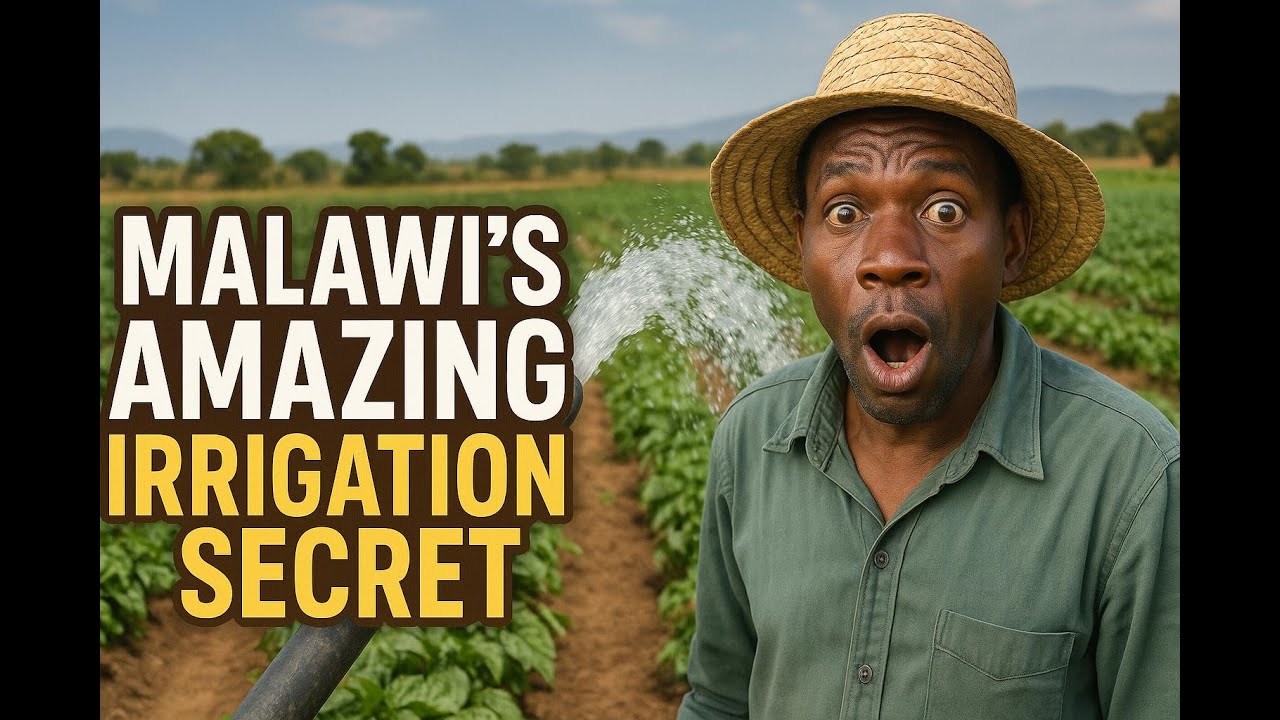
5 Top Water Management Practices:
- ✔ Drip irrigation for water savings and targeted application.
- ✔ Rainwater harvesting to supplement during droughts.
- ✔ Smart scheduling based on plant growth stages and weather forecasts.
- ✔ Drainage channels to protect against flooding and erosion.
- ✔ Water quality checks to detect salinity or pollutants quickly.
Track and manage all your fields’ water needs using Farmonaut’s large scale farm management platform for tailored solutions, from small parcels to extensive operations.
Integrating weather forecasting (satellite and AI) ensures optimal irrigation timing. Fleet and resource management solutions can help deploy pumps and machinery efficiently across fields.
4. Pest & Disease Control: Integrated Management for Sustainable Success
No farming skill set is complete without robust pest and disease control. Core agriculture skills include:
- ✔ Regular scouting: Walk fields, inspect leaves, and note pest populations or disease symptoms.
- ✔ Identification: Use field guides or smartphone apps to recognize pest species and disease patterns.
- ✔ Prevention first: Cultivate healthy plants, rotate crops, and increase crop biodiversity.
- ✔ Integrated Pest Management (IPM):
- 🔗 Mechanical: Manual removal, traps.
- 🔗 Cultural: Timely sowing/harvesting, rotation.
- 🔗 Biological: Encouraging beneficial insects, using biopesticides.
- 🔗 Chemical: Use only as a final resort, following label and resistance rotation practices.
Mastery of IPM helps us minimize pesticide dependence, protect beneficial organisms, and comply with food safety standards.

Visual Checklist: Common IPM Practices
- 🐞 Scouting – Weekly walks or remote sensing checks
- 🌱 Crop rotation and mixed cropping
- 🌾 Biological agents (predatory insects, pathogens)
- 🕸️ Traps & barriers to catch or exclude insect pests
- 🔬 Diagnostic testing for suspected disease cases
Record findings and adjust strategies promptly with the help of Farmonaut’s API for real-time integration with your farm management system.
5. Crop Cultivation & Canopy Management for Optimal Growth
Skilled crop cultivation isn’t limited to initial sowing. The ongoing management of the crop canopy and inter-row spacing boosts yield, quality, and disease resistance:
- ✔ Canopy management: Prune, train, or trellis crops (e.g., fruit trees, vines) to maximize sunlight exposure and airflow.
- ✔ Row and plant spacing: Adjust spacing to avoid overcrowding, reduce disease, and promote vigorous growth.
- ✔ Monitoring growth stages: Identify stress early—yellow leaves could signal nutrient deficiencies, while patchy stands may indicate germination issues.
- ✔ Growth adjustment: Apply fertilizer at the right stage, thin crowded plants, and remove diseased material.
Canopy skills, when combined with satellite or drone imagery, help address disease hot spots and uneven emergence across fields.

Crop Cultivation Tips:
- ✔ Use farm management apps for digital field maps and real-time crop health updates.
- ✔ Apply organic mulch between rows to conserve moisture, suppress weeds, and nourish soil.
- ✔ Rotate crops to manage canopy density and reduce persistent pests.
- ✔ Regularly clean and disinfect tools to minimize disease spread.
- ✔ Employ satellite-based vegetation indices (like NDVI) for precision monitoring—available through Farmonaut’s platform.
Well-managed crop canopies reduce humidity within rows, helping to minimize fungal diseases and support robust plant structure.
6. Seed Selection & Propagation: Laying the Groundwork for Resilient Crops
Investing time in seed selection and propagation sets the stage for success. Practical farming skills here include:
- ✔ Choosing adapted varieties: Use local, regional, certified, or hybrid seed types depending on resistance needs, climate shifts, and market preferences.
- ✔ Germination testing: Test a sample to spot old or poor-quality seeds before planting.
- ✔ Seed saving: For open-pollinated crops, save the healthiest seeds each year for cost savings and genetic diversity.
- ✔ Follow propagation best practices: Use clean trays, healthy media, and controlled environments to raise robust seedlings.
Healthy starts mean less replanting, stronger resistance, and higher yields.
Seed Selection Essentials Checklist
- ✔ Research both local and hybrid varieties for resistance to known diseases and pests.
- ✔ Document seed sources using digital traceability tools (like those from Farmonaut).
- ✔ Store seeds in a cool, dry environment.
- ✔ Inspect stored seeds regularly for mold or insects.
- ✔ Plan propagation around local weather and expected field conditions.
7. Harvest & Post-Harvest Handling: Maximizing Yield and Market Value
Timely harvesting and careful post-harvest handling transform months of work into market-ready produce with minimal loss. Core skills include:
- ✔ Identifying optimum harvest maturity to balance quality and shelf life.
- ✔ Gentle picking methods to reduce bruising and damage.
- ✔ Proper cleaning and sorting to meet market standards and food safety regulations.
- ✔ Appropriate storage: Use cool, well-ventilated, and sanitary areas to extend the storage life.
- ✔ Efficient transportation to reduce losses between field and consumer.
Farmers using mobile apps and satellite advisory platforms, like Farmonaut, can optimize harvest timing based on weather forecasts and field observation data.

Checklist for Post-Harvest Success
- 🍏 Harvest at cooler times of day for better quality.
- 💧 Use clean water for washing or hydrating produce.
- 🧊 Chill rapidly if necessary (fruits, vegetables).
- 📦 Pack in strong, labeled containers for traceability.
- 🚚 Transport efficiently to market or storage with minimal handling.
Globally, about 13.2% of food is lost after harvest and before it reaches retail, according to the FAO. Proper handling at each step preserves crop value and farm income.
8. Farm Resource Management: Optimize Inputs, Labor, and Equipment
Effective farm management covers more than just the field. It is a core farming skill involving budgeting, cost tracking, and efficient resource allocation.
- ✔ Budget planning by estimating input needs and operational costs ahead of each season.
- ✔ Input and output record-keeping for traceability, compliance, and future planning.
- ✔ Efficient resource deployment including labor, machinery, and storage, often enhanced by fleet management solutions like those from Farmonaut (Fleet Management).
- ✔ Accessing finance and insurance for risk mitigation (see crop loan and insurance verification via satellite data).
Modern farms benefit from comprehensive digital platforms that integrate records, give real-time insights, and create clear pathways for scaling operations.
Top 5 Resource Management Habits
- ✔ Keep a field-by-field digital ledger of all activities and costs.
- ✔ Use mobile or desktop apps to coordinate field operations and workforce assignments.
- ✔ Maintain a dynamic annual budget, adjusting with weather or market changes.
- ✔ Audit farm operations for efficiency and compliance.
- ✔ Integrate GPS or satellite-based tracking for machinery and inventory assets.
Manual data collection leads to errors and missed opportunities. Automated, satellite-enabled record-keeping reduces time and enhances accuracy.
9. Farm Safety & Labor Training: Protecting People, Optimizing Productivity
A productive and sustainable farm is also a safe one. Farm safety and labor training are basic farming skills impacting not only the well-being of all workers but also the long-term viability of the operation.
- ✔ Provide regular safety training covering machine operation, chemical use, and emergency procedures.
- ✔ Equip workers with PPE (Personal Protective Equipment).
- ✔ Maintain up-to-date compliance with local labor regulations.
- ✔ Document all employment and training records digitally for clarity and legal protection.
Safe farms have fewer accidents, higher morale, and meet export or corporate supply chain requirements more readily.
Farm Safety Visual List
- ⚠ Safety checks on all machinery before each use.
- 🩺 First-aid training and kits on site, accessible to all staff.
- 📋 Emergency numbers and routes clearly posted in key locations.
- 🪖 Daily PPE inspections before field entry.
- 🎓 Annual refresher courses for specialized equipment operators.
Leverage Farmonaut’s resource management features for better assignment of equipment, people, and safety tracking.
10. Continuous Monitoring & Adaptation: Data-Driven, Resilient Farming
The most successful farmers never stop learning. Continuous monitoring and adaptation are at the core of surviving climate shocks, market disruptions, and evolving best practices.
- ✔ Regular field scouting (physically or via satellite/remote sensing) reveals problems before they escalate.
- ✔ Adopt emerging tech tools: satellite platforms (like Farmonaut), AI advisory systems, and traceability blockchains ensure precise, data-driven decisions.
- ✔ Field trials & farmer networks boost innovation and rapid troubleshooting.
- ✔ Ongoing record-keeping enables benchmarking and trend spotting year over year.
By joining learning communities and keeping up with advancements (via extension, online, or app-based services), we ensure that no opportunity for improvement passes by.

Continuous Monitoring Checklist
- ✔ Weekly photo logs or remote sensor updates for every field.
- ✔ Integrate satellite imagery to spot green-up, stress, or anomalies.
- ✔ Participate in extension webinars and demonstration plots, adapting lessons locally.
- ✔ Review financials quarterly to track resource use and outcomes.
- ✔ Keep solution providers’ support contacts—like Farmonaut’s—in your trusted resource list.
Ignoring new technology or refusing to adapt can limit long-term productivity. Regular updates with digital tools ensure we stay ahead in sustainable agriculture.
How to Learn Farming Skills
Most farming skills are learned by doing, next to someone who already has them. The practical routes are:
- Work on a farm first. A season as a hired hand teaches machinery, livestock handling and timing faster than any course.
- Use the extension service. In the US, land-grant university extension offices run soil-testing labs, field days and short courses. Many countries have similar advisory services.
- Join a beginning-farmer programme. USDA’s Beginning Farmer and Rancher Development Program funds training, mentoring, apprenticeships and land-link schemes for people in their first ten years of farming (USDA NIFA).
- Take a formal course. Agricultural colleges offer certificates and degrees in crop science, animal science and farm business.
- Keep a farm diary. Recording planting dates, inputs, weather and yields turns each season into a lesson for the next.
Start with the skills that cost the most when done badly on your farm. For a vegetable grower that may be irrigation and post-harvest handling; for a grain farm it is often soil fertility and machinery.
Advanced Tools for Farming Skills: Farmonaut Solutions
Leveraging advanced technology is no longer optional for modern, profitable farming. Farmonaut, as a satellite technology leader, offers a suite of affordable, scalable tools for:
- ✔ Satellite-based crop monitoring: Get AI-driven insights for soil health, vegetation vigor (NDVI), and stress mapping.
- ✔ Climate-smart advice: Access real-time weather, water, and resource management strategies through AI advisory.
- ✔ Traceability and blockchain solutions: Prove crop origin for premium markets and food safety compliance with product traceability.
- ✔ API data integration: Seamlessly link Farmonaut’s APIs with your own farm management systems. See developer documentation for custom solutions.
- ✔ Crop loan and insurance verification: Secure coverage and financing with transparent, satellite-verified field reports through crop loan and insurance tools.
Whether you’re managing 1 or 10,000 hectares, Farmonaut enables smarter, data-driven farming with scalable resource management, supporting all 10 essential farming skills outlined above.
Experience real-time satellite insights, AI advice, and resource tracking via the Farmonaut Android & iOS apps for hands-free, effective farm management.
Frequently Asked Questions
What are the most important basic farming skills to master first?
Start with soil health management through testing and amendments, followed by crop rotation, efficient irrigation management, and pest/disease control. These lay the groundwork for resilience and higher yield.
How can farmers reduce post-harvest losses?
Harvest at the correct stage, use gentle picking techniques, grade and store crops quickly in cool, clean environments, and transport carefully. Farmonaut’s advisory systems can help optimize harvest timing using real-time climate monitoring.
How does technology support sustainable farming?
Satellite-based platforms, such as Farmonaut, provide detailed field health data, enable precision irrigation, support integrated pest management, and track carbon footprints for environmental compliance.
What’s an easy way to start with digital resource management?
Try starting with Farmonaut’s mobile or web app to monitor fields, log crop activities, and receive AI-based crop advice. These tools fit all sizes of operations and are simple to implement.
Can small-scale farmers benefit from these farming skills?
Yes, all farming skills highlighted here can be scaled to suit even small plots, with many supported by affordable Farmonaut technology. Smart management maximizes every acre or hectare.
Conclusion: Mastering Farming Skills for Long-Term Agricultural Success
The path to agriculture success begins with a deliberate commitment to mastering basic farming skills. By continuously improving in soil health, crop rotation, pest and water management, canopy and seed practices, harvest-handling, and advanced record-keeping, farmers worldwide ensure healthier operations, increased yields, and a more sustainable environment.
Today’s digital era empowers every grower—from rural villages to industrial farms—to combine proven practical farming skills with technology-led solutions such as Farmonaut. With affordable, easy-to-use platforms, we collectively enhance our resource management and transform agriculture into a resilient, profitable, and environmentally conscious sector.
Adopt these 10 skills not just as a checklist, but as a lifelong learning journey. The rewards? Stronger plants, healthier soil, better markets, and a thriving next generation.
Discussion
Questions, corrections or field experience? Share them below. First-time comments are reviewed before they appear, and your email is never published.
No comments yet. Be the first to add a question or your experience.

 AgroStar
 Native Seeds
 Andex
 FCF India
 Unifrutti Gulf
 Deluxe Conseil
 TVS Electronics
 BW Pipelines
 WICO
 Gen Chayat
 Chimera Innovation
 SkyHarvest
 Polaris Digitech
 Teledarbas
 Wild Oak Farm

 Licence holder · Niger · Gold










