

Reviewed September 2026 against the National FFA Organization and USDA’s National Agricultural Statistics Service (NASS) and Economic Research Service (ERS).
Try it: Run your own numbers →
Table of Contents
- What Does FFA Do? The Short Answer
- FFA Agriculture Trivia
- The Numbers: FFA Membership vs. the U.S. Farm Workforce
- 7 Powerful Ways Students Excel in FFA Agriculture
- Comparison Table of Key FFA Skill Areas and Student Benefits
- 1. Hands-On Farming & Field Experiences
- 2. Leadership Training and Character Development
- 3. Foundations in Agricultural Science & Technology
- 4. Sustainable Land & Resource Management
- 5. Agribusiness, Marketing & Entrepreneurship in FFA
- 6. Forestry, Natural Resources, and Ecosystem Stewardship
- 7. Mining, Reclamation, and Responsible Land Use — Where “President” and “Water” Meet FFA
- SAE Project Wage Calculator
- Farmonaut: Advancing Agriculture, Mining, and Forestry Through Satellite Technology
- Benefits & Data Insights of FFA Agriculture
- Frequently Asked Questions on What FFA Does
- Farmonaut Subscriptions & Resources
- Conclusion: FFA Agriculture — A Future-Proof Pathway
- Try it: Run your own numbers
What Does FFA Do? Programs, Numbers, and How to Verify Them
FFA — Future Farmers of America, officially the National FFA Organization since 1988 — runs a three-part model in U.S. middle and high schools: classroom agricultural education, hands-on Supervised Agricultural Experience (SAE) projects on real farms or agribusinesses, and FFA chapter activities that put students in elected officer roles, competitive events, and community projects. It is not a farming club; it is a credit-bearing career and technical education (CTE) track that reported 1,053,847 student members for the 2025-26 school year, according to the National FFA Organization’s own membership announcement.[1]
The “president” role people search alongside FFA and water or mining topics is almost always a chapter or state officer — students elected by their peers to run meetings, represent the chapter at competitions, and lead service projects, which sometimes include water-quality testing, land reclamation, or conservation work tied to local mining or extraction sites. We cover exactly that overlap in Section 7 below, since it is the one part of FFA’s scope that touches Farmonaut’s own mining and land-monitoring tools.
This article walks through what FFA actually does, section by section — the fieldwork, the leadership structure, the science curriculum, the land-stewardship content, the agribusiness track, forestry, and the mining/reclamation edge case — then points you to the primary sources so you can check every figure yourself next season.

The Numbers: FFA Membership vs. the U.S. Farm Workforce
FFA doesn’t operate in a vacuum — it feeds directly into an agricultural labor market with its own well-documented shape. The USDA’s 2022 Census of Agriculture (published with 2024 highlights) counted 1.88 million U.S. farms averaging 466 acres each.[2] Against that, USDA’s Economic Research Service put U.S. agricultural wage and salary employment at 1.18 million workers for 2024, up 10% from 2010.[3] Two sub-sectors drove most of that growth: crop support services added 48,400 jobs and the livestock sector added 42,000 jobs over the same 2010-2024 span, per the same ERS dataset.[3]
Wages matter here too, because they’re the reason career-readiness is the actual selling point of FFA, not the show-ring image most people carry from childhood. ERS reported the average U.S. farm wage for nonsupervisory workers at $18.12/hour in 2024, versus $30.13/hour for nonsupervisory workers economy-wide — a real gap FFA’s agribusiness and leadership tracks are explicitly built to help students close by qualifying for supervisory, technical, and agribusiness roles rather than field-labor roles.[3] Labor tightness is also visible in the H-2A program: USDA ERS recorded 385,000 H-2A temporary agricultural worker positions certified in Fiscal Year 2024, evidence of how much of the workforce U.S. farms still have to source seasonally from abroad.[3]
None of these labor, wage, or farm-count figures are static — NASS refreshes Census of Agriculture data on a five-year cycle (next full census due 2027) with interim numbers via its Quick Stats tool, and ERS updates farm labor statistics multiple times a year. Bookmark USDA ERS’s farm labor topic page if you want the current wage and employment figures rather than the 2024 snapshot cited above.
FFA Agriculture: 7 Powerful Ways Students Excel in Farming
From hands-on FFA farming practices in the field to leadership in chapter meetings and stewardship of land and resources, the FFA structure is built around seven overlapping skill areas. Here’s what each one actually does for a student:
- Hands-On Farming & Field Experiences
- Leadership Training & Character Development
- Foundations in Agricultural Science & Technology
- Sustainable Land & Resource Management
- Agribusiness, Marketing & Entrepreneurship
- Forestry, Natural Resources & Ecosystem Stewardship
- Mining, Reclamation & Responsible Land Use
Comparison Table of Key FFA Skill Areas and Student Benefits
| Skill/Experience | What FFA Does Here | Typical Chapter Activities | Example Outcomes |
|---|---|---|---|
| Hands-On Farming | Runs SAE projects on crop, livestock, soil, and fieldwork | Crop plots, livestock ownership, ag-mechanics shop hours | Technical proficiency, direct farm-employment pathway |
| Leadership Training | Elects chapter and state officers; runs parliamentary-procedure and public-speaking competitions | Chapter president/secretary/treasurer roles, CDE speaking events | Officer experience listed on college and job applications |
| Agricultural Science & Tech | Teaches lab-based and field-trial coursework tied to state ag-science standards | Soil testing, plant/animal science fairs, precision-ag demos | Credit toward science graduation requirements |
| Sustainable Management | Covers soil, water, and nutrient-cycle conservation practices | Cover-crop trials, watershed testing, conservation CDEs | Entry point to NRCS, Extension, and conservation-district careers |
| Agribusiness & Entrepreneurship | Runs enterprise-budgeting and marketing-plan coursework | Farm-business SAEs, agribusiness CDEs, ag-sales competitions | Direct line to farm-management and agribusiness roles |
| Forestry & Natural Resources | Teaches timber-stand assessment and forestry-management practices | Forestry CDE, agroforestry SAEs, land-lab restoration work | Pathway to state forestry, NGO, and private forestry jobs |
| Mining & Land Use | Covers land reclamation and multi-industry resource-use tradeoffs where relevant locally | Reclamation-site visits, water-quality service projects | Grounding for reclamation, regulatory, and land-use careers |
Note: FFA does not publish a national breakdown of participation rates by activity type. The activities column reflects standard chapter programming described in FFA’s own career-development-event (CDE) and SAE structure; check with your state FFA association or the National FFA Organization for chapter-level detail.
1. Hands-On Farming & Field Experiences in FFA Agriculture
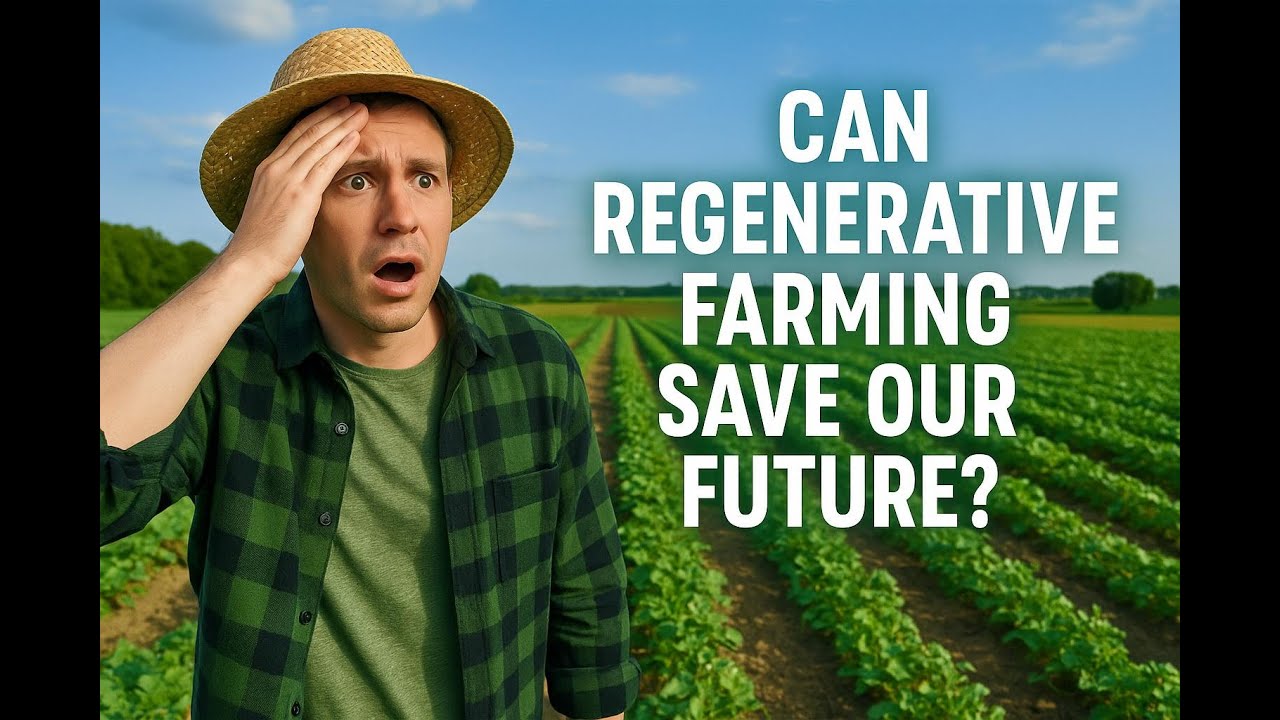
This is the SAE component: students run an actual agricultural enterprise or work placement, graded and logged like coursework. It covers crop production, livestock management, soil-health monitoring, and pest control — turning classroom material into a project a student owns for a full season or year.
- Active Crop Cycles: Cultivating crops through a full season, learning rotation and timing decisions firsthand.
- Direct Resource Management: Hands-on responsibility for soil, water, and nutrient inputs on a real or school-farm plot.
- Pest and Disease Control: Applying integrated pest management (IPM) strategies under supervision.
- Mechanical Skills: Operating tractors, planters, irrigation systems, and basic ag-tech tools.
- Team Projects: Collaborative work on farm infrastructure — fencing, irrigation, post-harvest handling.
Key Insight:
SAE projects are logged and can be audited by an ag instructor, which is what separates FFA fieldwork from a generic 4-H or hobby project — it’s assessed, credit-bearing work tied to a school’s CTE program.
2. Leadership Training and Character Development in FFA Programs — What the “President” Role Actually Is
This is the section that answers the “president” part of what people are searching. Every FFA chapter elects officers — president, vice president, secretary, treasurer, reporter, sentinel, and sometimes additional roles — voted on by chapter members, typically for a one-year term. State associations elect their own state officer teams the same way, and National FFA elects a national officer team of six students annually who take a gap year to travel and represent the organization full-time. A chapter president runs meetings under parliamentary procedure, represents the chapter at district and state events, and often leads the specific service projects — including water-quality testing, land-reclamation site visits, or conservation partnerships — that show up in local news coverage and, on farmonaut.com, in our own reporting on chapter activity near mining and reclamation land.
- Officer Positions: President, Secretary, Treasurer, and more — each with defined parliamentary and organizational duties.
- Community Organizing: Officers lead initiatives like food drives, green-space restoration, water-testing days, and peer mentorship.
- Professional Development: Resume-building, interviews, and formal presentation practice built into the officer track.
- Teamwork: Large-scale project leadership, usually the officer’s single biggest resume line by graduation.
Pro Tip:
If you’re trying to confirm who your local chapter’s president is or what their service project involves, the fastest route is your state FFA association’s chapter directory or the school’s ag-education department — FFA does not publish a national officer roster below the state level.
3. Strong Foundations in Agricultural Science & Technology
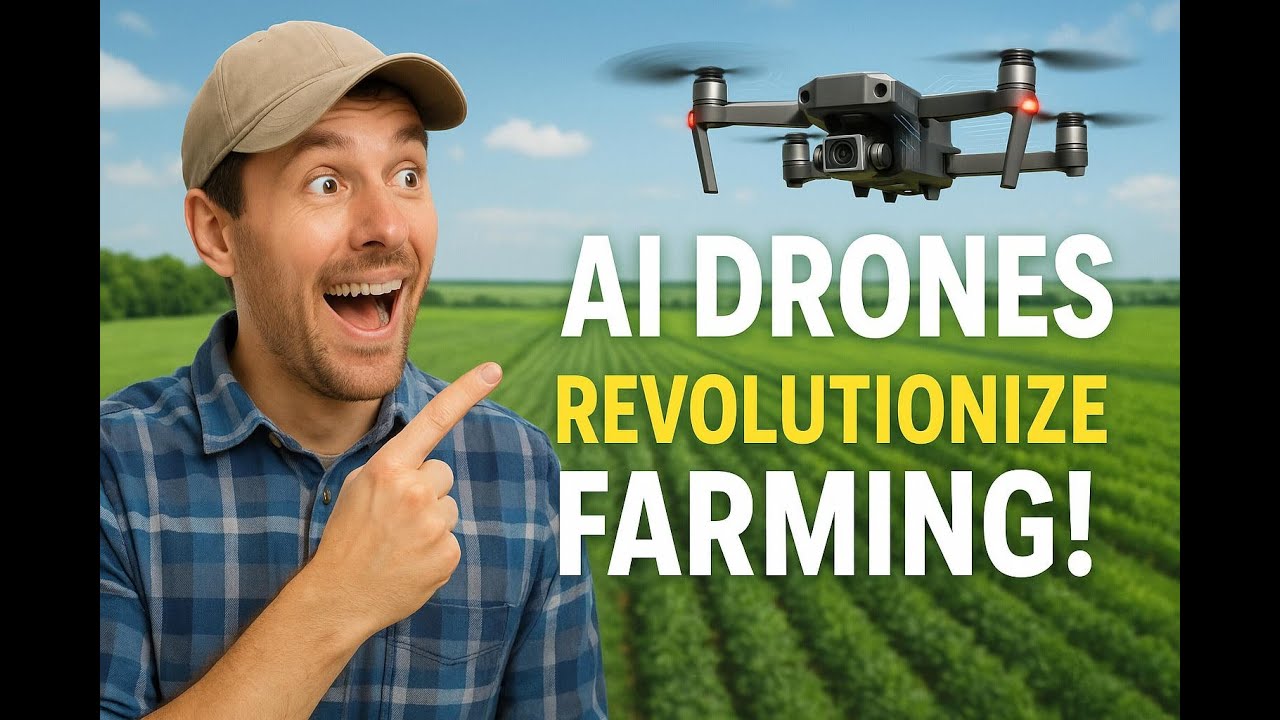
FFA’s science content runs through lab work, research trials, and field demonstrations tied to state agricultural-education standards. Students get exposure to precision agriculture, drone-based scouting, and AI-powered monitoring alongside traditional soil and plant/animal science.
- Soil Science: Diagnosing soil health, managing nutrients, implementing conservation practices.
- Field Data: Using sensors to track moisture, nutrients, pest pressure, and crop growth stages.
- Plant & Animal Biology: The scientific principles behind crop development and livestock production.
- Research Projects: Field trials with rotations, cover cropping, and IPM.
- Cutting-Edge Technologies: AI, satellite imagery, and smart sensors for productivity and resource use.
Explore digital advisory systems like Farmonaut Large Scale Farm Management to monitor health, plan schedules, and enhance efficiency on large farm operations.

4. Sustainable Land & Resource Management: Stewardship in FFA Agriculture
Sustainability content covers soil conservation, water management, nutrient cycling, and IPM as an integrated system rather than separate topics:
- Soil Conservation: Preventing erosion, restoring organic matter, using cover crops.
- Water Management: Designing irrigation and drainage responsive to local conditions.
- Nutrient Cycling: Promoting fertility while reducing chemical runoff.
- Integrated Pest Management (IPM): Combining biological, cultural, and mechanical controls.
- Ecosystem Health: Preserving biodiversity, restoring habitats, monitoring operational impact.
Students also study market-driven carbon footprinting as part of this track.
Discover how Farmonaut Carbon Footprinting solutions allow farms and agri-enterprises to track real-time emissions, supporting climate-smart land management.
Common Mistake:
Treating soil, water, and nutrient cycles as separate units. Effective FFA programs teach the “big picture” by integrating all three across a single SAE project.
5. Agribusiness, Marketing & Entrepreneurship in FFA Agriculture
This track covers the economics, supply-chain, and business-management side of farming — the part of FFA most directly aimed at closing the $18.12 vs. $30.13 hourly wage gap cited in Section 2 above, by qualifying students for management rather than labor roles.[3]
- Enterprise Planning: Seasonal budgeting for inputs, labor, and operational needs.
- Market Analysis: Researching demand and targeting high-value crops or products.
- Supply Chain Logistics: How raw goods move from farm to buyer, including storage and transport.
- Value Addition: Developing products and services that increase business resilience.
- Entrepreneurship: Launching agri-ventures or greenhouse projects within the school or local community.
On the “harvest to Excel” and spreadsheet-modeling searches this topic sometimes pulls in: FFA agribusiness coursework does teach spreadsheet-based enterprise budgeting, but neither FFA nor USDA publishes a standard “harvest to Excel” integration or a Monte Carlo simulation curriculum — those are terms tied to unrelated commercial time-tracking and financial-modeling tools, not FFA programming. If you’re building a farm-enterprise budget model, USDA’s Economic Research Service publishes the underlying wage and labor-cost data you’d feed into any spreadsheet template, at the ERS farm labor link cited throughout this article.[3]
Students can also use modern technology to track, verify, and add value:
Farmonaut Traceability
uses blockchain technology to ensure transparency across every link of the agriculture supply chain — boosting consumer trust and opening up new markets.

SAE Project Wage Calculator
Estimate what an FFA student’s hands-on farm work would be worth at current U.S. farm wage benchmarks, and compare it to the nonfarm rate they’d earn in an equivalent-hours off-farm job.
Run your own numbers
Assumes a flat weekly hours figure with no overtime differential and no deduction for input costs, equipment, or unpaid learning time. It uses USDA ERS’s 2024 national average wage benchmarks for nonsupervisory farm and nonfarm workers as reference points only — actual SAE project value depends on your enterprise type, region, and whether the work is paid or entrepreneurial (owned) labor.[3]
Investor Note:
Agricultural entrepreneurship is evolving with digital technologies, traceability, and smart logistics. FFA students with early exposure to these areas carry a real advantage for leadership roles in agri-tech and agri-service.
6. Forestry, Natural Resources & Ecosystem Stewardship within FFA
Within the broader FFA structure, students gain practical skills in forestry and natural resource management — key for rural economies and industry infrastructure:
- Forest Stand Assessment: Evaluating tree health, stand structure, and growth rates.
- Timber Production: Planning timber harvests balancing economic return and ecosystem conservation.
- Agroforestry Practices: Integrating trees and farming to boost productivity and biodiversity.
- Woodland Restoration: Restoration plans for degraded land, protecting watershed and wildlife habitat.
- Collaboration: Working with local mills, conservation districts, and landowners.
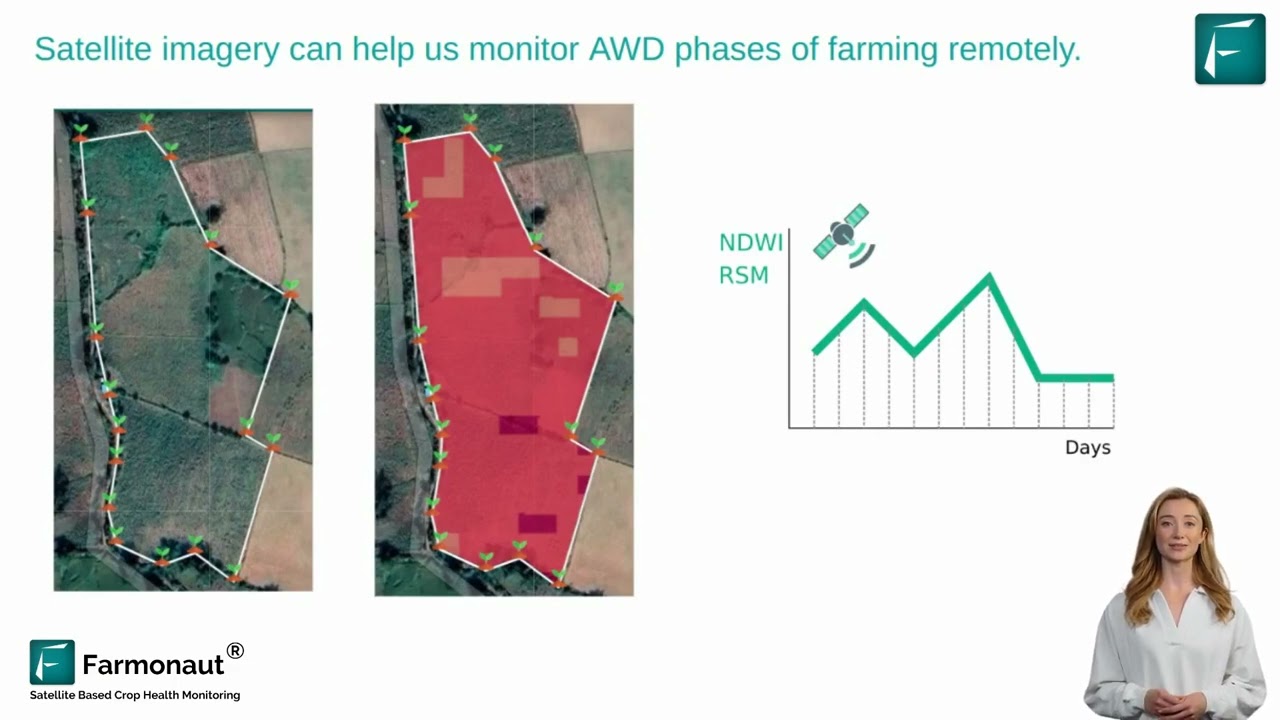
For advisory tools that support agroforestry, scheduling, or land-restoration monitoring, digital systems like Farmonaut Crop Plantation & Forest Advisory can help drive both productivity and sustainability at scale.
7. Mining, Reclamation, and Responsible Land Use — Where "President" and "Water" Meet FFA
This is the direct answer to the "president mining water" pattern people search on this site: FFA itself does not run a national mining program. What exists is chapter-level and state-level overlap between FFA's land-stewardship curriculum and active mining or reclamation activity in farm country — most often through a chapter president or officer leading a water-testing, land-reclamation, or conservation-partnership project near an extraction site. Coal, gravel, and mineral operations sit adjacent to a meaningful share of U.S. farmland in states like Wyoming, Montana, West Virginia, and Illinois, and FFA chapters in those areas sometimes build SAE or service-learning projects around monitoring water and soil quality near reclaimed land. Students explore:
- Environmental Monitoring: Studying mining's impact on soil and water, and techniques for ongoing tracking.
- Land Reclamation: Restoring mined land to productive agricultural or ecosystem use using restoration science.
- Collaboration Models: How farmers, mining operators, and governments jointly manage land-use tradeoffs for rural development.
- Regulatory Understanding: Compliance basics, reclamation planning, and minimizing ecosystem disruption.
For mining operations or reclaimed land requiring resource tracking, satellite monitoring can streamline compliance and verify restoration progress over time.
See how Farmonaut Crop Loan and Insurance Verification uses satellite data to track land use for regulatory and insurance needs, while also helping businesses verify the restoration progress of mining sites.
Farmonaut: Advancing Agriculture, Mining, and Forestry Through Satellite Technology
Farmonaut supports agriculture, mining, and forestry with satellite-based monitoring and AI advisory tools, available via Android, iOS, web apps, and API:
- Real-Time Farm and Field Monitoring: Assess vegetation health, soil condition, and water usage.
- Jeevn AI Advisory: Actionable recommendations from weather to field management for productivity and resource use.
- Blockchain Traceability for Supply Chains: Build trust with traceable, fraud-resistant agricultural products.
- Fleet and Resource Management: Reduce operational costs in agriculture and mining via Farmonaut Fleet Management tools.
- Environmental Impact Monitoring: Track carbon footprints, emissions, and compliance automatically.
Developer documentation and API resources:
Farmonaut Developer Docs for API Integration
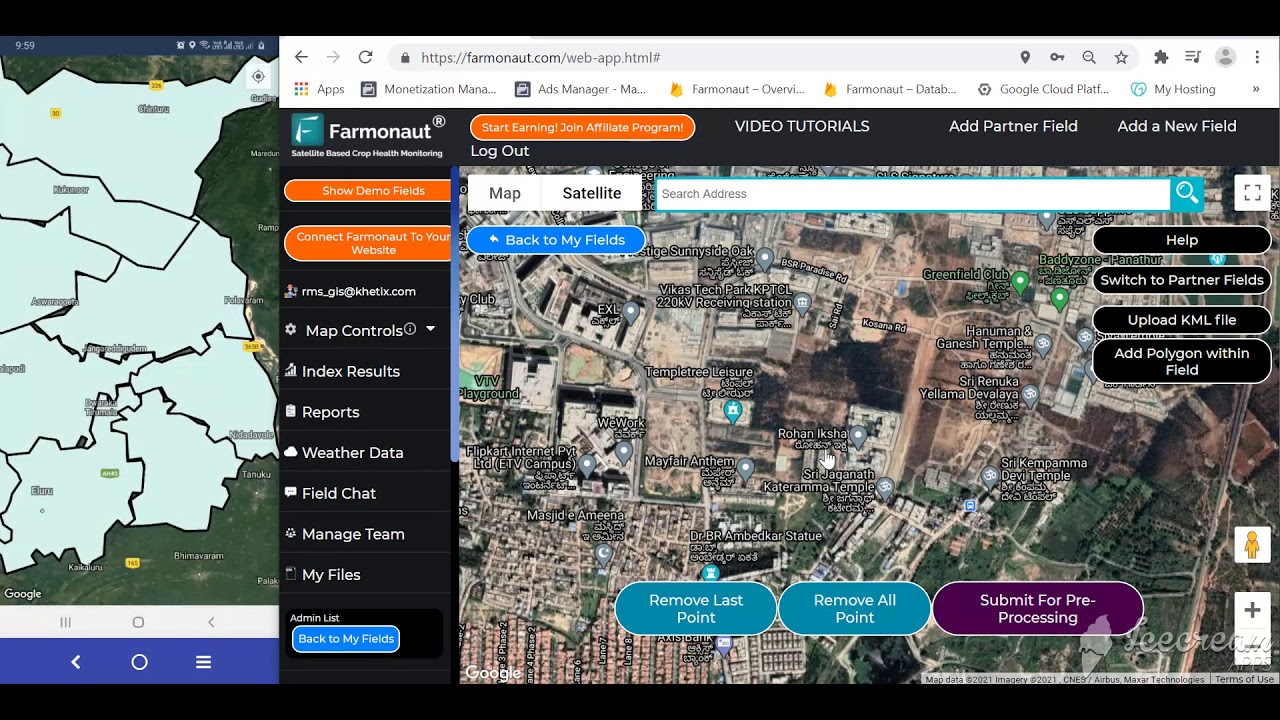
Access Farmonaut Apps:



Benefits & Data Insights of FFA Agriculture
- ✔ Career-Ready: FFA tracks students into a workforce where farm wages averaged $18.12/hour in 2024 — the agribusiness and leadership tracks exist to move students toward the $30.13/hour nonfarm-equivalent management roles instead.[3]
- 📊 Scale: 1,053,847 student members for 2025-26, against 1.88 million U.S. farms averaging 466 acres in 2024.[1][2]
- ⚠ Labor Gap: 385,000 H-2A positions were certified in Fiscal Year 2024 alone — a sign of how much seasonal labor U.S. farms still source outside the domestic workforce FFA feeds.[3]
- 🌱 Eco-Smart: Students learn to blend traditional and modern land-stewardship practices, covered in Section 4 above.
- 🛠 Real-World Skills: From soil science to blockchain traceability, every skill set is rooted in an assessed SAE project, not just theory.
Entrepreneurial, supply chain, and agribusiness skills prepare students for high-growth industries.
Blockchain solutions ensure authenticity in every agri-sector product.
Frequently Asked Questions on What FFA Does
What does FFA do?
FFA delivers agricultural education through three linked components: classroom instruction, Supervised Agricultural Experience (SAE) projects where students run a real farm or agribusiness enterprise, and chapter/officer activities including leadership roles, competitions, and community service. It reported 1,053,847 student members for the 2025-26 school year.[1]
What does FFA stand for?
FFA originally stood for Future Farmers of America. Since 1988, the organization has operated officially under the initials "FFA" alone, reflecting that membership now spans agribusiness, science, forestry, and natural-resources careers, not only production farming — see how National FFA describes its modern scope.
Who is the president in an FFA chapter, and what do they do?
Each FFA chapter elects its own student president annually. The role runs chapter meetings under parliamentary procedure, represents the chapter at district and state events, and typically leads the chapter's flagship service project — which, in farming regions near active mining or reclaimed land, sometimes involves water-quality testing or land-restoration monitoring covered in Section 7 above. FFA does not publish a searchable national roster of chapter presidents; check your state FFA association's directory for a specific chapter.
How do FFA programs help students develop leadership skills?
FFA places students in real leadership positions (chapter officers, project managers, mentors), runs public-speaking and teamwork competitions, and organizes community service activities students often lead themselves.
What are some modern technologies integrated within FFA agriculture education?
FFA coursework increasingly includes AI-powered decision support, multispectral satellite monitoring, field sensors, blockchain supply-chain traceability, and drone-based crop scouting alongside traditional soil and animal science.
Is FFA only for students pursuing farming?
No. While farming is central, FFA supports students headed into agribusiness, marketing, forestry, ecosystem restoration, mining-adjacent land reclamation, entrepreneurship, and related STEM careers within rural and industry sectors — see this broader list of agriculture-adjacent careers.
Does FFA teach Excel-based tools like "harvest to Excel" or Monte Carlo simulation?
Not as a named curriculum. FFA's agribusiness track does teach spreadsheet-based enterprise budgeting, but neither the National FFA Organization nor USDA publishes a standard "harvest to Excel" integration or a Monte Carlo simulation module — those terms belong to unrelated commercial software, not FFA's published coursework.
How can Farmonaut solutions be used by agriculture students and professionals?
Farmonaut provides satellite-driven monitoring, AI-based advisory, and blockchain traceability tools students, farm operators, and business leaders can use to monitor crop health, manage environmental impact, optimize fleets, and enhance operational transparency — accessible via apps, APIs, and web interfaces.
Farmonaut Subscriptions & Resources
Farmonaut offers scalable solutions for agriculture, mining, forestry, and infrastructure needs — for students needing satellite imagery for an agri-science project, or an enterprise focused on fleet management or carbon-footprint tracking.
Conclusion: FFA Agriculture — A Future-Proof Pathway in Modern Farming
FFA is a credit-bearing education-to-career structure, not a club: 1,053,847 students moved through its classroom, SAE, and leadership components in the 2025-26 school year, feeding into a U.S. agricultural workforce of 1.18 million wage and salary workers spread across 1.88 million farms.[1][2][3] The organization's officer structure — the "president" role searched alongside water and mining topics — is elected at the chapter and state level and frequently anchors the land-stewardship and reclamation projects covered in Section 7.
By pairing traditional practices with satellite, AI, and blockchain tools, FFA coursework prepares graduates for a data-driven agricultural, forestry, and mining-adjacent workforce rather than yesterday's version of the farm. Because FFA's own membership figures and USDA's labor data refresh on regular cycles, treat every number above as a snapshot: check the National FFA Organization's press releases each August and USDA ERS's farm labor page throughout the year for the current figures.
Ready to pair your agriculture learning or operations with satellite-driven data?
Access the apps and developer documentation above — and explore Farmonaut's tools for agriculture, mining, and land management.
Sources
[1] National FFA Organization, "National FFA Announces Membership Numbers" (2025-26 school year) — ffa.org
[2] USDA National Agricultural Statistics Service, 2022 Census of Agriculture Highlights (published 2024) — nass.usda.gov
[3] USDA Economic Research Service, Farm Labor topic page (2024 data) — ers.usda.gov

 Farm Inc
 JJM Farms
 WeMe Global
 Pixxel
 Agrotoken
 Blue BearX
 Insignito
 Croptimum
 DnCubed
 Field Capacity
 Indosistim Teknologi
 Liquify Digital
 CU Foods
 BeyondTech Global
 Rouge VC
 AgroGreen Dynamics
 AgroRisk
 Oath Inc
 Reddane Farming
 Esri North East Africa
