

North America Vertical Farming: 7 Scalable Crop Trends
Discover how smart technologies, modular systems, and innovative software solutions are transforming the North America vertical farming crops market for sustainable, high-yield production in urban and controlled environments—reshaping the face of modern agriculture and food supply chains.
“Vertical farms in North America can yield up to 350 times more lettuce per acre than traditional outdoor farms.”
“Over 70% of North American vertical farms now use modular systems for scalable, year-round crop production.”
Table of Contents
- Introduction: The Rise of Vertical Farming in North America
- Why the North America Vertical Farming Market Matters
- Core Technologies: How Vertical Farming Scales Efficiently
- 7 Scalable Crop Trends in North America Vertical Farming
- Modular System Designs: Enabling Growth Without Expansive Land
- Vertical Farming Software & Data-Driven Operations
- Supply Chain, Distribution, and Urban Proximity Advantages
- Sustainability Impact & Environmental Benefits
- Comparison Table: Top Vertical Farming Crops & Technologies
- The Farmonaut Edge: Satellite Technology, AI, and Traceability
- FAQ: North America Vertical Farming Market
- Conclusion
Introduction: The Rise of Vertical Farming in North America
Vertical farming has emerged as the new frontier of modern agriculture in North America, transforming how crops are grown, delivered, and consumed across both urban and rural landscapes. Unlike traditional agriculture—long bound by soil, climate, and season—the North America vertical farming market leverages smart technologies, modular systems, and data-driven strategies to revolutionize food production.
The movement is particularly aligned with the region’s increasing demand for fresh, locally sourced produce, environmental sustainability, and urban food resilience. By stacking growing layers in vertically integrated structures and deploying advanced controlled environments, vertical farms in cities like New York, Toronto, and Los Angeles are able to deliver high yields with minimized land and water use—all while decoupling crop production from geographic and climatic constraints.
- 📈 Modular vertical farming systems allow urban and peri-urban growers in North America to quickly scale production capacities in response to real market demand, without purchasing additional farmland.
The core advantage of vertical farming is its ability to cultivate leafy greens, herbs, and specialty vegetables in indoor, climate-controlled rooms or modular units, optimizing every aspect of plant growth—from light and temperature to humidity and nutrient delivery. As the North America vertical farming crops market grows, operators are turning to smart integration: deploying sensors, automating fertigation, using dynamic LED lighting, and leveraging vertical farming software to continuously improve yields while controlling costs.

Why the North America Vertical Farming Market Matters
Across the north america vertical farming crops market, consumers and retailers are demanding fresh produce with reliable provenance and year-round availability. Urbanization, land scarcity, and climatic constraints are prompting communities and entrepreneurs to seek out alternatives to conventional agriculture. Vertical farming offers a practical, scalable path to address these market needs.
- 🌱 Year-Round Crop Production: Climate-controlled rooms mean crops can be grown 365 days a year, unaffected by drought, frost, or storms.
- ✔ Resilience for Urban Centers: Reduced logistical costs and quick harvest-to-plate times boost urban food supply chains.
- 📊 Traceability & Quality: Powerful software and monitoring enhance supply chain transparency for retailers & distributors.
- 💧 Water & Resource Efficiency: Advanced hydroponic and aeroponic systems reduce water consumption by over 90% vs. traditional farms.
- ⚡ Reduced Environmental Footprint: Smart energy management, renewable power, and lower agrochemical use support sustainable practices.
- 💡 North America’s vertical farming market is forecast to surpass $3 billion USD in annual value within this decade, with major drivers including urban population growth, sustainable food trends, and advances in indoor crop management technology.
Is vertical farming scalable? According to recent data and market case studies, modular vertical solutions and automation are unlocking rapid, ROI-focused scale for both mid-sized producers and large commercial operators across the region.
Core Technologies: How Vertical Farming Scales Efficiently
The north america vertical farming crops market thrives at the intersection of agricultural engineering and digital innovation. Scaling up operations relies on multiple technologies working together—delivering high, consistent yields with minimized environmental and capital costs.
Key Smart Technologies Transforming Vertical Farming
- LED Lighting 🌟
Dynamic, spectrum-adjustable LEDs optimize energy use, boost photosynthesis, and enable stacking of multiple growing layers. - Hydroponics & Aeroponics 💧
Soil-free systems reduce water consumption and support precise nutrient management. - IoT & Sensor Networks 📡
Real-time monitoring of temperature, humidity, root zone, and light intensity for optimal crop growth. - HVAC & Humidity Control 🌬️
Maintain ideal climatic conditions for diverse crops. - Automated Robotics 🤖
Reduce labor dependency and drive consistent quality in seeding, caring, and harvesting cycles. - Vertical Farming Software 💻
Streamlines environmental management, crop scheduling, inventory, and integrates predictive maintenance.
- ▶ Advance further with precision satellite tech: Farmonaut’s Large Scale Farm Management solutions connect remote sensing with crop health monitoring and environmental tracking for optimal resource use.
- 💡 API integration for developers: Integrate satellite-driven analytics and resource management with Farmonaut’s API platform or review full developer docs here.
- 📱 Satellite monitoring on the go: Get actionable insights via Android, iOS, and web apps.




7 Scalable Crop Trends in North America Vertical Farming
Not all crops are equally suited for vertical farming’s unique, controlled environments. The most scalable crops share several core qualities: compact growth form, fast turnover, high market demand, and exceptional suitability for nutrient-rich hydroponic or aeroponic production. Let’s explore the top 7 trending crops driving innovation and efficiency in the north america vertical farming market:
- Lettuce (especially Romaine & Butterhead): The undisputed market leader thanks to fast cycles, high yields, and consumer popularity. Lettuce crops in North American vertical farms can deliver up to 350x more per acre than field-grown crops due to intensive stacking and rapid regrowth.
- Basil: A favorite herb for culinary and retail chains. Basil thrives on stacked hydroponic racks, offering quick turns and robust market prices.
- Kale: Nutrient-dense and high in demand for health foods, smoothies, and ready-to-eat salads. Kale adapts well to multi-tiered, climate-controlled rooms.
- Cilantro: An essential herb for American, Mexican, and Asian cuisine, with rapid harvest cycles and reliable yields in vertical setups.
- Microgreens: Encompassing arugula, radish, mustard, and more—microgreens are extremely fast (7–21 days to harvest), offering high profits per square foot.
- Strawberries: A breakthrough vertical crop: hybrid indoor varieties, smart lighting, and precise humidity control make year-round, pesticide-free berries possible in urban units.
- Peppers: Premium sweet or chili peppers command top prices. Innovations in spectrum LED and environmental control are enabling reliable, high-quality yields in vertical systems.
- ✔ Lettuce: Most efficient for yield/sq.m and cost per head; core for retail chains.
- ✔ Basil & Herbs: High flavor, short growth, valued for culinary freshness.
- ✔ Microgreens: Ultra-fast ROI, trending in restaurants & urban grocery.
- ✔ Specialty Veg: Peppers, strawberries, & exotic greens: possible with advanced controls.

- 🌱 Need rapid turnover and predictable supply? Focus on fast-maturing leafy greens and herbs for maximum ROI, layering in higher-value specialty crops as your environmental control and vertical farming software mature.

Modular System Designs: Enabling Growth Without Expansive Land
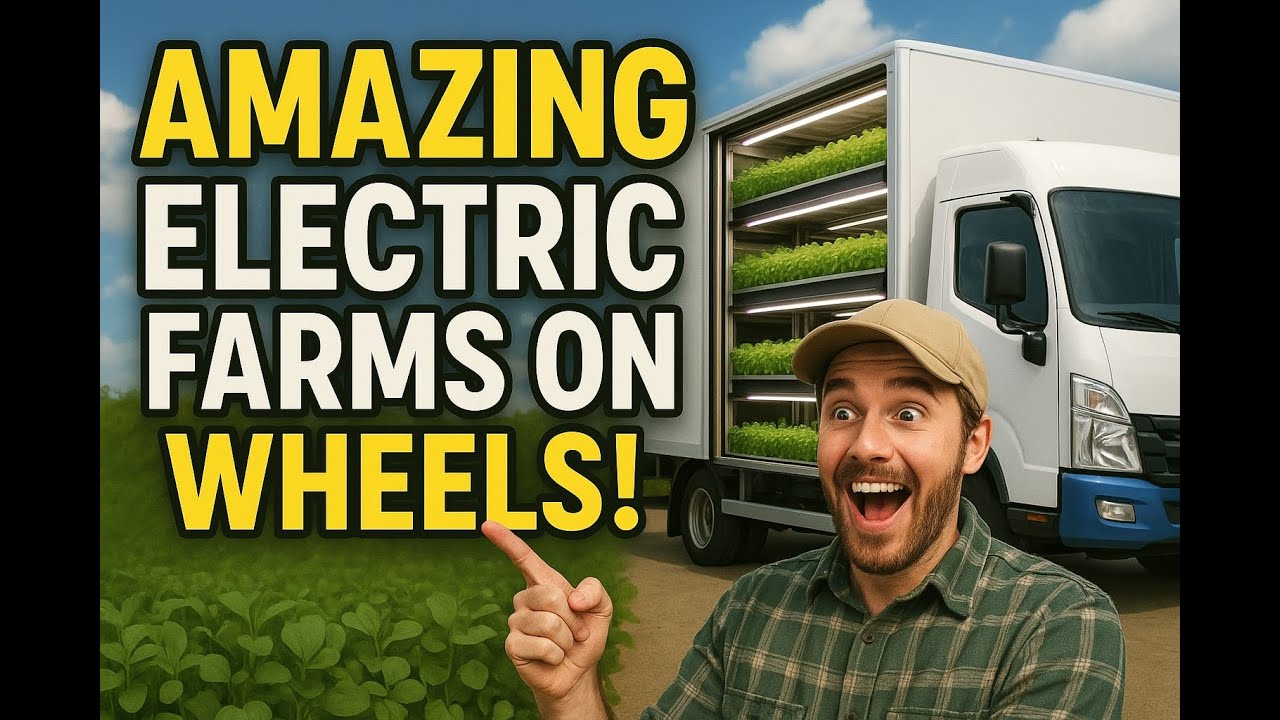
One of vertical farming’s greatest innovations is its modular growth model, which allows any operator to add, extend, or deploy new cultivation capacity without needing vast farmland. Structures include stacked trays, multi-level racks, container units, and climate-optimized rooms right in urban or peri-urban environments.
- 🚚 Shipping Container Farms: Pre-fabricated, plug-and-play, and instantly deployable near grocery or distribution hubs.
- 🏢 Warehouse Conversions: Transform unused city warehouses into multi-story vertical “micro-farms” for local retail supply chains.
- 🔗 Expandable Floorplans: Add racks or tiers as market demand increases—no need for new land.
- 💡 Dynamic Lighting Zones: Use vertical farming software to fine-tune crop environments by rack, row, or room for ultimate control.
- 💱 Predictable CAPEX: Incremental investments reduce risk and optimize operational cash flow.

- ⚠ Overinvesting in unscalable infrastructure: Early-stage vertical farms sometimes build beyond real market demand. Opt for modular systems and data-driven scaling to avoid wasted resources!
- 🏗 Stacked Trays: Floor-to-ceiling layers for lettuce, herbs, and microgreens.
- 🚛 Container Units: Highly portable, climate-resistant; ideal for remote or urban edge communities.
- 🏢 Multi-Story Rooms: Convert urban buildings into intensive crop hubs.

Vertical Farming Software & Data-Driven Operations
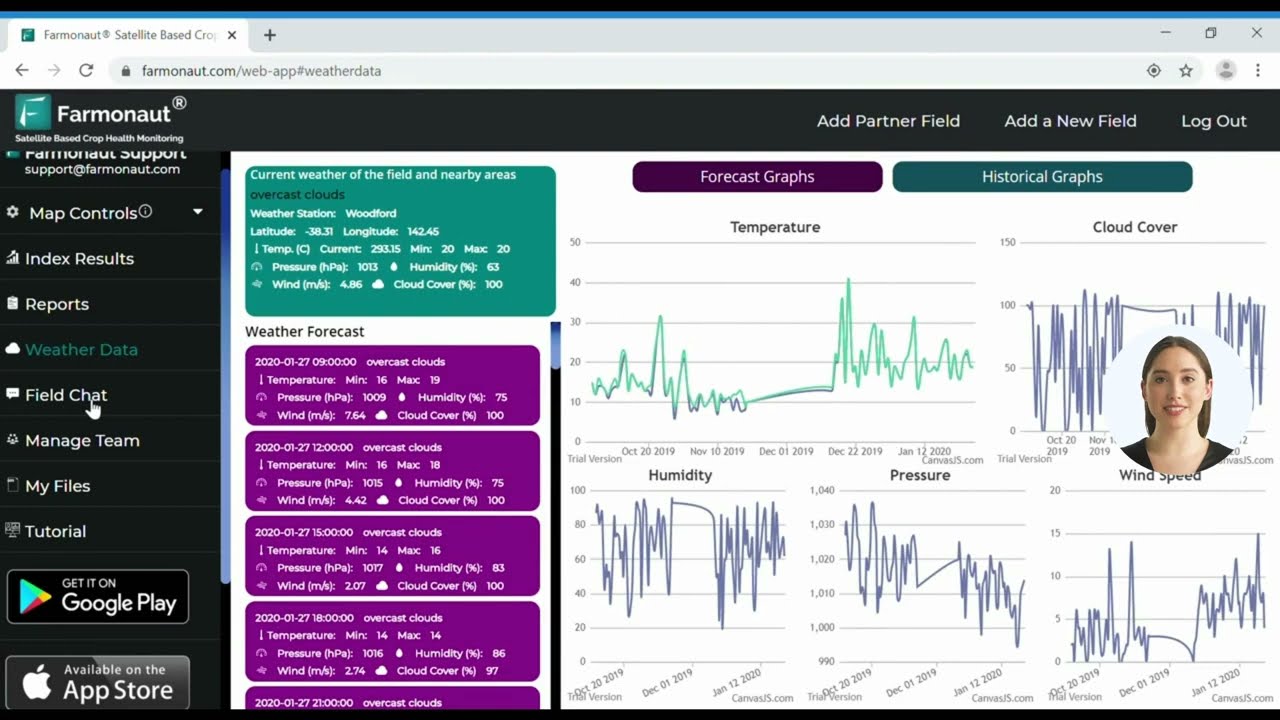
Smart technologies and vertical farming software are the backbone of efficient, scalable operations in the north america vertical farming crops market. Real-time software platforms aggregate sensor data, automate climate and nutrient adjustments, and integrate with blockchain for food traceability and quality controls.
- 🔗 Environmental Management: Live dashboards display root zone conditions, humidity, temperature, and light levels across all racks and units.
- ⚡ Automated Input Control: Adjust watering, fertilizer, and LED timing on the fly to maximize yield and energy efficiency.
- 💻 Predictive Maintenance: Reduce downtime and maintenance costs by automatically tracking equipment cycles and performance.
- 🔍 Traceability & Supply Chain: Blockchain software keeps a digital ledger of every seed-to-harvest cycle—see more about Farmonaut’s Traceability Solutions for robust, transparent reporting.
- 📱 Remote Insights: Monitor multiple farms or containers from a single dashboard—on desktop, tablet, or smartphone.
Farmonaut offers powerful software and app-based platforms for real-time crop monitoring, resource management, and AI insights, with Android, iOS, and web/browser access. Our satellite-driven monitoring and blockchain-based traceability tools empower businesses to optimize resource use, monitor environmental impact, and maintain transparent records—all backed by advanced AI and satellite imagery for actionable decision-making.
Deploying vertical farming software is not just about control. It’s about scalable capacity management, anticipating market signals, and minimizing waste throughout the growing and distribution chain.
Supply Chain, Distribution, and Urban Proximity Advantages
A major appeal of the north america vertical farming market is its ability to shorten the farm-to-fork journey—delivering fresher produce with lower emissions and less spoilage for urban and remote communities. Vertical farms can be sited next to wholesalers, grocers, and even within city limits to serve densely populated regions.
- 📦 Shorter Supply Chains: Reduced transportation time keeps greens fresher, extending shelf life and cutting food waste.
- 🔑 Traceable Delivery: With blockchain-enabled records, trace every leaf or berry’s path from cultivation to customer—a must for retail, school, and hospital contracts. Learn more about blockchain crop traceability.
- 🌍 Lower Emissions: Locally grown crops = fewer “food miles” and a smaller environmental footprint for North American urban centers.
- 🤝 Robust Partnerships: Vertical farms supply farm-to-table restaurants, schools, hospitals, and retailers who value repeatable quality and provenance.
- 🕒 On-Demand Scaling: Modular systems allow farms to respond to surges in holiday, festival, or seasonal demand smoothly.
- 🚚 Reducing “harvest-to-plate” time from days to hours dramatically boosts taste, nutrition, and shelf life—driving value for retailers and health-oriented consumers.
Sustainability Impact & Environmental Benefits
Sustainability is core to the value proposition of vertical farming across the north america vertical farming crops market. From closed-loop irrigation to minimal pesticide use, vertical farming delivers compelling environmental benefits:
- 💧 Water Use: Recirculating hydroponics reduces water use by over 90% compared to field agriculture.
- 🧪 Reduced Chemical Inputs: Fewer pests and diseases in controlled environments mean fewer synthetic pesticides and fertilizers enter natural ecosystems.
- 🌿 Soil & Land Conservation: No soil degradation, erosion, or deforestation; perfect for resource-sensitive North American regions.
- 🌱 Energy Recapture: Some advanced farms deploy on-site renewable energy, waste heat recycling, and CO₂ enrichment.
- 📈 Sustainable Scaling: Modular expansion aligns with actual market need, minimizing resource waste.
To further reduce environmental footprint and ensure compliance with regulatory needs and ESG (Environmental, Social, Governance) standards, vertical farms in the north america vertical farming crops market can utilize Farmonaut’s carbon footprinting solutions. These digital tools provide real-time tracking of carbon emissions and environmental impact for more transparent, sustainable crop production at every scale.
In forestry-adjacent or mineral-rich landscapes, or urban communities facing land scarcity, vertical farming offers a way to generate high-value, nutritionally dense crops without expanding extractive footprints or disrupting sensitive ecosystems.
“Over 70% of North American vertical farms now use modular systems for scalable, year-round crop production.”
- 📊 Carbon footprint transparency is becoming a purchasing requirement for grocery chains, restaurants, and institutional buyers across North America.
Comparison Table: Top Vertical Farming Crops & Technologies
Explore our comparison of the seven most scalable crops in North America’s vertical farming landscape, including their yield, tech requirements, market demand, and sustainability benefits.
| Crop Name | Estimated Yield (kg/m²) | Key Smart Tech (LED, IoT, etc.) |
Growth Cycle (days) | Market Demand | Sustainability Benefits |
|---|---|---|---|---|---|
| Lettuce | 12–15 | LED, Hydroponics, IoT Sensors | 21–30 | High | 90% water savings, reduced pesticides |
| Basil | 6–8 | LED, Hydroponics, HVAC | 28–35 | High | Water use -85%, minimal chemical inputs |
| Kale | 6–9 | LED, Hydroponics, Automated Control | 28–35 | High | Low pesticides/fertilizers, water efficiency |
| Cilantro | 5–7 | LED, Hydroponics, Humidity Sensors | 21–28 | Medium/High | Minimal pesticides, water savings |
| Microgreens | 1.5–2.2 | LED, IoT Monitoring | 7–21 | High | Ultra-low input, very short cycle |
| Strawberry | 2.5–4 | LED, Hydroponics, Climate Control | 45–60 | High | Reduced agrochemical use, water savings |
| Peppers | 3–6 | LED, Aeroponics, Humidity & Ventilation | 50–80 | Medium | Minimal pesticide use, efficient inputs |
The Farmonaut Edge: Satellite Technology, AI, and Blockchain for Vertical Farming
Farmonaut empowers vertical and traditional farmers, businesses, and decision-makers across North America with robust satellite-driven solutions designed for tomorrow’s agriculture:
- 🛰️ Large Scale Farm Management: Multispectral satellite monitoring of crop health, soil status, and environmental trends to guide profitable scaling, optimize input use, and boost operational efficiency.
- 🤖 Jeevn AI Advisory System: Delivers real-time AI-based insights and custom strategies for maximizing productivity and crop health—even in modular and containerized vertical units.
- ⌚ Remote & Real-Time Management: Monitor crops via browser, Android, or iOS from anywhere—ensuring 24/7 visibility and actionable advice.
- 🔗 Blockchain Traceability: Provable seed-to-harvest traceability for compliance, consumer trust, and contract reporting. Our proprietary blockchain tools guarantee auditability in North American and global food supply chains. Learn about Farmonaut’s traceability systems
- 🛡 Environmental Impact Monitoring: Real-time carbon footprinting, resource benchmarking, and compliance tracking for sustainable expansion. Read about Farmonaut’s carbon footprinting solutions
- 👩💻 Fleet & Resource Management: Manage and optimize fleet and facilities logistics for crop transport and input delivery.
- 📄 API Access for Developers: Seamlessly connect your vertical farming data pipeline with Farmonaut’s comprehensive API for custom dashboards, AI analytics, and enterprise agriculture solutions.
Our technology-driven approach provides cost-effective, scalable solutions—from individual growers to enterprise-scale operations—backed by a subscription model that makes world-class monitoring and environmental management accessible to all.
FAQ: North America Vertical Farming Market
Q1. What are the most profitable crops for vertical farming in North America?
Lettuce, basil, kale, cilantro, and microgreens lead for rapid turnover, market demand, and unit economics. Strawberries and specialty peppers are also increasingly viable with newer environmental controls and smart lighting.
Q2. How does vertical farming reduce environmental impact?
By using closed-loop hydroponics (up to 90% water savings), eliminating most chemical pesticides, and enabling urban food production, it minimizes transport emissions, preserves soil, and reduces land degradation.
Q3. Is vertical farming scalable without large land investments?
Yes. Modular systems (shipping containers, warehouse racks) allow operators to add or extend new units as demand grows—no additional farmland is needed for expansion.
Q4. How do urban locations benefit the vertical farming market?
Urban vertical farms can supply local grocers, restaurants, and institutions with ultra-fresh crops, minimizing “food miles” and boosting product shelf life, taste, and nutritional value.
Q5. What is the role of software and digital tools in vertical farming?
Vertical farming software manages crop cycles, input levels, environmental parameters, supply chain, and reporting—delivering consistent quality and efficient scaling via real-time data and AI-driven insights.
- ⚠ Ignoring vertical farming software’s impact on labor and inputs: Manual tracking of variables increases costs and reduces efficiency. Early digital integration boosts ROI from Day 1!
- 📍 Satellite-based environmental impact reporting is fast becoming a requirement for permitting and financing of large urban ag/hydroponic ventures in American cities. Leverage carbon footprint tools for due diligence.
- 📈 Scalable vertical farming is transforming North American agriculture by enabling high-yield food production in controlled environments regardless of climate or location constraints.
- 📱 Farmonaut’s smart digital solutions provide actionable insights and traceability, supporting both small vertical farm operators and large enterprise growers.
- 💧 Resource efficiency and environmental stewardship make vertical farms a compelling answer to modern food security, ESG, and sustainability challenges.
- 🔗 Supply chain transparency and blockchain integration foster consumer trust and facilitate regulatory compliance in an ever-demanding market.
- 🚀 Software-driven management and modular designs underpin the next wave of profitable scaling without the need for continual land expansion.
Conclusion
The north america vertical farming crops market stands as a beacon of innovation at the heart of the continent’s agricultural transformation—delivering scalable, software-enabled cultivation of high-demand crops in controlled environments. As urbanization, climate volatility, and resource pressures mount, vertical farming offers a resilient, sustainable, and practical solution for modern food production—leveraging modular system designs, advanced software platforms, and environmental stewardship to drive reliable yields and healthy local communities.
With digital tools like Farmonaut’s satellite technology, AI-powered advisory, and traceability, North American farms—from compact urban containers to large-scale warehouse conversions—can deliver the transparency, consistency, and responsible resource management that 21st-century retailers, consumers, and investors demand.
From a local grocer’s salad shelf to nationwide supply chains, the future of vertical farming is bright—green, data-driven, and poised to redefine what’s possible for food production across North America.

 BeyondTech Global
 Consulthink Global
 Rouge VC
 Yutz Automation
 AgroGreen Dynamics
 AgroRisk
 Oath Inc
 Reddane Farming
 Esri North East Africa
 Cresol
 Atur Kuliner
 MDCV UK
 Zerella Group
 Etech Consulting Madagascar
 Vestlandsforsking
 Delicio
 WB Dev
 Sama Premium
 Prochecker
 Tres Valles
 LACOS Geoinformation
 Magrifly
 LatConnect 60
