

Reviewed August 2026 against Mordor Intelligence’s US agricultural packaging market sizing and the EPA/USDA/FDA National Strategy for Reducing Food Loss and Waste.
Try it: Run your own numbers →
Packaging in agriculture is any material or container that protects, contains, or communicates information about a crop, seed, or farm input between harvest and end use — from a ventilated produce box to a sealed grain sack to a QR-coded soil-amendment bag. In the United States it is now a $9.82 billion market, growing at 6.68% a year toward a projected $16.47 billion by 2034, according to Mordor Intelligence. This article breaks down what packaging in agriculture actually does, what agriculture product packaging typically costs to design and source, and what makes a good agriculture package design in practice.
- 📊 Market size: US agricultural packaging valued at $9.82 billion, projected to reach $16.47 billion by 2034 at a 6.68% CAGR (Mordor Intelligence, Stellar MR, Fortune Business Insights).
- ⚠ Scale of the problem: WHO estimates roughly 50% of agricultural products globally spoil due to inadequate packaging.
- 🎯 Federal target: EPA, USDA, and FDA are pursuing a 50% cut in food waste by 2030, measured against a 2016 baseline.
- 🧪 Evidence: optimized plastic films extended fresh bell pepper shelf life by 48–72 hours in a controlled study (Journal of Food Sciences).
- 🧬 Regulatory shift: FDA is phasing out PFAS in paper food packaging and updated its Food Contact Notification guidance for compostable materials in 2025.
Table of Contents
- What Is Packaging in Agriculture?
- The US Agricultural Packaging Market: Size and Growth
- 1. Protection: Packaging Safeguards Freshness and Quality
- 2. Information: Packaging Informs and Educates End Users
- 3. Efficiency: Packaging Streamlines the Supply Chain
- 4. Sustainability: Regulation Is Reshaping Package Design
- 5. Value: Packaging as Market Differentiation
- Best Agriculture Package Design: A Practical Checklist
- Calculator: Packaging Cost Per Unit
- Comparison Table: Five Packaging Functions and Their Materials
- How Farmonaut Supports Packaging and Traceability Decisions
- Additional Resources
- FAQ: Packaging in Agriculture
- Conclusion
- Try it: Run your own numbers
What Is Packaging in Agriculture?
Agriculture packaging covers everything that touches a crop, seed, or farm input after it leaves the field and before it reaches its buyer: ventilated cartons and bulk bins for produce, moisture-barrier bags for grain, seedling trays and plugs for nursery stock, and sealed liners for soil amendments and mineral-rich blends. It is distinct from consumer packaging in one important way — most agricultural packaging has to survive stacking, transport vibration, temperature swings, and handling by machinery before a single retail buyer ever sees it. That functional load is why agriculture packaging design is treated as its own engineering discipline rather than a branding afterthought.
The category splits into four practical jobs, each covered in its own section below: protecting the product physically, carrying information the next handler needs, moving efficiently through logistics, and — increasingly, under federal pressure — doing all of that with less material and less waste.

The US Agricultural Packaging Market: Size and Growth
Three independent research firms — Mordor Intelligence, Stellar MR, and Fortune Business Insights — put the US agricultural packaging market at $9.82 billion in 2026. Mordor Intelligence and Stellar MR project it will grow to $16.47 billion by 2034, a compound annual growth rate of 6.68% over that 2026–2034 window, per Skymarket Insights’ United States agricultural packaging market report. That growth rate outpaces general US GDP growth, which tells you packaging spend per unit of crop is rising, not just tracking farm output.
Three forces are driving that growth, and each maps directly onto one of the five functions of packaging covered below: (1) federal food-waste policy tightening what packaging is expected to prevent, (2) FDA material regulation changing what packaging is allowed to be made of, and (3) buyer demand for traceability and premium positioning changing what packaging has to communicate. None of these are static — check Mordor Intelligence’s agricultural packaging market report directly for the current-year revision, since firms like Mordor and Stellar MR reissue their sizing and CAGR figures annually, typically in Q1–Q2.
1. Protection: Packaging Safeguards Freshness and Quality
The most direct job packaging does is keep the product intact between harvest and use. The World Health Organization estimates that roughly 50% of agricultural products spoil globally due to inadequate packaging — a scale of loss that makes protective design the highest-leverage place to start, whether you’re shipping fresh produce across a few counties or across the country.
Packaging materials science backs this up with hard numbers, not generalities. A controlled study published in the Journal of Food Sciences found that optimized plastic films extended the shelf life of fresh bell peppers by 48 to 72 hours compared to standard packaging — a difference that, at commercial volume, is the gap between a load that sells at full price and one that gets marked down or dumped.
Key Mechanisms and Examples
- ✔ Seedling tubes and plugs for nurseries and forestry operations — protect delicate roots, prevent dehydration, and support germination.
- ✔ Ventilated grain sacks and modular bins — improve airflow and moisture control to prevent mold and spoilage in storage.
- ✔ Modified-atmosphere films — the same film-engineering approach behind the bell pepper study above, now being extended by packaging manufacturers to other high-respiration produce.

Visual List: Elements of Protective Agricultural Packaging
- 🛡️ Sturdy material: resists crushing and puncture during transit
- 🌬️ Ventilation: allows air circulation and controls respiration heat build-up
- 💧 Moisture barriers: prevent dehydration and condensation-driven decay
- 🔒 Secure, tamper-evident seals: support food-safety compliance
- 🌱 Protective liners: shield roots, seeds, and delicate tissue during handling

2. Information: Packaging Informs and Educates End Users
The second function of packaging in agriculture is communication. Labels, QR codes, and printed guidance carry origin, grade, ripeness, storage requirements, and application instructions from the person who packed the product to whoever handles it next — a distributor, a retailer, or the end grower applying a soil amendment.
This is also where US federal regulation is moving fastest. As part of the EPA/USDA/FDA National Strategy for Reducing Food Loss and Waste, the FDA updated its pre-market Food Contact Notification guidance in 2025 to streamline approval for biodegradable and compostable packaging innovations — meaning newer, more informative smart-packaging formats (freshness indicators, intelligent labels) have a faster path to market than they did before. The same strategy is funding USDA NIFA research into nanocomposite packaging materials aimed at extending shelf life through the packaging itself, not just through what’s printed on it.
- ✔ Clear labeling reduces misapplication of soil amendments and agricultural inputs.
- ✔ QR codes tied to blockchain traceability let buyers verify origin and certification instantly.
- ✔ Ripeness and date coding help time harvest windows and retail placement.
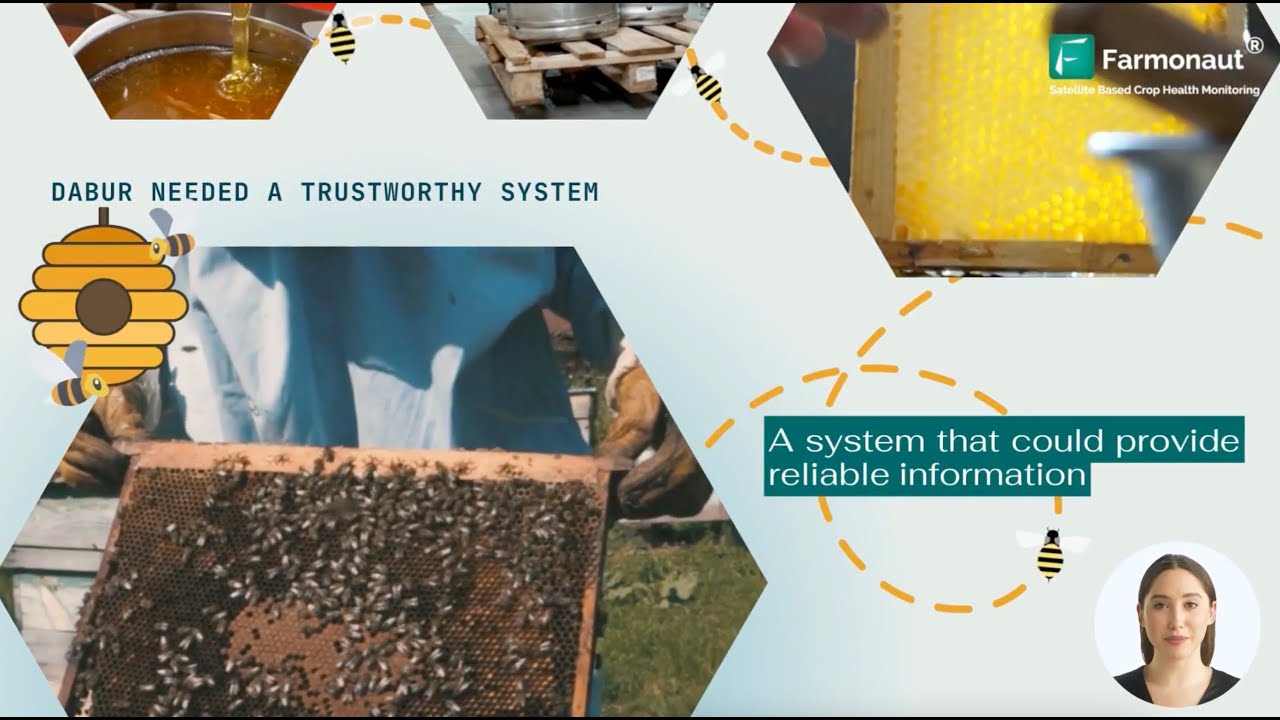
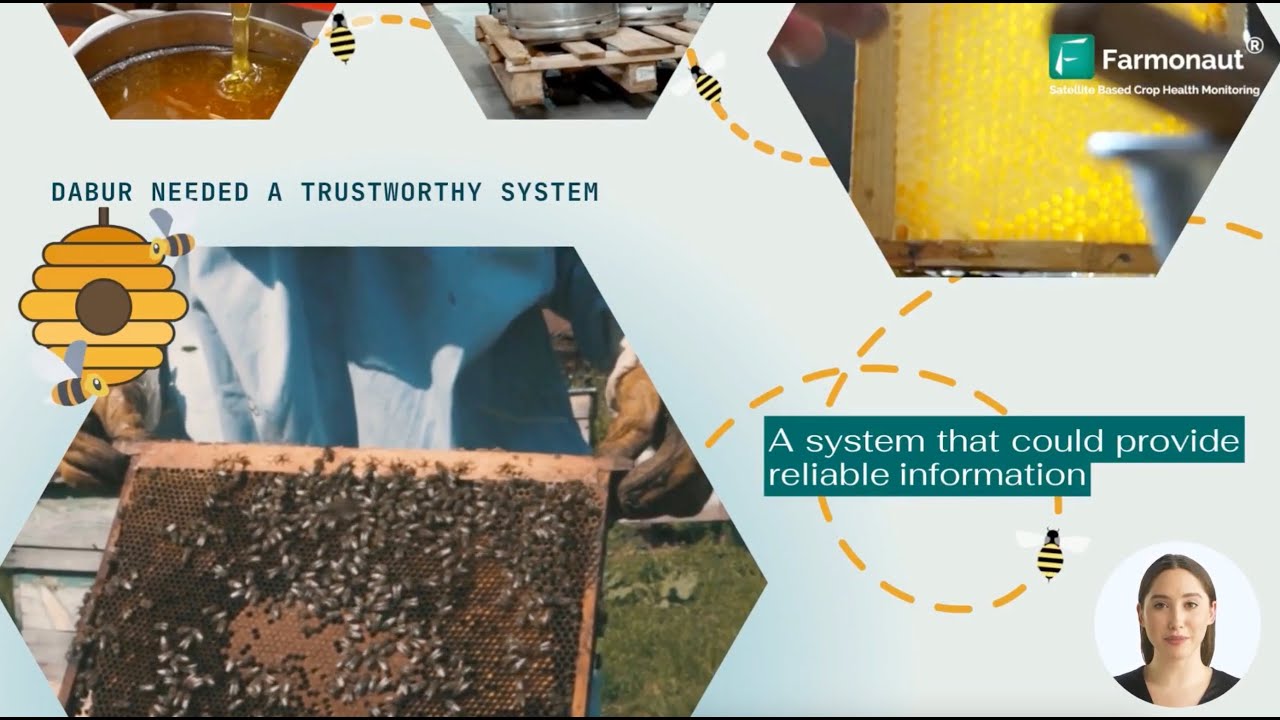
Farmonaut’s Blockchain-based Traceability Solution enables verifiable labeling and transparent journey tracking for packaged produce and farm goods.

3. Efficiency: Packaging Streamlines the Supply Chain
Packaging shape and standardization determine how efficiently a load moves through the rest of the supply chain — how many units fit per pallet, how fast a truck loads, and how much handling labor a shipment requires. This is a design decision with a direct cost line, not a secondary consideration.
- ✔ Lightweight but sturdy materials maximize payload while surviving stacking loads.
- ✔ Standardized dimensions improve palletization, loading rates, and cold-chain compatibility.
- ✔ Modular seedling and nursery packaging reduces transplant shock and simplifies distribution.
- ✔ Bulk-handling formats suit soil and mineral amendment packaging, including mineral-rich soil products moving at volume.
4. Sustainability: Regulation Is Reshaping Package Design
The fourth function — and the one moving fastest at the federal level — is sustainability. Two concrete regulatory actions are already in motion and will shape what “agriculture product packaging” is legally allowed to look like over the next several years:
- 🎯 The EPA/USDA/FDA National Strategy for Reducing Food Loss and Waste sets a target of cutting food waste 50% by 2030, measured against a 2016 baseline. Packaging that extends shelf life — like the film approach that added 48–72 hours to bell pepper freshness — is one of the direct levers named in that strategy.
- 🧬 FDA is phasing out PFAS in paper food packaging, a move aimed at reducing chemical contamination risk in materials agricultural packaging manufacturers commonly used for grease and moisture resistance.
For a farm or packer, the practical takeaway is that “sustainable packaging” is no longer purely a marketing choice — PFAS-free paper substrates and food-contact-approved compostable materials are becoming compliance requirements, not premium upsells. The FDA’s 2025 Food Contact Notification update specifically streamlined approval for biodegradable and compostable materials, which lowers the regulatory cost of switching.
Farmonaut supports the monitoring side of this: AI-powered environmental monitoring and carbon footprint tracking helps agricultural businesses align operations, including packaging-related emissions, with climate targets.

5. Value: Packaging as Market Differentiation
The fifth function is value capture. In a market growing at 6.68% a year, packaging that signals purity, provenance, and certification status is doing real commercial work — it’s how a specialty crop, an heirloom variety, or a mineral soil amendment justifies a price premium against a commodity-grade competitor sitting next to it on the shelf or the price sheet.
- 🏷️ Premium design for export-quality goods or rare varieties
- 🪵 Forestry seedling packaging with field-origin storytelling
- 🧪 Mineral or soil-amendment packaging with clear safety and application performance data
- 📣 Visible, verifiable certifications — organic, fair-trade, or resource-management credentials


Best Agriculture Package Design: A Practical Checklist
“Best” agriculture package design isn’t one material or format — it’s a match between the product’s physical needs, its logistics path, and its buyer’s expectations. Use this checklist to evaluate or brief a design, and re-run it whenever a crop, lane, or regulation changes:
- Respiration and moisture profile — does the crop need ventilation (leafy greens, berries) or a moisture barrier (grain, dried goods)? Mismatching this is the single most common design failure.
- Transit duration and handling count — how many times will this package be lifted, stacked, or reloaded before it reaches the buyer? Each handling event is a chance for failure; design strength to match, not exceed, that count.
- Material compliance — is the substrate PFAS-free where required, and does any compostable or biodegradable claim have current FDA Food Contact Notification standing?
- Information load — does the label carry origin, grade, storage instructions, and a verification path (QR/barcode) sufficient for the buyer’s compliance needs?
- Standardized dimensions — does the package fit efficiently on a standard pallet footprint for the carrier you actually use?
- Cost per unit at your actual volume — run the numbers below before committing to a material or supplier.
Calculator: Packaging Cost Per Unit
Enter your own material, labor, and volume figures to see landed packaging cost per unit and per load — the numbers a market-size report can’t give you because they depend entirely on your operation.
Interactive
Run your own numbers
Assumptions: this calculator models material and labor cost against a single load's spoilage-avoidance value only. It excludes transport, storage, and cold-chain costs, and treats loss reduction as a flat percentage-point input you supply based on your own trial or supplier data — it does not estimate that figure for you.
Comparison Table: Five Packaging Functions and Their Materials
| Function | Role in Agriculture Package Design | Common Material or Format | Evidence |
|---|---|---|---|
| Protection | Guards against spoilage, bruising, moisture loss, contamination | Optimized plastic films, ventilated cartons, moisture-barrier bags | 48–72 hour shelf-life extension in bell peppers (Journal of Food Sciences) |
| Information | Carries origin, grade, storage and application instructions | QR/barcode labels, blockchain-linked tags | FDA streamlined Food Contact Notification for smart/compostable packaging, 2025 |
| Efficiency | Standardizes handling, palletization, and loading | Modular crates, standardized cartons, bulk bins | US market growth of 6.68% CAGR reflects rising per-unit packaging investment (Mordor Intelligence) |
| Sustainability / Compliance | Meets federal waste-reduction and material-safety targets | PFAS-free paper, FDA-cleared compostable films | EPA/USDA/FDA target: 50% food-waste cut by 2030 vs. 2016 baseline |
| Value Capture | Differentiates premium, specialty, and export goods | Certified organic/eco-labels, custom branding, traceable seals | US market projected to nearly double, $9.82B (2026) to $16.47B (2034) |
How Farmonaut Supports Packaging and Traceability Decisions
Farmonaut provides satellite-based monitoring and AI tools that inform the packaging decisions covered above — without replacing the packaging engineering itself:
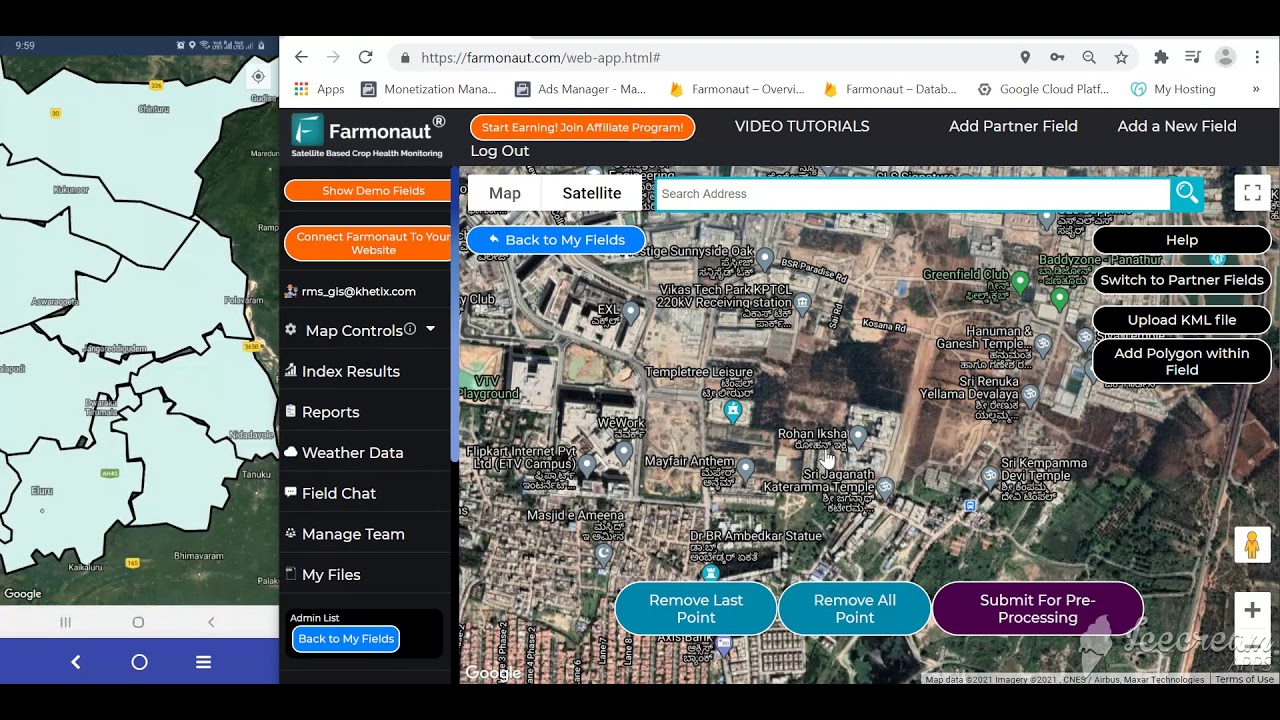
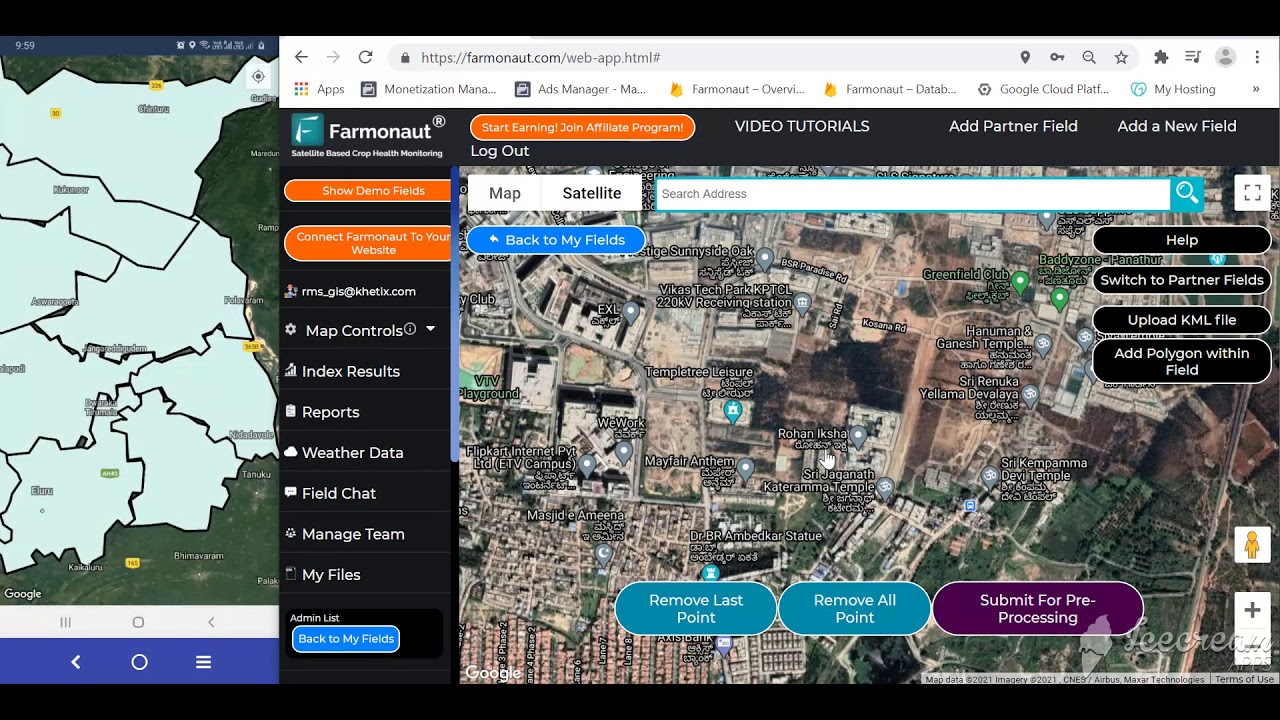
- 🛰️ Remote crop and soil monitoring supports timing decisions for harvest, storage, and packaging readiness.
- 🔗 Blockchain-based traceability for transparency from harvest through packaging and retail, verifying certifications and origin.
- 📦 Fleet and logistics insights to inform packaging modularity and efficiency decisions across cargo types.
- 🌱 Environmental impact monitoring to align packaging material choices with climate and compliance targets.
- 💰 APIs for integration into industrial, third-party, and government compliance platforms:
See Farmonaut's API here
| Read the developer documentation

Additional Resources
- 🌐 Farmonaut's Web App: remote monitoring, traceability, and compliance tools — Try Here
- 🛡️ Farm packaging advisory: AI-powered satellite insights for minimizing loss and maximizing value of packed farm goods
- 📊 APIs for industrial monitoring and reporting: Integrate Farmonaut data into compliance and logistics software
- 🔒 Blockchain-powered traceability: Enable end-to-end tracking and verification via digitally embedded packaging
- 💰 Crop loan and insurance verification: Validate packaged goods for financial services with satellite proof-of-crop records
- 📖 Deeper dive on waste reduction: 7 Powerful Innovations Reducing Waste in Agriculture Packaging
- 🪨 Mineral-rich soil sourcing: Where to buy mineral-rich soil
Frequently Asked Questions: Packaging in Agriculture
- What is packaging in agriculture?
- Any material or container — box, film, bag, tray, or bulk bin — that protects, contains, or carries information about a crop, seed, or farm input between harvest and end use. It covers protection, information, logistics efficiency, sustainability compliance, and market value functions.
- How big is the agriculture packaging market?
- The US agricultural packaging market was valued at $9.82 billion in 2026 and is projected to reach $16.47 billion by 2034, a 6.68% compound annual growth rate, per Mordor Intelligence, Stellar MR, and Fortune Business Insights.
- What is the best agriculture package design?
- There is no single best design — the right choice depends on the crop's respiration and moisture profile, transit duration, material compliance requirements, information needs, and pallet/logistics fit. Use the six-point checklist above to evaluate any specific product.
- How much agricultural produce is lost to poor packaging?
- The World Health Organization estimates roughly 50% of agricultural products spoil globally due to inadequate packaging. In the US specifically, the EPA/USDA/FDA National Strategy targets a 50% reduction in food waste by 2030 against a 2016 baseline, with packaging improvements named as one lever.
- What regulatory changes affect agriculture product packaging right now?
- Two are active: the FDA is phasing out PFAS in paper food packaging, and it updated its pre-market Food Contact Notification guidance in 2025 to speed approval of biodegradable and compostable packaging materials. Both come out of the same federal food-waste strategy.
- How can I integrate traceability into agricultural packaging?
- Farmonaut's Blockchain-based Traceability tools let farms and agribusinesses embed QR codes and digital records into packaging for end-to-end tracking.





Conclusion
Packaging in agriculture does five jobs at once: it protects the product physically, carries the information the next handler needs, moves the load efficiently through logistics, meets a tightening set of federal sustainability rules, and — done well — captures a price premium in a market growing 6.68% a year toward $16.47 billion by 2034. None of those five jobs are optional add-ons to "real" packaging; they're the actual design brief.
The durable test for any agriculture package design decision doesn't change even as prices and regulations do: does it match the crop's respiration and moisture needs, survive its actual handling count, meet current material compliance rules, carry verifiable information, and fit your logistics footprint at a cost the calculator above says is worth paying. Re-run that checklist whenever a crop, a lane, or a regulation changes, and the packaging decision stays correct even after this year's market figures are out of date.
Agricultural packaging is not an afterthought — it's a strategic resource, a compliance requirement, and a brand-building instrument rolled into one. If you're evaluating packaging spend or design for the season ahead, start with the checklist and calculator above before committing to a supplier or material.

 TVS Electronics
 BW Pipelines
 WICO
WICO Gen Chayat
 Chimera Innovation
 Hiteshi Infotech
 SkyHarvest
 Polaris Digitech
 Teledarbas
 Wild Oak Farm
 SFX
SFX BACF Africa
 Doodlakine
 Exurbia Geospatial
 FieldZero
 Indico Company
