

7 Ways Sustainable Soil Management Boosts Yields
“Sustainable soil management can increase crop yields by up to 58% in degraded lands.”
“Efficient nutrient management reduces water usage in agriculture by nearly 20%, promoting long-term sustainability.”



- Introduction: The Foundational Role of Soil Management
- 1. Soil Health Foundations: Building a Living Soil Medium
- 2. Nutrient Management: Precision, Balance and Biological Fixation
- 3. Water Management: Maximizing Conservation, Minimizing Runoff
- 4. Biodiversity Enhancement: Integrating Diversity for Resilience
- 5. Erosion Control: Stability for Productivity
- 6. Soil Monitoring and Adaptive Management: Data-Driven Stewardship
- 7. Policy and Economics: Incentives for Sustainable Soil Management
- Comparative Impact Table: Practice vs. Benefit
- FAQs on Sustainable Soil Management
- About Farmonaut’s Satellite-Driven Soil Insights
- Conclusion & Next Steps
Introduction: The Foundational Role of Sustainable Soil Management
Soil is not just a physical medium supporting plant roots—it is the foundational ally for agriculture, forestry, and mineral extraction systems worldwide. Across all these industries, sustainable soil management is central to boosting productivity, conserving water and resources, and reducing environmental impact. The role of soil systems stretches far beyond crop growth, influencing landscape stability, ecosystem resilience, and the long-term viability of agriculture, forests, and reclamation projects.
- ✔ Soil health is critical for supporting diverse microbial communities and organic matter cycling.
- ✔ Nutrient management aligns crop and tree needs while minimizing losses.
- ✔ Water management in soils enhances drought tolerance and resource conservation.
- ✔ Biodiversity conservation underpins soil resilience in all land-use systems.
- ✔ Erosion control, restoration, and adaptive management are measurable, practical objectives for every land manager.
We will explore seven core ways sustainable soil management drives higher yields, better water conservation, richer biodiversity, and ultimately greater stewardship across landscapes.

Watch how regenerative soil management practices steer climate-smart agriculture for a sustainable future.
1. Soil Health Foundations: Building a Living Soil Medium
The core principles of sustainable soil management begin with soil health. Healthy soils are vibrant ecosystems in themselves—teeming with life, from microbial communities to beneficial insects and earthworms. They support better nutrient cycling, increased organic matter, and improved structure, directly impacting plant growth and overall ecosystem services.
Key Practices to Enhance Soil Health:
- 🌱 Minimal Soil Disturbance: Reduced tillage and no-till practices conserve aggregate stability, organic matter, and microbial habitat.
- 🌾 Cover Cropping: Use of living cover crops preserves seedbeds, suppresses weeds, and reduces erosion, especially on slopes or fragile soils.
- 🍂 Mulching & Organic Amendments: Adding compost, manure, and mulch builds organic matter and improves soil structure and water-holding capacity.
- ✨ Maintaining a Living Root Cover: Continuous cover sustains soil biology and protects against disturbance.
In forestry and agroforestry systems, maintaining living soil cover is vital for tree sapling establishment and preserving seedbeds for natural regeneration. In post-mining reclamation, improving soil health is essential to accelerate revegetation and restore ecosystem resilience.

Delve deeper into the essential roles soil plays in sustainable farming systems.
- 🌟 Resilience: Enhanced soil health increases resilience against drought and extreme weather.
- 🌿 Biodiversity: Healthy soils foster a diverse ecosystem, supporting better disease suppression and increased productivity.
- 💧 Water Holding: High organic matter improves the soil’s ability to retain water.
- 🔄 Nutrient Cycling: Efficient cycling conserves inputs and minimizes waste or runoff.
2. Nutrient Management: Precision, Balance and Biological Fixation
Nutrient management is the critical bridge between soil health and productivity. Balanced and site-specific fertilization aligns nutrient supply with crop and tree needs, ensuring that yields can be maximized while minimizing environmental risk. Overuse or improper timing of fertilizers leads to leaching, runoff, and soil degradation.
Best Practices in Sustainable Nutrient Management
- 🧫 Soil Testing & Diagnostics: Routine testing for pH, nutrient levels, and salinity ensures fertilization is finely attuned to plant needs.
- 🚜 Precision Application: Technologies and tools for targeted application reduce waste and limit environmental risk.
- 🌱 Slow-Release Forms: Controlled-release and organic fertilizer forms supply nutrients over time, minimizing loss.
- 🌾 Legume Integration: Introducing legumes into rotations naturally fixes nitrogen, reducing the need for synthetic inputs and supporting soil fertility.
- 🧑🔬 Reduce Synthetic Inputs: Substitute with compost, manure, or green manure to build organic matter and improve soil structure.
In forest systems, nutrient cycles are tightly linked to litter fall and mycorrhizal networks. Preserving the diversity of the forest floor assures a steady supply of nutrients for continuing regeneration.

Discover how organic matter and careful nutrient management combat both climate impact and productivity losses.
- 📊 Data Insight: Nutrient balance increases crop yields by up to 25% in field studies.
- ⚠ Risk: Too much fertilizer can contaminate water and reduce long-term soil health.
- 🟢 Benefit: Precision nutrient management supports both crop needs and reduces waste.
- 🌐 Industry Practice: Legume rotations cut nitrogen fertilizer requirements in half.
- 🧠 Smart Move: Minimize synthetic input by incorporating compost and green manure.
For satellite-driven, precision insights into crop nutrition and soil condition, Farmonaut’s API and developer documentation enable remote, data-rich decision support for optimal resource use in agriculture and mineral extraction.
3. Water Management: Maximizing Conservation, Minimizing Runoff
Water is the limiting factor for most productive systems. Sustainable soil management improves infiltration, reduces surface runoff, and enhances the water-holding capacity of soils for both crop and forest systems.
Efficient Water Management Practices:
- 🌾 Contour farming & terracing: Cultivating or placing barriers along slopes slows water movement, increases infiltration, and reduces erosion.
- 🌳 Windbreaks & Agroforestry Strips: Planting tree strips or living barriers protects fields from wind, slows runoff, and taps into deep soil moisture.
- 🌱 Organic Matter Additions: High organic content increases the soil’s ability to hold water.
- 🧑🔬 Surface Mulching: Mulch reduces water evaporation and shields soils from disturbance.
Post-mining reclamation relies on restoring soil structure and function to allow water infiltration, prevent erosion, and stimulate plant revegetation. Surface runoff can carry sediment and pollutants into water courses—making soil stabilization and cover critical for environmental stewardship in extraction industries.
A look at how soil and water management converge for optimal agricultural productivity.
5 Key Ways Sustainable Water Management Boosts Yields:
- 💦 Maximized infiltration increases root zone water for crops and forests.
- ⚡ Reduced runoff controls erosion and conserves soil nutrients.
- 🌍 Drought tolerance through deep soil reserves of water.
- 💧 Efficient irrigation in agriculture translates to better use of every drop.
- 🌱 Accelerated revegetation in mining restoration stabilizes landscapes.
Trivia Break:
“Efficient nutrient management reduces water usage in agriculture by nearly 20%, promoting long-term sustainability.”

Explore modern satellite-driven techniques that enable precise soil moisture tracking for improved water management strategies.
4. Biodiversity Enhancement: Integrating Diversity for Resilience
Biodiversity is the engine of soil resilience. A soil ecosystem with a wide range of bacteria, fungi, insects, and plants supports better nutrient cycling, natural disease suppression, and more efficient organic matter turnover.
- 🌱 Cropping Diversity: Rotations, polycultures, and intercropping offer multiple rooting patterns, providing various habitats for microbial and insect life.
- 🌳 Tree and Forest Biodiversity: Integrating native species or maintaining diverse tree stands increases overall resilience and ensures ecosystem function in forestry.
- ⚡ Reduced Chemical Inputs: Using organic alternatives and integrated pest management avoids disruption of beneficial organisms.
- 🦋 Restoration with Native Communities: In reclamation, restoring native plant and insect species ensures soil recovery and supports pollinators, beneficial insects, and soil biota.
Emphasizing the role of biodiversity across agriculture, forestry, and mineral extraction systems creates a positive feedback loop, ultimately improving yields while safeguarding ecosystem services.
How organic carbon in soils underpins both biodiversity and climate resilience.
- Polycultures: Grow multiple crop species together to enhance ecosystem networks.
- Agroforestry: Integrate trees in farmland for long-term ecological and economic benefits.
- Native Plant Restoration: Reintroduction supports beneficial insects and native pollinators.
5. Erosion Control: Stability for Productivity
Erosion control is both a practical management objective and a critical sign of system sustainability. Without sound soil structure and protective cover, productive land succumbs to loss of topsoil, nutrient depletion, and declining yields.
- 🏔️ Terracing on Slopes: Structures and cultivation align with land contours to reduce runoff and soil loss.
- 🍂 Maintaining Residue Cover: Crop stubble, organic mulch, and bio-barriers guard against wind and water erosion.
- 🌳 Windbreaks: Rows of trees or perennial shrubs cut wind speed and shield vulnerable soils.
- 🌾 Revegetation and Buffer Strips: Fast-growing grasses or mixed native species stabilize soils and help with ecosystem restoration.
In forestry operations, selective retention of trees and careful harvest planning maintain soil stability. In mining landscapes, progressive rehabilitation—replacing topsoil, establishing vegetation, and controlling runoff—accelerates recovery and reduces future liabilities.

See how satellite imagery and analysis help monitor erosion control and optimize soil health across varied terrains.
6. Soil Monitoring and Adaptive Management: Data-Driven Stewardship
Modern soil management is a continuous, adaptive process. Regular soil testing (for pH, nutrients, organic matter, and salinity) is central to tracking trends, diagnosing issues, and planning adaptive responses. Remote sensing and on-the-ground observations enable real-time, field-scale evaluations.
- 🛰️ Satellite Monitoring: Tools like NDVI (Normalized Difference Vegetation Index) provide insight into plant health and underlying soil conditions.
- 📈 AI and Data Integration: Decision-support platforms analyze multispectral soil and crop data for timely interventions.
- 🤝 Stakeholder Collaboration: Farmers, foresters, and mine operators must integrate ecological capacity and economic needs into management decisions.
Adaptive management ensures long-term sustainability, rewarding land users who monitor, plan, and innovate consistently.
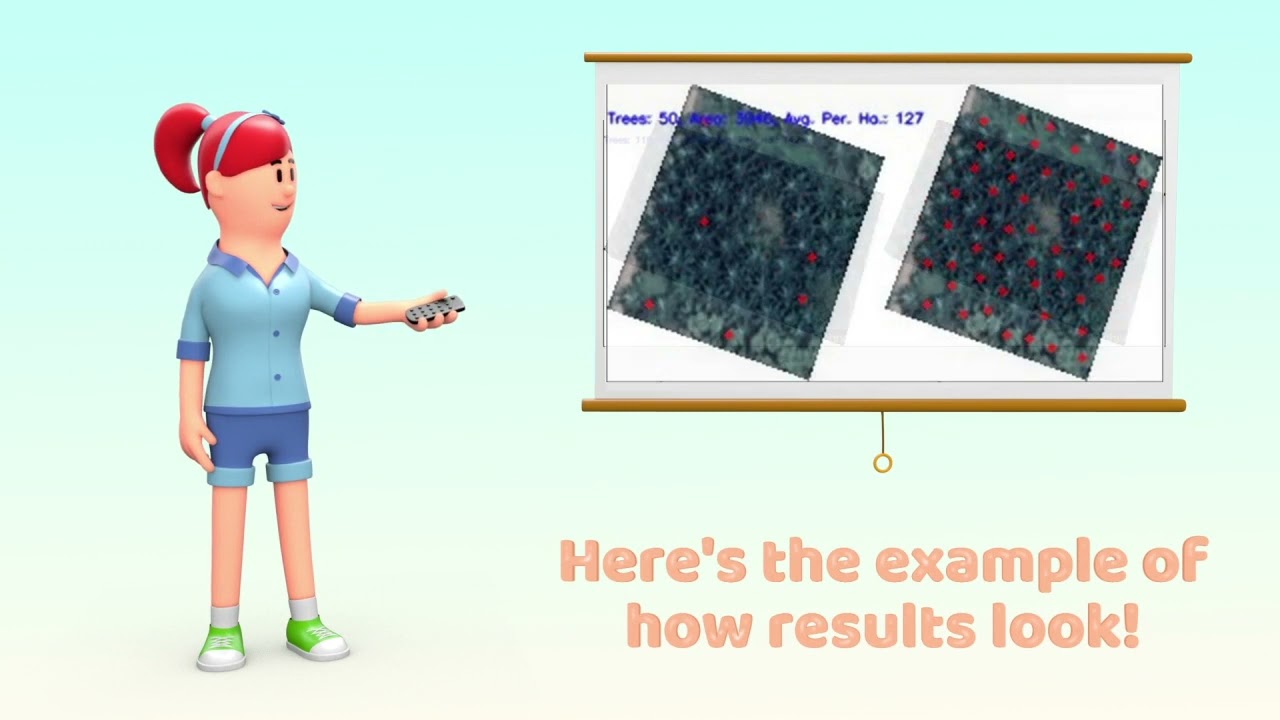
Farmonaut’s satellite-based monitoring is a powerful enabler for site-specific, adaptive soil management in commercial plantations.
Learn more about large-scale farm monitoring and management tools that use real-time satellite data, or explore blockchain-powered traceability solutions to ensure transparency in produce and resource supply chains.
7. Policy and Economics: Incentives for Sustainable Soil Management
Policy and economic structures shape the implementation of sustainable soil management. When incentives align with environmental stewardship (such as access to credit for soil improvements or certification schemes), adoption rises and long-term system resilience is improved.
- 💷 Economic Incentives: Credits and cost-sharing programs reward land users for conservation and restoration efforts.
- 📜 Certification: Verified sustainable practices can command higher market prices for agriculture, forestry, and reclamation produce.
- 🏦 Financing: Satellite-based verification (such as Farmonaut’s crop loan and insurance services) facilitates easier access to loans and insurance for land managers deploying sustainable systems.
- 🛡️ Environmental Safeguards: Regulation encourages adoption of sustainable practices and responsible land planning across all industries.
This broader systems approach ensures that soil health, nutrient management, water conservation, and biodiversity go hand-in-hand, supporting profitable, responsible, and resilient business models.
Comparative Impact Table: Practice vs. Benefit
*Note: Agroforestry yield increases are greatest in initially degraded or marginal lands.
FAQs on Sustainable Soil Management
What is sustainable soil management?
Sustainable soil management integrates science, technology, and best practices to improve and conserve soil health, productivity, water, and biodiversity over the long term, across agriculture, forestry, and mineral extraction systems.
How does organic matter improve soil?
Organic matter builds structure, increases water-holding capacity, and supports microbial and faunal communities. This benefits nutrient cycling, root growth, and overall resilience.
What role does water management play?
It reduces runoff, increases soil moisture retention, enables deeper rooting, and stabilizes landscapes—crucial for both crop and forest systems, as well as post-mining reclamation.
Why is soil biodiversity important?
Biodiversity enables natural disease suppression, efficient nutrient cycling, and faster ecosystem recovery after disturbance.
How do monitoring technologies support soil management?
Modern solutions like Farmonaut’s satellite-based apps provide instant, precise data on soil health, moisture, and crop conditions for adaptive management decisions.
About Farmonaut’s Satellite-Driven Soil Insights
Farmonaut is a satellite technology company making data-driven decision support accessible and affordable for a wide audience. By leveraging satellite-based monitoring, advanced AI advisory systems, blockchain traceability, and real-time environmental impact tracking, we enable users in agriculture, forestry, and extraction industries to manage soil, water, and resources efficiently. These innovations empower remote soil monitoring, precision nutrient management, and ecosystem stewardship—improving both productivity and sustainability.
- ✅ Satellite-based soil & crop insights: Can be accessed via web and mobile apps.
- ✅ API integration: For large-scale, real-time operations (details here).
- ✅ Resource monitoring: Including fleet management and carbon footprint tracking.
- ✅ Blockchain traceability: Trace product origins and land stewardship records.
Conclusion & Next Steps
Sustainable soil management sits at the heart of productive, resilient land use—across agriculture, forestry, and mineral extraction systems. By integrating science-driven best practices in soil health, nutrient and water management, biodiversity, monitoring, erosion control, and adaptive planning, land users can maximize yields, conserve resources, and safeguard ecosystem functions for generations.
Whether you’re managing a small farm, a commercial forestry project, or undertaking land reclamation after mining, adopting holistic soil management is critical. Begin with regular soil health monitoring, diversify your cropping and forestry systems, focus on living covers and organic amendments, and use technology for data-driven stewardship.
For those seeking advanced, affordable tools—including real-time satellite insights, blockchain-based traceability, and precision resource management—Farmonaut’s suite of solutions supports both the environment and your operational success.
Get started by accessing our web and app tools or connect to our API for large-scale deployments. For in-depth fleet and resource tracking, see our fleet management solutions.
Together, we can foster stewardship that sustains and regenerates the living foundation on which all land-based industries thrive.

 Godrej Agrovet
 Hayleys Agriculture
 Linx Agritech
 Adinet
 Save Your Soils
 GalaxEye Space
 Grandstream Algérie
 XOS Realty
 Geospatial Lab Africa
 Agro La Gándara
 HIPSAC
 ZOL Zimbabwe
 Juligerm
 AdBio
AdBio MISE Maroc
 NWNS
NWNS Red August Group
 Farm Inc
 WeMe Global
 Agrotoken
 Blue BearX
 Insignito
 DnCubed
 Indosistim Teknologi
 Liquify Digital
 CU Foods
 BeyondTech Global
 Rouge VC
 AgroRisk
 Oath Inc
 Esri North East Africa
 MDCV UK
 Etech Consulting Madagascar
 Vestlandsforsking
 WB Dev
 Sama Premium
 Tres Valles
 Blickwinkel
 Agricultural Credit Policy Council
 eKGIS
eKGIS Mostas Tech
 Andex
Andex Deluxe Conseil
 WICO
WICO Chimera Innovation
 SkyHarvest
 Teledarbas
 Exurbia Geospatial
 FieldZero
