

7 Soil and Water Practices for Sustainable Land: Unlocking Productivity, Resilience & Ecosystem Health
“Healthy soils can store up to 20,000 gallons of water per acre, boosting drought resilience in sustainable agriculture.”
- Introduction: Understanding Sustainable Land Management
- Why Soil and Water Matter in Agriculture, Forestry, and Mining
- Comparative Summary Table: 7 Core Practices
- 1. Crop Rotation & Diversification
- 2. Reduced Tillage & Conservation Agriculture
- 3. Organic Amendments & Soil Carbon Building
- 4. Efficient Irrigation Systems & Water Scheduling
- 5. Buffer Zones, Hedgerows & Riparian Protection
- 6. Rainwater Harvesting & Watershed Management
- 7. Reclamation & Restoration in Forestry and Mining
- The Role of Technology & Data in Sustainable Land Management
- Ecosystem Services: Biodiversity, Stability & Climate
- Policy, Governance & The Economics of Adoption
- Lifecycle Thinking & Integrated Land-Use Planning
- Frequently Asked Questions (FAQ)
- Get Started with Farmonaut
Introduction: Understanding Sustainable Land Management
Sustainability is more than a buzzword—it’s a guiding principle for managing soil and water resources that underpin agriculture, forestry, and mining around the world. Healthy soils and clean water are the backbone of our food supply, timber production, and mineral extraction. But as pressures mount from climate change, population growth, and resource depletion, adopting sustainable practices has never been more critical.
This comprehensive guide explores how soil health, water management, and biodiversity drive resilient, productive landscapes across agriculture, forestry, and mining sectors. We’ll delve into seven science-backed practices that can transform outcomes on farms, in forests, and at mining sites—ensuring long-term productivity, ecosystem function, and community well-being.

Why Soil and Water Matter in Agriculture, Forestry, and Mining
Healthy soils store water, cycle nutrients, and provide life-supporting structure for plants and microbial life. In agriculture, this means greater yields, efficient fertilizer use, and reduced erosion. In forestry, soil quality underpins timber growth and disease resistance. For mining, responsible reclamation can restore valuable land and limit offsite impacts.
Meanwhile, smart water management—from irrigation scheduling to rainwater harvesting and watershed protection—ensures reliable crops, healthy forests, and minimized risk of contamination or waste at mines.
- ✔ Soil carbon builds fertility, regulates water, and helps sequester carbon for climate stability.
- 📊 Efficient irrigation systems can reduce water use by up to 40%, essential for both small and large-scale farming.
- ⚠ Unchecked erosion can undermine land value, ecosystem health, and productivity.
- ✔ Native vegetation anchors soil, reduces runoff, and supports diverse habitats.
- 📊 Integrated planning improves outcomes across agriculture, forestry, and mining by aligning economic and environmental goals.
Comparative Summary Table: 7 Core Soil and Water Practices
| Practice Name | Description | Estimated Increase in Productivity (%) | Estimated Water Savings (%) | Positive Impact on Biodiversity | Relevant Sector(s) |
|---|---|---|---|---|---|
| Crop Rotation & Diversification | Changing crop types in a sequence to disrupt pests, build soil fertility, and reduce disease | 10-24 | 5-12 | High | Agriculture, Forestry |
| Reduced Tillage & Conservation Agriculture | Limiting soil disturbance to preserve structure, retain organic matter, and suppress weeds | 8-22 | 15-30 | Medium | Agriculture, Forestry |
| Organic Amendments & Soil Carbon Building | Applying compost, manure, or cover crops to boost organic content and nutrient cycling | 10-18 | 8-15 | High | Agriculture, Forestry, Mining (Reclamation) |
| Efficient Irrigation Systems & Water Scheduling | Using drip or sprinkler systems and precise timing to minimize water waste and maximize uptake | 12-20 | 30-50 | Medium | Agriculture, Mining |
| Buffer Zones, Hedgerows & Riparian Protection | Maintaining planted strips along fields or waterways for erosion control and habitat | 7-15 | 12-25 | High | Agriculture, Forestry, Mining |
| Rainwater Harvesting & Watershed Management | Catching runoff and managing catchments for local water supplies and aquifer recharge | 6-14 | 25-40 | Medium | Agriculture, Forestry, Mining |
| Reclamation & Restoration in Forestry/Mining | Restoring degraded lands with native vegetation, soil building, and biodiversity support | 10-35 | 10-20 | High | Forestry, Mining |
1. Crop Rotation & Diversification: Breaking Cycles, Building Resilience
Crop rotation is a foundational sustainable soil practice, common for centuries and validated by modern research. This involves growing a sequence of different crops—including legumes, cereals, roots, or cover crops—on the same land to interrupt pests, reduce disease, and replenish depleted nutrients.
- Prevents pest and disease build-up by breaking host cycles
- Reduces chemical inputs for weed and pest control
- Improves soil fertility (especially with nitrogen-fixing legumes)
- Supports biodiversity in agro-ecosystems
- Raises yields and long-term stability on farms and forest lands
In farming regions, incorporating crops such as beans, corn, and cover species builds soil organic matter and enhances water holding. In forestry, rotation of tree species supports disease resistance and system resilience.

For growers seeking to monitor crop cycles, soil conditions, and optimize rotation planning, try Farmonaut’s Large Scale Farm Management platform. Our satellite-based insights track nutrient status, vegetation health, and help reduce unnecessary inputs, supporting robust long-term yields.
2. Reduced Tillage & Conservation Agriculture: Protecting Soil Structure
Conventional tillage (plowing, heavy harrowing) disrupts soil structure, oxidizes organic matter, and exposes ground to erosion. Reduced tillage or zero-till approaches preserve essential soil horizons, providing:
- Greater microbial and earthworm activity
- Reduced water loss and erosion
- Improved infiltration and moisture retention
- Lower labor and machinery costs
- Stabilized yields and enhanced nutrient cycling
In forestry, minimal soil disturbance during planting and harvest maintains tree vigor and reduces the risk of disease. The approach also finds use in reclamation of mine sites to restore soil life quicker.

Remote sensing is a powerful tool for monitoring soil moisture and structure across vast landscapes. Farmonaut’s real-time Fleet Management and Large Scale Farm Management services enable efficient resource allocation, supporting sustainable tillage and logistics for both growers and businesses.
3. Organic Amendments & Soil Carbon Building: Fertility Beyond Chemicals
The key to enduring soil fertility is organic matter—the living and decaying plant, animal, and microbial content that underpins healthy soils. Applying manure, compost, cover crops, and green manures boosts:
- Water-holding capacity
- Soil aggregation & structure
- Disease suppression (through microbial competition)
- Carbon sequestration
- Nutrient cycling and availability
Cover cropping between harvests prevents erosion, feeds soil biology, and supplies natural fertilizer. In reforestation and mine reclamation, adding organic materials rebuilds topsoil, accelerates recovery, and restores ecosystem services.

Farmonaut’s carbon footprinting tool helps agriculture and mining users evaluate and monitor their soil carbon building, supporting sustainable climate strategies and compliance.
4. Efficient Irrigation Systems & Water Scheduling: Maximizing Every Drop
Irrigation is essential in regions of rainfall variability. Traditional flood or overhead methods lose >50% of water to evaporation and runoff. By shifting to drip irrigation, micro-sprinklers, and precision scheduling, farms and mining operations can:
- Reduce water use by 30-50%
- Optimize timing for plant growth
- Prevent salinization and nutrient leaching
- Protect downstream water quality
- Boost yields and operational efficiency
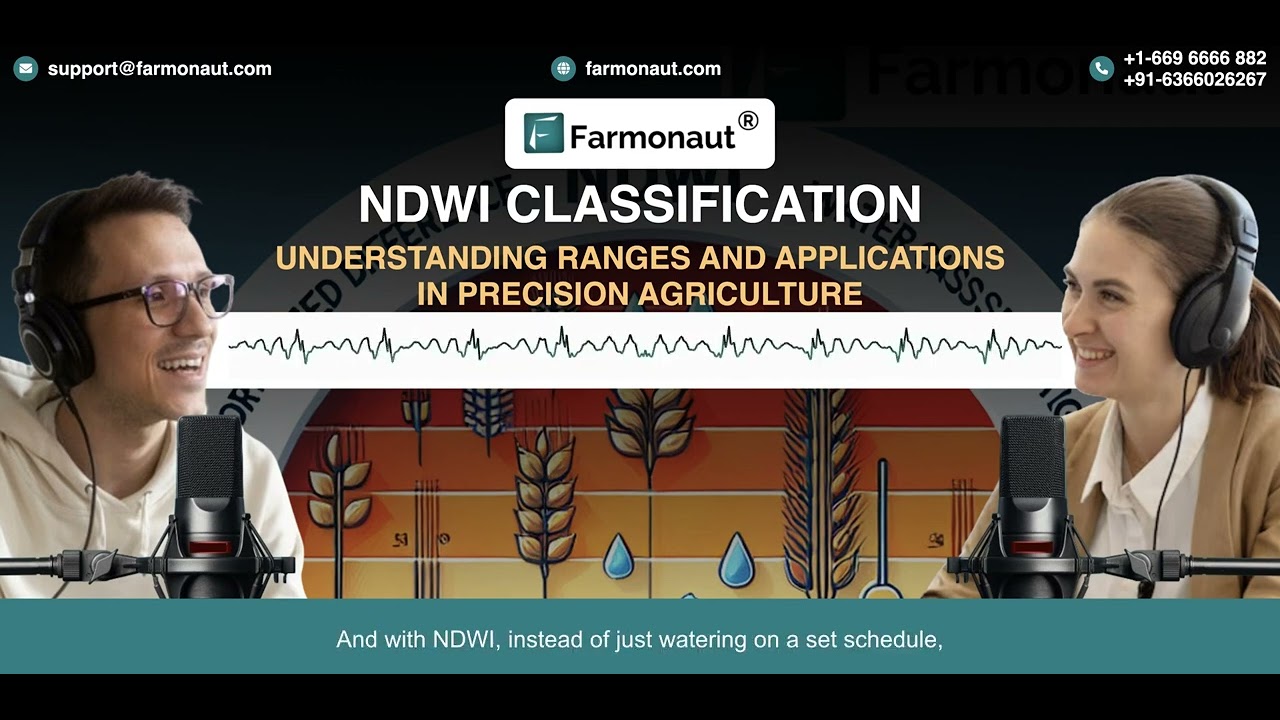
Smart irrigation scheduling uses soil moisture sensors, satellite data (NDWI), and AI forecasts for just-in-time water delivery—saving both money and resources.
Integrated water management is equally important in mining sectors to minimize tailings pond risks, avoid contamination, and implement pollution prevention (e.g., sediment traps, buffer zones).
- 💧 Drip systems: Target roots, minimize evaporation
- 💡 IoT Sensors: Provide real-time data for irrigation scheduling
- 🌍 Remote Sensing & NDWI: Guides decisions at scale
- 🕒 Time-of-day scheduling: Waters when evaporation risk is lowest
Want to make your irrigation smarter?
With Farmonaut’s Large Scale Farm Management app, users can visualize real-time field moisture, get AI-driven watering alerts, and track outcomes across multiple sectors for enhanced yields.
5. Buffer Zones, Hedgerows & Riparian Protection: Living Barriers for Land and Water
Natural buffer zones—such as grassy strips, wooded hedgerows, and riparian (streamside) plantings—offer ecosystem services that safeguard both soil and water:
- Trap sediment and filter runoff before pollutants reach waterways
- Provide habitat for pollinators and natural pest control agents
- Reduce erosion and stabilize riverbanks or slopes
- Support wildlife corridors, enhancing biodiversity
- Improve microclimates for adjacent fields

Buffer zones are critical for downstream water quality—especially in fertilizer-intensive farming or in mining regions. Intact vegetative buffers along streams and fields assure environmental protection, while hedgerows support pollinators and beneficial insects.
- 🌱 Reduces flooding and runoff
- 🦋 Boosts bee, bird, and insect populations
- 💪 Prevents topsoil loss
- 🍃 Improves local air and water quality
Traceable farming is increasingly required for premium markets. With Farmonaut Traceability, you can showcase sustainable management—from buffer zones to biodiversity enhancement—via blockchain-secured records.
“Biodiverse farmlands can increase crop yields by 20%, supporting both productivity and ecosystem health in sustainable land use.”
6. Rainwater Harvesting & Watershed Management: Securing Local Supplies
In semi-arid regions and where rainfall is unpredictable, rainwater harvesting captures run-off for farm, forestry, and community use, while watershed management ensures equitable sharing and ecosystem protection.
- Constructed ponds, tanks, and swales collect and store water
- Recharges groundwater and sustains streams during dry periods
- Reduces soil erosion and flood risk
- Supports resilient agriculture, forest regeneration, and mine restoration
- Improved drought resilience for local communities
Integrated watershed planning considers upstream-downstream connections, protecting both agricultural production and wildlife habitats.

7. Reclamation & Restoration in Forestry and Mining: Bringing Land Back to Life
Activities like logging and mining can degrade soils, disrupt native vegetation, and fragment ecosystems. Thoughtful reclamation and restoration are vital for restoring utility and productivity post-disturbance.
- Rebuild topsoil with organic amendments and erosion control structures
- Replant native species for ecosystem restoration, including tree seedlings, shrubs, and ground cover
- Restore wildlife corridors to enable species movement and population stability
- Monitor nutrient status and remediate as needed
- Stabilize slopes and prevent sediment runoff into streams
In forestry, Farmonaut’s Crop, Plantation & Forest Advisory module assists users in selecting appropriate reforestation strategies and ongoing monitoring for climate resilience.
The Role of Technology and Data in Sustainable Land Management
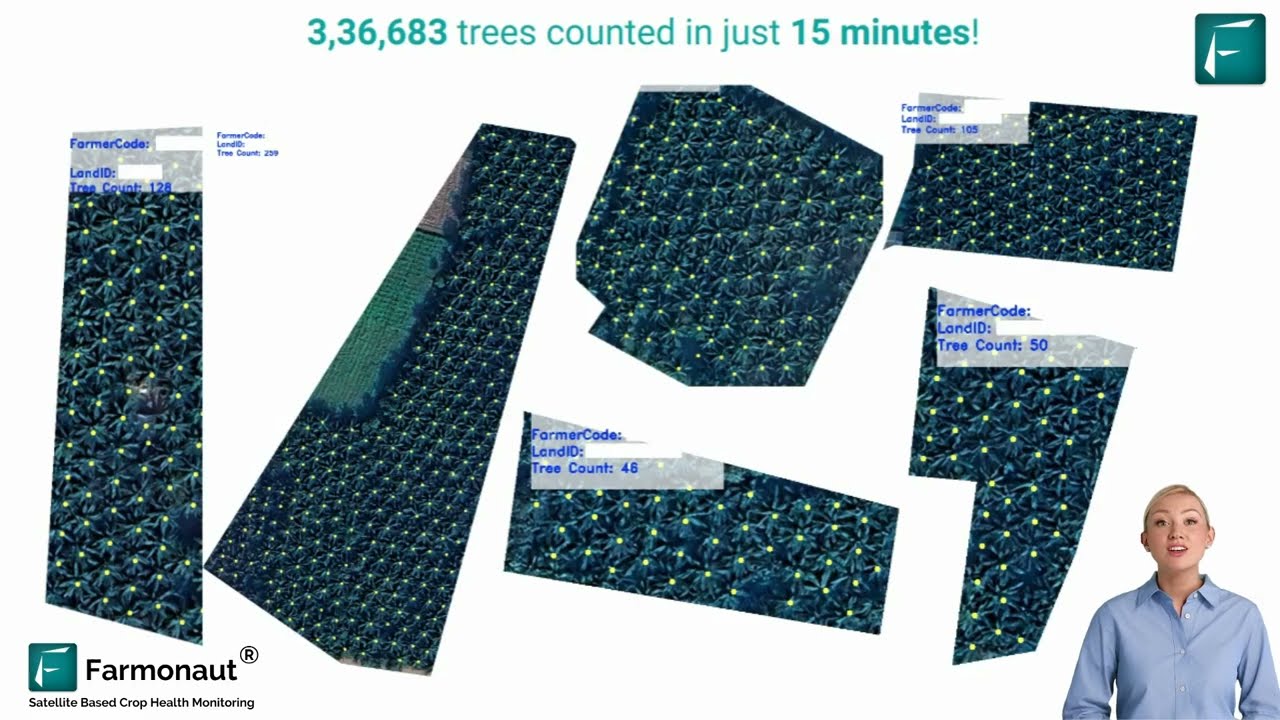
Modern technology powers decision-making for land stewardship at scale. Satellite imagery, AI analytics, and real-time monitoring systems reduce guesswork, cut costs, and anticipate risk for farms, forests, and mines.
- 🌍 Remote Sensing: Allows continuous, large-scale monitoring of soil moisture, plant health, pest outbreaks, and watershed balance.
- 🤖 AI & ML Decision Tools: Analyze complex patterns, suggest timing for inputs, and anticipate issues like drought or disease.
- 💼 Blockchain Traceability: Ensures transparency for supply-chain sustainability in food and mineral sectors. Learn more.
- 📈 Environmental Impact Reporting: Tracks carbon credits, biodiversity indicators, and water savings for ESG compliance. See our solution.
- 📲 Accessible Apps & APIs: Let any scale of user connect, monitor, and act—see our web & mobile apps and APIs for integration, or view API Developer Docs.
Ecosystem Services: Biodiversity, Stability & Climate
Biodiverse, well-managed landscapes underpin resilience with benefits that include:
- Pollinator support—improving crop yields and food security
- Natural pest control—reducing dependency on chemicals
- Soil stabilization—slowing erosion and preserving land value
- Carbon sequestration—mitigating climate change
- Diverse plantings and habitats—buffering against weather and disease variability
For mining-affected landscapes, focused restoration of biodiversity and corridors aids quick ecosystem recovery and supports long-term land utility.
Policy, Governance, and Economics: Driving Adoption Across Land Sectors
No matter how advanced a practice, policy frameworks, governance, and economics shape what gets adopted. Incentives and supports may include:
- Access to finance and credit for investments in new management practices
- Land tenure stability and clear rights to encourage long-term stewardship
- Payments for ecosystem services (e.g., carbon markets, biodiversity credits)
- Regulation and monitoring for mining reclamation, water quality, and soil protection
- Certification schemes rewarding sustainable production methods
Transparent reporting, community engagement, and stakeholder involvement—including indigenous and local groups—enhance the distribution of benefits and reduce conflicts across sectors.
Lifecycle Thinking & Integrated Land-Use Planning
From project cradle to site reclamation, lifecycle thinking assures the long-term utility of every land parcel. This means:
- Soil management and monitoring at every stage
- Water rights and stewardship from planning to decommissioning
- Biodiversity protection and native restoration post-disturbance
- Stakeholder engagement to balance economics and ecosystem needs
Farmonaut empowers users in agriculture, forestry, and mining to access satellite data, AI-driven advice, and blockchain-secured records throughout every project phase. Our solutions support continuous monitoring and adaptive management for resilient, productive, and environmentally compliant landscapes.



Explore our API and Developer Docs—plug Farmonaut insights into any management system.
Frequently Asked Questions (FAQ)
What are the top soil and water practices for sustainable land use?
The seven most effective practices are crop rotation, reduced tillage, organic amendments, efficient irrigation, buffer zones/hedgerows, rainwater harvesting, and post-disturbance reclamation. These strategies boost soil health, conserve water, enhance biodiversity, and improve productivity across agriculture, forestry, and mining landscapes.
How does biodiversity contribute to sustainable land management?
Biodiversity provides critical ecosystem services such as pollination, pest control, soil stabilization, and climate resilience. Diverse planting and restoration practices ensure land sustains its productive and ecological value long term.
Can technology really improve outcomes in agriculture, forestry, and mining?
Absolutely. Satellite-based monitoring, AI-driven advice, and blockchain traceability tools (like those we offer at Farmonaut) deliver precise, actionable insights—cutting waste, optimizing resource use, and ensuring compliance with environmental and social standards.
How important are policy frameworks and economic incentives?
Policy, governance, and incentives are vital for scaling up sustainable land practices. Access to finance, stable land rights, and payment for ecosystem services encourage adoption and long-term stewardship across all sectors.
Where can I access affordable, scalable monitoring solutions for my farm, forestry, or mining project?
Farmonaut makes satellite-driven monitoring, AI advisory, carbon footprinting, and traceability accessible to operators of all sizes via web, Android, iOS apps, or API. Try our platform or contact us for integration into your existing systems.
Get Started with Farmonaut: Satellite-Powered Sustainability
At Farmonaut, we are committed to affordable, data-driven solutions that serve agriculture, forestry, and mining communities worldwide. With real-time monitoring, AI-based recommendations, blockchain traceability, and carbon impact tracking, our tools support every stage of the sustainable land management journey—from soil and water monitoring to stewardship verification.
- 📲 Web, Android, and iOS apps for instant access—see above to download.
- 🛰️ Satellite technology means no need for expensive hardware—get large-scale insights fast.
- 🗂️ API access and developer docs for seamless integration—ideal for agri-business, mining, and government users.
- 🔒 Blockchain traceability for full supply-chain visibility and trust.
- 🌱 Sustainable outcomes for productivity, ecosystem services, and regulatory compliance.
Ready to move your operation into the future of sustainability?
Explore our full product range for carbon tracking and compliance, traceability solutions, agri and mining loan/insurance verification, large-scale farm management, and forest and plantation advisory.
Empower your land, your yields, and your community with science-backed, sustainable practices—supported every step of the way by Farmonaut technology.

 Godrej Agrovet
 Hayleys Agriculture
 Linx Agritech
 Adinet
 Save Your Soils
 GalaxEye Space
 Grandstream Algérie
 XOS Realty
 Geospatial Lab Africa
 Agro La Gándara
 HIPSAC
 ZOL Zimbabwe
 Juligerm
 AdBio
AdBio MISE Maroc
 NWNS
NWNS Red August Group
 Farm Inc
 WeMe Global
 Agrotoken
 Blue BearX
 Insignito
 DnCubed
 Indosistim Teknologi
 Liquify Digital
 CU Foods
 BeyondTech Global
 Rouge VC
 AgroRisk
 Oath Inc
 Esri North East Africa
 MDCV UK
 Etech Consulting Madagascar
 Vestlandsforsking
 WB Dev
 Sama Premium
 Tres Valles
 Blickwinkel
 Agricultural Credit Policy Council
 eKGIS
eKGIS Mostas Tech
 Andex
Andex Deluxe Conseil
 WICO
WICO Chimera Innovation
 SkyHarvest
 Teledarbas
 Exurbia Geospatial
 FieldZero
