

Reviewed August 2026 against USDA NASS, UK Defra, and the National Invasive Species Information Center.
Try it: Run your own numbers →
Natural Pest Management: 7 Proven Organic Pest Control Methods

Natural pest management combines seven core tools — botanical insecticides like neem, companion planting, beneficial insect releases, microbial pesticides, pheromone traps, physical barriers, and cultural practices such as crop rotation — layered together rather than used alone. Peer-reviewed synthesis of more than 200 studies found that integrated pest management (IPM) built around these methods cuts chemical pesticide use by 40-70% while lifting yields by 10-35% compared with conventional-only regimes (Springer Nature, Discover Plants, 2000-2025 literature review). This article walks through each method with the application rates, target pests, and cost trade-offs, then covers a specific invasive species — jumping worms — that changes how you handle organic soil health this season.
“Organic farming methods can reduce pesticide use by up to 97%, promoting healthier ecosystems and safer food production.”
Farmonaut builds satellite-based crop monitoring for growers who want that reduction without losing yield. Our platform pairs with organic and sustainable agriculture practices by flagging stressed zones before an infestation spreads, so the pest control decisions below can be targeted rather than blanket-applied.
Explore our web app for comprehensive farm management tools:

Table of Contents
- Why Natural Pest Control Is Growing in the US and UK
- 1. Bio Neem Oil
- 2. Companion Planting
- 3. Beneficial Insects
- 4. Microbial Pesticides
- 5. Pheromone Traps
- 6. Physical Barriers
- 7. Cultural Practices and Soil Health
- Jumping Worms: What Organic Growers Need to Know
- Method Comparison Table
- Neem Oil Spray Dilution Calculator
- FAQs
- Try it: Run your own numbers
Why Natural Pest Control Is Growing in the US and UK
US organic food sales reached $70.1 billion in 2025, according to the Organic Trade Association’s data as compiled by USDA’s Economic Research Service. That demand sits on top of 3.6 million acres of certified organic cropland and 17,445 certified organic farm operations recorded in USDA NASS’s 2021 Certified Organic Survey — the most recent full census at time of writing. Organic cropland acreage grew 79% between 2011 and 2021, and certified/exempt organic product sales hit $9.6 billion in 2022, up 32% from 2017 (USDA NASS, Certified Organic Survey).
In the UK, Defra’s 2025 organic farming statistics put total organic farmland at 540,000 hectares, of which 461,000 hectares is fully organic (the remainder in-conversion). That’s the figure to track if you’re comparing UK adoption against US acreage — the two datasets use different certification cycles, so direct year-to-year comparison needs care (UK Government Defra organic farming statistics).
Next data refresh: USDA NASS runs its organic census every five years with special studies in between; the next full survey results are scheduled for release on October 30, 2026 via quickstats.nass.usda.gov. Defra republishes its UK figures every spring at the URL above — replace the year in the link to reach the current edition.
1. Bio Neem Oil: Nature’s Powerful Insecticide
“Bio neem oil, a natural insecticide, can effectively control over 200 species of crop-damaging pests without harming beneficial insects.”
Bio neem oil, pressed from the seeds of the neem tree, is one of the most versatile tools in organic pest control methods. It’s effective against aphids, mealybugs, and whiteflies, and it’s approved for use on certified organic operations under both USDA National Organic Program and UK organic certification standards (check with your certifier for the specific product’s approval status, since formulation matters).
- Mix 2-4 tablespoons of neem oil with 1 gallon of water
- Add a small amount of mild liquid soap to help the solution stick to plant surfaces
- Apply the mixture to plants using a sprayer, focusing on both the upper and lower leaf surfaces
- Repeat application every 7-14 days or after rain for optimal pest control
Bio neem oil is safe for use on various fruits, vegetables, and ornamental plants. It’s particularly effective for managing pests on crops like tomatoes, cucurbits, and citrus fruits — and it’s the single most searched-for entry point into organic pest control methods because it works on contact and by disrupting insect feeding and reproduction.
2. Companion Planting: Natural Pest Repellents
Companion planting is a longstanding organic farming technique that involves growing certain plants together to repel pests naturally, without any spray at all. Effective combinations documented across US and UK extension guidance include:
- Marigolds with tomatoes to repel nematodes
- Basil with peppers to deter aphids and spider mites
- Garlic with roses to protect against aphids and other insects
- Nasturtiums with cucurbits to trap aphids and whiteflies
This method not only helps with pest control but also enhances biodiversity and can improve crop yields — the same mechanism behind the 10-35% yield enhancement figure from the IPM literature synthesis cited above, since diversified plantings reduce the monoculture pressure that lets pest populations spike.
3. Beneficial Insects: Nature’s Pest Control Agents
Encouraging beneficial insects is a core piece of organic pest management. These natural predators keep pest populations in check without chemical inputs. Species to attract or release include:
- Ladybugs: effective against aphids and mealybugs
- Lacewings: control various soft-bodied insects
- Praying mantises: generalist predators that eat a range of pests
- Parasitic wasps: target caterpillars and other larval pests
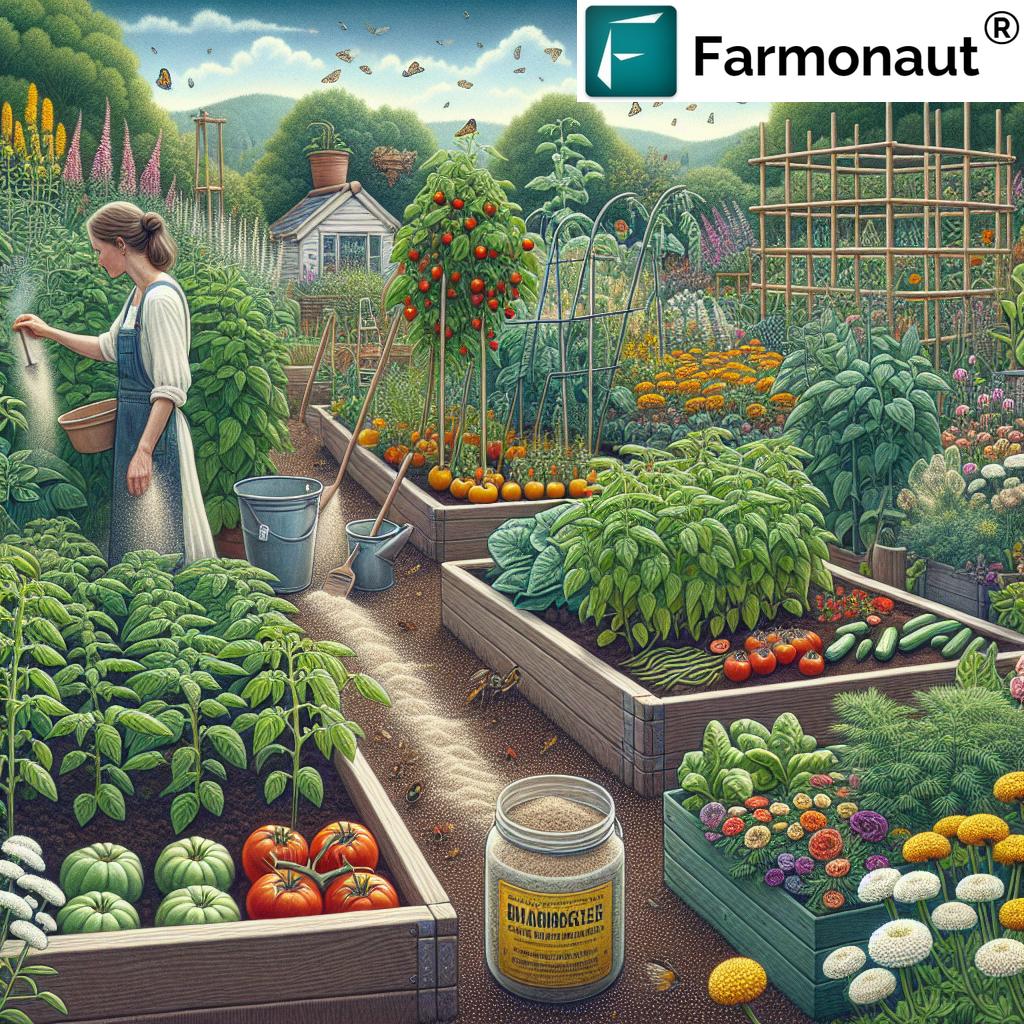
To attract these beneficial insects without buying releases, plant a diverse range of flowering plants and herbs around your crops — this creates habitat that keeps predator populations resident on the farm rather than needing repeat purchases each season.
How Technology Fits Into Organic Pest Management
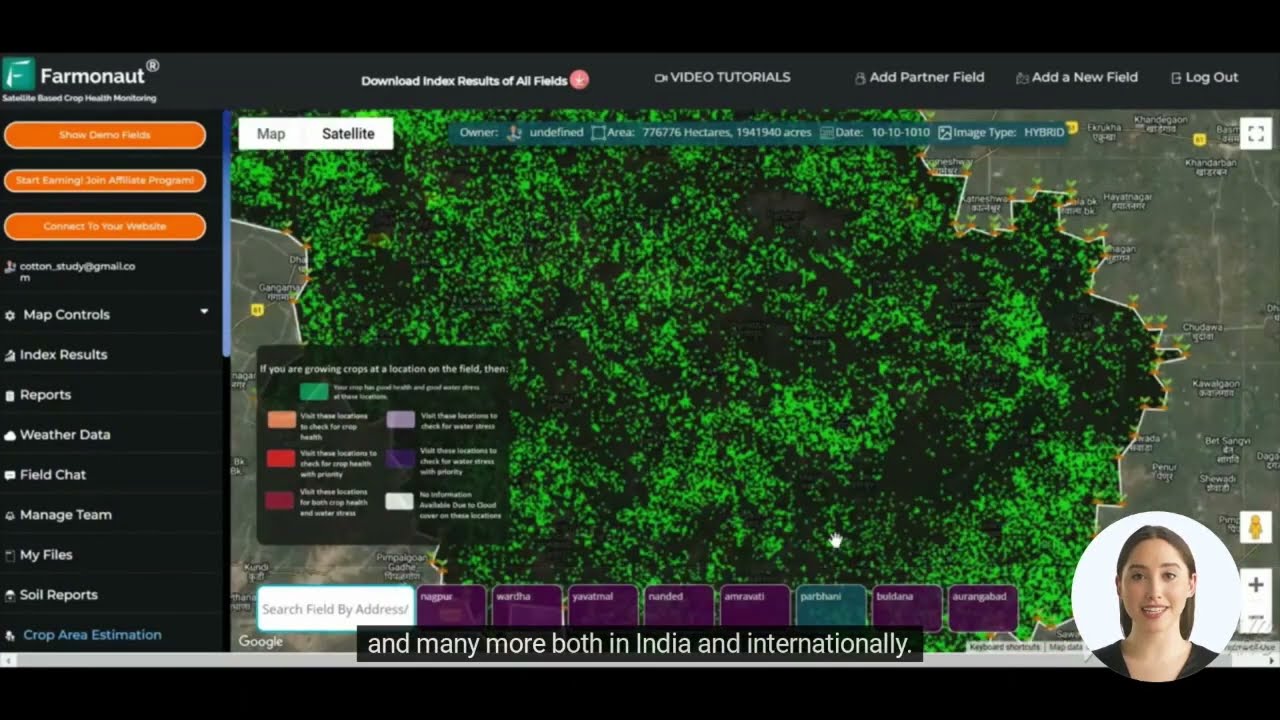
Timing is what makes natural pest control methods work as well as (or better than) synthetic sprays: neem oil applied after an aphid population has already exploded needs more repeat applications than neem applied at first detection. Satellite-based vegetation health monitoring gives organic growers that early signal — a stressed zone shows up in imagery days before it’s visible from the field edge, which is when beneficial-insect releases and botanical sprays are most cost-effective.
Discover how our satellite-based solutions can revolutionize your farming practices:

4. Microbial Pesticides: Harnessing Beneficial Microorganisms
Microbial pesticides are derived from naturally occurring bacteria, fungi, and viruses. They’re highly effective against specific pests while staying safe for beneficial insects. The main options approved for organic pest management:
- Bacillus thuringiensis (Bt): effective against caterpillars and certain beetle larvae
- Beauveria bassiana: controls a wide range of insects, including whiteflies and thrips
- Trichoderma: helps manage soil-borne diseases in various crops
When using microbial pesticides, follow label application rates carefully — these organisms are living products with viability windows and temperature sensitivities that synthetic chemistry doesn’t have, so storage conditions affect field performance more than with conventional pesticides.
5. Pheromone Traps: Disrupting Pest Mating Cycles
Pheromone traps use synthetic versions of insect pheromones to disrupt mating cycles and reduce pest populations without any toxic exposure to the crop. This is one of the organic pest control methods that doubles as a monitoring tool — trap counts tell you when a pest generation is emerging, which is the trigger point for other interventions. Common applications:
- Codling moth traps in apple orchards
- Mediterranean fruit fly traps in citrus groves
- Tomato pinworm traps in tomato fields
6. Physical Barriers: Protecting Crops from Pests
Physical barriers are the most direct organic pest control methods available — they stop pests reaching the crop rather than managing them after contact. Options include:
- Row covers: lightweight fabric covers that protect crops from flying insects
- Copper tape: creates a barrier that slugs and snails won’t cross
- Mulching: helps suppress weeds and can deter certain soil-dwelling pests
- Netting: protects fruit trees and berry bushes from birds and larger pests
These methods are particularly useful for protecting vegetables, berries, and young fruit trees from common pests, and they carry zero risk of resistance buildup since there’s no active ingredient for a pest population to adapt against.
Enhance your organic farming practices with our mobile apps:


7. Cultural Practices and Soil Health: The Long-Game Method
Cultural practices are the slowest-acting but most durable of the organic pest control methods, because they change the conditions pests need to establish rather than reacting to an outbreak already underway.
- Crop rotation: prevents the buildup of soil-borne pests and diseases
- Intercropping: planting aromatic herbs like basil and marigolds among vegetables
- Diatomaceous earth: a natural powder that deters crawling insects
- Baking soda sprays: effective against powdery mildew on cucurbits
- Cover cropping: planting cover crops between seasons to suppress weeds and improve soil health
- Compost tea: rich in beneficial microorganisms that suppress plant pathogens
Jumping Worms: What Organic Growers Need to Know
Jumping worms (Amynthas species) are an invasive earthworm now confirmed in 38 US states, per the USDA Forest Service’s National Invasive Species Information Center. Unlike the earthworms most gardeners were taught to welcome, jumping worms strip soil of organic matter fast, leaving behind a loose, granular “coffee-ground” texture that can’t hold nutrients or water the way healthy soil structure does — a direct threat to the soil-health foundation that organic pest management depends on.
How to identify them: they thrash violently and can leap several inches when disturbed (hence the name), they move in a snake-like slither rather than crawling, and mature adults have a smooth, light-colored band (the clitellum) that wraps fully around the body rather than stopping partway, as it does on common earthworms.
There is no approved pesticide treatment for jumping worms — control relies entirely on prevention and containment: buy bare-root plants or heat-treated compost, avoid moving soil or mulch between properties, and solarize small quantities of infested compost. Because there’s no registered organic or synthetic chemical control, this is a pest problem where cultural practice is the only tool, which is why it belongs in a natural pest management guide rather than a chemical-pesticide one.
What isn’t yet published: a dollar figure for jumping worm crop or nursery damage in the US doesn’t appear in USDA or NISIC’s public data as of this review — if you need that figure for a specific state or sector, contact your state’s invasive species council or land-grant extension office directly, since several are running active economic-impact studies. Report sightings and check current state-by-state spread at the National Invasive Species Information Center’s jumping worm page, which is updated as new states confirm detections.
Crop-Specific Organic Pest Control Strategies
Different crops face unique pest challenges, requiring tailored organic pest control approaches.
Fruit Crops (Apples, Pears, Peaches, Citrus)
- Kaolin clay sprays: create a protective barrier against insects and sunburn
- Pruning: proper pruning improves air circulation, reducing fungal diseases
- Fruit bagging: protects individual fruits from insects and birds
- Trellising: keeps fruit off the ground, reducing soil-borne diseases
Vegetables (Tomatoes, Cucurbits, Lettuce, Onions, Potatoes)
- Crop rotation: prevents the buildup of soil-borne pests and diseases
- Intercropping: planting aromatic herbs like basil and marigolds among vegetables
- Diatomaceous earth: a natural powder that deters crawling insects
- Baking soda sprays: effective against powdery mildew on cucurbits
For tomato growers specifically searching for organic fertility alongside pest control: a tomato-specific yield dataset under organic natural pest management doesn’t appear in the sources reviewed for this article. USDA NASS’s Certified Organic Survey reports sales and acreage at the crop-category level, not per-crop yield-under-treatment detail — for a tomato-specific figure, the NASS QuickStats tool (quickstats.nass.usda.gov) lets you filter by commodity and year once the 2025 census publishes on October 30, 2026.
Grains (Wheat, Maize, Beans)
- Cover cropping: planting cover crops between seasons to suppress weeds and improve soil health
- Beneficial nematodes: to control soil-dwelling pests
- Trap crops: planting attractive crops around the main crop to divert pests
- Timely harvesting: reduces post-harvest losses due to storage pests
Innovative Organic Disease Management Strategies
1. Biocontrol Agents
- Trichoderma species: effective against various soil-borne pathogens
- Bacillus subtilis: controls a range of bacterial and fungal diseases
- Pseudomonas fluorescens: promotes plant growth and suppresses pathogens
2. Plant Extracts and Botanical Preparations
- Garlic extract: effective against powdery mildew and certain bacterial diseases
- Neem leaf extract: has broad-spectrum antifungal properties
- Compost tea: rich in beneficial microorganisms that suppress plant pathogens
3. Cultural Practices for Disease Prevention
- Proper spacing: ensures good air circulation, reducing fungal diseases
- Sanitation: removing infected plant material to prevent disease spread
- Water management: avoiding overhead irrigation to reduce leaf wetness
- Resistant varieties: choosing plant varieties bred for disease resistance
Leverage our API for advanced crop health monitoring:
Sustainable Pest Management for Specialty Crops
Berries (Strawberries, Grapes)
- Mulching with straw: prevents soil splashing and reduces fungal diseases
- Bird netting: protects ripening fruit from bird damage
- Beneficial mites: help control spider mites in strawberries and grapes
- Sulfur dusting: organic fungicide effective against powdery mildew in grapes
Hops
- Predatory mites: effective against two-spotted spider mites
- Pruning and training: improves air circulation, reducing downy mildew risk
- Copper-based fungicides: organic option for controlling downy mildew
- Cover cropping: helps suppress weeds and improve soil health
Ornamentals and Flowers
- Insecticidal soaps: effective against soft-bodied insects like aphids and mealybugs
- Beneficial nematodes: control soil-dwelling pests in flower beds
- Neem oil: broad-spectrum pest control for various ornamental plants
- Companion planting: using pest-repelling plants in ornamental gardens

Advanced Techniques in Organic Nematode Control
1. Biofumigation
- Mustard: releases isothiocyanates, which are toxic to many nematode species
- Radish: some varieties have strong nematode-suppressing properties
- Rapeseed: can be used as a green manure crop for nematode control
2. Soil Solarization
- Cover the soil with clear plastic for 4-6 weeks during the hottest part of the year
- The heat generated kills nematodes and other soil-borne pests
- Most effective in areas with high summer temperatures
3. Nematode-Suppressive Crops
- Marigolds: produce compounds toxic to many nematode species
- Sunn hemp: a legume that suppresses root-knot nematodes
- African marigold: particularly effective against root-lesion nematodes
Organic Pest Control Methods Comparison
| Pest Control Method | Target Pests | Suitable Crops | Application Method | Effectiveness Rating (1-5) | Environmental Impact | Cost Efficiency (1-5) |
|---|---|---|---|---|---|---|
| Bio Neem Oil | Aphids, Mealybugs, Whiteflies | Vegetables, Fruits, Ornamentals | Spray | 4 | Low | 4 |
| Beneficial Insects | Various pests | All crops | Release in field | 3 | Low | 3 |
| Companion Planting | Various pests | Vegetables, Herbs | Planting strategy | 3 | Low | 5 |
| Pheromone Traps | Specific insect species | Fruits, Vegetables | Trap placement | 4 | Low | 3 |
| Microbial Pesticides | Various pests and diseases | All crops | Spray or soil application | 4 | Low | 3 |
| Physical Barriers | Various pests | Vegetables, Small Fruits | Installation | 4 | Low | 4 |
| Natural Predators | Various pests | All crops | Habitat creation | 3 | Low | 4 |
A direct cost-per-acre comparison of organic pest management against conventional chemical control for the US or UK market isn’t published in the sources reviewed here. USDA NASS’s Certified Organic Survey and Defra’s statistics report acreage, farm counts, and sales — not itemized treatment cost. If you need a cost-per-acre figure for a budget decision, your state land-grant extension office (US) or an AHDB (UK) crop-specific costings guide is the method to get one, since input costs vary by region and by which of the seven methods above you’re combining.
Neem Oil Spray Dilution Calculator
Use the calculator below to work out exactly how much neem oil concentrate and soap you need for your tank size, based on the 2-4 tablespoon-per-gallon range described in Method 1 above.
Run your own numbers
Assumptions: uses the 2-4 tablespoon-per-gallon range and 7-14 day reapplication window from Method 1 above; 1 tablespoon = 0.5 fl oz. Excludes product-specific label rates, which take precedence over this general guide, and does not account for rain-shortened intervals or tank-mix compatibility with other sprays.
Implementing Organic Pest Control Programs
- Regular Monitoring: Use Farmonaut’s satellite-based monitoring to detect pest issues early.
- Identification: Accurately identify pests and beneficial insects.
- Threshold Establishment: Determine acceptable pest levels before intervention.
- Integrated Approach: Combine multiple organic control methods for best results.
- Record Keeping: Document pest occurrences, treatments, and outcomes.
- Continuous Learning: Check USDA NASS and Defra publication schedules each year for updated adoption and sales figures.
The Ongoing Shift in Organic Pest Control
Organic pest control keeps evolving as new data and tools arrive. Areas to watch, with where to check for updates:
- AI-driven pest prediction models for proactive management — an active development area at Farmonaut
- Precision application of organic pesticides using drones
- New biopesticide registrations — check your national regulator (EPA in the US, HSE in the UK) for newly approved active ingredients
- IoT devices for real-time pest monitoring, increasingly bundled with satellite crop health platforms
Conclusion
Natural pest control methods work best layered, not chosen individually: neem oil or microbial pesticides for active outbreaks, companion planting and beneficial insects for ongoing suppression, physical barriers and pheromone traps for monitoring and exclusion, and cultural practices like crop rotation for the long-term soil and pest-pressure baseline. That combination is what the IPM literature review behind the 40-70% pesticide reduction and 10-35% yield gain figures actually tested — not any single method in isolation.
Farmonaut’s satellite monitoring adds the timing layer: knowing when a zone is stressed before it’s visible on the ground is what makes early, targeted intervention possible instead of reactive, whole-field spraying.
Frequently Asked Questions (FAQs)
- Q: How effective are organic pest control methods compared to conventional pesticides?
A: Peer-reviewed synthesis of over 200 studies found IPM-based organic approaches cut chemical pesticide use by 40-70% while increasing yields by 10-35% versus conventional-only baselines (Springer Nature, Discover Plants, 2000-2025 review). Results depend on which methods are combined and how early they’re applied. - Q: What is natural pest management, exactly?
A: It’s the umbrella term for organic pest control methods — botanical insecticides, biological controls, physical barriers, and cultural practices — used together rather than relying on a single tactic. - Q: Can I use organic pest control methods in large-scale commercial farming?
A: Yes. US certified organic operations covered 3.6 million acres across 17,445 farms as of USDA NASS’s 2021 Certified Organic Survey, and UK organic farmland reached 540,000 hectares in Defra’s 2025 statistics — both figures include large commercial operations, not just smallholdings. - Q: How does Farmonaut’s satellite technology assist in organic pest control?
A: It provides crop health monitoring that flags stressed zones before visible symptoms appear, enabling earlier and more targeted organic interventions instead of reactive, whole-field treatment. - Q: Are jumping worms a pest control problem or a soil health problem?
A: Both. They’re confirmed in 38 US states (National Invasive Species Information Center) and degrade soil structure by rapidly consuming organic matter. There’s no approved chemical treatment, so prevention — clean compost, no soil/mulch transport between sites — is the only control method. - Q: How long does it take to see results from organic pest control methods?
A: Physical barriers work immediately on installation. Botanical sprays like neem oil typically show visible effect within one to two applications (7-14 days). Beneficial insect populations and cultural practices like crop rotation take a full season or longer to reach their full suppressive effect. - Q: Where do I find current organic adoption statistics for my region?
A: US: USDA NASS’s Certified Organic Survey page, refreshed on a roughly biennial cycle with the next full results due October 30, 2026. UK: Defra’s annual organic farming statistics, republished every spring at gov.uk with the year updated in the URL.
For more information on how Farmonaut can support your organic farming practices, explore our subscription options:
Join us in revolutionizing agriculture through sustainable, organic practices and cutting-edge technology. Together, we can create a healthier, more productive future for farming.

 Farmitopia
 TVS Electronics
 BW Pipelines
 WICO
WICO Gen Chayat
 Chimera Innovation
 SkyHarvest
 Polaris Digitech
 Teledarbas
 Wild Oak Farm
 SFX
SFX BACF Africa
 Doodlakine
 Exurbia Geospatial
 FieldZero
 Indico Company
