

5 Natural Resources in Zimbabwe: Agriculture, Food Security & Sustainable Development for 2025–2026
“Zimbabwe’s agriculture relies on 5 key natural resources: fertile land, water, forests, minerals, and rich biodiversity.”
Table of Contents
- Introduction: The 5 Natural Resources in Zimbabwe, Agriculture, Food, and Natural Resources
- Comparative Overview Table of Zimbabwe’s 5 Major Natural Resources
- 1. Fertile Agricultural Land
- 2. Water Resources
- 3. Forest Resources & Forest Cover
- 4. Minerals Supporting Agricultural Infrastructure
- 5. Wildlife and Biodiversity
- Integrating Natural Resources Toward National Food Security in Zimbabwe
- FAQ: 5 Natural Resources in Zimbabwe, Agriculture, Food, and Natural Resources
- Summary: Zimbabwe’s Agricultural Future
Introduction: The 5 Natural Resources in Zimbabwe, Agriculture, Food, and Natural Resources
Zimbabwe, a landlocked country in Southern Africa, is endowed with abundant and pivotal natural resources that play an essential role in underpinning the nation’s agriculture, food security, and rural development. For more than 60% of Zimbabwe’s population, especially in rural areas, food production, dietary diversity, and income sources are supported by sustainable management of these resources. As 2025 approaches and Zimbabwe’s agricultural sector faces new climate and development challenges, understanding and leveraging these five natural resources is more critical than ever.
This article delves deep into 5 natural resources in Zimbabwe, agriculture, food, and natural resources—namely fertile agricultural land, water resources, forest resources, minerals (for agricultural infrastructure), and wildlife & biodiversity—highlighting their significance within Zimbabwe’s agricultural sector, their impact on food security, and the opportunities and challenges for sustainable management in 2025 and beyond.
“By 2025, these 5 resources support food security and sustainable rural development for over 60% of Zimbabwe’s population.”
Comparative Overview Table of Zimbabwe’s 5 Major Natural Resources for Agriculture
| Natural Resource | Estimated National Coverage or Output (2025) | Main Agricultural Uses | Contribution to Food Security | Sustainability Challenges / Opportunities |
|---|---|---|---|---|
| Fertile Agricultural Land | ~16 million hectares arable (43% national land area), Only ~6 million currently cultivated |
Crop cultivation (maize, tobacco, cotton), horticulture, livestock fodder | Foundation for staple crop and livestock production, supports 60%+ livelihoods | Land degradation, overuse, need for soil regeneration / opportunity for carbon footprinting and precision agriculture |
| Water Resources | Major river systems (Zambezi, Limpopo, Save), ~109,000 ha under irrigation |
Irrigation, livestock watering, aquaculture, domestic/agro-industrial use | Reduces drought risk & crop failures, enables year-round food production | High climate variability, inefficient use; investment in modern irrigation & tech-enabled monitoring |
| Forests | ~45% of country is forested (~17 million ha forest cover) |
Fuelwood, timber, non-timber products, agroforestry, watershed protection | Sustains rural energy, income diversification, maintains soil & water cycles | Deforestation, fire risk, need for sustainable forestry practices |
| Minerals (for Fertilizers) |
Phosphate, limestone reserves; local production rising by 2025 |
Fertilizer (phosphates, potash), soil amendment, crop yield boosting |
Essential for high yields in staple & cash crops, reduces import dependency |
Sustainable mining & supply; risk of environmental pollution vs. opportunity for local value-add |
| Wildlife & Biodiversity | 5,600+ species (flora and fauna); multiple national parks/protected areas |
Game ranching, eco-tourism, pollinators, genetic diversity for crop/livestock resilience | Protein source, risk-mitigation (ecosystem services), supports tourism/financed development | Poaching, habitat loss; needs community-based conservation & benefit sharing |
1. Fertile Agricultural Land: Foundation of Zimbabwe’s Agricultural Activities
Fertile agricultural land remains the bedrock of Zimbabwe’s food and natural resources sector. The country boasts approximately 16 million hectares of arable land, representing about 43% of its total area. Key regions include Mashonaland (Central, East, West), parts of Manicaland, and Midlands Provinces. However, only a portion (“around 6 million ha”) is currently cultivated, highlighting both the potential and underutilization challenges present in 2025.
Key Facts & Importance of Fertile Land:
- ✔ Fertile soils, especially in loamy and alluvial zones, support the cultivation of staple crops like maize, tobacco, cotton, small grains, and an expanding range of horticultural products.
- ✔ Genuine food security and rural income depend on effective management of this asset.
- ✔ High soil fertility in well-managed regions sustains the livelihoods of over half Zimbabwe’s population.
- ✔ Shifting rainfall and climate variability require smarter land use and soil conservation to enhance agricultural productivity.
- ✔ Agro-ecological zoning informs which crops farmers should prioritize for specific soil and climate zones.
Sustainable food production in Zimbabwe is heavily dependent on not just the area of arable land, but on regenerative soil practices, proper crop rotation, and data-driven land management to reverse soil degradation and increase resilience against drought.
Examples of Land Use & Enhancement
- 📊 Maize and tobacco as primary cash/staple crops in Mashonaland
- 🌾 Horticulture expansion (link to improved nutrition and income diversification)
- 🌱 Agroforestry integration (trees for soil recovery, shade, microclimate control)
- ⚠ Soil erosion and nutrient depletion: Intensified cultivation without soil restoration is a common risk
Relying solely on chemical fertilizers without incorporating organic matter or minimum tillage can accelerate long-term soil fertility loss and threaten food security.
For commercial and smallholder farmers, satellite monitoring technology like Farmonaut’s advanced satellite-based platform enables region-wide soil health assessments, crop monitoring, and targeted land management. Our solutions use multispectral imaging and NDVI to identify problem areas and help optimize yields and resource allocation.

▶ Farmonaut Web System Tutorial: Monitor Crops via Satellite & AI
Farmers and agribusinesses can access real-time crop health data and optimize fertilizer use through the Farmonaut Large Scale Farm Management Tools—ideal for both individual producers and agro-corporates aiming to maximize productive land while minimizing resource wastage.
Fertile Land: Sustainability Challenges & Opportunities
- ⚠ Land Degradation: Overgrazing, unsustainable cultivation, and loss of organic matter threaten productive capacity—precision agriculture offers a solution.
- ✔ Regenerative practices, such as cover cropping and carbon farming, can restore soil fertility, boost nutrient cycling, and reduce input costs.
- 💡 Technology-driven land use planning enhances yields, resilience, and profitability.
▶ Regenerative Agriculture 2025: Carbon Farming, Soil Health & Climate-Smart Solutions
Regular remote-sensing of your farm’s NDVI and soil moisture can help you detect nutrient deficiencies and water stress weeks before symptoms appear visually—improving decision-making for soil and crop investments.
2. Water Resources: Zimbabwe’s Vital Lifeline for Food Production
Water is arguably Zimbabwe’s most strategic and vulnerable natural resource for agriculture, food, and natural resources management. Zimbabwe’s water systems include the mighty Zambezi, Limpopo, and Save Rivers, along with vast dam networks such as Lake Kariba (Africa’s largest artificial lake), Lake Chivero, and several reservoirs.
Key Points on Water & Irrigation:
- 💧 Only ~109,000 hectares are currently irrigated, compared to the country’s total arable land, meaning vast expansion potential.
- 💧 Water resources support irrigation for crops, hydropower for processing, livestock drinking, & domestic use.
- 🌧️ Zimbabwe’s agriculture remains primarily rain-fed, so drought and erratic rainfall patterns are a major risk by 2025.
- 🌊 Climate variability is producing more frequent and severe droughts, especially in the southern and western provinces.
- 🛑 Efficient irrigation and water management are critical to reducing completely dependence on unpredictable rainfall.
2025–2026: Infrastructure investments in modern irrigation and water monitoring will unlock the single greatest yield improvements for Zimbabwean farmers, boosting both food security and export potential.
We empower users to monitor and manage water resources remotely using satellite-based monitoring and AI-driven water indices (NDWI, soil moisture). These technologies allow for efficient allocation, drought risk prediction, and precision irrigation planning.
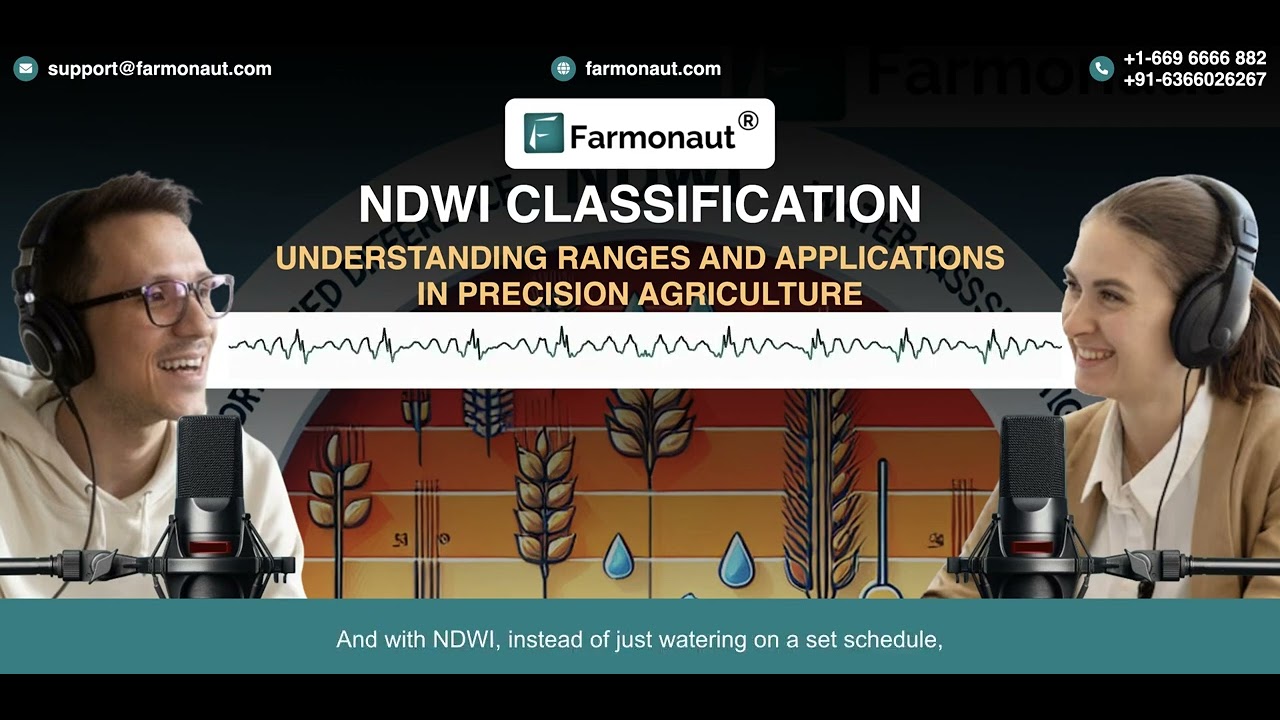
▶ How Satellites and AI Revolutionize Water Management in Farming
Modern Irrigation Examples & Innovations – 2025
- ✔ Drip/Solar Irrigation expansion in Chiredzi, Mutare, Masvingo—enabling dry-season cropping
- 💡 Community-based small dam schemes: Harnessing river and groundwater for clustered rural food production
- ⚠ Water loss due to leaks, evaporation, and aging dams is an ongoing challenge.
- 🌊 Rainwater harvesting and soil moisture retention: Mulching, zai pits, and minimum tillage
▶ The Vital Connection: How Soil & Water Shape Agricultural Success
Sustainability Challenges & Opportunities
- ⚠ Competing water demands (urban, industrial, agriculture) may strain rural access.
- 💡 Digital tools and satellite water indices (like NDWI) can guide national-scale irrigation, dam levels, and river flow management.
- ✔ Expanding water-efficient irrigation can double or triple food output in areas most exposed to climate risk.
Check out the Farmonaut Large Scale Farm Management offerings for efficient irrigation scheme planning and monitoring.
3. Forest Resources & Forest Cover: Green Lungs for Land, Water, & Diversified Products
Zimbabwe is home to about 45% forest cover—approximately 17 million hectares—making it one of Southern Africa’s most wooded nations. Forests provide timber and fuelwood, regulate water flows, protect soil, and are a source of diverse non-timber forest products (NTFPs) including fruits, nuts, wild honey, and medicinal plants. In recent years, the importance of agroforestry (trees in/around cropland) has gained prominence for both sustainable production and ecological conservation.
Key Benefits and Uses:
- 🌳 Watershed protection: Forests maintain vital river flow, prevent soil erosion, and ensure dam siltation is minimized—directly benefiting irrigation infrastructure.
- 🌱 Source of rural energy: Up to 85% of rural households rely on fuelwood for cooking.
- 🥜 Rural income: Non-timber products like marula and baobab contribute to food and income security, particularly for smallholder communities.
- 🌲 Agroforestry: Integration with crop and livestock activities boosts soil fertility, water holding, and microclimate moderation.

▶ Revolutionizing Farming with Satellite-Based Crop Health Monitoring
Forest health and sustainable forest management is a “hidden enabler” of water security and soil fertility across Zimbabwe—targeted surveillance and community incentives are necessary to halt deforestation after 2026.
Agroforestry Adoption in 2025
- 📊 On-farm woodlots enabling fuel self-sufficiency and biodiversity habitat
- 🌳 Riparian buffer strips created to lower flood and drought risk
- 🥔 Rotational grazing under forest canopy increases fodder and reduces land pressure
- ⚠ Fire outbreaks, unsustainable harvesting, and land-clearing threaten Zimbabwe’s forests
Our remote-sensing and environmental impact tracking services enable stakeholders to monitor deforestation, forest cover, and regeneration efforts at the district or province scale—critical for balancing agricultural land expansion with forest conservation.
For organizations seeking carbon credit and sustainability tracking, the Farmonaut Carbon Footprinting Solution helps assess and manage forest and land use emissions on the path to net-zero.
Sustainability Challenges & Opportunities
- ⚠ Annual forest loss remains significant in regions like Gokwe, Matabeleland North, and Mutoko.
- ✔ Agroforestry in communal areas can raise food and income security while regenerating degraded lands.
- 💡 Community resource management, with benefit sharing, encourages sustainable forest protection.
Find more ways to integrate forest management with farm planning through Farmonaut’s plantation & forest advisory.



4. Minerals Supporting Agricultural Infrastructure and Food Production
While Zimbabwe’s reputation for minerals centers on gold, diamonds, platinum, and chrome, the resources most critical for food security are minerals that support fertilizer production—especially phosphates and limestones. Local deposits in Dorowa, Buhera, Kwekwe, and Chinhoyi supply the base material for phosphate fertilizers essential for maize and cotton yields.
Key Uses & Relevance:
- ⛏️ Phosphates for fertilizer production help replace soil nutrients depleted by continuous cropping.
- 💡 Potash and lime mined locally correct soil acidity and improve crop uptake of other nutrients.
- 📈 Domestic mineral production reduces import dependency and stabilizes fertilizer prices, enabling more predictable food production costs.
- ⚒️ Agricultural lime from mining helps restore depleted soils—key for climate adaptation.
Integrating mineral resource monitoring with farm input usage data can boost nutrient use efficiency, target subsidies, and reduce over-application’s ecological harm.
The farm-to-fork security and transparency of fertilizer and agricultural inputs increasingly relies on digital solutions. Explore the Farmonaut Blockchain Traceability Solution, ensuring trust and origin verification for Zimbabwe’s agricultural supply chain.
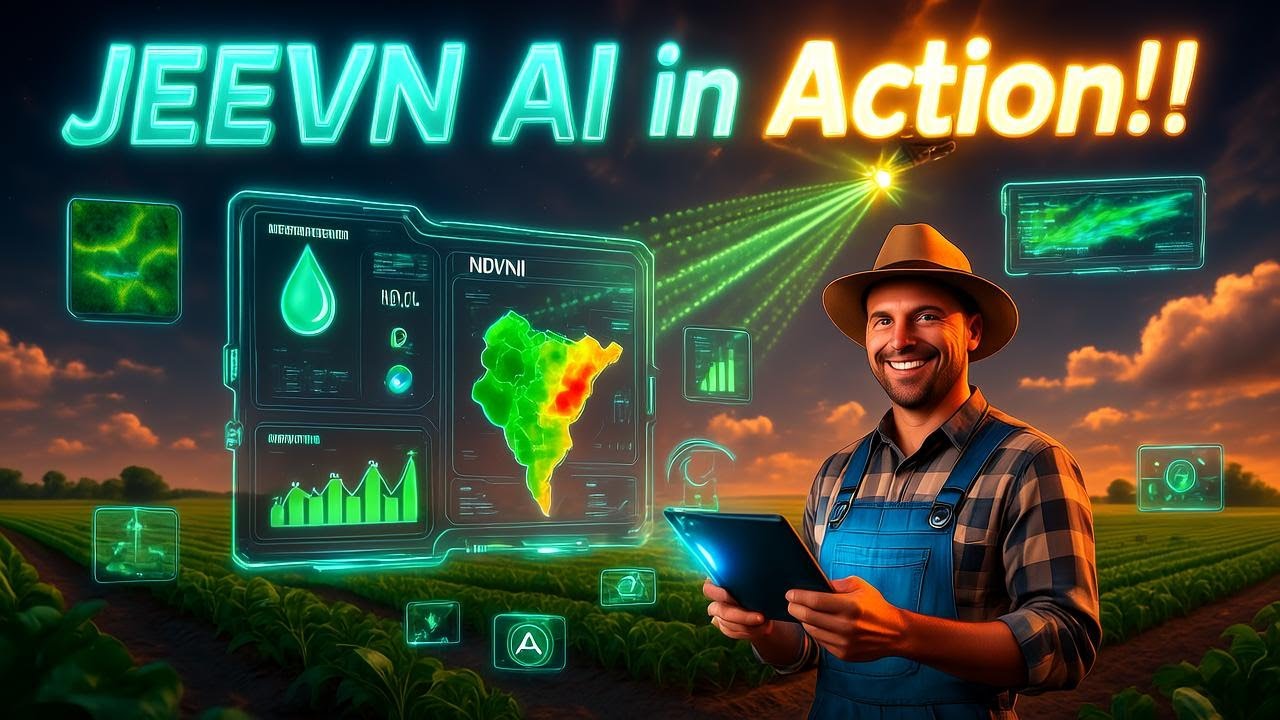
▶ JEEVN AI: Smart Farming with Satellite & AI Insights
Sustainability Challenges & Opportunities
- ⚠ Environmental impacts: Poorly managed mining for fertilizer resources can pollute water & degrade land.
- ✔ Domestic value addition creates jobs & reduces foreign exchange outflows for fertilizer imports.
- 💡 Sustainable mining best practices (site rehabilitation, water protection) must be enforced as national strategy.
For input dealers, coops, and banks, satellite-based verification of input application and field status can streamline Crop Loan and Insurance Services across Zimbabwe’s diverse agricultural sectors.
Local fertilizer mineral mining and digital traceability are “future-proof” sectors for food security investment as Zimbabwe moves toward import substitution and sustainable input self-sufficiency post-2026.
5. Wildlife and Biodiversity: Ecological Foundation for Agroecosystem Resilience
Zimbabwe’s rich wildlife and biodiversity—from the iconic African elephant to thousands of indigenous plant, insect, and crop species—is more than a tourism attraction. It’s a direct contributor to protein supply (through game ranching), pollinator services (critical for crop yields), and agro-ecosystem stability.
Key Contributions to Food and Agricultural Systems:
- 🦓 Community-managed game ranching offers rural protein sources and a diversified risk buffer for farmers in drought-prone districts.
- 🐝 Pollinators and beneficial insects, fostered by healthy biodiversity, enable higher fruit and seed set (vital for maize, cotton, fruit, and vegetable crops).
- 🌾 Crop Genetic Diversity: A wide array of traditional small grains (sorghum, millet), fruit trees, and livestock breeds enhances system resilience to pests, diseases, and climate stress.
- 👩🌾 Biodiversity anchors non-timber enterprises, like beekeeping, wild fruit gathering, and medicinal plant harvesting.
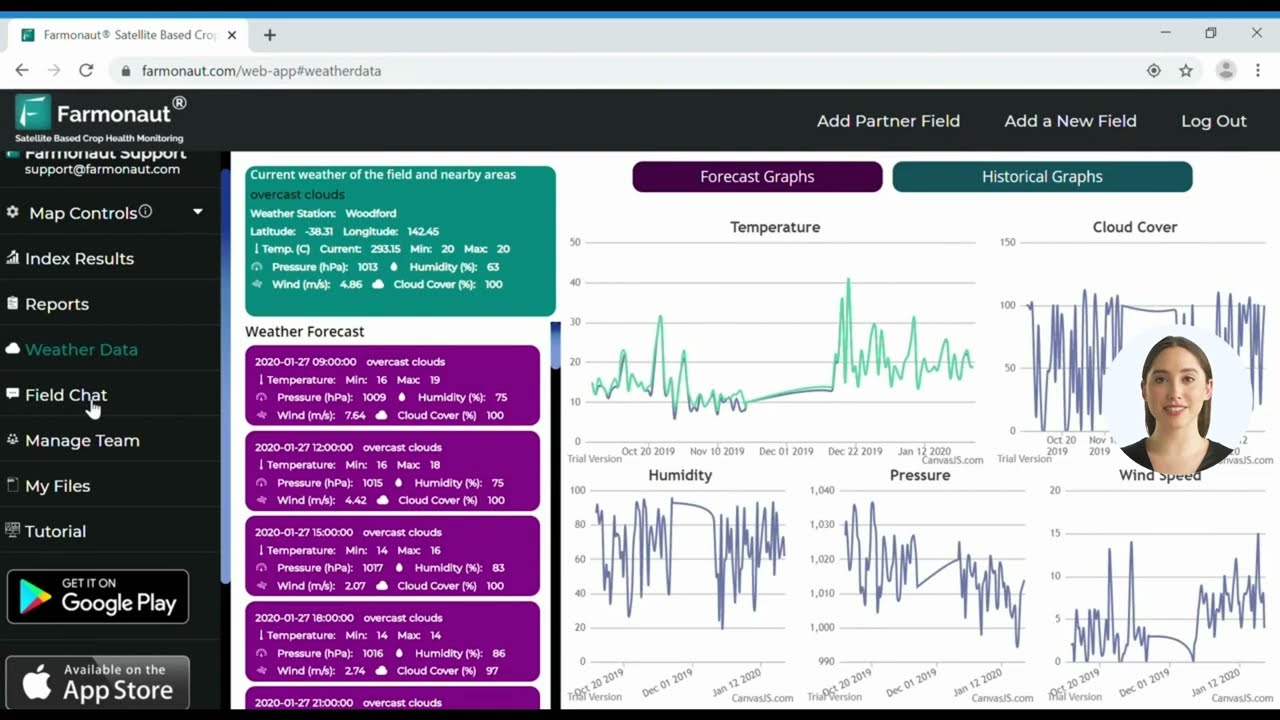
▶ Farmonaut Satellite Based Crop Monitoring App
- ✔ Maintains ecosystem services such as pest control and nutrient cycling
- ✔ Supports eco-tourism, generating rural finance for conservation and food security programs
- 🌿 Provides gene pools for adapting crops/livestock to future climates
- ⚠ Loss of biodiversity threatens sustainable development, crop resilience, and long-term food supply
Sustainability Challenges & Opportunities:
- ⚠ Poaching, habitat loss, and bush encroachment remain serious risks after 2026; community-based management is essential.
- ✔ Wildlife tourism and export of eco-friendly products generate conservation-linked income for rural Zimbabweans
- 💡 Biodiversity monitoring using satellites/AI identifies ecosystem health trends and supports intervention decision-making
For mission-critical biodiversity protection, Farmonaut’s environmental monitoring delivers actionable insights into habitat health, invasive species, and ecosystem services, supporting public and private sector ecosystem stewards.
Developers and researchers can access Farmonaut’s Satellite Monitoring API and our API Developer Docs to integrate biodiversity and habitat surveillance into their projects.
Visual List: Five Strategic Actions for Biodiversity Conservation (2026+)
- 🌍 Expand Protected Areas near agricultural hotspots
- 🤝 Incentivize community-based wildlife stewardship and habitat restoration
- 💻 Adopt satellite/AI monitoring to flag biodiversity loss events
- 🌾 Promote on-farm diversification with indigenous crop and livestock varieties
- ⭐ Link eco-tourism revenues directly to food security projects in rural districts
Zimbabwe’s future food supply is inseparable from healthy, biodiverse systems—biodiversity investment is not just environmental, but foundational for rural economic and nutritional security.
Integrating the 5 Natural Resources in Zimbabwe, Agriculture, Food, and Natural Resources for National Food Security
As 2026 dawns, Zimbabwe’s agricultural landscape remains complex and dynamic, with its future success tied intricately to the 5 natural resources in Zimbabwe—agriculture, food, and natural resources. Integrated, technology-enabled management is needed to ensure:
- 🌱 Sustainable intensification of arable land via conservation agriculture, crop rotation, and remote-sensing analytics
- 💧 Efficient water resource and irrigation system development that accounts for climate variability and populations needs
- 🌳 Forest cover protection and the adoption of agroforestry and sustainable woodlot management
- ⛏️ Ecologically sound mining of fertilizer minerals, with circular economy approaches to minimize waste
- 🌍 Sustained wildlife and biodiversity stewardship, blending conservation, rural enterprise, and food security
Agricultural productivity and development in Zimbabwe beyond 2025 are not about “more land” but smarter, sustainable resource management across all five pillars—land, water, forests, minerals, and biodiversity.
Unlock Affordable Resource Monitoring for Zimbabwe’s Agricultural Sector
Farmers, businesses, and policymakers seeking affordable, advanced monitoring and analytics for the 5 natural resources in Zimbabwe, agriculture, food, and natural resources can explore our subscription packages. We offer satellite-based crop, soil, water, and environmental impact monitoring tailored for Zimbabwe’s needs—accessible on web, Android, iOS, or via API for seamless integration.
- ✔ Affordable, region-wide resource monitoring for every Zimbabwean agricultural district
- 💻 API and App access (try now)
- 🌍 Carbon footprint and sustainability reporting solutions
- 🔗 Blockchain traceability integration for agricultural supply chains
- 📊 AI-driven crop & irrigation advisories (Jeevn AI and more)
FAQ: 5 Natural Resources in Zimbabwe, Agriculture, Food, and Natural Resources
Q1: What are the 5 natural resources shaping agriculture and food security in Zimbabwe?
A: They are fertile agricultural land, water resources, forest cover, minerals for fertilizers, and wildlife/biodiversity. These underpin crop and livestock production, drive rural development, and ensure food system resilience.
Q2: How important is water for Zimbabwe’s food production in 2026?
A: Water resources (rivers, lakes, dams) are vital for irrigation, livestock, and agro-processing. Investment in modern irrigation systems and efficient water use is essential to mitigate drought and boost food output amid increasing climate variability.
Q3: How can sustainable forest management improve food security?
A: Forests support soils, regulate water, offer fuel, diversify incomes, and contribute to nutrition through wild fruits. Sustainable management (e.g., agroforestry) preserves these services while allowing food production to expand.
Q4: What are the main challenges facing the sustainable management of these 5 resources in Zimbabwe?
A: Degradation from overuse, inefficient practices, and climate shocks; competition for water; deforestation; pollution from mining; and biodiversity loss. Technology, policies, and community stewardship are vital for overcoming these issues.
Q5: What tools exist for natural resource monitoring and sustainable management?
A: Satellite technology, AI, and blockchain-based solutions—like those offered by Farmonaut—empower users to monitor crop health, water levels, forest cover, and even supply chain traceability, supporting fact-based, sustainable agriculture.
Summary: Zimbabwe’s Natural Resources—The Backbone of Agriculture and Food Security (2026 & Beyond)
To achieve sustainable rural development, robust food security, and economic prosperity by 2026 and beyond, Zimbabwe must continue to harness, protect, and integrate its five major natural resources: fertile land, water, forests, minerals, and biodiversity.
- 🌱 Fertile soils and arable land are the cornerstone for productive agriculture, requiring ongoing investment in soil conservation and regenerative practices.
- 💧 Water systems—well-managed, technologically monitored, and expanded—support stable, year-round food supplies.
- 🌳 Forests and agroforestry not only buffer the climate but diversify rural incomes and ecological services—protected more effectively with satellite monitoring.
- ⛏️ Minerals for agricultural inputs enable food system self-reliance and cost resilience, especially if extraction is paired with environmental stewardship.
- 🦓 Biodiversity and sustainable wildlife use maintain resilience, economic diversity, and irrigation of Zimbabwe’s food chain against climate shocks and emerging pests.
In sum, ensuring food security and prosperity for Zimbabwe’s 16 million citizens depends on technology-driven, sustainable management of these natural resources—at both farm and national scale.
We at Farmonaut remain committed to helping Zimbabwean farmers, agribusinesses, and government agencies leverage satellite, AI, and blockchain technology to monitor, manage, and protect the country’s vital food and natural resources for years to come.
The future of Zimbabwe’s agriculture and food security will be built by uniting technology, policy, and local stewardship to sustain and enhance its five natural pillars—fertile land, water, forests, minerals, and biodiversity.
Discussion
Questions, corrections or field experience? Share them below. First-time comments are reviewed before they appear, and your email is never published.
No comments yet. Be the first to add a question or your experience.

 LACOS Geoinformation
 Pulsar Supernova
 Magrifly
 LatConnect 60
 Disease Free Life
 WebsEdge
 Blickwinkel
 Agricultural Credit Policy Council
 MCSOD
MCSOD Marei Nursery
 eKGIS
eKGIS Mostas Tech
 Andex
Andex FCF India
 Unifrutti Gulf
 Deluxe Conseil
 WICO
WICO
 Licence holder · Niger · Gold
 Licence holder · Nigeria · Gold + lithium










