

Agriculture Namibia: 2026 Sustainable Innovations
Table of Contents
- Summary: Agriculture in Namibia in 2025 and Beyond
- Geographical & Climatic Context: Namibia’s Vast and Diverse Landscape
- Key Agricultural Activities: Crop & Livestock Farming
- Technological Integration and Sustainable Innovations in Agriculture Namibia
- Comparative Innovations Impact Table
- Climate, Water, and Sustainability Challenges in Agriculture Namibia
- Government Initiatives and Policy Support
- 2026 and Beyond: Opportunities, Outlook, & The Road Ahead
- Farmonaut Satellite-Powered Solutions for Agriculture Namibia
- FAQs: Agriculture Namibia & Sustainable Innovations
“Namibia aims to increase sustainable agricultural output by 30% by 2026 through advanced climate-smart technologies.”
Summary: Agriculture in Namibia—A Pillar of Sustenance and Economic Growth in 2025
Agriculture Namibia remains a critical component of the country’s economy, supporting nearly 40% of the population through employment and livelihoods. In 2025, the agricultural sector stands at the forefront of national growth, sustenance, and development. The vast and diverse landscape of Namibia presents unique opportunities and challenges that require adaptive strategies, sustainable practices, and innovative technologies to optimize productivity.
- ✔ Key Benefit: Food security remains a cornerstone of economic and social stability in Namibia.
- 📊 Data Insight: Nearly 40% of Namibia’s population relies on the agricultural sector for livelihoods and sustenance.
- 💡 Pro Tip: A focus on sustainable farming practices and climate-smart methods is essential for long-term growth and productivity.
- ⚠ Common Mistake: Overgrazing and unsustainable land use reduce productivity and amplify ecological risks in fragile environments.
- 📈 Investor Note: The country’s increased focus on export markets, technology integration, and value-added industries signals promising long-term sector growth.

Farmonaut Web App: Monitor Namibia Agriculture Remotely
Geographical & Climatic Context: Namibia’s Vast and Diverse Landscape
Namibia’s geographical spread is both its blessing and its main constraint. The agriculture Namibia sector faces a diverse environment, with much of the country falling within the Namib Desert. Other regions include savannahs and woodlands, making traditional farming methods challenging.
Key Features:
- ✔ Arid-to-Semi-Arid Climate: Rainfall averages between 300 and 600 millimeters annually, with erratic rain patterns and frequent droughts.
- ✔ Dominance of Water Scarcity: Water resources are limited, requiring careful planning, conservation, and innovative irrigation solutions.
- ✔ Regions: Oshana, Ohangwena, Kavango—northern areas with higher, more reliable rainfall and expanded irrigation projects.
- ✔ Constraints: Sandy or poor-quality soils demand conservation farming and soil health improvement techniques.
- ✔ Opportunities: Underground aquifers and river systems such as the Kunene and Okavango offer potential for greater irrigation and resilience.
Namibia’s geographical context means adaptation is not just a strategy but a necessity for sustained agricultural productivity. With frequent droughts and water scarcity dominating planning, continued development of resilient agricultural practices is paramount to the country’s food security and rural development.
The unique geography of Namibia—its deserts, savannahs, and woodlands—demands continuous innovation in water management, crop varieties, and land-use planning to ensure a sustainable agriculture Namibia future.
Key Agricultural Activities: Crop & Livestock Farming in Namibia
Agricultural production in Namibia falls primarily into two main categories:
- Crop Farming
- Livestock Production
1. Crop Farming
Despite often harsh and arid conditions, Namibia’s crop production is primarily concentrated in the northern regions—the Oshana, Ohangwena, and Kavango—where higher and more reliable rainfall occurs. Staple crops include:
- ✔ Millet (Pearl and Mahangu)
- ✔ Sorghum
- ✔ Maize
- ✔ Other Drought-Tolerant Crops
Recent advances in drought-resistant seed varieties, soil conservation techniques, and expanded irrigation projects have improved yields and enabled farmers to withstand increasingly irregular rain patterns.
2. Livestock Farming
Livestock remains the backbone of Namibian agriculture. Key products include:
- ✔ Cattle
- ✔ Goats
- ✔ Sheep
- ✔ Indigenous breeds like the Damara goat and cattle
Communal and commercial cattle farming support both local consumption and significant export markets such as the European Union and South Africa. The branding system for beef ensures Namibian meat is recognized for high quality internationally, contributing to export earnings and supporting rural livelihoods.
Namibia’s rising export profile—especially in beef and meat products—and the implementation of blockchain-based traceability solutions are helping to raise international confidence. This is attracting investment in agricultural value chains and supporting sustainable sector growth.

Technological Integration and Sustainable Innovations in Agriculture Namibia
The year 2026 marks an era of transformation in agriculture Namibia. The adoption of advanced technologies and climate-smart practices has grown significantly as the sector seeks to counteract water scarcity, desertification, and erratic rainfall. Let’s explore the most impactful innovations driving Namibia’s sustainable agricultural future.
A. Digital & Satellite Technology
- ✔ Precision farming tools: Satellite monitoring (e.g., soil moisture, crop health via NDVI), digital weather forecasts, and remote-sensing optimize resource use and improve productivity.
- ✔ Digital platforms: Provide farmers with up-to-date information on market prices, weather patterns, and advisory services—bridging vital information gaps.
- ✔ Blockchain traceability: Ensures the origin and authenticity of agricultural products for both local and export markets. This strengthens consumer trust and sector transparency. Learn more about traceability and food supply chain transparency.

B. Water-Efficient Irrigation and Soil Health
- ✔ Drip and solar-powered irrigation systems: Significantly reduce water usage, making cultivation viable even in arid and semi-arid zones.
- ✔ Underground aquifers & river-fed irrigation: In the northern regions, sustainable projects tap into river systems such as the Kunene and Okavango.
- ✔ Soil conservation and carbon farming: Agroforestry, reduced tillage, and regenerative agriculture techniques restore soil health and enhance carbon sequestration.
C. Climate-Resilient Seed Varieties & Crop Diversification
- ✔ Drought-tolerant seed varieties: Innovative varieties of millet, sorghum, and maize help farmers withstand irregular rainfall patterns and ensure stable yields.
- ✔ Expanded arable land: Improved water management allows for the cultivation of new areas previously unsuitable for agriculture.
- ✔ Agro-processing industries: Create value-added products, foster rural employment, and strengthen export opportunities.
D. Modern Resource & Fleet Management
- ✔ Fleet and agricultural resource management tools: Optimize logistics, improve vehicle and equipment use, cut down on operating costs, and increase sector efficiency. Explore fleet management solutions for farmers.
For maximum efficiency and sustainability, combine satellite-driven monitoring with regenerative practices (cover cropping, conservation tillage, and carbon footprint tracking). This approach helps Namibia’s farmers adapt to climate challenges while sustaining economic growth.
“Over 60% of Namibian farms are expected to adopt precision farming tools for improved yields and resource management by 2026.”

Comparative Innovations Impact Table: Namibia’s Sustainable Agricultural Tools (2026)
| Innovation Name | Year Introduced (Est.) | Main Benefit | Est. Adoption Rate (%) | Environmental Impact |
|---|---|---|---|---|
| Drip Irrigation Systems | 2018 | Water efficiency; reduced evaporation | 45% | ↓30% water use; Conserves aquifers |
| Drought-Resistant Seed Varieties | 2019 | Yield stability under erratic rainfall | 63% | ↓Crop loss, soil resilience |
| Precision Agriculture Tools (e.g., Satellite Monitoring) | 2020 | Optimized inputs, yield increase | 60% | ↓Runoff, ↓chemical use |
| Solar-Powered Irrigation | 2021 | Energy & water savings | 38% | ↓Fossil fuel reliance |
| Blockchain Traceability | 2023 | Transparency for export markets | 28% | ↓Fraud, ↑consumer trust |
| Agroforestry & Conservation Practices | 2024 | Improved soil fertility, carbon sequestration | 41% | ↓Erosion, ↑carbon storage |
Failing to adapt to new agricultural innovations (such as drought-resilient seeds, satellite monitoring, and efficient irrigation) can significantly reduce productivity and resilience—especially in Namibia’s climate-vulnerable regions.
- 🌱 Agroforestry: Integrating trees with crops to improve yields and combat desertification.
- 🔬 Precision tools: Soil and crop monitoring by satellites for data-driven decisions.
- 🔒 Blockchain: Product traceability for export and food safety assurance.
- ☀ Solar irrigation: Clean, renewable energy for more efficient water use.
- 🧬 Drought-resistant seeds: Crop resilience for unpredictable rainfall.
Climate, Water, and Sustainability Challenges in Agriculture Namibia
Namibia’s agricultural sector faces persistent challenges worsened by climate change. These include:
- ⚠ Erratic Rainfall and Droughts: With rainfall averaging just 300–600 millimeters annually and high year-to-year variation, crop yields and livestock output are highly unpredictable.
- ⚠ Water Scarcity: Droughts are frequent; sustainable use of underground aquifers and river-fed irrigation requires careful management.
- ⚠ Soil Degradation: Overgrazing and unsustainable land use degrade soil fertility, reducing productivity and increasing vulnerability to desertification.
- ⚠ Smallholder Farmer Constraints: Limited access to credit, modern inputs, and technology restrict scalable, diversified, and profitable farming.
- ⚠ Market Access & Infrastructure: Poor rural infrastructure and challenging access to export markets suppress earnings for communal farmers.
Effective climate adaptation for agriculture Namibia will depend on increased investments in water harvesting, infrastructure development, and technology-driven solutions tailored to the country’s unique climatic constraints.
How Are Farmers Addressing These Challenges?
- Integrating Water Conservation Practices—including drip irrigation, solar-powered pumps, and water harvesting systems.
- Adopting Drought-Resilient Seeds and conservation agriculture to withstand erratic weather.
- Using Digital & Remote Technology for yield prediction, resource optimization, and financial management. Start with large-scale farm management solutions.
Government Initiatives and Policy Support
The Namibian government is committed to making agriculture a pillar of national development. Multiple initiatives aim to foster food security, empower rural farmers, and scale sustainable practices.
Major Policy Initiatives:
- ✔ Agricultural Transformation Agenda: Prioritizes food security, enhances rural employment, and seeks sectoral export diversification by supporting infrastructure and modern techniques.
- ✔ Water Harvesting and Irrigation: Investments in major river-fed and aquifer-fed irrigation projects (see above), crucial for expanding arable land and improving productivity.
- ✔ Research for Climate-Resilient Crops and Breeds: Partnerships with local research bodies focus on drought-tolerant crops, soil improvement, and indigenous livestock breeds.
- ✔ Digital Extension Services: Expanding access to online advisory services for farmers, improving adoption of sustainable and efficient practices.
Access crop loan and insurance solutions to mitigate climate risks.
Missing out on government support, innovation grants, or extension services can significantly undermine smallholder resilience and productivity, especially in challenging years.
- ✅ Improved water infrastructure through river and aquifer-fed irrigation in the northern regions (Oshana, Ohangwena, Kavango)
- ✅ Drought-resistant crop varieties via research initiatives
- ✅ National food security and export earnings invested back into rural communities
- ✅ Capacity building and digital literacy programs for farmers
- ✅ Emphasis on sustainable grazing to prevent overgrazing and restore soil

2026 and Beyond: Opportunities, Outlook, & The Road Ahead for Agriculture Namibia
Namibia’s agricultural sector stands at a critical crossroads in 2026. By embracing adaptive technologies and climate-resilient practices, the country can achieve sustainable productivity, food security, and robust export growth.
Sector Growth Opportunities:
- Expanding agro-processing industries to add value, create jobs, and strengthen export capacity.
- Empowering smallholder and communal farmers through accessible technology, capacity-building, and financial inclusion.
- Leveraging blockchain-based traceability and carbon footprint monitoring for higher export premiums and regulatory compliance. See: track and reduce carbon emissions for sustainable farming.
- Implementing land-restoration and soil conservation initiatives to combat desertification and regenerate fragile ecosystems.
- Integrating digital and AI-powered extension services to close knowledge gaps and enhance on-farm decision-making.
Investments in precision agriculture, sustainable processing industries, and climate monitoring platforms are projected to offer both economic and environmental dividends for Namibia’s agriculture sector.
Farmonaut Satellite-Powered Solutions for Agriculture Namibia in 2026
We at Farmonaut are committed to empowering agriculture Namibia through cost-effective, satellite-driven solutions that drive sector growth, resilience, and sustainability. Our mission is to make advanced satellite-based insights accessible to all stakeholders—farmers, businesses, policy-makers, and financial institutions—supporting data-driven agricultural innovation.
Farmonaut’s Core Technologies:
- 🚀 Satellite Monitoring: Multispectral imagery to assess crop health (NDVI), track soil moisture, and monitor agricultural landscapes for optimal farm management.
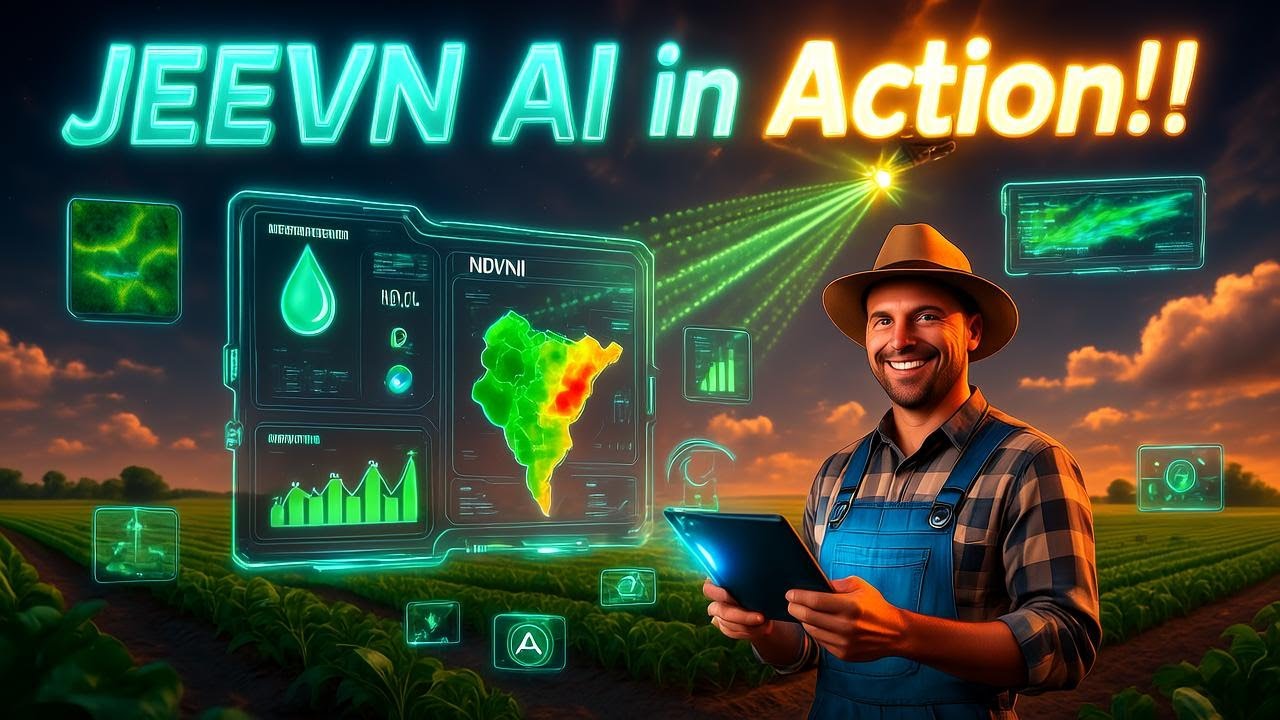
- 🤖 Jeevn AI Advisory System: Delivers real-time, AI-driven agricultural insights (weather, pest risks, crop health) and customized strategies.
- 🔒 Blockchain-Based Traceability: Ensures transparency and authenticity in agricultural supply chains. Read more about product traceability for export and food safety.
- 📦 Fleet & Resource Management: Optimize logistics and reduce costs across vast rural landscapes. Get started with fleet management tools for agriculture.
- 🌍 Environmental Impact Tracking: Carbon footprint monitoring to support sustainable practices and help users achieve climate compliance and certification.
Learn more about carbon footprinting for agriculture.


Why Satellite & AI for Namibia’s Agriculture Sector?
- 🌾 Enhanced Productivity: Real-time insights on crop health, soil conditions, and field variability help optimize yields and resource use.
- 🌱 Sustainability: Environmental monitoring and precision farming minimize fertilizer, water, and chemical use—supporting the environment and sector growth.
- 🌐 Scalability: Farmonaut’s platform is accessible to everyone—from smalla holders to government ministries—across mobile, desktop and via API integrations.
View our API documentation for seamless onboarding.
Maximize sustainability credentials and access premium export markets by leveraging Farmonaut’s carbon tracking and traceability modules—essential for Namibia’s future-facing agriculture sector.

FAQs: Agriculture Namibia & Sustainable Innovations
Q1: What are the biggest challenges facing farming in Namibia?
The main challenges include climate change (erratic rainfall, frequent droughts), water scarcity, soil degradation, and limited access for smallholder farmers to modern technologies and financial resources. Overcoming these requires innovative irrigation, climate-resilient seed varieties, soil conservation, and digital infrastructure investment.
Q2: How is technology helping Namibia’s agriculture in 2026?
Technology—especially satellite monitoring, AI-driven advisory, blockchain traceability, and solar-powered irrigation—is transforming productivity, sustainability, and sector transparency. Farmers now optimize inputs, withstand climate risks, and unlock premium export markets with data-driven insights.
Q3: Which areas of Namibia have the highest agricultural potential?
The northern regions—including Oshana, Ohangwena, and Kavango—have greater rainfall, fertile river basins (Kunene and Okavango), and extensive irrigation projects, offering the best prospects for expanding both crop and livestock production.
Q4: How do satellite-powered apps like Farmonaut support Namibian farmers?
We provide real-time satellite observations, advisory through AI (e.g., Jeevn AI system), blockchain for transparent trading, and carbon monitoring—making cutting-edge solutions accessible across devices and via API. This empowers farmers, businesses, and institutions to monitor, manage, and sustainably grow agriculture Namibia.
Q5: Where can I access more resources about satellite-based crop monitoring and management?
Explore the Farmonaut Web App for direct access, and check out our developer API docs for integration into wider agricultural management systems.
As the world advances towards 2026, agriculture Namibia stands out for its innovative spirit, environmental stewardship, and commitment to sustainable rural development. Smart farming, satellite-based monitoring, and climate adaptation are not only boosting production but also securing the country’s role as a pillar of sustenance and economic growth.
Discussion
Questions, corrections or field experience? Share them below. First-time comments are reviewed before they appear, and your email is never published.
No comments yet. Be the first to add a question or your experience.

 Deepak Fertilisers & Petrochemicals
 Sapoznick Farms
 Agrotoken
 Blue BearX
 Insignito
 Croptimum
 DnCubed
 Field Capacity
 Indosistim Teknologi
 Liquify Digital
 CU Foods
 BeyondTech Global
 Rouge VC
 AgroGreen Dynamics
 AgroRisk
 Oath Inc
 Reddane Farming
 Esri North East Africa
 Licence holder · Niger · Gold










