

Agroforestry Systems in Kenya: Top Advantages & Review for 2025
“In Kenya, agroforestry systems can increase crop yields by up to 30% compared to conventional farming methods.”
“By 2025, over 40% of Kenyan farms are expected to adopt agroforestry for improved soil health and sustainability.”
Summary: Agroforestry in Kenya’s Future
Agroforestry, encompassing the integration of trees and shrubs into crop and livestock systems, is set to redefine sustainable agriculture in Kenya by 2025 and beyond. Far from being a simple blend of agriculture and forestry, it is a transformative approach that addresses soil degradation, biodiversity loss, and climate unpredictability—major challenges in modern Kenyan agriculture. The agroforestry advantages range from enhanced yields and soil fertility to economic diversification, carbon sequestration, and improved resilience against environmental threats.
With over 40% of Kenyan farms projected to adopt agroforestry by 2025, the landscape is poised for dramatic progress in sustainable food production, rural income, and ecological restoration. Agroforestry consultancy and technology, especially satellite solutions, are proving critical in scaling these systems. This article delves into the core aspects of agroforestry systems in Kenya, their myriad benefits, reviews of recent group initiatives, and why now—more than ever—agroforestry is gaining unprecedented attention in Kenya’s journey towards sustainable development.



Understanding Agroforestry Systems in Kenya
Agroforestry in Kenya refers to an approach where trees—both indigenous and exotic species—are strategically planted alongside crops like maize, beans, and coffee, or fodder trees are integrated into pasturelands for livestock. These systems are designed to provide complementary benefits between crops, trees, and sometimes animals.
- Diverse agroforestry systems are tailored to Kenya’s varied climatic zones and soil types, ensuring maximum productivity and environmental restoration.
- Agroforestry implements methods such as alley cropping, silvopastoral models, parkland systems (widely spaced trees in cropland), and boundary/buffer planting.
- This deliberate integration improves soil structure, boosts organic matter, enhances water retention, and supports climate adaptation.
- Farmers benefit from increased food security and resilience in changing climatic and economic conditions.

Why Agroforestry Is Crucial in Kenya for 2025
As we approach 2025, Kenyan agriculture is at an inflection point. The challenges of soil erosion, declining fertility, and unpredictable rainfall patterns—all exacerbated by climate change—are increasingly threatening farmer livelihoods and food production. Conventional farming practices have led to soil degradation, loss of biodiversity, and a heavy dependency on chemical inputs, which is neither sustainable nor climate-resilient.
Agroforestry systems in Kenya provide a resilient framework for sustainable land use by:
- Restoring degraded soils through organically enriched matter from leaf litter and root biomass.
- Fixing atmospheric nitrogen, especially using leguminous trees, thus replenishing soil nutrients and reducing dependence on costly fertilizers.
- Stabilizing yields and minimizing the impact of adverse climatic conditions.
- Providing a diversified income for rural farmers—from timber, fruit, nuts, medicinal plants, and fodder—lowering economic risks.
- Supporting biodiversity by creating habitats and corridors for pollinators and wildlife, essential for robust ecosystems and crop pollination.

In this evolving landscape, agroforestry consultancy and technology platforms are pivotal in accelerating the adoption, optimizing planting schedules, and ensuring evidence-led management practices. This makes the integration of agroforestry systems an essential path for Kenya’s sustainable future.
Key Types of Agroforestry Systems in Kenya
Kenya’s agroforestry systems are as diverse as its climates and landscapes. They are categorized based on land use patterns, species involved, and their environmental or economic focus. Common systems include:
1. Silvopastoral Agroforestry Systems
- Description: The integration of trees and shrubs with pasturelands, supporting livestock while enhancing soil health.
- Species: Fodder trees such as Leucaena leucocephala, Sesbania sesban, and Calliandra are commonly used to supplement animal diets.
2. Alley Cropping (Hedgerow Intercropping)
- Description: Row planting of leguminous trees or shrubs (Gliricidia, Calliandra, and Sesbania) between rows of annual crops such as maize or beans.
- Benefits: Trees add nutrients, reduce erosion, shade crops, and provide biomass for mulch.
3. Parkland Agroforestry
- Description: Widely spaced trees are maintained or planted within croplands, typical in Kenya’s semi-arid zones (Acacia species, Faidherbia albida).
- Impact: Provides shade, fixes nitrogen, and increases crop resilience in harsh conditions.
4. Boundary and Buffer Planting
- Description: Tree and shrub rows are established along field edges for windbreaks, erosion control, and provision of non-timber forest products.
5. Homegardens (Agri-horti-silviculture)
- Description: Intensive systems around homesteads, combining fruit trees, vegetables, medicinal plants, and timber species for household needs.
Each system is suited for specific environmental and socio-economic contexts in Kenya, providing multifaceted advantages and supporting sustainable development by 2025.
Comparison Table: Agroforestry Systems & Advantages
| System Type | Description | Estimated Yield Increase (%) | Soil Fertility Improvement | Biodiversity Impact | Carbon Sequestration (tonnes/ha/year) | Suitability for Kenyan Regions |
|---|---|---|---|---|---|---|
| Silvopasture | Integrates trees, pasture, and livestock | 20–30% | High | Medium–High | 5–8 | Central, Rift Valley, Western |
| Alley Cropping | Rows of trees with crops (maize, beans) | 15–25% | High | Medium | 3–6 | Western, Nyanza, Central |
| Parkland | Widely spaced trees in crop fields | 10–18% | Medium | Medium | 2–4 | Semi-arid/Northern Kenya |
| Boundary Planting | Trees planted along farm edges | 5–12% | Low–Medium | Medium | 1–3 | Nationwide |
| Homegardens | Diverse trees and crops near homesteads | 12–20% | High | High | 2–5 | Lake Region, Central, Western |
Note: The data above reflect estimated values identified in recent agroforestry group reviews and publications; local outcomes will depend on species selection, management practices, and climate adaptability.

Core Advantages of Agroforestry Systems in Kenya
Agroforestry advantages in Kenya are multifaceted, supporting environmental, economic, and social goals. Let’s explore some of the most impactful benefits as we move towards 2025:
-
1. Soil Fertility Improvement:
Agroforestry systems improve soil structure by increasing organic matter from leaf fall, root biomass decay, and periodic pruning. Particularly, leguminous trees fix atmospheric nitrogen, naturally replenishing nutrients without dependency on chemical fertilizers. -
2. Climate and Drought Resilience:
Trees provide shade that reduces evaporation and temperature extremes; their roots aid in water retention. These mechanisms enable farmers to maintain stable yields even under adverse conditions. -
3. Economic Diversification:
Beyond staple crops, farmers harvest timber, fruit, nuts, fodder, and medicinal products, buffering income during economic or climatic shocks. -
4. Enhanced Biodiversity:
Agroforestry promotes a mosaic habitat for pollinators and natural enemies of pests, boosting ecosystem stability and crop yields. -
5. Carbon Sequestration:
Trees in agricultural landscapes sequester significant carbon, supporting Kenya’s global climate change mitigation commitments.
Learn about satellite-based carbon footprint tracking for sustainable farms.
-
6. Reduced Soil Erosion & Land Degradation:
Roots stabilize soil and tree canopies break rainfall impact, reducing both erosion and runoff. -
7. Improved Food Security:
Multi-tier cropping and perennial products provide food and income through the year even when annual crops fail. -
8. Social and Community Benefits:
Group-based agroforestry initiatives foster knowledge exchange, collective natural resource management, social cohesion, and empower local cooperatives. -
9. Enhanced Market Access Through Traceability:
Modern traceability solutions, such as those powered by blockchain, help farmers verify the origin and sustainability of their products, increasing credibility and market value.
Explore blockchain-based product traceability for agricultural systems.
-
10. Access to Financing & Insurance:
Satellite-based systems can provide objective farm data supporting crop loan and insurance access.
Secure your farm’s future with satellite-verified insurance and loans.
Challenges and Considerations in Agroforestry Adoption
Despite the transformative potential of agroforestry, Kenya faces critical challenges in scaling adoption:
- Knowledge Gaps: Many farmers lack detailed understanding of suitable tree species, site-specific practices, and management methods for maximal benefit.
- Delayed Returns: While annual crops deliver income quickly, trees require years to mature—this creates hesitancy for smallholder and resource-constrained farmers.
- Land Tenure Issues: Unclear land rights discourage long-term investment like tree planting, especially in communal lands.
- Pest and Disease Interaction: Trees can sometimes harbor pests or compete with crops for light and water if poorly managed.
- Lack of Seedlings & Technical Support: Quality seeds, reliable nurseries, and access to expert guidance can limit agroforestry expansion.
Agroforestry consultancy and innovation platforms—providing soil assessments, spatial planning, and remote management—are key to overcoming these hurdles.

Agroforestry Consultancy: Catalyzing Adoption and Success
As agroforestry advantages become widely recognized, dedicated agroforestry consultancy services are accelerating the adoption and scaling of sustainable systems in Kenya. These consultancies play several critical roles:
- Customizing Species Selection: Advising on indigenous and exotic species suited to local soils, climate, and farmer preferences.
- Site and Soil Assessment: Using on-ground and satellite technology to determine appropriate design, spacing, and management plans.
Explore
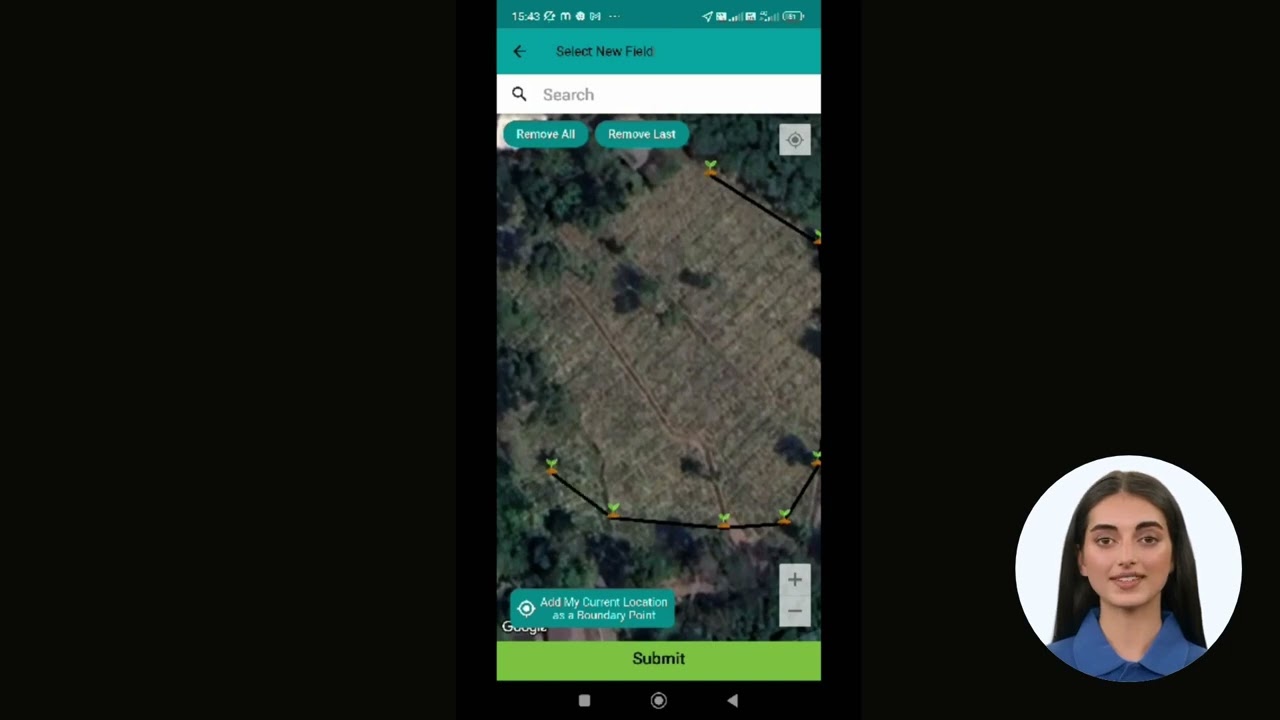
Farmonaut’s Large-Scale Farm Management platform for seamless field mapping and data insights. - Training & Capacity Building: Facilitating workshops, farmer field schools, and field demonstrations to spread best methods and accelerate peer learning.
- Business Model Development: Helping farmers and cooperatives create value chains and linkages for fodder, timber, and non-timber products.
- Policy and Grant Support: Assisting with compliance, grant applications, and alignment with county or national land management plans.
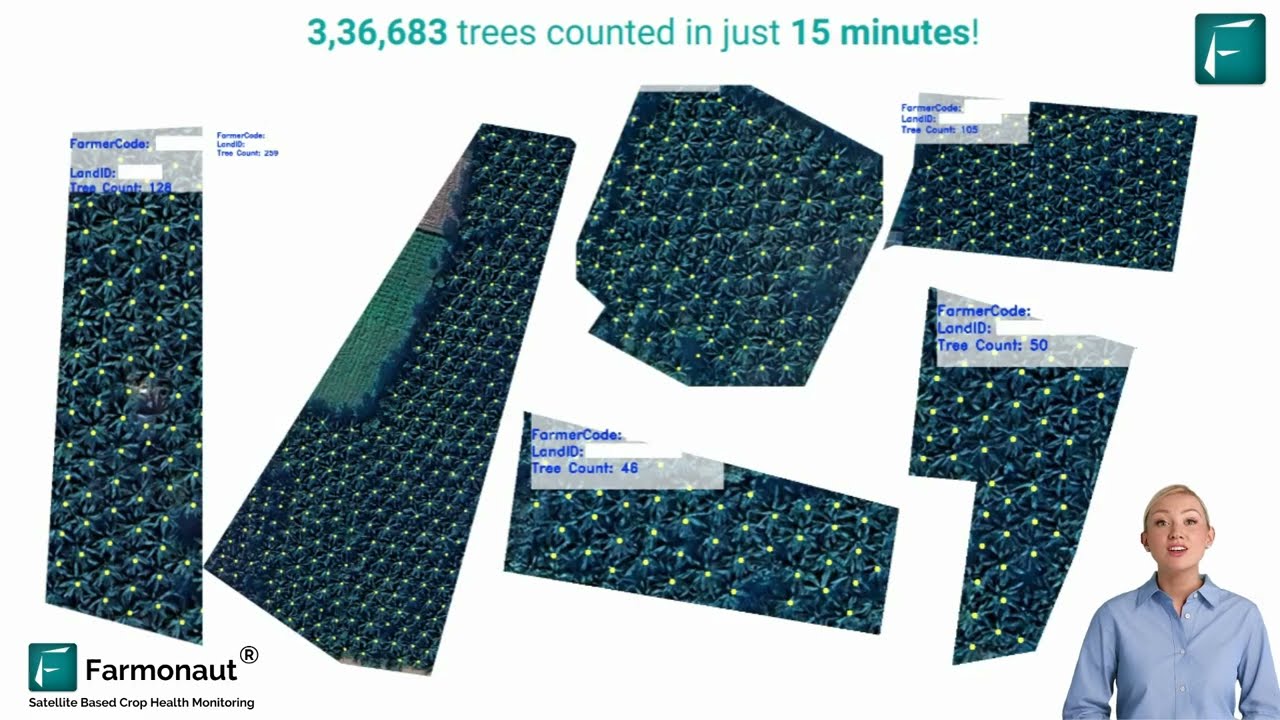
- Monitoring & Scaling via Satellite & AI: Automated crop and tree mapping for improved decision making.
Learn how modern fleet and resource management allows better deployment and monitoring of agroforestry initiatives.
The right consultancy—whether local NGO, academic, or commercial enterprise—brings together technical expertise, data analytics, and farmer engagement for maximum impact.
Agroforestry Group Reviews in Kenya (2023-2025)
Agroforestry group reviews—encompassing cooperatives, NGOs, and community-based organizations—have revealed consistently positive outcomes from system implementations across Kenya in recent years:
-
Yield & Soil Quality Improvement:
Groups report crop yield increases by 15–30%, with substantial gains in organic matter and soil microbe abundance. -
Economic Uplift:
Households participating in group initiatives enjoy improved cash flow and reduced risk due to the diversity and resilience of agroforestry crops and products. -
Community Empowerment:
Peer learning and collective action have enhanced natural resource management capacity, with a focus on long-term sustainability amidst land use pressures. -
Biodiversity & Landscape Restoration:
There are observable increases in landscape biodiversity—more birds, insects, and plant species—strengthening regional ecosystem services. -
Improved Food Security:
Families gain multi-season food security, especially in years with unfavorable rainfall. -
Role of Smart Technology:
Real-time monitoring and AI-driven recommendations—like Farmonaut’s Jeevn AI and remote sensing—are now aiding groups and cooperatives.
Integrate satellite agroforestry insights with Farmonaut’s API for seamless group monitoring and scaling.
For developer documentation, visit the
Farmonaut Satellite Weather API Developer Docs
.
“In Kenya, agroforestry is not just a technical practice, but a community-driven movement for environmental and social transformation.”
Farmonaut: Bringing Agriculture into the Satellite Era
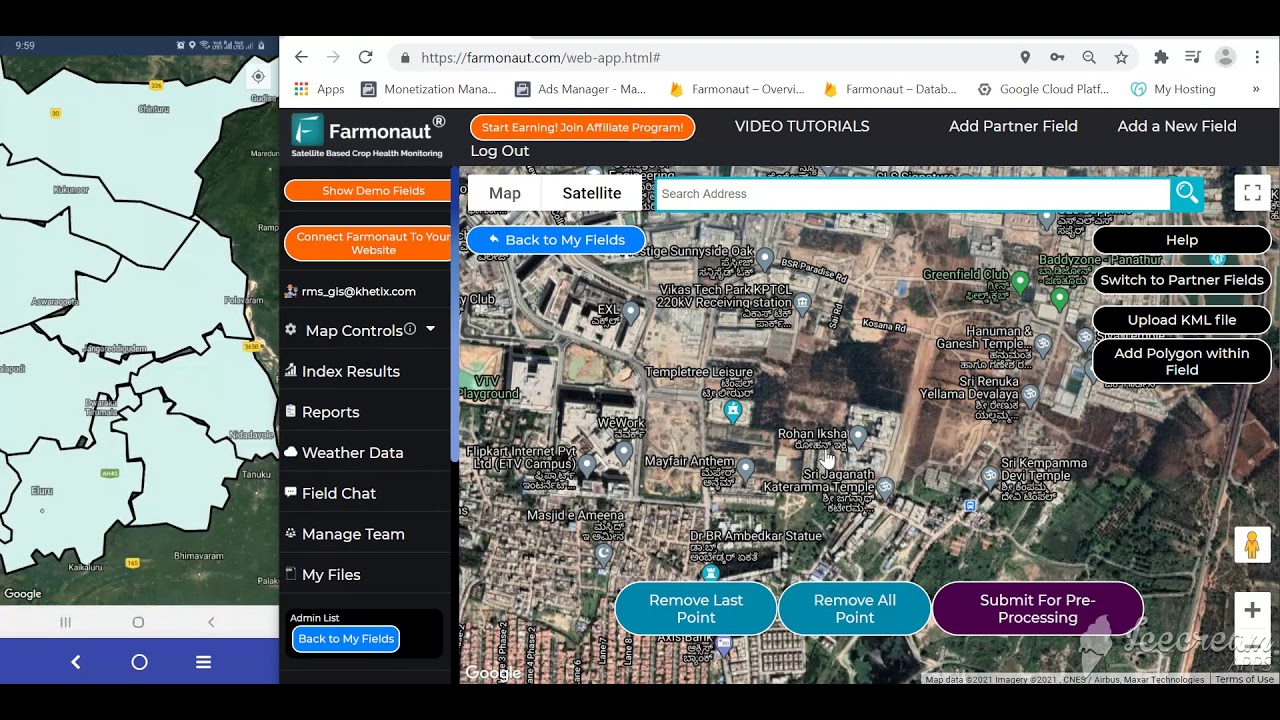
At Farmonaut, we understand that agroforestry systems require data-driven management for maximum impact. Our satellite-based platform delivers actionable insights on crop health, soil conditions, and tree cover—empowering both individual farmers and large cooperatives to make timely, confident decisions.
- Satellite-Based Monitoring: Leverage high-resolution images to remotely track vegetation health (NDVI) and soil moisture—key metrics for sustainable agroforestry management.
- Jeevn AI Advisory System: Our AI tool delivers real-time weather forecasts, warnings, and tailored agroforestry strategies—helping optimize planting and resource allocation.
- Blockchain Traceability: Trace agricultural and forest products from origin to market, supporting transparency, compliance, and consumer trust in sustainable Kenya agroforestry.
- Real-Time Resource and Fleet Management: Organize and optimize deployment of field workers, nursery logistics, and harvest fleets for enhanced agroforestry project efficiency.
- Environmental Monitoring: Our platform enables real-time tracking of carbon footprint, water use, and ecosystem impact, supporting greener agroforestry practices in line with global sustainability standards.
Want to experience advanced monitoring for yourself?
Looking to streamline large-scale agroforestry operations? Our agroforestry and crop plantation advisory platform delivers field mapping, yield tracking, and remote support for sustainable Kenyan agriculture.
Affordable Farmonaut Subscriptions for All: Satellite-Driven Agroforestry Insights
FAQ on Agroforestry in Kenya 2025 & Beyond
Agroforestry is the deliberate and strategic integration of trees and shrubs into crop and livestock farming systems. Conventional farming focuses only on crops or animals, while agroforestry blends the strengths of both forestry and agriculture, providing enhanced soil structure, better biodiversity, and resilience to climate impacts.
Q2: What are the main advantages of agroforestry systems in Kenya?
The main advantages include: improved soil fertility, higher crop yields, enhanced climate resilience, diversified farmer incomes, increased carbon sequestration, better biodiversity, effective land restoration, and long-term sustainability.
Q3: How do agroforestry systems help address climate change in Kenya?
Agroforestry sequesters carbon through tree growth, protects crops from erratic weather, and builds soil health that retains water and nutrients—thus providing a resilient framework against climate impacts.
Q4: Are there economic benefits for smallholder Kenyan farmers adopting agroforestry?
Yes, farmers in Kenya benefit from new income streams such as timber, fodder, fruits, and medicinal crops, reducing risk and boosting rural livelihoods while improving food and income security.
Q5: What is the role of agroforestry consultancy and technology in Kenya?
Agroforestry consultancy services provide expert recommendations on species selection, soil assessments, and management practices, often using satellite technology and AI for large-scale, data-driven solutions. These consultancies are critical for scaling adoption and ensuring project success.
Q6: Where can I access satellite-based monitoring or advisory for agroforestry?
Visit the Farmonaut app or large-scale agroforestry advisory platform for state-of-the-art monitoring and management tools.
Conclusion: Charting a Sustainable Path for Kenyan Agriculture
The integration of trees, crops, and livestock within agroforestry systems offers Kenya a critical path to resilient, sustainable, and profitable agriculture by 2025 and beyond. Through soil restoration, climate adaptation, diversified livelihoods, and strengthened community action, agroforestry stands as a cornerstone strategy for environmental and food security.
As recent agroforestry group reviews prove, the results are tangible: better yields, restored landscapes, empowered rural groups, and a more secure future for Kenyan agriculture in an era of climate uncertainty. The role of agroforestry consultancy and technology platforms, including real-time satellite monitoring, is more important than ever for scaling adoption and unlocking system-wide benefits.
For farmers, consultants, and policy-makers looking to invest in sustainable agricultural systems, agroforestry in Kenya is a scientifically proven, economically viable, and environmentally imperative strategy—paving the way for enhanced productivity, ecological restoration, and national resilience well into the future.
Discussion
Questions, corrections or field experience? Share them below. First-time comments are reviewed before they appear, and your email is never published.
No comments yet. Be the first to add a question or your experience.

 BayWa
BayWa Azure Clouds
 MCSOD
MCSOD Marei Nursery
 eKGIS
eKGIS Mostas Tech
 Native Seeds
 Andex
Andex FCF India
 Unifrutti Gulf
 Deluxe Conseil
 TVS Electronics
 WICO
WICO Chimera Innovation
 SkyHarvest
 Licence holder · Niger · Gold
 Licence holder · Nigeria · Gold + lithium










