

Table of Contents
- Introduction: The Vital Role of Agriculture in Nigeria
- Aspects of Agriculture in Nigeria
- Aspects of Farming: Practice, Technology, and Organization
- Aspect Forestry: Sustainable Management & Biodiversity
- Prospect of Agriculture in Nigeria
- Agricultural Inspectors: Roles, Compensation & Impact
- Comparative Trend Analysis Table: Sectoral Insights
- Key Highlights: Fast Facts, Tips & Insights
- Farmonaut: Satellite Technology for Modern Agriculture
- Frequently Asked Questions
- Conclusion: Advancing Agriculture in Nigeria
“Nigeria’s agriculture sector employs over 36% of the nation’s workforce, making it the country’s largest employer.”
Aspects of Agriculture & Farming: Top Prospects Nigeria
Agriculture in Nigeria sits at the vibrant intersection of subsistence livelihoods and ambitious, export-driven development. This sector is not merely a backbone; it’s an evolving powerhouse, shaping rural economies, assuring food security, and unlocking the nation’s industrial potential. From smallholder farms producing yams, cassava, and maize, to sprawling estates growing cocoa and palm oil for export, the aspects of agriculture in Nigeria are as diverse as its people and agro-ecological zones.
The relevance of agriculture spans not only crop farming, but also the management of livestock, strategic forestry practices, and the integration of natural-resource-based industries. Add to this an increasing need for sustainable practices, resilient systems, competent inspector roles, and robust sectoral resilience—and the significance of focused exploration is clear.
In this comprehensive guide, we’ll explore the aspects of agriculture, aspects of farming, and aspect forestry in Nigeria, assess the prospect of agriculture in Nigeria from multiple perspectives, and spotlight the role of inspectors, their growing compensation, and strategic importance.
Modernizing Nigeria’s agriculture hinges on integrated technologies, sustainable practices, and effective regulatory support—setting the foundation for growth and global competitiveness.
Aspects of Agriculture in Nigeria: Scope, Systems & Sustainability
The aspects of agriculture in Nigeria extend far beyond planting seeds and harvesting crops. They include:
- Crop Production: Producing staples such as yams, cassava, maize, and rice, alongside high-value crops like cocoa, sesame, and palm oil, defines household nutrition and national export revenues. The infusion of modern irrigation, hybrid seeds, and nutrient management boosts both yield and resilience to climate change and variability in weather.
- Livestock & Aquaculture: From backyard poultry to integrated large-scale dairy and fish farming systems, animal protein production in Nigeria is growing fast. This diversification underpins rural incomes and enhances protein availability across food systems.
- Forestry & Agro-Forestry: Our forest resources deliver both timber and non-timber products, support ecosystem health, and contribute to climate adaptation and rural livelihoods. Sustainable management is vital in ensuring both economic and ecological returns.
- Infrastructure Linkages: The development of new roads, storage facilities, and logistics hubs not only reduces losses but also enables timely delivery to markets and processing plants.
- Climate & Resilience: With changing rainfall, rising temperatures, and emerging pests and diseases, resilience strategies—like drought-resistant varieties, precision soil health management, and early warning systems—are not just beneficial but essential.

These components together create the multidimensional landscape of agriculture in Nigeria.
🌍 Pillars of Agricultural Development in Nigeria
- 🌱 Sustainable Crop Systems: From seed innovation to integrated pest management
- 🐄 Diversified Livestock & Aquaculture: Boosting protein supply and income streams
- 🌳 Forest & Biodiversity Protection: Balancing timber production with climate resilience
- 🚜 Robust Rural Infrastructure: Linking farms to markets, storage, and processing
- ⏳ Adaptive Climate Strategies: Ensuring yields in the face of shifting weather patterns
Nigeria’s diversified agro-climatic zones and large population create rare opportunities for investors focusing on agricultural value chains, logistics, and export markets.
To unlock advanced agricultural monitoring and data-driven management, discover Farmonaut’s Crop, Plantation & Forest Advisory. For real-time satellite-driven crop health insights, explore the Large Scale Farm Management App.



Programmatic access? Farmonaut Satellite API and Developer Docs are available for advanced and automated agricultural intelligence, supporting seamless integration into agribusiness and industry platforms.
- ✔ Access to finance and micro-credit enables scaling and modernization of farm operations.
- 📊 Data-driven strategies using satellite and AI can enhance yield prediction and market orientation.
- 🌐 Export opportunities in palm oil, cocoa, and sesame help diversify Nigeria’s revenue streams.
- ⚠ Risks include infrastructure gaps, post-harvest losses, and variable climate across agro-ecological zones.
- 💡 Integration of modern traceability and supply chain tech is vital to meet international standards and boost Nigerian exports.
Aspects of Farming: Practice, Technology, and Organization
The aspects of farming in Nigeria revolve around the interplay of tradition and technology, community and commerce, and local knowledge and global markets. Let’s delve deeper:
Smallholder Dynamics & Rural Livelihoods
The majority of Nigerian farmers operate on a smallholder or family-based scale, facing constraints in access to finance, inputs, and mechanization. These challenges underscore a need to strengthen:
- Input Supply Channels: Coordinated delivery of seeds, fertilizers, and crop protection products.
- Extension Services: Knowledge sharing via training, field demonstrations, and extension support networks.
- Organizational Capacity: Formation of cooperatives or farmer groups for improved bargaining and resource sharing.
Technology Adoption & Precision Farming
Advances in precision agriculture, mobile advisory platforms, and mechanization—such as drones, GPS-guided tractors, and IoT sensors—are transforming productivity:
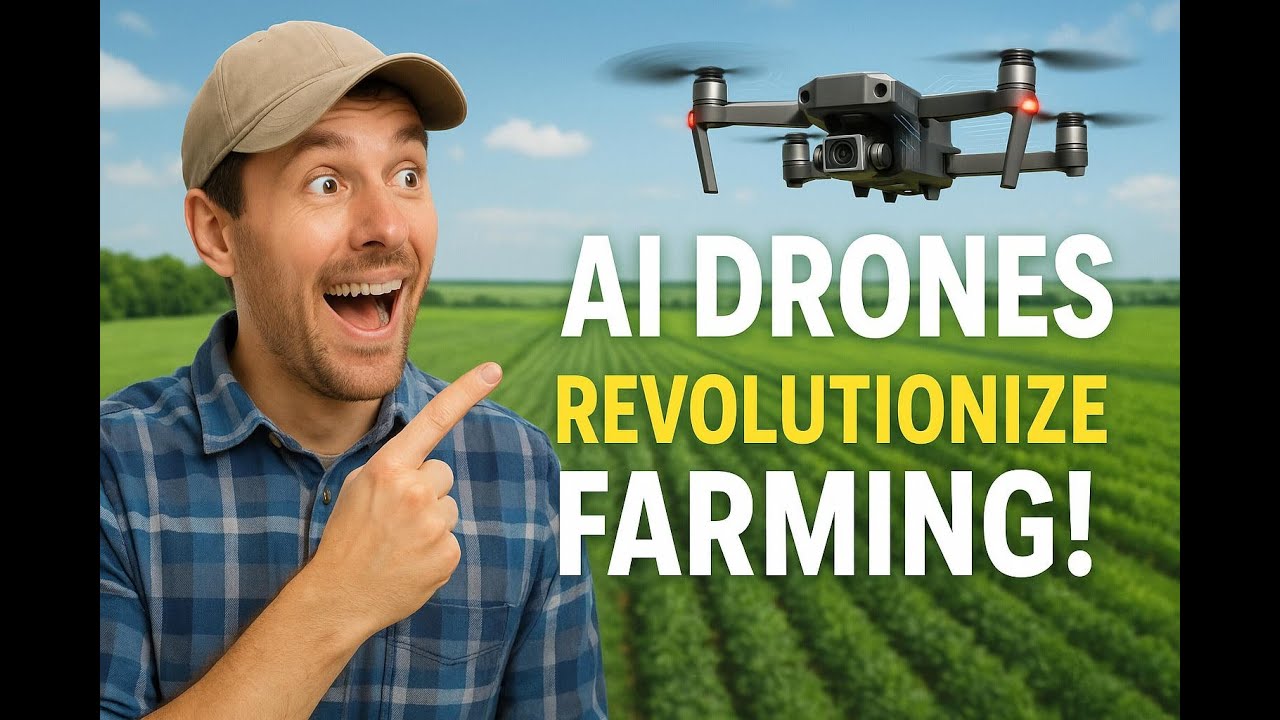
- Yield Monitoring: Satellite-based crop health tracking enables targeted management and minimizes losses.
- Fertilizer and Irrigation Optimization: AI and remote sensing advise farmers when and how much to apply—key for both resource efficiency and sustainability.
- Pest & Disease Prediction: Real-time alerts allow preventive measures, minimizing the use of chemicals and reducing crop losses.
🚀 Technology-Driven Improvements
- 🤖 AI-based Advisory: Custom recommendations for each farm plot.
- 🌡 Weather Data Integration: Improved planting and harvesting schedules tied to local climate zones.
- 🌾 Mechanization: Less labor intensity, faster operations, and efficient cropping calendars.
For intelligent, satellite-based farm advisory, check out Jeevn AI on Farmonaut Agro Admin App—harnessing AI, weather data, and satellite insights for large and small farms alike.

Market Orientation, Value Chains & Logistics
Connecting farmers to vibrant markets and ensuring compliance with increasing quality standards bolsters value creation:
- Agri-Cooperatives aggregate produce, reducing transaction costs and providing leverage in negotiations.
- Export Chains demand traceable production, requiring robust record-keeping and certification.
- Efficient Logistics and cold storage solutions shrink post-harvest losses—a crucial improvement area in Nigeria.
Farmonaut’s Blockchain Product Traceability enhances transparency and compliance—critical for exporters and industrial processors.
Ignoring post-harvest management and logistics often leads to significant value losses. Prioritizing storage, traceability, and market alignment is essential for securing income and national food security.
Education, Extension & Environmental Stewardship
Training and ongoing knowledge transfer—from soil improvement to sustainable integrated pest management—are integral to resilient farming:
- Farmer Field Schools: Peer-to-peer and extension-led learning models spread sustainable techniques.
- Conservation Practices: Reduced tillage, use of cover crops, and organic amendments boost soil health and reduce environmental degradation.

To ensure long-term productivity, environmental stewardship is no longer optional—it’s a requirement for sustainable growth. Farmonaut’s Carbon Footprinting tool allows agricultural enterprises to quantify and reduce their climate impact, aligning with global environmental standards.
Leverage satellite data, weather advisory, and blockchain technology to stay ahead in compliance, certification, and export competitiveness—especially for Nigeria’s cocoa, palm oil, and sesame industries.
“Forestry contributes about 2.6% to Nigeria’s GDP, supporting both rural livelihoods and national economic growth.”

Aspect Forestry: Sustainable Management & Biodiversity
Nigerian forestry and agro-forestry present immense opportunities—and challenges—in balancing timber extraction, biodiversity, and ecosystem services. Key aspects include:
- Sustainable Timber Production: Introducing regulated harvesting, efficient woodlot management, and value-added timber processing.
- Non-Timber Forest Products (NTFPs): Shea butter, gum arabic, rattan, bamboo, and medicinal plants support diversification of rural income sources.
- Biodiversity & Conservation: Community-based reforestation and woodlot projects ensure that forests continue delivering vital services, like climate resilience and soil protection, for farming regions.
- Climate Change Mitigation: Forests act as climate buffers, storing carbon and reducing risk from soil erosion and extreme weather.

These solutions promote sustainable resource use and help Nigeria meet its environmental commitments while safeguarding a critical livelihood source for millions.
Monitor, map, and manage forests effectively with Farmonaut’s Crop, Plantation & Forest Advisory service.
Community-driven forest management and sustainable agro-forestry hold the key to rural resilience in Nigeria’s diverse agro-ecological zones.
Prospect of Agriculture in Nigeria: Opportunities and Challenges Ahead
The prospect of agriculture in Nigeria is robust, driven by population growth, strategic investments, and expanding global demand for sustainably produced agro-products. Prominent areas framing future growth include:
Growth Potential & Diversification
- Expanding Population: Internal demand for cereals, roots, and protein sources continues to rise.
- Favorable Agro-Climatic Zones: Regions such as the Middle Belt are ideal for large-scale farming and export-oriented crops.
- Agro-Processing & Value Addition: New investments in processing plants, export chains, and logistics hubs boost sectoral diversification.
- Youth Engagement: Policies and technology integration are making agriculture more attractive to Nigeria’s young population.

Policy, Finance & Regulatory Framework
- Streamlined Land Access: Reforms continue to address bottlenecks in land acquisition and formal documentation, critical for large-scale commercial farming.
- Credit for Smallholders: Agricultural loans and insurance—enabled by digital verification tools—reduce risk and facilitate scaling up.
- Stable Policy Environment: Predictable government policies and incentives attract private sector investment and promote rural transformation.
Financial institutions can verify farm conditions for loans and insurance using Farmonaut’s Crop Loan & Insurance Satellite Service.
Commitment to agricultural innovation and rural infrastructure improvements are critical for sector-wide success and food system resilience in Nigeria.

Integrating technology with community-centric practices, diverse value chains, and robust quality standards is transforming Nigeria’s agricultural sector from a subsistence model into a globally competitive industry.
- ✔ Strategic investments in roads, storage and market logistics offer exponential yield improvement opportunities.
- 📊 Nigeria’s export chains for cocoa, palm oil, and sesame are set for significant growth with evolving quality compliance.
- ❤️ Supportive extension services and youth-targeted finance can drive rural transformation and sectoral modernization.
- ⚠ Persistent climate risks demand continued focus on adaptation, conservation, and innovative traceability solutions.
- 🔎 Inspector roles are crucial for ensuring agricultural safety, compliance, and market access.
Agricultural Inspectors: Roles, Compensation & Impact
Inspectors are essential agents of quality, safety, and compliance across Nigeria’s agricultural, livestock, and forestry sectors. Understanding the scope and dynamic nature of the agriculture inspector salary and duties helps clarify their sectoral value:
Inspector Roles: Diverse Responsibilities
- Crop Inspection: Ensuring field compliance with pesticide use, input standards, pests, and disease management.
- Livestock & Aquaculture Oversight: Animal health, safe feed input, and vaccine regimen audits.
- Forest and Agroforestry Checks: Monitoring adherence to sustainable management plans and permit systems for timber and NTFPs.
- Agricultural Commodity Regulation: Authenticating export and domestic product batches, including block-chain based traceability and ecosystem health criteria.
- Certification & Licensing: Overseeing licensing of agribusinesses, plant health certification, and compliance with food safety standards.
Compensation & Professional Growth
- Salary Benchmark: Inspector compensation in Nigeria typically aligns with technical positions in agriculture and natural resources at both federal and state levels.
- Scope of Duties: Roles and pay adjust based on specialty—crop, livestock, forestry—or scale (local, regional, national).
- Career Progression: Inspector roles increasingly offer upskilling opportunities and strong sectoral demand for new entrants, especially with the integration of digital traceability and environmental compliance tech.
Neglecting inspector feedback or sidestepping compliance checks can jeopardize entire supply chains and restrict export access.
Comparative Trend Analysis Table: Sectoral Growth Prospects in Nigeria
| Agricultural Sector | Estimated Annual Growth Rate (%) | Key Sustainable Practices Adopted | Major Challenges | Inspector Role Impact | Future Prospects (2024-2030) |
|---|---|---|---|---|---|
| Crop Farming | 5.5%–6.8% | Improved seeds, soil health management, integrated pest control, irrigation, conservation farming | Post-harvest losses, climate variability, limited access to finance | Enforces input and food safety standards, certification, pest and disease management | High—Yield gains and technology adoption are accelerating; strong export growth expected |
| Livestock | 4.0%–5.2% | Improved breeding, veterinary services, integrated crop-livestock systems, feed quality management | Disease outbreaks, feed costs, animal health | Monitors animal health, supervises veterinary protocols, oversees safety compliance | Medium—Protein demand is rising; tech and finance access are growth enablers |
| Forestry | 2.5%–3.1% | Sustainable management, reforestation, woodlot development, NTFP value chains | Illegal logging, loss of biodiversity, weak enforcement | Ensures legal compliance, timber tracing, ecosystem and permit monitoring | Moderate—Conservation, NTFPs, and carbon trading are growth drivers |
| Aquaculture | 6.0%–7.5% | Water recycling, improved breeds, disease management, ecosystem-based approaches | Water quality, feed cost, disease outbreaks | Regulates farm inputs, bio-safety, and disease control practices | High—Urban demand and export market expansion are fueling rapid growth |
Key Highlights, Tips & Insights for Stakeholders
Stay competitive by integrating precision agriculture, digital record-keeping, and blockchain traceability — these innovations underpin export readiness and traceability standards.
🌟 5 Stakeholder Strategies for Nigeria’s Agriculture Transformation
- 🌱 Adopt sustainable intensification—conserve soil, optimize inputs, and reduce chemical use.
- 📲 Leverage digital extension services for agronomic updates and real-time field monitoring.
- 🚚 Invest in cold-chain and storage solutions to cut post-harvest losses and boost profits.
- 💰 Pursue innovative finance tools—satellite-verified loans and insurance lower rural risk and open avenues for scaling operations.
- 🎯 Align with emerging market and export standards by using traceability and compliance platforms.
Enhance supply chain visibility with Farmonaut’s Fleet Management solution for agriculture and logistics, improving vehicle, resources, and crop distribution efficiency.
Farmonaut: Satellite Technology for Modern Agriculture
At Farmonaut, we believe that making satellite-driven insights affordable and accessible is central to democratizing agriculture, mining, and infrastructure development—in Nigeria and beyond. Our platform combines satellite imagery, AI, blockchain, and weather-data integration to empower farmers, agribusinesses, businesses, and government agencies with real-time, actionable intelligence.
How Farmonaut’s Technology Works
- 🌍 Satellite Monitoring: Multispectral images for precision crop health, soil conditions, and resource management.
- 🤖 Jeevn AI Advisory: AI-generated weather and farming advisories that optimize planting, irrigation, input use, and harvesting.
- 🔗 Blockchain Traceability: End-to-end tracking for commodity exports, meeting stringent international standards on safety and provenance.
- 🚜 Fleet & Resource Management: Optimize logistics and farm equipment deployment—boosting operational efficiency and reducing losses.
- 🌱 Environmental Impact Monitoring: Automated carbon reporting for compliance with global climate commitments.
Curious to see how it works? Watch our latest tutorial:
For users seeking robust, scalable solutions to match their growing operations, our Large Scale Farm Management platform provides end-to-end monitoring, analytics, and decision-support across multiple fields and geographic zones.
Farmonaut’s API and developer documentation ensure seamless integration of crop, forestry, and logistics intelligence into existing industry or government systems.
Join us in building a resilient, data-driven agricultural future for Nigeria.
Frequently Asked Questions (FAQ)
1. What are the main aspects of agriculture in Nigeria?
The key aspects of agriculture in Nigeria are crop production, livestock farming, aquaculture, sustainable forestry, and integrated agro-based industries. These encompass everything from yield maximization and climate adaptation to value-adding logistics, environmental conservation, and regulatory compliance.
2. How does technology improve agriculture and farming?
Technology—like satellite monitoring, AI-powered advisory, and blockchain traceability—enhances productivity, enables precise input use, reduces risk, and assures compliance with both local and international safety standards. Remote monitoring improves response times and reduces losses across the value chain.
3. What are the growth prospects for agriculture in Nigeria?
The prospect of agriculture in Nigeria is vibrant due to population growth, increased demand, government and private-sector investments, and a drive toward enhanced quality and export capacity, especially in crops like cocoa, sesame, and oil palm.
4. Who are agricultural inspectors and what do they do?
Inspectors are technical professionals who monitor, audit, and enforce compliance with quality, safety, and environmental standards across all segments of the agricultural value chain. They play a pivotal role in ensuring market access, credible certification, and reduction of risks such as pest outbreaks or illegal logging.
5. How can smallholder farmers in Nigeria access digital advisory and satellite monitoring?
Through apps and affordable subscription models like those offered by Farmonaut, even small farms can gain access to global-standard satellite-driven insights and AI-based recommendations. This helps them increase their yields, reduce costs, and expand market access.
Conclusion: Advancing Agriculture in Nigeria
In sum, the aspects of agriculture, aspects of farming, and aspect forestry in Nigeria represent a dynamic, ever-expanding landscape of opportunity and innovation. The prospect of agriculture in Nigeria hinges on adopting disciplined practices, modern technologies, strong infrastructure, and credible regulatory oversight. The growing role of inspectors, the steady rise in agriculture inspector salaries, and the mainstreaming of transparent, sustainable management will shape rural transformation, unlock jobs, and reinforce Nigeria’s global competitiveness.
As technology advances and the policy environment matures, Nigerian agriculture is poised not just to feed, but to power the nation’s future—fueling diversified industries, rural prosperity, and resilient, inclusive economic growth.
Join Farmonaut in embracing a smarter, more resilient era for Nigerian agriculture.

 Godrej Agrovet
 Hayleys Agriculture
 Linx Agritech
 Adinet
 Save Your Soils
 GalaxEye Space
 Grandstream Algérie
 XOS Realty
 Geospatial Lab Africa
 Agro La Gándara
 HIPSAC
 ZOL Zimbabwe
 Juligerm
 AdBio
AdBio MISE Maroc
 NWNS
NWNS Red August Group
 Farm Inc
 WeMe Global
 Agrotoken
 Blue BearX
 Insignito
 DnCubed
 Indosistim Teknologi
 Liquify Digital
 CU Foods
 BeyondTech Global
 Rouge VC
 AgroRisk
 Oath Inc
 Esri North East Africa
 MDCV UK
 Etech Consulting Madagascar
 Vestlandsforsking
 WB Dev
 Sama Premium
 Tres Valles
 Blickwinkel
 Agricultural Credit Policy Council
 eKGIS
eKGIS Mostas Tech
 Andex
Andex Deluxe Conseil
 WICO
WICO Chimera Innovation
 SkyHarvest
 Teledarbas
 Exurbia Geospatial
 FieldZero
