

Data Africa API: Kenya Crop Harvest Area & AI Harvest
Revolutionizing Agriculture in 2025 with Advanced Analytics & Artificial Intelligence
Table of Contents
- Kenya Agricultural Data Trivia
- Introduction: The Data Revolution in Kenyan Agriculture
- What is the Data Africa API? A Central Platform for Harvested Area Data
- Understanding Crops Harvested Area Metrics in Kenya
- Analyzing Crop Production Value Across Kenya: Turning Data into Revenue
- AI Harvest: How Artificial Intelligence Is Transforming Kenyan Harvests
- Combining Data Africa API with AI Harvest for Smart, Sustainable Farming
- The Role of Real-Time Weather & Satellite-Driven Insights
- Farmonaut’s Satellite Technology Ecosystem
- Optimizing Supply Chains and Markets with Data & AI
- Driving Sustainability & Climate Resilience Across Africa
- Comparative Data Table: AI vs Traditional Crop Harvesting in Kenya
- The Future: Food Security & Inclusive Growth in 2025 and Beyond
- Farmonaut Apps & APIs: Accessibility and Integration
- Frequently Asked Questions (FAQ)
- Conclusion
Trivia: Kenya Agricultural Data
“Kenya’s AI-powered harvest analytics increased agricultural data insights by over 40% using Data Africa API in the past year.”
Introduction: The Data Revolution in Kenyan Agriculture
The fusion of advanced analytics and artificial intelligence (AI) is revolutionizing agriculture across Africa—and in 2025, Kenya is a prime example of this transformative wave. The utilization of sophisticated platforms like the Data Africa API—especially for tracking crops harvested area and production analytics—sits at the core of this transition from traditional to technologically advanced farming models.
Kenya, a country with diverse agro-ecological zones and agriculture as a key economic pillar, benefits greatly from this tech-driven approach. By leveraging AI-driven harvesting technologies, stakeholders can enhance productivity, reduce waste, and strengthen food security. This in-depth blog uncovers how aggregated datasets, real-time weather, satellite imagery, and AI-powered tools are optimizing not only the harvested area but also the overall farm-to-market journey in Kenya’s thriving agricultural sector.

What is the Data Africa API? A Central Platform for Harvested Area Data
At the heart of Kenya’s agricultural transformation lies the Data Africa API—a platform aggregating vast, comprehensive datasets from multiple sources, including satellite imagery, weather sensors, and crop reports. The API serves as a critical resource by providing stakeholders with real-time, highly detailed insights into crops harvested area, production values, and farm health.
- Data Africa API Crops Harvested Area: Gives precise, region-wise data on land utilized for cultivation—crucial for agricultural planning and resource allocation.
- Data Africa Crops by Production Value Kenya: Offers analytics on which crops contribute most significantly to the country’s agricultural revenue.
- API Integrations: Enabling seamless incorporation of harvested area and crop analytics into farm management platforms, supply chain systems, and policy dashboards.
The Data Africa API is easily accessible, providing a unified interface for developers and agribusinesses. For technical details and integration guidelines, you can refer to their API Documentation.
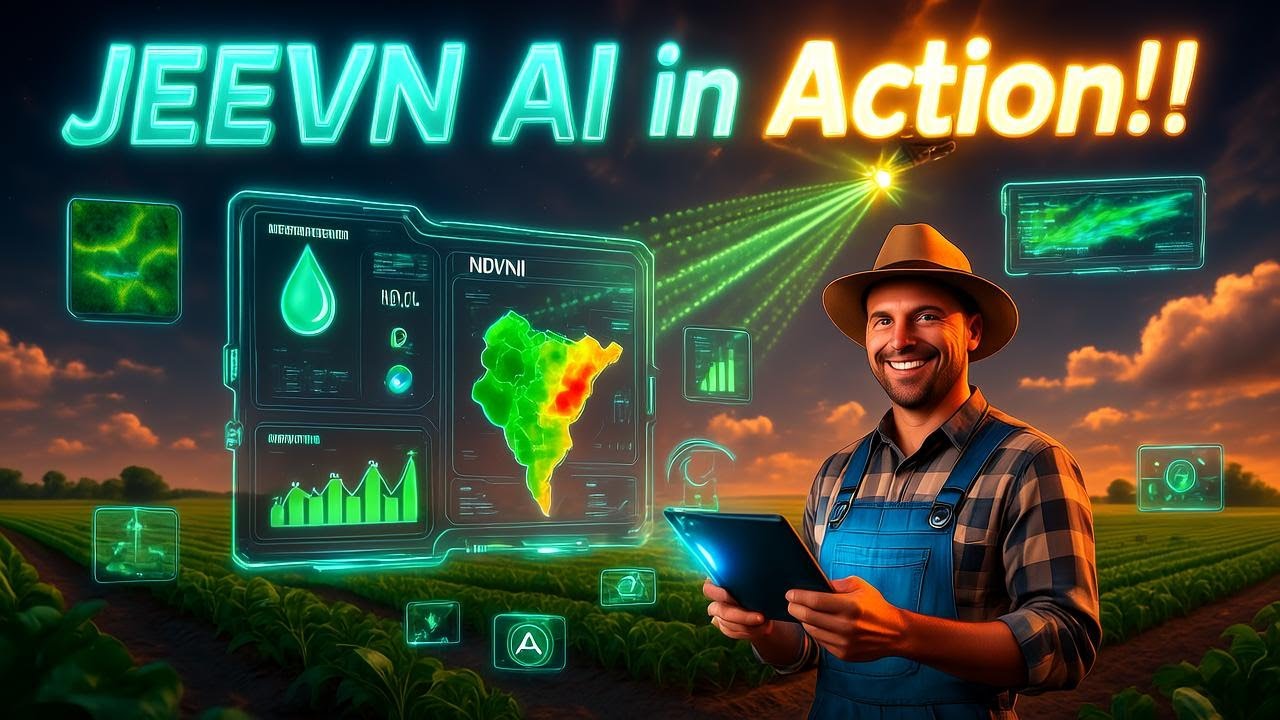
Understanding Crops Harvested Area Metrics in Kenya
Accurate measurement of crops harvested area is the bedrock of efficient farming and sustainable resource management. In Kenya, this data has traditionally been gathered manually, but with the implementation of the Data Africa API, the process has become automated, precise, and scalable.
- Comprehensive Datasets: The API gathers information from satellite imagery, IoT weather sensors, and field reports, ensuring broad coverage.
- Real-Time Tracking: Harvested areas are tracked ‘live’ for crops including tea, coffee, maize, fruits, and other key commodities.
- Region-Specific Insights: Data granularity allows stakeholders to zero in on specific counties or agro-ecological zones for comparative analytics.
- Historical Trends: By analyzing harvest area changes over multiple seasons/years, farmers and policymakers can better adapt to climate trends, population shifts, and market demands.
“Data Africa API tracks over 5 million hectares of Kenyan crop harvest areas annually, enabling precision agriculture and innovation.”
Analyzing Crop Production Value Across Kenya: Turning Data into Revenue
Data Africa crops by production value Kenya gives stakeholders the means to identify high-value crops and optimize their resources accordingly. This is especially significant for Kenya, where strategic allocation can elevate both farmer incomes and the nation’s GDP.
Here’s how leveraging these analytics pays dividends:
- Identifying Lucrative Commodities: Analysis reveals which crops—such as tea, coffee, maize, and fruit crops—dominate the landscape and contribute most heavily to GDP.
- Targeted Support and Investment: Smallholder and commercial farmers, agribusinesses, and government bodies can focus support (inputs, training, credit) on high-potential zones and commodities.
- Production Value Trends: Year-on-year data highlights shifts in market preferences, climate impact, or crop disease pressures.
- Revenue Optimization: Better data leads to smarter planting decisions and diversified markets, reducing the risk of oversupply or pricing shocks.

AI Harvest: How Artificial Intelligence Is Transforming Kenyan Harvests
AI harvest technologies are driving a paradigm shift in Kenya’s agricultural sector—from subsistence to technologically driven, commercial farming. But what is AI harvest, and how does it work in real-world Kenyan fields?
- Automated Harvest Machinery: Advanced harvesting equipment utilizes computer vision, machine learning algorithms, and environmental sensors to differentiate between ripe and unripe crops.
- Precision Harvesting: Reduces losses caused by premature or delayed picking, which is crucial for perishable, high-value crops like tea, coffee, and several fruit varieties.
- Improved Labor Efficiency: With AI-enabled machinery and drones, harvesting becomes more efficient, consistent, and less labor-intensive.
- Data Feedback Loop: During harvest, these machines collect crop yield and condition data, which feeds back into predictive models for future planning.
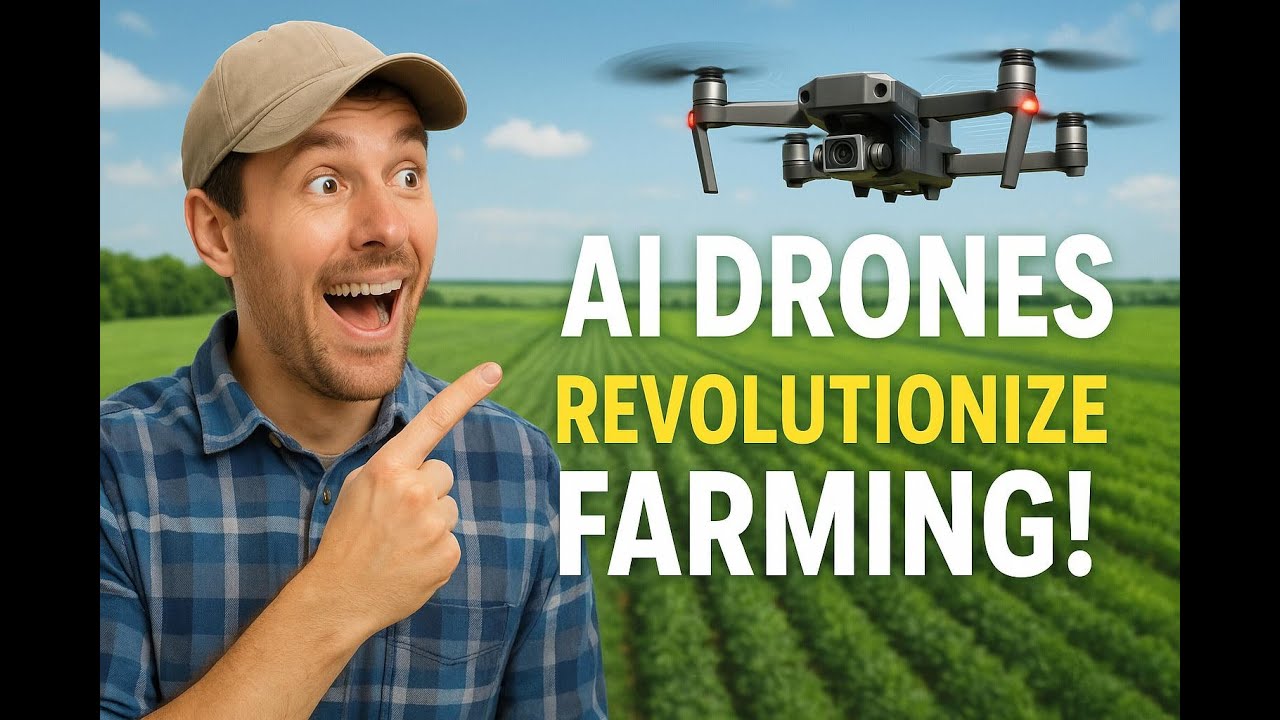
Combining Data Africa API with AI Harvest for Smart, Sustainable Farming
The integration of the Data Africa API crops harvested area with AI harvest technologies creates a powerful feedback system that enhances productivity, efficiency, and sustainability.
- Seamless Data Collection and Analysis: As AI-driven harvesters collect real-time yield data, this information feeds directly into platforms like Data Africa API. This enables more precise harvested area tracking and crop condition mapping across all regions of Kenya.
- Refined Predictive Models: The integration continuously improves predictive models for crop planning, resource optimization, and harvest forecasting.
- Optimizing Inputs: Resource management tools analyze fertilizer, water, and labor needs, ensuring every input is used efficiently, cost-effectively, and sustainably.
- Promoting Environmental Stewardship: Monitors environmental impact, promoting climate-smart agriculture and reducing the sector’s carbon footprint.
For agricultural stakeholders seeking traceability and transparency, integrating advanced satellite-based analytics and blockchain traceability can be a game-changer. Learn more about Farmonaut’s Blockchain-Driven Product Traceability for supply chain management.

The Role of Real-Time Weather & Satellite-Driven Insights
Beyond just harvested area and yield analytics, real-time weather monitoring and multispectral satellite imagery are essential for modern farming.
- Weather Sensors: Provide up-to-the-minute data on rainfall, temperature, soil moisture, and wind conditions, feeding into AI-driven advisory systems.
- Satellite Imagery: Offers high-resolution, multispectral imagery for monitoring crop health, moisture content (NDWI), and even carbon footprint tracking. For a demo, check out Farmonaut’s Carbon Footprinting Solutions.
- Early Detection: Satellite analytics enable the early detection of crop stress, pest infestation, disease outbreaks, and environmental impact.
- Operational Efficiency: Informs better irrigation management, resource allocation, and disaster preparedness.
Real-time monitoring isn’t just for large enterprises; it’s accessible to individual users, agribusinesses, and governments alike via mobile, web, and API.

Access Real-Time Satellite Data on Farmonaut Apps

Farmonaut’s Satellite Technology Ecosystem
We at Farmonaut are at the forefront of providing affordable, accessible, and scalable satellite-based solutions for agriculture and allied sectors across the African continent. Our unique offerings include:
- Real-Time Monitoring: Multispectral satellite imagery for vegetation health, soil condition, and field boundary delineation, enhancing farm management.
- AI-Based Advisory (Jeevn AI): Delivers customized farming strategies, crop cycle advisory, and weather alerts, using AI and satellite data integration.
- Resource & Fleet Management: Tools to optimize logistics for large- or small-holding farms. More details on Fleet Management Solutions.
- Environmental Impact Tracking: University-tested modules for carbon emission tracking and sustainability management.
- Blockchain Traceability: From field to fork, ensuring transparency and trust along the supply chain.
Our platform is designed to be intuitive—available via Android & iOS Apps, Web Browser, and API—empowering users to run smarter operations at any scale.



Optimizing Supply Chains and Markets with Data & AI
The transparency provided by the Data Africa API crops harvested area and production value analytics is transforming how Kenyan crops get to market. Accurate, timely harvested area and yield data supports:
- Efficient Coordination: Distributors, cooperatives, and exporters plan logistics with greater certainty, reducing post-harvest losses and bottlenecks.
- Market Access for Smallholders: Verifiable production and harvested area data opens the doors to crop loans and insurance—see how Farmonaut supports financing and insurance with satellite-based verification.
- Better Pricing: Transparency on crop volumes supports competitive, fair pricing by reducing the risk of market saturation or information asymmetry.
- Resilient Supply Chains: Satellite- and API-driven systems help forecast disruptions (climate events, surpluses, shortages), improving adaptive response.
Driving Sustainability & Climate Resilience Across Africa
Harvested area and production value data have far-reaching benefits beyond immediate farm profits. They underpin climate resilience and sustainability:
- Adaptive Models: AI and data-driven platforms simulate different climate scenarios, recommend adaptive planting and resource strategies—crucial for Kenyan regions facing unpredictable weather.
- Environmental Monitoring: Ongoing satellite-based monitoring helps track soil degradation, carbon sequestration, and biodiversity changes, ensuring long-term ecological health.
- Promoting Regenerative Agriculture: Insights drawn from data africa api crops harvested area and production metrics facilitate uptake of sustainable practices, agroforestry, and efficient input use, directly benefitting both the land and rural livelihoods.
Comparative Data Table: AI vs Traditional Crop Harvesting in Kenya
Understanding the tangible impact of AI-powered analytics and API integrations is key for stakeholders. Below is a comparative table illustrating the contrast between Traditional Harvesting, AI-Enabled Harvesting, and Data Africa API Integrated Harvesting—across Kenya’s farms.
| Harvesting Method | Estimated Yearly Harvest Area (ha) | Estimated Crop Yield Increase (%) | Estimated Waste Reduction (%) | Estimated Time Saved (Days/Season) |
|---|---|---|---|---|
| Traditional Harvest | 3,100,000 | 0 | 0 | 0 |
| AI-Enabled Harvesting | 4,500,000 | +18 | +22 | 20-30 |
| Data Africa API Integrated Harvesting | 5,000,000+ | +25 | +35 | 45-60 |
- Key Takeaway: Leveraging Data Africa API crops harvested area and AI harvest technologies enables significant gains in yield, efficiency, and sustainability over traditional approaches.
The Future: Food Security & Inclusive Growth in 2025 and Beyond
As we enter the mid-2020s, Kenya’s agricultural future is being shaped by a powerful blend of big data, artificial intelligence, and real-time analytics. Here’s how the landscape is changing:
- Food Security: By knowing exact harvested areas and crop values, stakeholders ensure stable food supplies and fair distribution—even as climate shocks and demographic shifts present challenges.
- Inclusive Growth: Data democratization supports smallholder farmers as much as large commercial operations, ensuring no one is left behind in the digital transition.
- Market Resilience: With real-time, trusted data, Kenya’s agriculture is less vulnerable to market volatility and better positioned for export growth.
- Environmental Responsibility: Cutting-edge analytics promote resource-efficient and regenerative farming, meeting evolving consumer and regulatory demands for sustainability.
To explore comprehensive solutions for large-scale farm management, check out our Agro-Admin App – Large Scale Farm Management.
Farmonaut Apps & APIs: Accessibility and Integration
We at Farmonaut are committed to empowering the agricultural community in Kenya and across Africa with affordable, scalable access to satellite, AI, and data-driven innovations for:
- Harvest area analytics and crop monitoring
- Real-time weather and soil insights
- Automated resource, fleet, and environmental management
- Blockchain-based product traceability and supply chain verification
Our platform is accessible on Android & iOS, Web, and open APIs—
try it today!
Developers, agribusinesses, and institutions interested in direct integrations should explore our open API and refer to our API Developer Docs for up-to-date resources.
Frequently Asked Questions (FAQ)
-
What is the Data Africa API and why is it important for Kenya?
The Data Africa API aggregates comprehensive agricultural datasets, focusing on crops harvested area, production values, and real-time insights. It’s crucial for Kenya as it enables smart resource allocation, targeted support, and optimized productivity within its diverse agro-ecological environments. -
How do AI harvest technologies increase productivity and reduce waste?
AI-driven harvesting machinery and drones use computer vision and machine learning to identify optimal harvest times, reducing premature or delayed harvesting. Combined with data-driven models, they reduce resource wastage and increase yields. -
How does real-time satellite imagery benefit Kenyan farmers?
Real-time satellite imagery and IoT sensors provide farmers with up-to-date, accurate data on crop health, soil moisture, weather conditions, and harvest status, enabling them to make timely and informed decisions that improve productivity. -
How does Farmonaut support sustainability and climate-smart agriculture?
We use satellite-based environmental monitoring tools and AI-powered advisory systems to promote resource-efficient, sustainable, and climate-resilient farming practices in Kenya and beyond. -
How can I access Farmonaut’s tools and data solutions?
Farmonaut solutions are accessible via Android/iOS apps, web platform, and API integrations, making it easy for all types of users—from individual farmers to enterprises—to benefit from advanced analytics and satellite insights. -
How does harvested area and production value data help with financing and insurance?
Verifiable, real-time data on crop area and yields enables financial institutions and insurance providers to more accurately assess risk, offer financing, and secure agricultural investments. Visit our crop loan and insurance solutions page for details.
Conclusion: Data Africa API Crops Harvested Area & AI Harvest—A New Era for Kenya’s Agriculture
The synergy between the Data Africa API’s comprehensive agricultural datasets and AI-powered harvest technologies is forging a bold new future for Kenya’s agricultural sector in 2025 and beyond. From smarter planning and precision harvesting to climate resilience and sustainable market growth, Kenyan farmers and agribusinesses are stronger, more efficient, and more secure than ever.
- Advanced analytics, artificial intelligence, and satellite technologies are not just reshaping farming—they are uplifting communities, securing food supplies, and shaping policy for inclusive, data-driven growth across Africa.
- Platforms like the Data Africa API provide the transparency and accountability that underpin successful agricultural transformation.
- Stakeholders across the value chain—from farmers to policymakers—stand to benefit as Kenya cements its status as a prime example of smart, next-generation African agriculture.
Ready to join the data revolution in African agriculture? Get started with Farmonaut’s apps and APIs today!
Discussion
Questions, corrections or field experience? Share them below. First-time comments are reviewed before they appear, and your email is never published.
No comments yet. Be the first to add a question or your experience.

 Kisanwala
 Agro La Gándara
 Global Agrifood
 HIPSAC
 ZOL Zimbabwe
 Juligerm
 AdBio
AdBio MISE Maroc
 NWNS
NWNS Red August Group
 Farm Inc
 WeMe Global
 Agrotoken
 Blue BearX
 Insignito
 Croptimum
 DnCubed
 Field Capacity
 Indosistim Teknologi
 Licence holder · Niger · Gold
 Licence holder · Nigeria · Gold + lithium










