

Reviewed September 2026 against USDA NASS Hawaii Agricultural Statistics and the Agricultural Marketing Resource Center (AgMRC).
Try it: Enter your numbers above to see seasonal cost comparison. →
The US macadamia market is small and concentrated: Hawaii produced 37.7 million pounds of macadamia nuts from 16,200 bearing acres in 2022, per USDA NASS. New pest control technology for that market centers on pheromone-based monitoring for emerging pests and on the biopesticides sector, valued at $3.42 billion in the US for 2025 by Mordor Intelligence and growing double digits annually. Below: the actual production and price numbers, what “new” pest control technology means for macadamia and other orchard crops right now, where the organic pest control market stands, and how to size a pest-monitoring or biopesticide investment for your own acreage.
Table of Contents
- The US Macadamia Market: Production, Acreage, Prices
- New Technology in Pest Control: What’s Actually Changed
- Macadamia-Specific Pests and the New Monitoring Tools
- Organic Pest Control: A New Market, Sized
- Biopesticide Cost Calculator
- Comparing Pest Control Technologies
- Where Satellite Monitoring Fits
- FAQ
- Try it: Enter your numbers above to see seasonal cost comparison.
The US Macadamia Market: Production, Acreage, Prices
Hawaii is the only significant US macadamia production region, and USDA NASS tracks it closely. In 2022, growers harvested 37.7 million pounds of macadamia nuts (wet in-shell basis) from 16,200 bearing acres, according to the USDA NASS Hawaii Agricultural Statistics reports. That acreage figure has been broadly flat for years — macadamia orchards take roughly a decade to reach full bearing, so the US supply base doesn’t move quickly in either direction.
Grower prices have moved a lot more than acreage. USDA NASS recorded a Hawaii in-shell grower price of $1.24 per pound in 2020. By 2023, the Agricultural Marketing Resource Center (AgMRC) put the grower price at $0.84 per pound — a decline of roughly a third in three years, squeezed by rising input and labor costs on a crop that already carries some of the highest per-acre establishment costs in US tree nut farming.
Downstream prices tell a different story. Selina Wamucii’s commodity price tracking put the US wholesale macadamia price at $5.33 per pound in December 2024, and the US retail price at $6.98 per pound in June 2026. The spread between what a Hawaii grower receives in-shell and what a shelled, processed nut fetches at retail is enormous — most of that value is captured in shelling, roasting, and packaging, not on the farm.
For readers tracking this market going forward: USDA NASS publishes updated Hawaii fruit and nut statistics, including macadamia production and bearing acreage, at its Hawaii Fruits and Nuts publications page, typically refreshed annually in the second quarter for the prior crop year. You can also query NASS QuickStats directly (State = Hawaii, Commodity = Macadamia Nuts, Data Item = Production or Bearing Acres) for the exact current-year release. AgMRC maintains a running macadamia commodity profile at its macadamia nuts page that tracks grower prices and trade trends between NASS releases.
One gap worth flagging directly: neither USDA nor AgMRC publishes a separate price series for organic-certified macadamia nuts — published figures combine conventional and organic production. If you need an organic-specific price, the practical method is to contact a Hawaii macadamia processor or cooperative directly and ask for their organic premium, since that premium is negotiated at the buyer level rather than published centrally.
New Technology in Pest Control: What’s Actually Changed
“New technology in pest control” for tree crops and row crops breaks into three trends with actual market data behind them, rather than one single breakthrough:
1. Biopesticides are scaling fast
The global biopesticides market was valued at $3.5 billion in 2024, per Global Market Insights. Markets and Markets projects a 14.6% compound annual growth rate for the sector from 2025 through 2030. In the US specifically, Mordor Intelligence sizes the market at $3.42 billion for 2025, and Spherical Insights separately projects a 13.28% CAGR for the North America biopesticides market from 2026 through 2035. Those are three different research firms with three different methodologies, so treat the CAGR figures as directional rather than interchangeable — but all three point the same direction: biological pest control is displacing a growing share of synthetic chemistry, not staying a niche.
What’s driving it, per Mordor Intelligence’s analysis: faster EPA biopesticide registration pathways relative to conventional pesticide registration, USDA conservation and organic transition grant programs, and the growth of certified organic acreage that structurally requires non-synthetic inputs.
2. Pheromone-based monitoring is reaching new pest species
Pheromone lures and traps aren’t new in pest management generally, but 2024 brought a specific advance relevant to tree nut growers: AgriBusiness Global reported new pheromone-based monitoring technology for the macadamia felted coccid (Acanthococcus ironsidei), a scale-insect pest that had lacked an effective early-detection tool. Pheromone monitoring works by luring male insects to a trap using a synthetic version of the female’s sex pheromone, letting growers detect and count a pest population before it’s visible on foliage — shifting pest management from calendar-based spraying to threshold-based intervention.
That’s the honest limit of what’s published, though: there is no field trial data yet on Acanthococcus ironsidei pheromone monitoring efficacy specifically on US Hawaii orchards at commercial scale — the technology is identified as emerging in the trade press, not yet validated in peer-reviewed or USDA-published field trials. Growers considering it should ask suppliers for trial data from comparable growing regions before committing acreage, and check with University of Hawaii CTAHR extension for any local trial results as they’re published.
3. Remote sensing and AI-assisted detection
A 2025 review in Frontiers in Sustainable Food Systems surveys how remote sensing and AI applications are being applied to crop pest monitoring — using spectral imagery to flag stress patterns consistent with pest pressure before visual symptoms appear, then routing that signal to targeted scouting or treatment. This is the same logic satellite crop monitoring platforms apply at the farm level: flag the anomaly first, confirm with a human, treat only where needed. As with pheromone monitoring, there’s no published US macadamia-specific adoption rate for this class of tool as of the most recent data available — it’s an active research and early-commercial area, not yet a standard practice with measured uptake.
Macadamia-Specific Pests and the New Monitoring Tools
Macadamia orchards face a recurring set of pest pressures — including Amblypelta (stink bugs that puncture developing nuts), Cercotingis, and Kuschelorhynchus weevils — that are described as endemic to macadamia-growing regions in agricultural extension literature. It’s worth being direct about a gap here too: USDA publications do not isolate a quantified US yield-loss or dollar-damage figure attributable to any one of these specific pest species. Where a general pest-pressure claim would normally get a number attached, none exists in published USDA data — the honest answer is that Hawaii growers experiencing damage should work with University of Hawaii CTAHR extension entomologists to get a site-specific damage assessment, since no state or national aggregate exists to cite.
What does exist, and what changes the calculus for macadamia growers specifically, is the felted coccid pheromone tool described above — because a scale insect like Acanthococcus ironsidei is difficult to scout visually in its early stages, and a monitoring tool that catches population buildup before nut damage occurs has outsized value on a crop where each tree takes years to reach full production. The trade-off is that biological and pheromone-based tools generally cost more per acre upfront than a single broad-spectrum spray, but they avoid the resistance buildup and beneficial-insect knockdown that repeated conventional spraying causes — which matters more on a perennial orchard crop you’re managing for decades than on an annual row crop.
Organic Pest Control: A New Market, Sized
“Organic pest control new market” as a search reflects real momentum, not just interest. USDA data referenced in the NASS Hawaii publications context puts US certified organic farmland at approximately 5.5 million acres. Every acre of that is a captive market for organic-compliant pest control — synthetic pesticides are excluded under USDA National Organic Program rules, so those acres rely on the biopesticide, pheromone, and biological control tools described above by regulatory necessity, not preference.
That’s the structural reason the biopesticides market keeps compounding at double-digit rates even in years when overall pesticide spending is flat: organic acreage doesn’t shrink back to conventional easily once certified (the transition period alone runs three years under USDA NOP rules), so it’s a durable, growing base of demand for exactly the “new” pest control technologies buyers are searching for.
For growers weighing organic transition or expanding an existing organic pest program, the two things to track going forward are the EPA’s biopesticide registration database — updated monthly at epa.gov/pesticides/biopesticides per the research brief’s refresh guidance, listing which active ingredients are currently registered — and USDA ERS’s annual organic farming reports, published under the Crops & Plants > Organic section at ers.usda.gov, which is the source for updated certified-acreage figures as they’re released.
Biopesticide Cost Calculator
Use your own acreage and per-acre cost quotes to estimate a seasonal biopesticide program cost and compare it against a conventional baseline you supply.
Assumptions: figures are simple per-acre, per-application costs you supply — the calculator does not include labor, equipment, or yield-protection value, and does not account for the fact that biopesticide and conventional programs often use different application intervals. It’s a cost-comparison starting point, not a full budget.
Comparing Pest Control Technologies
| Technology | How it works | Best fit | What’s published on cost/adoption |
|---|---|---|---|
| Biopesticides | Microbial, botanical, or biochemical active ingredients targeting specific pests | Organic-certified acreage; growers managing resistance on perennial crops | US market $3.42B (2025, Mordor Intelligence); 13.28% CAGR 2026–2035 (Spherical Insights) |
| Pheromone monitoring/trapping | Synthetic pheromone lures lower-cost, threshold-based detection before visible damage | Pests hard to scout visually, e.g. scale insects like macadamia felted coccid | New tool reported for Acanthococcus ironsidei (2024, AgriBusiness Global); no US field-scale efficacy data published yet |
| Remote sensing / AI detection | Spectral imagery flags stress patterns for scouting follow-up | Larger acreage where manual scouting can’t cover every block regularly | Active research area (Frontiers in Sustainable Food Systems, 2025); no published US macadamia adoption rate |
| Conventional synthetic pesticides | Broad-spectrum or targeted chemical control | Non-organic acreage, acute outbreaks | Baseline against which biopesticide growth (14.6% CAGR, 2025–2030 global, Markets and Markets) is measured |
The practical read: none of these technologies replaces the others outright. Growers pursuing organic certification or premium markets are moving toward biopesticides by regulatory requirement; growers with a specific hard-to-scout pest are the ones best served by a pheromone tool like the felted coccid trap; and remote sensing is a scouting-efficiency layer that sits on top of whichever control method you use, not a replacement for it. For a broader look at combining these into a farm strategy, see Farmonaut’s guide to strategic farm management approaches, and for pest-specific tactics at the field level, affordable pest control tips to boost yields.

Where Satellite Monitoring Fits
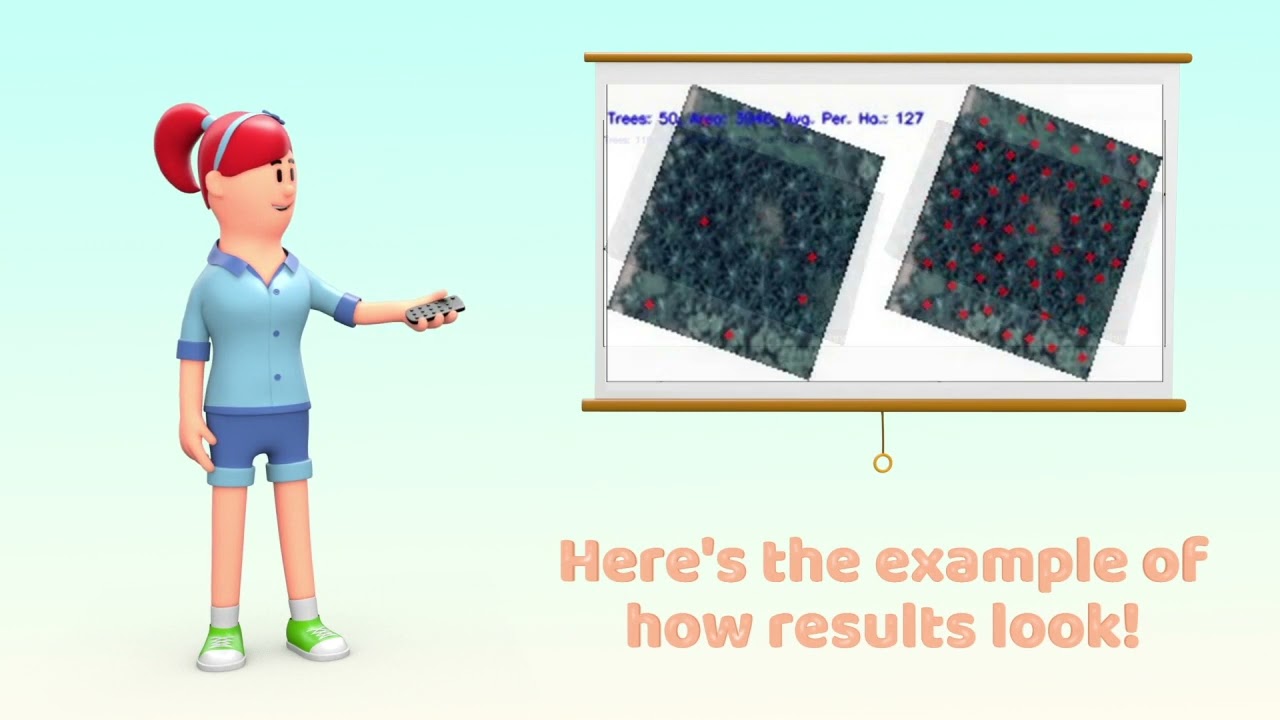
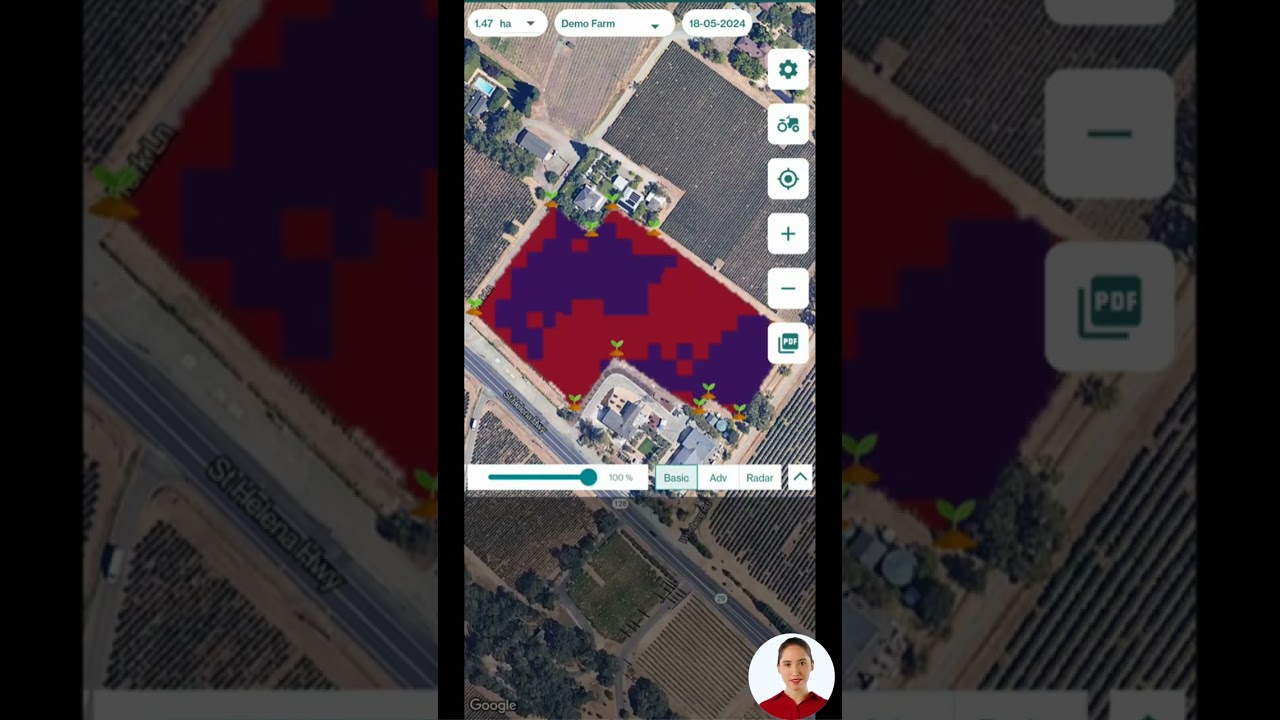
Satellite-based crop monitoring is the layer that sits above pheromone traps and biopesticide schedules: it doesn’t identify a specific pest species, but it flags where in an orchard block plant stress is developing so scouting and treatment effort go to the right acres instead of every acre on the same calendar. For macadamia and other perennial tree crops, where a single tree represents years of establishment cost, catching a stress signal early enough to send a scout before nut-set damage occurs is the entire value proposition.
Farmonaut’s satellite monitoring tools apply this approach across crop types:
- Real-time crop health monitoring via satellite imagery, to flag stressed blocks before visible symptoms spread
- AI-based advisory output that factors pest and disease risk into orchard management recommendations
- Blockchain-based traceability, relevant for growers supplying premium or certified-organic buyers who require supply chain documentation
- Resource management tools to target inputs — including biopesticide applications — to the blocks that need them rather than the whole orchard
This kind of targeted approach pairs directly with the sustainability expectations buyers increasingly attach to sourcing contracts; see Farmonaut’s sustainable agriculture trends for food manufacturers for how that’s playing out on the buyer side.




A Verification Method You Can Reuse Next Season
Because every figure in this article carries a vintage — a 2022 acreage number, a 2023 grower price, a 2025 market-size estimate — here’s the durable part: the method for getting a current number stays the same even after these specific figures age out.
- For US macadamia production and acreage: Query USDA NASS QuickStats (State = Hawaii, Commodity = Macadamia Nuts) or check the NASS Hawaii Fruits and Nuts publications page directly — released annually, typically in Q2 for the prior crop year.
- For grower and market prices: Cross-check the current NASS release against AgMRC’s macadamia commodity page, which tracks trade and price trends between NASS publication cycles.
- For biopesticide registrations: Check the EPA’s biopesticide database at epa.gov/pesticides/biopesticides, updated monthly with currently registered active ingredients.
- For organic acreage and market size: USDA ERS publishes annual organic farming reports under the Crops & Plants > Organic section at ers.usda.gov.
- For pest-specific field data on your farm: University extension entomologists (CTAHR in Hawaii, or your state’s land-grant extension elsewhere) are the source for localized damage assessments that USDA aggregate data doesn’t provide.
This five-step check works whether you’re reading this in the season it was published or two years later — the sources update; the way to query them doesn’t.
For developers and businesses looking to integrate agricultural data into pest-monitoring or farm management systems, Farmonaut offers API access. Explore Farmonaut API and the technical reference at our API Developer Docs.

Frequently Asked Questions
- How big is the US macadamia market?
Hawaii, the primary US production region, harvested 37.7 million pounds from 16,200 bearing acres in 2022, per USDA NASS. Check the NASS Hawaii Fruits and Nuts page for the current release, published annually. - What’s a fair grower price for macadamia nuts?
USDA NASS recorded $1.24 per pound (in-shell) in 2020; AgMRC reported $0.84 per pound in 2023 — a decline driven by rising input and labor costs. Wholesale and retail prices are far higher: $5.33/lb wholesale (Dec 2024) and $6.98/lb retail (Jun 2026), per Selina Wamucii, reflecting the value added in shelling and processing. - What counts as “new technology” in pest control right now?
Three trends with data behind them: biopesticides (a $3.42 billion US market in 2025, growing at a double-digit CAGR per multiple research firms), pheromone-based monitoring for previously hard-to-scout pests like the macadamia felted coccid, and remote sensing/AI tools for early stress detection — the last two are still early-adoption with no published US field-scale data yet. - Is there a specific new pest control technology for macadamia?
Yes — a pheromone monitoring tool for Acanthococcus ironsidei (macadamia felted coccid) was reported by AgriBusiness Global in 2024. It’s not yet validated by published US field trials at commercial scale, so ask suppliers for trial data and check with University of Hawaii CTAHR extension for local results. - How big is the organic pest control market, and is it really growing?
US certified organic farmland covers approximately 5.5 million acres, all of which is barred from synthetic pesticides under USDA National Organic Program rules — a structural demand base behind the biopesticides market’s projected 14.6% global CAGR (2025–2030, Markets and Markets) and 13.28% North America CAGR (2026–2035, Spherical Insights). - Does USDA track organic macadamia prices separately?
No — published USDA figures combine conventional and organic macadamia production and pricing. For an organic-specific price, contact a Hawaii macadamia processor or cooperative directly. - What pests affect US macadamia orchards?
Amblypelta, Cercotingis, and Kuschelorhynchus are described as endemic in agricultural extension literature, but USDA has not published a quantified yield-loss figure for any of them specifically — get a site damage assessment from CTAHR extension if you’re seeing losses. - Can satellite monitoring replace biopesticides or pheromone traps?
No — satellite monitoring flags where stress is developing so scouting and treatment (whichever method you use) go to the right blocks. It’s a targeting layer on top of pest control methods, not a substitute for them.
Earn With Farmonaut
Earn 20% recurring commission with Farmonaut’s affiliate program by sharing your promo code and helping farmers save 10%. Onboard 10 Elite farmers monthly to earn a minimum of $148,000 annually—start now and grow your income!
For more information on how you can participate in this opportunity, visit our Affiliate Program page.
Farmonaut Subscriptions
The through-line across the macadamia market and the pest control technology market is the same: both are moving toward more precise, more data-backed decisions — grower prices published to the pound, biopesticide markets sized to the billion, and pest detection moving from calendar spraying to threshold-based monitoring. Growers and agribusinesses who track these figures at the source, rather than relying on a snapshot, are the ones positioned to act on a price swing or a new registration before it’s common knowledge.

 Lunar Edge IT
 FieldZero
 Indico Company
 Kubota
 FFBS
FFBS Jontra
 Kalustyan
 Tucor
Tucor Geno
Geno Hayleys Agriculture
 Linx Agritech
 Adinet
 Save Your Soils
