

Zimbabwe Farming: 2025 Challenges & Growth Insights
Overview of Zimbabwe Farming in 2025
Zimbabwe farming remains the backbone of the nation’s economy, employing about 54% of workers in 2025 and producing about 9.5% of GDP, according to the World Bank. As we move into 2025, farming Zimbabwe is evolving in response to a fast-changing environment, balancing long-standing challenges with fresh opportunities for sustainable growth and economic revitalization.
The agricultural landscape of Zimbabwe is inherently diverse, encompassing smallholder communal farmers, emerging commercial ventures, and robust contract farming systems. Key agriculture activities are broadly divided into crop production, livestock rearing, and forestry, each playing a crucial role in rural livelihoods and national food security.
Despite numerous challenges—including climate instability, outdated infrastructure, and fluctuating market dynamics—Zimbabwe farming is increasingly shaped by innovations, technological adoption, and a push towards sustainable practices. This article explores the state of agriculture of Zimbabwe in 2025, key trends, and actionable insights for stakeholders navigating this transformative period.
Keyword Highlights: Zimbabwe Farming Landscape (2025 & Beyond)
- Farmland Management: Emphasizing sustainable land use and resilient systems.
- Crop Diversity: Maize, tobacco, cotton, sugarcane, and horticultural products remain staple crops.
- Livestock Importance: Cattle, goats, and poultry continue to underpin income and nutrition in rural Zimbabwe.

Tip: Use Farmonaut’s satellite technology through our web/browser or mobile app for real-time farm monitoring, resource management, and tailored insights to boost your farming productivity.

Agriculture in Zimbabwe: Key Figures
Agriculture employs more Zimbabweans than any other sector, but its share of GDP is much smaller, and that share has fallen sharply in recent World Bank data.
| Indicator | 2021 | 2023 | 2025 | Source |
|---|---|---|---|---|
| Agriculture, forestry and fishing, share of GDP | 21.5% | 11.5% | 9.5% | World Bank |
| Employment in agriculture, share of all jobs (modelled ILO estimate) | 53.6% | 55.4% | 54.3% | World Bank |
| Rural population, share of total | — | 60.7% | 59.5% | World Bank |
GDP shares move with prices and exchange rates as well as with harvests, so compare years with care.
Maize is the staple food crop, and tobacco is the main export crop. Cotton, sugarcane, soybeans, small grains and horticulture make up much of the rest, alongside cattle, goats and poultry. Most smallholder farming is rain-fed, which is why drought years hit output and food security so hard.
A good harvest does not end food insecurity on its own. In August 2026 FEWS NET reported above-average 2026 national maize production, but said access to staple food was still constrained in deficit-producing areas and expected Crisis (IPC Phase 3) outcomes in affected areas from around October (FEWS NET).
Current Challenges Facing Zimbabwe Farming
As of 2025, the agriculture of Zimbabwe continues to face a convergence of old and new challenges, affecting farmers across rural and urban landscapes and threatening food security, economic vibrancy, and social stability. Let’s delve deeper into the key obstacles and understand how they shape the daily realities of Zimbabwean farming:
1. Climate Change, Weather Variability, and Water Stress
- Erratic rainfall patterns and prolonged droughts have increasingly affected farmers and their yields.
- Occasional floods bring further losses during once-productive rainfall seasons, straining the predominantly rain-fed systems.
2. Land Tenure, Ownership & Productivity Hurdles Post Land Reform
- The landmark land reform programs began in the early 2000s, resulting in significant shifts in farmland ownership and resettlement of many smallholder farmers.
- Unclear land tenure rights and lack of formal titles limit farmland investment and discourage sustainable land improvement.
- Productivity is further hampered by poor access to training, extension services, and capital for adopting improved practices.
3. Underdeveloped Infrastructure & Market Access Barriers
- Poor rural infrastructure—from feeder roads to unreliable electricity and insufficient storage—continues to impact farmers’ ability to bring produce to markets.
- The lack of modern irrigation leaves most farming in Zimbabwe reliant on rainfall.
4. Difficulties in Access to Finance, Quality Inputs, and Affordable Technology
- Smallholders struggle with limited access to affordable credit and risk-mitigating tools such as crop insurance, hampering vital investments.
- High and fluctuating prices for inputs—like certified seed, fertilizer, and farm machinery—keep modernization out of reach for many small and emerging commercial farmers.
- This limits the uptake of new technologies and sustainable practices.
5. Crop Pests, Livestock Diseases & Biosecurity Threats
- The sector has seen recurring outbreaks of pests like armyworm and locusts, as well as livestock diseases such as foot-and-mouth.
- Integrated pest management, timely disease surveillance, and rapid response capacity remain in urgent need of enhancement.
Comparison Table: Zimbabwe Farming Challenges and Sustainable Solutions 2025
How Climate Change Shapes the Zimbabwe Agriculture Sector
Climate change is the single most significant external threat facing agriculture Zimbabwe in 2025. With temperatures rising and rainfall patterns becoming increasingly erratic, farmers across the country are often forced to adapt their farming calendars and crop mixes. In recent years, shorter rainfall seasons, prolonged dry spells, and intense storm events have raised the stakes for food security and national economic stability.
Key Climate-Related Challenges:
- Rainfall Variability & Extreme Weather: Rainfall has become less reliable in many regions, increasing the risk of droughts and flash floods.
- Soil Erosion & Degradation: Energy-intensive storms and unsustainable land management can accelerate the loss of nutrient-rich topsoil, directly affecting yields.
- Water Scarcity: With the majority of Zimbabwe farmland heavily reliant on rainfall, unpredictable weather directly translates into fluctuating productivity.
Adapting for the Future
The road ahead involves substantial investment in climate adaptation:
- Expansion of climate-smart agricultural practices including conservation tillage, agroforestry, crop rotation, and soil mulching;
- Promotion of drought-tolerant crop varieties (especially climate-resilient maize, small grains, and pulses);
- Wider adoption of irrigation technologies to reduce dependency on natural rainfall patterns.
Land Tenure, Farmland Management & Productivity
The land reform process, initiated in the early 2000s, led to significant shifts in Zimbabwe farmland ownership patterns. While it democratized access for thousands of previously landless families, it also unleashed complex challenges related to tenure, productivity, and investment:
- Lack of legal land titles constrains farmers’ ability to raise capital, invest in long-term improvements, or utilize land as collateral for finance.
- Emerging farmer groups combining communal and commercial models are driving a new frontier in land stewardship—including contract farming arrangements.
- Gradual adaptation and increased output have been observed where farmers are empowered by stable tenure, access to knowledge, and technical services.
Optimizing Land Use for 2025
- Efficient farmland management through sustainable intensification: rotation of maize, groundnuts, and small grains.
- Use of satellite insights and digital tools (such as large-scale farm management platforms from Farmonaut) empowers decision-makers with up-to-date information for resource optimization, zoning, and yield improvement.

Zimbabwe Farming Infrastructure: Linking Farmers to Markets
Infrastructure remains a critical pillar underpinning the growth, productivity, and sustainability of agriculture of Zimbabwe. In 2025, addressing infrastructure gaps is as important as adopting new crop varieties or farming technologies.
- Rural road upgrades will help aggregate produce, reduce transit spoilage, and open lucrative regional markets for crops like tobacco and sugarcane.
- Cold storage and pack-housing facilities are essential for the preservation of high-value horticultural products.
- Modern irrigation systems (e.g., center-pivot, drip, or solar-powered) represent smart investment areas to increase yields and resilience.
- Mobile apps and digital platforms are facilitating new forms of market linkage, real-time price discovery, and contract negotiations—even in remote rural districts.
Bolstering Rural Infrastructure: Key Recommendations
- Prioritize investment in road and utility upgrades for priority growing regions.
- Leverage fleet management solutions for efficient movement of goods and farm machinery.
- Expand access to mobile and web-based agricultural advisory services—from satellite monitoring to logistics coordination.

Access to Finance & Agricultural Inputs in 2025
Access to credit, quality seeds, fertilizers, and mechanization continues to represent both a challenge and an opportunity in the Zimbabwe agriculture sector. For smallholder farmers, the ability to invest in their farms rests on fair, transparent, and accessible financing models.
- Microfinance and digital lending platforms are emerging to fill the gap left by conventional banks, enabling timely purchase of farm inputs before planting season.
- Satellite-based verification technologies (as offered by Farmonaut’s crop loan and insurance verification solutions) are helping lenders and insurers reduce risks, fraud, and operational bottlenecks, opening financial markets to more genuine Zimbabwean farmers.
- Group buying by farmer co-ops and outgrower schemes for bulk discounts on inputs improves affordability and bargaining power for smallholders.
Explore Farmonaut’s API for Integrating Satellite Insights |
Developer Docs

Pests, Diseases, and Food Security in Zimbabwe Agriculture
Crop pests and livestock diseases are persistent threats to food security in Zimbabwe. An effective national strategy must combine early warning systems, rapid response capacity, and farmer education.
- Armyworms, fall armyworms, and locusts can devastate cereal and vegetable crops in a matter of days, highlighting the need for surveillance and timely interventions.
- Outbreaks of foot-and-mouth disease among cattle periodically undermine rural incomes and national export revenues.
- Emerging digital platforms and AI-driven advisory tools (e.g., carbon footprint tracking for compliance and sustainable practices) are gaining traction, improving information flow and biosecurity resilience.
Key Opportunities & Innovations Driving Growth in Zimbabwe Farming
Despite the ever-present hurdles, 2025 is a year of promising opportunities and emerging growth prospects for farming Zimbabwe. By leveraging new partnerships, sustainable innovations, and technology-driven management systems, the sector is adapting for a resilient, inclusive, and growth-oriented future.
1. Irrigation Expansion & Water Management
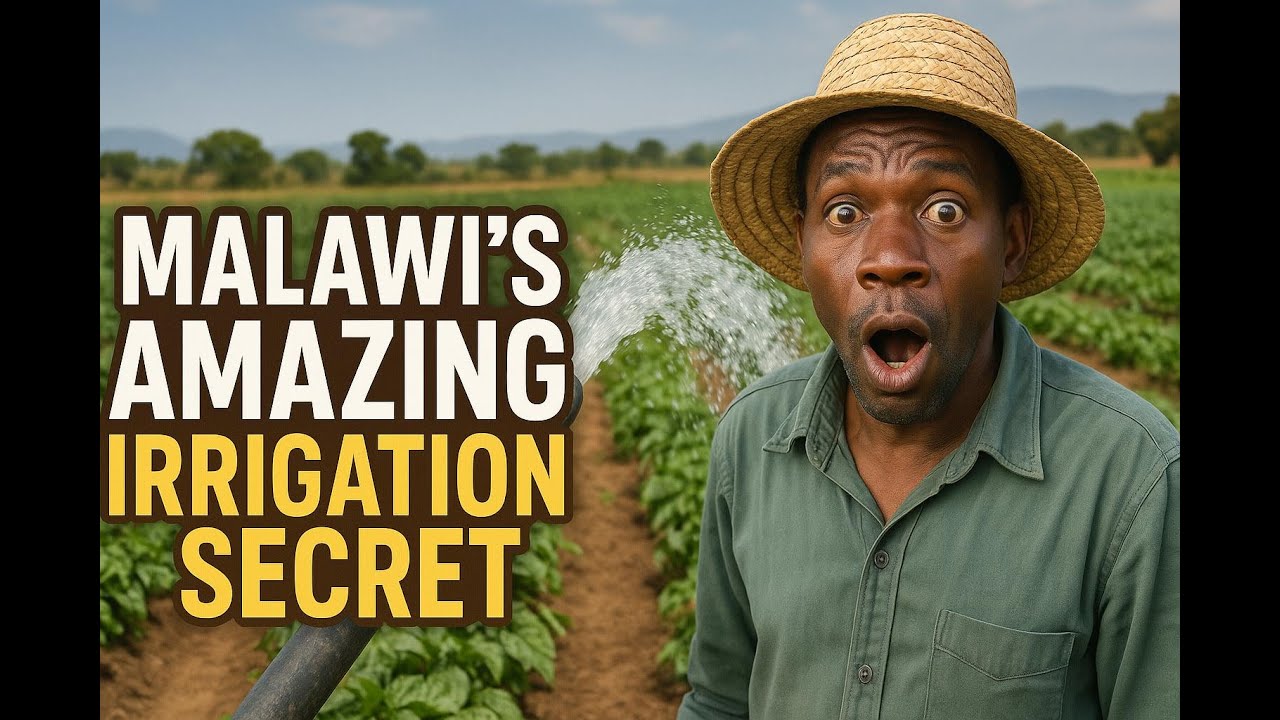
- Irrigation remains a game-changer in Zimbabwe farmland, reducing the risks tied to erratic rainfall and droughts.
- Wider deployment of solar-powered and drip irrigation systems is underway, supported by both government and private investment, ensuring more stable yield and production.
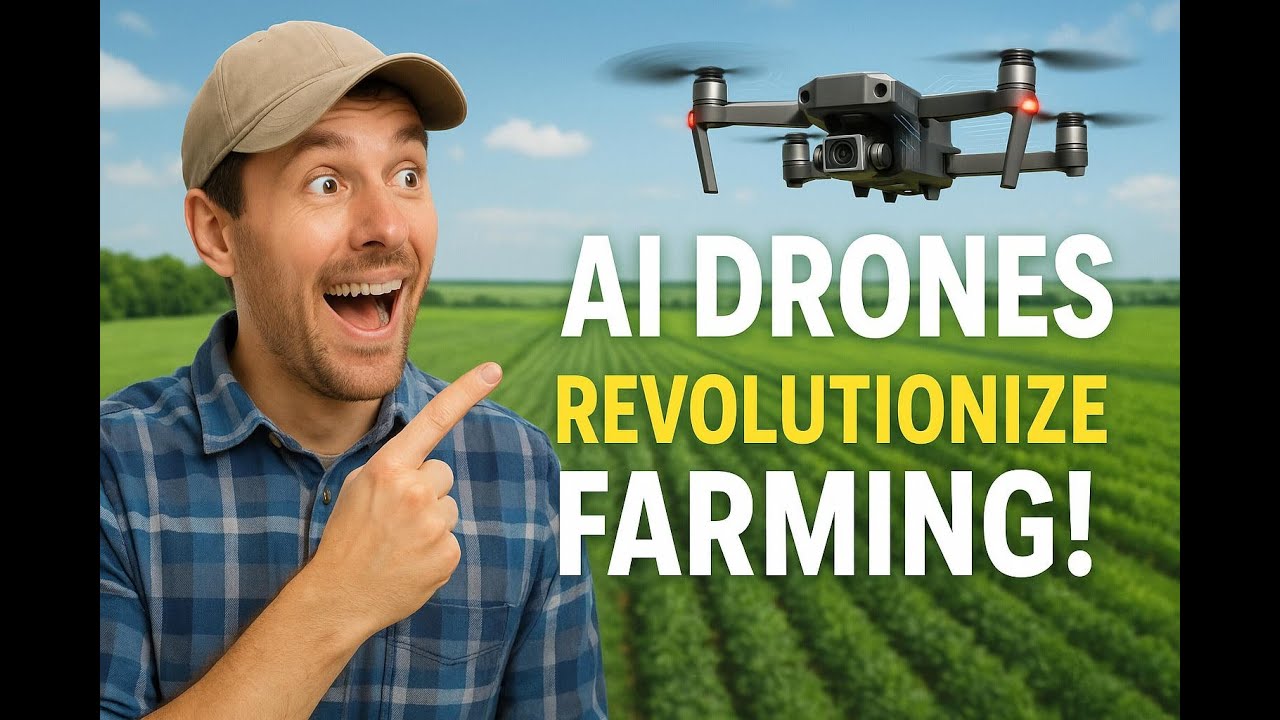
2. Technology Adoption: Satellites, Drones, and AI-powered Advisory Systems
- Satellite-based monitoring and multispectral imagery are making a difference by allowing for better estimation of crop health, weather trends, and soil moisture, directly improving food security.
- Farmonaut’s AI advisory system (Jeevn AI) is available for both individual and business users and delivers real-time actionable insights, weather forecasts, and farm-specific management recommendations on the go. Try our app for a data-driven leap in farm productivity!
- Blockchain-based traceability solutions are ensuring transparent and authentic sourcing of Zimbabwean produce in both domestic and export markets.
Integrate Farmonaut’s Satellite API
|
API Developer Docs



Farmonaut Subscriptions: Start Your Satellite Monitoring Journey
Affordable, Scalable, and Powerful Solutions for Every Zimbabwean Farmer and Agri-business

Role of Technology & Satellite Insights in 2025 Zimbabwe Farming
The integration of advanced technology is revolutionizing management systems in agriculture Zimbabwe, making real-time data and analysis available for farmers at all operational scales.
- Resource Optimization: Satellite imagery supports precise irrigation scheduling, pest/disease risk assessment, and crop zoning, delivering higher efficacy for water and input usage.
- Blockchain Traceability: Enhances trust with buyers and regulators in domestic and international markets by verifying produce authenticity and supply chain transparency, especially for high-value crops like tobacco and sugarcane (learn more about traceability here).
- Carbon Footprint Monitoring: Farmonaut’s carbon footprinting tools allow farmers and agribusinesses to track their climate impact, providing data-driven support for adopting sustainable practices, compliance, and ultimately boosting agri-export competitiveness.
Why Choose Farmonaut for Zimbabwe Farming?
- Our platform democratizes satellite insights, making them affordable and accessible to all—from individual farmers to the largest agribusinesses.
- We offer real-time field health monitoring, AI-driven advisories, and blockchain traceability tools, supporting Zimbabwe’s drive toward economic resilience and sustainability.
- Monitor your farm’s environmental impact, lower input waste, and build market trust.
Comparison Summary Table: 2025 Challenges & Solutions
| Challenge | Estimated 2025 Impact | Sustainable Solution | Expected Growth Outcome |
|---|---|---|---|
| Drought Frequency | Estimated Yield Loss: 18% Livelihoods at risk |
Climate-smart seeds, irrigation expansion, remote sensing tools | Boosted resilience; Stabilized food security (+8% sector growth projected) |
| Soil Degradation | Loss of soil fertility Reduced productivity |
Conservation agriculture, organic amendments, cover cropping | Improved yields and sustainability; Better long-term output |
| Limited Access to Technology | 80% smallholders lack advanced tech | Mobile advisory services, satellite monitoring, mechanization | Increased efficiency and competitiveness |
| Weak Market Access | Post-harvest loss: up to 30% Lower farmer incomes |
Rural road upgrades, aggregation centers, digital platforms | Higher incomes, reduced waste; Enhanced rural incomes |
| Regular Pest & Disease Outbreaks | 10–12% annual crop loss Livestock mortality increases |
Early warning via satellites, integrated pest management, veterinary support | Reduced losses and improved food security |
Frequently Asked Questions (FAQ)
Zimbabwe farmers primarily grow maize, tobacco, cotton, sugarcane, and a range of horticultural products, alongside pulses and small grains.
How is technology supporting agriculture of Zimbabwe in 2025?
Technology—especially satellite imaging, mobile advisory platforms, and AI-based insights—is helping farmers optimize irrigation, manage crop health, and access early warnings for pests and climatic risks. Farmonaut‘s solutions provide actionable intelligence and real-time monitoring capabilities via web and mobile.
What are the biggest current challenges for farming Zimbabwe?
The key challenges are climate change (erratic rainfall, droughts, floods), unresolved land tenure and investment gaps, infrastructure deficits, difficulty accessing finance and quality inputs, and recurring pest and disease outbreaks.
Is irrigation expansion happening in Zimbabwe?
Yes. There is a strong push toward investment in solar-powered, drip, and center-pivot irrigation to enhance resilience and reduce dependency on unpredictable rainfall.
How is sustainable agriculture growing in Zimbabwe?
Mainly through conservation agriculture, organic soil amendments, drought-tolerant varieties and better farm data. We found no reliable national adoption figure to quote.
How does Farmonaut support Zimbabwe farmland in 2025?
We provide satellite-based monitoring, real-time insights, AI-driven advisories for weather and pests, and blockchain traceability, making agricultural intelligence affordable and accessible to all Zimbabwean users—from smallholders to governments and agribusinesses.
Are there digital tools for financial access and insurance for Zimbabwean farmers?
Yes. Digital and satellite-based verification are helping streamline crop insurance and loan assessment, reducing credit risks and promoting wider financial inclusion.
Where can I access Farmonaut’s solutions?
Download the Farmonaut app for web, iOS, or Android:
Conclusion: Outlook for Zimbabwe Farming in 2025 and Beyond
In summary, Zimbabwe farming in 2025 is at a pivotal moment. While persistent structural challenges related to climate, land tenure, and financing endure, there are new opportunities for sustainable growth through innovation, technology, and a renewed focus on inclusive development. Enhanced management of farmland, ecosystem stewardship, and market integration are reshaping the sector into a more resilient and profitable foundation for the national economy.
As Zimbabwe continues to invest in climate adaptation, digital farming, and infrastructure upgrades, the future of its agriculture sector remains bright. Empowered by data-driven tools, supported by advanced satellite insights from providers like Farmonaut, and driven by the ingenuity of its farmers, Zimbabwe is primed to become a model for sustainable, climate-resilient, and economically vibrant farming in Africa and beyond.
Explore our Carbon Footprinting Solution for Sustainable Agriculture
Discussion
Questions, corrections or field experience? Share them below. First-time comments are reviewed before they appear, and your email is never published.
No comments yet. Be the first to add a question or your experience.

 MCSOD
MCSOD Marei Nursery
 Sayaji Group
 eKGIS
eKGIS Mostas Tech
 Native Seeds
 Andex
Andex FCF India
 Unifrutti Gulf
 Deluxe Conseil
 TVS Electronics
 WICO
WICO Chimera Innovation
 SkyHarvest
 Polaris Digitech
 Licence holder · Niger · Gold










