

- Introduction: A Comprehensive View of Agriculture China
- Agriculture China Context: Scale, Structure, and Innovation
- 7 Innovations Transforming Agriculture in China
- Comparative Innovations Impact Table
- Sustainable Farming Practices and Rural Resilience
- Soil Health Management and Environmental Stewardship
- Water Management: Smart Irrigation and Conservation
- Forestry and Agroforestry: Ecological and Economic Impact
- Digital Agriculture and Farmonaut: Satellite, AI, and Blockchain Solutions
- Food Security, Dietary Shifts & Market Dynamics
- Challenges and Opportunities for the Future
- Frequently Asked Questions
“China’s smart irrigation systems have improved water use efficiency by up to 40% in major agricultural regions.”
Agriculture China: 7 Innovations Transforming Farming
China agriculture stands at the intersection of ancient practice and cutting-edge innovation. With a vast territory that stretches across diverse climates—from the fertile valleys of the Yangtze River to the arid expanses of the north—agriculture in China has always been a foundation supporting both rural livelihoods and the nation’s food security. Today, as modernization, technology adoption, and sustainability gain momentum, China’s farming sector is experiencing a renaissance that is shaping rural economies and the nation’s ecological future.
This comprehensive view delves deep into seven key innovations transforming agriculture China, touching on sustainable farming, advanced water management, soil health, resilient rural systems, and the role of smart technology—including applications from Farmonaut’s satellite-driven insights. With influence from domestic policy and global market forces, these advancements are propelling agriculture of China towards a sustainable, resilient future.
Agriculture China Context: Scale, Structure, and Innovation
To understand the pace and character of modernization in agriculture in China, it’s essential to explore the sector’s context—rooted in its scale, structure, and environmental diversity. China’s agricultural landscape is characterized by:
- Vast territory and population: Over 1.4 billion people sustained by an integrated mosaic of crop farming, animal husbandry, aquaculture, and forestry.
- Diverse climates and soils: Regional specialization—from staple grains in the plains to fruits and vegetables in subtropical and mountainous zones.
- Transitioning structure: Mix of smallholder plots and increasingly mechanized operations, with growing adoption of smart technology and advanced supply chains.
- Environmental stewardship: Policies and practices that balance productivity, climate resilience, and conservation.
China’s agriculture sector remains a cornerstone of rural economies, ecological stewardship, and national food security, even as industrial pressures and environmental challenges push for continual innovation and adaptation.
“Over 50% of China’s farmland now uses soil health monitoring technologies for sustainable crop production.”
7 Innovations Transforming Agriculture China
Advancements in technology and policy are revolutionizing agriculture China—from the scale of smallholder fields to the vast networks supporting national food systems. Here, we spotlight the top seven innovations propelling the sector towards sustainability, efficiency, and resilience.
- Precision Agriculture & Smart Machinery
- Genetically Improved Seeds and Crop Varieties
- Smart Irrigation & Water Management
- Soil Health Monitoring & Fertility Management
- Agroforestry and Integrated Land-Use
- Digital Agriculture, Satellite & AI Technologies
- Supply Chain Traceability & Blockchain Transparency
- 🌱 Precision Tech – GPS & sensors optimize planting, irrigation, and yield.
- 🌾 Improved Seeds – Higher yields, pest/disease resistance, climate adaptation.
- 💧 Smart Water – Automated systems save resources, increase resilience.
- 🧑🔬 Soil Intelligence – Big data and sensors improve soil management.
- 🌳 Agroforestry – Blending forestry and crops for ecosystem health.
- 🛰️ Satellite & AI – Farmonaut and other platforms deliver live advisory and monitoring.
- 🔗 Blockchain – Transparent, traceable supply chains for global trust.

1. Precision Agriculture & Smart Machinery
China’s transition to precision agriculture is reshaping crop production, resource management, and rural sustainability. GPS-guided tractors, UAV drones, and variable-rate applicators enable targeted input use—reducing waste and raising yields. Smart machinery minimizes labor needs while making large-scale farming more profitable, even in challenging regions.
- ✔ Key benefit: Boosts productivity and reduces input costs.
- ⚡ Data insight: Smart equipment adoption in rice and wheat production has led to yield increases of 8–15% in pilot provinces.
- ⚙️ Enhancement: Variable-rate fertilizer application means nutrients are delivered precisely where needed.
- ⚠ Risk: Initial investment can be high for smallholder operations.
2. Genetically Improved Seeds and Crop Varieties
Modern biotechnology has delivered seeds that thrive amid climate variability, resist pests, and generate more biomass per hectare. Hybrid rice—a hallmark of agriculture China—has escalated average yields while supporting food security. Seed research continues to drive adaptation to new diseases and harsher weather, supported by ongoing government and institutional research.
- ✔️ Yield increases: Up to 20% in staple crops using improved varieties.
- 🌽 Diversity: Widespread adoption in grains, fruits, and vegetables.
- ⚠️ Limitation: Biodiversity concerns and seed sovereignty debates remain.

3. Smart Irrigation & Water Management
Water scarcity presents critical challenges to agricultural stability and resilience in many regions of China. With advanced smart irrigation—including remote-controlled drip and sprinkler systems—farmers use precise amounts of water for each field, crop, and season. Canal network modernization and hydro-meteorological data integration further optimize irrigation scheduling and minimize leaching or runoff.
- 💧 Water savings: Up to 40% reduction in major regional pilot projects.
- ⭐ Quality control: Improved water quality for downstream urban and rural users.
- ⚠ Challenge: Significant investment in upgrading infrastructure.
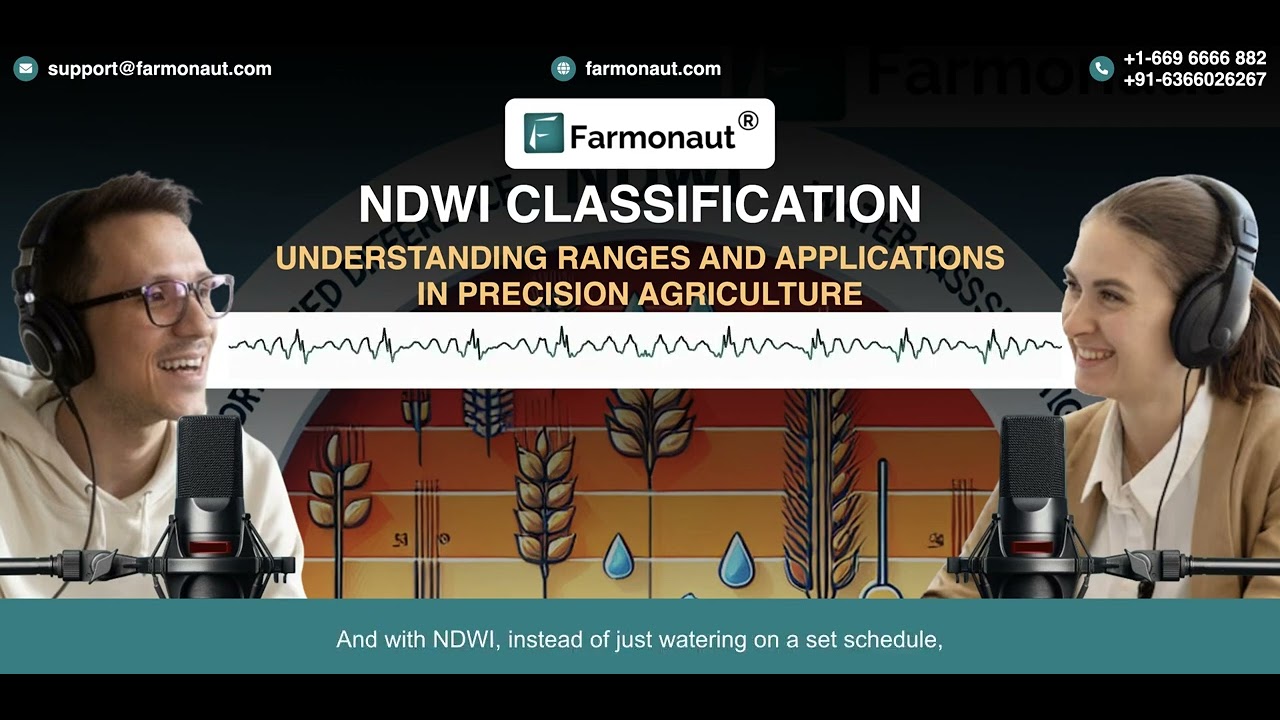
4. Soil Health Monitoring & Fertility Management
Half of China’s farmland now leverages soil health monitoring technologies—covering everything from physical soil condition mapping to real-time fertilizer guidance. Practices such as crop rotation, reduced tillage, organic matter returns, and balanced fertilizer application dominate modern agriculture China. These efforts ensure sustained yields, reduce runoff, and enable environmental stewardship at scale.
- ✔ Key benefit: 10–30% fertilizer cost savings; soil organic matter rebound.
- 📈 Data insight: Satellite and ground sensors enable real-time, zone-specific action.
- ⚡ Enhancement: Diagnostics can prevent over-fertilization and nutrient leaching.
5. Agroforestry and Integrated Land-Use
Agroforestry—blending trees with crops and livestock—plays an increasingly central role in China agriculture. This integrated system stabilizes slopes, conserves soil, enhances biodiversity, and sequesters carbon. High-value intercropping (such as tea beneath chestnut or mulberry trees with silkworms) supports rural economies and diversifies income.
- ✔️ Sustainability: Enhanced ecosystem services, biodiversity protection.
- 🔁 Productivity: Higher land-use efficiency and diversified farm output.
- 💰 Income: Increased rural resilience against market and climate shocks.
6. Digital Agriculture, Satellite & AI Technologies
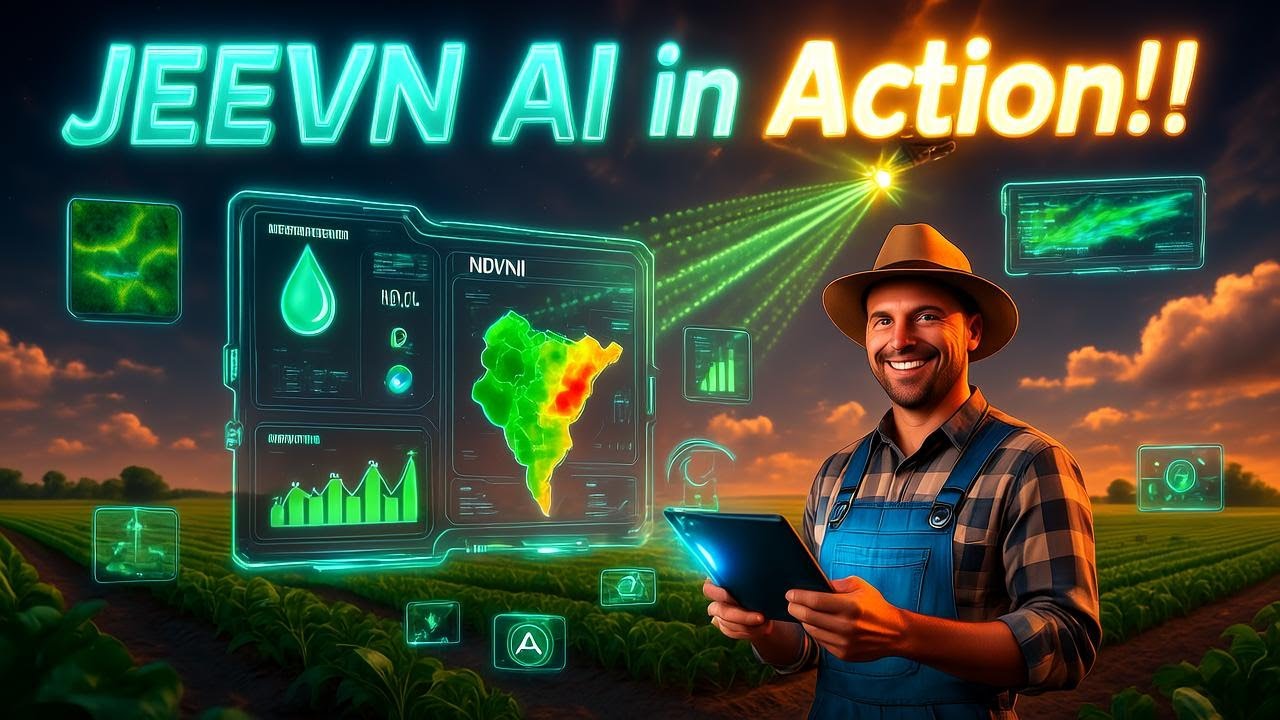
Digital transformation is amplifying every rung of the agricultural supply chain. With tools such as real-time crop monitoring, yield forecasting, and AI-based pest control, platforms like Farmonaut empower efficient management and evidence-based decision-making—across individual fields and large-scale landscapes.
- ✨ Efficiency: Remote sensing and AI minimize risk, optimize resource allocation and inform timely interventions.
- 🔍 Traceability: Digital ledgers and satellite traceability improve trust along the entire supply chain.
- 🚀 Innovation: Scalable across regions, crops, and operational sizes.

Farmonaut’s API for satellite data and developer documentation help users and business integrate satellite-driven insights into their digital systems for better crop management, environmental compliance, and productivity.
Farmonaut’s value proposition is extended via our Carbon Footprinting tool, allowing agricultural stakeholders to monitor and report their environmental footprint, optimize land use, comply with regulations, and build a case for green investment.



7. Supply Chain Traceability & Blockchain Transparency
Global and domestic market pressure for food safety and quality has spurred rapid digitalization in China’s agricultural supply chains. Blockchain and IoT-enabled systems provide traceability—tracking a product’s journey from field to table and ensuring compliance with market standards.
- ✔️ Key benefit: Boosts consumer and export market trust.
- 🔗 Transparency: Ensures real-time verification and reduced fraud.
- 🚩 Limitation: Tech infrastructure gaps in remote or under-resourced areas.
- 🔒 Security: Product authentication for domestic and export markets.
- 📦 Supply Chain Efficiency: Automated logistics, reduced delays.
- 💡 Knowledge: Immediate access to compliance and batch data.
- 🌍 Market Access: Meets international and regional standards.
Comparative Innovations Impact Table
- 🌍 China agriculture is both a model for modernization and a living laboratory for sustainable farming solutions worldwide.
- 💡 Precision farming reduces input waste and mitigates environmental pressure.
- 💧 Smart water management sustains rural stability amid climate variability.
- 🌳 Agroforestry integration increases land-use efficiency and ecosystem services.
- 🛰️ Digital platforms like Farmonaut deliver actionable insights, supporting policy and environmental compliance at scale.
Sustainable Farming Practices and Rural Resilience
The success of agriculture in China depends on harmonizing economic viability with ecosystem stewardship. Sustainable practices include:
- Crop Rotation & Polyculture – Reduces pest/disease build-up, improves soil structure
- Zero/minimum tillage – Preserves organic matter and reduces erosion
- Organic Farming – Expanding niche, especially for fruit and vegetable crops
- Wetland Protection – Safeguards biodiversity, controls floods, provides ecosystem services
- Efficient Fertilizer Practices – Data-driven, minimizes runoff and nitrogen loss
The agricultural development trajectory in China is shaped by policy and market influence—drive by dietary shifts, food demand, and global trade policies.
Soil Health Management and Environmental Stewardship
- Soil Mapping and Diagnostics: Identify deficient nutrients and tailor fertilizer application, reducing costs and environmental damage.
- Cover Crops and Terracing: Combat erosion and restore soil structure in sloped or marginal areas.
- Agroecological Approaches: Combine local knowledge with technology, integrating elements such as mulching, composting, and mixed cropping systems.
- Biodiversity Restoration: Planting of legumes, deep-rooted perennials, and agroforestry trees enhance soil structure and carbon sequestration.
With our Crop Plantation and Forest Advisory, users gain access to satellite-driven recommendations for soil health, plantation planning, and resource allocation, empowering both smallholder and large-scale farming systems in China.
Water Management: Smart Irrigation and Conservation
“Water is the lifeblood of China’s agricultural system”—but is often in short supply or unevenly distributed by climate and geography. To address water scarcity and guarantee stable yields, Chinese farming systems rely on:
- 💧 Automated Irrigation (drip/sprinkler/pivot)
- 🌊 Reservoir and Canal Networks for supply stabilization
- 🛰️ Satellite Data (including NDWI) to monitor water stress and optimize scheduling
- 📡 IoT Sensors track field moisture, enabling per-zone response to drought or overwatering
- 🌳 Forest Farming: Mushroom, ginseng, and herbal production beneath tree canopies.
- 🦅 Biodiversity Corridors: Link fragmented rural landscapes and stabilize native species.
- 🚜 Integrated Biomass Production: Tree-crop-livestock mosaics for food, fuel, and fiber.
- 🔥 Carbon Sequestration: Agroforestry plots lock away atmospheric carbon, helping meet climate goals.
- ⚡ Monitor crops and natural resources for productivity, irrigation, and disease risks
- ⚡ Meet policy compliance on land use, emission reduction, and carbon footprinting
- ⚡ Enable market access and supply chain efficiency using traceability solutions
- ⚡ Improve access to crop insurance and farm loans (see Crop Loan and Insurance features)
- 🍊 Diversification: Expanding market for specialty crops and animal products.
- 🔥 Market pressure: Quality, safety, and traceability standards are now prerequisites for domestic and export success.
- 🏭 Value addition: Processing, packaging, and cold chain logistics rise in importance.
- 🌏 International dynamics: US-China agriculture trade, tariffs on oilseeds and grains, and regional standards alignment shape both risks and opportunities.
- ⚠ Risk: Environmental pressures—such as water scarcity, soil degradation, and climate variability—require robust adaptive solutions.
- 🔒 Constraint: Balancing modernization with support for smallholder livelihoods remains complex.
- 🏭 Industrial challenge: Ensuring that mechanized and digital transitions include all regions—especially remote and under-resourced rural areas.
- 🌟 Opportunity: Data-driven management, satellite insights, and smart traceability offer leverage to scale sustainable, resilient food systems worldwide.
- 💼 Policy Insight: International cooperation—especially on climate and trade—will help accelerate technology adoption while promoting sustainability and equity.
-
Innovations in water management cut regional water demand dramatically while protecting aquifers, wetlands, and rural drinking supplies.
Forestry and Agroforestry: Ecological and Economic Impact
Forests and agroforestry are interwoven with agriculture china, playing a decisive role in water conservation, hazard reduction (landslides, flooding), and biodiversity protection.
Initiatives like large scale farm management increasingly use satellite data to integrate landscape restoration, provide early warning of climate threats, and promote adaptive strategies. Learn more about our Large Scale Farm Management System designed for multi-hectare planning in both agriculture and forestry contexts.
Digital Agriculture and Farmonaut: Satellite, AI, and Blockchain Solutions
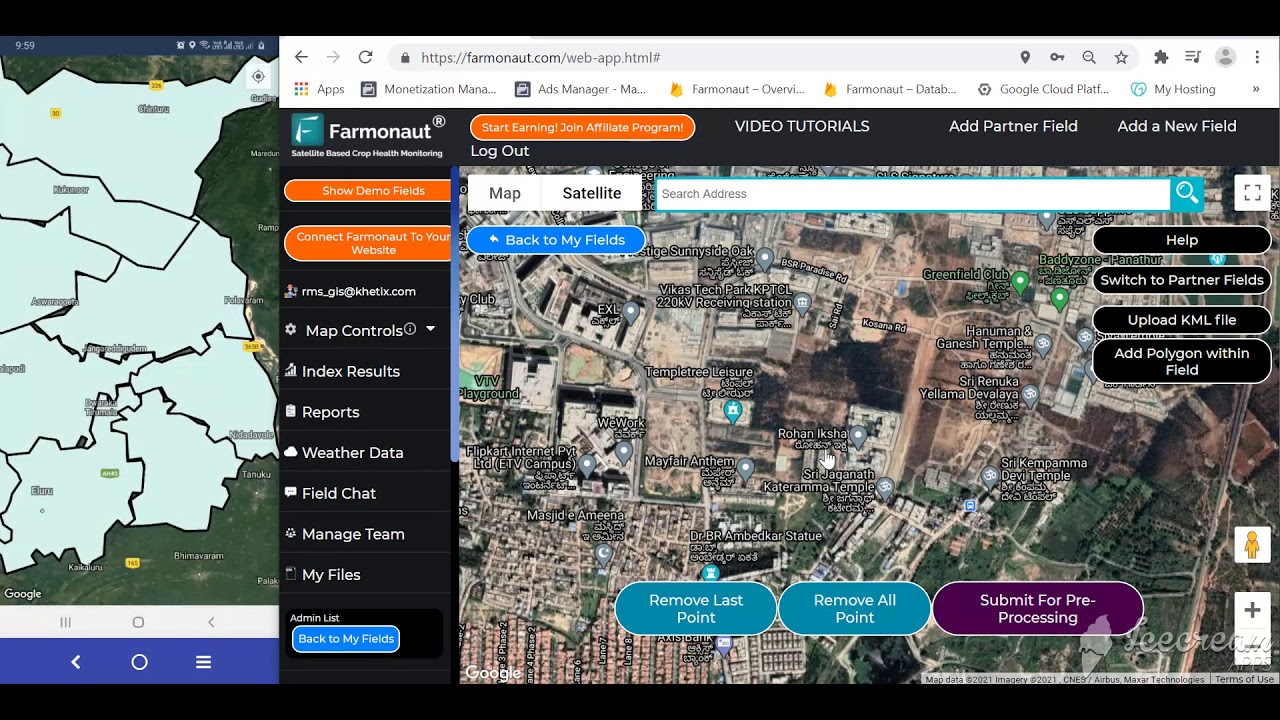
The adoption of digital technology—especially satellite-based solutions—has been pronounced in many regions of China. Real-time imagery, AI-driven field analytics, and traceability blockchains enable farmers, rural cooperatives, businesses, and government to:
Our suite of technologies—including multispectral satellite monitoring, AI-driven advisory (see Jeevn AI), and decentralized blockchain ledgers—supports users in managing resources efficiently, optimizing inputs, and achieving more resilient production systems.
Food Security, Dietary Shifts & Market Dynamics
The changing dietary patterns in China, driven by urbanization and rising incomes, place new demands on agriculture china. There is a shift from reliance on rice and wheat towards increased consumption of fruits, vegetables, dairy, and meat. This has several effects:
Ongoing technology and policy upgrades ensure food security by increasing supply chain transparency, stability, and resilience against global market fluctuations.
Challenges and Opportunities for the Future
Agriculture China faces a unique blend of challenges and opportunities:
In sum, the path of modernization in Chinese agriculture exemplifies effective stewardship, blending innovative technology with traditional practices and policy support for sustainable development.
Frequently Asked Questions – Agriculture China
Q1: What are the top innovations driving agriculture modernization in China?
A1: The leading innovations are: 1) precision machinery, 2) genetically improved seeds, 3) smart irrigation, 4) advanced soil health management, 5) agroforestry systems, 6) digital agriculture (satellite, AI), and 7) blockchain-enabled supply chain traceability.
Q2: How has smart irrigation improved water use efficiency in China?
A2: Smart irrigation systems have improved water use efficiency by up to 40% in major agricultural regions through data-driven scheduling, automated drip and sprinkler systems, and satellite monitoring.
Q3: What role does Farmonaut play in China’s agricultural technology adoption?
A3: Farmonaut delivers satellite-based monitoring, AI advisory, blockchain traceability, and resource management tools helping users in agriculture, mining, and infrastructure to optimize operations, achieve compliance, and scale sustainability.
Q4: How does soil health monitoring contribute to sustainable farming?
A4: Soil health monitoring technologies enable precise fertilizer use, restore organic matter, reduce nutrient runoff, and improve productivity—covering more than half of China’s farmland.
Q5: Why is traceability important for Chinese agricultural exports?
A5: Traceability, supported by blockchain and IoT, meets rigorous international market standards, boosts consumer trust, and allows products to access premium markets globally—including US-China agricultural trade corridors.
Q6: Where can I learn more or access Farmonaut’s technology for agriculture china?
A6: You can access Farmonaut’s platform via:
The agriculture of China is a dynamic, integrated system—encompassing rural livelihoods, food security, forestry, water, and ecosystem stewardship. By embracing modern technologies—from AI and blockchain to smart irrigation and eco-friendly farming systems—China is demonstrating how large-scale, sustainable transformation is possible. With platforms like Farmonaut delivering affordable, actionable insights, the sector is well-poised to adapt to future challenges, support resilient rural economies, and contribute to global food and environmental security.
Discussion
Questions, corrections or field experience? Share them below. First-time comments are reviewed before they appear, and your email is never published.
No comments yet. Be the first to add a question or your experience.

 Zerella Group
 Agroes
 Etech Consulting Madagascar
 Vestlandsforsking
 Agritein
 Delicio
 WB Dev
 Sama Premium
 Prochecker
 Tres Valles
 LACOS Geoinformation
 Magrifly
 LatConnect 60
 WebsEdge
 Blickwinkel
 Agricultural Credit Policy Council
 Marei Nursery
 eKGIS
eKGIS Mostas Tech
 Andex
Andex
 Exploration consultancy · South Africa · Gold
 Licence holder · Niger · Gold
 Licence holder · Nigeria · Gold + lithium










