

Table of Contents
- Introduction: Agriculture in Central Asia, 2026
- Trivia 1
- Regional Overview: Agriculture in Central Asia
- Key Trends & Opportunities in 2025-2026
- Climate Change & Environmental Challenges
- Water Management: The Artery of Agriculture in Central Asia
- Technology & Innovation: Smart Agriculture Trends
- Comparative Table: Smart Agriculture & Agri-Financing Impact by Country (2025-2026)
- Financing Agriculture: Trends in Ag Loans and Rural Support
- Leveraging Satellite Technology: How Farmonaut Empowers Central Asian Agriculture
- Regional Cooperation, Policy & Infrastructure
- Future Outlook: What 2026 and Beyond Holds
- Trivia 2
- Frequently Asked Questions
- Conclusion: Growth, Sustainability, Innovation
- Farmonaut Subscriptions
Agriculture in Central Asia: 2026 News, Trends, Ag Loans
Central Asia’s agricultural landscape remains a backbone for the livelihoods of millions. As we enter 2026, agriculture in Central Asia is experiencing rapid evolution, characterized by dynamic trends, innovative ag technologies, and pressing environmental and climate challenges. The region’s five main countries – Kazakhstan, Uzbekistan, Turkmenistan, Kyrgyzstan, and Tajikistan – are witnessing both opportunities and obstacles as they seek to modernize farming systems, adopt sustainable practices, and expand access to financing like ag loans central valley models.
In this comprehensive guide, we explore not only the highlights from recent agriculture news today asia, but also the structural changes, technology adoption, and financial infrastructure shaping the region’s future. This analysis draws together diverse perspectives for policymakers, agribusinesses, and farmers looking ahead to 2026 and beyond.
“By 2025, Central Asia’s smart agriculture market is projected to grow by 35%, driven by innovative financing and technology adoption.”
Regional Overview: Agriculture in Central Asia
The central asian region is geographically diverse, encompassing vast steppes, arid deserts, high-altitude valleys, and riverine zones fed by the Amu Darya and Syr Darya. Agriculture in Central Asia remains a cornerstone of national economies, with wheat, cotton, fruits, vegetables, and livestock farming all playing essential roles.
- Kazakhstan – Dominates regional wheat exports; large-scale mechanized farming
- Uzbekistan – Leading cotton and up-and-coming fruit/nut producer
- Turkmenistan – Relies heavily on cotton, now pivoting toward horticulture
- Kyrgyzstan – Known for high-value fruits and vegetables
- Tajikistan – Strong in diverse crops and irrigation-dependent agriculture
The central sector faces critical challenges: declining soil fertility, water scarcity, and a need to transition to technological and climate-resilient farming practices. Simultaneously, governments are pursuing transformative investments and engaging in regional cooperation to boost food security and trade.

Key Trends & Opportunities in 2025-2026 for Agriculture in Central Asia
2025-trends in agriculture in Central Asia highlight a sector striving for balance between tradition and innovation. Below, we break down the most significant shifts:
- Crop Diversification: Governments and ag centers are encouraging farmers to transition from traditional cotton toward higher-value, climate-resilient crops like apples, cherries, nuts, and vegetables, supporting export growth and food security.
- Smart Technologies: Precision agriculture, IoT sensors, drone monitoring, and satellite imagery unlock new potential for yield improvement and resource optimization. This digital transformation is supported by both public and private investments.
- Sustainable Practices: Conservation tillage, drip irrigation, and organic farming are increasingly adopted to protect soil and reduce input costs.
- Climate Adaptation: Introduction of drought-resistant and salt-tolerant varieties is being accelerated by agronomic research centers.
- Agri-Financing: Structured ag loans, inspired by the ag loans central valley approach, empower farmers to invest in modern systems, machinery, and post-harvest infrastructure.
- Supply Chain Development: Expansion of transport networks, storage, and value-addition facilities reinforces regional trade and export capacity.
These trends interlink with the larger global shift toward a data-driven, market-oriented, and sustainable agricultural sector, setting the stage for a resilient future.

Climate Change & Environmental Challenges in Central Asian Farming
Climate variability is now a defining challenge for agriculture in Central Asia. The region’s arid and continental climate, coupled with increased droughts and unpredictable weather, puts stress on both crops and farmer livelihoods. Other key issues include:
- Soil Degradation: Overuse, salinization, and erosion due to irrigation mismanagement threaten productivity.
- Desertification: Expansion of arid zones, especially in Uzbekistan and Turkmenistan, diminishes arable land.
- Water Shortage: Overreliance on the transboundary Amu Darya and Syr Darya for irrigation heightens tension.
- Temperature Shifts: Warmer, erratic seasons affect yields, pest cycles, and planting windows.
Environmental management—through climate-smart technologies, improved soil monitoring, and targeted resource use—remains critical for ensuring the region’s food security.

Water Management: The Artery of Agriculture in Central Asia
Water remains the most precious resource for farming in Central Asia. With the Amu Darya and Syr Darya feeding millions of hectares, coordinated management and modernization of irrigation systems have become national priorities.
Why Water Scarcity Is a Critical Issue
- The region is arid and semi-arid, so rainfall alone cannot sustain agriculture.
- Overreliance on old, inefficient channel irrigation leads to high water loss.
- Transboundary river use is a source of regional tension and debate, especially during drought years.
Smart irrigation, real-time soil moisture sensors, and policy reforms are among the responses being piloted in 2025-2026. Leading countries are working to reduce water waste and mitigate the impact of shortages on crops and farmer incomes.
Farmonaut supports these initiatives with cost-effective satellite-based monitoring of soil moisture and irrigation efficiency, delivering vital insights that help optimize water use and resource management at scale.




Technology & Innovation: Smart Agriculture Trends in Central Asia
Technology and innovation are transforming farming across the region. Smart agriculture—powered by satellite imagery, IoT sensors, AI advisory systems, and drones—is replacing traditional practices:
- Precision Agriculture: Optimizes input use (seed, fertilizer, water) utilizing data from sensors and remote sensing.
- Real-Time Monitoring: AI-powered systems enable rapid detection of crop stress, disease, or resource variability.
- Drones: Facilitate field monitoring, biological pest control, and targeted fertilization to improve yields.
- Blockchain Traceability: Ensures transparency and quality throughout the food supply chain, reducing fraud in agri-trade and farming exports.
Example: Pilot projects using satellite imagery and IoT-based soil moisture sensors have shown promising results in enhancing irrigation efficiency and crop health, especially in drought-prone areas.
Farmonaut provides tools for real-time monitoring, advisory, and blockchain-based traceability solutions through our Product Traceability Suite, which helps fruit, nut, and cotton exporters comply with international standards and boost market access.
Regulatory incentives and ongoing research at national agronomic centers are also accelerating smart tech adoption. This innovation surge is expected to improve yields, reduce costs, and promote environmental sustainability region-wide by 2026.


Comparative Table: Smart Agriculture & Agri-Financing Impact by Country (2025-2026)
To illustrate the pace of transformation, the table below summarizes the adoption of smart agriculture, financial innovation, and projected yield impacts in each country:
| Country | 2025-2026 Estimated Area Under Smart Agriculture (hectares, % of total) | Key Technologies Adopted | Avg. Ag Loan Growth Rate (%) | Major Challenges | Projected Yield Increase (%) |
|---|---|---|---|---|---|
| Kazakhstan | 2,200,000 ha (20%) | Remote sensing, AI advisory, precision seeding, blockchain traceability | +14% | Climate, soil salinization, tech access | 8–12% |
| Uzbekistan | 1,700,000 ha (27%) | Drip irrigation, drones, soil sensors, mobile farm management | +18% | Water scarcity, market shifts | 10–15% |
| Turkmenistan | 900,000 ha (17%) | AI irrigation systems, imagery, traceability apps | +12% | Cotton reliance, arid soils | 6–10% |
| Kyrgyzstan | 600,000 ha (22%) | Satellite advisory, smart pest management, logistics | +16% | Terrain, transport | 9–13% |
| Tajikistan | 550,000 ha (19%) | Moisture monitoring, AI weather, resource management | +15% | Mountainous farms, access to credit | 7–11% |

Financing Agriculture: Trends in Ag Loans Central Valley Model & Rural Support
Access to financing is pivotal for modernizing the Asian region’s farming sector. Drawing on inspiration from the ag loans central valley framework in California, Central Asia is innovating with microfinance and agri-credit schemes:
- Microloans & State-Backed Financing: New products support smallholders investing in machinery, drip irrigation, drones, and post-harvest systems.
- Insurance Products: Crop insurance is rapidly expanding, providing essential risk mitigation for weather and disease-related losses.
- Custom-Tailored Extensions: Banks and agricultural agencies are increasingly offering loan packages designed for climate-resilient or organic farms.
- Digital Verification: Satellite and blockchain-based verification reduce fraud and enhance trust—services available via Farmonaut’s Crop Loan & Insurance Solutions.
Modern financing mechanisms are vital for encouraging the adoption of technologies and driving regional economic development in rural zones.
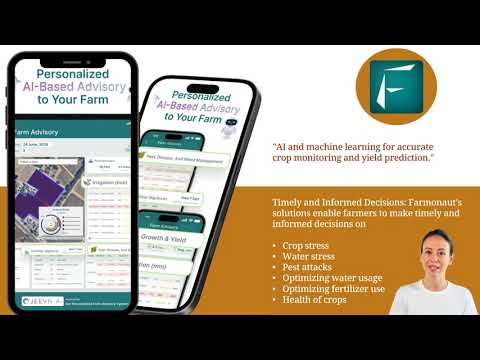
Leveraging Satellite Technology: How Farmonaut Empowers Central Asian Agriculture
As agriculture in Central Asia evolves, leveraging real-time, data-driven insights is essential. At Farmonaut, our satellite monitoring and AI advisory technologies are accessible through mobile and web apps, serving individual growers to regional governments looking to:
- Monitor Crop Health Remotely (NDVI, soil moisture, pest risk) for smarter field decisions and maximizing yields.
- Optimize Water & Resource Use through precision irrigation tools and moisture trend mapping. Large-Scale Farm Management tools enhance scalable operations.
- Build Transparent, Traceable Supply Chains, using Blockchain Traceability to unlock premium international markets for fruits, nuts, and cotton.
- Measure Sustainability with Carbon Footprinting and Environmental Impact monitoring—ideal for grants, sustainability certification, and compliance.
Instant integration is enabled via our Farmonaut API and Developer Documentation, empowering agri-tech businesses and financial providers to scale agriculture digitalization in Central Asia seamlessly.
Farmonaut Subscription Tool
“Over 60% of Central Asian farmers seek agri-loans to invest in climate-resilient technologies by 2026, reshaping regional farming.”
Regional Cooperation, Policy & Infrastructure Development
The future of agriculture in Central Asia is increasingly collaborative. Regional organizations and governments are focused on cross-border water management agreements, joint agronomic research, and coordinated trade policy. Key themes include:
- Irrigation Projects: Upgrading transboundary canal systems, automated weirs, and smart water allocation to cut losses and ease river tensions.
- Agri-Research Initiatives: Pooling resources in testing climate-adapted varieties and sustainable agro-management methods.
- Infrastructure Expansion: Modernizing transport (roads, railways), cold chains, and market access for both staple and value-added crops.
These integrated development approaches are essential for reduced supply chain cost, improved food security, and regional economic resilience as 2026 approaches.
Future Outlook: What 2026 and Beyond Holds for Central Asian Agriculture
Looking ahead, Central Asia’s agricultural sector faces three simultaneous imperatives:
- Scaling Digital & Smart Technologies: Ongoing investment in remote sensing, drones, AI advisories, and satellite-based management will be key for staying productive in a volatile climate.
- Strengthening Sustainable Practices: Reducing soil degradation and water overuse via regenerative agriculture and ecosystem-based models, supported by carbon footprint tracking tools.
- Expanding Access to Financial Instruments: Microloans, crop insurance, and risk-mitigated ag loans remain central to rural prosperity, boosting adoption of modern farming techniques.
By embracing these strategies, Central Asia’s agricultural sector can surmount climate, resource, and infrastructure challenges—ensuring stable food supplies, competitive exports, and improved rural livelihoods.
Frequently Asked Questions (FAQ) – Agriculture in Central Asia: 2026 Trends
- Q1: What are the main crops grown in Central Asia in 2026?
-
- Wheat – Still the region’s staple, especially in Kazakhstan and Uzbekistan.
- Cotton – Remains important, but its share is decreasing due to water-intensive nature.
- Fruits & Vegetables – Such as apples, cherries, nuts, and tomatoes are on the rise.
- Livestock – Sheep, cattle, and dairy are also critical in the rural economy.
- Q2: How are Central Asian farmers accessing agri-financing and loans?
-
- Through microfinance, state-subsidized agricultural banks, and satellite-verified digital lending platforms inspired by ag loans central valley models.
- Crop insurance and blockchain-based verification now provide both risk mitigation and faster loan approvals.
- Q3: What is the impact of climate change on the region’s farming?
-
- Increased frequency of drought, soil salinization, and changing rain/snow patterns affecting irrigation-dependent agriculture.
- Need for climate-adapted crops and sustainable water management practices is greater than ever.
- Q4: What technologies are Central Asian countries adopting most rapidly?
-
- Satellite monitoring, remote-sensing drones, IoT soil and irrigation sensors, blockchain for traceability.
- AI-powered advisory apps and smart farm management systems.
- Q5: How does Farmonaut improve agricultural productivity?
-
- By providing affordable, real-time crop and soil monitoring, AI-based advisory, and blockchain traceability tools for farmers and institutions across Central Asia.
- Enabling lenders and insurers to make informed, low-risk decisions with satellite data verification.
- Q6: What is the role of regional cooperation in Central Asian agriculture?
-
- Essential for transboundary water management, joint climate adaptation research, and facilitating agri-trade.
- Helps ensure sustainable resource use and long-term food security for all member countries.
Conclusion: Growth, Sustainability, Innovation – The New Era of Agriculture in Central Asia
Agriculture in Central Asia is at a turning point, propelled by the combined influence of technological advancements, capital access, environmental imperatives, and government commitment to sustainability. As the sector evolves in 2026 and beyond, early adoption of satellite-driven smart farming systems, expansion of climate-resilient crop strategies, and enhanced financial outreach will be the primary accelerators of success.
At Farmonaut, we are dedicated to supporting farmers, businesses, and governments in Central Asia with actionable insights and decision tools that empower sustainable growth, efficient management, and transparent trade for years to come.
For those wishing to transform their agri-businesses or policy initiatives, direct access to satellite analysis, blockchain-enabled traceability, and real-time monitoring is available via our apps and platforms—with full API integration for tech innovators via our API Developer Documentation.
Get Started with Farmonaut Solutions
Try Farmonaut for cost-effective smart monitoring, traceability, and agri-sustainability tools:
Start optimizing your fields, farm operations, and agri-supply chains for a sustainable, resilient, and profitable future in Central Asia’s evolving agriculture sector.
Discussion
Questions, corrections or field experience? Share them below. First-time comments are reviewed before they appear, and your email is never published.
No comments yet. Be the first to add a question or your experience.

 Agricultural Credit Policy Council
 BayWa
BayWa Azure Clouds
 MCSOD
MCSOD Marei Nursery
 eKGIS
eKGIS Mostas Tech
 Native Seeds
 Andex
Andex FCF India
 Unifrutti Gulf
 Deluxe Conseil
 TVS Electronics
 WICO
WICO Chimera Innovation
 SkyHarvest
 Licence holder · Niger · Gold
 Licence holder · Nigeria · Gold + lithium










