

Agriculture India (Agrigoi) Latest: 2026 Trends
“India’s smart agriculture market is projected to reach $13 billion by 2026, driven by AI and precision technology.”
Agriculture in India: A Transformational Decade
Agriculture remains the backbone of India’s economy, employing more than half of the country’s population and contributing significantly to the nation’s GDP. As we look ahead to 2026, the agricultural sector is on the verge of a historic transformation, powered by technology, innovation, and an ever-increasing focus on sustainable practices. The latest agriculture India (agrigoi) latest insights reveal that the sector is not just adapting but truly revolutionizing farming for the benefit of farmers and the broader economy.
From precision agriculture, AI-powered advisory services, and digital platforms to an unprecedented integration of international innovations through events like Agritechnica (agritechnica) latest, India’s path is defined by a synergy between traditional wisdom and cutting-edge tools. Discover how this dynamic transformation is shaping the future for millions of Indian farmers, tackling challenges such as climate change, market access, and financial resilience.

Access Satellite & AI Agriculture Insights with Farmonaut’s Web App
The Current Landscape of Agriculture India (Agrigoi) Latest in 2025-2026
The current landscape of agriculture India (agrigoi) latest in 2025 and looking forward to 2026 is marked by increased mechanization, digitization efforts, and a growing commitment to sustainable and climate-resilient practices. Let us explore the trends, innovations, and tech-driven changes that are reshaping the very fabric of Indian farming.
- Mechanization is helping farmers optimize labor and maximize yields even as small and marginal farms remain prevalent.
- Digitization—the rise of digital platforms, such as AgriGOI, and state-of-the-art app-based management tools—is enabling real-time market access and instant advisory services.
- AI and IoT devices, data analytics, and satellite imaging solutions are making precision and resource optimization attainable goals for even rural and smallholder farmers.
- Direct government support through landmark initiatives—PM-KISAN, eNAM (National Agriculture Market), and AgriGOI—has scaled up supply and marketing efficiency.
Why This Matters in 2026
In the face of climate challenges and a growing need to optimize resources, the agricultural sector is embracing a blend of tradition and technological advancements to secure food security, fair prices, and financial health for India’s vast farming community.

See how Farmonaut’s satellite and AI monitoring tools empower Indian farmers for smarter crop management and resource optimization.
AgriGOI & Digital Transformation Empowering Indian Farmers—Agriculture India (Agrigoi) Latest
Among the most standout developments in the agriculture India (agrigoi) latest sphere is the rise, rapid expansion, and integration of the AgriGOI platform. Designed by the government as a **comprehensive digital ecosystem**, AgriGOI brings together multiple crucial services under one platform accessible to every farmer nationwide via mobile apps and online channels.
- Weather Forecasting—AI-powered, region-specific weather data and alerts for timely crop planning, irrigation, and harvest.
- Supply Chain Management—Farmers can access everything from certified seeds to logistics via digital supply chain solutions.
- AI-driven Crop Advisory—Personalized recommendations for pest management, disease incidence, and best-fit cultivation methods based on satellite imaging and analytics.
- Government Schemes and Crop Insurance—Fast access to crop loans, insurance, and financial support via digital verification, reducing delays and paperwork.
- Market Linkages—Seamless integration with digital marketplaces and eNAM, ensuring fair prices and greater reach for even remote rural farmers.
Digitization: Reducing Dependence and Powering Farmer Empowerment
By bringing together **data-driven insights**, **real-time monitoring**, and **direct access** to government and private support, digital platforms like AgriGOI are eliminating middlemen, delivering transparency, and empowering farmers for the future.

Unlock the potential of AI in agriculture: Learn how AI-advisory systems offer Indian farmers timely, tailored solutions for precision farming.
Key Benefits for Indian Farmers
- Farmers receive customized advisories based on crop variety, regional soil health, and climatic conditions.
- Through digital identity management and rapid application processes, subsidies and insurance become truly accessible for even the most marginal farmers.
- Real-time market intelligence helps reduce dependence on local agents and enhances financial resilience.

Farmers and Entrepreneurs: Digital Opportunities Ahead
With the proliferation of satellite-driven APIs & Agri-data integration, a new era of rural entrepreneurship is emerging. Farmers and agri-entrepreneurs use these platforms to create value, offering services that further expand India’s digital agricultural ecosystem.

Monitor Crops and Manage Farms On-the-Go: Download the Farmonaut Android App

Climate-Smart Solutions for Soil & Water Health
Ensuring soil health, water conservation, and climate-resilient agriculture has become both a necessity and a priority for sustainable progress in agriculture+india+%28agrigoi%29+latest. Discover cutting-edge approaches—powered by real-time satellite monitoring and AI analytics—that are revolutionizing resource management for dryland and drought-prone regions across India.
Focus Technology & Innovation Trends Shaping Indian Agriculture India (Agrigoi) Latest
As we approach 2026, agriculture India (agrigoi) latest is strongly influenced by a series of technological advancements that promise to redefine every aspect of the sector:
- Satellite Imaging & NDVI Analysis: Real-time monitoring identifies stress regions, pest infestation, and crop health at every growth stage—delivering targeted action and boosting yields.
- IoT Devices: Soil sensors, smart metering for irrigation, and weather stations help farmers optimize input use—reducing waste and improving water efficiency.
- AI & Machine Learning Advisory Systems: Automated, tailored advice for crop cycles, fertilizer application, and risk mitigation via platforms like Farmonaut’s Jeevn AI.
- Drones: Used for seeding, pesticide spraying, and aerial scouting, allowing for greater reach and coverage, particularly in large or difficult terrains.
- Blockchain Traceability: Secure verification of produce origins and movement, helping meet international standards and improving consumer trust.

Access Satellite Insights on iOS: Farmonaut App for Indian Agriculture
How Technology Delivers Tangible Impact in India
- Yield Improvement—Tailored irrigation and fertilizer schedules boost productivity.
- Market Transparency—Blockchain and digital platforms open new domestic and international markets.
- Resource Conservation—Precision farming and IoT enable smarter use of limited water and soil nutrients.
- Carbon Footprint Reduction—With farm-level carbon footprinting, sustainable practices and reporting become accessible to all farm sizes.
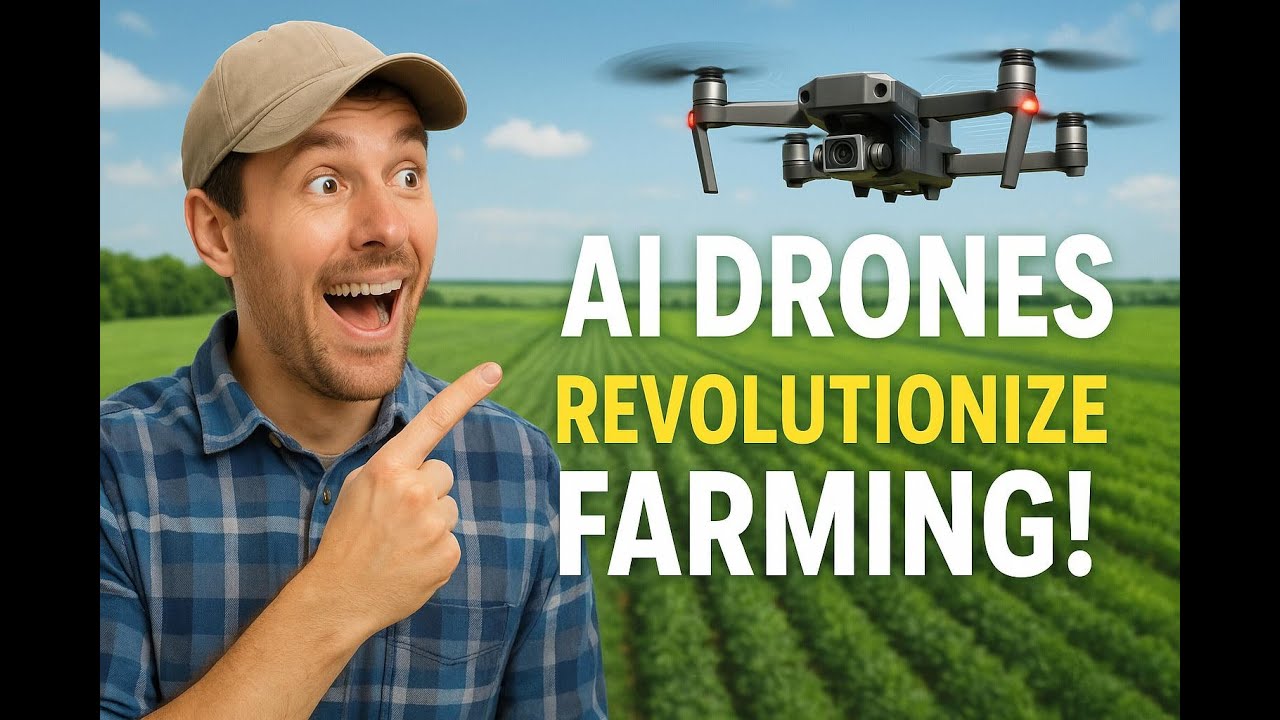
Drones, AI, and precision technology are not just buzzwords—they’re revolutionizing the economics of agriculture India (agrigoi) latest in 2025-2026!

“By 2025, over 45% of Indian farmers are expected to access digital advisory platforms for crop management.”
Agritechnica (Agritechnica) Latest: Global Innovations Catalyzing Indian Agriculture
Agritechnica (agritechnica) latest stands as the world’s premier agricultural innovation showcase. India’s increasing participation in the event after 2024 underscores a growing alignment with international trends and a voracious appetite for best-in-class technologies.
- Autonomous Machinery & Robotics—Unmanned tractors, robotic harvesters, and self-driving implementers demonstrated at Agritechnica offer solutions for India’s labor scarcity while improving precision.
- Advanced Seed Technologies—Disease-resistant, climate-resilient hybrids are helping Indian farmers navigate the volatility of modern weather patterns, reducing loss and boosting food security.
- Smart Irrigation & Water Management—Drip and micro-irrigation systems showcased at Agritechnica dramatically reduce water use and raise farm profitability.
- International Platforms—Technologies from across the globe, integrated into India via startups and government-backed programs, accelerate adoption beyond major metros into rural heartlands.
Agritechnica & Farmonaut: Showcasing India’s commitment to global excellence and digital transformation in farming.
What’s Next for Indian Agri-Innovation?
- Diversification: With new crops, value-added processing, and a focus on export-grade produce, India is climbing the agri-value chain.
- AgTech Startups: Rapid adoption and customization of global innovations ensure locally adapted, scalable solutions for Indian conditions.
- AgriGOI Integration: The Indian government’s own digital platforms are increasingly incorporating international benchmarks for transparency, sustainability, and climate-resilience.
Sustainability, Climate Resilience, and Future-Ready Practices
Climate change remains a critical challenge for Indian agriculture. The unpredictable monsoonal patterns, increase in droughts and floods, and widespread soil degradation require urgent adaptation and forward-thinking solutions.
- Precision Nutrient Management—Data-driven application of fertilizers reduces waste and environmental impact.
- Conservation Tillage—Preserves soil structure, minimizes runoff, and improves carbon sequestration.
- Organic & Regenerative Practices—The adoption of biofertilizers, biopesticides, and carbon farming is rising, especially in states like Maharashtra, Madhya Pradesh, and Rajasthan.
- Agroforestry & Integrated Systems—Government incentives encourage biodiversity, providing alternative incomes and strengthening rural ecosystems.
Discover Farmonaut’s Carbon Footprinting Tools, making it possible for Indian farmers and agri-businesses to track, manage, and monetize sustainable practices for global compliance and eco-labels.
Through initiatives and modules available on AgriGOI and Farmonaut’s platform, farmers now access:
- Resilient Crop Varieties specifically bred for drought/flood tolerance.
- Water Conservation Training and digital irrigation management tools.
- Blockchain-enabled Traceability Solutions—Build market trust, earn certifications, and expand to international supply chains.
To further optimize operations and manage machinery or transport logistics efficiently, explore Farmonaut’s fleet management system, designed for small and large agri-businesses.
Farmonaut: Advanced Satellite Technology for India’s Agricultural Future
As satellite technology and AI become increasingly accessible, our mission at Farmonaut is to make satellite-driven insights affordable and useful for every Indian farmer, agri-business, and government agriculture department. We leverage:
- Satellite-Based Monitoring—NDVI and soil condition analysis enhance decision-making and yield optimization.
- Jeevn AI Advisory System—Offering personalized advice, weather forecasts, and risk-reducing strategies to farmers on any device (Large-Scale Farm Management App available).
- Blockchain Traceability—Ensures supply chain trust, supporting both domestic and export markets.
- Fleet/Resource Management Tools—Improve logistics and machinery efficiency throughout the growing season.
- Environmental Impact Tracking—Measure and manage the carbon footprint for grants or green financing eligibility.
Our platform, accessible via web, Android, and iOS, and even via API integration, is designed for everyone—individual smallholders, large agribusinesses, local governments, cooperatives, and lending institutions. Explore the API developer documentation here.
By empowering Indian agriculture with real-time monitoring, AI-driven insights, and affordable management tools, we stand committed to transforming the sector sustainably.
Trend Comparison Table: Key Agricultural Technologies in India (2024 vs 2026 Estimated)
| Technology Category | Adoption Rate in 2024 (% of Indian farms) |
Projected Adoption Rate in 2026 | Estimated Yield Impact | Sustainability Benefit |
|---|---|---|---|---|
| Drones (for crop scouting & spraying) | Large: 12%, Mid: 6%, Small: 2% | Large: 30%, Mid: 17%, Small: 8% | 10–15% more yield, 20% lower pest damage | 30–40% water/chemical savings |
| IoT Sensors (soil/moisture/water) | Large: 8%, Mid: 4%, Small: 1% | Large: 24%, Mid: 10%, Small: 3% | 5–8% higher crop yield | Irrigation efficiency, water savings (30%) |
| AI-Based Advisory/Analytics | Large: 15%, Mid: 8%, Small: 3% | Large: 40%, Mid: 20%, Small: 12% | 10–20% reduction in input costs/yield loss | Minimizes excessive fertilizer use |
| Smart Irrigation Systems | Large: 25%, Mid: 13%, Small: 6% | Large: 60%, Mid: 34%, Small: 17% | 15–20% more efficient water usage | Groundwater sustainability |
| Blockchain Traceability | Large: 2%, Mid: 1%, Small: 0% | Large: 10%, Mid: 4%, Small: 1% | Enhanced market access (10–12% rise) | Transparency, carbon tracking |
| Carbon Footprinting | Large: 1%, Mid: 0.2%, Small: 0% | Large: 8%, Mid: 3%, Small: 1% | Sustainability-linked market premiums | Reduced emissions, ESG compliance |
Why This Table Matters for Agriculture India (Agrigoi) Latest Stakeholders
- Track Progress: Compare tech adoption and realize where future investments can maximize impact.
- Informed Decisions: Understand how a new technology can increase yields, save water, or open new markets for your farm or business.
- Plan for 2026: Stakeholders—including policy-makers, farmers, and agri-entrepreneurs—gain a crystal-clear vision for the next wave of digital and sustainable growth in Indian agriculture.
Key Challenges & The Road Ahead for Agriculture India (Agrigoi) Latest
Despite the remarkable transformation underway, several persistent challenges must be addressed for the sector to reach its full potential in 2026 and beyond.
- Small Landholdings: With over 85% of Indian farms being small or marginal, the affordability and accessibility of advanced technology remain a challenge. Digital and large-scale management platforms need adaptation for smallholders.
- Fragmented Supply Chains: Connecting rural producers to both domestic and global markets while ensuring traceability is still a work in progress.
- Rural Infrastructure: Power, broadband connectivity, and logistics are not yet uniformly available in all agricultural districts.
- Adoption Barriers: Digital literacy, language diversity, traditional practices, and upfront technology costs slow down widespread adoption, especially among older generations.
- Climate Adaptation: Weather volatility, pest/disease pressures, and market shocks will demand greater focus on climate-smart and risk-mitigation strategies.
What’s Needed for the Future?
- Policy Support: Continued expansion of effective schemes, climate resilience incentives, and public investment in rural connectivity are crucial.
- Accessible Technology: Enhanced focus on low-cost, easy-to-use solutions, including smartphone apps, APIs, and local-language interfaces, will increase digital inclusion for every Indian farmer.
- Data-Driven Decision Making: Scaling up platforms like AgriGOI and Farmonaut—with real-time monitoring, AI advisory, and blockchain traceability—remains essential.
Frequently Asked Questions (FAQ): Agriculture+India+%28Agrigoi%29+Latest
What is the AgriGOI platform and how does it empower Indian farmers?
AgriGOI is a comprehensive government-backed digital platform offering Indian farmers personalized crop advisory, weather forecasts, access to certified seeds, subsidies, crop insurance, and digital market linkages. It is central to the agriculture india (agrigoi) latest transformation, making modern technology and government schemes accessible nationwide.
How are global innovations such as those seen at Agritechnica applied to Indian agriculture?
Technologies and machinery from Agritechnica (agritechnica) latest are tailored and introduced into India via startups, large agribusinesses, and digitally enabled platforms, helping solve challenges such as water scarcity, mechanization needs, and improved supply chain management in the country.
How do satellite analytics and AI advisory systems support crop management?
Satellite analytics provide real-time monitoring of crop health, soil conditions, and weather events, while AI advisory systems analyze this data to give specific, actionable recommendations. This helps Indian farmers maximize yields, optimize inputs like water and fertilizer, and mitigate risks such as pest outbreaks or drought.
What does Farmonaut offer to businesses and government institutions?
Farmonaut provides affordable, subscription and API-driven access to advanced satellite imagery, AI-powered advisory (Jeevn AI), blockchain-based traceability, crop health and yield analytics, carbon footprinting, and resource/fleet management for agriculture, mining, and infrastructure—enabling efficient, transparent, and sustainable operations.
What are the top priorities for Indian agriculture in 2026 and beyond?
Key priorities include building climate resilience, widespread adoption of digital platforms, promoting international standards and best practices, ensuring market transparency and traceability, and supporting smallholder farmers with accessible technology for long-term sustainable growth.
Conclusion: Shaping a Vibrant, Tech-Powered Agricultural Landscape in India
As we stride confidently into 2026 and beyond, agriculture india (agrigoi) latest is defined by transformation, sustainability, and unprecedented opportunity. The convergence of digital platforms like AgriGOI, groundbreaking satellite technology, and innovations showcased at Agritechnica (agritechnica) latest equip Indian farmers to meet the challenges of tomorrow.
With ongoing commitment from the government, the passionate drive of rural communities, and the accessible technology offered by organizations like Farmonaut, the future promises improved yields, empowered farmers, and a sustainable, globally competitive agricultural sector. As rural India continues to digitize, innovate, and connect with global markets, food security, prosperity, and environmental resilience are not just possible—they are inevitable.
Ready to accelerate your agri-digital journey? Access Farmonaut’s web app here or get expert advisory for crops, plantation, and forestry!
Embrace digital transformation. Empower Indian agriculture. Shape a sustainable, food-secure future.

 Global Launch Base
 Elders
 Agritein
 Delicio
 WB Dev
 Sama Premium
 Prochecker
 Tres Valles
 LACOS Geoinformation
 Magrifly
 LatConnect 60
 WebsEdge
 Blickwinkel
 Agricultural Credit Policy Council
 Marei Nursery
 eKGIS
eKGIS Mostas Tech
 Andex
Andex FCF India
