

“In India, the average cost to plant an acre of corn is approximately ₹25,000 as per 2025 trend estimates.”
Average Cost to Plant an Acre of Corn & Land Price India – In-Depth 2025 Economic Analysis
In India, corn (maize) stands as one of the most significant cereal crops, grown extensively across diverse states including Karnataka, Bihar, Maharashtra, and Andhra Pradesh. As we look ahead into 2026 and beyond, understanding the average cost to plant an acre of corn, average cost of crop insurance per acre, and agricultural land cost per acre India is increasingly crucial for farmers, investors, and stakeholders in the agricultural sector. These economic factors collectively shape profitability, risk management, and farming decisions—especially in an age marked by rising input prices, climate risk, and evolving agricultural policies.
This blog post delivers a detailed, data-driven exploration of all associated costs, trends, and expert perspectives for 2025—and guides you through making informed choices for profitable and sustainable corn farming in India.
2025 Trends: Average Cost to Plant an Acre of Corn in India
The average cost to plant an acre of corn in 2025 varies—influenced by input prices, labor availability, mechanization, and regional practices. Across Karnataka, Maharashtra, Bihar, and Andhra Pradesh, typical costs per acre range from ₹25,000 to ₹30,000.
- Land Preparation: Tilling, ploughing, and levelling—vital for optimal seedbed preparation.
- Seed Purchase: Buying hybrid or improved variety seeds (preferred for higher yields).
- Fertilizer and Soil Nutrients: Application of NPK and organic manures, with expenses depending on soil fertility requirements.
- Pesticides & Agrochemicals: Effective pest management is critical to reduce losses.
- Irrigation: Essential in both rain-fed and irrigated zones—frequency and method impact costs.
- Farm Labor: All labor from sowing to harvesting, including rising rural wage dynamics.
- Mechanization: Increased use of machinery can reduce labor cost but raises capital expenditure or rental charges.
- Harvesting: Manual or mechanical collection of the corn crop at maturity.

These elements collectively define the total expenditure, with marginal differences depending on the state, local market prices, input availability, and scale of farming.
Detailed Cost Breakdown Per Acre: Inputs, Labor, and Crop Management
Let’s examine a comprehensive breakdown of the average cost to plant an acre of corn, focusing on each critical component (as per Indian 2025 data):
1. Land Preparation Costs
- Includes ploughing, leveling, and bed formation
- Manual or mechanical methods: ₹2,000 – ₹4,000 per acre
- Mechanization is on the rise—reducing long-term labor costs but requiring up-front machine rentals or investments
2. Seed Cost Per Acre
-
Hybrid and improved variety seeds are preferred for higher yields—typical usage is 8–10 kg per acre at market rates ranging ₹300–₹350/kg.
Total seed cost per acre: ₹3,000 – ₹3,500
3. Fertilizer and Soil Nutrition Costs
- Includes NPK blends, urea, organic manure, and micronutrients
- Recommended dose depends on soil fertility (ranging from 80–120 kg N, 40–60 kg P, and 40–50 kg K per acre)
- Fertilizer expense per acre: ₹6,000 – ₹8,000
4. Pesticide & Agrochemical Costs
- Pest and disease management is critical to preventing yield losses
- Includes insecticides, herbicides, and fungicides—often chosen based on pest pressure and crop stage
- Typical pesticide/agrochemical cost: ₹2,000 – ₹3,000 per acre

5. Irrigation Cost Per Acre
- Cost varies based on water source (tube well, canal, borewell) and system (drip, flood, sprinkler)
- Standard expenditure for 2–3 irrigations: ₹2,000 – ₹3,000 per acre
- Drip irrigation systems require higher initial investment but ensure water efficiency and can boost productivity
6. Farm Labor Cost (Sowing, Weeding, Harvesting)
- Labor costs account for both sowing and harvesting
- Average labor cost: ₹5,000 – ₹6,000 per acre
- Ongoing rise in rural wage rates due to labor shortages and economic shifts
Mechanization—combining equipment rentals for sowing, spraying, and harvesting—can reduce recurring labor costs but increases capital outlay per acre. These choices are often dictated by farm size, field accessibility, and regional practices.



Average Cost of Crop Insurance Per Acre: Protecting Investment & Managing Risk
The average cost of crop insurance per acre for corn in India has become increasingly important in 2025 due to rising exposure to climate uncertainties, pest outbreaks, and natural disasters.
The Pradhan Mantri Fasal Bima Yojana (PMFBY) continues its pivotal role—providing subsidized insurance coverage for Indian farmers against yield losses.
- Typical insurance premium: ₹250 to ₹400 per acre (2025 estimates)
- Farmers pay a nominal portion, with the government subsidizing a considerable portion of the total premium
- Coverage typically includes crop losses from drought, excessive rainfall, flooding, hailstorms, and pest/disease outbreaks
- Premium amount depends on historical losses, area-specific risks, and sum insured
Enrollment ensures farmers’ investments are protected, enabling those in states like Karnataka, Bihar, Maharashtra, and Andhra Pradesh to recover from significant risks. Awareness of crop insurance schemes and timely claim procedures remain a challenge, but the government’s push towards higher adoption is ongoing.

In addition to coverage against yield losses, insurance premiums often allow for additional options like post-harvest losses, localized risks, and input cost protection.
This forms an integral part of risk-mitigation strategies for Indian corn farming going forward.
Agricultural Land Cost Per Acre India: State-Wise Land Price Analysis (2025)
“Agricultural land prices per acre in India range from ₹3 lakh to ₹25 lakh, depending on region and market trends.”
Agricultural land cost per acre in India varies dramatically based on location, soil fertility, irrigation facilities, proximity to markets, urbanization trends, and regional productivity. Land is a major portion of long-term investment—directly shaping profitability, lending access, and farming scale.
- Punjab & Haryana (high productivity, irrigated): ₹15 lakh to ₹25 lakh per acre
- Karnataka & Andhra Pradesh (moderate pricing): ₹5 lakh to ₹10 lakh per acre
- Maharashtra (varied by district): ₹6 lakh to ₹12 lakh per acre (higher for peri-urban, irrigated blocks)
- Bihar & Odisha (rain-fed, lower productivity): ₹2 lakh to ₹5 lakh per acre
- Land closer to urban centers or with superior infrastructure/irrigation fetches higher prices
Trends POSIT 2025–2026 and beyond:
- Prices are rising faster in peri-urban pockets (proximity to cities) due to demand for land for infrastructure and agri-business
- Improved irrigation (drip, canal links) and government schemes boost land values
- Fragmented holdings and unclear titles may limit investment appeal or drive prices lower in select areas
Key insight: Location and quality of land are the biggest determinants for capital investment decisions for corn farming.

Leveraging Satellite Technology & Digital Agriculture (Farmonaut)
As agriculture in India evolves, technology-driven resource management becomes essential for maximizing yield, profitability, and sustainability. We at Farmonaut provide affordable satellite-powered solutions tailored to address industry-wide challenges:
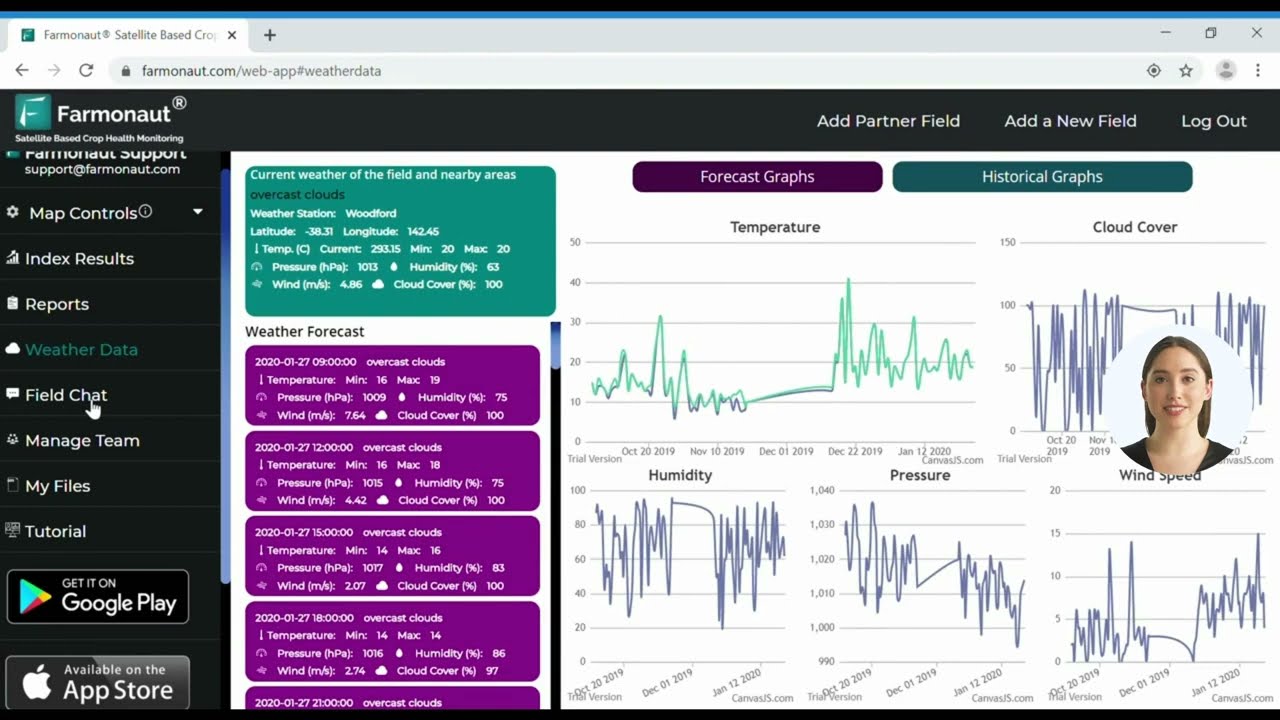
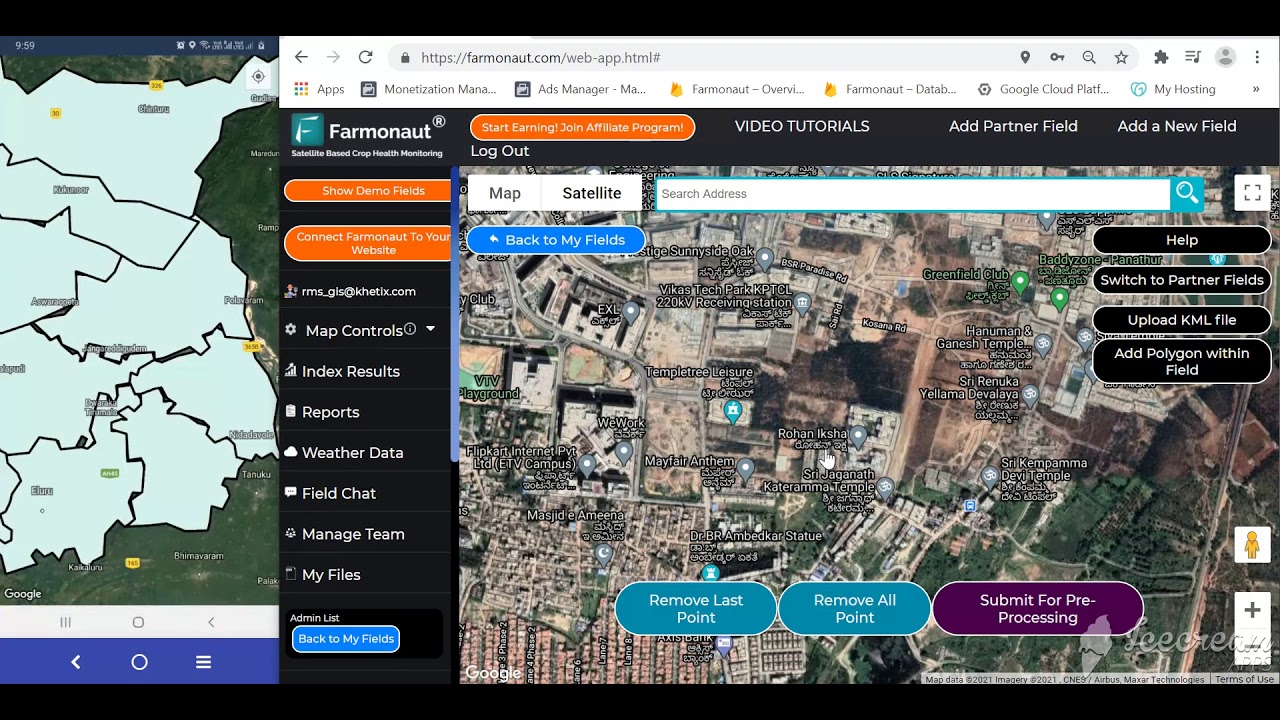
- Satellite-Based Crop Monitoring: Real-time crop health (NDVI), irrigation, and soil insights via our web/browser and mobile applications. This helps optimize resource allocation, boost productivity, and minimize risks from pest outbreaks or erratic weather.
- Blockchain Traceability: Our blockchain-enabled systems ensure traceable, fraud-proof supply chains for agriculture. Learn more about Farmonaut’s Traceability platform and its impact on transparency and quality.
- AI Advisory Systems: Jeevn AI provides personalized farm management insights, weather forecasts, and crop protection strategies.
- Resource & Fleet Management: Optimize farm machinery usage, plot efficiency, and logistics with our digital tools. Read about Farmonaut’s fleet management solutions here.
- Environmental Impact Tracking: Farmonaut offers sustainability analytics (including carbon footprint monitoring) to help meet regulatory and market requirements.

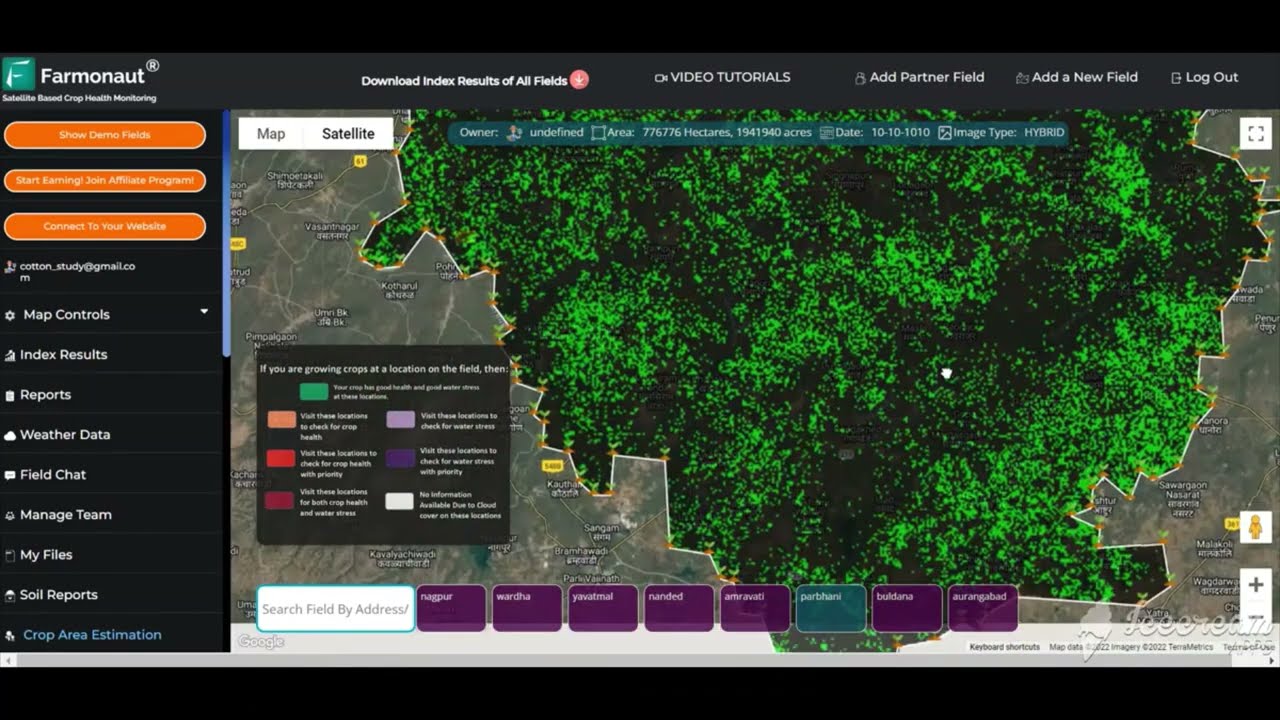
By integrating these technologies, we empower Indian farmers, businesses, and policy makers to make informed investment decisions, reduce avoidable input expenses, and achieve sustainable growth.
Explore Farmonaut’s Large-Scale Farm Management product for maximizing resources on multiple fields.
Cost and Price Comparison Table – Corn Cultivation & Land Investment (2025)
| Parameter | Estimated Value (2025) | Notes/Trends |
|---|---|---|
| Seed Cost Per Acre | ₹3,000 – ₹3,500 | Hybrid seeds; improves yield, input cost rising |
| Fertilizer Cost Per Acre | ₹6,000 – ₹8,000 | Depends on soil fertility, price volatility |
| Irrigation Cost Per Acre | ₹2,000 – ₹3,000 | Rising preference for drip irrigation |
| Labor Cost Per Acre | ₹5,000 – ₹6,000 | Rural wage increase, mechanization gaining traction |
| Crop Insurance Cost Per Acre | ₹250 – ₹400 | Premium subsidized by government (PMFBY) |
| Agricultural Land Price Per Acre | ₹2 lakh – ₹25 lakh | Higher in Punjab, Haryana, peri-urban areas; lowest in eastern India |

Key Factors That Shape Corn Cultivation Economics in India (2025–2026)
Input Prices & Availability
Seed, fertilizer, pesticide, and machinery prices are susceptible to global commodity trends, policy shifts, and logistics disruptions. Ensuring timely and affordable access is vital for cost-competitive farming.
Labor Dynamics & Mechanization
Labor scarcity and rising rural wages promote rapid mechanization—with large and medium farms adopting tractors, planters, sprayers, and harvesters to reduce costs per acre.
Soil Fertility & Water Management
Soil health and fertility management (organic amendments, micronutrients, crop rotation) drive productivity. Investments in efficient irrigation (drip / sprinkler) are on the rise, improving yield and minimizing water-related risks.
Climate, Weather, and Risk Management
India’s monsoon unpredictability and weather extremes have increased financial risk for corn farmers. Crop insurance, advanced satellite forecasts, and precision management are essential tools for risk mitigation.
Land Price Appreciation & Region-Specific Productivity
The cost of agricultural land per acre in India reflects not only present productivity but also anticipated infrastructure, market proximity, and changing land usage patterns. States like Punjab, Haryana, Maharashtra, Karnataka, Andhra Pradesh, and Bihar each have unique cost/yield models.
- Punjab & Haryana: High up-front land investment; highest yields per acre; modern infrastructure.
- Karnataka & Andhra Pradesh: Moderate land cost; growing preference for hybrid maize; irrigation project expansion.
- Bihar & Odisha: Lower land cost; bulk rain-fed acreage but increasing drip irrigation adoption.
Corn Market Trends and Land Price Dynamics in India for 2025 and Beyond
Looking ahead to 2026, Indian corn cultivation is shaped by profound market trends, policy directions, and technological advances:
- Input price volatility: Fertilizer and pesticide costs have spiked due to global disruptions—emphasizing the need for timely purchase and efficient use.
- Labor migration and mechanization: Year-round labor migration out of rural regions leads to higher labor costs and mechanization incentives for sowing and harvesting.
- Government schemes: Subsidies for drip irrigation, mechanization support, and minimum support prices (MSP) are pushing investment in high productivity states.
- Urban expansion: Land in proximity to urban centers is experiencing rapid price increases, encouraging consolidation and commercial-scale farming.
- Crop insurance penetration: As climate risks intensify, insurance per acre is no longer optional but a core farming expense.
- Climate-smart agriculture: There’s rising emphasis on sustainable practices, soil health monitoring, and environmental compliance, especially as buyers and lenders demand traceability and lower carbon footprints.
Real-World Scenarios & Investment: Understanding Profitability Per Acre
Example: Typical Corn Acreage Investment in Karnataka, 2025
- Upfront costs per acre: ₹27,000 (average of input, labor, irrigation, machinery rentals)
- Land cost per acre: ₹8 lakh (irrigated, semi-urban area)
- Insurance premium per acre: ₹350 (including comprehensive weather and pest risk)
- Yield expectation: 30 quintals/acre (with improved management)
- Market price for corn: ₹2,100/quintal (at MSP; actual prices may fluctuate)
- Potential gross return: 30 x ₹2,100 = ₹63,000 per acre
- Net profitability depends on interest rates, land tenure, input choice, and yield resilience against risk factors
Investment decisions must account for the risks of weather, pest outbreaks, market fluctuations, and rising land/loan costs.
Adoption of technology, crop insurance, and sustainable inputs will define resilience and long-term profitability.
Conclusion: Strategic Steps for Profitable Corn Farming in India (2025 and Beyond)
In summary, farming an acre of corn in India in 2025 requires a substantial upfront investment averaging ₹25,000 to ₹30,000 per acre. Strategic factors like average cost of crop insurance per acre (₹250–₹400), agricultural land cost per acre in India (₹2 lakh to ₹25 lakh), and adoption of digital monitoring and sustainable practices will collectively shape profitability and long-term resilience.
Key priorities for Indian stakeholders:
- Invest in high-quality seeds, soil health, and mechanization to enhance productivity.
- Enroll in crop insurance schemes (like PMFBY) and utilize satellite technology for real-time risk management.
- Factor in land appreciation, proximity to infrastructure, and market access when making investment decisions.
- Leverage platforms like Farmonaut to digitally monitor crop health, schedule irrigation, and manage farm logistics—reducing losses and maximizing return per acre.
- Commit to sustainability goals by adopting climate-smart agricultural practices and tracking environmental impact.
Modern agriculture in India is at a crossroads—data-driven decision-making and advanced digital solutions are now essential for sustainable growth, risk management, and income stability for Indian corn farmers.
Farmonaut Subscription Plans
Discover affordable, scalable satellite-based solutions for your agricultural monitoring, traceability, carbon tracking, and risk management needs with Farmonaut—all available via web, Android, and iOS apps, as well as APIs.
FAQ: Average Cost to Plant an Acre of Corn & Land Price India
-
What is the average cost to plant an acre of corn in India in 2025?
The average cost to plant an acre of corn in India is between ₹25,000-₹30,000, depending on the region, input choice, and mechanization.
-
How much does crop insurance cost per acre for corn in India?
The average cost of crop insurance per acre under PMFBY in 2025 is ₹250–₹400, with the premium substantially subsidized by the government.
-
What is the price of agricultural land per acre in India?
Land prices range widely—₹2 lakh to ₹5 lakh per acre in eastern states like Bihar and Odisha; ₹6 lakh to ₹12 lakh in Maharashtra; ₹5 lakh to ₹10 lakh in Karnataka and Andhra Pradesh; and up to ₹25 lakh in Punjab & Haryana.
-
Why are land prices higher near urban areas?
Demand for housing, commercial development, and better infrastructure increases the price of peri-urban farmland.
-
How does mechanization affect cost per acre?
Adopting mechanized sowing, spraying, and harvesting reduces recurring labor costs and improves efficiency, but requires up-front investment in machinery or rentals.
-
What government schemes support corn farmers in India?
Schemes include PMFBY (insurance), MSP (minimum crop price), subsidies for irrigation and mechanization, and incentives for hybrid/improved seed adoption.
-
How does Farmonaut help Indian corn farmers?
We provide affordable, real-time satellite monitoring, AI-based advisory, blockchain traceability, and digital fleet/resource management—helping optimize inputs, reduce losses, secure financing, and ensure compliance.

 Inclusive Growth Chain
 AdBio
AdBio MISE Maroc
 Drift-Sense
 NWNS
NWNS Red August Group
 Farm Inc
 WeMe Global
 Agrotoken
 Blue BearX
 Insignito
 Croptimum
 DnCubed
 Field Capacity
 Indosistim Teknologi
 Liquify Digital
 CU Foods
 BeyondTech Global
