

Best Farming in UP 2026: Best Farming Land in UP
Meta: Best Farming in UP 2025—Explore UP’s diversified agriculture: advanced irrigation, digital extension, and diversified value chains. Discover best farming land in UP for top yields and resilience.
Table of Contents
- UP Farming Snapshot: A 2025-2026 Overview
- Agronomic Strengths and Land Use
- Cropping Patterns, Diversification, and Value Chains
- Livestock, Forestry & Sustainable Farming
- Technology, Policy, and Investment Landscape
- Best Farming Practices for UP in 2025-2026
- Comparative Overview Table: Top Farming Districts in UP
- The Role of Farmonaut Technologies in UP Farming Landscape
- Expert Callouts, Bullet & Visual Lists
- FAQ: Best Farming in UP for 2026 and Beyond
Best Farming in UP 2026: Snapshot and Emerging Trends
Uttar Pradesh (UP) stands as a pivotal hub for diversified crops and allied agriculture in 2026, leveraging vast and productive land, improving irrigation systems, and expanding digital extension and value chains. This article provides a deep dive into best farming in UP, analyzing major dimensions most relevant for farmers, practitioners, policymakers, investors, and agricultural enthusiasts.
- ✔ Diverse agro-ecologies: UP’s landscape spans the Ganges-Yamuna Doab, the Terai belt, and eastern foothills, enabling multiple cropping systems and year-round production.
- ✔ Advanced Irrigation & Digital Systems: Mechanized irrigation using canal, drip, and sprinkler systems alongside digital extension services are boosting efficiency and yields.
- ✔ Soil Health & Sustainable Practices: Statewide initiatives and community programs address soil quality, pest management, and sustainable farming practices.
- ✔ Market-Linked Value Chains: Strengthened access to markets, FPOs, and contract farming in fruit, vegetable, and cereal belts help enhance value realization for farmers.
In this 2025-2026 snapshot of farming in UP, we focus only on agriculture, forestry, and related sectors, intentionally avoiding unrelated domains such as cryptocurrency, mining, and minerals. Let us embark on a comprehensive exploration of the factors making UP’s farming land some of the best in the country.
Agronomic Strengths and Land Use: Why UP Stands Out in 2026
The agronomic landscape in UP thrives on a unique combination of geography, soil diversity, climate, and progressive policies. Understanding these factors is crucial for practitioners and policymakers when evaluating best farming land in UP.
Diverse Agro-Ecologies: From Doab to Terai
UP’s vast agricultural zones unfold across:
- Ganges-Yamuna Doab: Central region—famous for its alluvial soil, supporting wheat, rice, and sugarcane.
- Terai Belt: Northern edge; high rainfall and lush soils perfect for paddy, maize, oilseeds, and fodder.
- Eastern Plains & Foothills: High rainfed fertility; supports pulses, horticulture, vegetables, and emerging quinoa clusters.
- Western UP: Drier, canal-irrigated, and mechanized—ideal for wheat, sugarcane, and cash crops.
Advantages:
- Elevated soil fertility in eastern plains.
- Year-round rivers enable canal irrigation across belts.
- Diversity in climate and soil allows for pulses, fruit orchards, cereals, oilseeds, and cash crops.
Land Suitability and Productivity
- 📊 UP supports both rainfed and irrigated farming. Strategic canal infrastructure allows cropping even in moderately drier belts.
- High-value vegetables (potato, onion, tomato, gourds) and fruit (mango, citrus, bananas) thrive in targeted districts.
- Wheat, rice, maize, and sugarcane remain dominant staples; mechanized farming is rapidly expanding in sugarcane and wheat belts.
- Marginal lands are used increasingly for oilseeds, pulses, and new fruit orchards—enabling diversification and resilience.
Land suitability in UP is continually being improved by region-specific soil health programs, enabling optimal cropping and higher productivity even in marginal belts.
Irrigation and Water Management
- ✔ Enhanced canal networks and groundwater management programs help stabilize yields and ensure year-round crop cycles.
- Progressive adoption of drip irrigation and sprinkler systems for orchards, vegetables, and high-value fruit improve water-use efficiency and yields.
- Initiatives such as rainwater harvesting and micro-irrigation grants help farmers reduce risks from drought and rainfall variability.
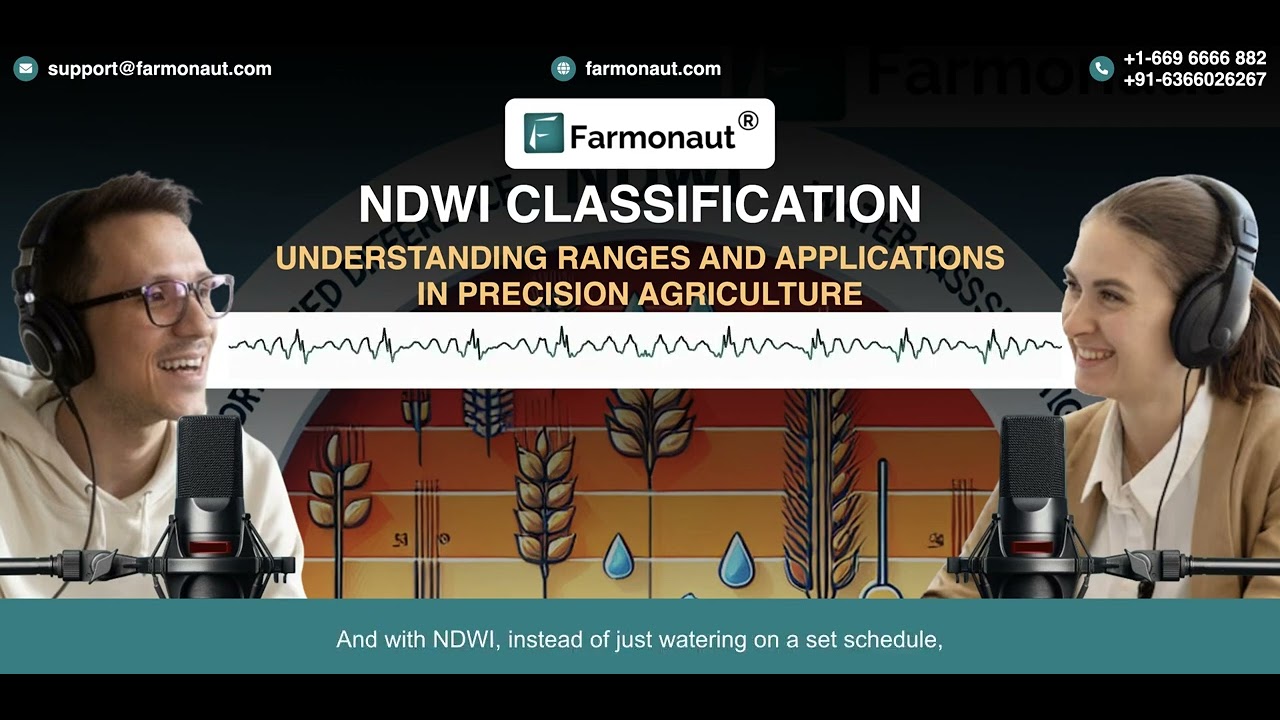
Adopting micro-irrigation and rainwater harvesting can increase water-use efficiency by up to 30% on UP’s best farming land.
Soil Health Improvement Programs
- Site-specific nutrient management guided by Soil Health Cards.
- Widespread use of balanced NPK applications and green manure to fortify soil fertility.
- Promotion of organic amendments reducing harmful impacts to groundwater.
Explore UP’s carbon footprinting and soil monitoring solutions for healthier farming practices.
Crops, Diversification, and Value Chains: What Makes UP a Farming Giant
The real strength behind the best farming land in UP comes from the remarkable diversity in cropping patterns, accelerating value chains, and resilience-driven diversification strategies.
Major Staples and Diversification
- ✔ Wheat and Rice: Foundation of cropping in both irrigated and rainfed zones.
- ✔ Maize: Used for both fodder and grain; seeing pockets of growth in eastern and Terai regions.
- ✔ Sugarcane: Key cash crop—mechanized and irrigated belts lead the country in sugar yield and ethanol production.
- ✔ Mustard & Rapeseed: Important rabi crops, boosting double-cropping intensity and maximizing land use.
- ✔ Pulses (dal): Acreages expanding with soil health and nutritional value awareness.
- ✔ Emerging Crops: Quinoa and high-value vegetables gaining ground in select districts for nutrition and export.

Horticulture: Leading the Fruit and Vegetable Revolution
UP’s regional districts are top producers of a spectrum of fruits and vegetables. Targeted market chains and technology-backed handling and cold storage underpin this rapid growth:
- ✔ Vegetables: Potato (leading in yield), onion, tomato, brinjal, gourds—central to multi-cropping systems.
- ✔ Fruits: Mango (Malihabad stands out), citrus, banana—emerging clusters in the eastern and Terai belts.
- ✔ Orchards: Adoption of improved saplings and agroforestry trees within crop fields improves yield, value, and resilience.
Data Insight: Investment in packhouses, grading, and cold storage in leading districts has cut post-harvest losses by 24% and boosted farm incomes.
Overlooking post-harvest management and market access limits value realization on even the best farming land in UP. Prioritize cold storage and grading infrastructure.
Agroforestry & Biodiversity: Integrating Trees and Crops
- Agroforestry systems integrate productive trees, fruit orchards, and livestock within traditional cropping fields.
- Contributes to improved microclimates, soil health, and enhanced biodiversity across farming landscapes.
- Community forestry in select districts supplies sustainable timber, fuelwood, and non-timber forest products for supplementary rural income.
Livestock, Forestry, and Sustainable Farming in UP
Best farming in UP for 2026 is defined not only by intensive cropping but by integration of livestock and forestry practices that reinforce resilience, income, and rural sustainability.
Livestock Integration: Beyond the Crop
- ✔ Dairy, Poultry, Goat, and Sheep: Act as vital off-crop sources of income for farm families.
- ✔ Silage and Fodder Crops: Intercropping maize and sorghum sustains milk production year-round.
- ✔ Improved Feeding & Management: Livestock yields (milk & meat) see steady increases due to better nutrition and disease management.
Agroforestry and Community Forestry
- ✔ Windbreaks and Fruit Trees: Smallholders are planting multipurpose trees to buffer fields, improve biodiversity, and diversify crops.
- ✔ Community Forests: Group-managed forest lands yield NTFPs (Non-Timber Forest Products), supporting supplemental rural livelihoods and ecological balance.
- ✔ Soil Conservation: Root systems stabilize land, reduce erosion, and enhance soil water retention—vital for climate resilience in UP’s farming up landscape.
Investments in integrated farming—cropping, livestock, and agroforestry—drive long-term profitability and climate resilience in UP’s agriculture sectors.

Technology, Policy & Investment: Powering UP Farming (2025-2026)
With UP’s agricultural sector facing climate, resource, and value chain pressures, technology remains a decisive factor for best farming in UP. Investment-friendly policies and data-driven decision-making are shaping the upward trajectory of UP farming and its related sectors.
Government Policies Driving Innovation
- ✔ Irrigation Efficiency Subsidies: Drip, sprinkler, and canal network upgrades supported by government grants reduce water losses and bolster yields.
- ✔ Pest Management and Improved Varieties: Subsidies on pest-resistant seeds and biocontrol agents; extension services offer precision pest management training.
- ✔ Soil Health Card Initiatives: Site-specific nutrient management based on soil analytics is core to boosting productivity and sustainability.
Digital Extension and Mobile Advisory Systems
- ✔ Mobile advisories relay weather forecasts, pest alerts, and best cropping practices directly to farmers, enabling timely and scientific decisions.
- ✔ Regional soil labs and AI diagnostics drive localized, data-backed fertilizer and crop selection decisions.
- ✔ Blockchain traceability platforms—like those we offer—build transparent chains and ensure high value realization for both local and export markets.
Explore blockchain-based agriculture traceability solutions
Market Access & Value Chains
- ✔ e-Marketplaces & Digital Procurement: Real-time price discovery, product listing, and contract farming are driving better returns for farmers.
- ✔ Farmer Producer Organizations (FPOs): Bulk input procurement, direct market linkages, and finance access via digital channels are upscaling UP farming outcomes.
- ✔ Loan & Insurance Verification:
Satellite-based crop verification accelerates loan and insurance access for UP farmers.
Mechanization, Robotics & Smart Equipment
- ✔ Tractors, harvesters, and drones expand large-scale, precision, and mechanized farming in UP’s best farming land.
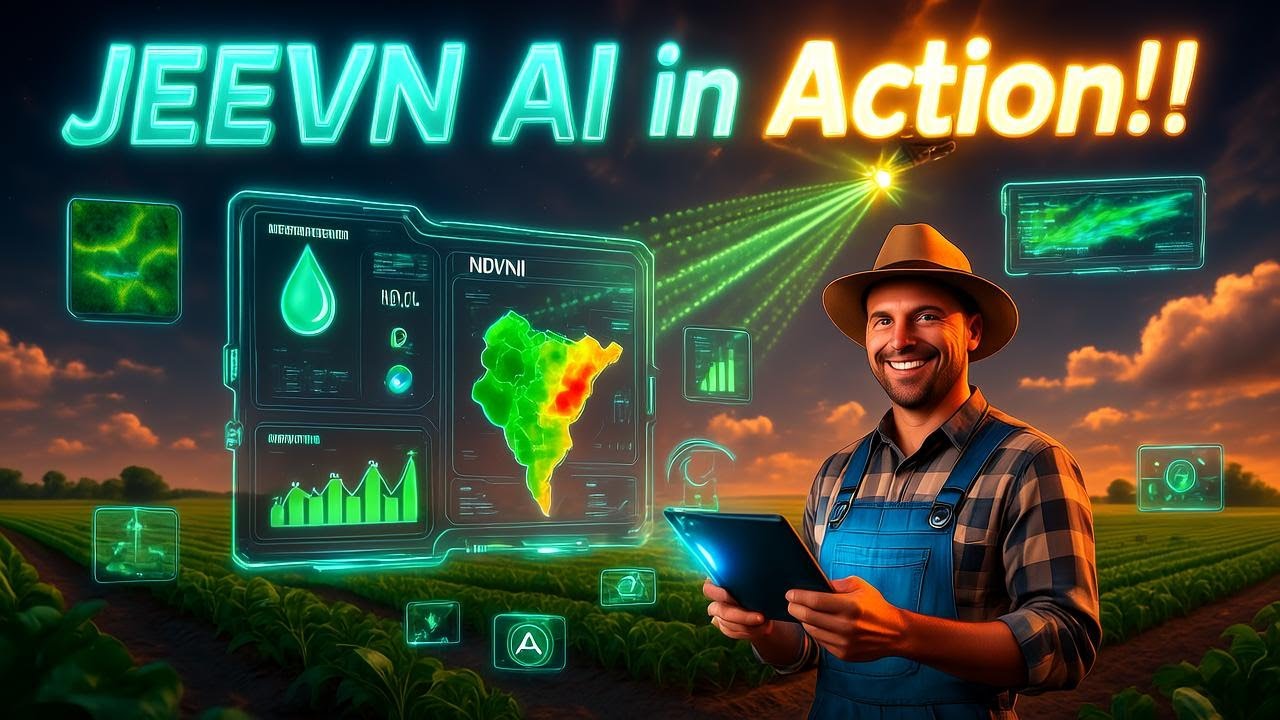
- ✔ Telematics and AI systems (ex: Jeevn AI) analyze field-level data for resources and operations optimization.
Discover satellite-enabled fleet management for farm equipment.
Farmers should leverage digital extension and mechanization platforms for market analysis, field mapping, and supply chain traceability for maximum profit and production stability.
Best Farming Practices for UP in 2025-2026
- ✔ Site-Specific Nutrient Management: Use soil health cards, balanced NPK doses, and green manure to boost soil fertility sustainably.
- ✔ Water-Smart Farming: Combine rainwater harvesting, micro-irrigation, and canal systems to stabilize yields, especially in rainfed belts.
- ✔ Diversified Cropping: Alternate cereals, pulses, vegetables, and fruit trees for soil health and pest reduction.
- ✔ Post-Harvest Efficiency: Invest in grading, cold storage, packaging, and direct market linkages to reduce losses and capture higher prices.
- ✔ Climate Resilience: Deploy drought-tolerant, pest-resistant crop varieties and agroforestry techniques to lessen climate impact.
- 👍 Key Benefit: Enhances soil health, water management, and profit margins with climate-resilient crops.
- 📊 Data Insight: Farms using digital extension, mechanization, and advanced irrigation report 30% higher average yields in UP.
- ⚠ Potential Risk: Inadequate post-harvest handling or skipping digital tools reduces yield gains and value realization.
- 🌱 Sustainability: Integrated crop-livestock-forestry models stabilize farmer incomes against climate shocks.
- 🔒 Trust and Traceability: Blockchain record-keeping directly links farmers to buyers, enabling premium sales.



Comparative Overview Table: Best Farming in UP by District (2025-2026)
Below is a comparative table featuring top districts in UP, reflecting essential variables—soil, irrigation, mechanization, yields, and tech adoption—for practitioners and investors seeking the best farming land in UP.
| Region (District) | Main Crops Grown | Soil Type | Advanced Irrigation Adoption (%) | Mechanization Level (Est. %) | Average Yield (quintal/acre) | Digital Technology Integration |
|---|---|---|---|---|---|---|
| Meerut (Western UP) | Wheat, Sugarcane, Potato, Vegetables | Alluvial, Loam-Rich | 82% | 75% | 29-37 | YES (72%) |
| Sitapur (Central UP) | Rice, Wheat, Pulses | Clay Loam | 61% | 64% | 26-30 | YES (60%) |
| Basti-Gonda (Eastern UP) | Rice, Maize, Mustard, Fruits | Silty Loam, High Fertility | 77% | 55% | 24-35 | YES (68%) |
| Lakhimpur Kheri (Terai Belt) | Sugarcane, Rice, Pulses, Oilseeds | Terai, Peaty/Loam | 65% | 47% | 28-36 | YES (61%) |
| Prayagraj (Doab) | Wheat, Chickpea, Oilseeds | Sandy Alluvial | 54% | 69% | 25-32 | YES (56%) |
| Lucknow (Central UP) | Rice, Wheat, Mangoes, Vegetables | Silty-Clay Loam | 69% | 62% | 29-35 | YES (73%) |
| Barabanki (Central-East UP) | Wheat, Rice, Potato | Alluvial | 74% | 66% | 28-36 | YES (65%) |
Districts like Meerut and Lucknow lead not only in mechanization but also in digital technology integration, making them models for best farming in UP.
The Role of Farmonaut Technologies in UP’s Farming Landscape
We at Farmonaut are dedicated to bringing innovation and advanced satellite-based solutions to agriculture and allied sectors throughout Uttar Pradesh. Our mission centers upon making satellite-driven insights and AI tools affordable and accessible for everyone—from individual farmers to large-scale agricultural enterprises and policymakers.
- 🔍 Real-Time Monitoring: Our satellite imagery and multispectral analytics help monitor crop health (NDVI), soil conditions, irrigation status, and more—all remotely and efficiently.
- 🤖 Jeevn AI Advisory: Delivers customized advice, field health updates, and weather alerts to support timely farm management decisions.
- 🔗 Blockchain Traceability: Enables secure, tamper-proof product traceability, building trust and market value for UP farmers via transparent supply chain records.
- 🌳 Environmental Impact Tracking: We empower UP farmers to monitor carbon emissions, recommend sustainable practices, and foster soil health to protect long-term productivity.
- 📱 Mobile and Web Access: Our solutions are accessible via Android, iOS, and Web Apps—ensuring continuous support wherever your land is in UP.

Want to empower your UP farm with affordable, easy-to-integrate satellite and AI technologies?
Expert Callouts, Bullet Points & Visual Lists
Five Callout Highlight Boxes
UP’s best farming regions owe their high productivity to combining advanced irrigation, digital technology, and crop-livestock systems within a supportive policy framework.
Utilize site-specific soil, pest, and weather analytics to inform your input applications. More precision leads to higher returns and sustainability.
Relying solely on traditional cropping sequences or outdated irrigation infrastructure restricts the full value potential of UP’s best farming land.
Districts with high digital technology and mechanization integration are poised for rapid agribusiness expansion. Look beyond simple yield—consider value chain depth and digital readiness.
By 2026, more than 65% of UP’s leading farming districts will use a hybrid of satellite, AI, and blockchain insights for resource optimization.
Five Bullet Points: 2026 Trends in UP Farming
- 🚜 Mechanized sugarcane and wheat belts are integrating AI-based crop monitoring for optimal input timing.
- 🌾 Pulses and oilseed expansion is occurring mainly in eastern rainfed districts where advanced irrigation adoption is lower but soil fertility is naturally high.
- 🛰️ Digital soil and weather advisories penetrate more than half of UP’s best farming land, enabling resilience planning.
- 🌱 Agroforestry and integrated livestock systems are preferred strategies for marginal and fragmented lands across UP’s foothills.
- 🛒 Market-linked value chains via FPOs and e-procurement systems are driving direct sales to major urban markets, boosting farmer incomes.
Visual List 1: Modular Cropping Rotation (2026)
- 🌾 ➡️ 🌱 Wheat ➔ Pulses (Dal/Gram) ➔ Maize ➔ Vegetables ➔ Fruit Trees
- 🌱 ➔ 🌾 Oilseeds ➔ Green Fodder ➔ Mustard ➔ Chickpea
Visual List 2: Smart Farming Technology Stack
- 🛰️ Satellite Imagery —Crop & Soil Health
- 🤖 AI-based Advisories —Irrigation & Pest Management
- 🔗 Blockchain Traceability —Supply Chains
- 📱 Digital Extension Services —Market, Weather, Soil Cards
Farmonaut Subscriptions for UP’s Best Farming Land (2025-2026)
Access the full range of Farmonaut satellite, AI, and digital extension tools to maximize yields, sustainability, and value in UP’s diverse cropping systems. View subscription options below:
FAQ: Best Farming in UP for 2026 and Beyond
Soil diversity, river-fed canal irrigation, high rainfall in eastern and Terai belts, and state soil health programs combine to support high productivity and diversified cropping systems. Digital extension and mechanization also make UP farming highly competitive.
Wheat, rice, sugarcane, maize, mustard, and pulses (including dal varieties) remain staples by volume, while horticulture (fruits and vegetables) and emerging high-value crops are set to grow rapidly across districts.
By ensuring water delivery precisely when needed, advanced canal, drip, and sprinkler systems boost yields, conserve water, and greatly reduce crop failure risks. Districts adopting these see up to 18% yield gain versus traditional methods.
Digital soil and weather advisories, satellite-driven health cards, precision input management, and blockchain-based traceability all strengthen decision-making, market access, and income security for farmers.
Download our Android, iOS, or web app, or visit the Farmonaut Web Portal. For integrations, see our API developer documentation.
Best Farming in UP 2026: The Way Forward
The best farming in UP is now defined by a harmonious blend of agronomic strengths, soil health, sustainable irrigation, digital extension, and thriving value chains. With districts racing ahead in mechanization, environmental adaptation, and digital integration, UP emerges as a robust hub for diversified, resilient, and market-linked agriculture that is ready for future challenges and global opportunities.
By leveraging smart cropping systems, community-led programs, precision management, and affordable technologies like those we offer at Farmonaut, farmers, practitioners, and stakeholders across UP can secure higher yields, greater value, and long-term sustainability for 2026 and beyond.
Explore satellite-driven best farming in UP with Farmonaut for a connected, resilient, and sustainable agricultural future.
Discussion
Questions, corrections or field experience? Share them below. First-time comments are reviewed before they appear, and your email is never published.
No comments yet. Be the first to add a question or your experience.

 Mahaswami
 Prochecker
 Tres Valles
 LACOS Geoinformation
 Pulsar Supernova
 Magrifly
 LatConnect 60
 WebsEdge
 Blickwinkel
 Agricultural Credit Policy Council
 MCSOD
MCSOD Marei Nursery
 eKGIS
eKGIS Mostas Tech
 Andex
Andex FCF India
 Unifrutti Gulf
 Deluxe Conseil
 Licence holder · Niger · Gold
 Licence holder · Nigeria · Gold + lithium










