

Digital Agriculture Mission India 2025: Top Trends & Insights
“By 2025, over 50% of Indian farms are projected to adopt AI-driven precision agriculture tools under the Digital Agriculture Mission.”
“Digital Agriculture Mission aims to analyze data from 140 million Indian farms to optimize crop health and resource use.”
Table of Contents
- Digital Agriculture Mission India 2025: Transforming Indian Agriculture
- Key Pillars of Digital Agriculture Mission India 2025
- Comparison Table: Key Digital Agriculture Technologies & Their Projected Impact by 2025
- Sectoral Relevance: From Paddy Fields to Agroforestry
- Top Digital Agriculture Trends Shaping 2025 Outcomes
- Implementation Considerations and Challenges
- Satellite-Based Digital Transformation: The Farmonaut Edge
- Learn Through Video: Digital Agriculture Insights
- Key Insight Boxes
- Frequently Asked Questions (FAQ)
- Conclusion: The Future of Digital Agriculture Mission India 2025—Beyond 2026
Digital Agriculture Mission India 2025: Transforming Indian Agriculture
Digital Agriculture Mission India 2025 marks a significant leap in India’s agricultural policy and technological landscape. As we progress towards 2026 and beyond, the digital agriculture mission is set to revolutionize how farming, resource management, and supply chains function—empowering farmers, ensuring data-driven decision making, and advancing the nation’s food security and economic resilience.
At its core, the mission is rooted in the broader governmental push for a tech-enabled, sustainable, and inclusive agricultural ecosystem. It focuses on delivering precise, real-time information and actionable insights through advanced digital platforms, analytics, and AI-powered advisory services. The overarching vision is to boost productivity, enhance resource-use efficiency, and significantly increase the incomes of India’s farmers—most notably the millions of smallholders working across regional belts from the green rice plains of the Ganges to the arid Sindh-style belts in the west.
The Digital Agriculture Mission India 2025 envisions an interoperable, nationwide data ecosystem, leveraging weather analytics, soil intelligence, crop health monitoring, and market linkage services. It directly addresses irrigation optimization, risk management, input usage, resource efficiency, climate resilience, and transparent supply chains—transforming the end-to-end experience for Indian agricultural communities.
- ✔ Precision farming optimizes fertilizer and water use
- 📊 Real-time dashboards support timely sowing and harvesting
- 🌱 Sustainable practices reduce environmental impact
- 🌧 Weather-based advisories help mitigate droughts and floods
- 🔗 Transparent supply chains improve market access for farmers
Meta focus keyword: digital agriculture mission india 2025
Key Pillars of Digital Agriculture Mission India 2025
The Six Foundational Pillars Driving Digital Agriculture in India
The digital agriculture mission india 2025 is structured around key pillars that ensure both scalability and local adaptation, bearing direct implications on sustainability, productivity, and the economic health of rural communities nation-wide:
1. Data-Driven Decision Making
- Nationwide interoperable data ecosystem aggregates inputs from soil, weather, crop health, usage, and market signals.
- Real-time farmer dashboards empower farmers to optimize sowing, fertilization, pest management, and harvest windows, thereby reducing input waste and environmental impact.
- AI-derived insights and decision-support tools provide actionable recommendations in diverse regional belts.
2. Precision Agriculture & Advanced Agronomy
- Sensor networks, drone imaging, satellite data, and AI-driven insights enable zone-specific irrigation, nutrient management, and pest control.
- Particularly impactful in water-stressed regions, sugarcane, paddy, maize, and horticultural crops.
- Variable-rate irrigation and fertilization minimize resource usage while maximizing crop margins.
3. Climate-Resilient Farming & Adaptive Cropping
- Forecast-based advisories and adaptive cropping plans help farmers mitigate droughts, floods, and extreme climate events.
- Crop diversification, resilient varieties, and risk insurance integration provide safety nets against income volatility.
4. Resource Efficiency & Environmental Sustainability
- Precision irrigation (drip, sprinkler; guided by soil moisture and ET data) reduces groundwater withdrawal.
- Variable-rate fertilization cuts chemical runoff and preserves long-term soil health.
- Environmental impact monitoring promotes regulatory compliance and climate-friendly farming.
5. Market Linkages & Transparent Value Realization
- Digital marketplaces, e-choupals, contract-farming platforms connect producers to buyers, enabling direct & efficient supply chains.
- Blockchain-based traceability systems ensure authenticity & transparency for key crops like pulses, spices, and fruits.
6. Extension, Capacity Building, Governance & Finance
- Mobile advisory, chatbots, and farmer training platforms scale extension services, complementing local agronomists.
- Transparent subsidy disbursement, eligibility checks, and digital land records streamline credit & insurance.
- Integration with microfinance & insurance platforms supports risk management for smallholder communities.
A fully interoperable agricultural data ecosystem allows farmers across India to utilize dynamic, localized recommendations for fertilization, pest control, and market timing —boosting precision, reducing waste, and maximizing returns.
Comparison Table: Key Digital Agriculture Technologies & Their Projected Impact by 2025
| Technology | Brief Description | Estimated Adoption Rate by 2025 (%) | Projected Farmer Income Increase (%) | Expected Improvement in Crop Health (%) |
|---|---|---|---|---|
| Precision Farming | Real-time sensor & satellite-based decisions for irrigation, fertilization, and input management | 55 | 20–40 | 25–35 |
| Satellite Imagery & Remote Sensing | Mapping crop health, monitoring soil moisture, detecting stresses, and planning interventions | 45 | 18–30 | 20–32 |
| AI Crop Monitoring Platforms | AI analyzes multi-source data for early warnings, yield predictions, and personalized advisories | 52 | 20–45 | 22–34 |
| IoT Sensors | Soil, water, weather, and pest sensors enable precise field-level management | 37 | 12–29 | 15–26 |
| Blockchain Traceability | Ensures end-to-end transparency and immutable records in crop supply chains | 22 | 10–20 | 8–17 |
| Digital Marketplaces & e-Choupals | Connects farmers directly with buyers, improves price discovery and reduces post-harvest losses | 53 | 14–36 | 6–12 |
| Mobile Advisory Services | Localized agronomy advice, disease alerts, and extension training via mobile apps/chatbots | 62 | 10–28 | 15–26 |
When evaluating digital agriculture solutions, prioritize platforms that offer interoperability—meaning they can aggregate data from multiple sources (drones, satellites, IoT sensors) for a holistic “field-to-fork” decision support system.
Sectoral Relevance: From Paddy Fields to Agroforestry
The digital agriculture mission in india is meticulously tailored for the multifaceted agricultural landscape—from intensive rice-wheat belts to dryland maize and sugarcane regions, diverse horticultural valleys, and integrated forestry-aquaculture systems.
Key Applications: Field Crops, Horticulture & More
- 🌾Rice, Wheat, Maize, Sugarcane: Smart soil and moisture data inform irrigation, carbon footprinting, and efficient nutrient management for higher yields and lower input costs.
- 🍏Horticultural crops: Precision pest identification, disease monitoring, and drip irrigation drive quality and profitability for fruit and vegetable value chains.
- 🌳Forestry & Agroforestry: Remote sensing supports sustainable silviculture, forest restoration, and non-timber forest product management.
- 🐟Aquaculture (adjacent systems): Water quality analytics inform integrated rice-fish farming, helping rural communities diversify income streams.
- 🔋Rural infrastructure & energy: Smart microgrids, solar-powered irrigation, and expanded rural connectivity facilitate digital agriculture access.
- ⛏Mining-adjacent supply chains: Digital monitoring ensures traceability and responsible sourcing for agri-input minerals.
With AI-driven precision agriculture and digital supply chain monitoring showing strong adoption rates, 2025–2026 will see agri-tech and geospatial technology as lucrative areas for direct investment and technology-backed lending.
Example Use Cases & Platform Links
- Blockchain Traceability: Ensure transparent and secure record-keeping for high-value crops such as spices, tea, and organic fruits—protecting both farmers and consumers.
- Crop Loan & Insurance Verification: Advanced remote-sensing and real-time data verification lower the risk for lenders and enable more affordable crop insurance products for smallholders.
- Fleet & Resource Management Tools: Optimize machinery, vehicle routing, and logistics for large farms and mining-dependent supply chains.
- ✔ AI-powered recommendations boost micro-level decisions
- 📊 Blockchain guarantees traceability in crop trading and export
- ⚠ Connectivity & digital literacy remain critical gaps for rural communities
- 👨🌾 Local language interfaces democratize advisory services, improving inclusion
- 💧 Precision irrigation preserves groundwater and cuts operational costs
Top Digital Agriculture Trends Shaping 2025 Outcomes
The implementation of digital agriculture mission india 2025 is catalyzing some of the most significant digital agriculture trends 2025 in the country. These trends will define the future landscape of agricultural management and market access, extending their impact well into 2026 and beyond.
Major Trends Making Headlines in 2025
- AI-Powered Advisory Services: Cloud analytics and machine learning translate real-time field, weather, and soil data into local, actionable recommendations for each farming community. Smart apps interpret satellite data, offering disease alerts and crop calendar advisories in over a dozen Indian languages.
-
Edge Computing & Offline-First Apps: Advanced platforms overcome rural connectivity limitations by enabling data sync and decision making even when offline, ensuring farmers in remote regions benefit from high-end analytics (
 ).
).
- Automation & Mechanization: Smart robotics, autonomous spraying units, and sensor-guided irrigation systems enhance productivity and optimize labor—particularly crucial during seasonal shortages.
- Data Governance & Farmer Sovereignty: New regulations and open standards ensure farmers retain ownership of their data, manage consent, and benefit from sharing insights with the broader ecosystem.
- Climate Finance, Credit, & Insurance Alignment: Digital crop calendars link to crop insurance and loan eligibility via real-time monitoring, helping cushion risk for smallholder farmers.
Many farmers and agri-businesses invest in digital agriculture platforms without first ensuring **compatibility and interoperability** with existing systems or local data standards—resulting in data silos and suboptimal results.
Learn Through Video: Digital Agriculture Insights




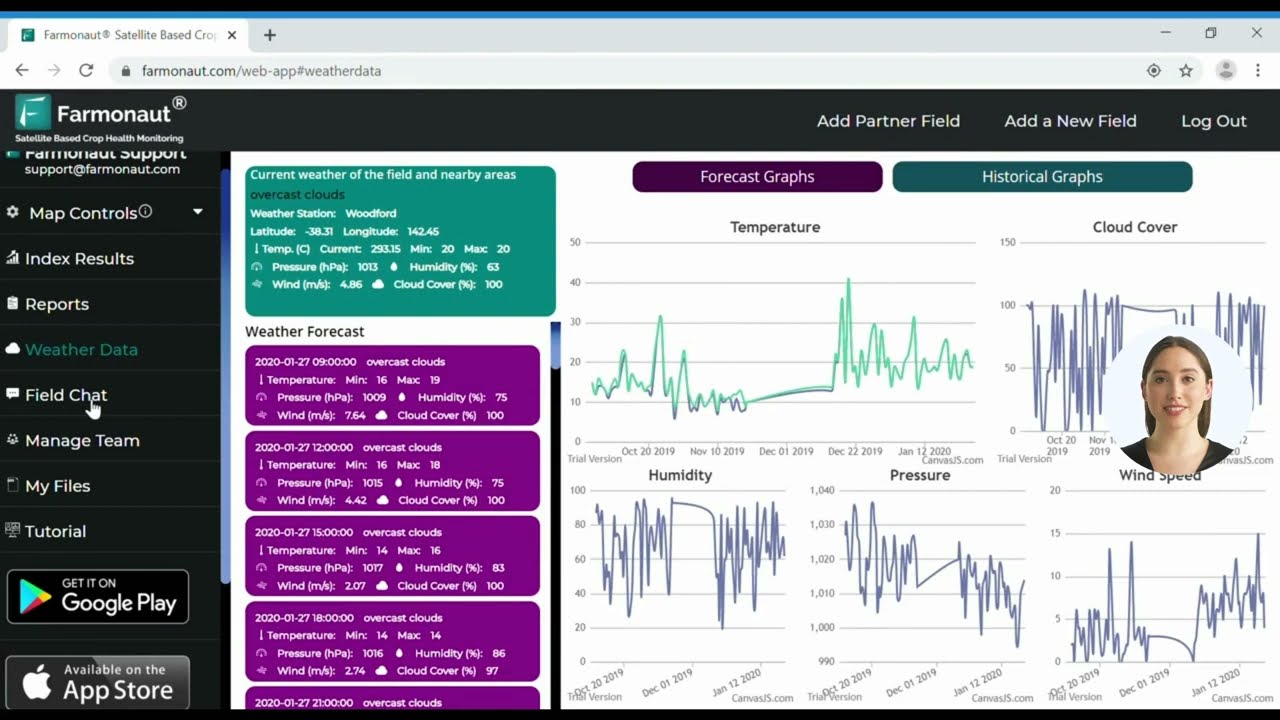
“Digital Agriculture Mission aims to analyze data from 140 million Indian farms to optimize crop health and resource use.”
- 🛰 Satellite Imagery – Monitoring fields, forests, and water bodies
- 🤖 AI Analytics – Predicting disease outbreaks, nutrient needs
- 🔗 Blockchain – Guaranteeing secure, traceable farm-to-market chains
- 🌦 Weather & Soil Sensors – Real-time environment tracking
- 📱 Mobile Advisory Services – Affordably scaling extension to rural communities
Implementation Considerations and Challenges
For digital agriculture mission india 2025 to realize its ambitious vision through 2026, successful implementation must address the following challenges and best practices:
- Digital Literacy: Farmer training, intuitive mobile apps, and local language interfaces are vital for widespread adoption across India’s diverse rural communities.
- Local Calibration: Solutions must be fine-tuned for regional belts—from the water-scarce Sindh-style west to rich paddy fields in eastern UP and West Bengal.
- Data Privacy and Sovereignty: Ensuring robust data governance, consent management, and transparent benefit-sharing with farmers.
- Affordable Devices & Connectivity: Public-private initiatives to subsidize access, address network blackspots, and guarantee platform affordability for smallholders.
- Transparent Value Sharing: Clear accountability and traceability across all digital platforms used in agricultural management and supply chains.
- Integration with Existing Government Policy: Smooth linkage with credit, insurance, and subsidy schemes for all eligible rural farmers.
Ignoring data privacy or skipping user consent may result in regulatory conflicts and lower trust among farmers and agribusinesses. Always prioritize transparent, consent-based data management in digital agriculture platforms.
Satellite-Based Digital Transformation: The Farmonaut Edge
As India accelerates its digital agriculture trends 2025, Farmonaut stands at the forefront with an integrated suite of tools driven by advanced satellite technology, AI, and blockchain. We deliver affordable, real-time monitoring, AI advisory, and blockchain-based traceability solutions that empower businesses, users, and government agencies to manage operations, ensure sustainability, and enhance transparency.
Farmonaut Solutions: Key Features and Value
- Satellite-Based Crop Monitoring: Our platform uses multi-spectral satellite imagery for monitoring NDVI, soil moisture, crop health, and environmental impact (
 ).
). - AI Advisory – Jeevn AI: Provides field-specific insights, weather forecasts, and recommendations to aid in irrigation and pest control strategies (large scale farm management).
- Blockchain-Based Traceability: Ensures transparent, tamper-proof records from crop cultivation to commodity trading (farm-to-market traceability platform).
- Fleet and Resource Management: Our platform also includes tools for optimizing machinery, vehicles, and logistics in large-scale agriculture and mining operations (fleet management solution).
- Environmental Impact Monitoring: Features such as carbon footprint tracking and regulatory compliance tools promote climate-resilient agriculture (carbon monitoring platform).
For businesses and developers looking to build customizable applications leveraging satellite-driven intelligence, Farmonaut offers robust APIs and comprehensive API developer documentation.

Building rural digital solutions? Leverage Farmonaut’s APIs for seamless integration of real-time satellite, weather, and environmental analytics into your agri or mining platforms.
Frequently Asked Questions (FAQ)
-
What is Digital Agriculture Mission India 2025?
The Digital Agriculture Mission India 2025 is a government-led initiative that leverages data, AI, sensors, and digital platforms to enhance productivity, sustainability, and income for Indian farmers—focusing on resource efficiency, transparency, and climate resilience across the entire agricultural value chain. -
How do precision agriculture and AI-powered insights help Indian farmers?
Precision agriculture uses data from sensors, satellites, and weather models to recommend optimal irrigation, fertilization, and crop management. AI translates these inputs into real-time, region-specific advice—improving yields, reducing waste, and lowering input costs. -
What is the significance of blockchain in digital agriculture?
Blockchain enables full traceability, tamper-proof records, and transparent transactions for crops and farm produce—building consumer trust and opening export opportunities, especially for high-value commodities like spices, organic products, and specialty grains. -
How does digital agriculture benefit smallholder and marginal farmers in India?
By providing affordable digital advisory in local language, transparent market linkages, access to real-time risk assessments, and easy enrollment for insurance and crop loans, digital agriculture helps smallholders cushion income volatility and make data-driven decisions. -
How can governments, businesses, and developers access and utilize Farmonaut services?
Farmonaut offers web and mobile apps, APIs, and a subscription model for businesses, users, and governments to harness satellite-driven insights for monitoring, management, traceability, and sustainability in agriculture, mining, and related sectors.
Lack of digital literacy or limited internet access in rural belts can restrict adoption of AI and digital platforms, emphasizing the urgent need for capacity-building and subsidized network expansion.
Conclusion: The Future of Digital Agriculture Mission India 2025—Beyond 2026
As India looks beyond 2026, the Digital Agriculture Mission India 2025 emerges as a pivotal driver of agricultural transformation—ushering in a new era defined by precision, speed, and sustainability. By aligning government policy with booming agri-tech innovation, India is poised to empower millions of farmers—from water-stressed maize and sugarcane regions to the lush horticultural valleys and paddy belts of the east.
The mission’s focus on data-driven management, climate resilience, transparent supply chains, and integration with digital finance and insurance ensures that Indian farming is no longer left behind but stands at the global forefront of rural digital transformation. With real-time monitoring, mobile-based advisory, robust governance, and blockchain traceability, both smallholder and large-scale agricultural systems can thrive—driving sustainable value and resilience in the face of climate risks and market volatility.
For innovators, agribusinesses, policymakers, and rural communities, the call to action is clear: embrace digital agriculture, invest in capacity building, and ensure equitable technology access. Only then can the promise of Digital Agriculture Mission India 2025 be fully realized by 2026 and beyond.

 JJM Farms
 WeMe Global
 Pixxel
 Agrotoken
 Blue BearX
 Insignito
 Croptimum
 DnCubed
 Field Capacity
 Indosistim Teknologi
 Liquify Digital
 CU Foods
 BeyondTech Global
 Rouge VC
 AgroGreen Dynamics
 AgroRisk
 Oath Inc
 Reddane Farming
 Esri North East Africa
